THIS OBJECT WAS SOLD
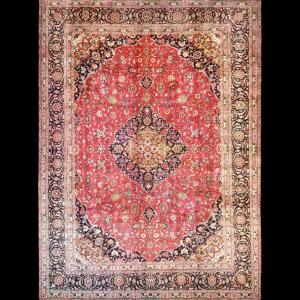
Faradoumbé Iran Bakthiar Rug 300 X 170 Cm

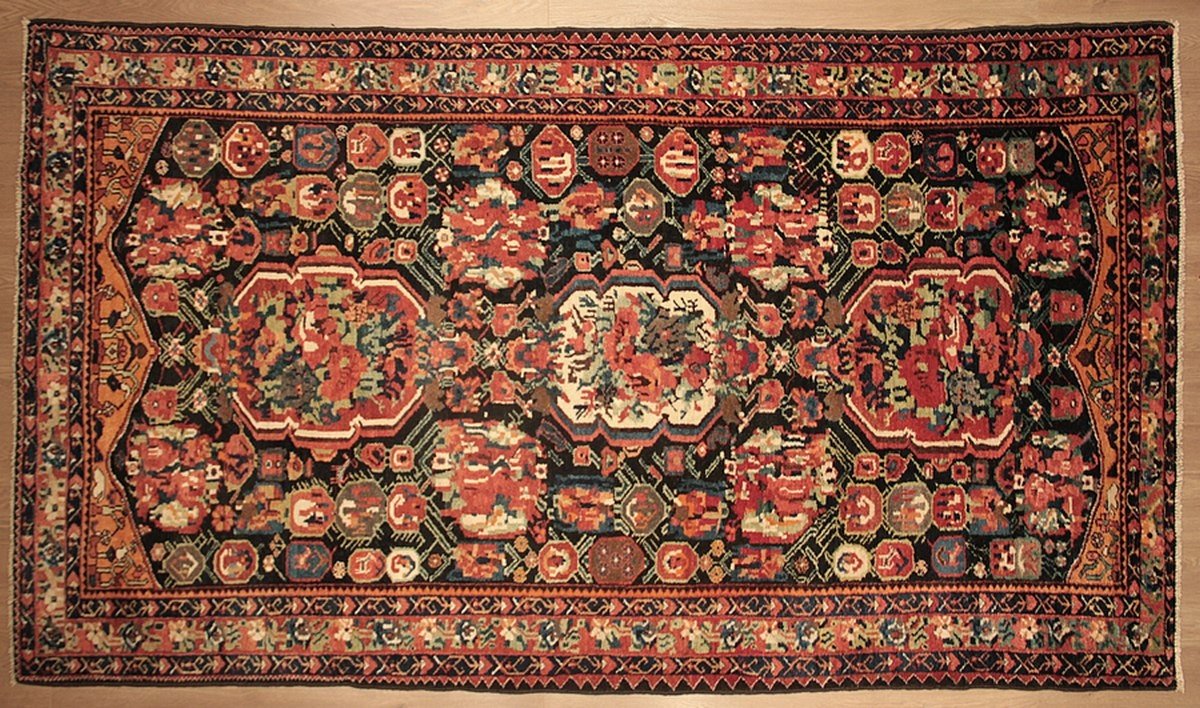
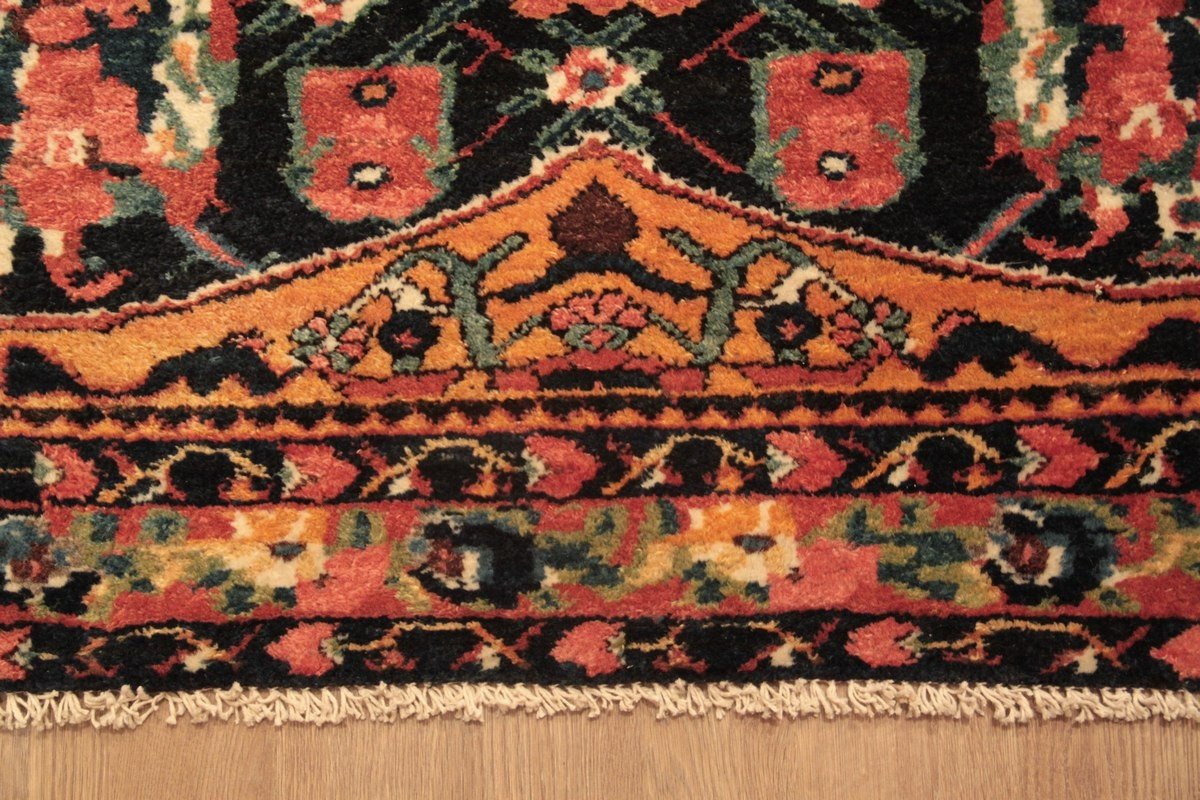
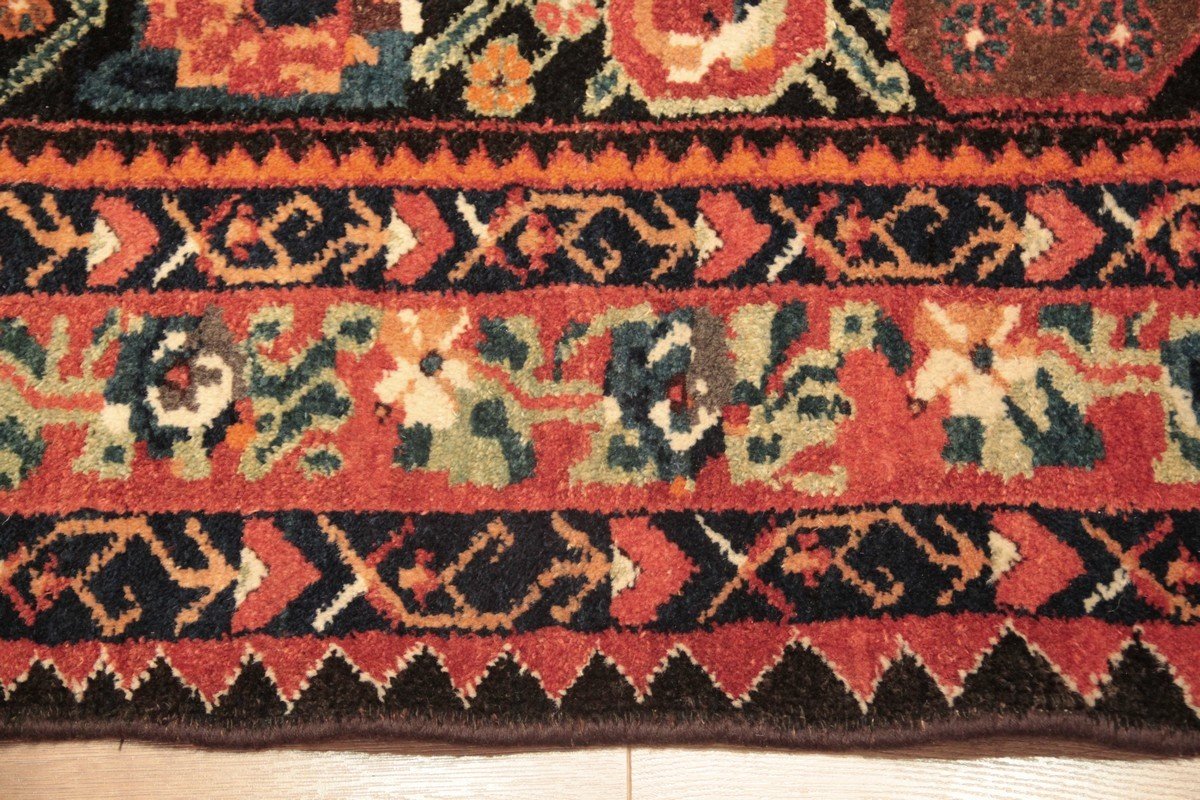
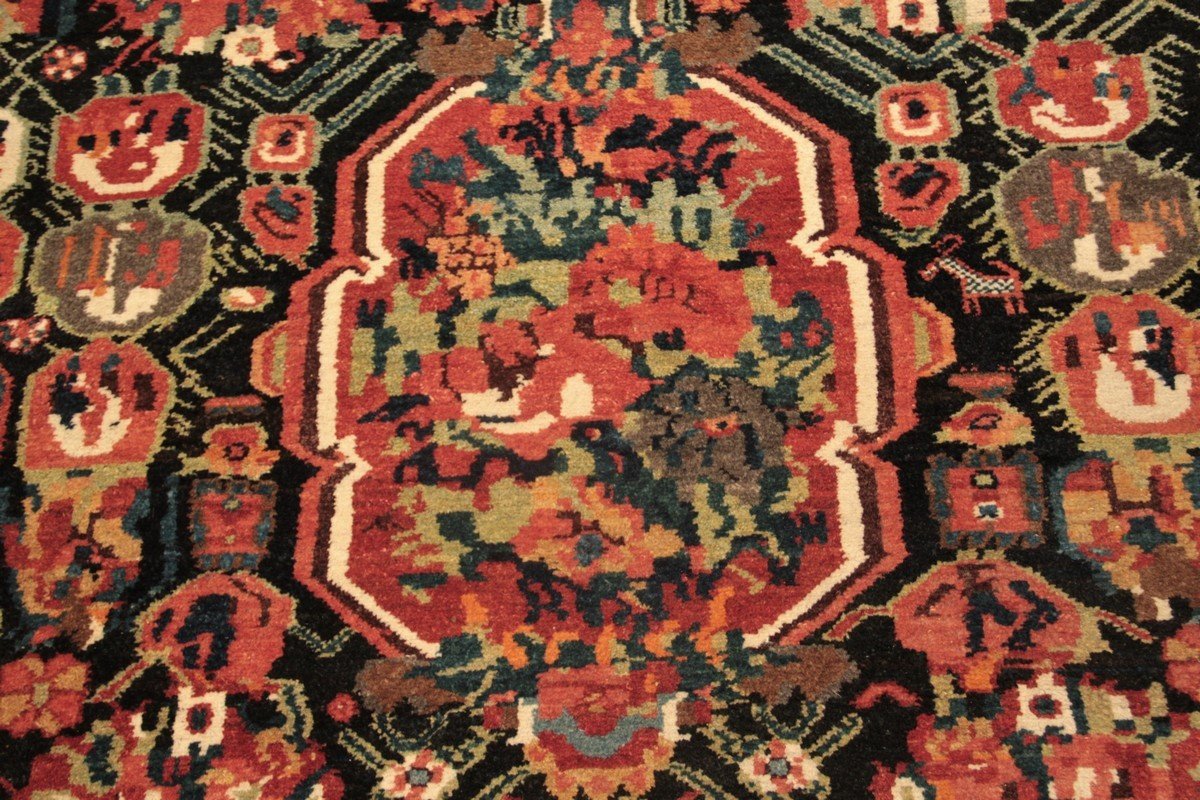
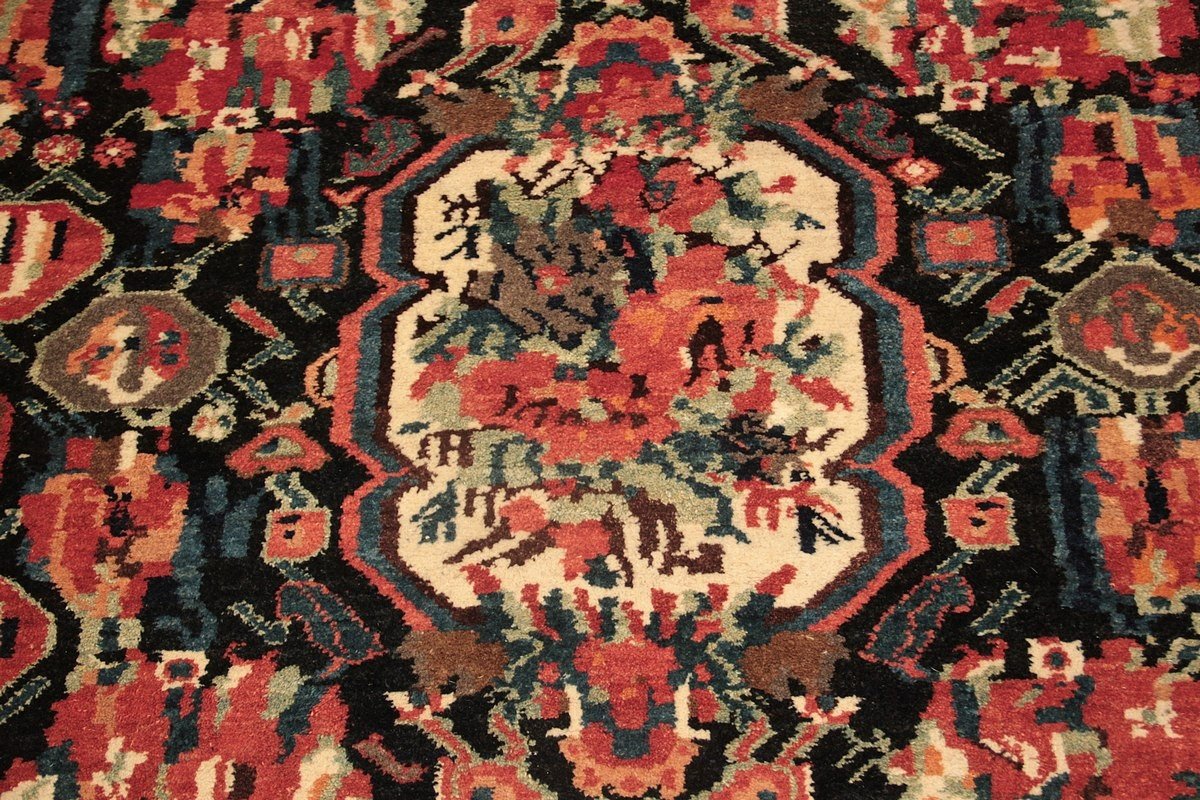
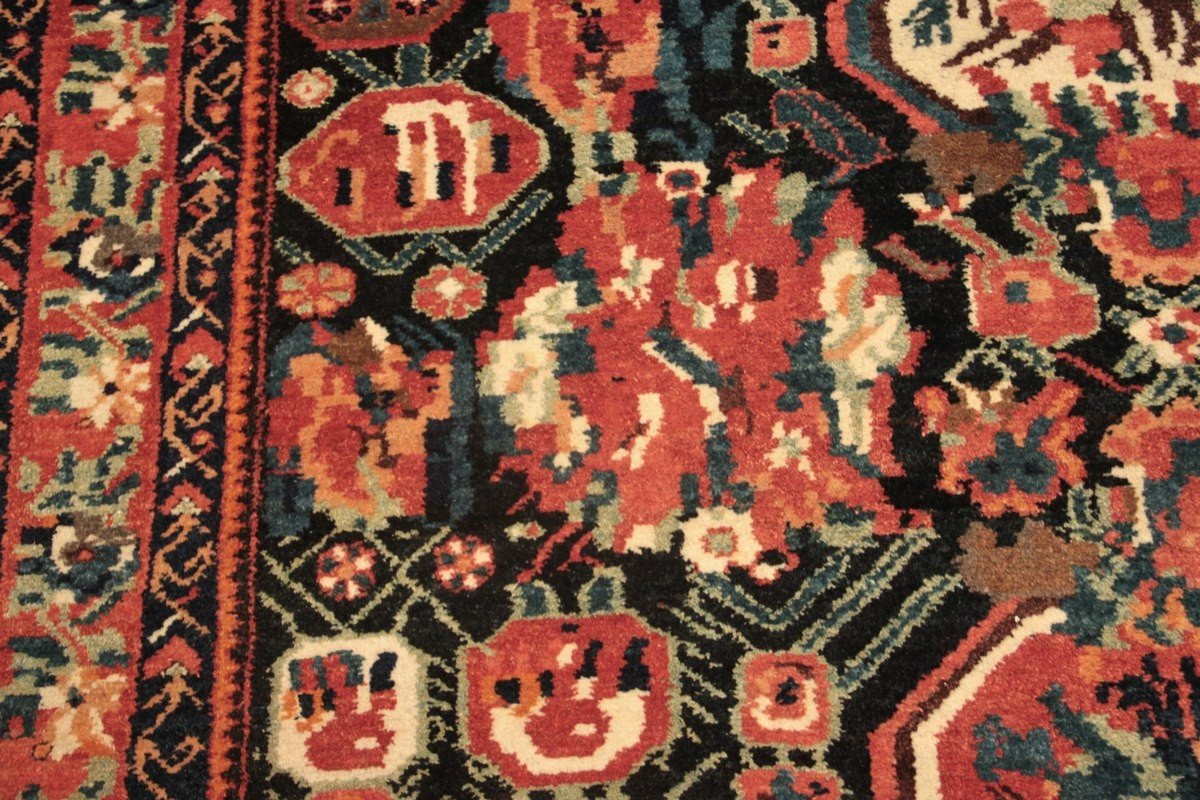
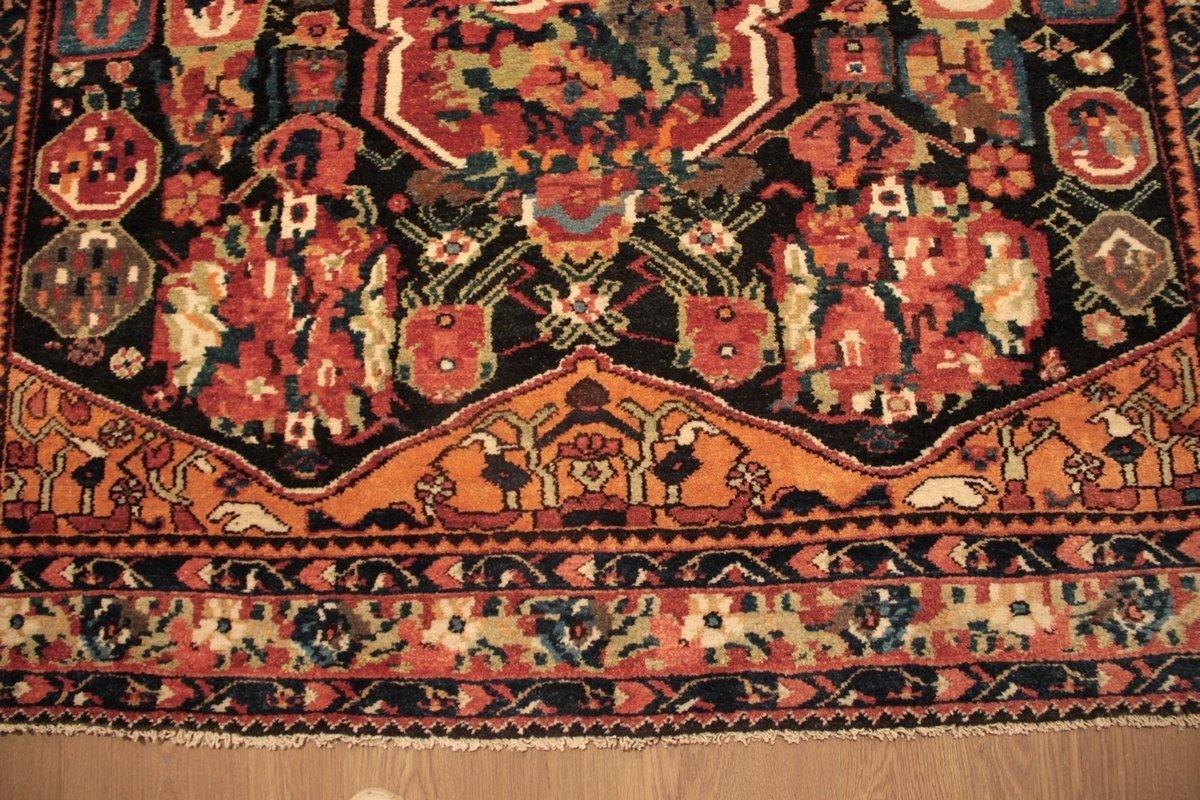
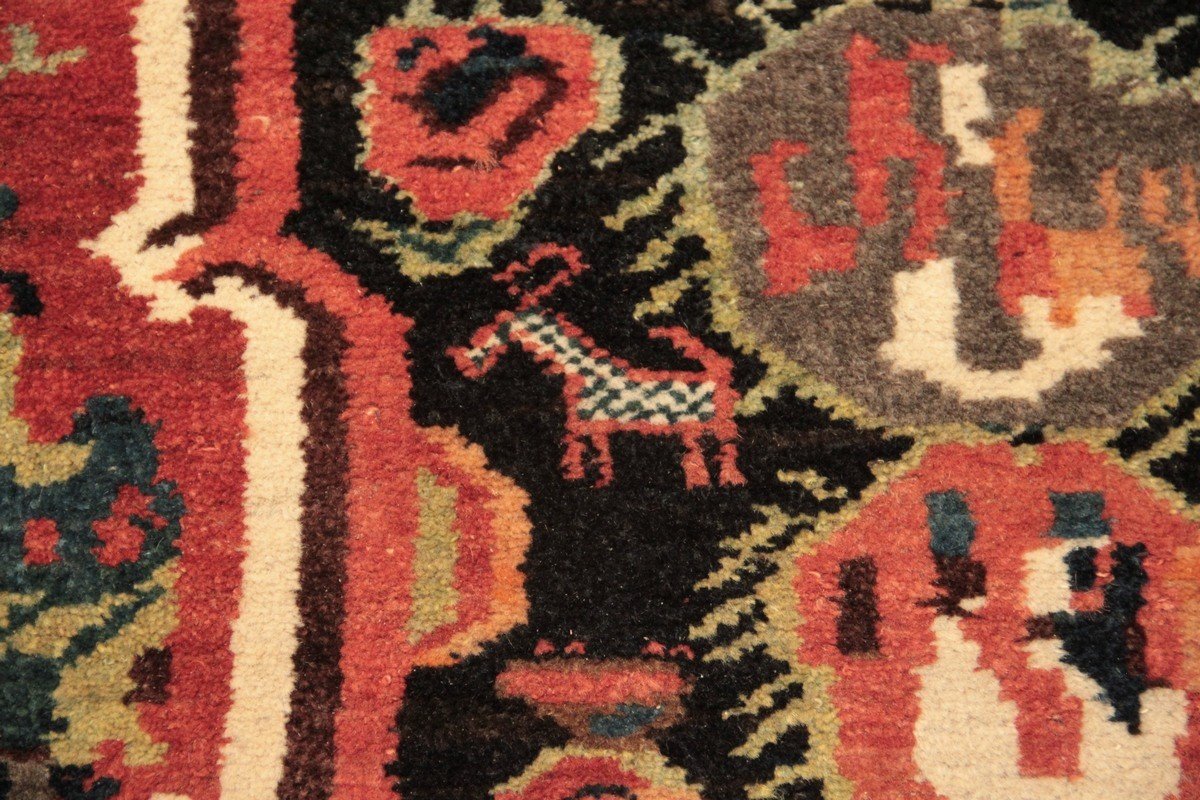

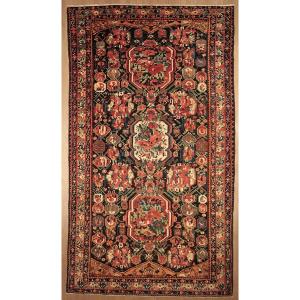


Iranian wool rug, cotton warp and weft, 1940. Very good condition. Beautiful achievement. Exceptional.
Borders and breakpoints have been restored in our workshop. Solid carpet.
This magnificent faradoumbé is made up of the "göl farang" (French rose) motif reminiscent of the floral designs of Aubusson tapestries. A lot of attention and mastery when making this kellé format rug.
The influence comes from the Damask rose whose rose pattern inspired Safavid rugs, which in turn influenced European tapestries. At the end of the 19th century and the beginning of the 20th century, this motif is found in the East on carpets and kilims from Karabakh (Caucasus), on certain Iranian carpets such as bidjars and sennehs, as well as on Moldavian kilims from the Balkans. Located in the west of Iran in the region of Chahar Mahal where live populations of “bakthiari” origin of Lur stock, the bakthiars take up traditional “garden” or “4 seasons” motifs which date from the Safavid period. , but also medallion rugs. The major achievements of the Bakhtiaris include the villages of Shahre Kord, Shalamzar, Tchalechotor, Sarman, Armenibaft as well as Faradoumbé with the göl farang motif. Reflecting local craftsmanship, it was from the second half of the 19th century that many carpet designs and patterns were developed, most often inspired by previous achievements. These creations testify to an ancestral know-how transmitted from generation to generation.
Delivery by Chronopost offered for France and Europe. Do not hesitate to contact us by phone or email. (We ship our rugs and kilims by Chronopost or Colissimo, at our expense (up to 30 kg) in mainland France and Europe).
Borders and breakpoints have been restored in our workshop. Solid carpet.
This magnificent faradoumbé is made up of the "göl farang" (French rose) motif reminiscent of the floral designs of Aubusson tapestries. A lot of attention and mastery when making this kellé format rug.
The influence comes from the Damask rose whose rose pattern inspired Safavid rugs, which in turn influenced European tapestries. At the end of the 19th century and the beginning of the 20th century, this motif is found in the East on carpets and kilims from Karabakh (Caucasus), on certain Iranian carpets such as bidjars and sennehs, as well as on Moldavian kilims from the Balkans. Located in the west of Iran in the region of Chahar Mahal where live populations of “bakthiari” origin of Lur stock, the bakthiars take up traditional “garden” or “4 seasons” motifs which date from the Safavid period. , but also medallion rugs. The major achievements of the Bakhtiaris include the villages of Shahre Kord, Shalamzar, Tchalechotor, Sarman, Armenibaft as well as Faradoumbé with the göl farang motif. Reflecting local craftsmanship, it was from the second half of the 19th century that many carpet designs and patterns were developed, most often inspired by previous achievements. These creations testify to an ancestral know-how transmitted from generation to generation.
Delivery by Chronopost offered for France and Europe. Do not hesitate to contact us by phone or email. (We ship our rugs and kilims by Chronopost or Colissimo, at our expense (up to 30 kg) in mainland France and Europe).
Explore similar pieces and discover your ideal find:
Rugs, Carpets