THIS OBJECT WAS SOLD
Shinto Tachi Blade In Shirasaya - Edo Period (17th Century) - Ikkan Shi Tadatsuna


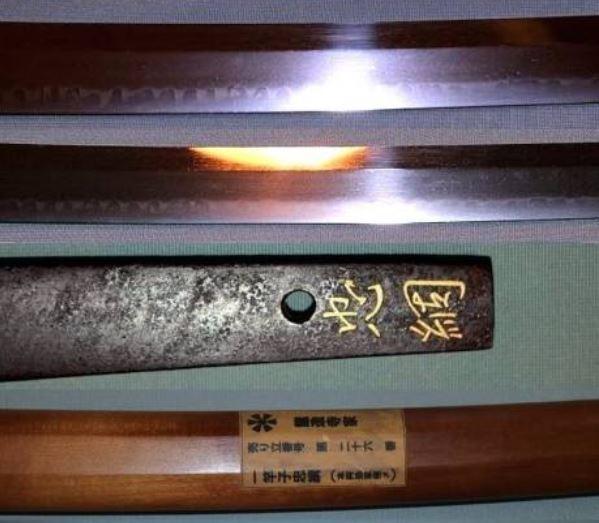
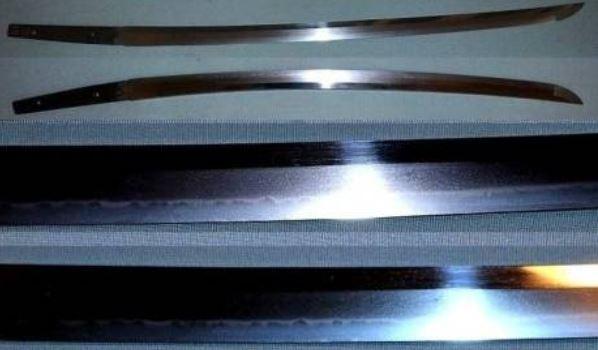

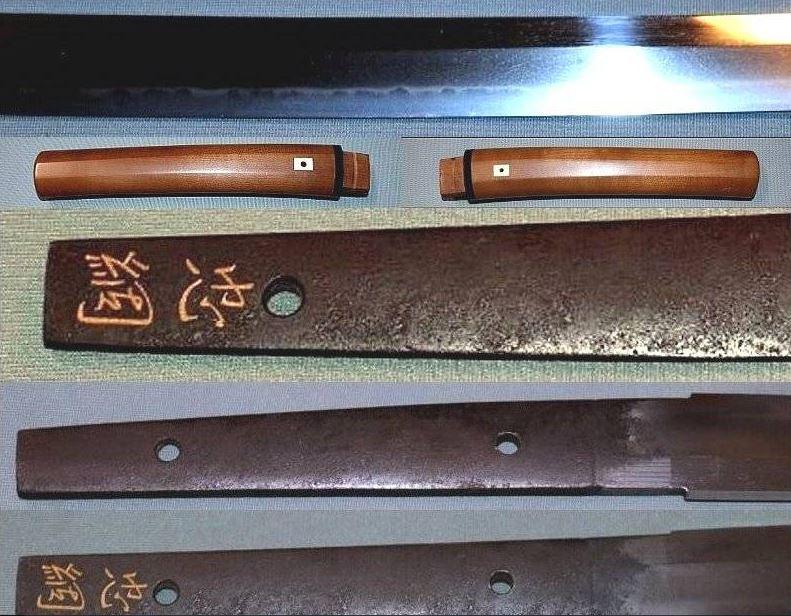
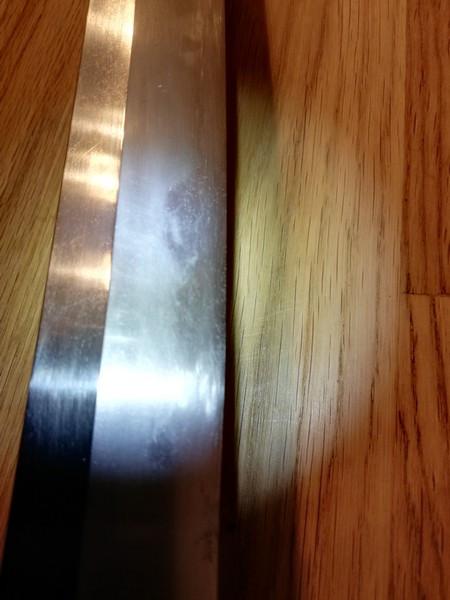
Shinto Tachi Blade from the EDO Period (17th century) in Shirasaya, authenticated by Hon'ami Koetsu Kiwame, attributing the blade to the blacksmith "Ikkan Shi Tadatsuna". Signed in Kin-zogan-mei (Gold signature by the Hon'ami family)
Characteristics :
• Blade type : Shinogi Zukuri. No-hi (no throat)
• Weight : 895grs
• Nagasa : 67.7cm
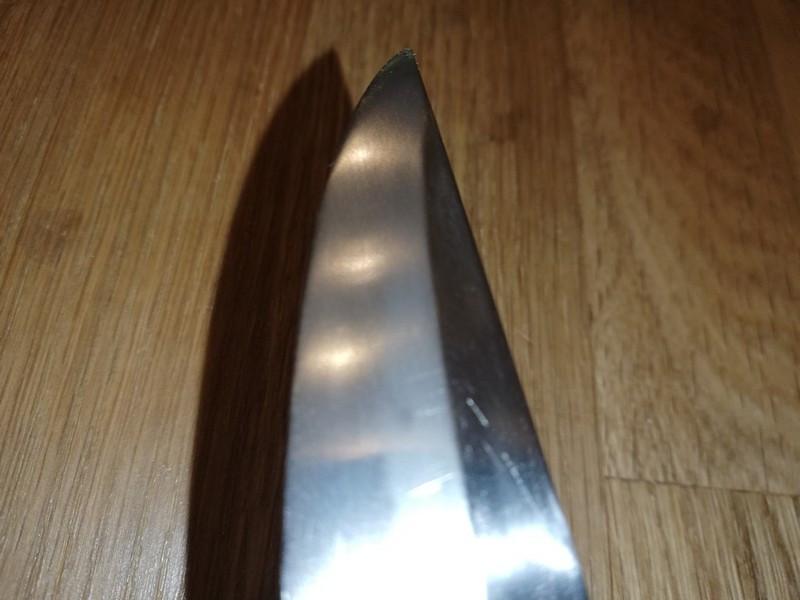
• Kissaki type : O-kissaki
• Mune type : Iori Mune
• Nakago type : Standard
• Nakago-saki (end of the Nakago): Kiri - Ichimonji - Without Yasurime
• Mekugi-ana : 2
• Sori type : 1.4cm Koshizori
• Hamon type : Ko-Midare based on a Suguha in Nioi-deki
• Jigane and Jihada of type : Mokume-hada
Blade appearance :
• Very good polishing, with Nagashi (series of parallel lines drawn by the Togishi on the Nakago).
Description :
Very beautiful and old Shinto Tachi blade, from the EDO Period (17th century), attributed to "Ikkan Shi Tadatsuna" in its Shirasaya. This sword has a high-ranking family provenance from Kyushu (Hizen Koku): the Ryuzodera * family. And was part of his collection. Lord landowner in the Region West of Hizen, currently Saga Prefecture, Nagasaki City. Daimyo family having ruled and fought during the Sengoku period, on the death of Takanobu, the descendant Masaie, receives from Toyotomi Hideyoshi the territory of 7 Townships corresponding to about 31,000 Goku, the Daimyo Nabeshima, only had about 3.
Blade defects :
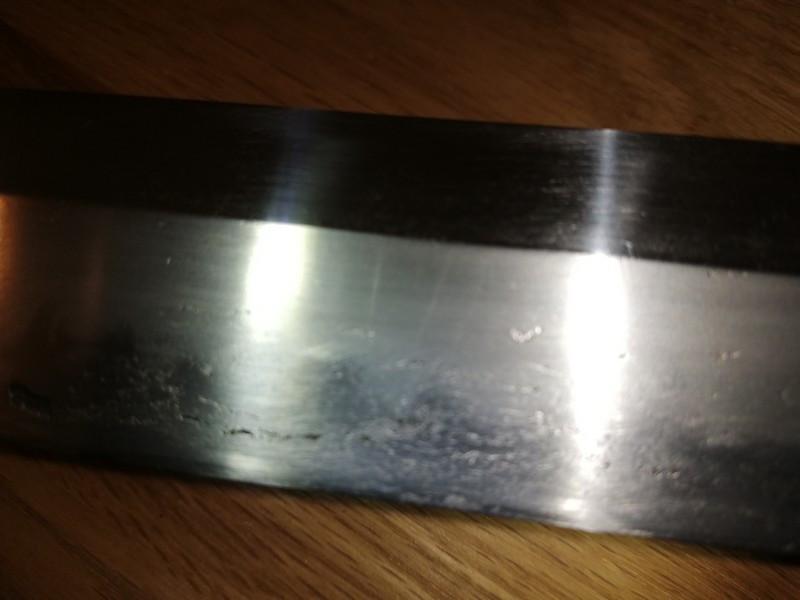
• Presence of a Muneware on 1 side of the Kissaki (small very short and shallow slot parallel to the blade), 1 oxidation zone on the Mune (5 x 10mm) located 12.5 cm from the Munemachi.
- Name of the blacksmith :"Ikkan Shi Tadatsuna" (2nd generation).
- Blade classification : Sai-jo-saku
- Signature (with) : Kin Zogan Mei (gold signature)
- Without certificates : However a tag is stuck on the Shirasaya and it says this: Ryuzodera Auction No 26. (Where this sword was for sale)
- Name : Ikkan Shi Tadatsuna (2nd generation), Authenticated by Hon'ami Koetsu Kiwame : writing in gold on the Nakago.
- Blacksmith School : Tadatsuna – Location : Former Settsu Province (present-day Hyogo Prefecture and northern part of Osaka Prefecture.)
- Period : Genroku era (1688-1704), the Golden Age of the Edo period (17th century)
Characteristics :
• Blade type : Shinogi Zukuri. No-hi (no throat)
• Weight : 895grs
• Nagasa : 67.7cm
• Kissaki type : O-kissaki
• Mune type : Iori Mune
• Nakago type : Standard
• Nakago-saki (end of the Nakago): Kiri - Ichimonji - Without Yasurime
• Mekugi-ana : 2
• Sori type : 1.4cm Koshizori
• Hamon type : Ko-Midare based on a Suguha in Nioi-deki
• Jigane and Jihada of type : Mokume-hada
Blade appearance :
• Very good polishing, with Nagashi (series of parallel lines drawn by the Togishi on the Nakago).
Description :
Very beautiful and old Shinto Tachi blade, from the EDO Period (17th century), attributed to "Ikkan Shi Tadatsuna" in its Shirasaya. This sword has a high-ranking family provenance from Kyushu (Hizen Koku): the Ryuzodera * family. And was part of his collection. Lord landowner in the Region West of Hizen, currently Saga Prefecture, Nagasaki City. Daimyo family having ruled and fought during the Sengoku period, on the death of Takanobu, the descendant Masaie, receives from Toyotomi Hideyoshi the territory of 7 Townships corresponding to about 31,000 Goku, the Daimyo Nabeshima, only had about 3.
Blade defects :
• Presence of a Muneware on 1 side of the Kissaki (small very short and shallow slot parallel to the blade), 1 oxidation zone on the Mune (5 x 10mm) located 12.5 cm from the Munemachi.
Explore similar pieces and discover your ideal find:
Edged Weapons