THIS OBJECT WAS SOLD
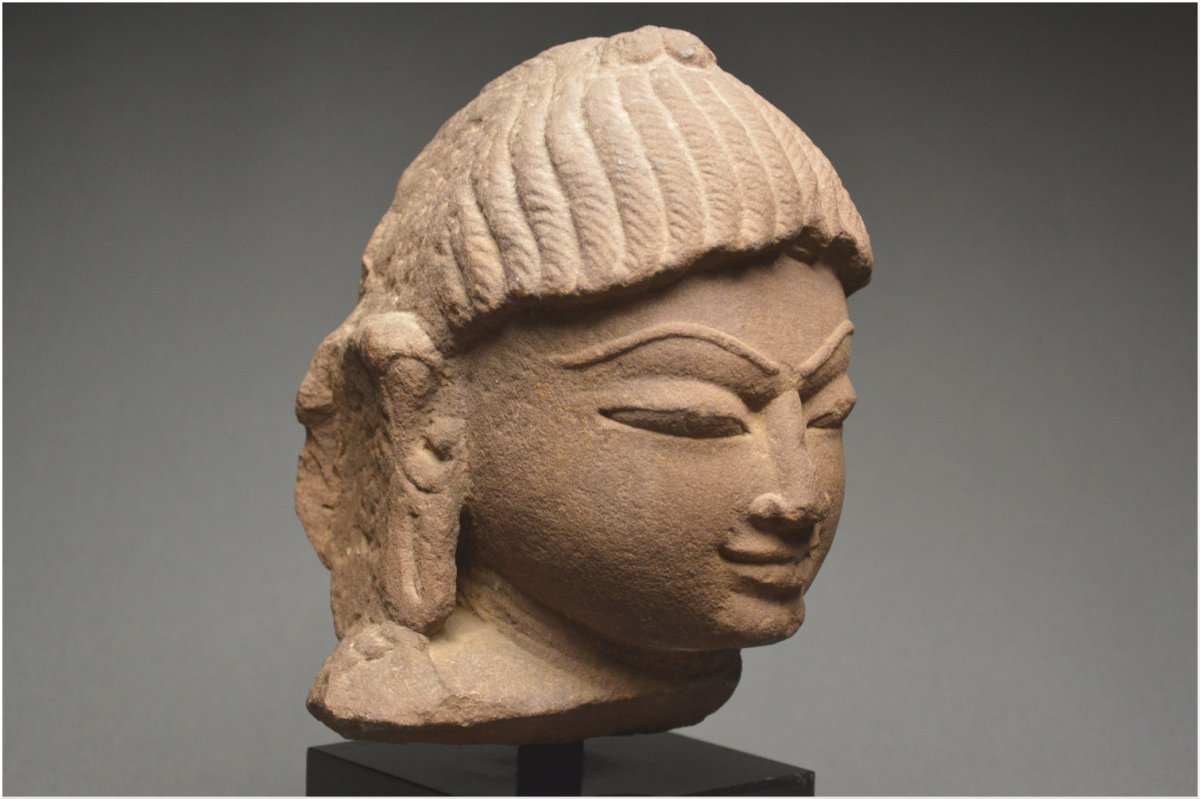
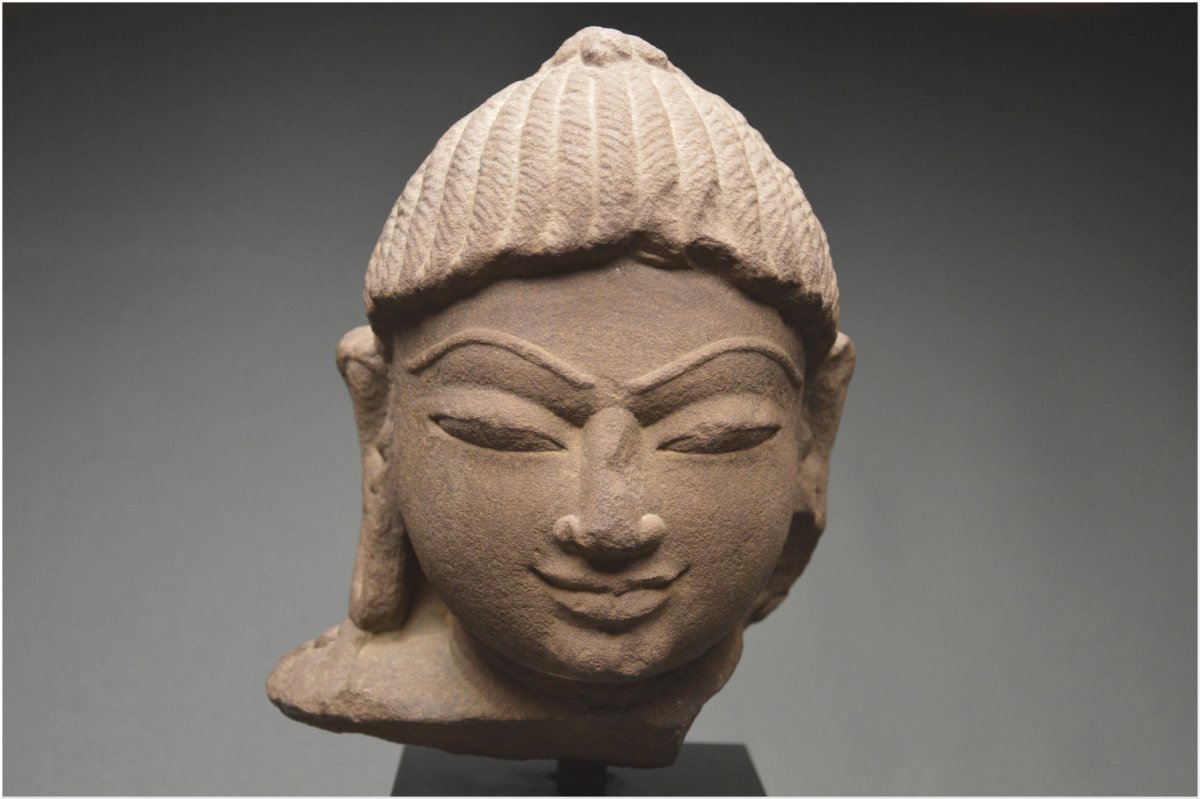
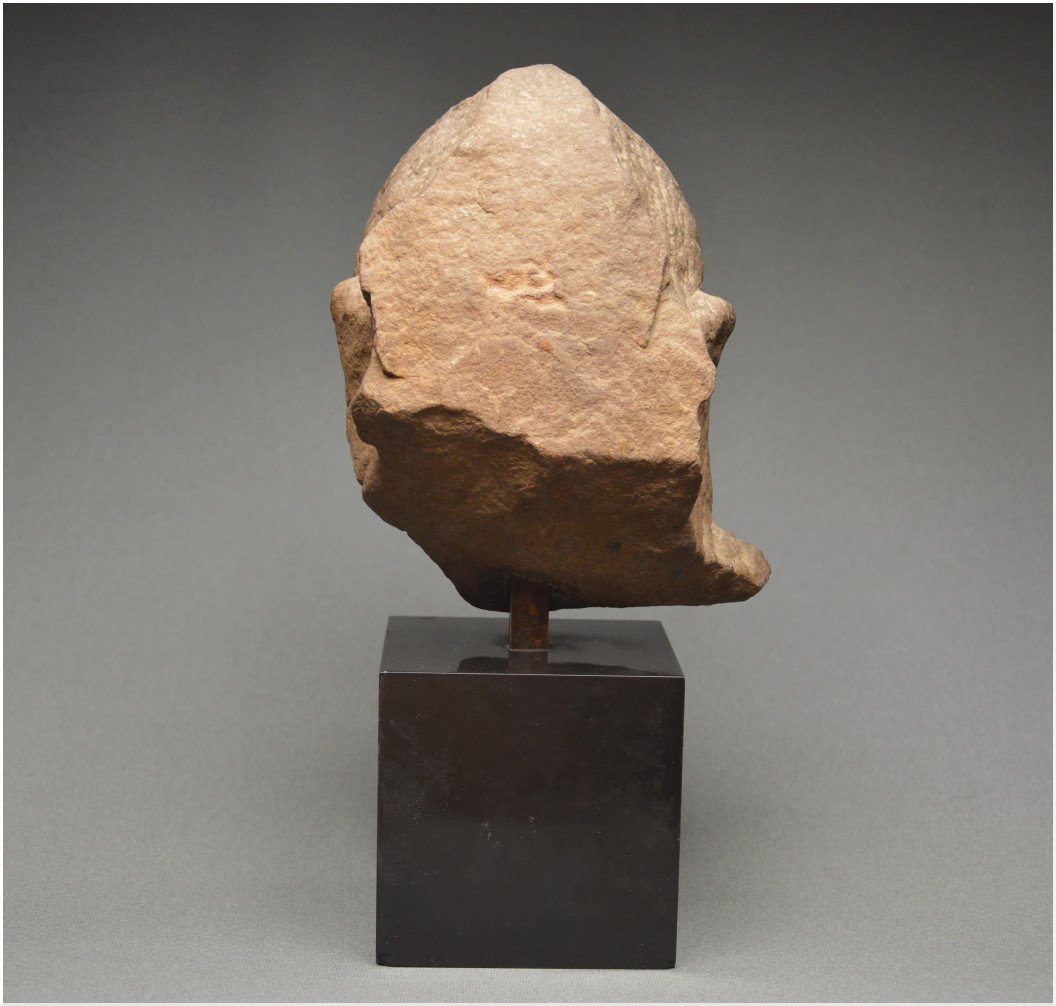
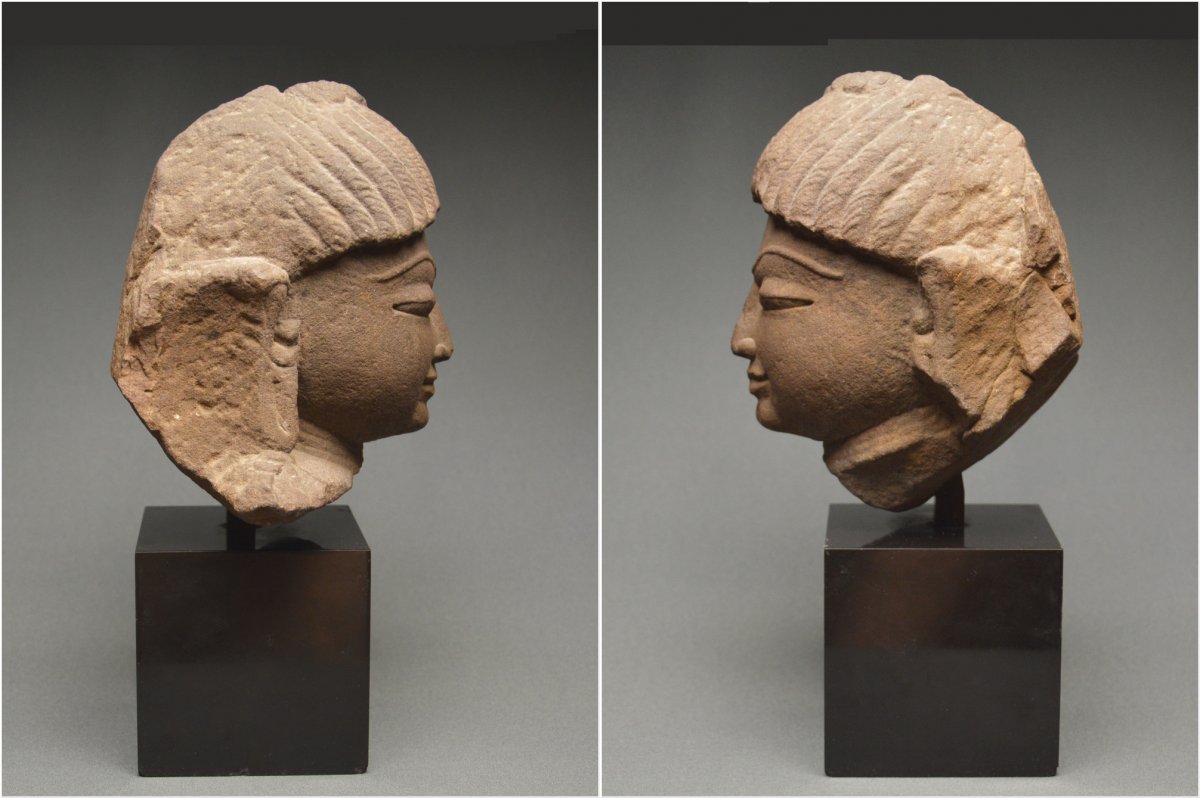
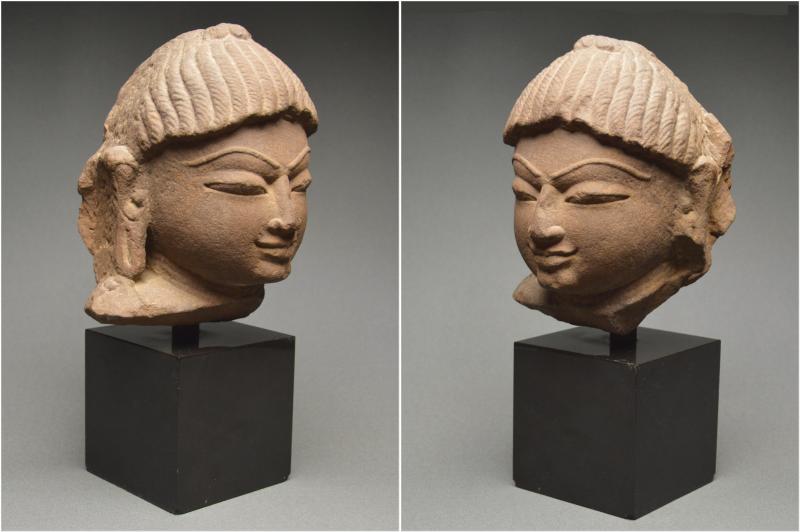
India, 10th - 13th Century, Jain Culture, Important Sandstone Head Of Tirthankara







Origin: India
Culture: Jaïne
Period: 10th - 13th century
Material: Sandstone
Without stand: 20 x 17 cm
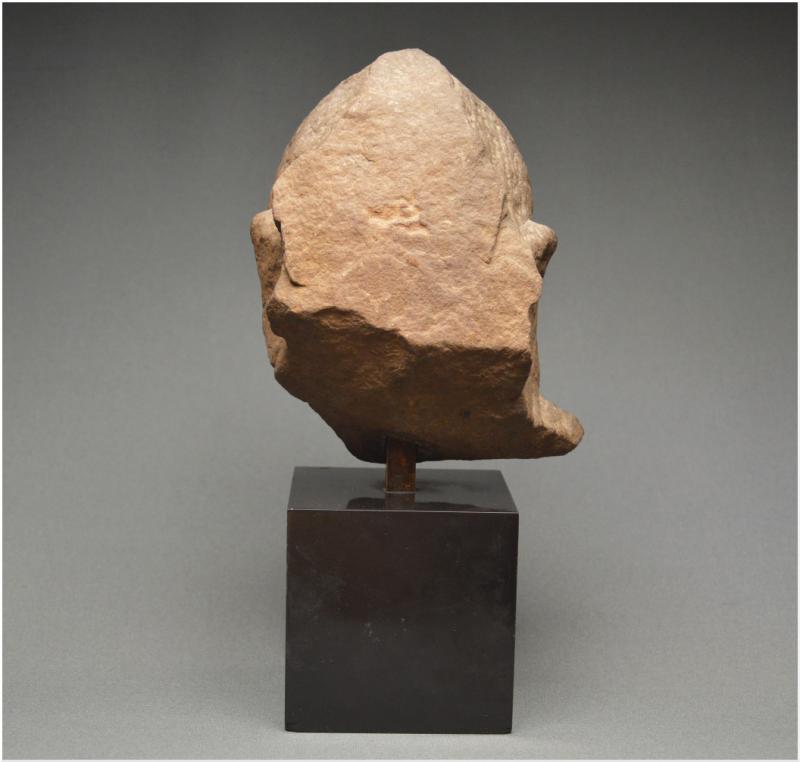
Condition: Small accidents and visible losses
Provenance: Former private collection
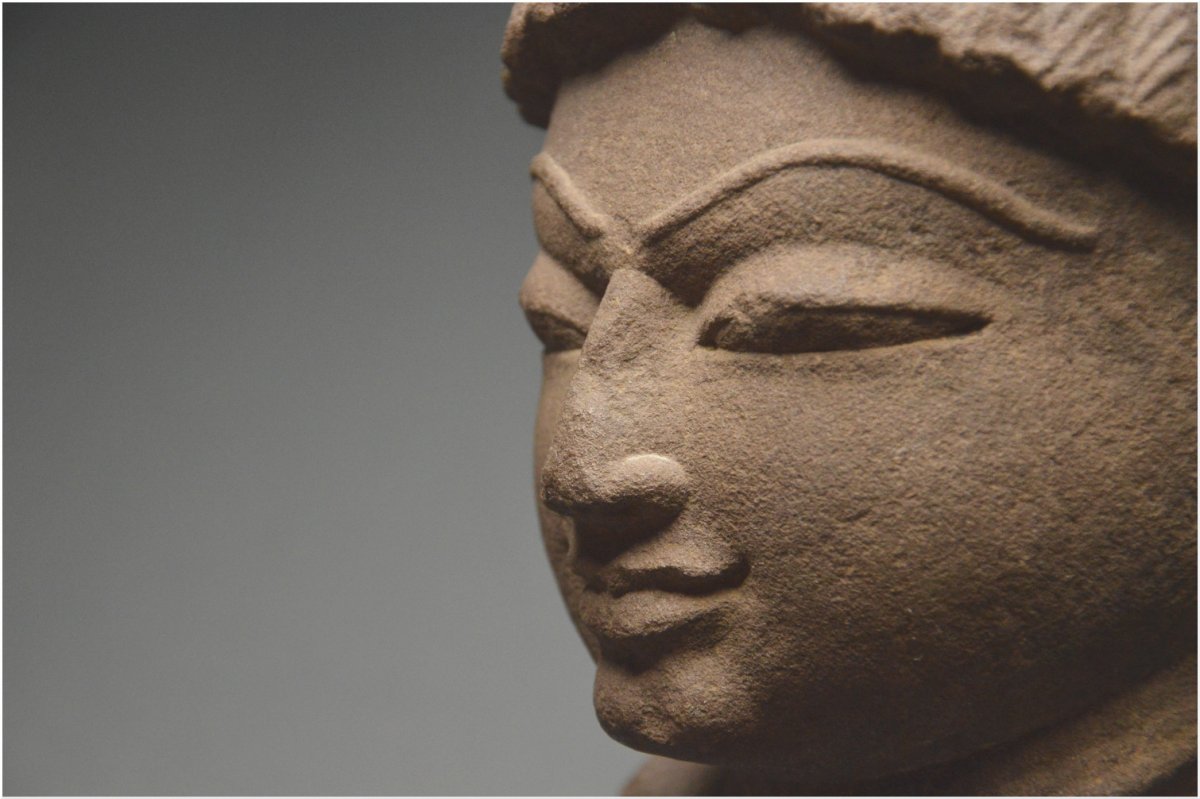
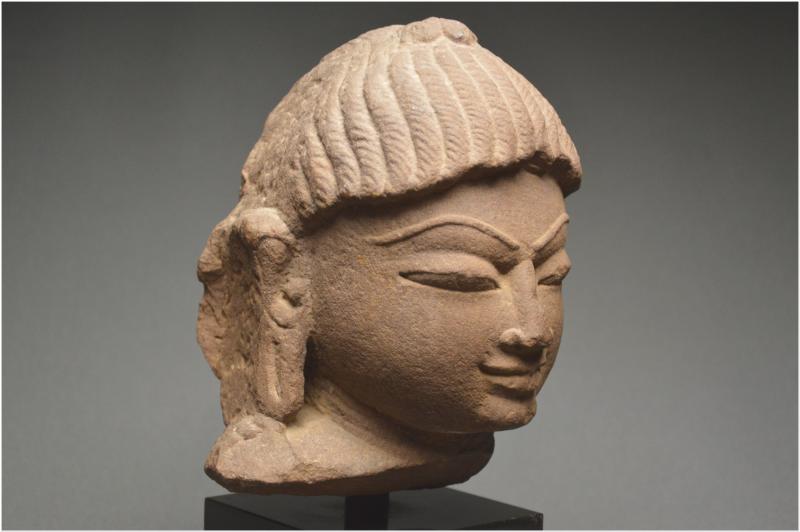
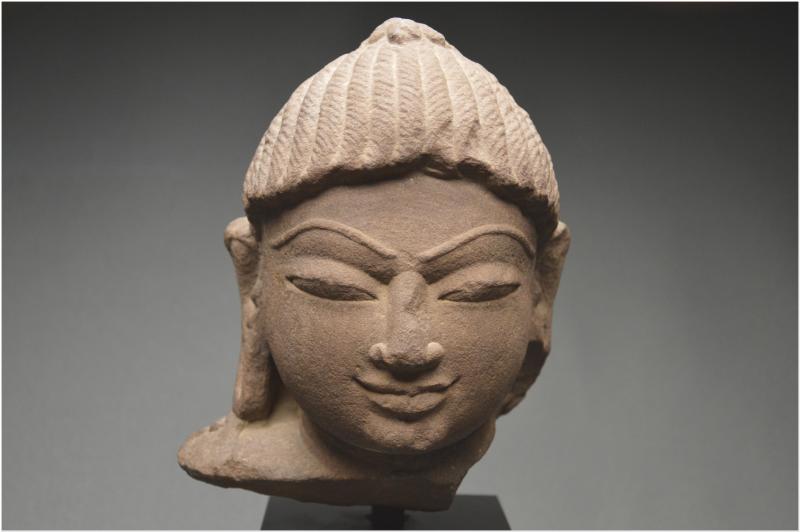
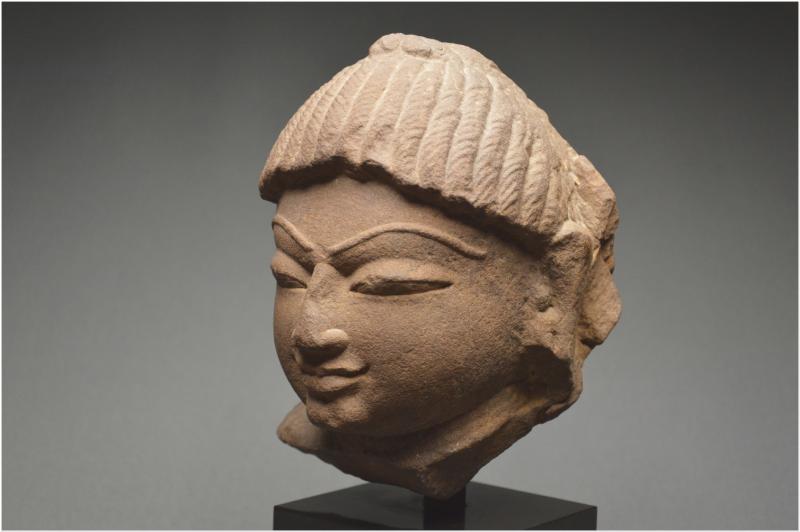
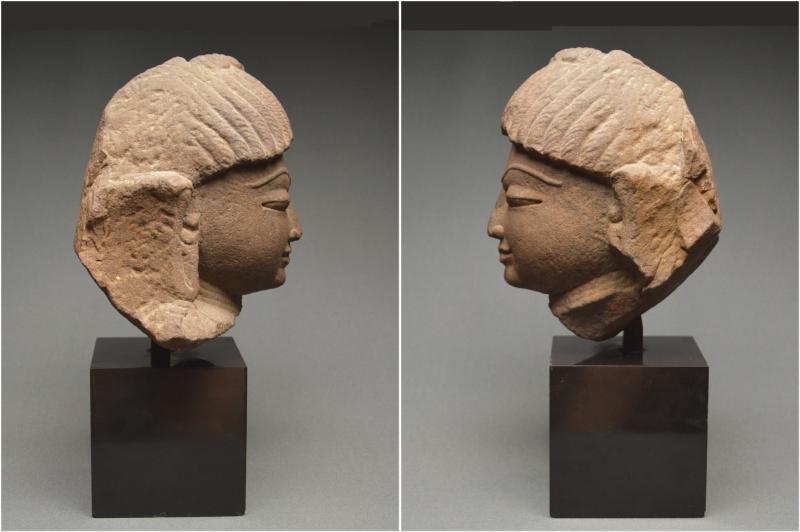
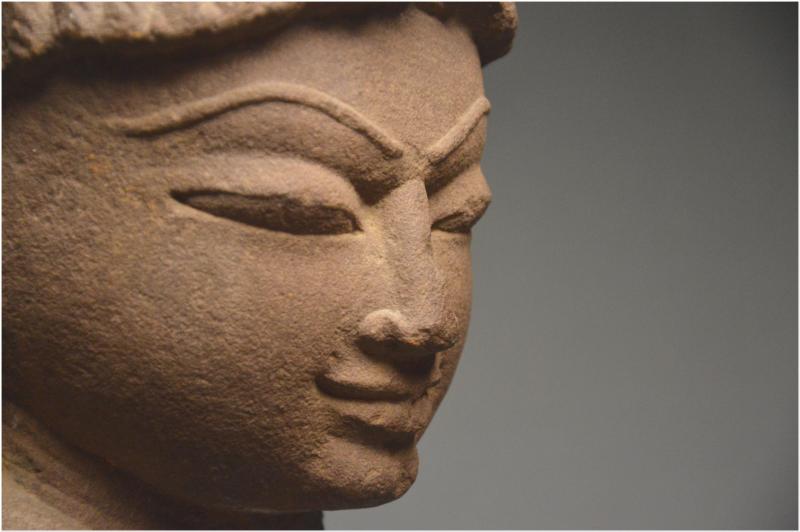
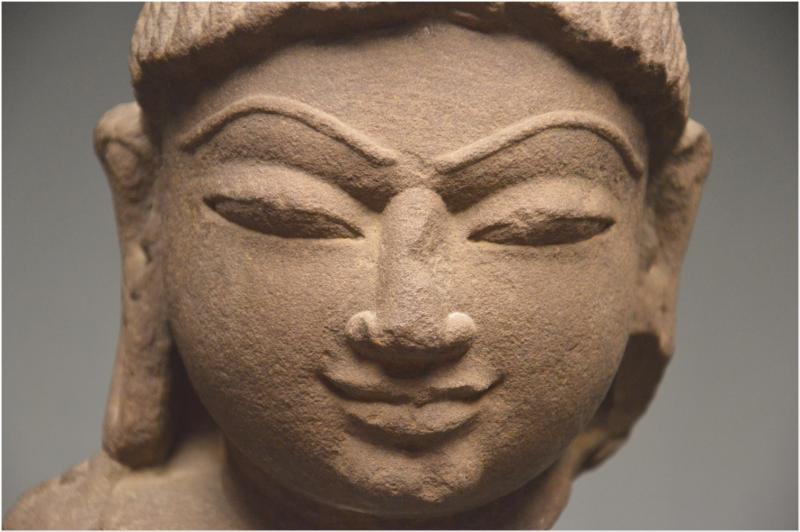
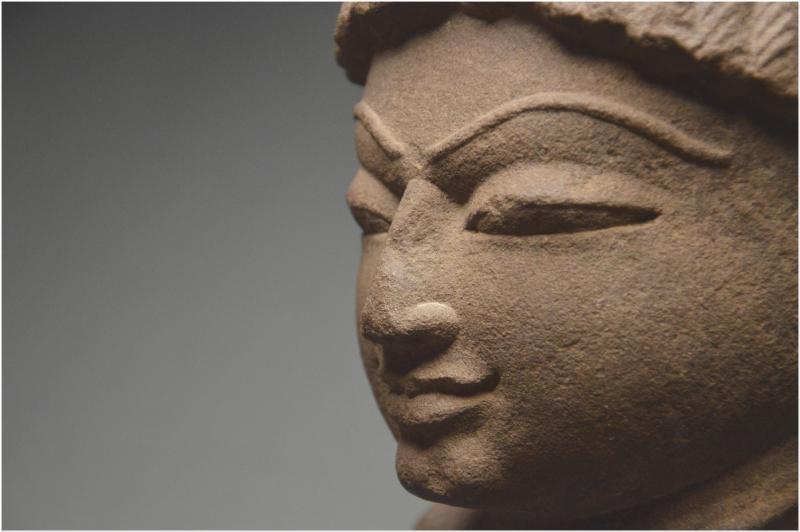
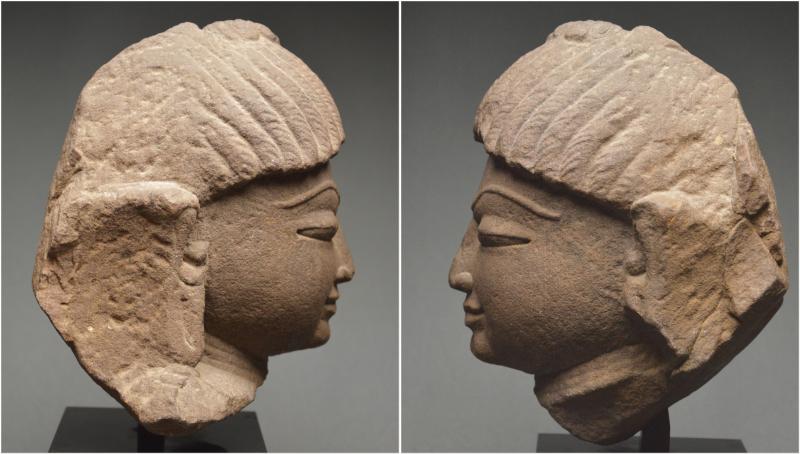
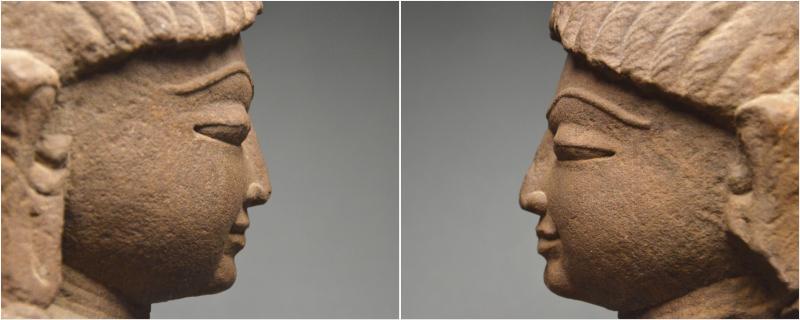
Beautiful face of Tirthankara with great softness characterized by fine raised eyebrows with delicate curvature overhanging two large half-closed almond eyes. The thin nose with dilated nostrils overhangs a slippery mouth sketching a slight smile above a small prognathic chin. Like the representations of the Buddha, the neck is adorned with the three folds of beauty and the ears have lobes distended by the weight of the jewels, thus symbolizing the subject's royal origin. The hairstyle developed in a series of long incised locks welcomes at its top the shrivatsa, symbol of the superior man who has exceeded the contingencies of the terrestrial world. The particular treatment of the hair in long locks lets us think that we would be here in the presence of Rishabhanâtha, the first of the Tirthankara. Indeed, he is the only one among the 24 Jina to sport a long hair whose locks of hair fall on both shoulders. Despite the incomplete state of these on our piece, some traces of relief remaining on the side of the lobe of the right ear would indicate the original presence of these locks of hair.
Jainism is one of the three great ancient religions of India. Mahâvirâ, its historical founder lived between 540 and 468 BC and is a contemporary of the Buddha. According to the doctrine, Mahâvirâ would have been preceded by 23 other Tirthankara (ford-makers) named Jina (victors). With the other classical religions of India, Jainism shares the same faith in the cycle of existences (samsara) and in the periodic decline of the world. In order to free oneself from this cycle, the Jain doctrine advocates an ascetic conduct advocating the renunciation of earthly attractions as well as non-violence (ahimsa, or 'desire not to harm') towards any form of life, the ahimsa representing the doctrine cardinal of Jainism.
Explore similar pieces and discover your ideal find:
Other Religions and Rituals