THIS OBJECT WAS SOLD
China - Two Porcelain Plates In East India Company 18th Century
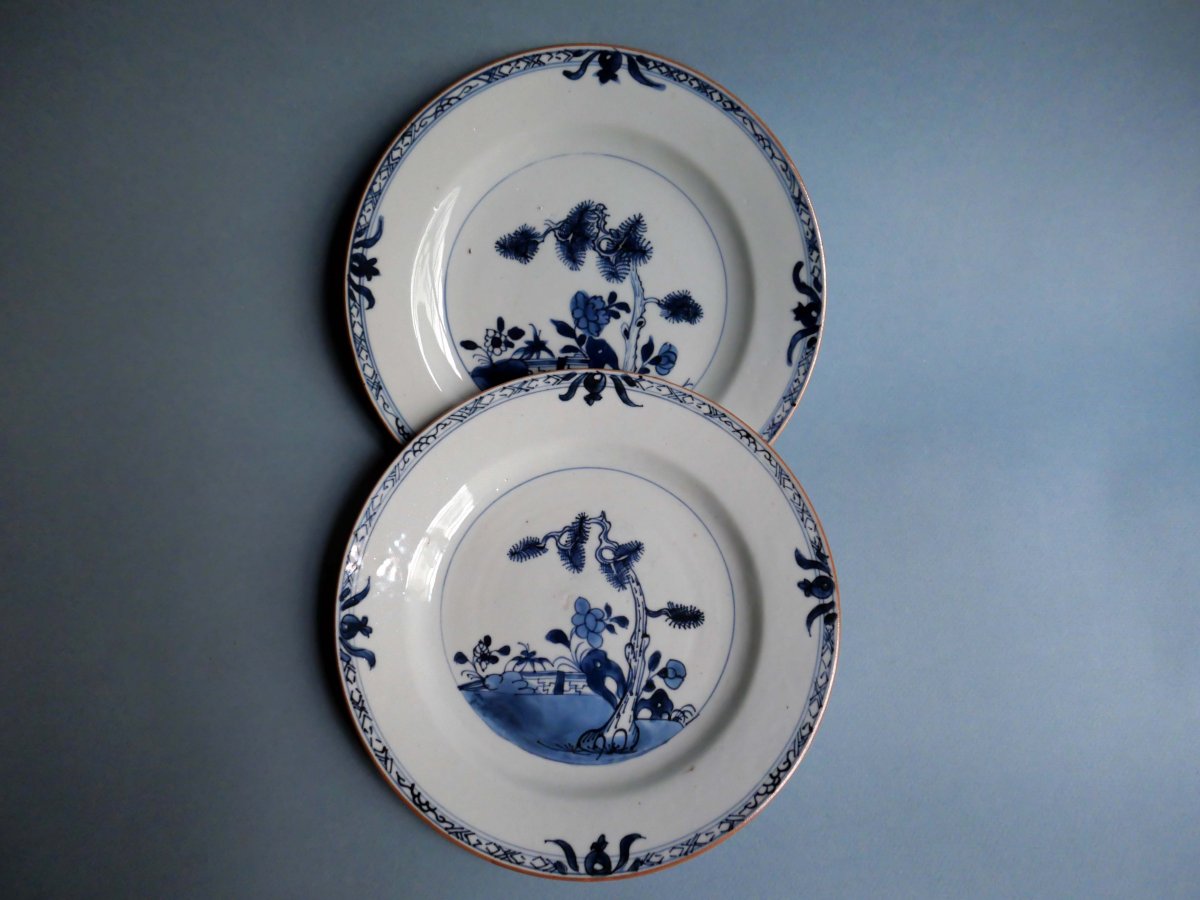
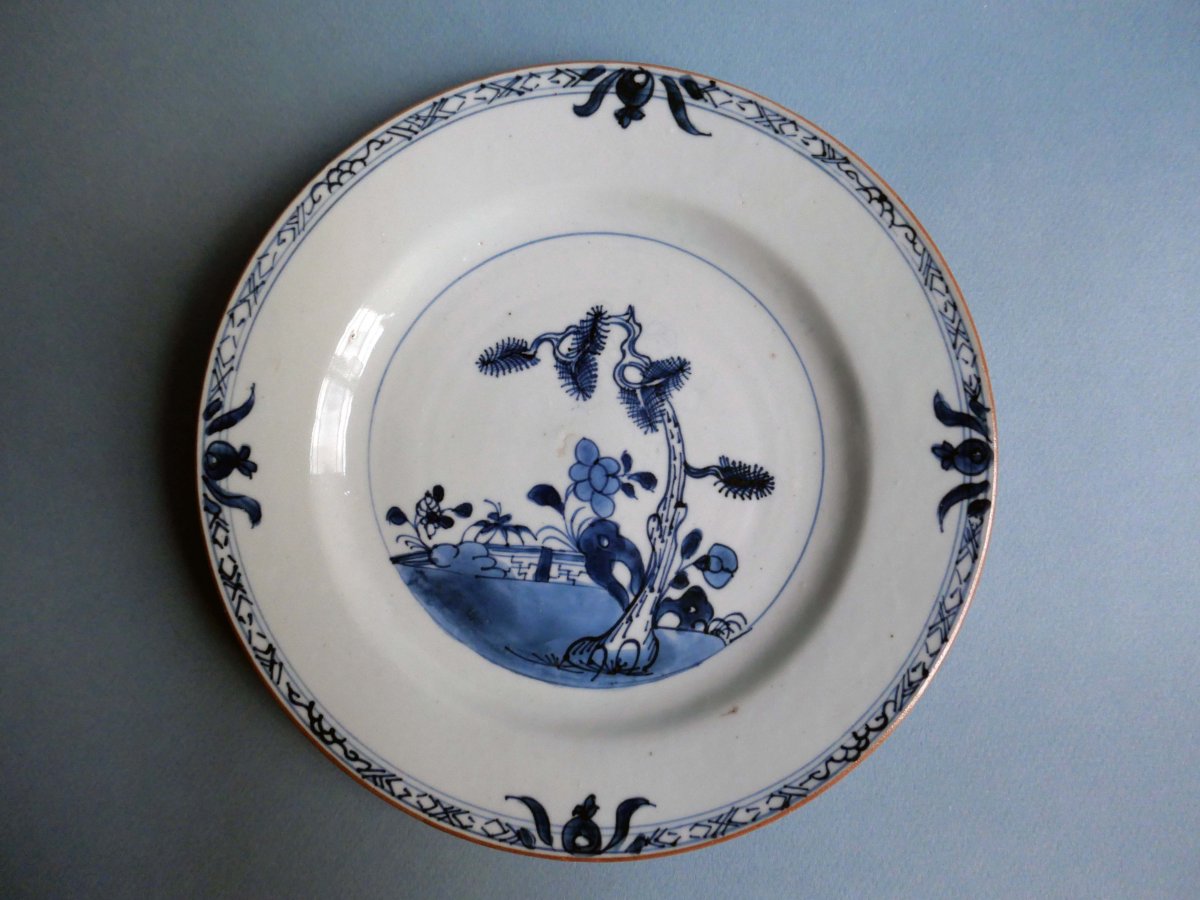
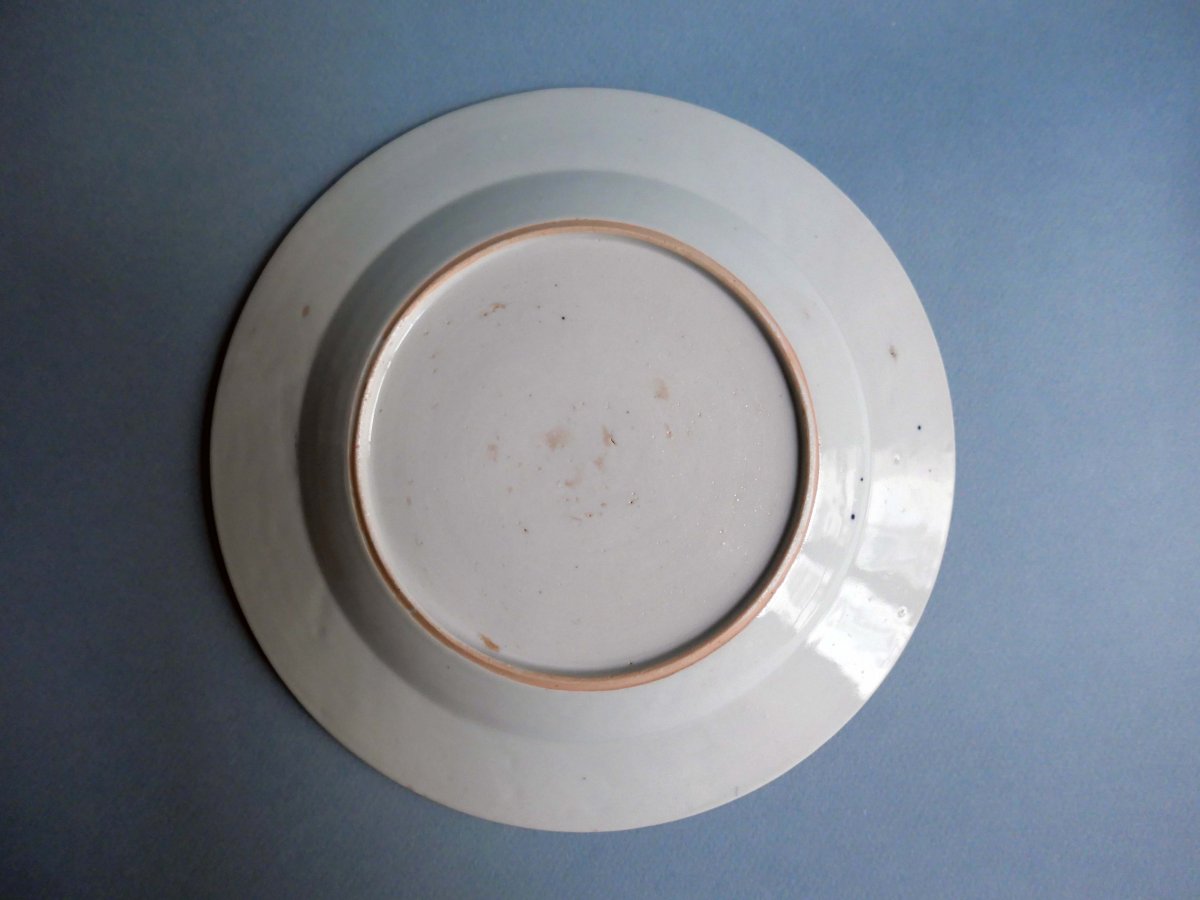
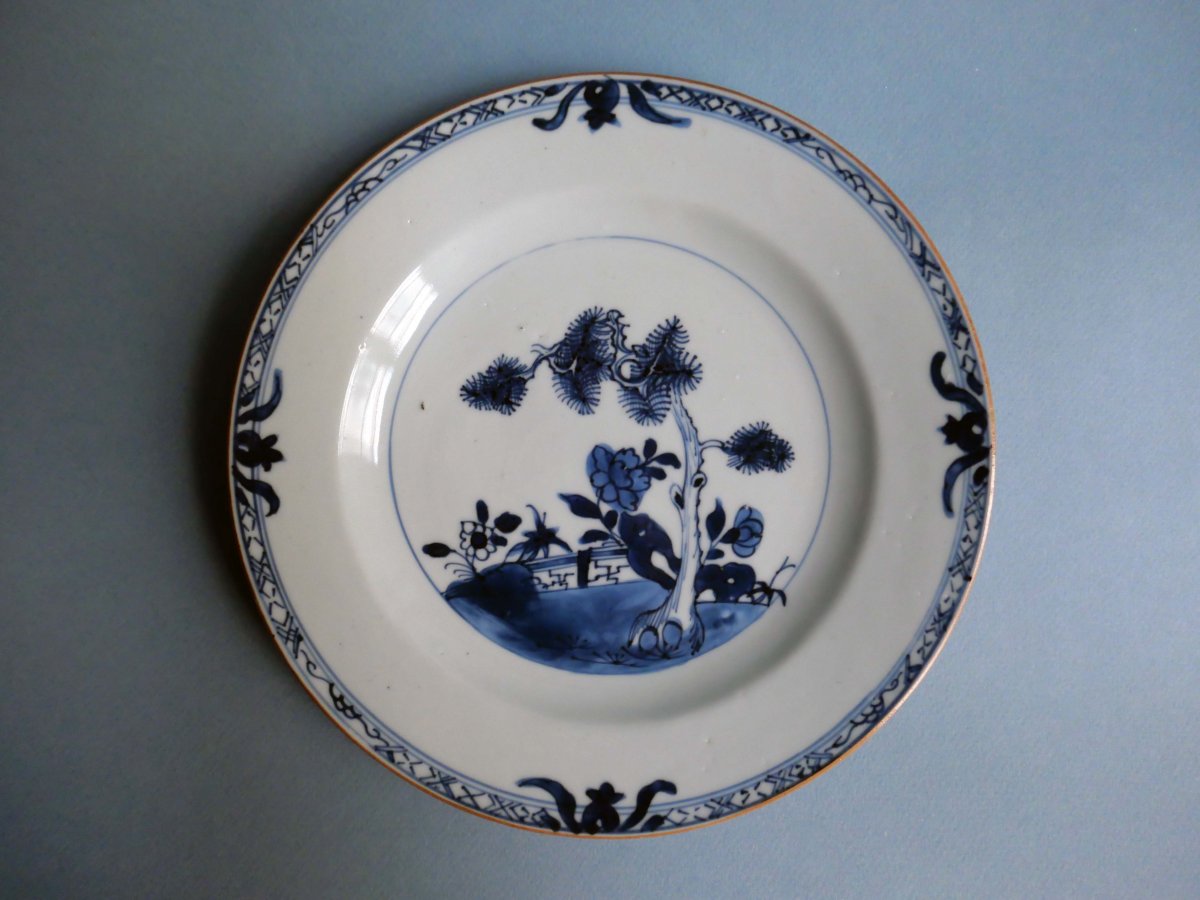
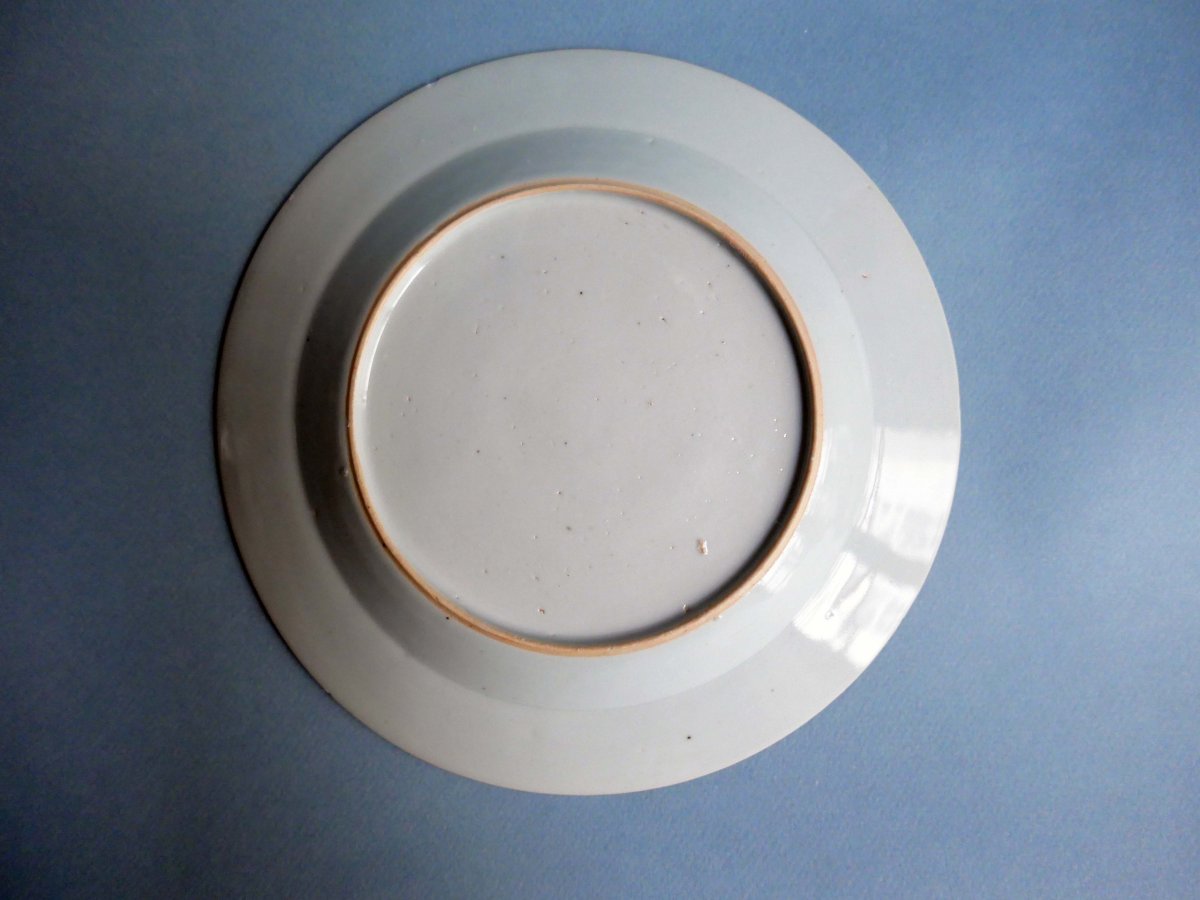
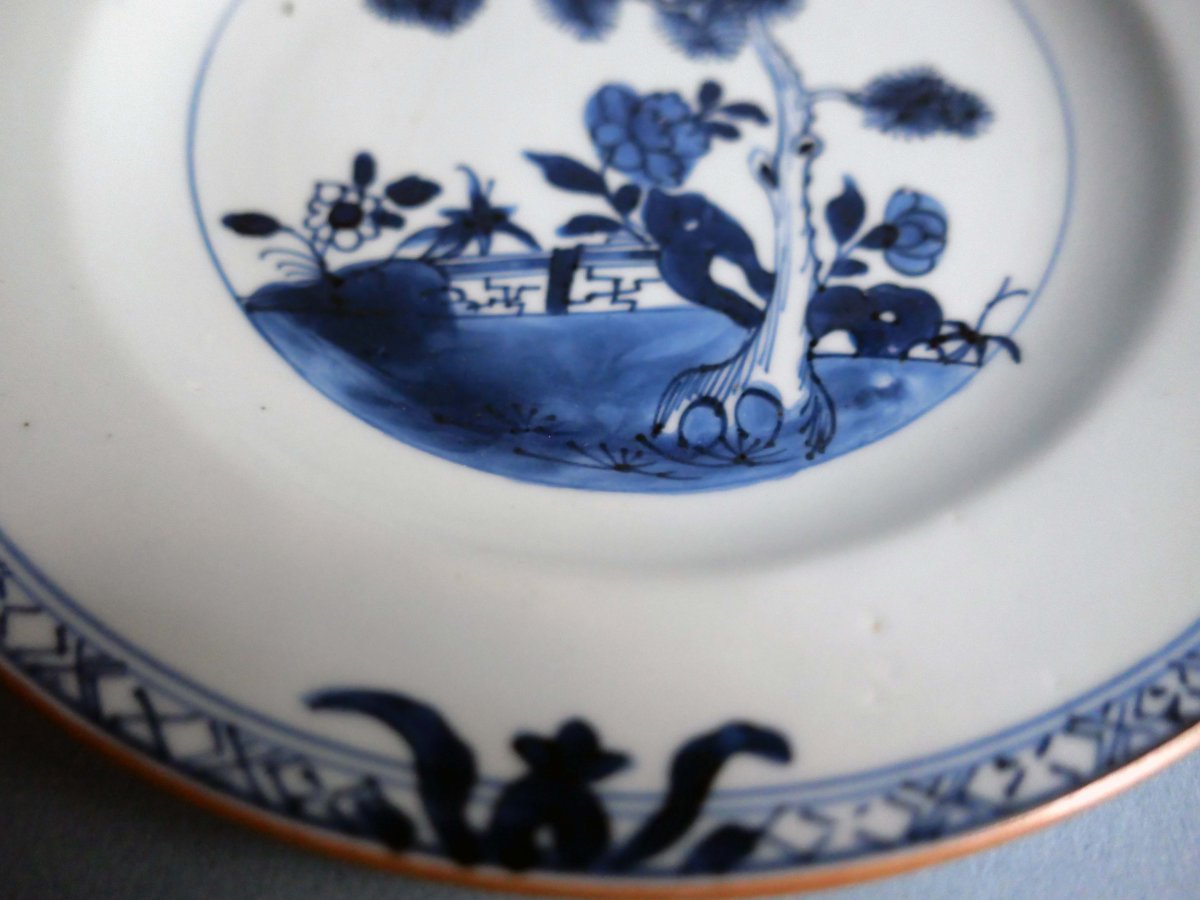
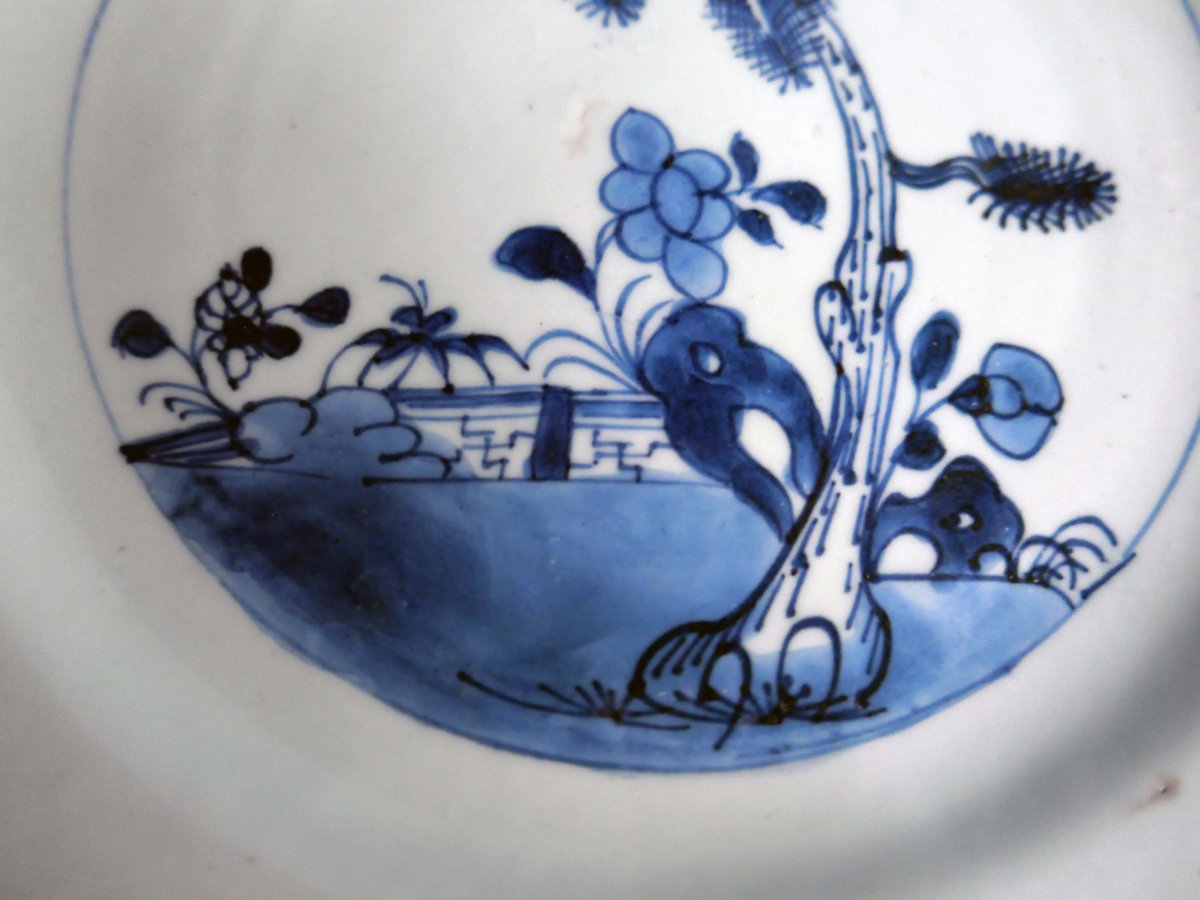

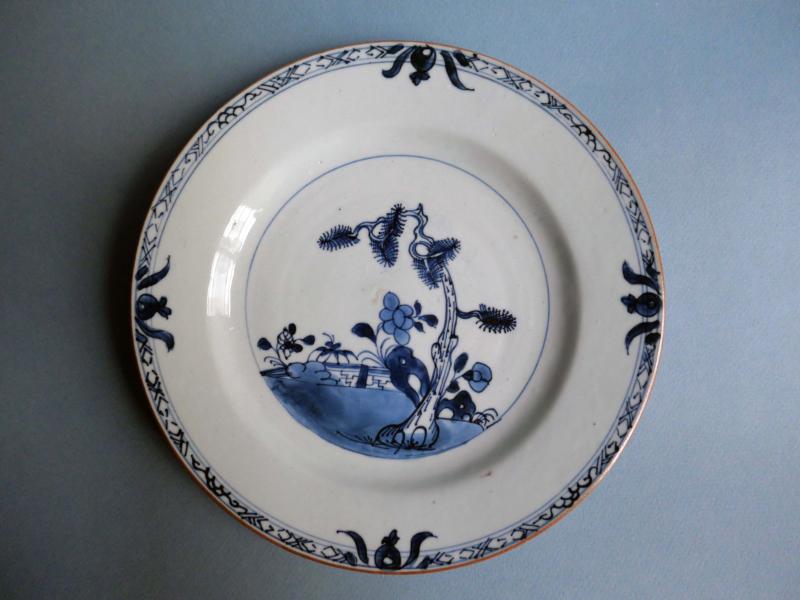
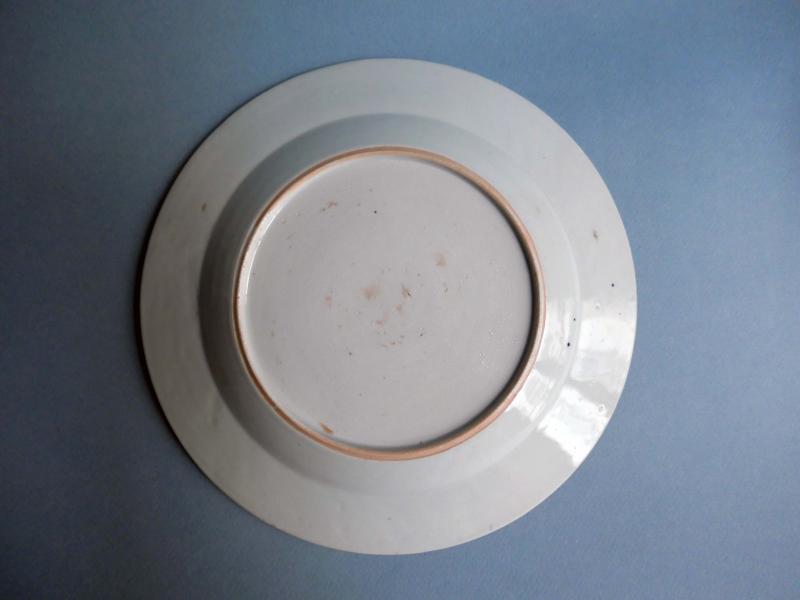
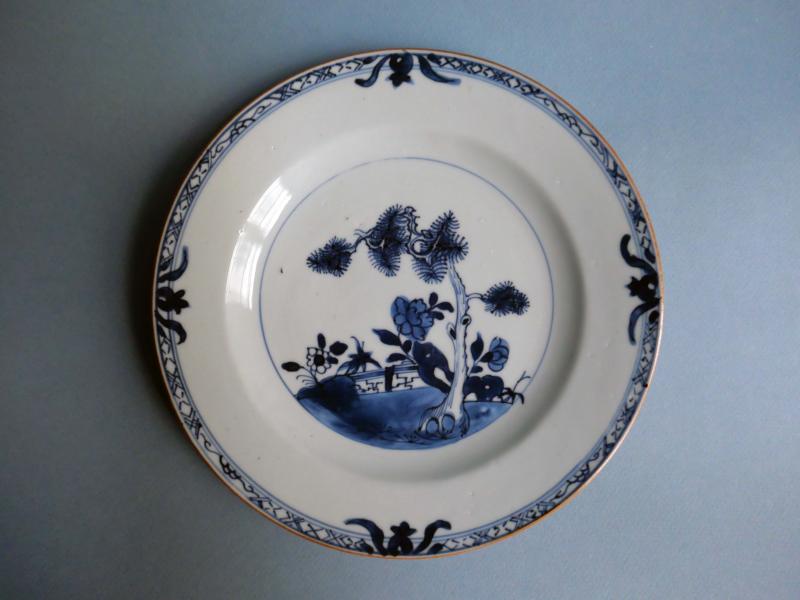
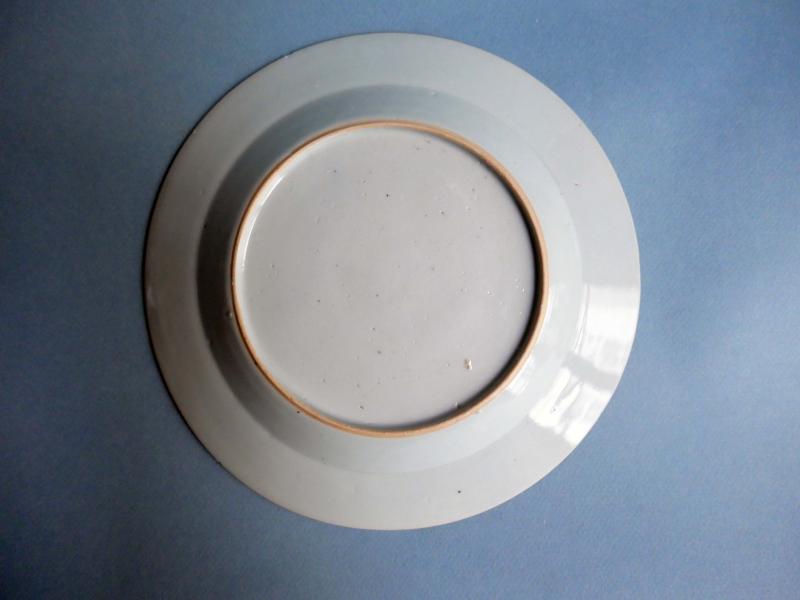
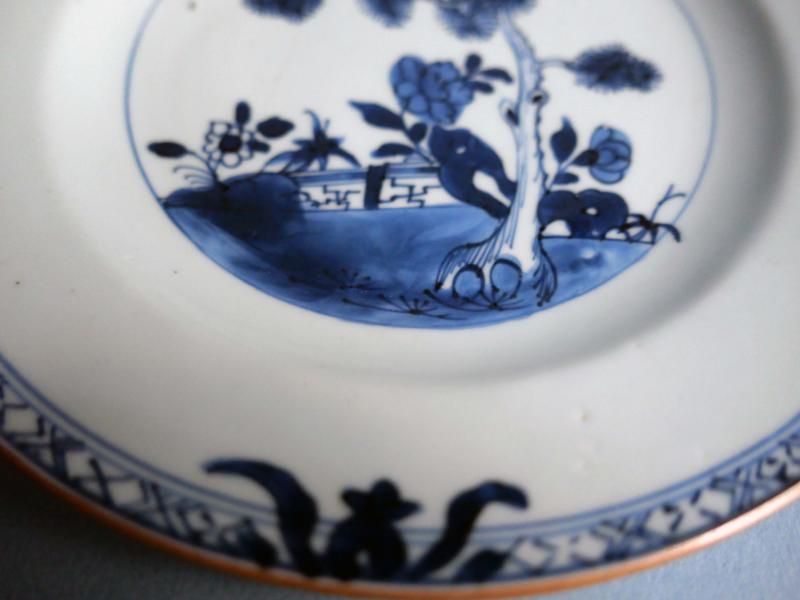
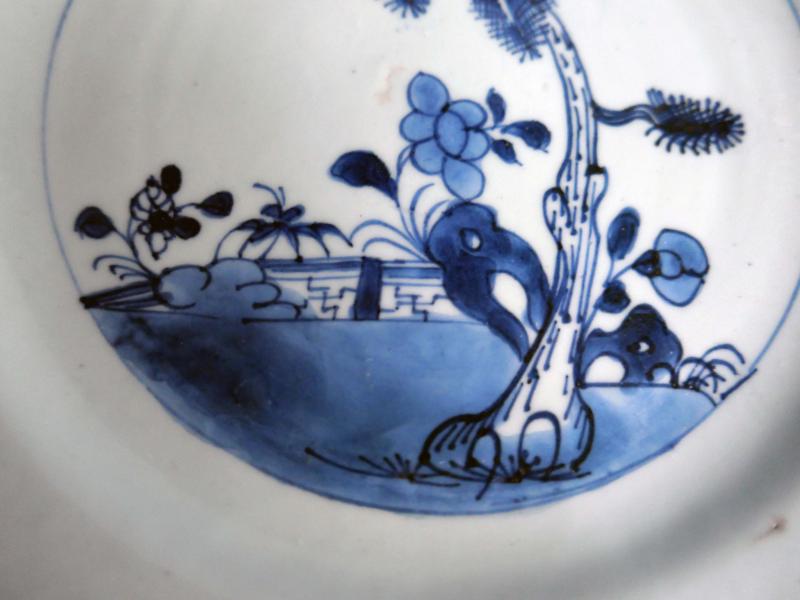
CHINA, East India Company - 18th century Pair of porcelain plates decorated in blue under cover of trees and flowers.
Louis XIV created the French East India Company in 1664. Until 1794, in the form of highly conflicting successive monopolies, it was at the heart of the kingdom's economic and financial power and took a decisive part in the international competition which marked the rise of capitalism and globalization. We know that the Chinese factories specialized their products according to the taste of the buyers but it is very difficult to define if such a part was intended for the English, French or Dutch market. Until 1700 we see the triumph of the blue and white Ming and the decor known as "Chinese Imari". After the advent of Emperor Kangxi (1662-1730), in 1681, with the reopening of the imperial factory in Jingdezhen, we see a decoration called "green family" appear which is massively imported into Europe. Under Yongzheng (1723-1736) the decor of the “pink family” was born, which developed under Qianlong (1736-1796). Officially, all these porcelains would come from Jingdezhen where the imperial ovens were located but there were also ceramic centers near Canton, inland, which allowed an easy supply and avoid imperial taxes. These factories are supposed to have produced articles of lower quality but it turns out that there were also produced high quality pieces directly inspired by Jingdezhen models. Among the imports there are also pieces of Chinese shapes and decorations, pieces of diverted shapes (the alcohol jug becomes a teapot and the plates and dishes for the European market are distinguished from Chinese dishes by the presence of marli) as well as pieces of western shapes. We sent drawings or engravings but also wooden shapes, which explains the presence of objects such as tulip makers, coffee makers, helmet ewers, sugar sprinklers, salt shakers, terrines, etc.
Louis XIV created the French East India Company in 1664. Until 1794, in the form of highly conflicting successive monopolies, it was at the heart of the kingdom's economic and financial power and took a decisive part in the international competition which marked the rise of capitalism and globalization. We know that the Chinese factories specialized their products according to the taste of the buyers but it is very difficult to define if such a part was intended for the English, French or Dutch market. Until 1700 we see the triumph of the blue and white Ming and the decor known as "Chinese Imari". After the advent of Emperor Kangxi (1662-1730), in 1681, with the reopening of the imperial factory in Jingdezhen, we see a decoration called "green family" appear which is massively imported into Europe. Under Yongzheng (1723-1736) the decor of the “pink family” was born, which developed under Qianlong (1736-1796). Officially, all these porcelains would come from Jingdezhen where the imperial ovens were located but there were also ceramic centers near Canton, inland, which allowed an easy supply and avoid imperial taxes. These factories are supposed to have produced articles of lower quality but it turns out that there were also produced high quality pieces directly inspired by Jingdezhen models. Among the imports there are also pieces of Chinese shapes and decorations, pieces of diverted shapes (the alcohol jug becomes a teapot and the plates and dishes for the European market are distinguished from Chinese dishes by the presence of marli) as well as pieces of western shapes. We sent drawings or engravings but also wooden shapes, which explains the presence of objects such as tulip makers, coffee makers, helmet ewers, sugar sprinklers, salt shakers, terrines, etc.
Explore similar pieces and discover your ideal find:
Porcelain Plates & Dinnerware