

Small 17th-century Busts Made Of Scagliola
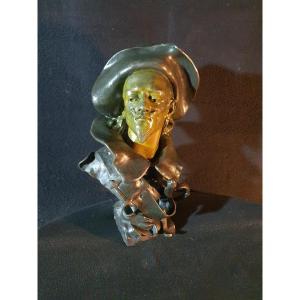
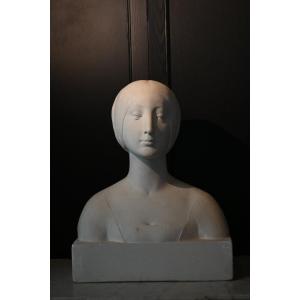
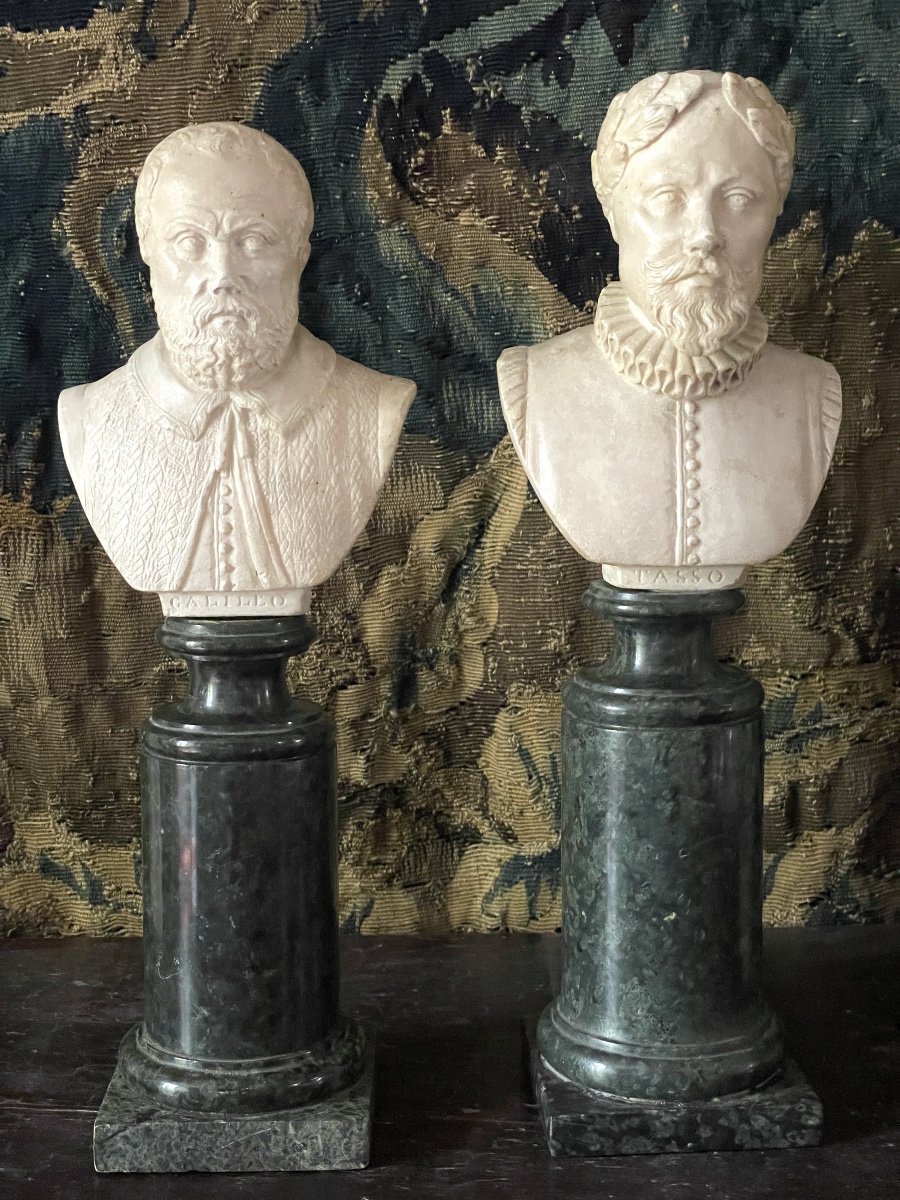
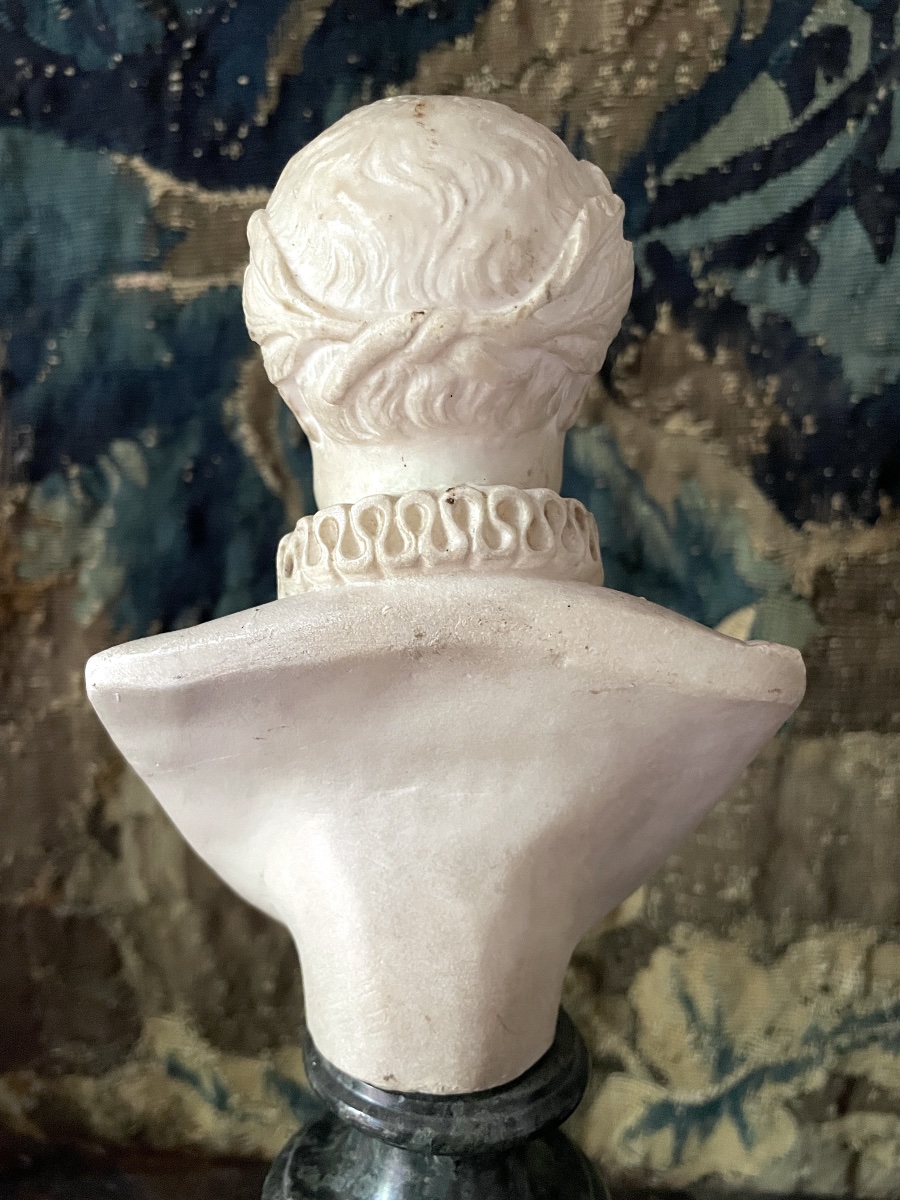
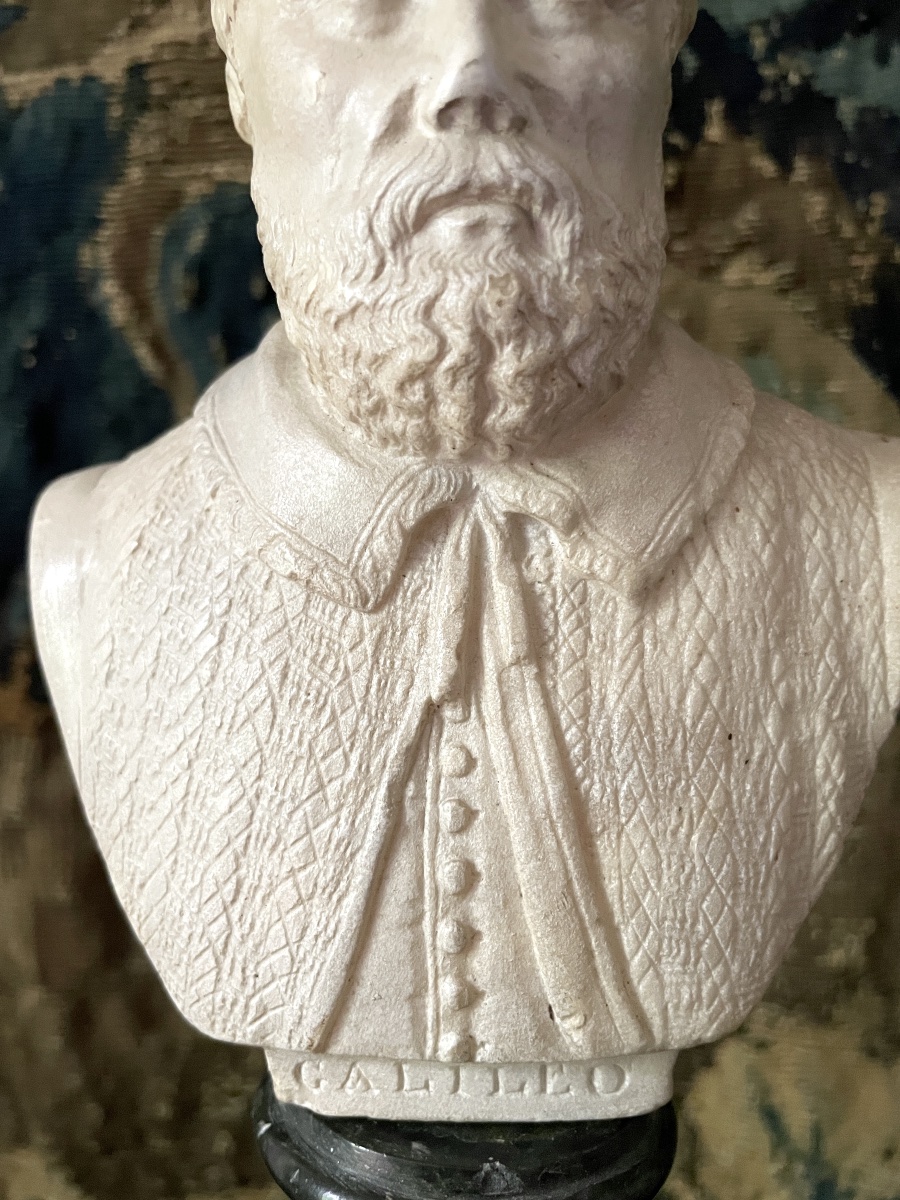
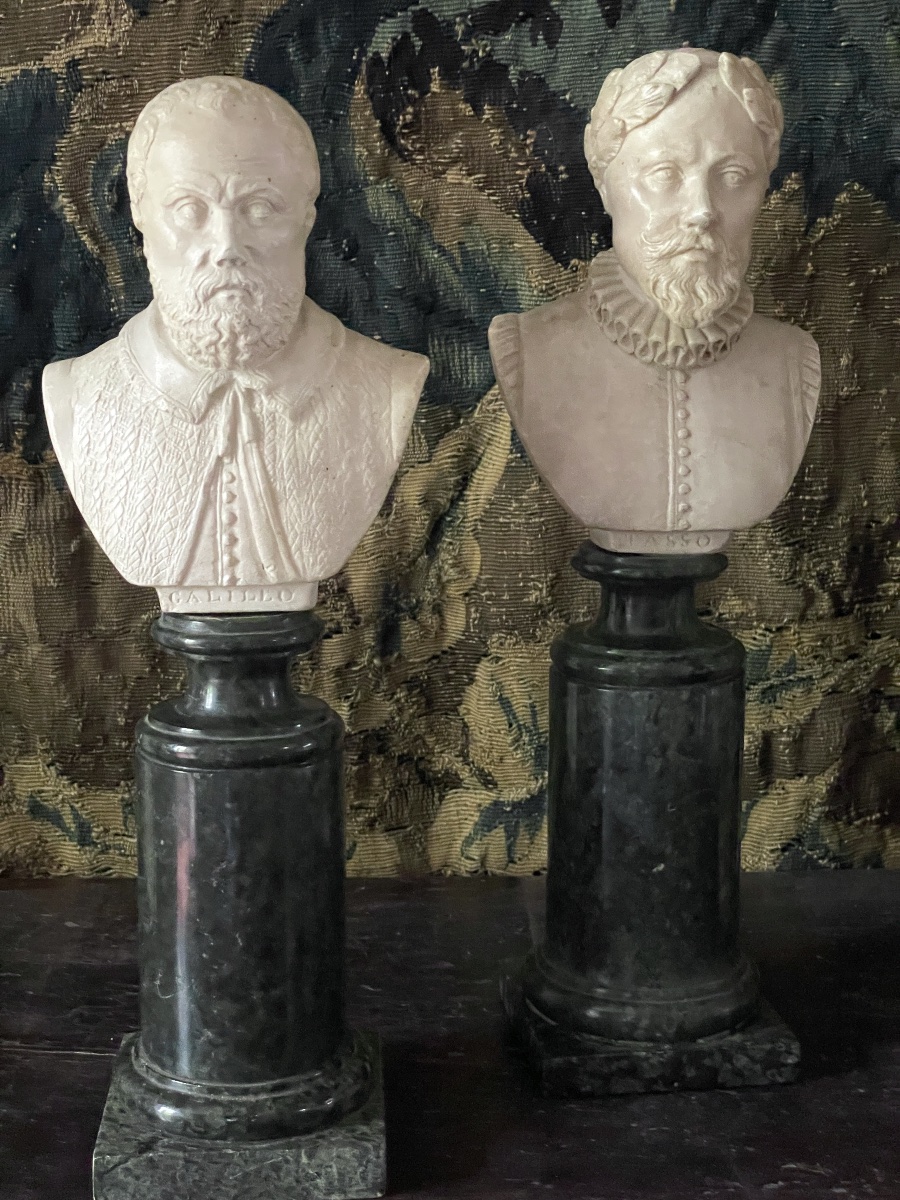
Small 17th-century scagliola busts on 19th-century marble pedestals depicting Galileo Galilei (1564–1642) and Torquato Tasso (1544–1595). One of the pedestals is slightly taller (by 1.5 cm)
Scagliola, also known as marble stucco, is a composite material made from gypsum, glue, and natural pigments that was used to imitate marble. It was used to create architectural elements such as columns, wall plasterwork, inlays, and sculptures—of which these are two beautiful and rare examples.
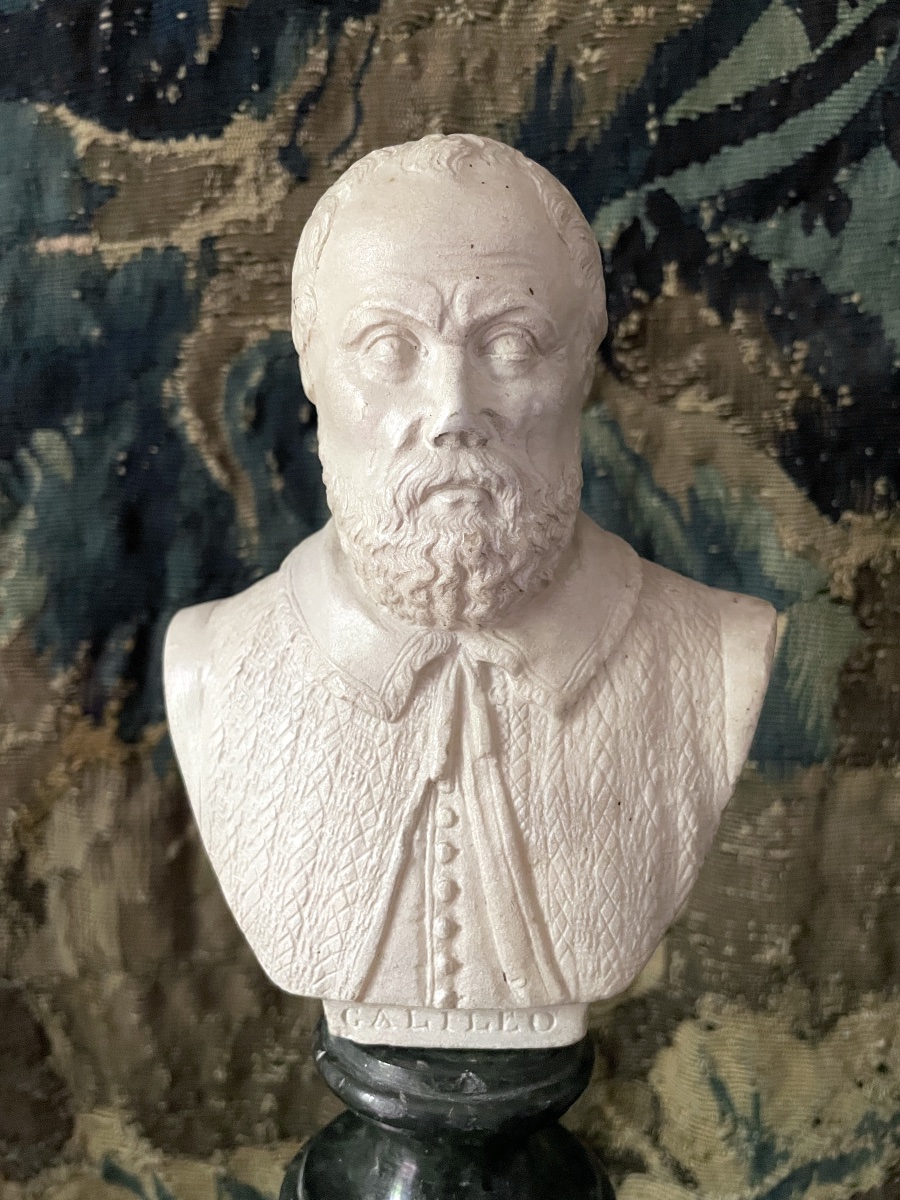
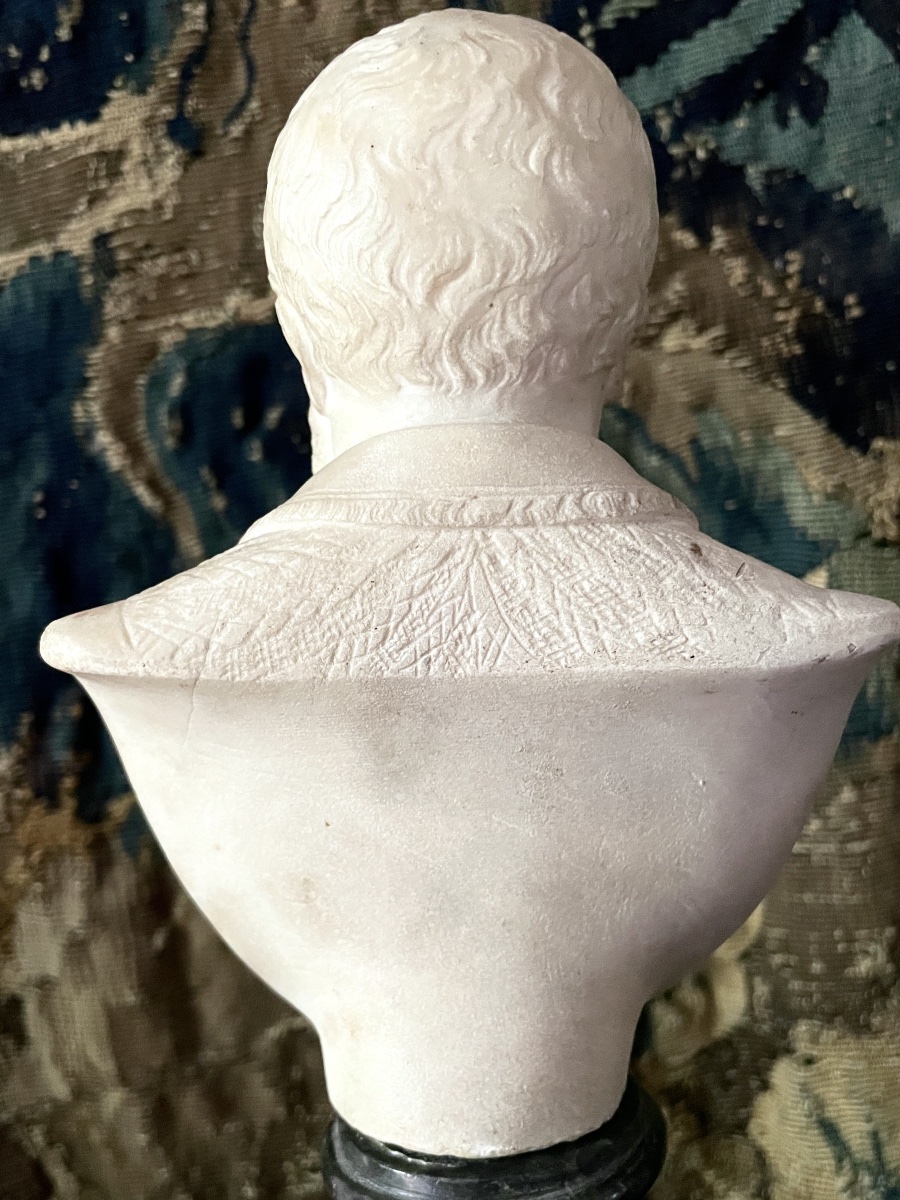
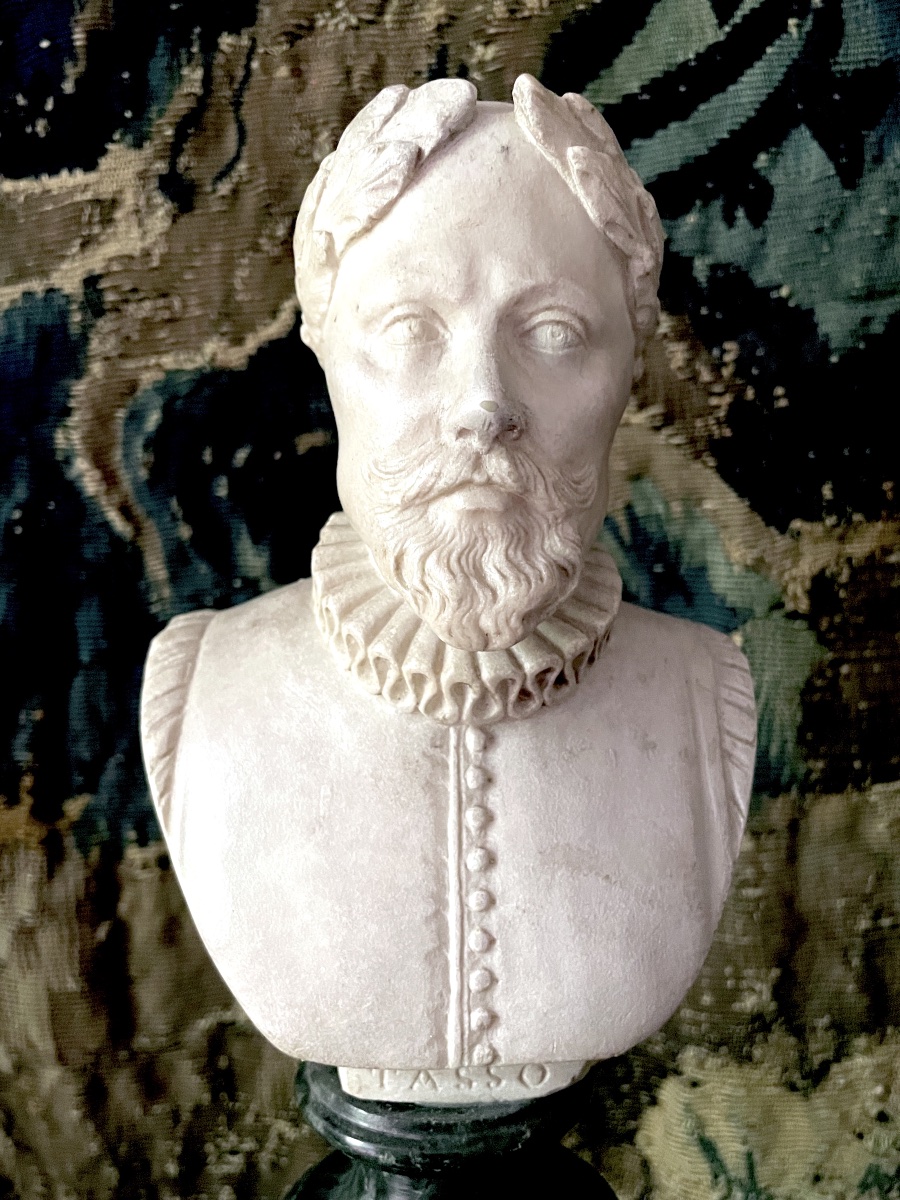
Both the mathematician and the poet are rendered in white marble and are very finely detailed. Note Tasso’s goatee, Galileo’s robe with geometric patterns, their beards, their hair, etc. They are in very good condition, thanks in part to the hardness of scagliola.
This technique was developed by the engineer Guido Fassi (1584–1649) and became established in Italy at the beginning of the Seicento. It was in vogue in Tuscany throughout the 17th century. As early as Greek antiquity, artisans were producing a white artificial marble “as shiny as a mirror.”
Scagliola, also known as marble stucco, is a composite material made from gypsum, glue, and natural pigments that was used to imitate marble. It was used to create architectural elements such as columns, wall plasterwork, inlays, and sculptures—of which these are two beautiful and rare examples.
Both the mathematician and the poet are rendered in white marble and are very finely detailed. Note Tasso’s goatee, Galileo’s robe with geometric patterns, their beards, their hair, etc. They are in very good condition, thanks in part to the hardness of scagliola.
This technique was developed by the engineer Guido Fassi (1584–1649) and became established in Italy at the beginning of the Seicento. It was in vogue in Tuscany throughout the 17th century. As early as Greek antiquity, artisans were producing a white artificial marble “as shiny as a mirror.”
1 800 €
Period: 17th century
Style: Renaissance, Louis 13th
Condition: Excellent condition
Width: 12 cm pour les deux
Height: 15,5 cm pour galilée, 32,5 cm avec le socle; 16 cm pour t’assois , 34 cm avec le socle
Reference (ID): 1820732
Availability: In stock
Print