

Isabella Coffermans 1575 (maternity) “the Guild Of Saint Luke” For The Iberian Market
Artist: Isabella Coffermans 1575
Country: Belgium
City: Antwerp
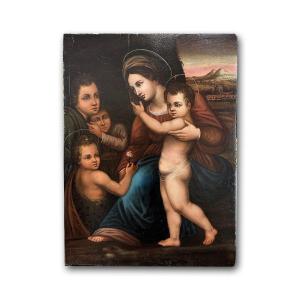
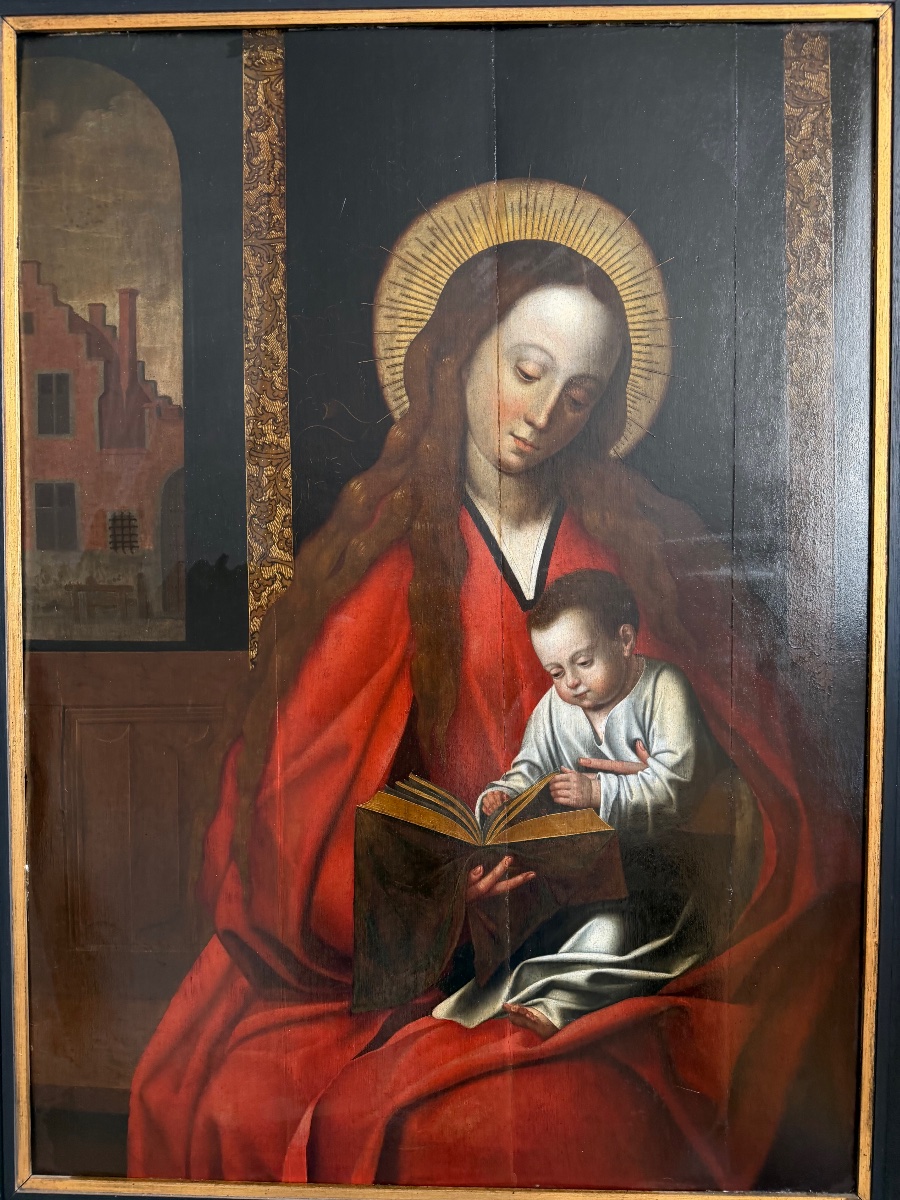
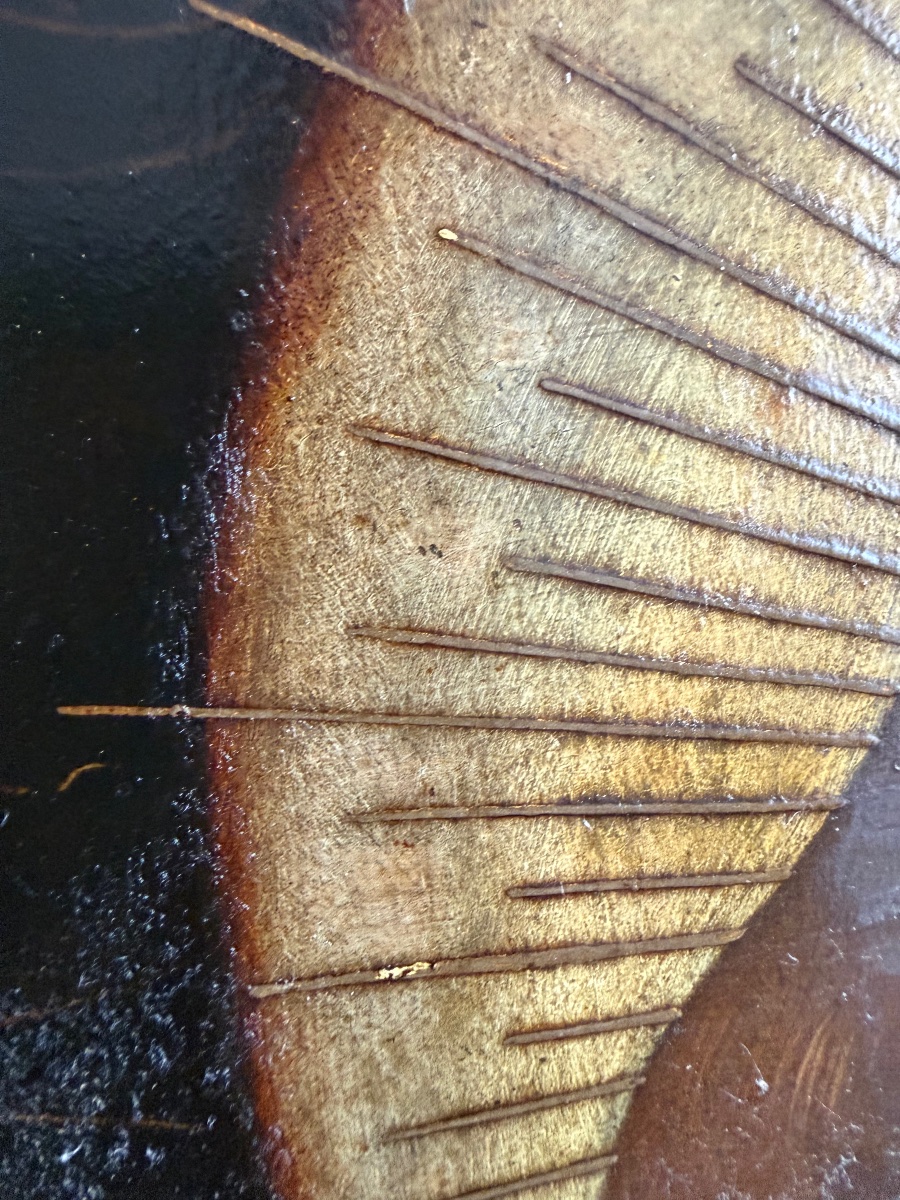
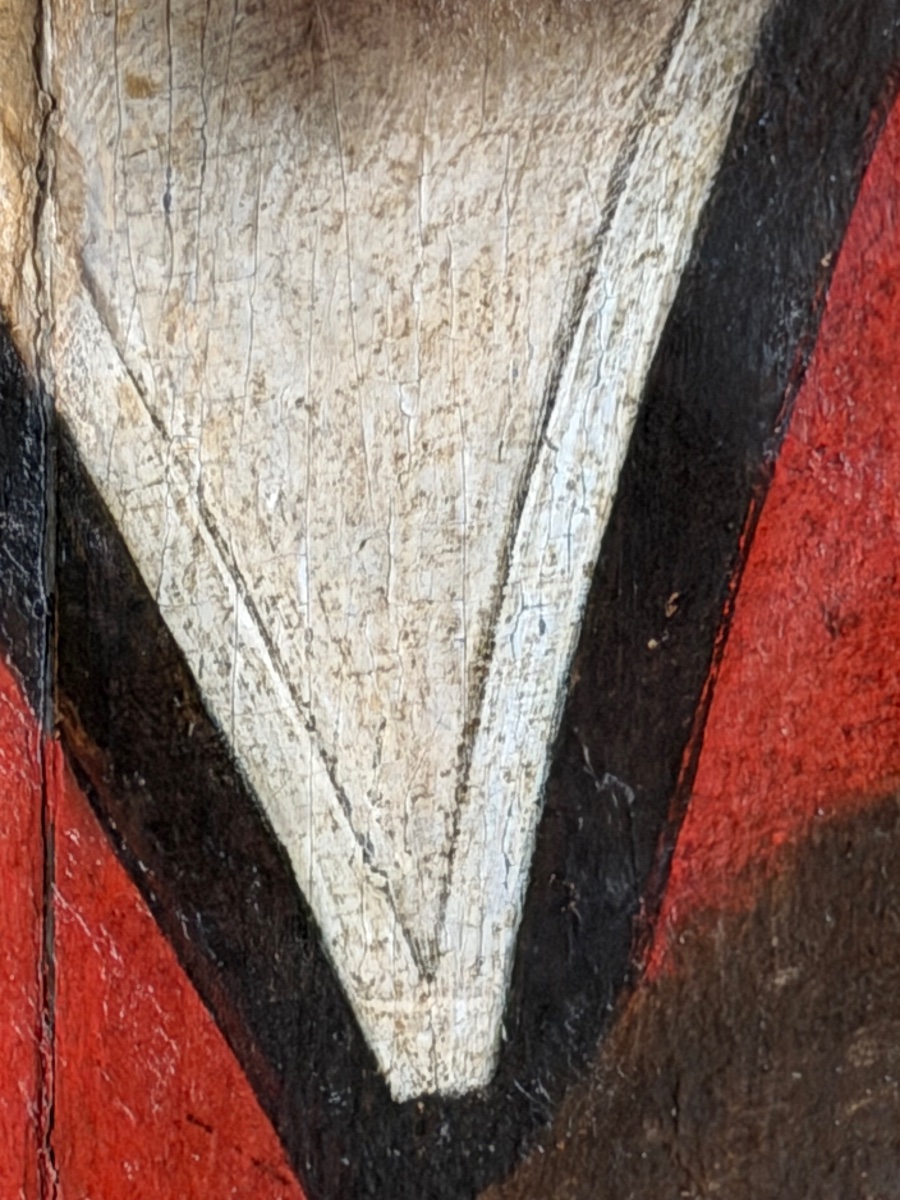
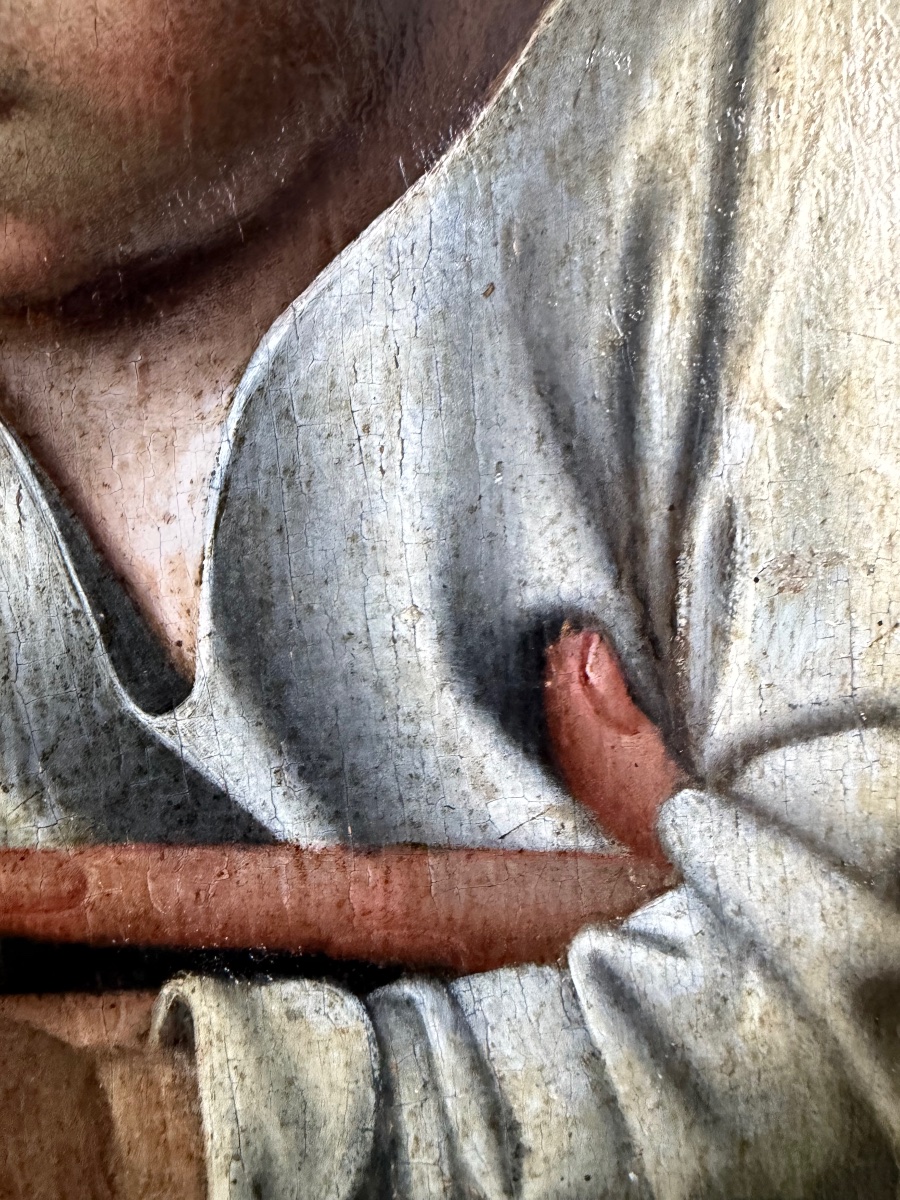
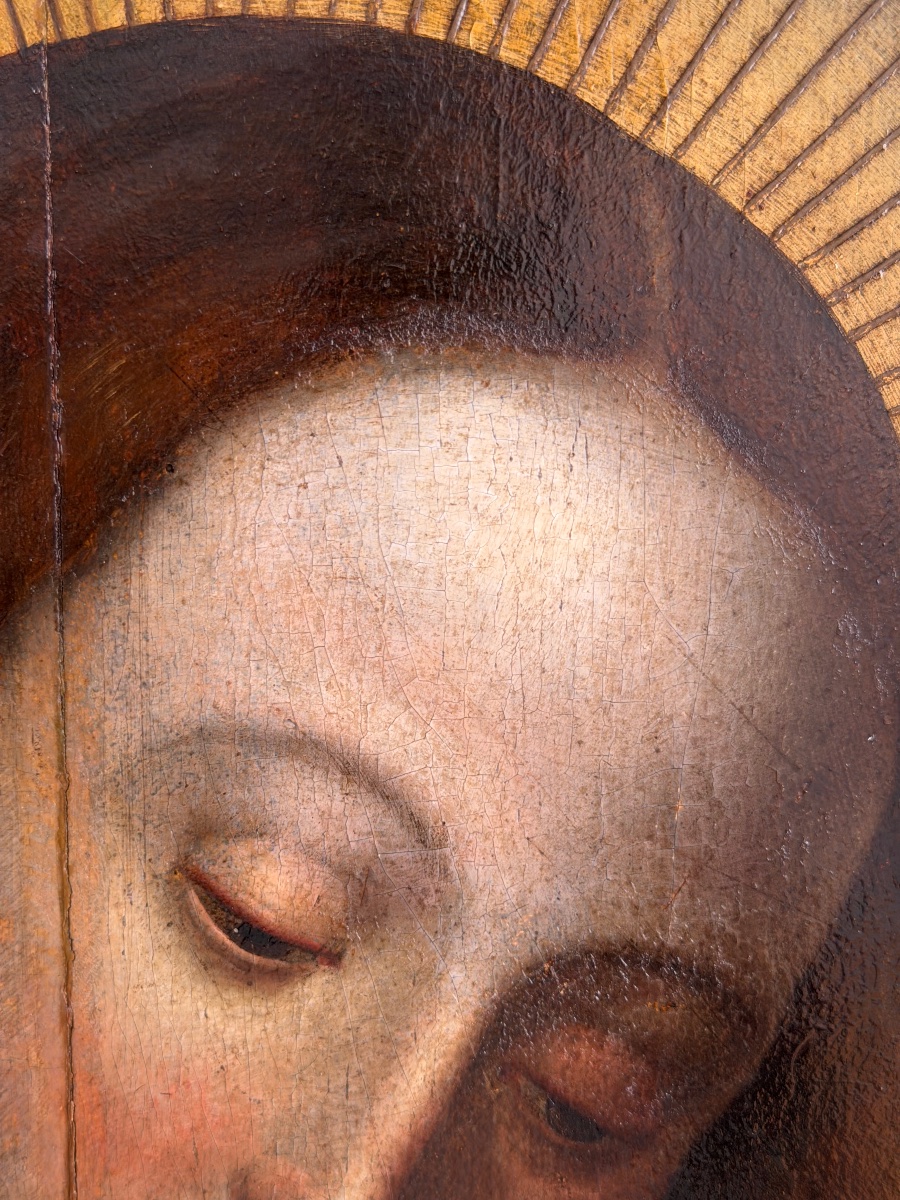
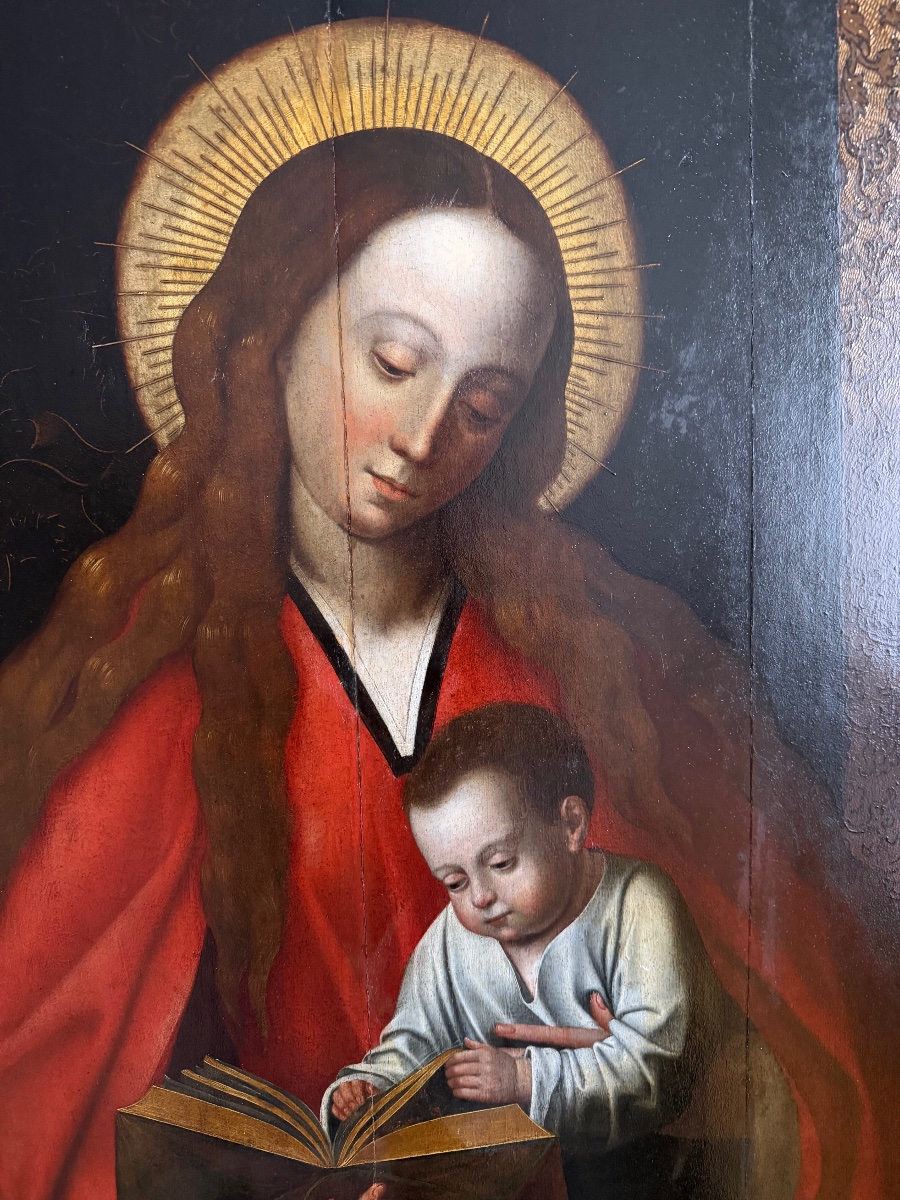
Artist: La Piste de Clara. Coffermans continued the tradition of his father Marcellus Coffermans’ (1524–1581) workshop; the artist’s craftsmanship and the materials (his pigments) used in this Virgin and Child are of great finesse.* It should be noted that this work, inspired by the Master of the Morisson Triptych, was commissioned for the Iberian market due to the halo, which is rendered using the “pastaglia” technique , an Italian bas-relief decorative technique that was very popular during the Renaissance. It involves modeling gesso (plaster) or white lead to create relief motifs (often gilded or painted) on wooden chests (cassoni), frames, or panel paintings.
Biography of this female painter : , In 1575, Isabella Coffermans was officially admitted as a Master into the prestigious Guild of Saint Luke in Antwerp, registered under the status of “master’s daughter.” Becoming a female painter and a master of the guild at that time was truly remarkable.
History of the Counter-Reformation in Antwerp and the Guild of Saint Luke’s Iberian market: The Spanish export market: The Legitimate “Counterfeiters”: By the end of the 16th century, Antwerp was exporting thousands of paintings to the Iberian Peninsula. The Spanish adored the art of Hans Memling and Gérard David, but the originals were becoming scarce. Highly skilled painters from the Guild of Saint Luke in Antwerp were hired by art dealers to produce perfect replicas of these old masters.They were not forgers in the modern sense, but elite copyists. They worked on contemporary (late 16th-century) Antwerp oak panels and used traditional oil-glaze techniques to ensure the painting’s illusion was perfect.3. The Restorers of Antwerp’s Cathedral and ChurchesAfter Antwerp was recaptured by Alexander Farnese in 1585, the city returned to Catholicism. All the looted churches had to be rebuilt and refurnished.The guild’s finest painters were commissioned to restore the damaged fragments of medieval altarpieces or to create faithful, high-quality copies to replace the lost originals. The level of craftsmanship had to be identical to the “original” in order to preserve the sacred value of the image.
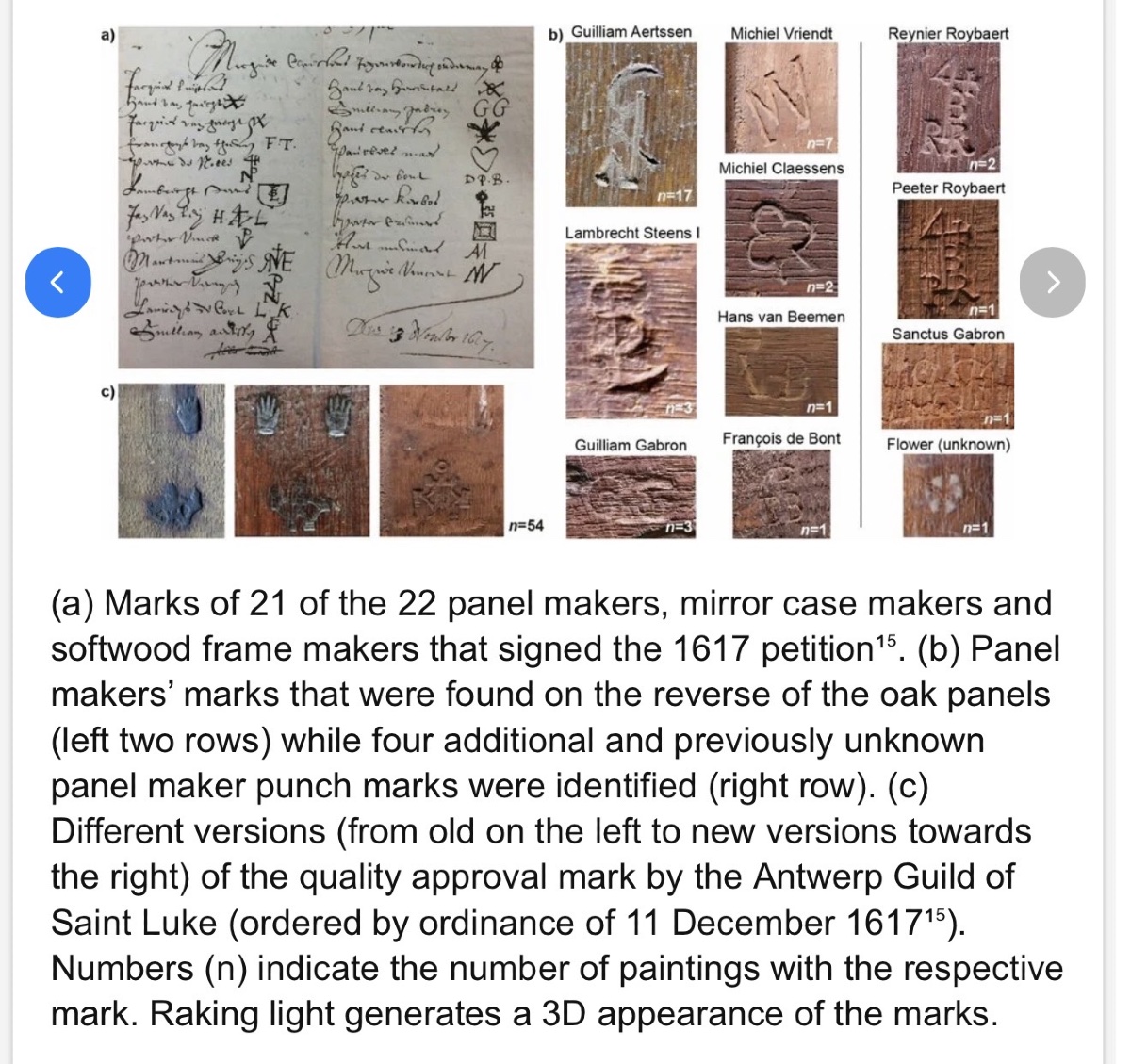
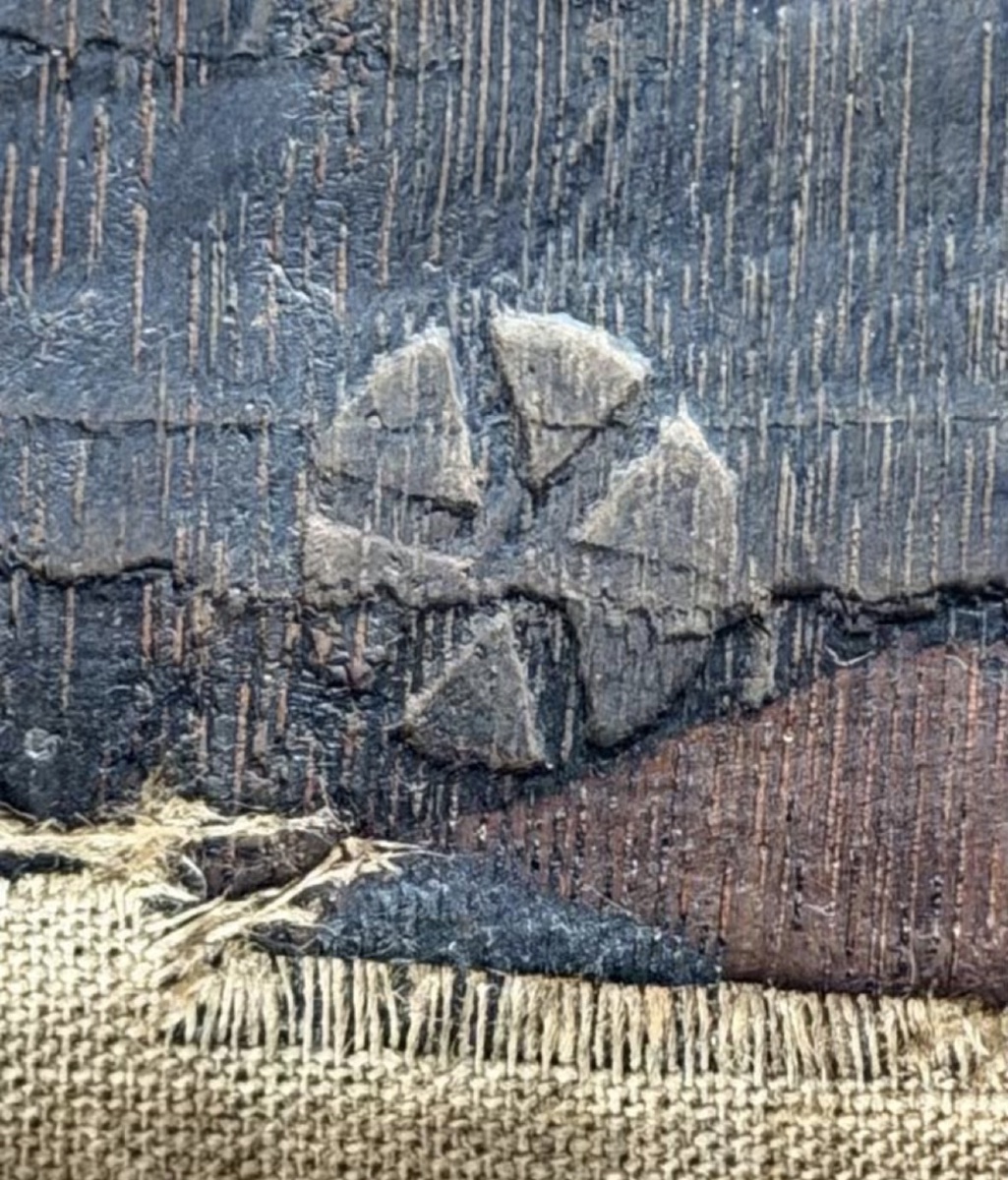
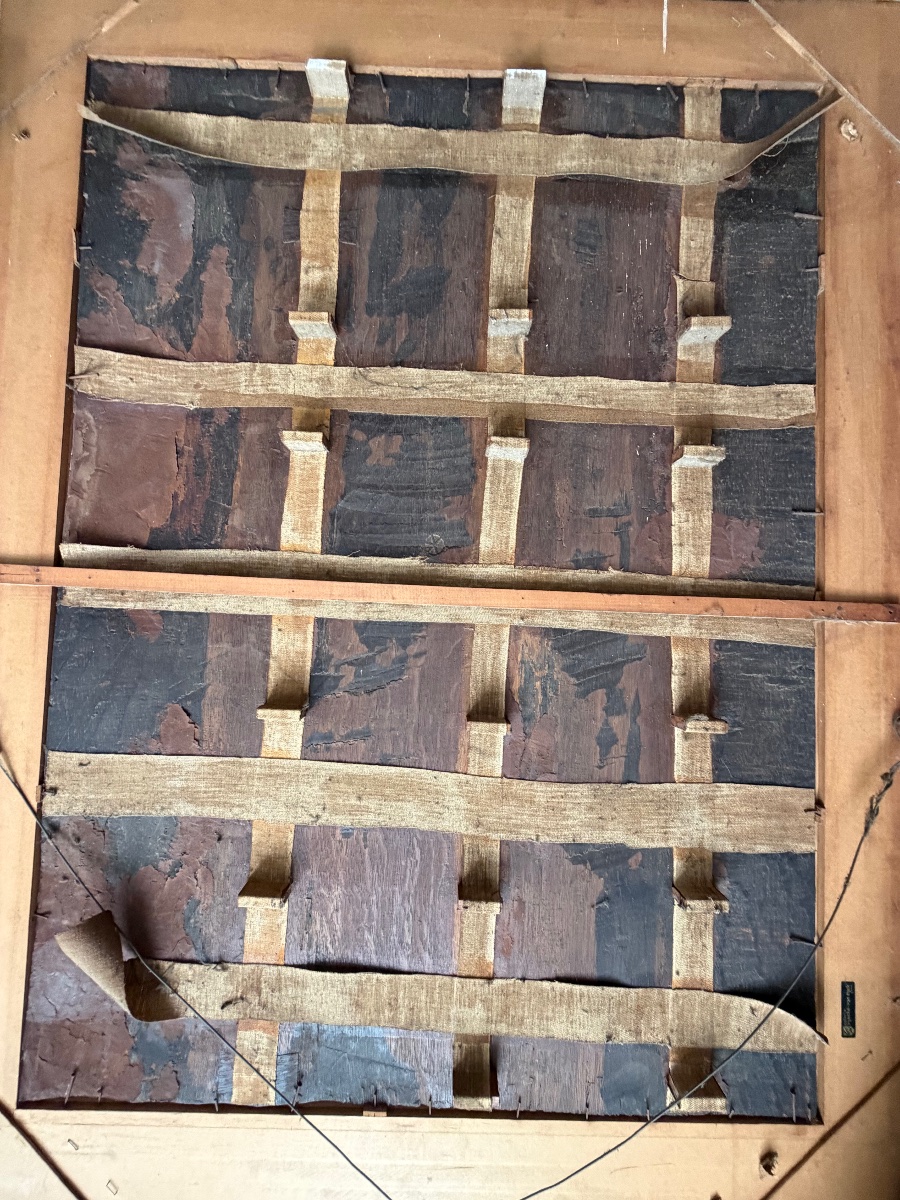
** Let’s move on to the panel maker’s stamp, paneelmaker (see photo of the stamp on the back of the oak panel). The stamp was registered in 1617 with the Guild of St. Luke (see photo). According to the “RKD,” only one other work is known to bear the same stamp on the back of its panel.
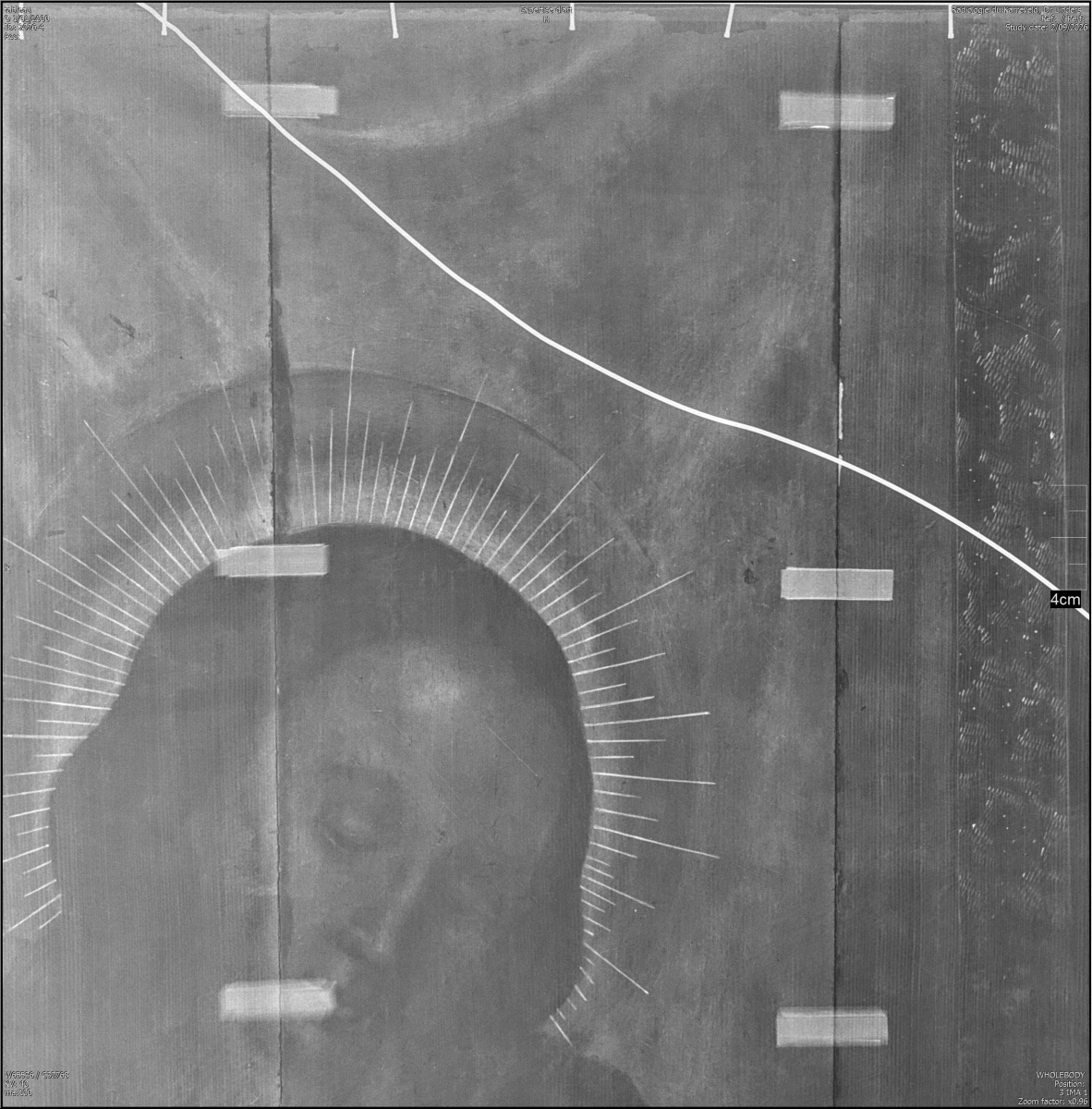
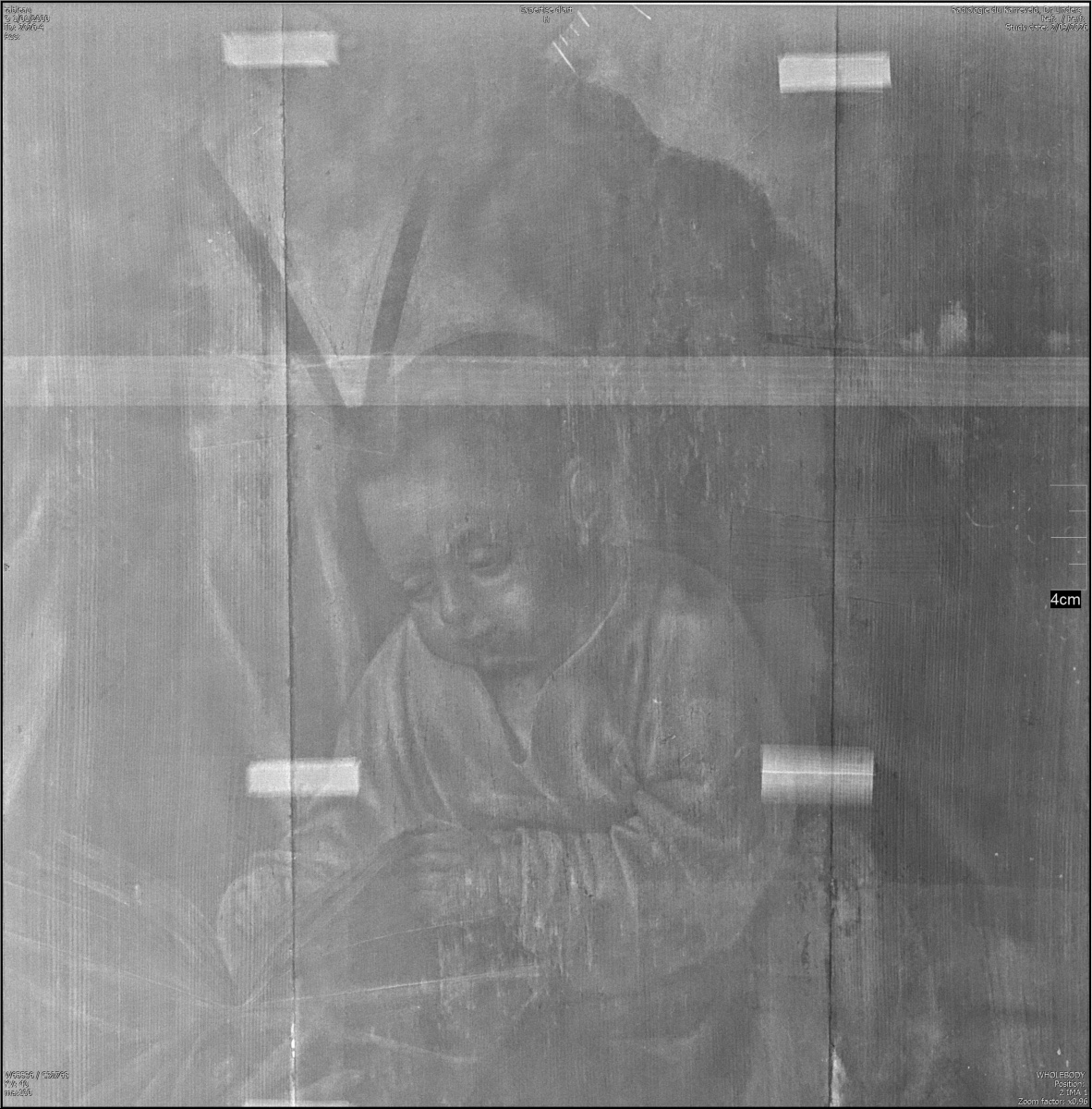
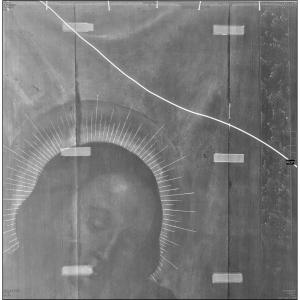
*** I decided to have X-rays taken by a radiologist to understand the material and show you that X-rays are as precise as a black-and-white drawing (due to the excessive lead content in the pigments)
**** Since I couldn’t make out the work because of its dark brown varnish (I myself created test areas using pure acetone, and while the original composition remains intact, we can see superb pigments and a meticulous, highly durable composition)
***** Now this piece is going next week for cleaning and retouching to my restorer, Sabrina Cavaglia, to restore it to its former glory; the price includes the restoration of the work. I remain at your disposal if you’d like me to provide further details on its provenance...
****** This is a rare work with a very rich history and a wonderful subject
Thank you for reading—for the love of art, as they say
Dimensions: 74 cm x 102 cm without frame
Support: oak panel bearing a mark from the Guild of Saint-Antwerp.
City: Antwerp
Artist: La Piste de Clara. Coffermans continued the tradition of his father Marcellus Coffermans’ (1524–1581) workshop; the artist’s craftsmanship and the materials (his pigments) used in this Virgin and Child are of great finesse.* It should be noted that this work, inspired by the Master of the Morisson Triptych, was commissioned for the Iberian market due to the halo, which is rendered using the “pastaglia” technique , an Italian bas-relief decorative technique that was very popular during the Renaissance. It involves modeling gesso (plaster) or white lead to create relief motifs (often gilded or painted) on wooden chests (cassoni), frames, or panel paintings.
Biography of this female painter : , In 1575, Isabella Coffermans was officially admitted as a Master into the prestigious Guild of Saint Luke in Antwerp, registered under the status of “master’s daughter.” Becoming a female painter and a master of the guild at that time was truly remarkable.
History of the Counter-Reformation in Antwerp and the Guild of Saint Luke’s Iberian market: The Spanish export market: The Legitimate “Counterfeiters”: By the end of the 16th century, Antwerp was exporting thousands of paintings to the Iberian Peninsula. The Spanish adored the art of Hans Memling and Gérard David, but the originals were becoming scarce. Highly skilled painters from the Guild of Saint Luke in Antwerp were hired by art dealers to produce perfect replicas of these old masters.They were not forgers in the modern sense, but elite copyists. They worked on contemporary (late 16th-century) Antwerp oak panels and used traditional oil-glaze techniques to ensure the painting’s illusion was perfect.3. The Restorers of Antwerp’s Cathedral and ChurchesAfter Antwerp was recaptured by Alexander Farnese in 1585, the city returned to Catholicism. All the looted churches had to be rebuilt and refurnished.The guild’s finest painters were commissioned to restore the damaged fragments of medieval altarpieces or to create faithful, high-quality copies to replace the lost originals. The level of craftsmanship had to be identical to the “original” in order to preserve the sacred value of the image.
** Let’s move on to the panel maker’s stamp, paneelmaker (see photo of the stamp on the back of the oak panel). The stamp was registered in 1617 with the Guild of St. Luke (see photo). According to the “RKD,” only one other work is known to bear the same stamp on the back of its panel.
*** I decided to have X-rays taken by a radiologist to understand the material and show you that X-rays are as precise as a black-and-white drawing (due to the excessive lead content in the pigments)
**** Since I couldn’t make out the work because of its dark brown varnish (I myself created test areas using pure acetone, and while the original composition remains intact, we can see superb pigments and a meticulous, highly durable composition)
***** Now this piece is going next week for cleaning and retouching to my restorer, Sabrina Cavaglia, to restore it to its former glory; the price includes the restoration of the work. I remain at your disposal if you’d like me to provide further details on its provenance...
****** This is a rare work with a very rich history and a wonderful subject
Thank you for reading—for the love of art, as they say
Dimensions: 74 cm x 102 cm without frame
Support: oak panel bearing a mark from the Guild of Saint-Antwerp.
25 000 €
Period: 16th century
Style: Renaissance, Louis 13th
Condition: Some repairs
Material: Oil painting on wood
Length: 74
Height: 102
Reference (ID): 1816709
Availability: In stock
Print