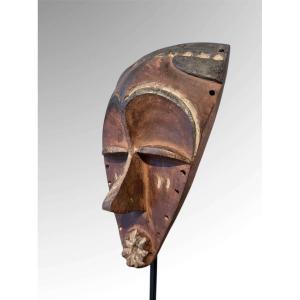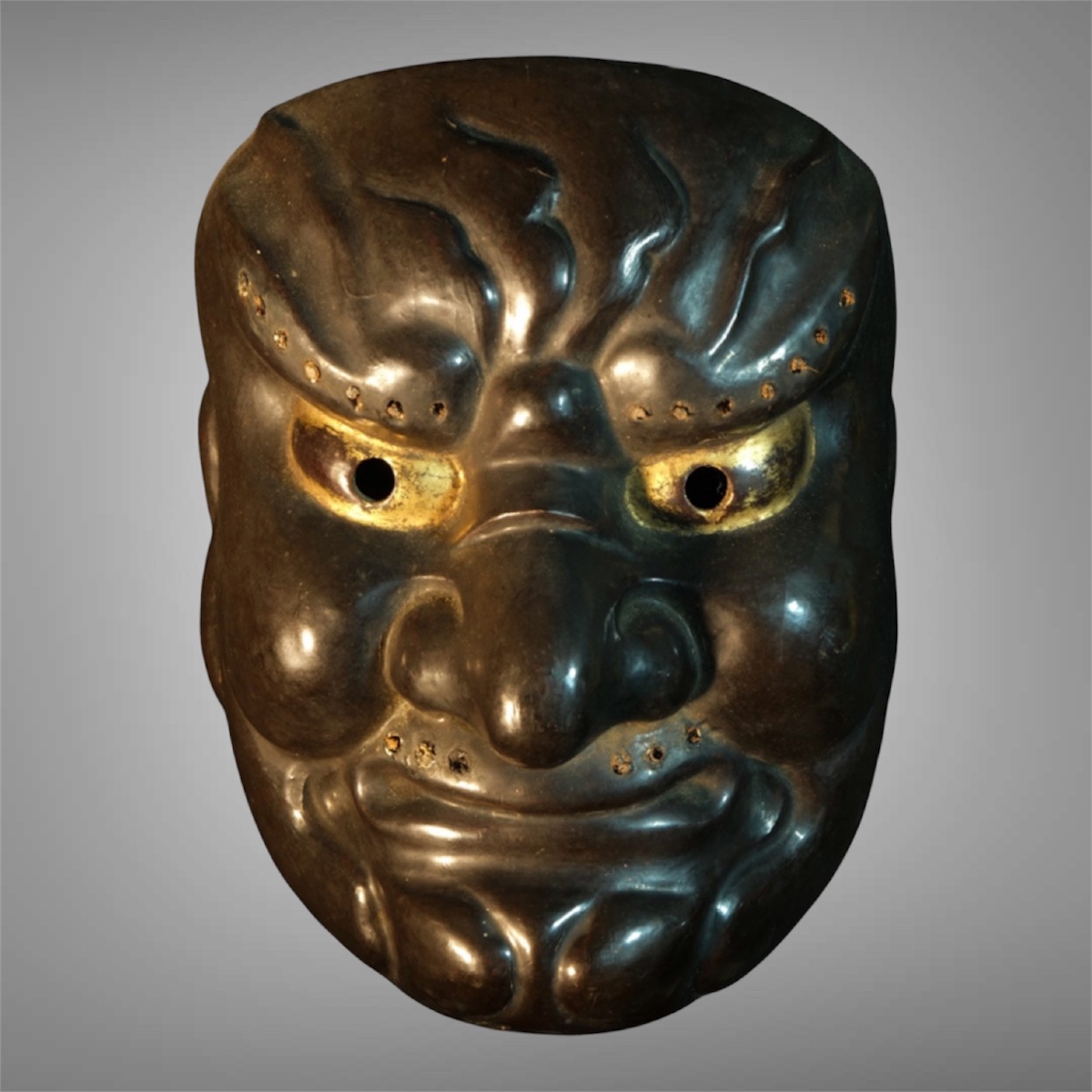
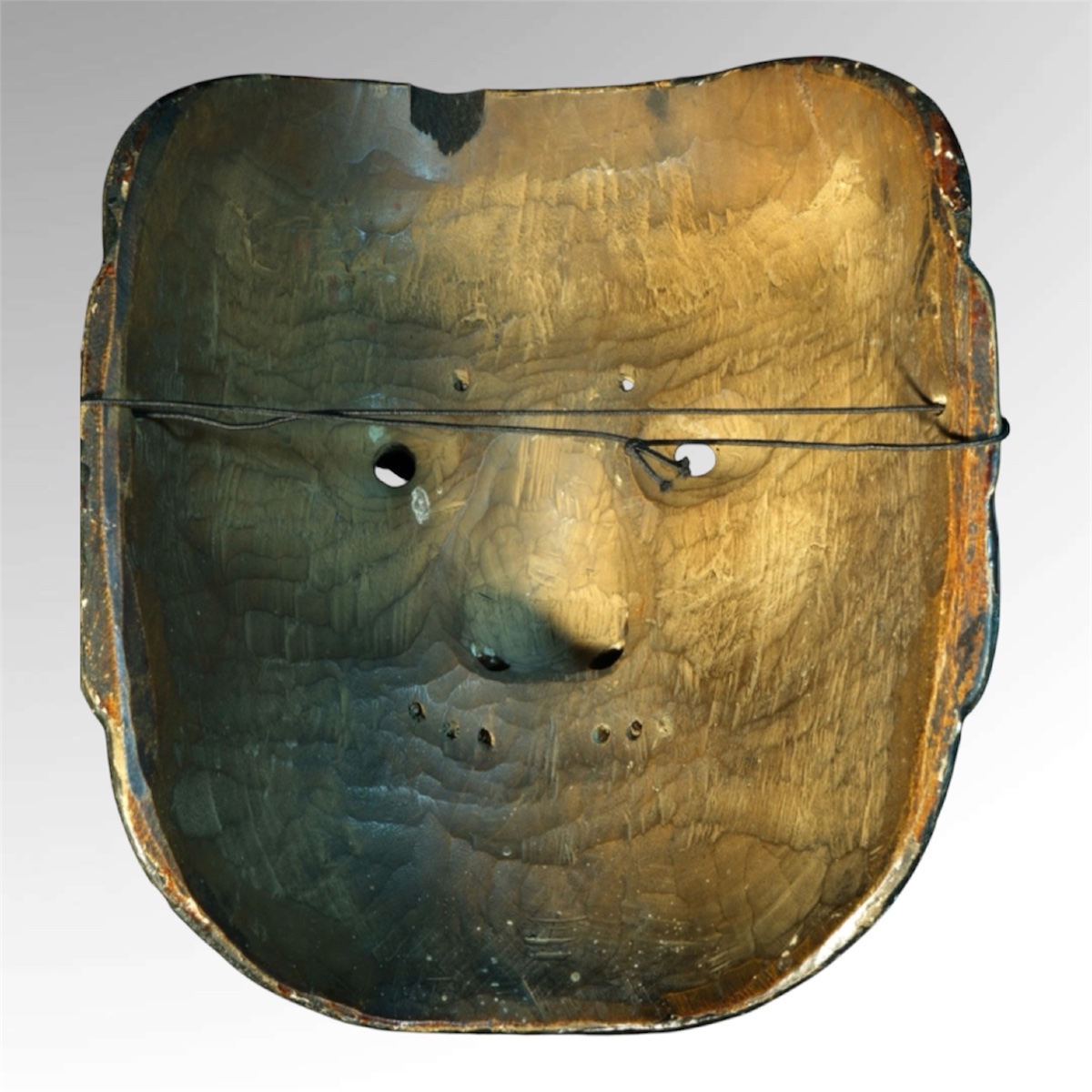
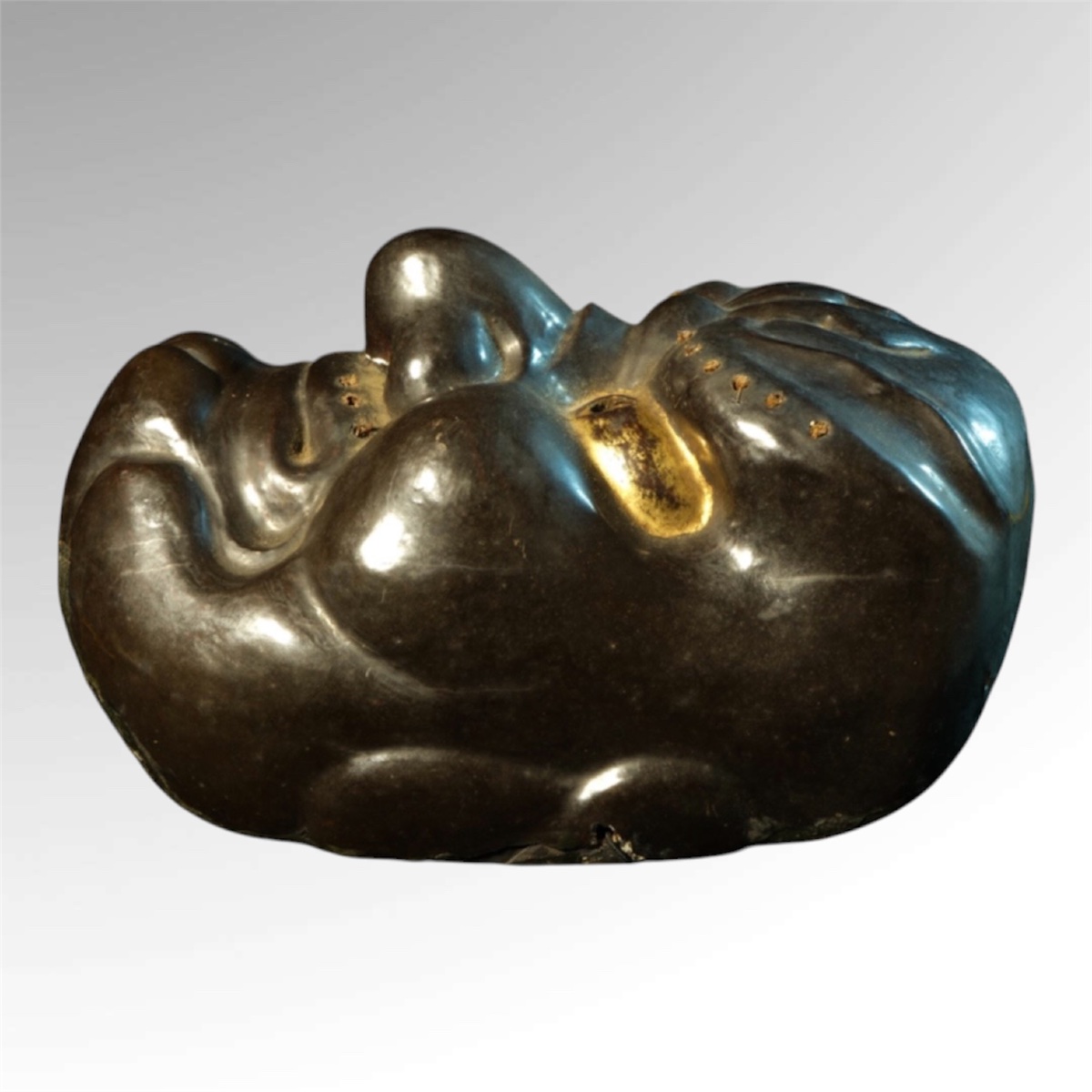
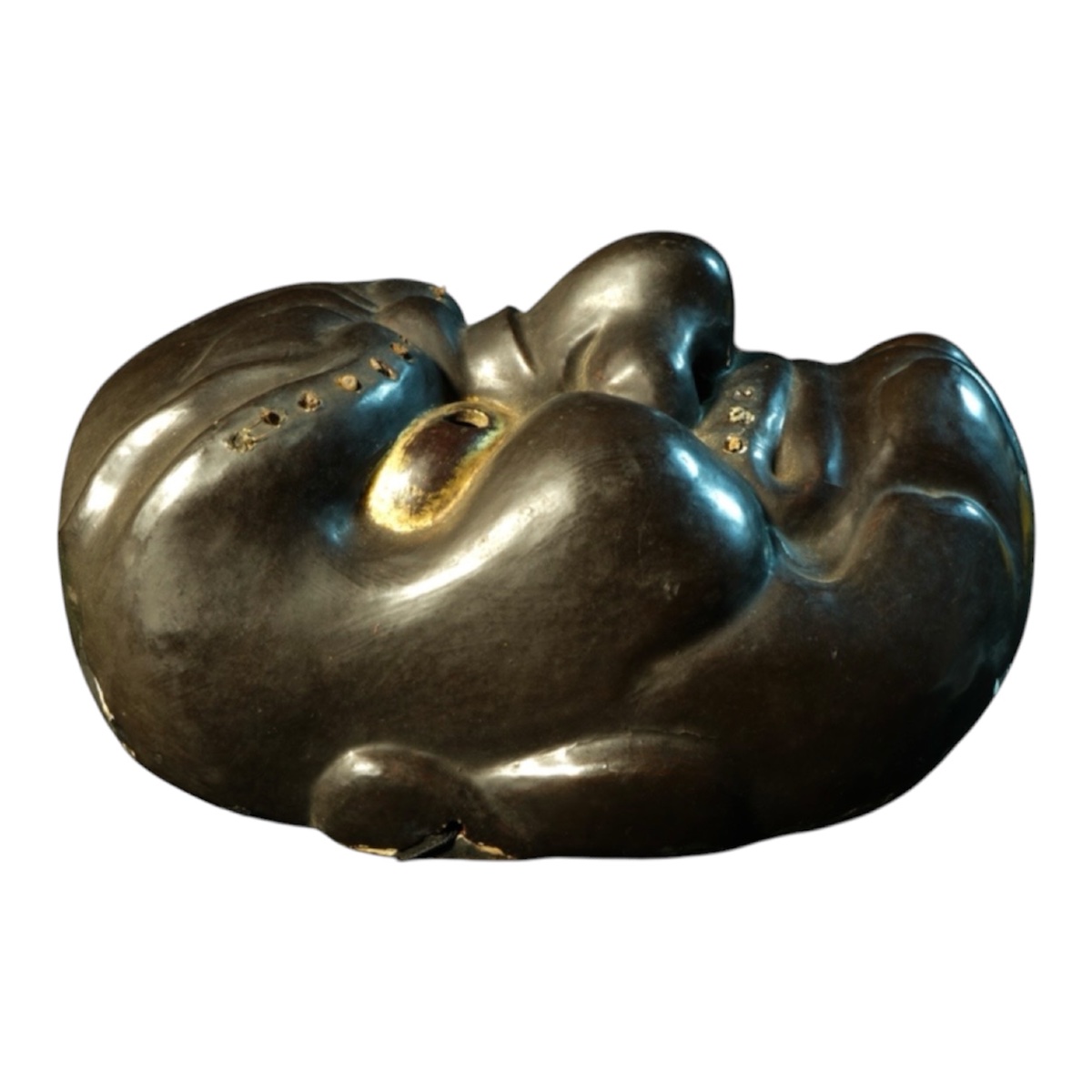
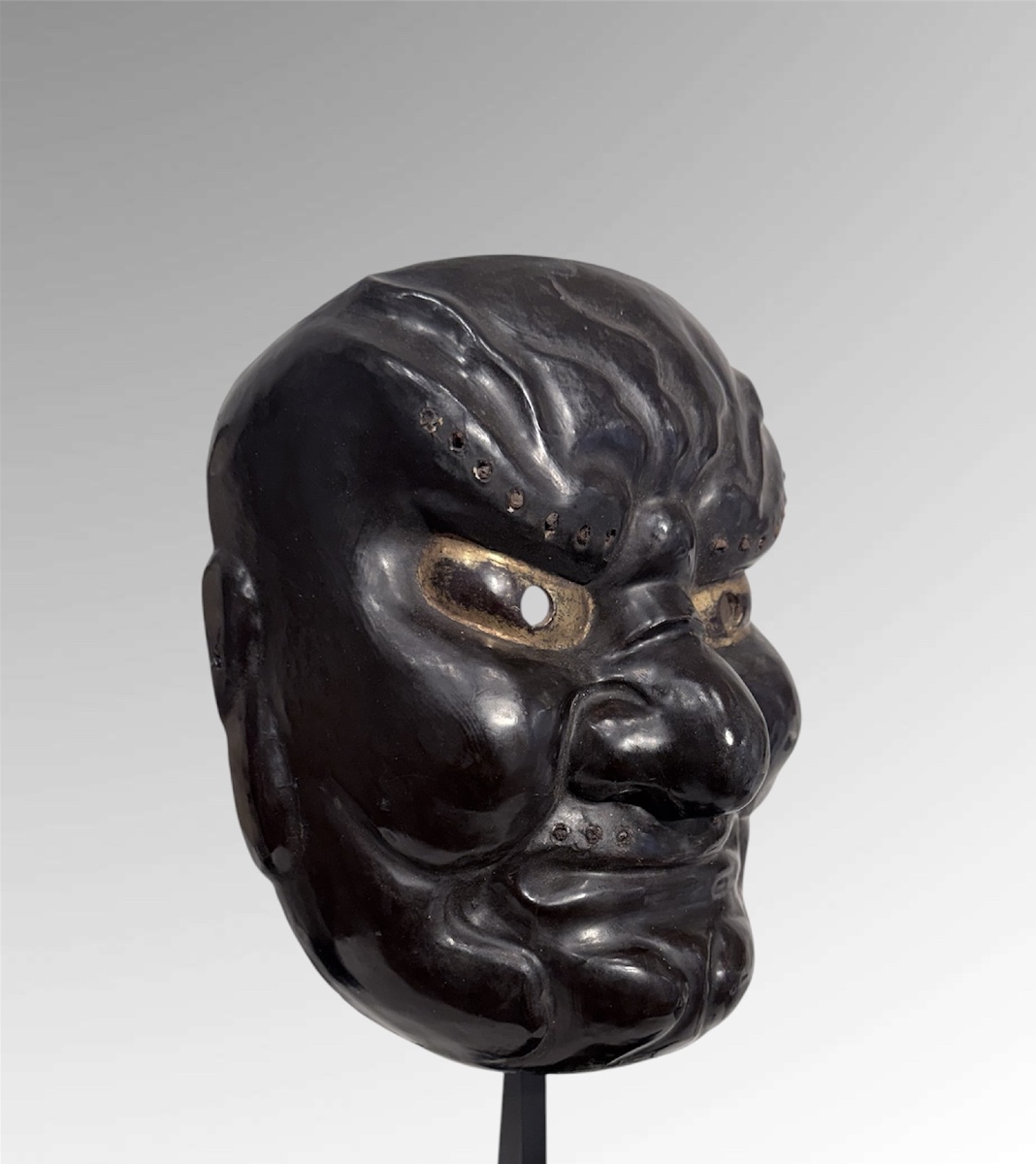
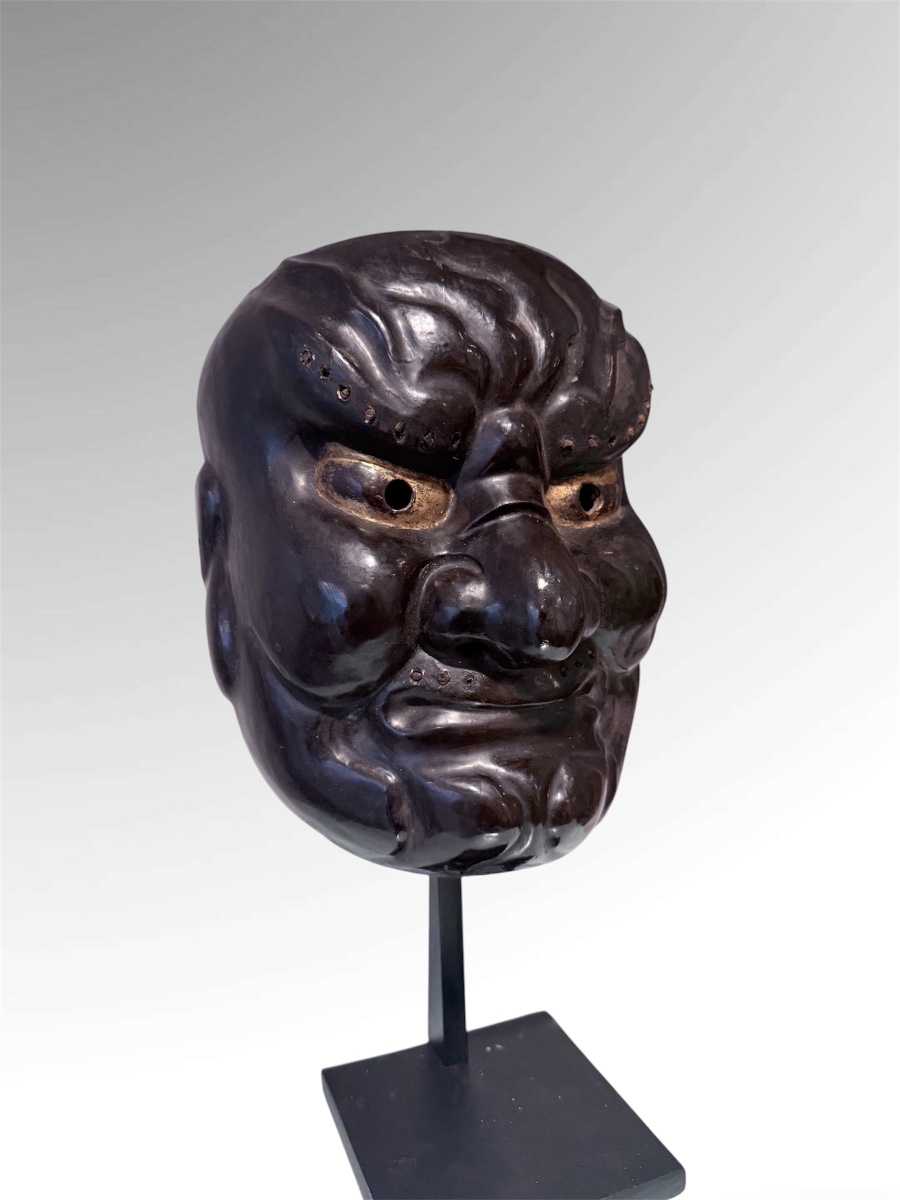
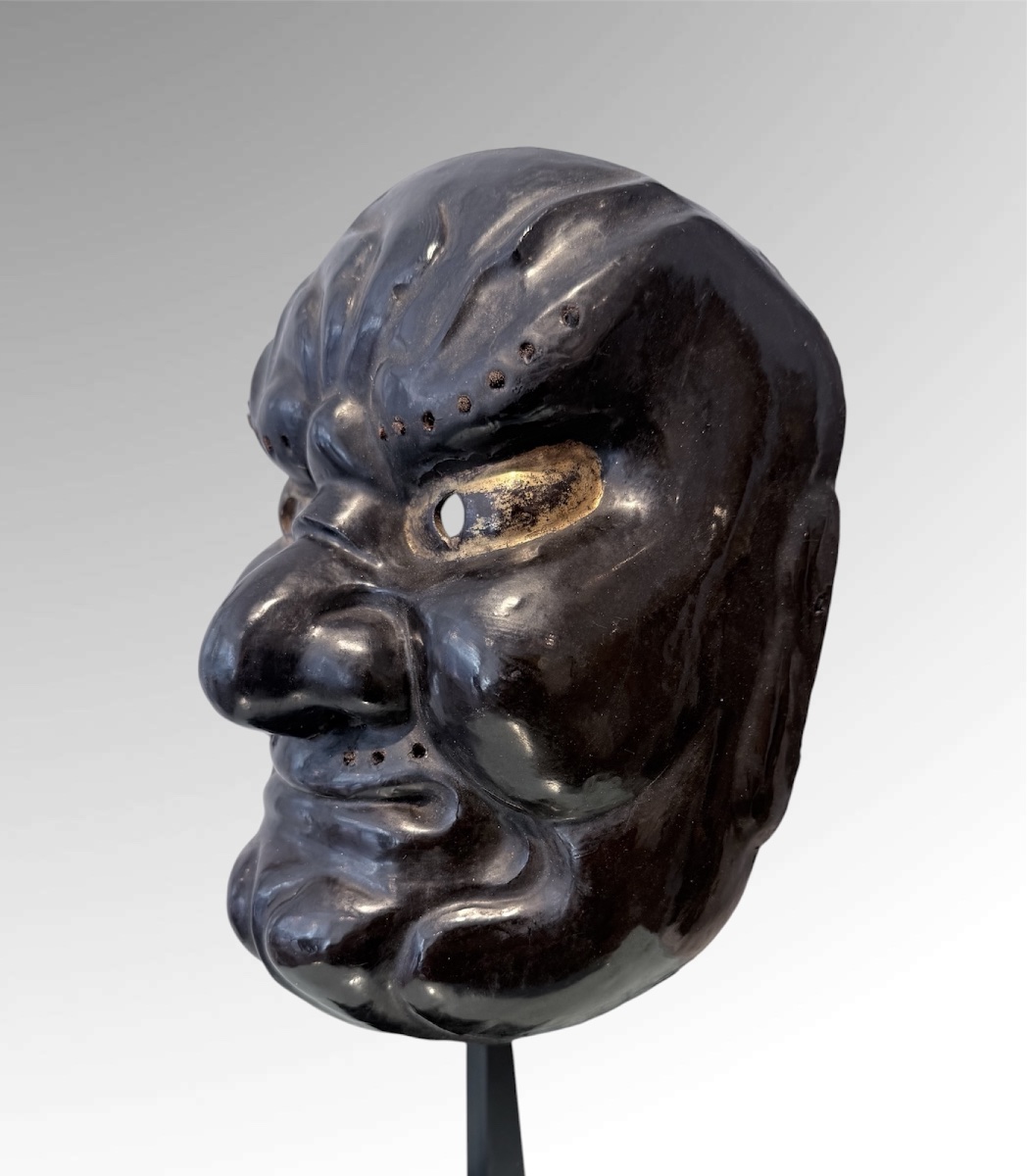
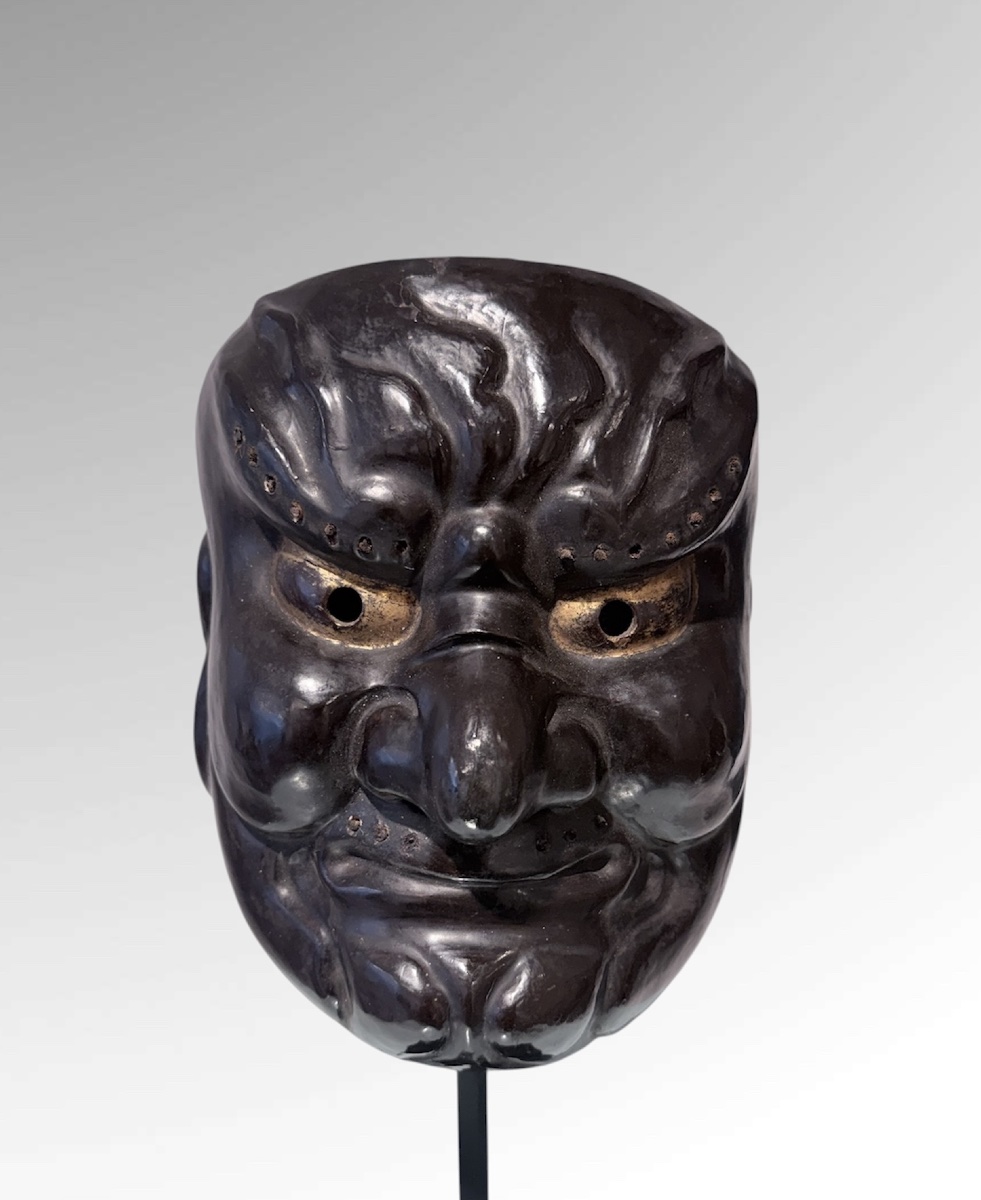
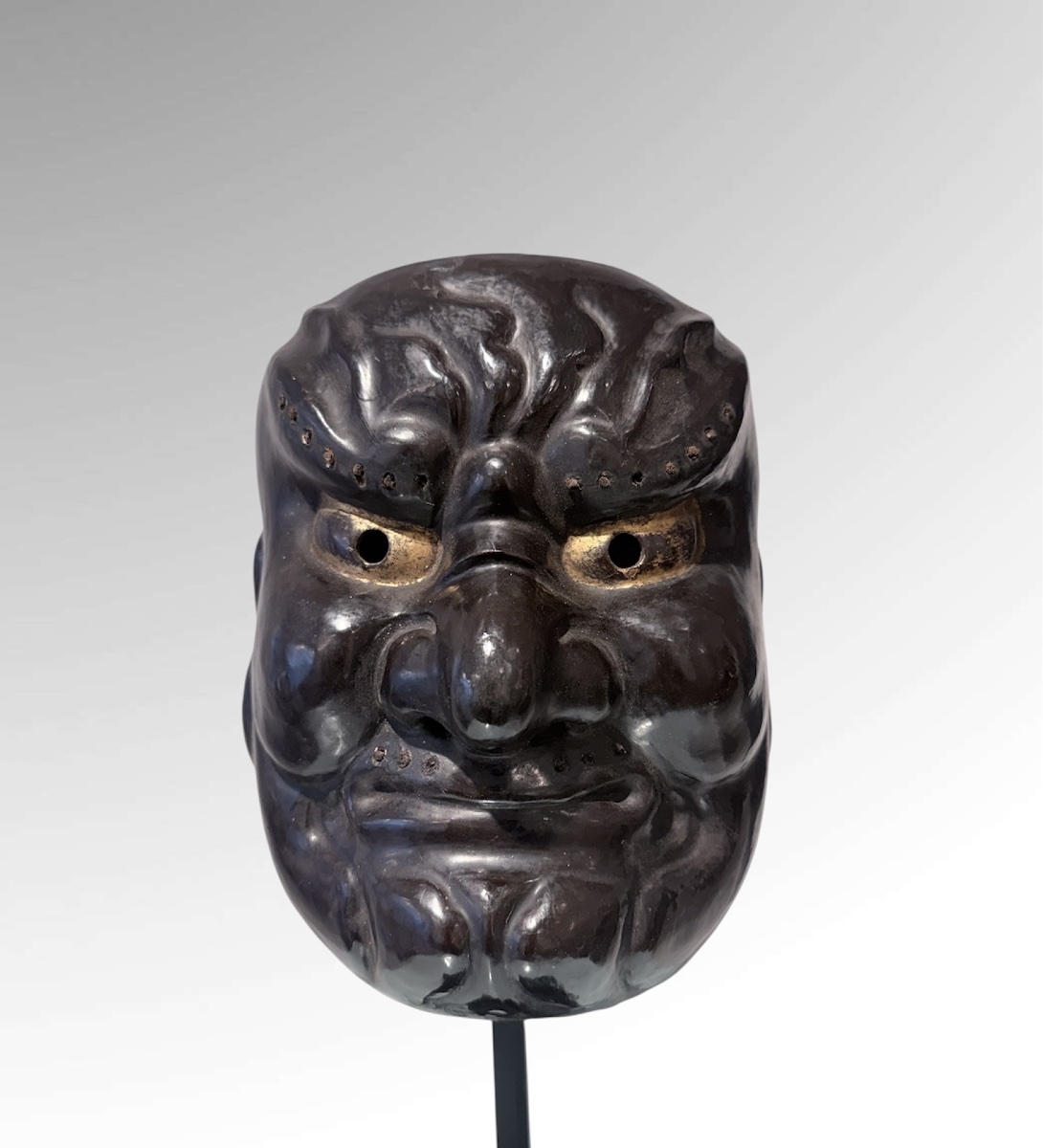
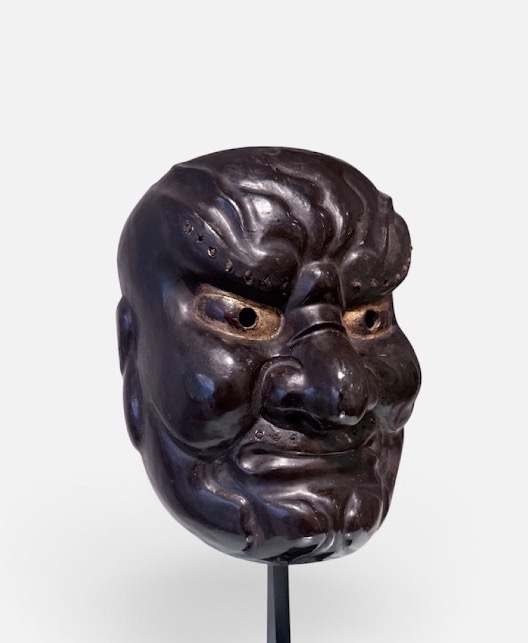
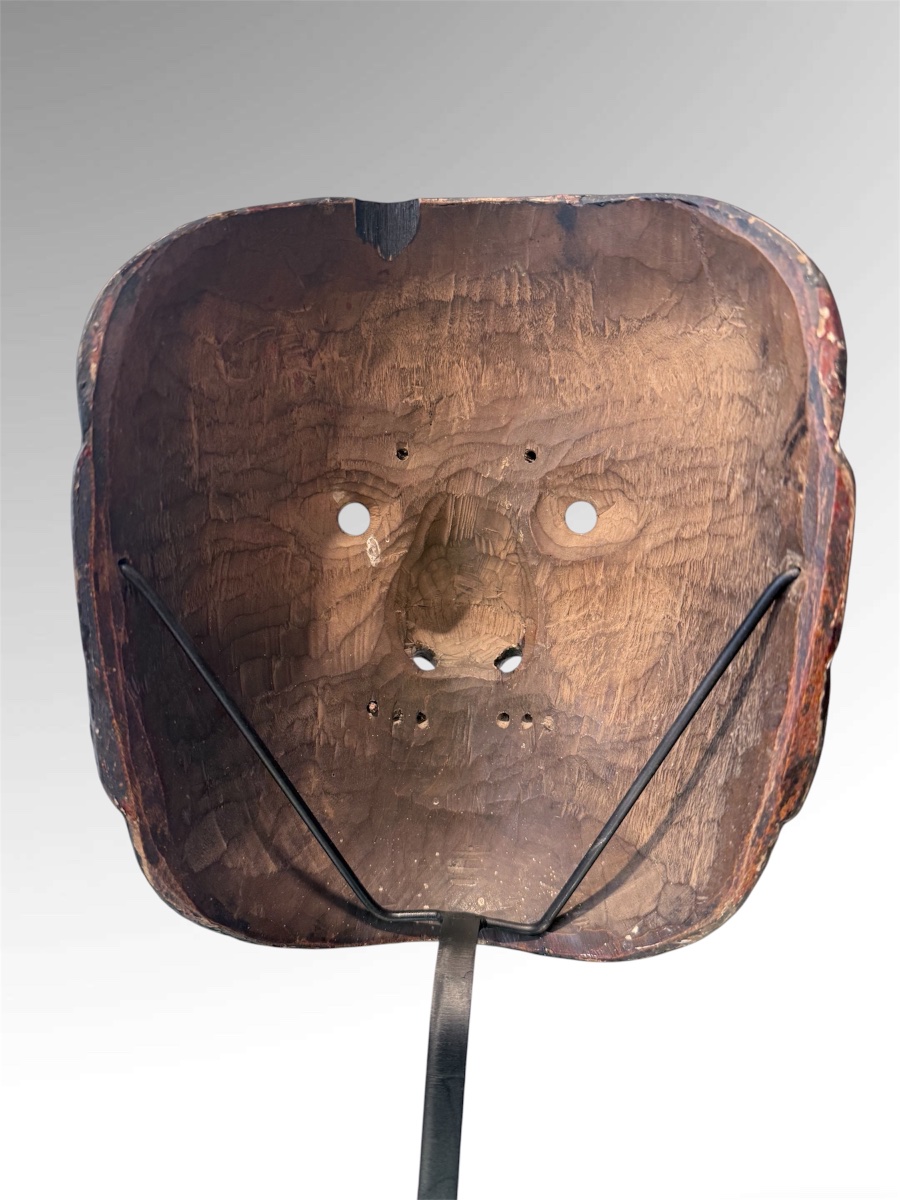
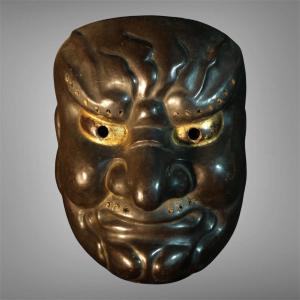


Beshimi Mask For The Kagura Ritual
Kagura represents Japan's oldest form of theatrical performance, originating as sacred Shinto ritual dance performed specifically to entertain and honor kami (Shinto deities). The word Kagura derives from "kami no kura" (神の座), meaning "seat of god," indicating the divine presence invoked through performance. Unlike secular entertainment, Kagura serves specific religious functions: purification (chinkon), divine communication, agricultural blessing, and spiritual protection for communities.
Kagura's origin story comes from Japan's foundational mythology recorded in the Kojiki and Nihon Shoki (8th century). When Amaterasu Omikami, the sun goddess, hid in the Amano-Iwato (heavenly rock cave) to escape her brother Susanoo's violent behavior, the world plunged into eternal darkness and cold. The crisis threatened all life on Earth.
To lure Amaterasu from her cave, the goddess Ame-no-Uzume no Mikoto performed an ecstatic, provocative dance outside the cave entrance. Her wild, rhythmic movements - accompanied by the laughter and cheering of 8 million other kami - created such curiosity that Amaterasu peeked out to see the commotion. This divine performance successfully restored light to the world, establishing dance as a sacred medium capable of moving gods and changing cosmic order.
This mythological foundation explains Kagura's spiritual power: just as Ame-no-Uzume's dance saved the world, Kagura performances can invoke divine intervention, ensure agricultural fertility, protect communities from disasters, and maintain harmony between human and divine realms.
Period: 19th century
Style: Asian art
Condition: Condition of use
Material: Painted wood
Reference (ID): 1805788
Availability: In stock