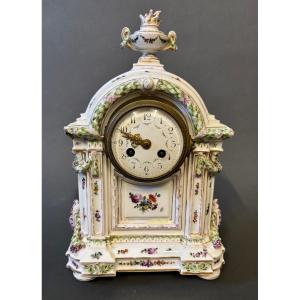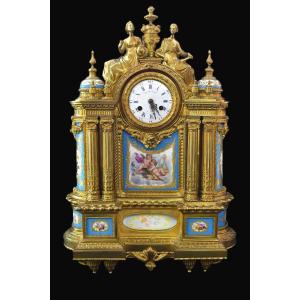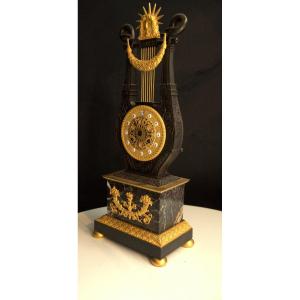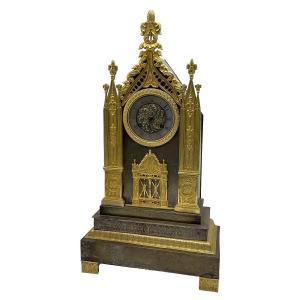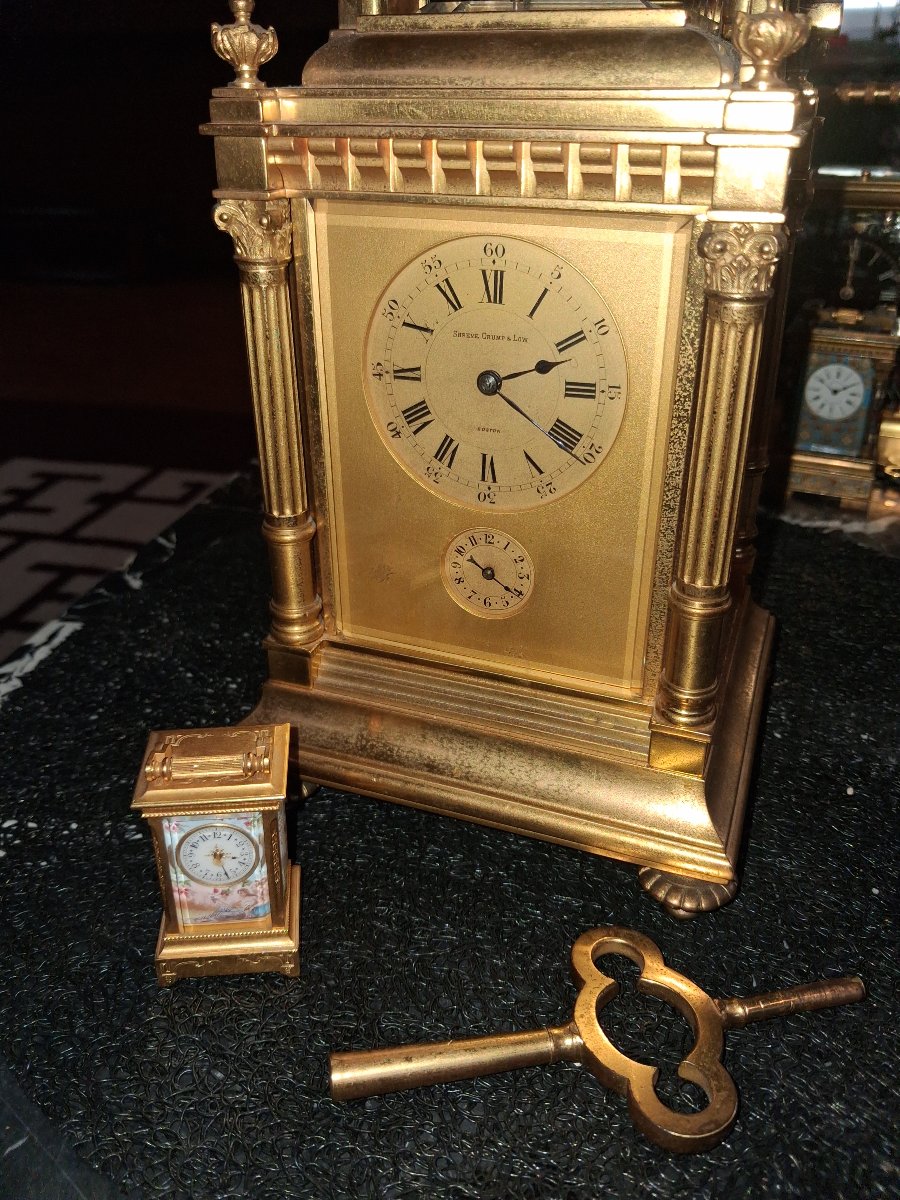
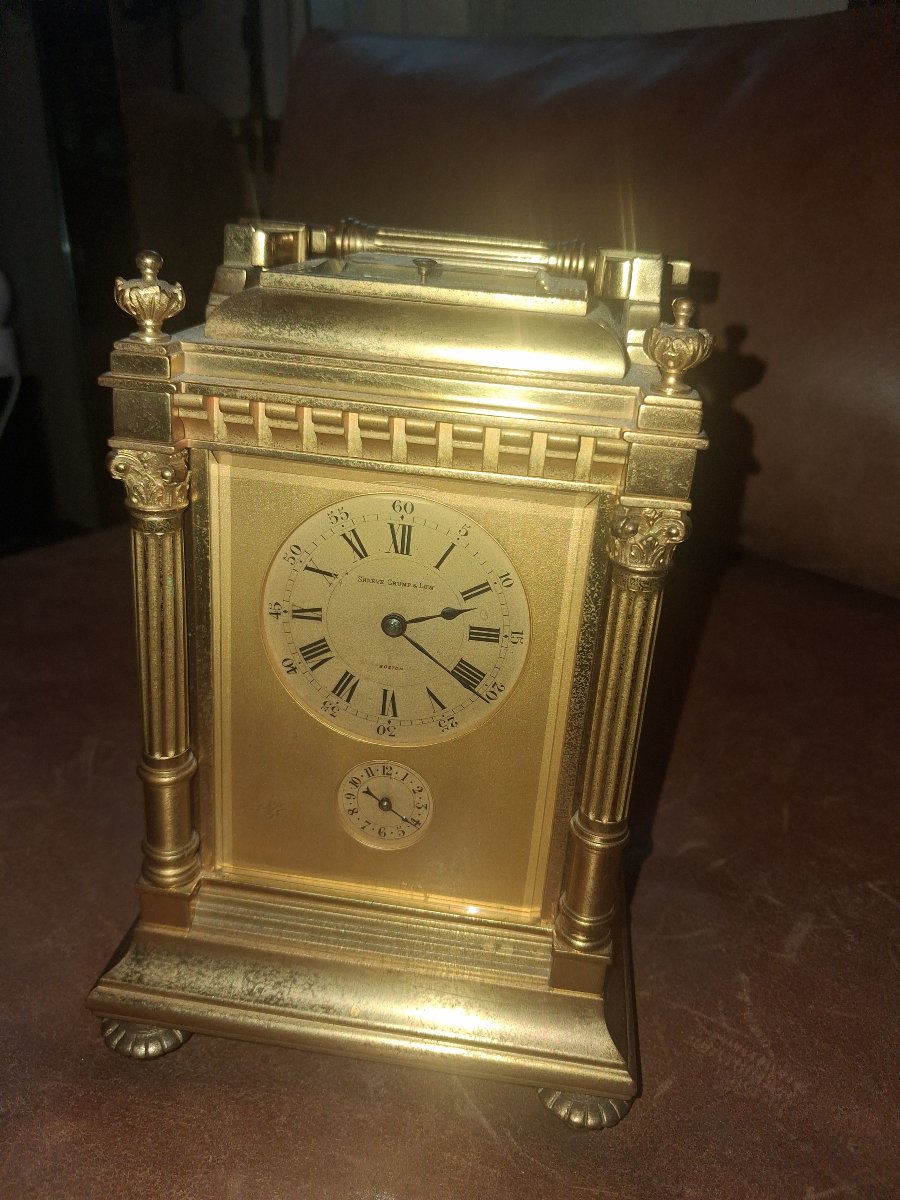
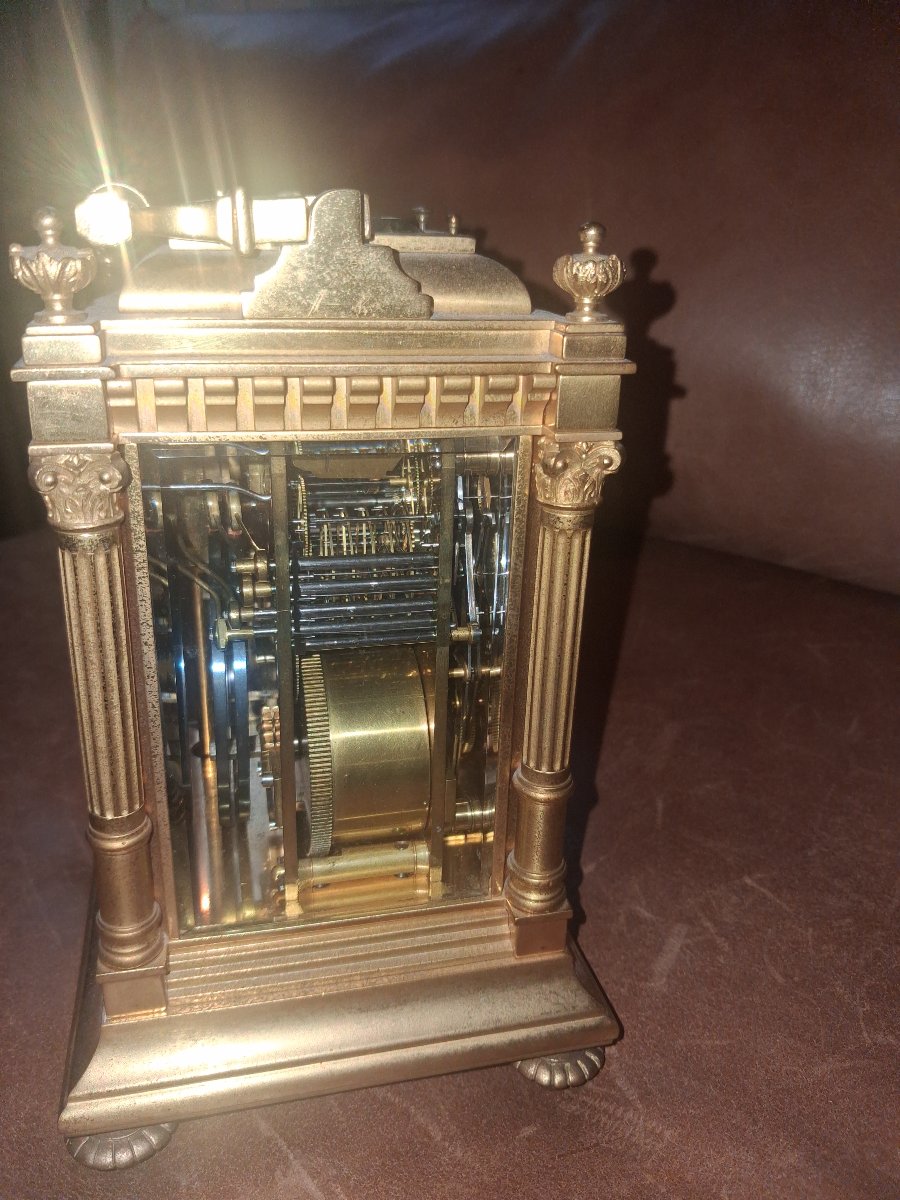
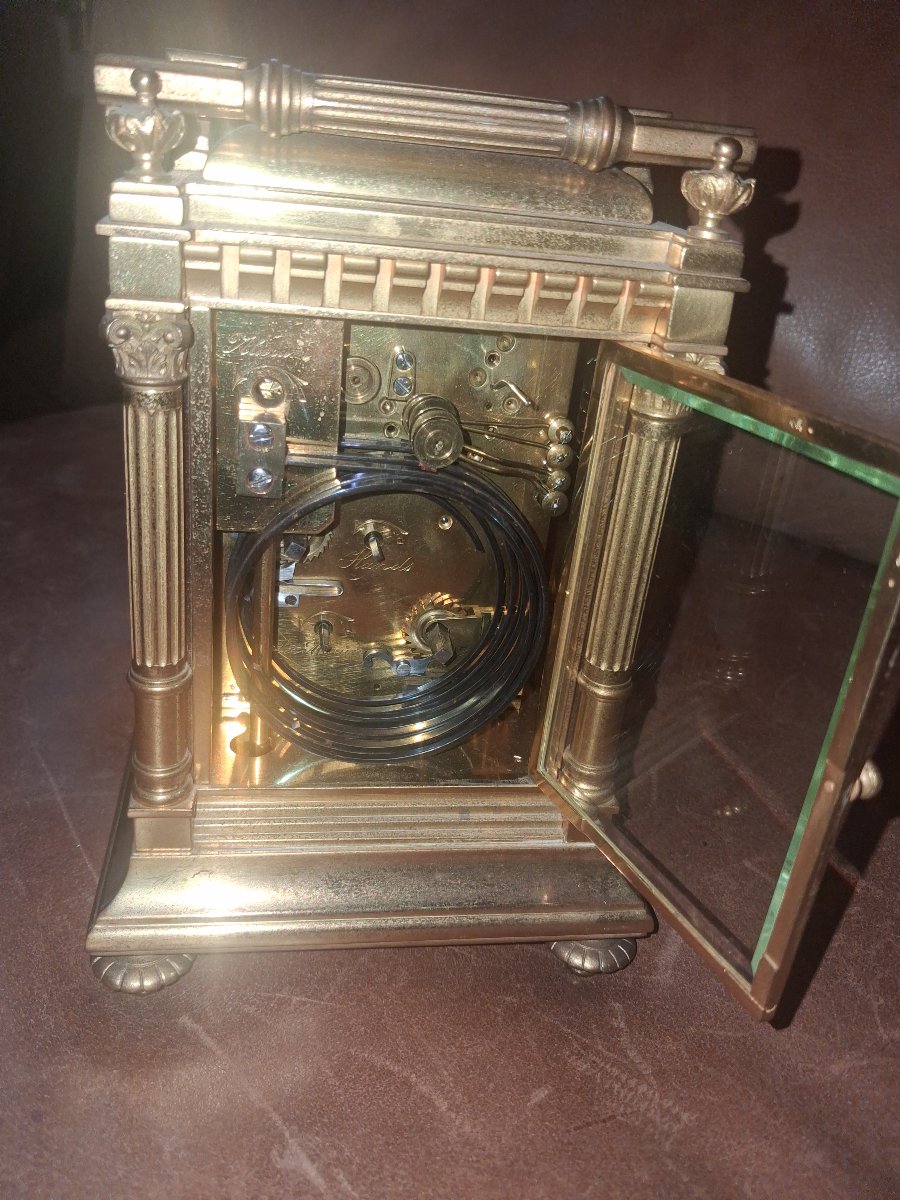
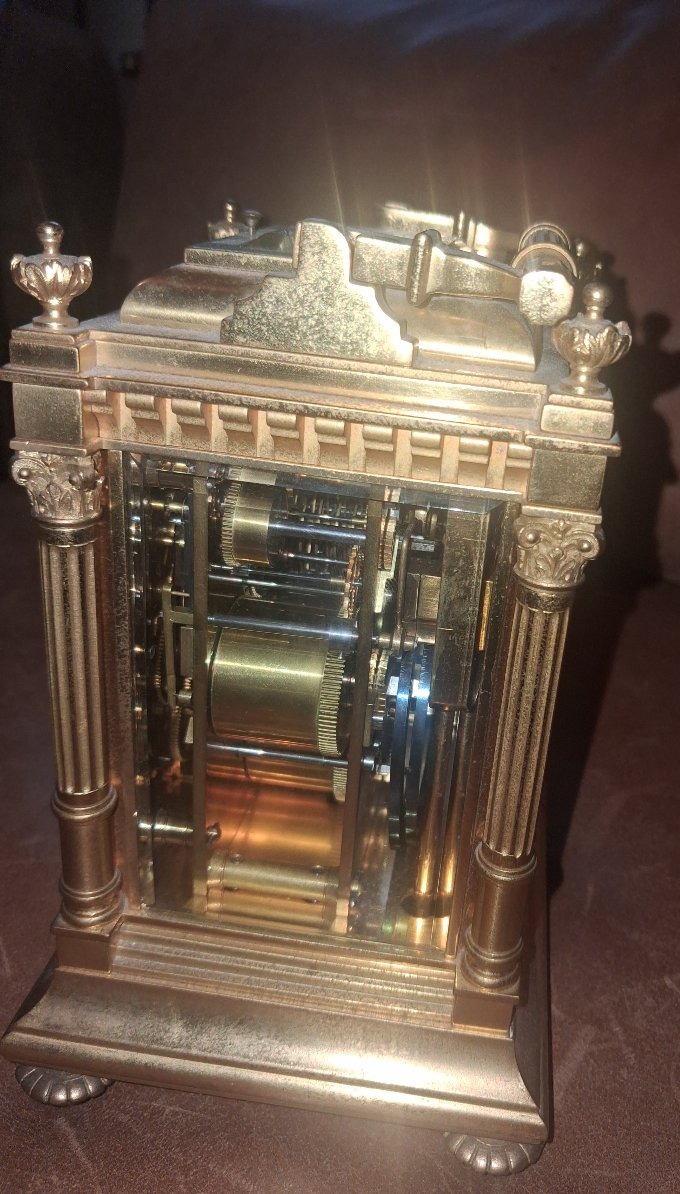
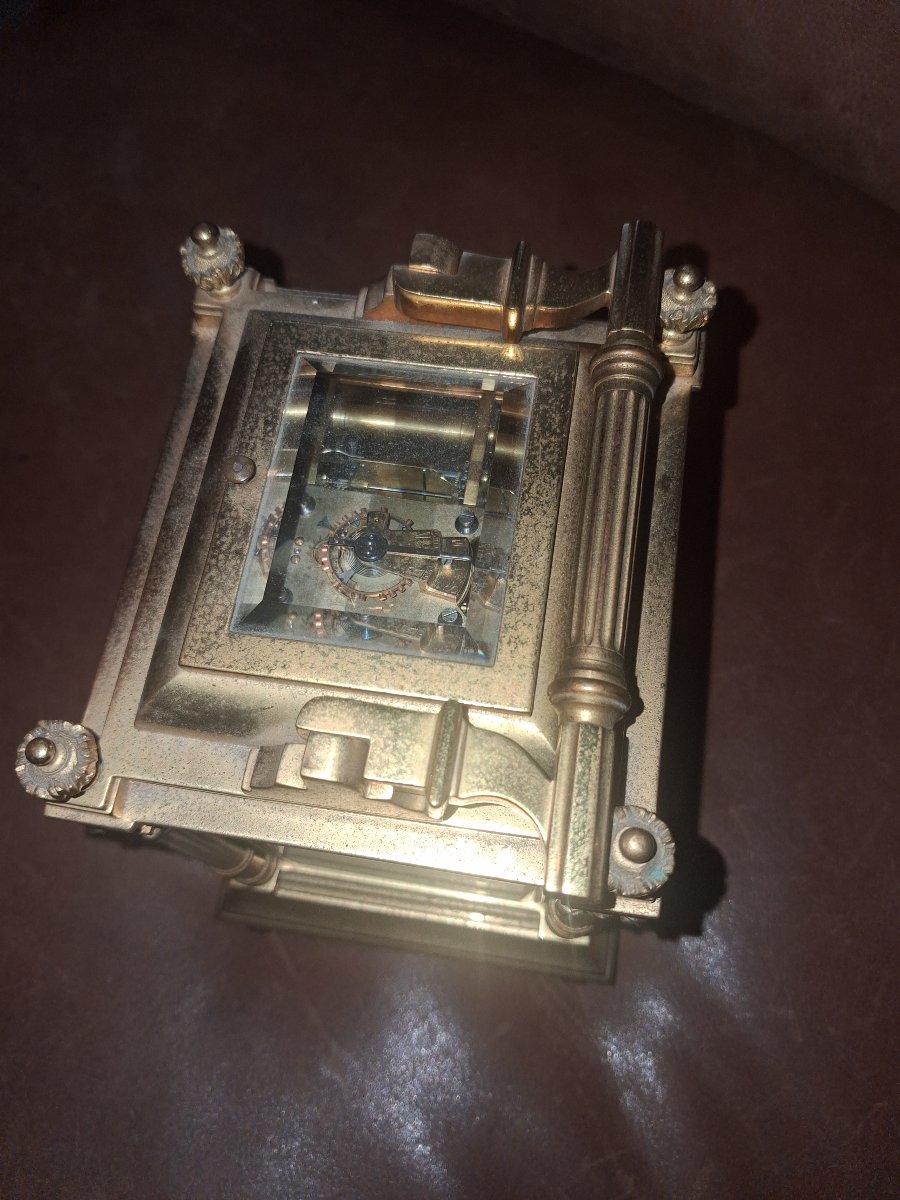
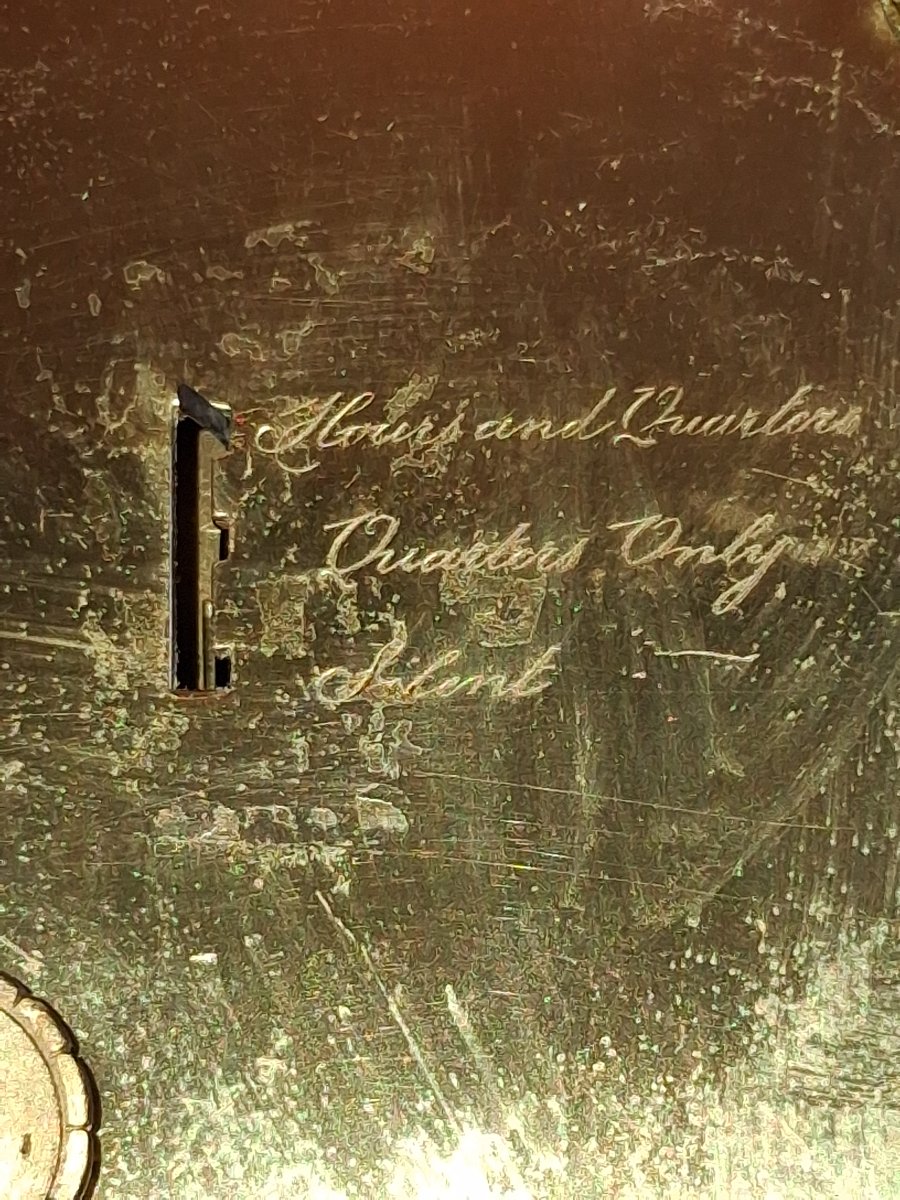
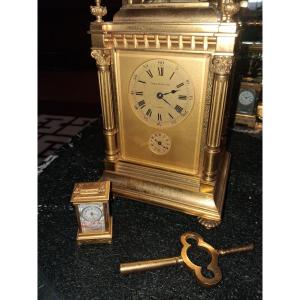


A Giant Travel Clock With Small And Large Striking Mechanisms On Four Hammers (wesminster)
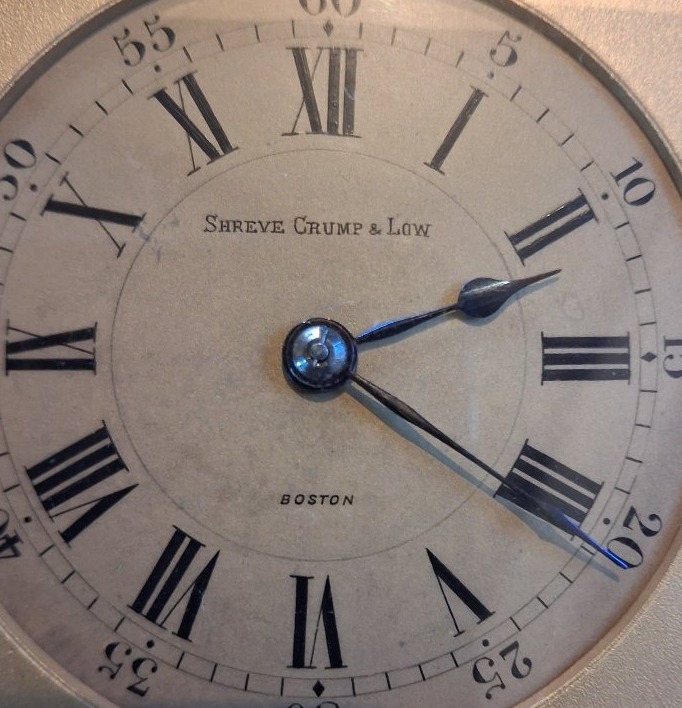
Artist: Shreve Crump & Low à Boston.
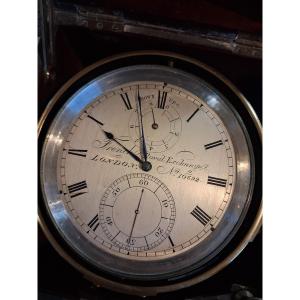
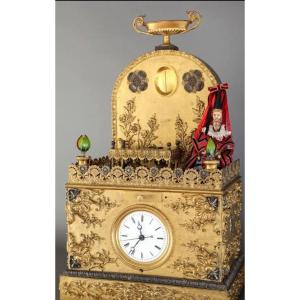
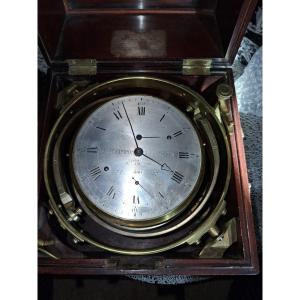
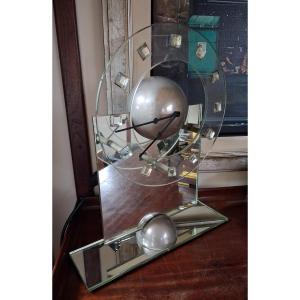
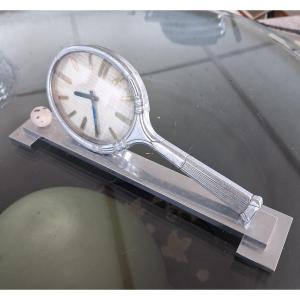
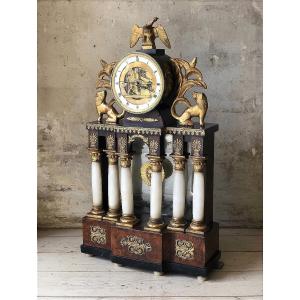
A giant travel clock with small and large striking mechanisms on four hammers (Wesminster) by Shreve Crump & Low in Boston.
Height 22 cm, width 13.5 cm.
Founded in 1796 by watchmaker and silversmith John McFarlane, the company is one of the oldest jewelry stores in North America. [3][4][5] The current Shreve, Crump & Low company is the latest in a line of businesses founded by John McFarlane, who opened a workshop opposite Paul Revere's. In the 19th century, the company adopted the name Shreve's. In 1869, it was formed through a merger to become Shreve, Crump & Low. [1] Shreve, Crump & Low remained at their original location until their building was destroyed in the Great Boston Fire of 1872. Their new address at 225 Washington Street pioneered the use of plate glass and artificial lighting in a retail setting. This Italianate-style building featured black walnut display cases accented with holly and ebony. [1][2] In 1891, a move brought Shreve, Crump & Low to its largest building—a six-story Italian Renaissance-style edifice constructed of limestone and marble, designed by Henry Forbes Bigelow. [6] In 1929, Shreve, Crump & Low relocated to 330 Boylston Street, one of the earliest examples of Art Deco architecture in New England.
Height 22 cm, width 13.5 cm.
Founded in 1796 by watchmaker and silversmith John McFarlane, the company is one of the oldest jewelry stores in North America. [3][4][5] The current Shreve, Crump & Low company is the latest in a line of businesses founded by John McFarlane, who opened a workshop opposite Paul Revere's. In the 19th century, the company adopted the name Shreve's. In 1869, it was formed through a merger to become Shreve, Crump & Low. [1] Shreve, Crump & Low remained at their original location until their building was destroyed in the Great Boston Fire of 1872. Their new address at 225 Washington Street pioneered the use of plate glass and artificial lighting in a retail setting. This Italianate-style building featured black walnut display cases accented with holly and ebony. [1][2] In 1891, a move brought Shreve, Crump & Low to its largest building—a six-story Italian Renaissance-style edifice constructed of limestone and marble, designed by Henry Forbes Bigelow. [6] In 1929, Shreve, Crump & Low relocated to 330 Boylston Street, one of the earliest examples of Art Deco architecture in New England.
12 000 €
Period: 19th century
Style: Other Style
Condition: Excellent condition
Material: Brass
Width: 13.5 cm
Height: 22 cm
Depth: 12,5 cm
Reference (ID): 1798776
Availability: In stock
Print