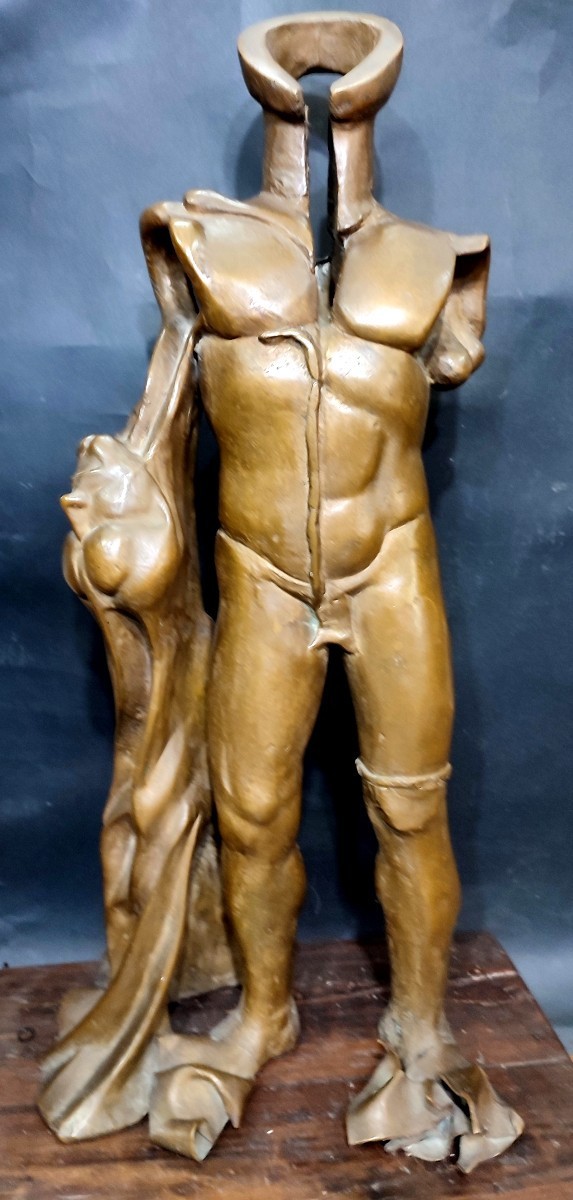
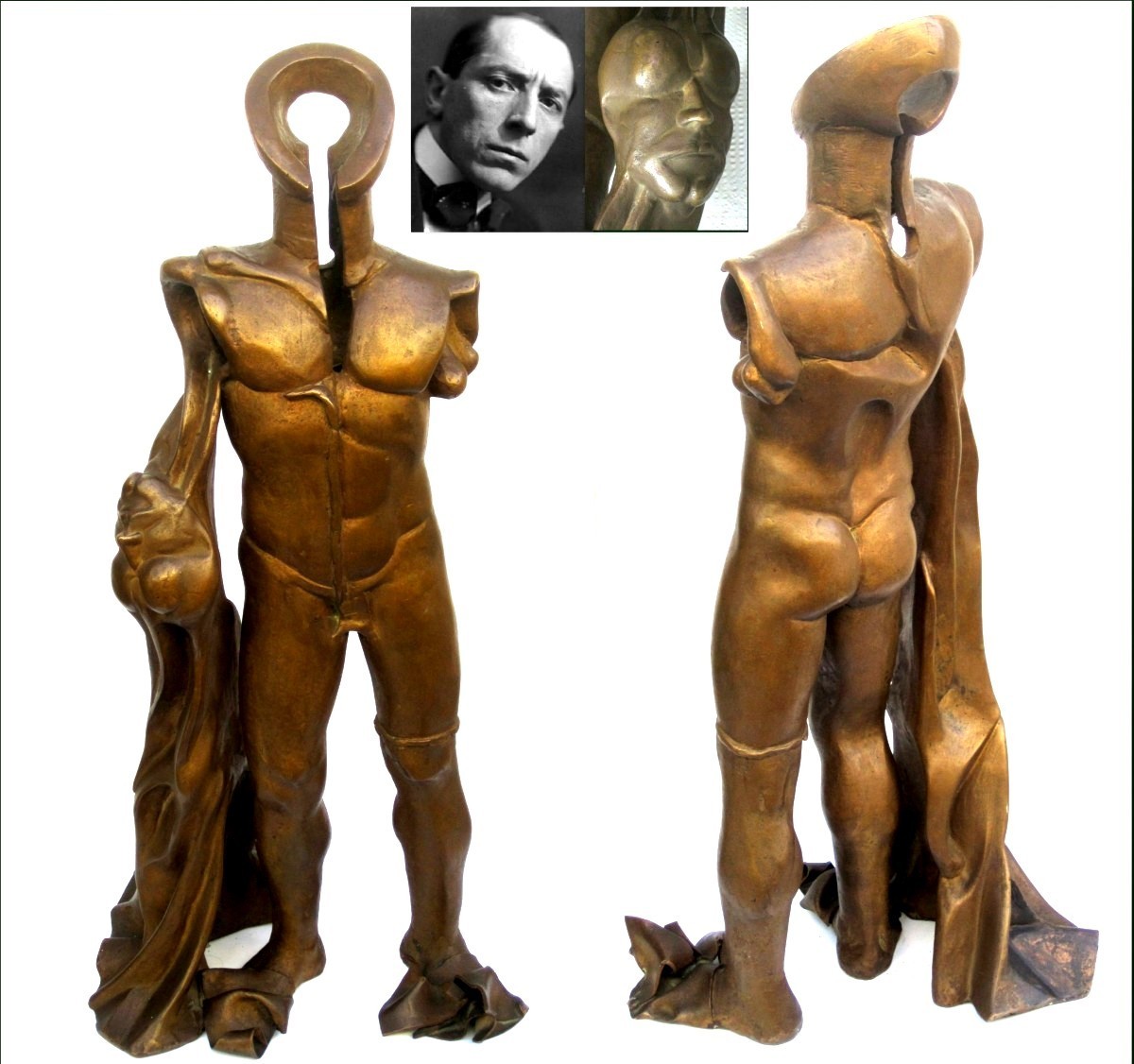
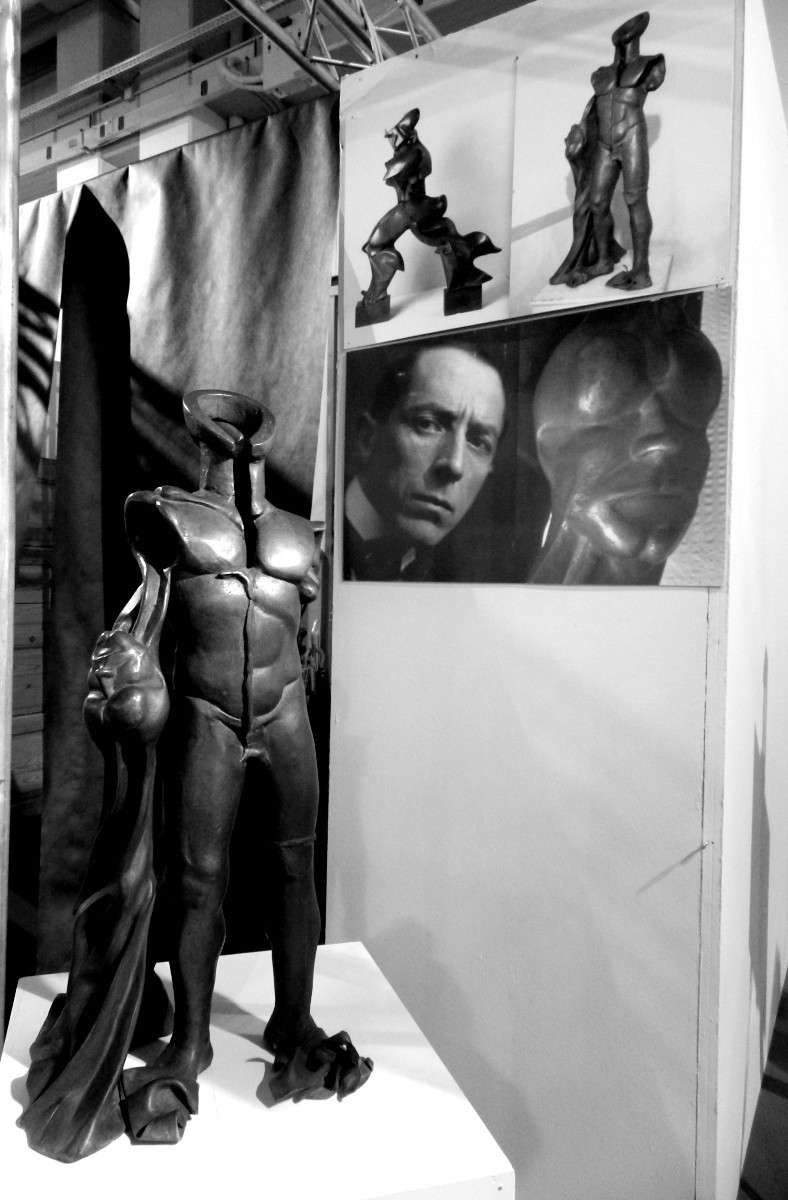
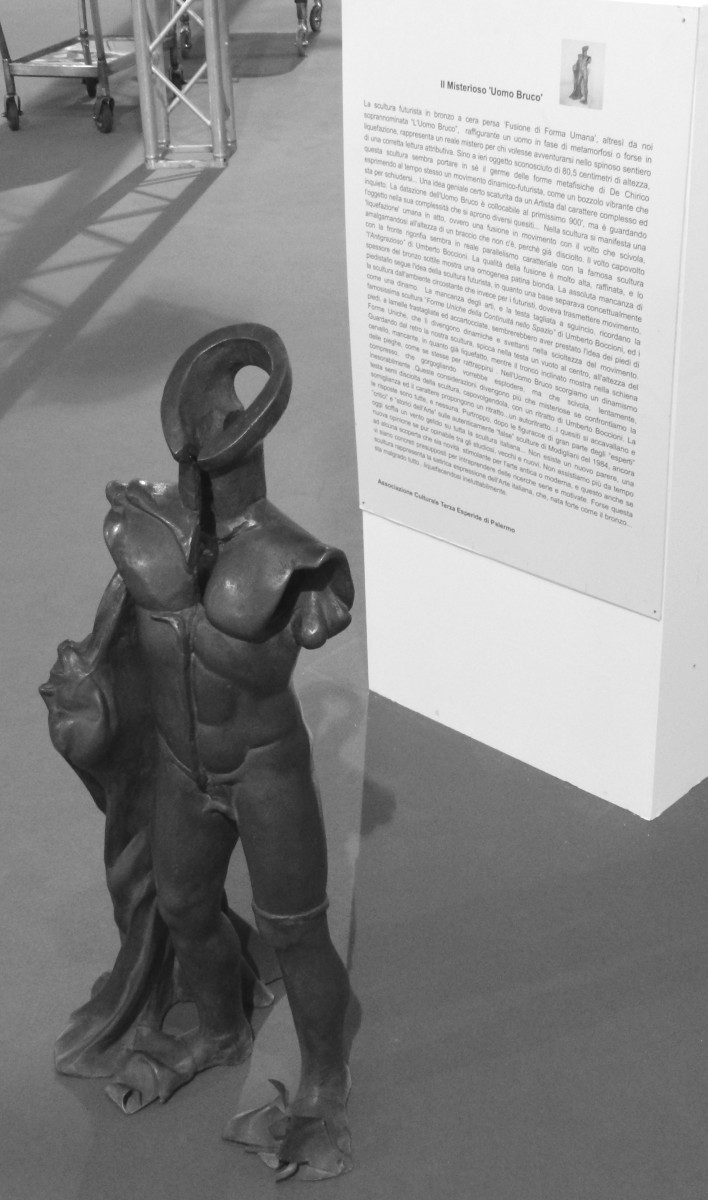
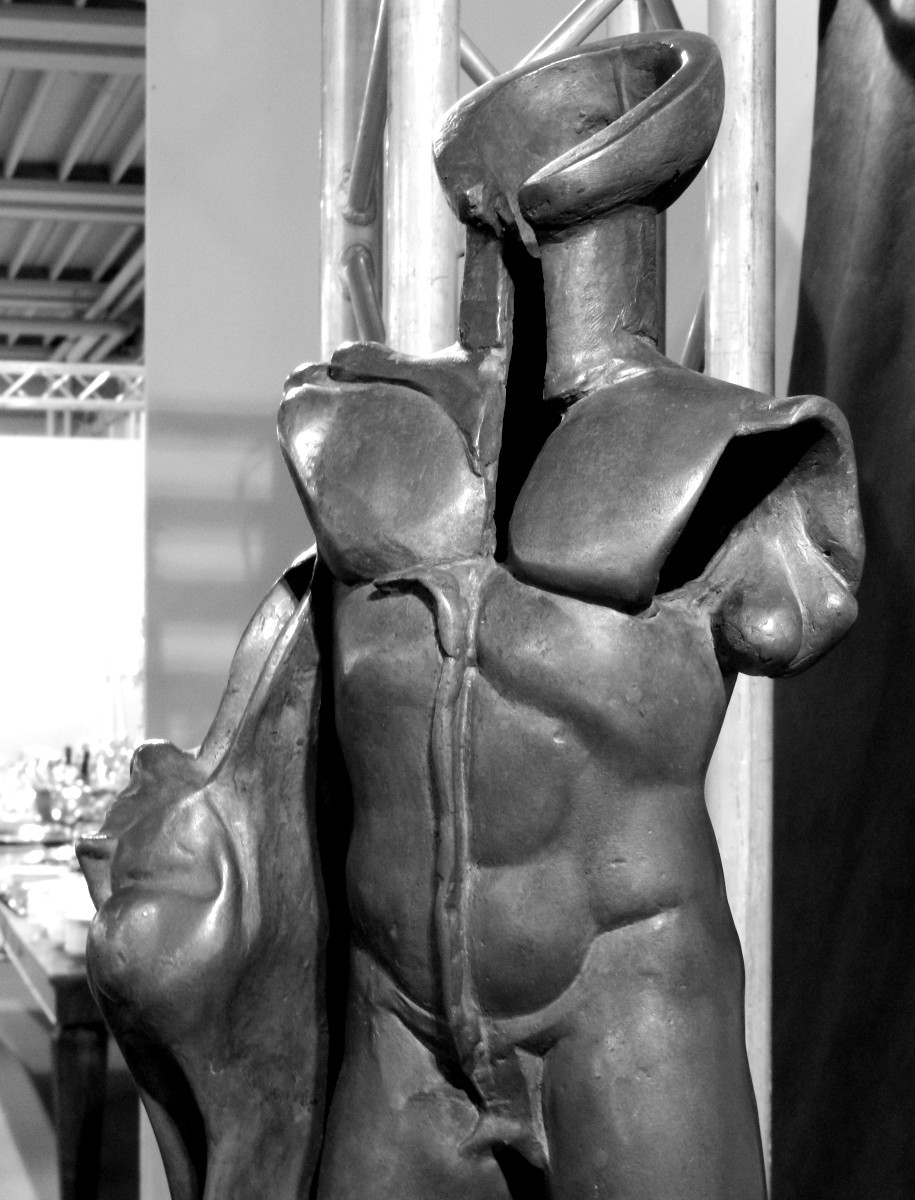
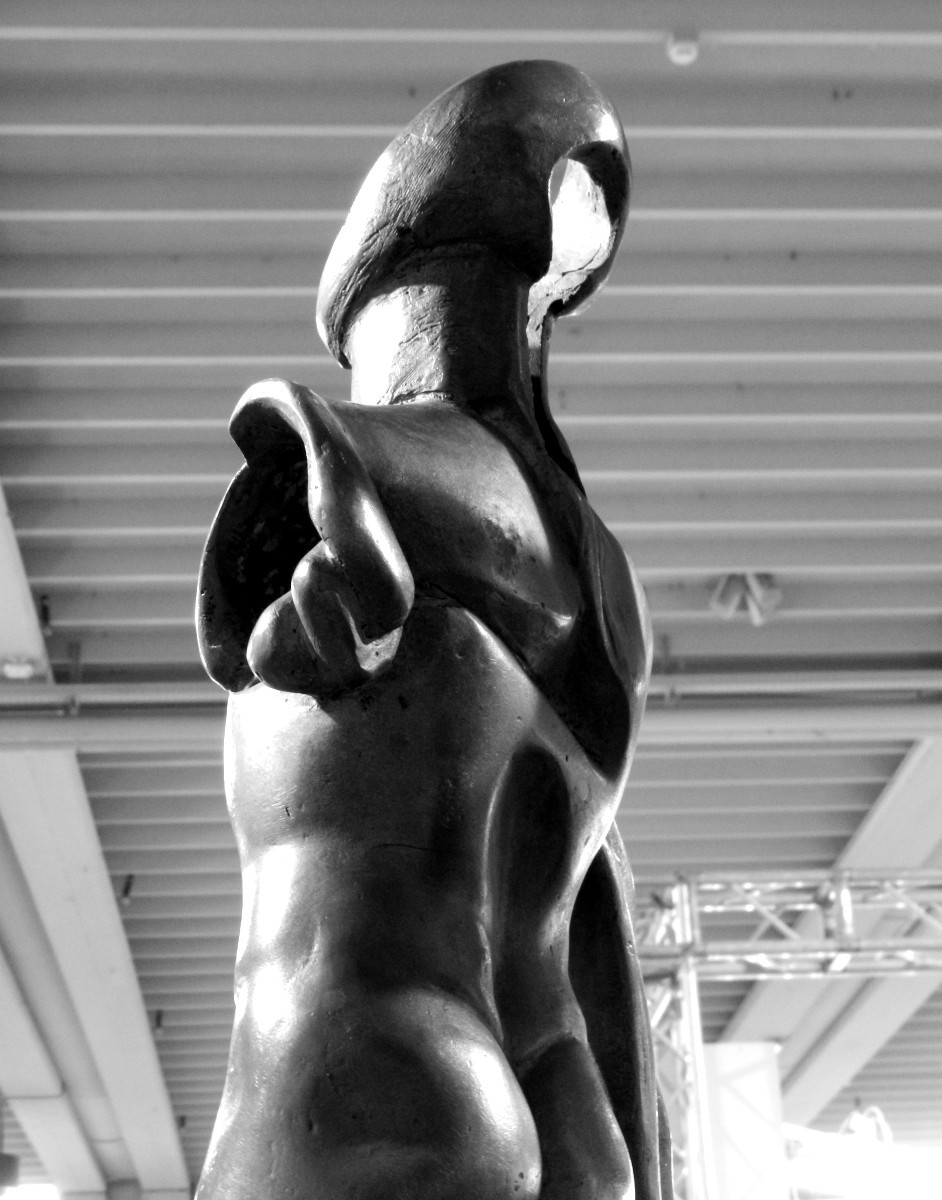


Umberto Boccioni, *the Caterpillar Man* Or *fusion Of Human Form*, 80 Cm (1911–1912)
Artist: Umberto Boccioni
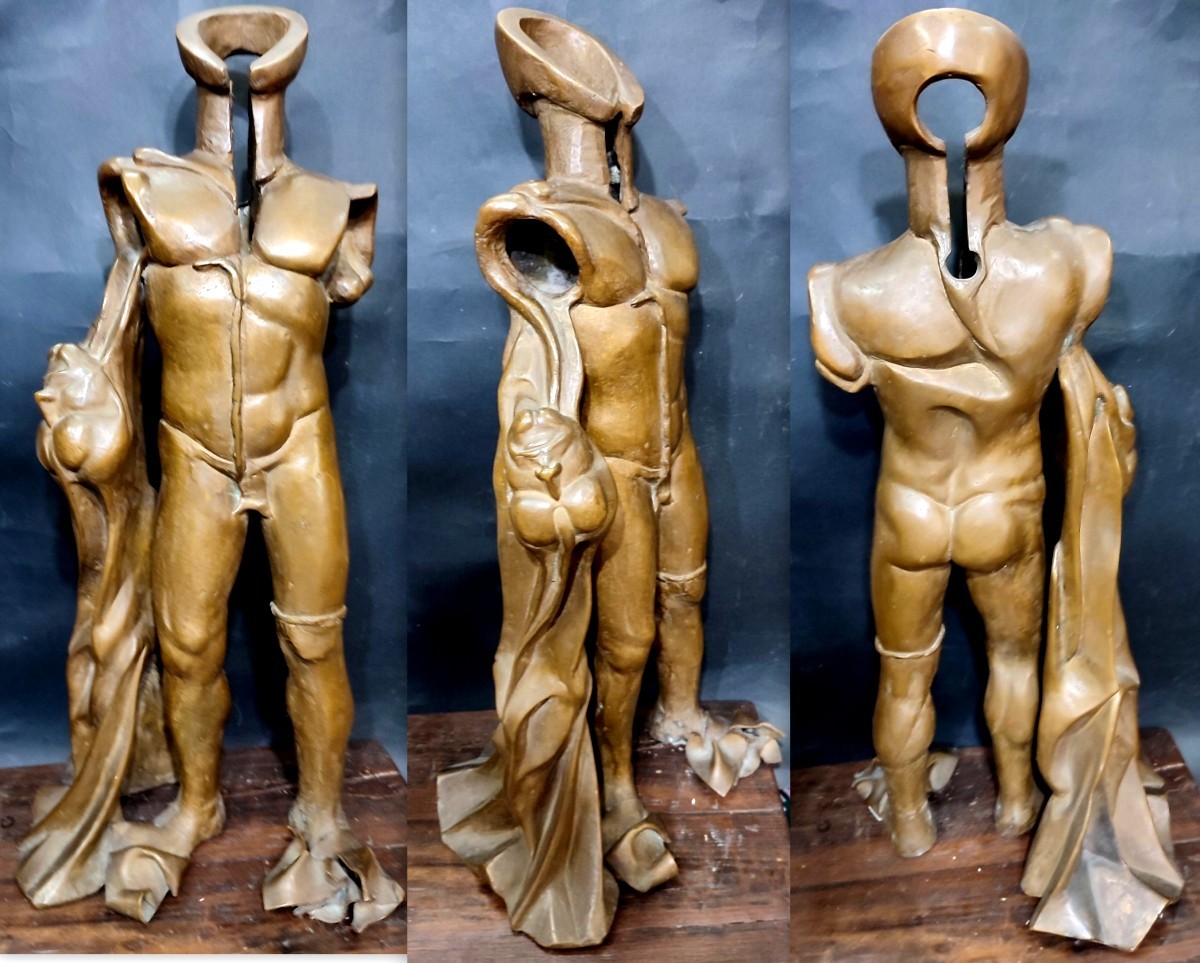
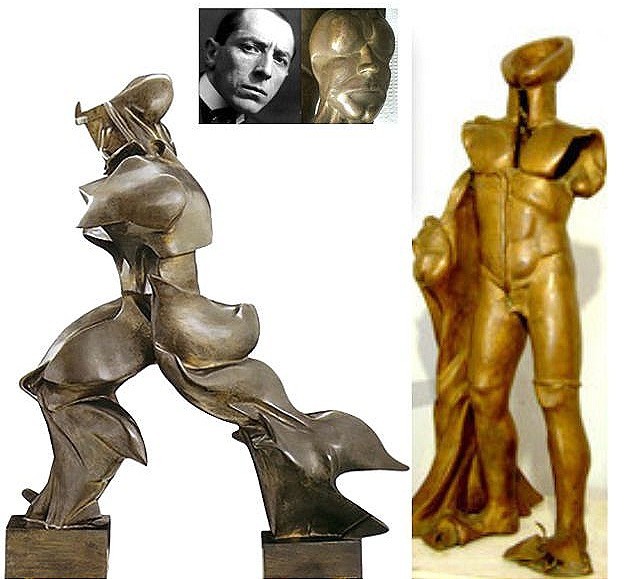
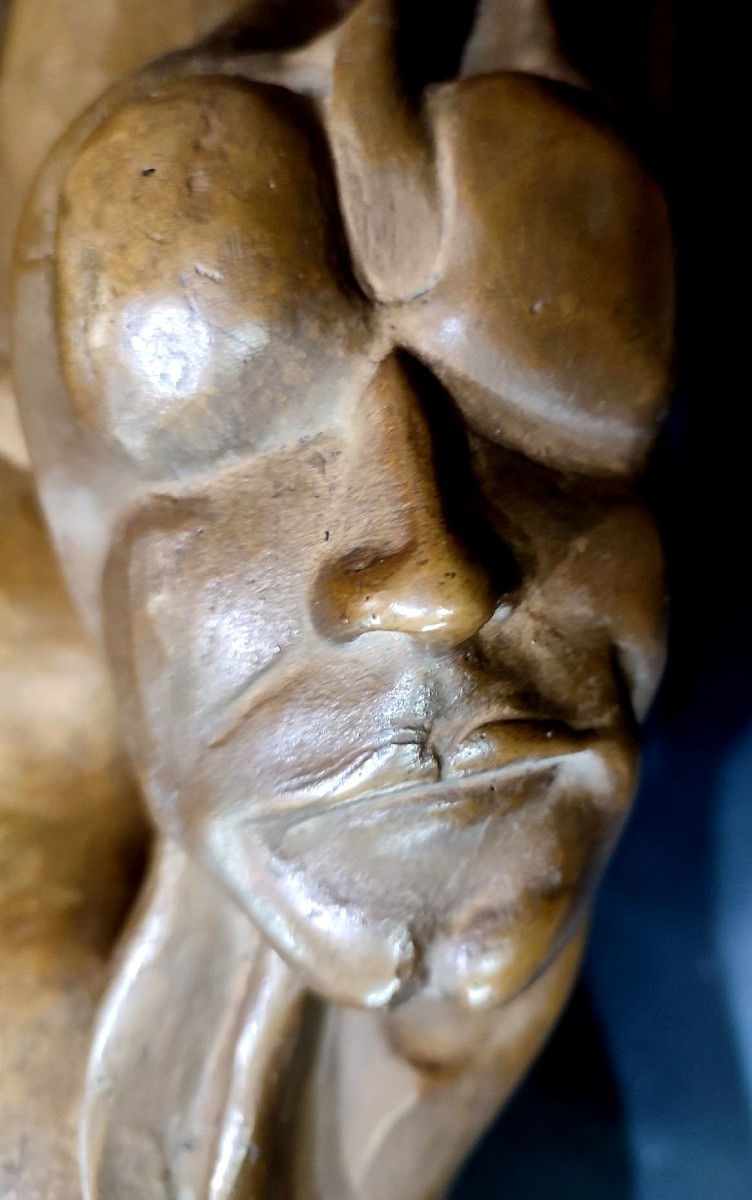
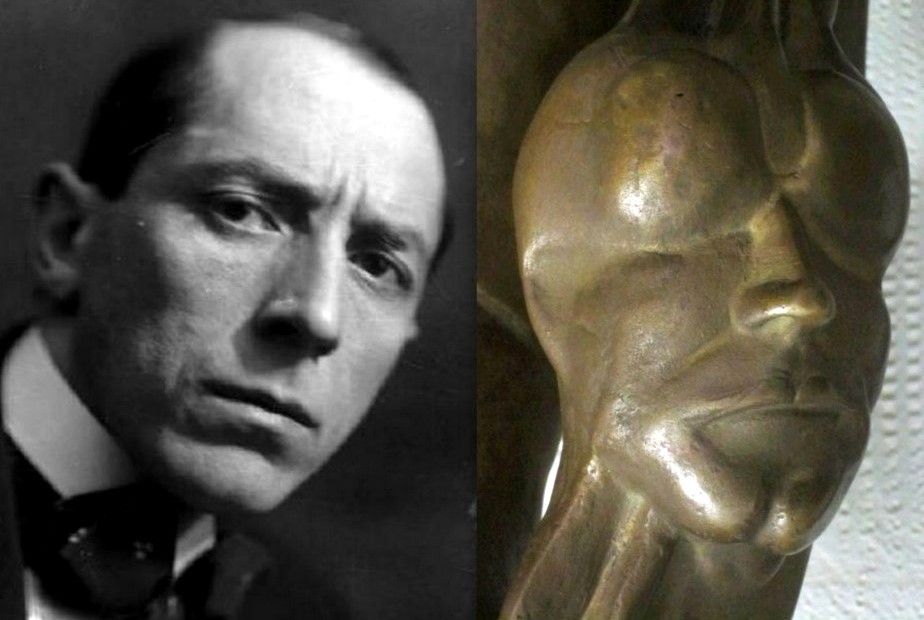
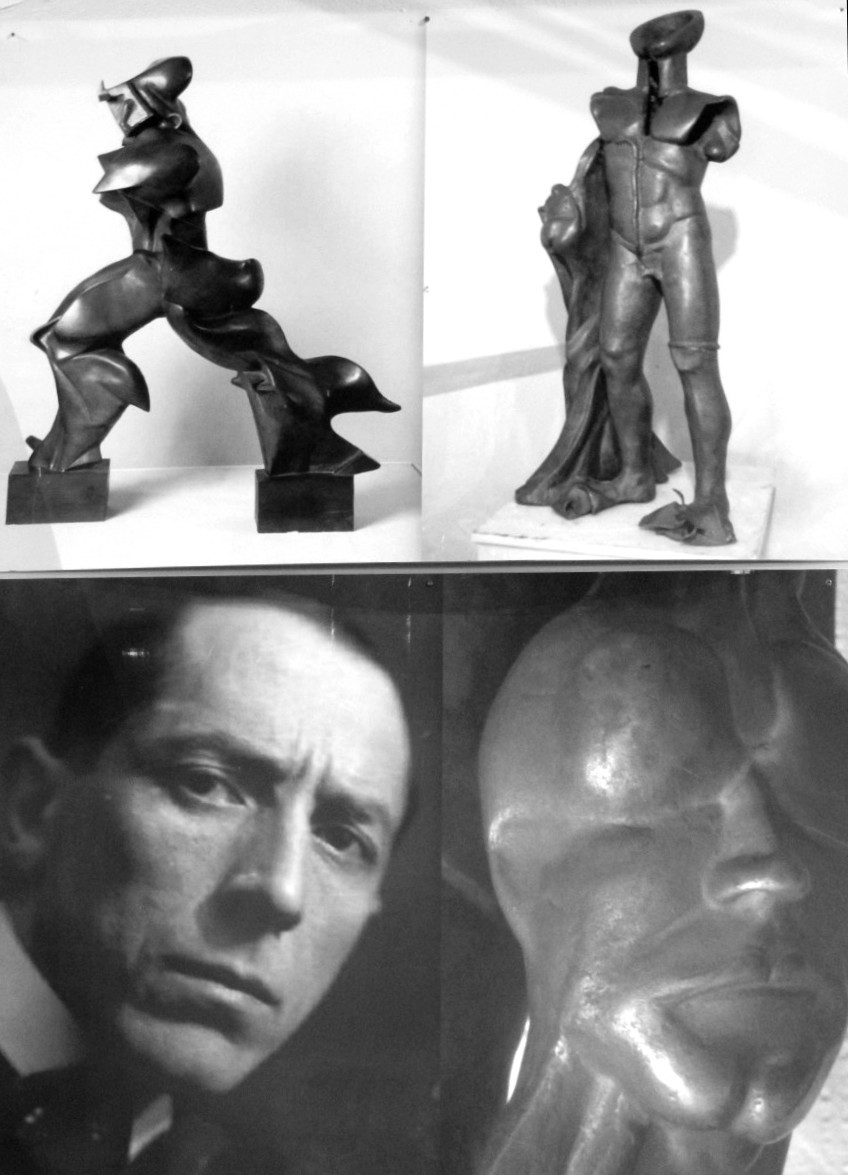
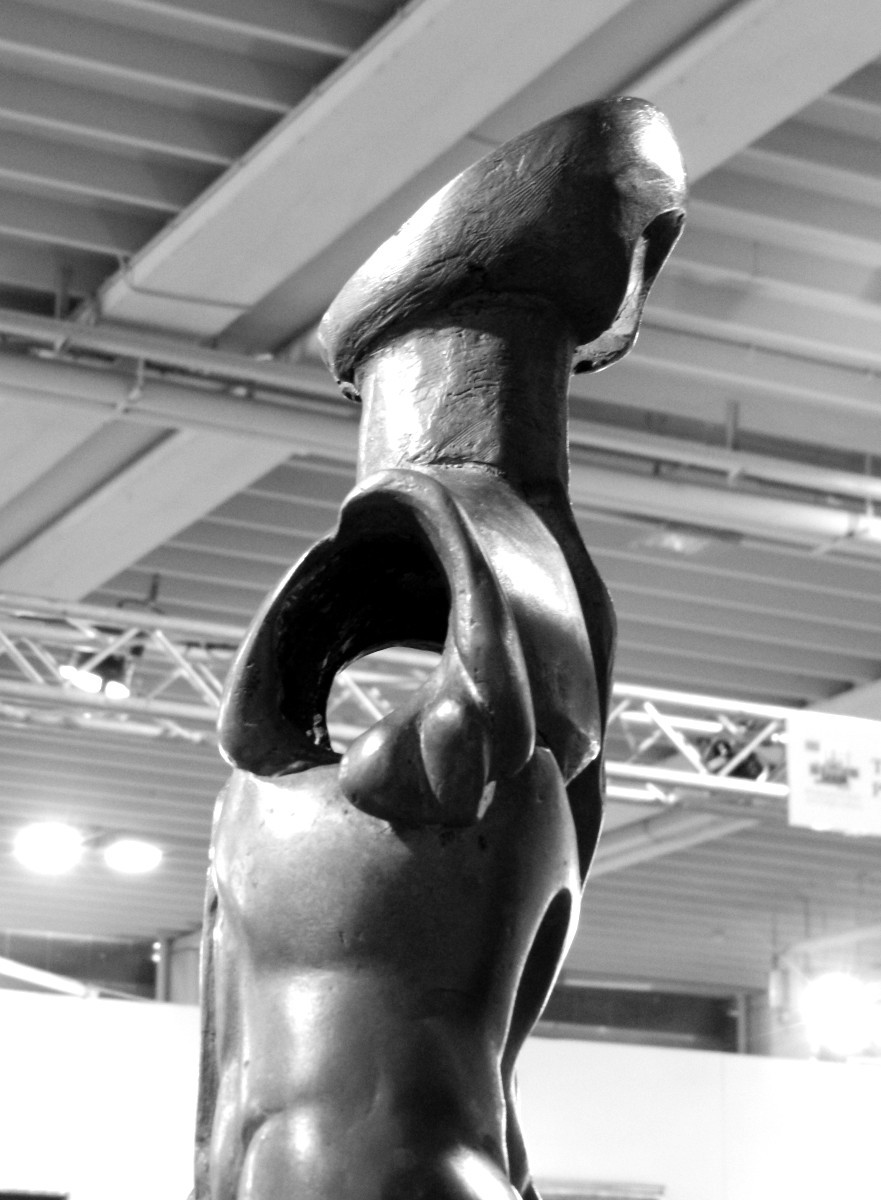
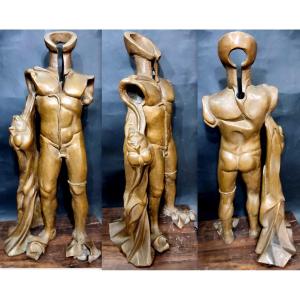
UmbertoBoccioni, unpublished. The mysterious Futurist sculpture "Fusion of HumanForm," nicknamed "The Caterpillar Man." After the blunders ofmost "experts," "critics," and "art historians"regarding Modigliani's authentically "fake" sculptures from 1984, achilly wind still blows over all Italian sculpture... There is no new opinion,no new opinion, however debatable, among scholars, old and new. For some timenow, we have not witnessed any stimulating discoveries in ancient or modernart, even though there are concrete grounds for serious and motivated research.Proposing a 'new' major attribution without academic hierarchical support is aprovocation, an arrogant perspective on 'Subversive Art', to which the Academysilently turns its back, snubbing the discovery as if the earthquake shakingbeneath its feet didn't exist. How many trials, studies, trials, and errors dida true Artist have to endure to forge his character? Works that almost allremain unknown. For example, regarding a brilliant artist like UmbertoBoccioni, of whom only a few sculptures are known, as he himself destroyedseveral, we do not know the complete evolution of his art during his earlyyears. Before he decided to compose 'multi-material' works, which unfortunatelyperish, who would have stopped him, even during his stay in France, fromcreating one or more bronze works, which remain unknown to this day? Only ifdocuments or photographs of the artist are discovered alongside his work can apotential attribution be discussed. This too has brought much intelligence tothe cellar, among cobwebs and mold. The fear of catching a hoax by the hornshas killed thought. And there are many snipers, waiting at the pass for anyonewho dares to express their opinion. What can be said about the harmony ofcharacter between Umberto Boccioni's 'Unique Forms of Continuity in Space' andthis sculpture, titled 'Fusion of Human Form'? This early twentieth-centuryFuturist sculpture is still unidentified. 'Fusion of Human Form' (h. 80 cm) cancertainly be dated to the very early 1900s, both in terms of patina andcharacter, but it raises some questions... At first glance, it would appear tobe a metaphysical sculpture, linked to the canons of Giorgio de Chirico's earlymetaphysical period. Just a moment, because we immediately realize that thestatic nature of the metaphysical, the roundness of classic egg-headed men, isnot the model for what is being conveyed to us. The head in "Fusion ofHuman Form" features a clean, slanting cut from top to bottom, reminiscentof both the upper part of Umberto Boccioni's famous sculpture "Developmentof a Bottle in Space" and several of Boccioni's futurist drawings and oilsdepicting human figures. The dissolving human form is missing arms, a concreteconnection to the famous sculpture "Unique Forms of Continuity inSpace," for which he seems to have provided the iconographic input of thefeet with moving blades, which, from jagged, become one with the form thustransformed into dynamism, in "Unique Forms." What we are interpreting here is a 'liquefaction' in progress, that is, a fusion of theface that slides, amalgamating at the level of an arm that isn't there, havingalready dissolved. An inverted 'face' with a strange physiognomy, with aswollen forehead, a true character parallel to Boccioni's famous sculpture 'The Antigracious'. The complete lack of a pedestal also links to Boccioni's idea ofFuturist sculpture. A base conceptually separated the sculpture from it ssurrounding environment, which was intended to convey energy, like a dynamo.Looking at our sculpture from the back, a void stands out in the center, at thelevel of the brain, which is missing, having already liquefied. It seems as if theaim was to convey the evolution of an idea in progress, a model and a conception of movement, still in the process of metamorphic transition and modification. More than a dynamism of movement, it is a true dynamism of transformation, like a human caterpillar, evolving. The 'Fusion of Human Form'in transformation, towards something we don't know, or perhaps in the processof self-destruction due to incipient metamorphism. On the back of the 'Fusionof Human Form', we notice evident depressed reserves, like masses of movingfurrows, also there as if to express an ongoing becoming. An idea of futurismin embryo, in a cocoon, from the silent movement of a caterpillar-man whodissolves to mutate and transform into becoming. This sculpture could be interpretedas the ingenious seed of a futurist idea, like the 'flash' generated by the'lightbulb' head of our 'metamorphic man'. Here is the liquefaction of the bodyof a mutant man, slowly moving due to a mysterious evolution underway. The'mystery' of an 'overly' demanding attribution becomes enigmatic when comparing the upside-down head of our 'Caterpillar Man' with the portrait of UmbertoBoccioni. … An unpublished idea comparable to the genius of a great artist,which would probably be placed at the dawn of Futurist sculpture, that is,between 1909 and 1912, in fact preceding the Manifesto of Futurist Sculpture(12 April 1912). The sculpture's provenance would reinforce the bold considerations: the Collection of an art dealer who has now passed away, a personal friend of Sprovieri, a Roman gallery owner and sponsor of Umberto Boccioni, and an expert on Italian Futurism, the creator of the first exhibition on Futurism in Rome. In fact, genius screams, but genius cannot beput on the scale, only understood and sometimes shared. Giulio Torta
51 €
Period: 20th century
Style: Other Style
Condition: Excellent condition
Material: Bronze
Height: cm. 80
Reference (ID): 1755128
Availability: In stock
Print