




Diorama Celebrating The Duke Of Wellington 1814
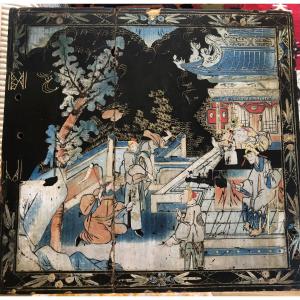
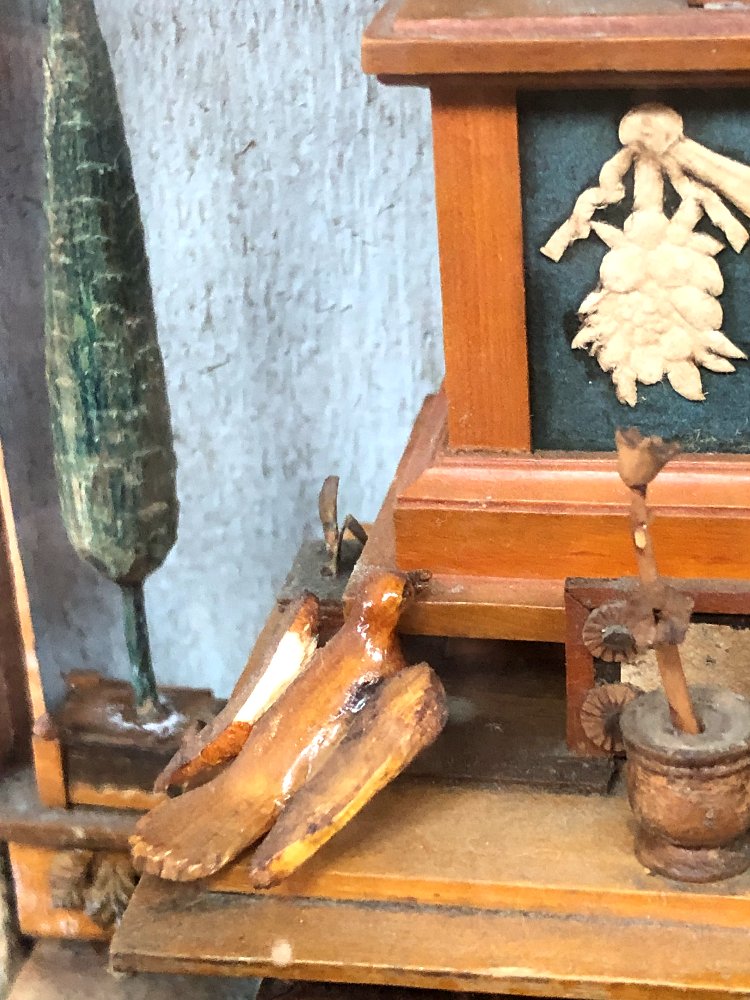
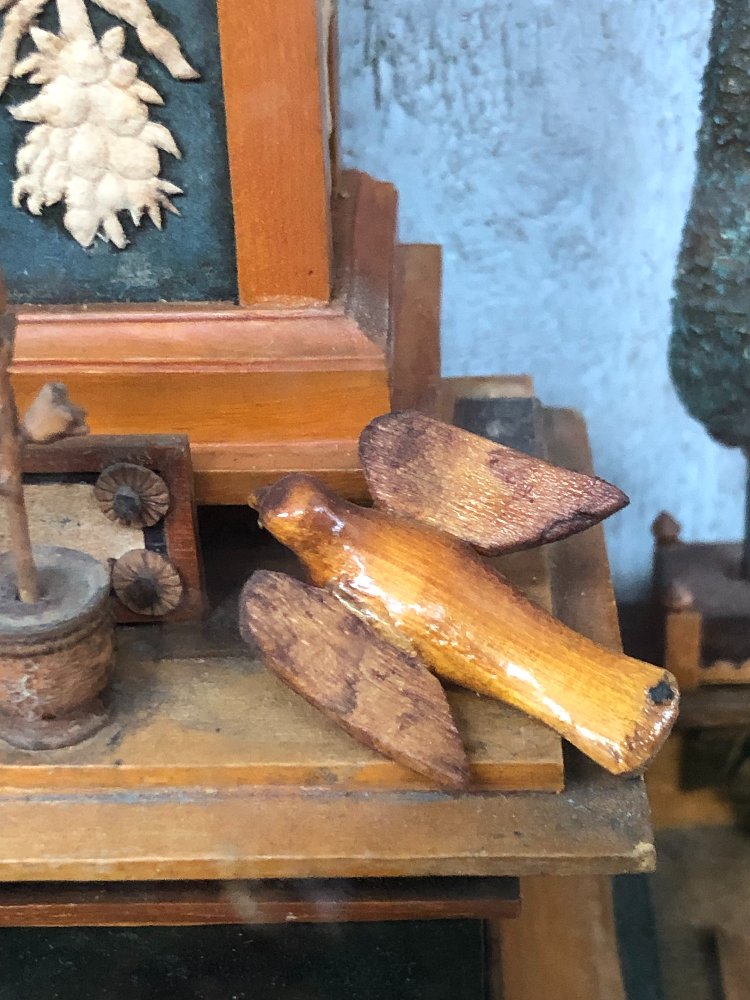
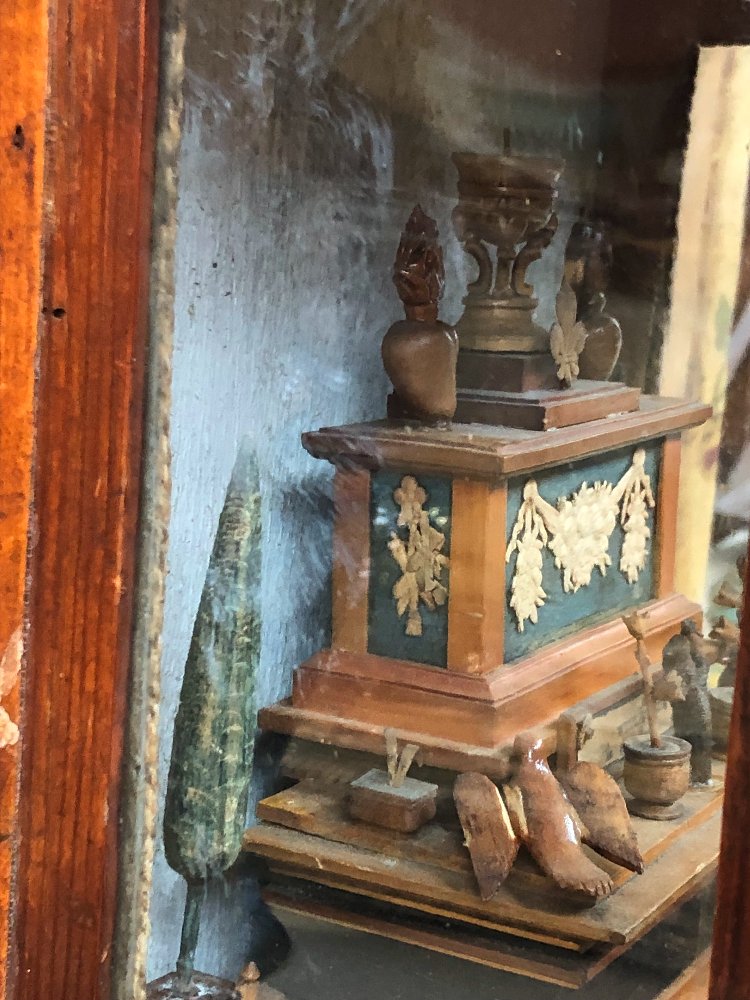
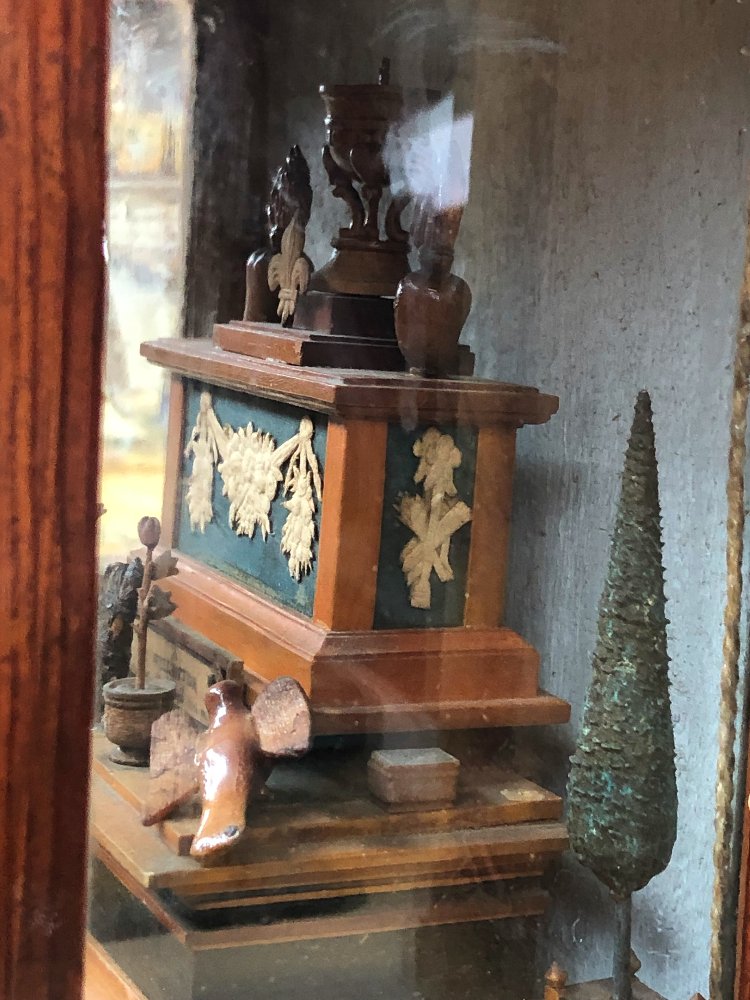
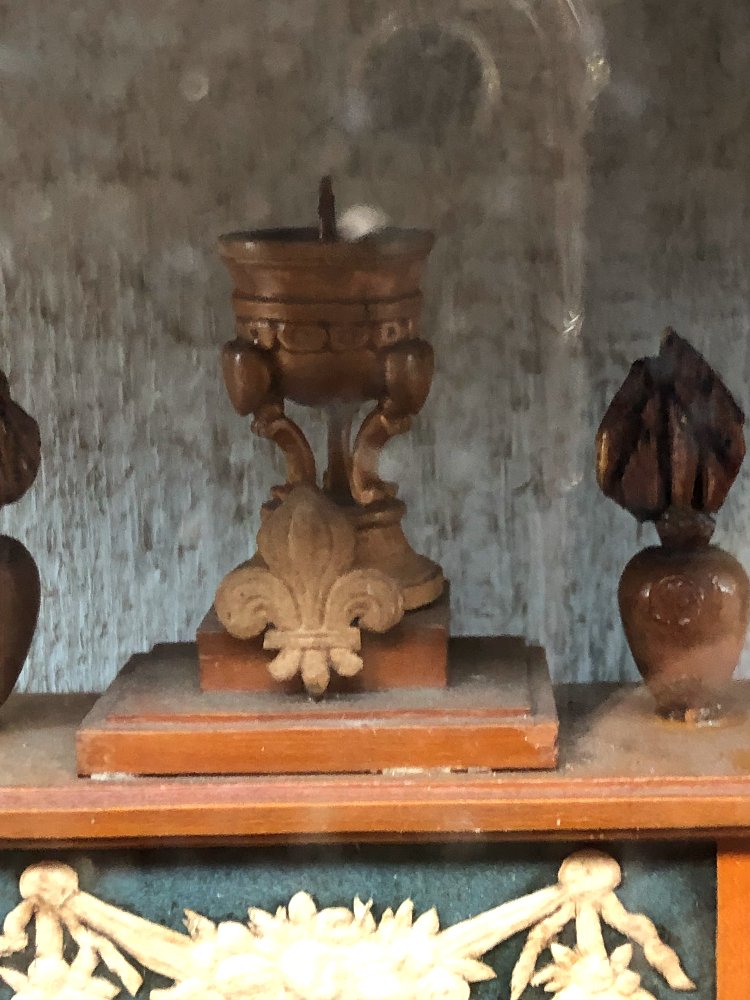
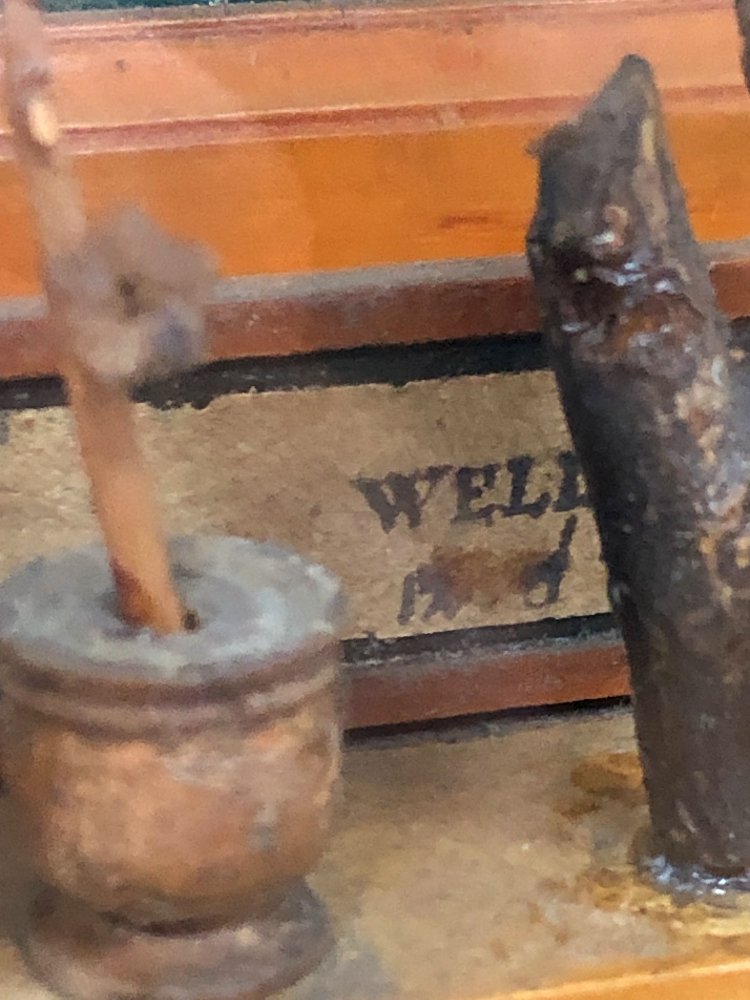
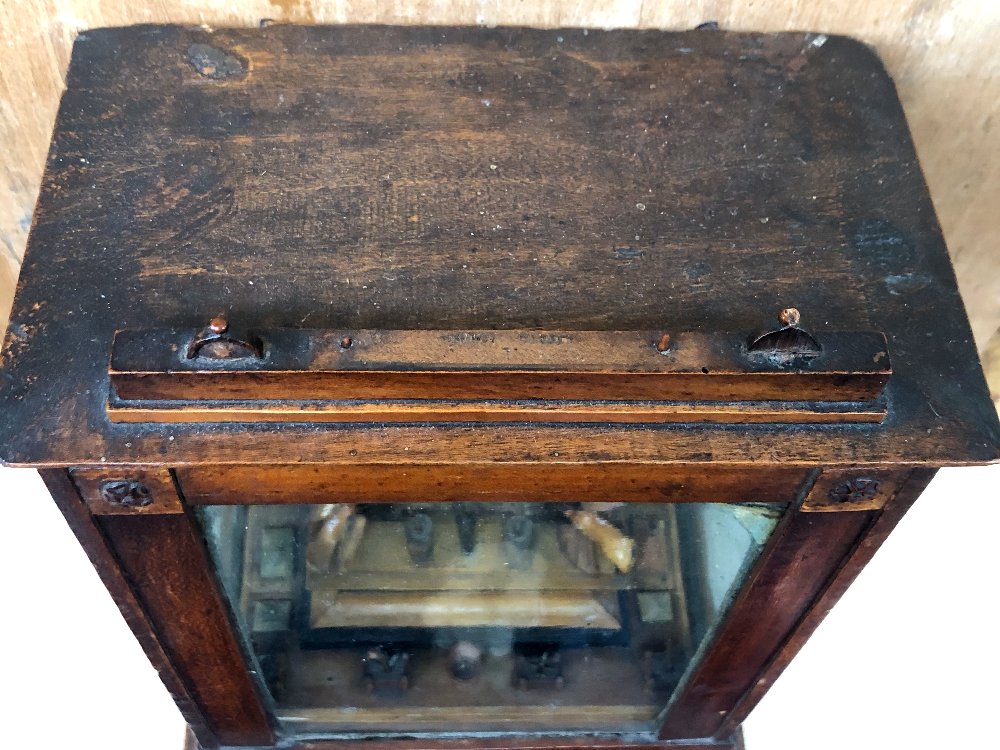
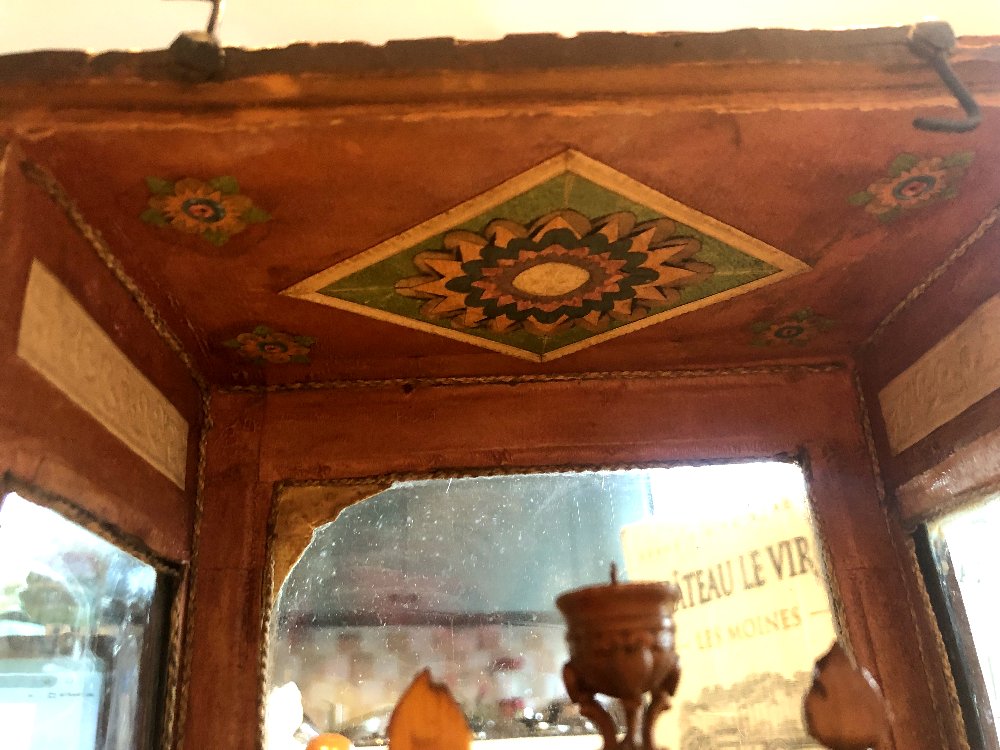
19th-century Napoleonic folk art, depicting a commemorative diorama (or "tomb" box) dedicated to Arthur Wellesley, Duke of Wellington, celebrating his victories at the end of the Peninsular War in 1814. The presence of the fleur-de-lys (top centre), mourning birds, "eternal flames" and cypress trees (symbols of mourning and immortality) suggests that this was a tribute piece created shortly after the end of the war, but before his final victory at Waterloo in 1815. Designed as an altar, this commemorative box is above all symbolic of the Duke of Wellington's membership of English Freemasonry.
The date "April 1814" is a crucial one; it marks the Battle of Toulouse and Napoleon's first abdication.
A mixture of fruitwood (pear or boxwood) for the fine carvings and mahogany for the outer case, the burnt wood often represents a shortened life or a great struggle (metaphorically, the end of war) was probably a twig taken from the battlefield.
The date "April 1814" is a crucial one; it marks the Battle of Toulouse and Napoleon's first abdication.
A mixture of fruitwood (pear or boxwood) for the fine carvings and mahogany for the outer case, the burnt wood often represents a shortened life or a great struggle (metaphorically, the end of war) was probably a twig taken from the battlefield.
1 200 €
Period: 19th century
Style: Louis Philippe, Charles 10th
Condition: Fully restored
Material: Wood marquetry
Width: 19 cm
Height: 27 cm
Depth: 12 cm
Reference (ID): 1754977
Availability: In stock
Print