

Curiosity - Wooden Spoon - An Everyday Object With An Interrupted Gesture - Folk Art
Late XIXᵉ century - early XXᵉ century
Massif central - Auvergne
France
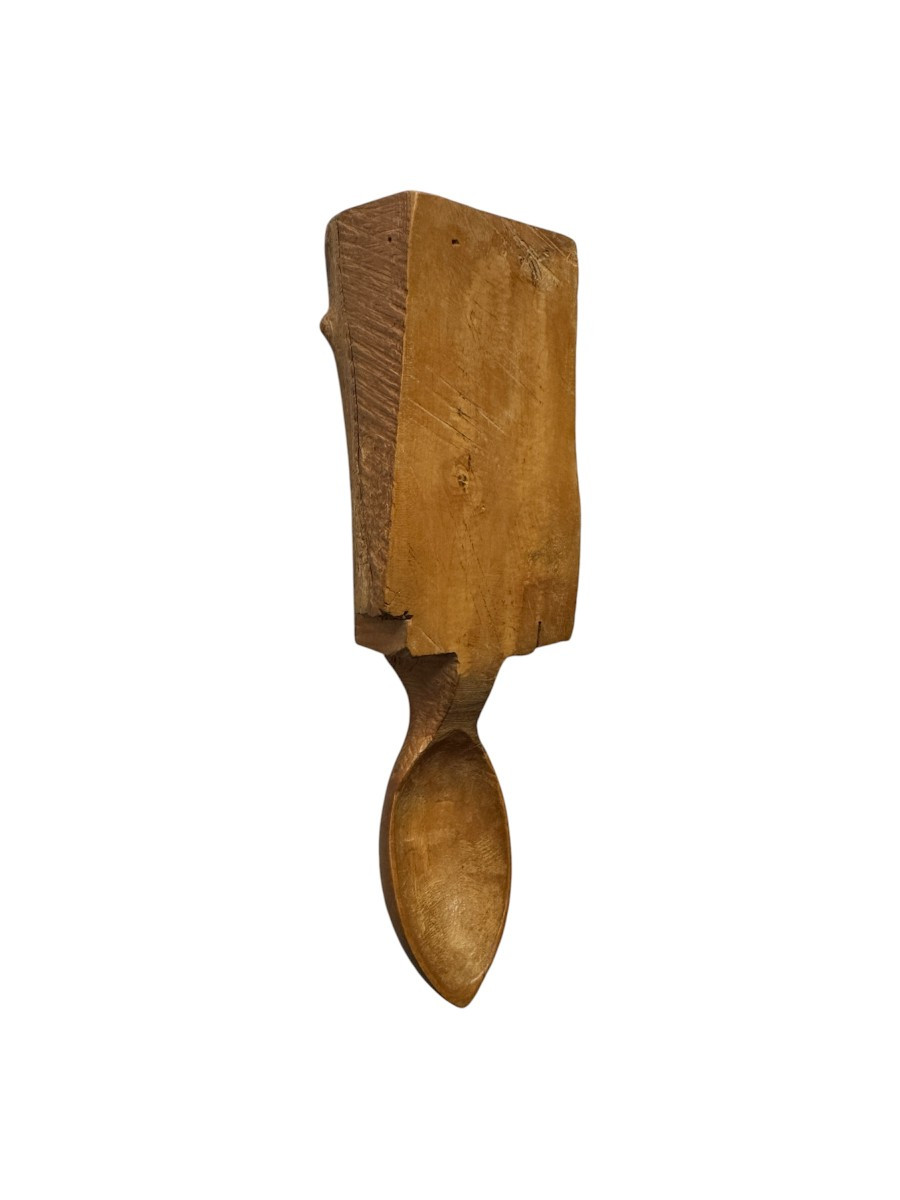
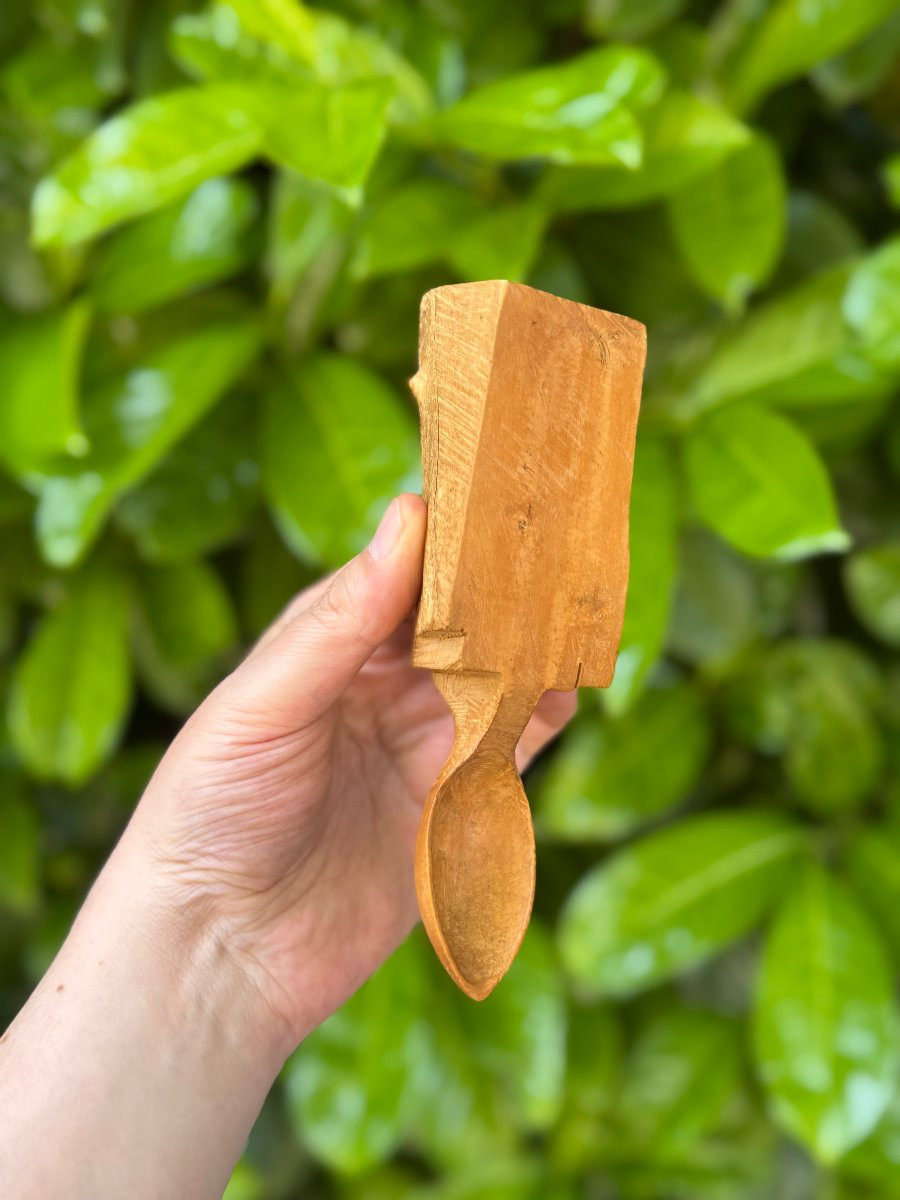
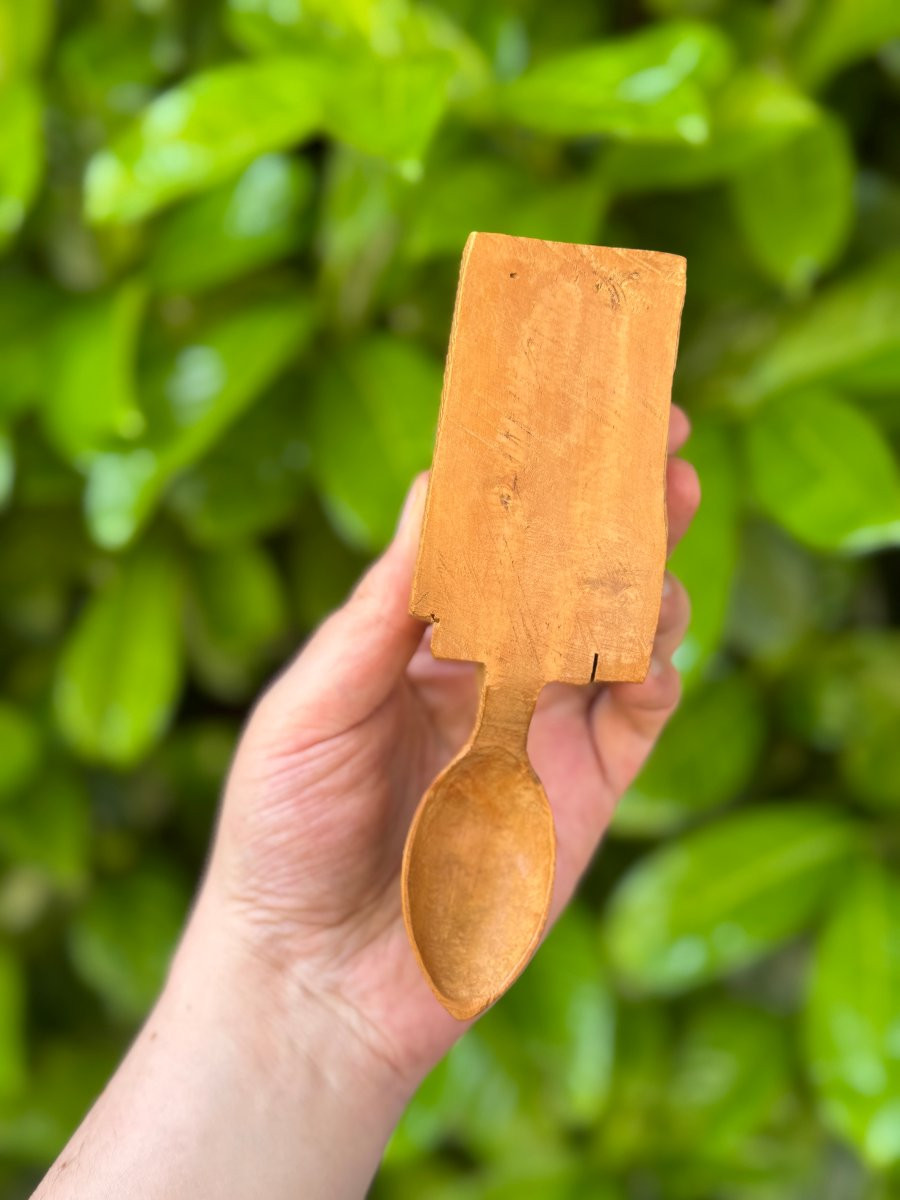
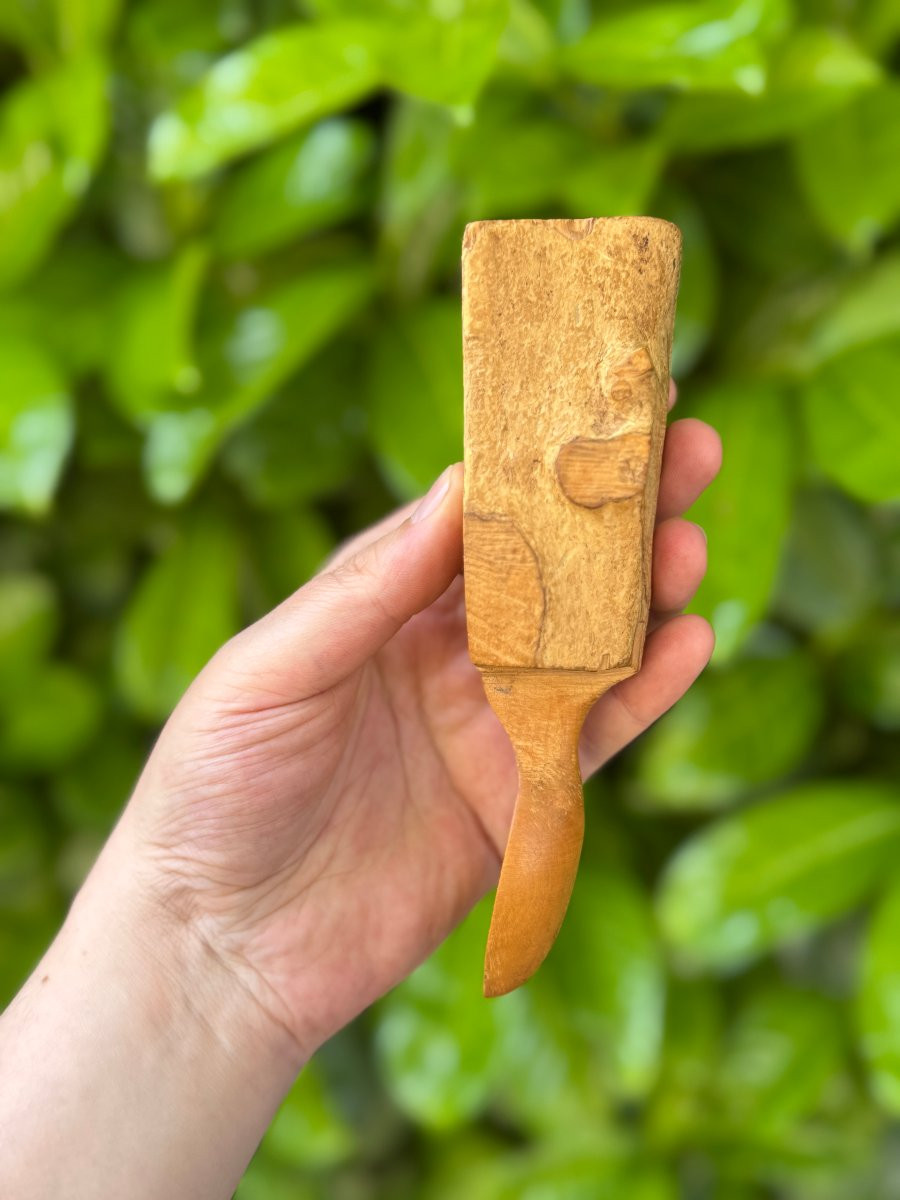
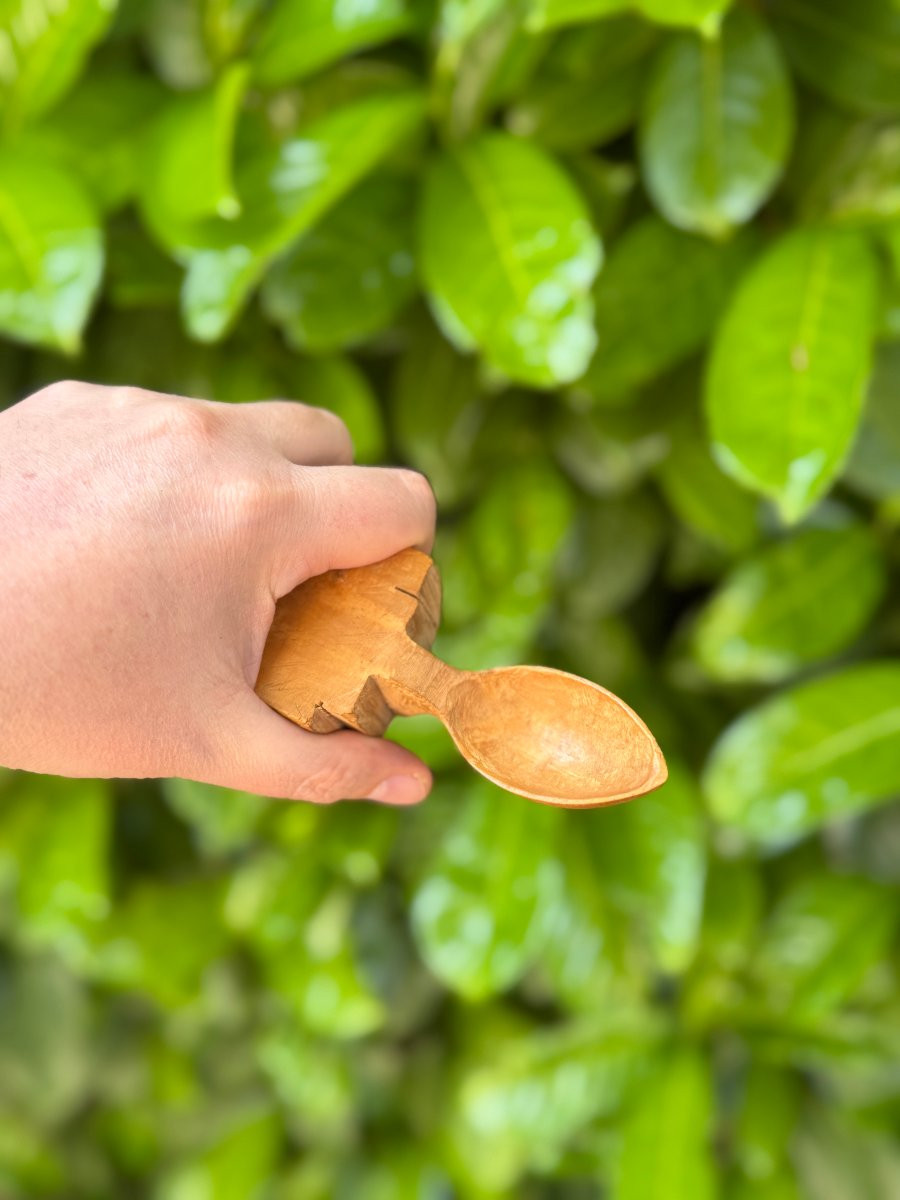
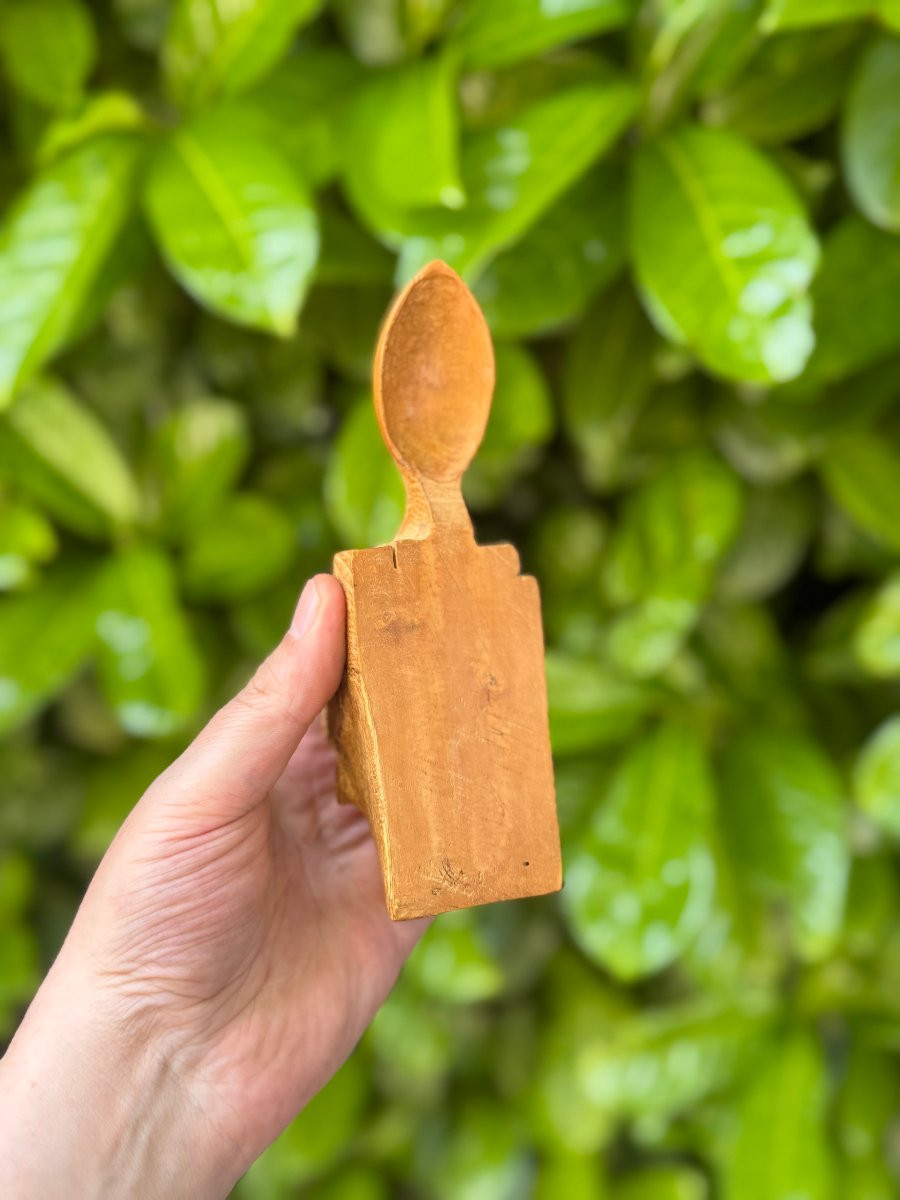
Wooden spoon carved in the mass, pertaining to rural folk art productions of the late XIXᵉ century.
What strikes you first is not the spoon.
It's what isn't.
A spoon is, by definition, an accomplished object. It responds to a simple, everyday, universal gesture. It is made for the hand, for use, for repetition. It is among the most accomplished forms of the domestic world.
Here, everything is in place for this gesture to exist.
And yet, something resists.
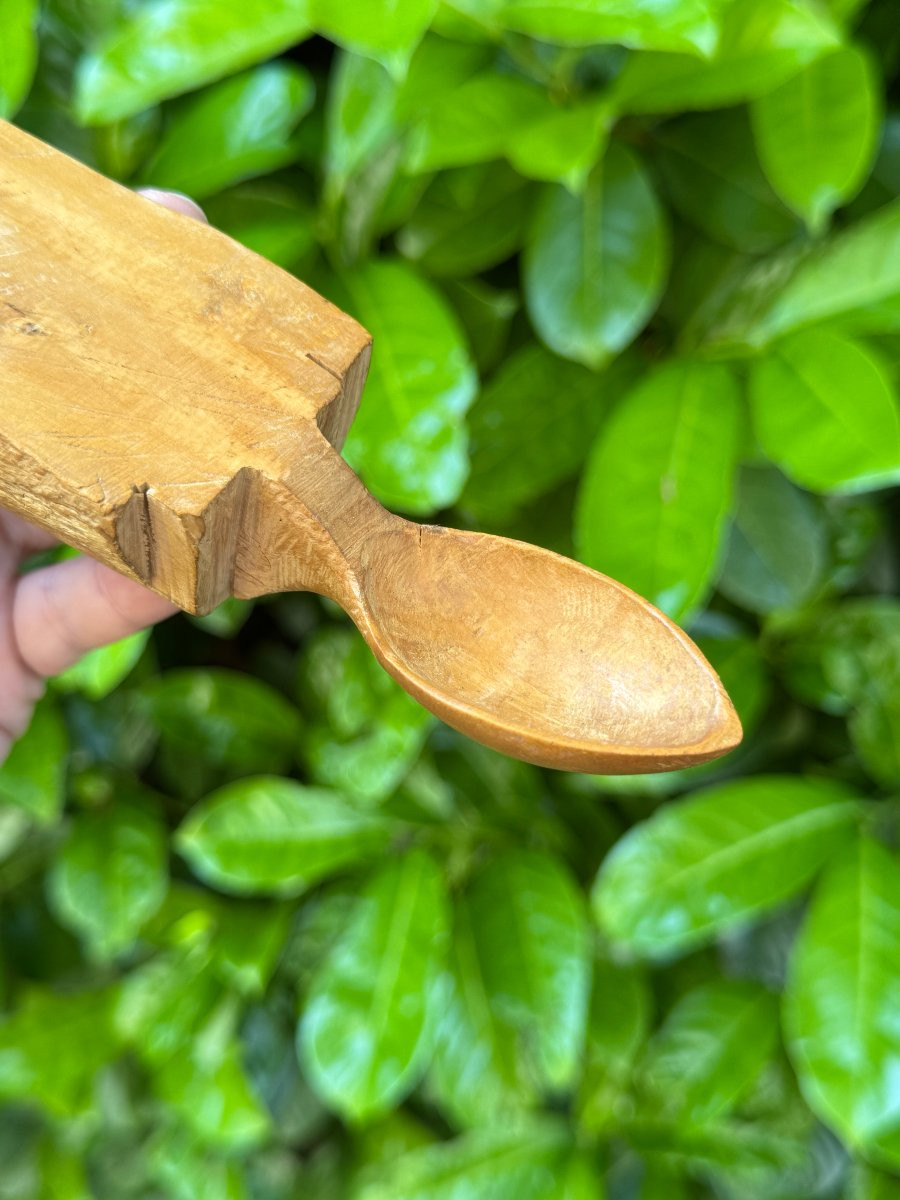
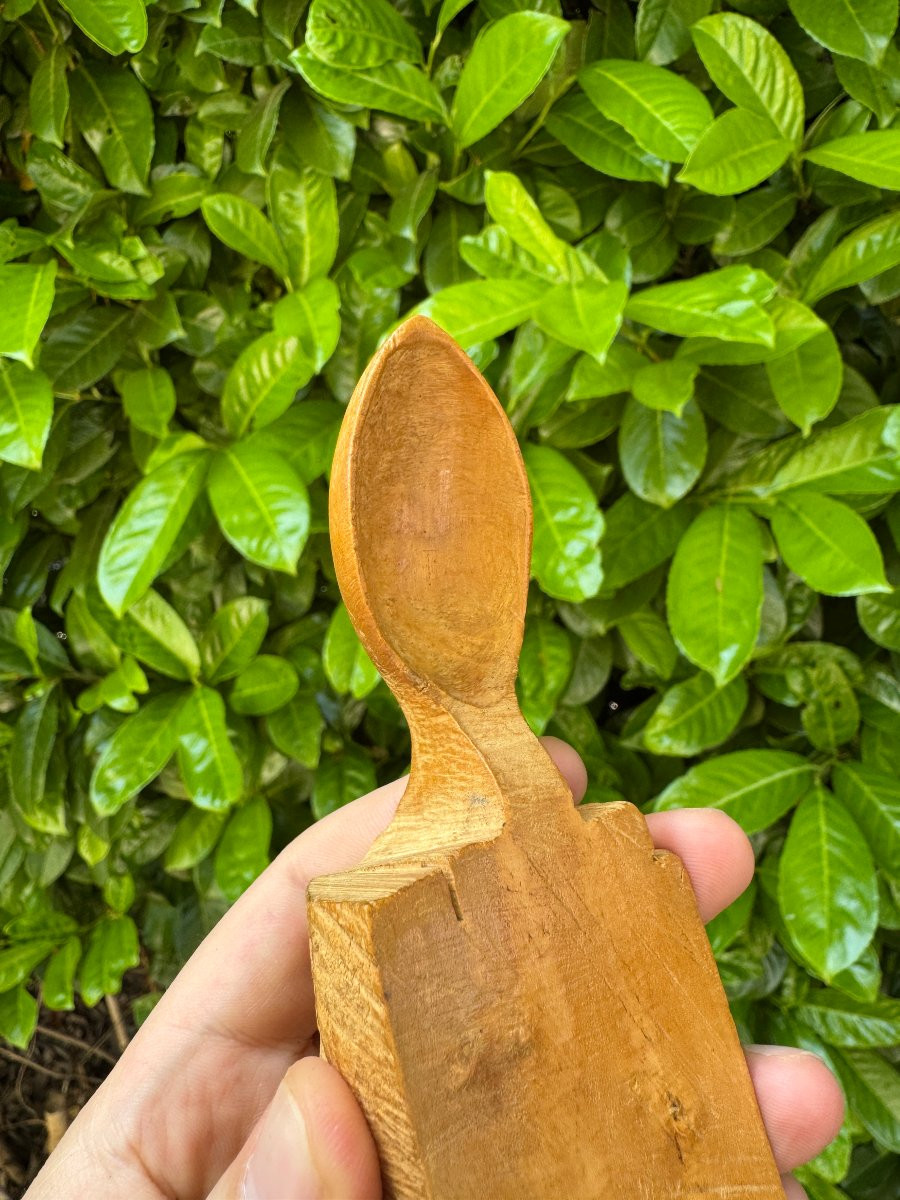
The lower part, the spoon, is functional. It's been hollowed out, smoothed out.
The bottom part, the spoon, is functional.
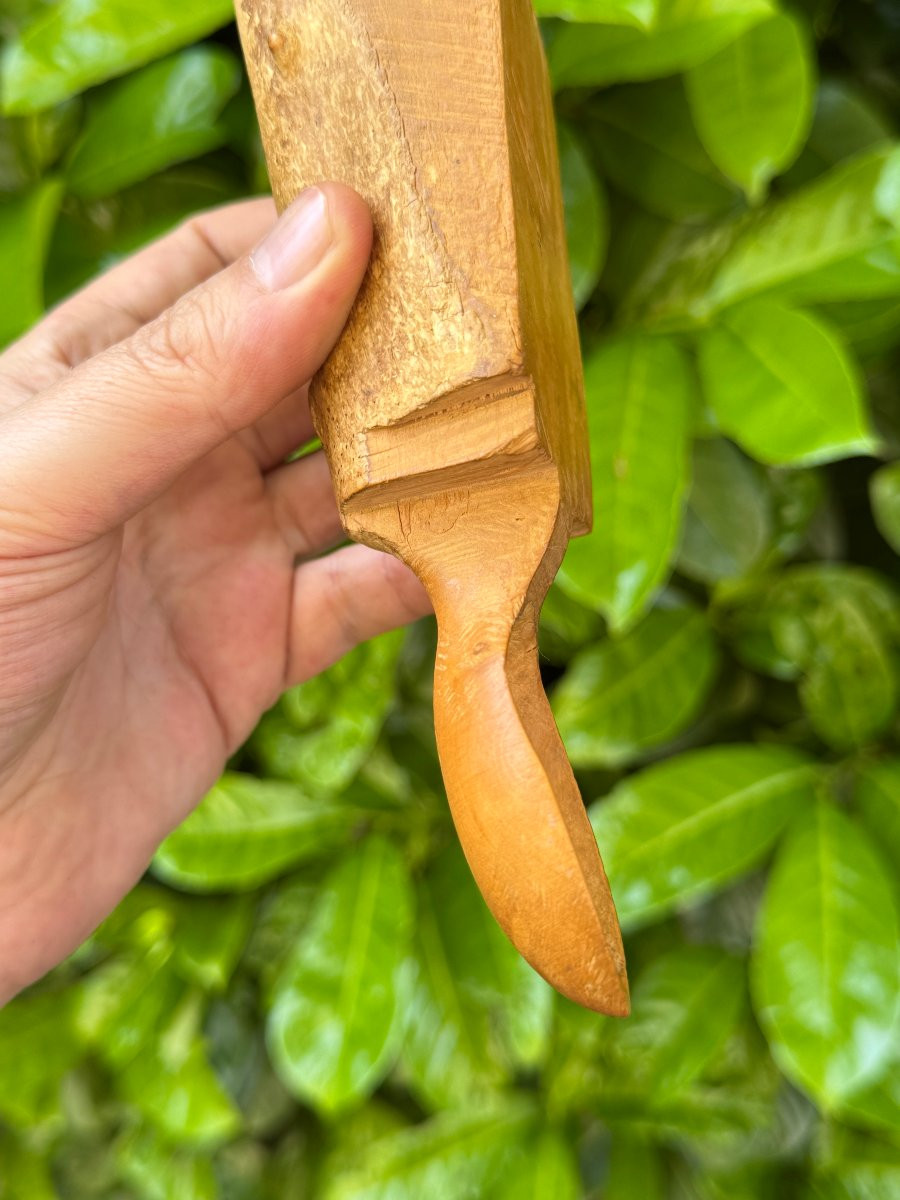
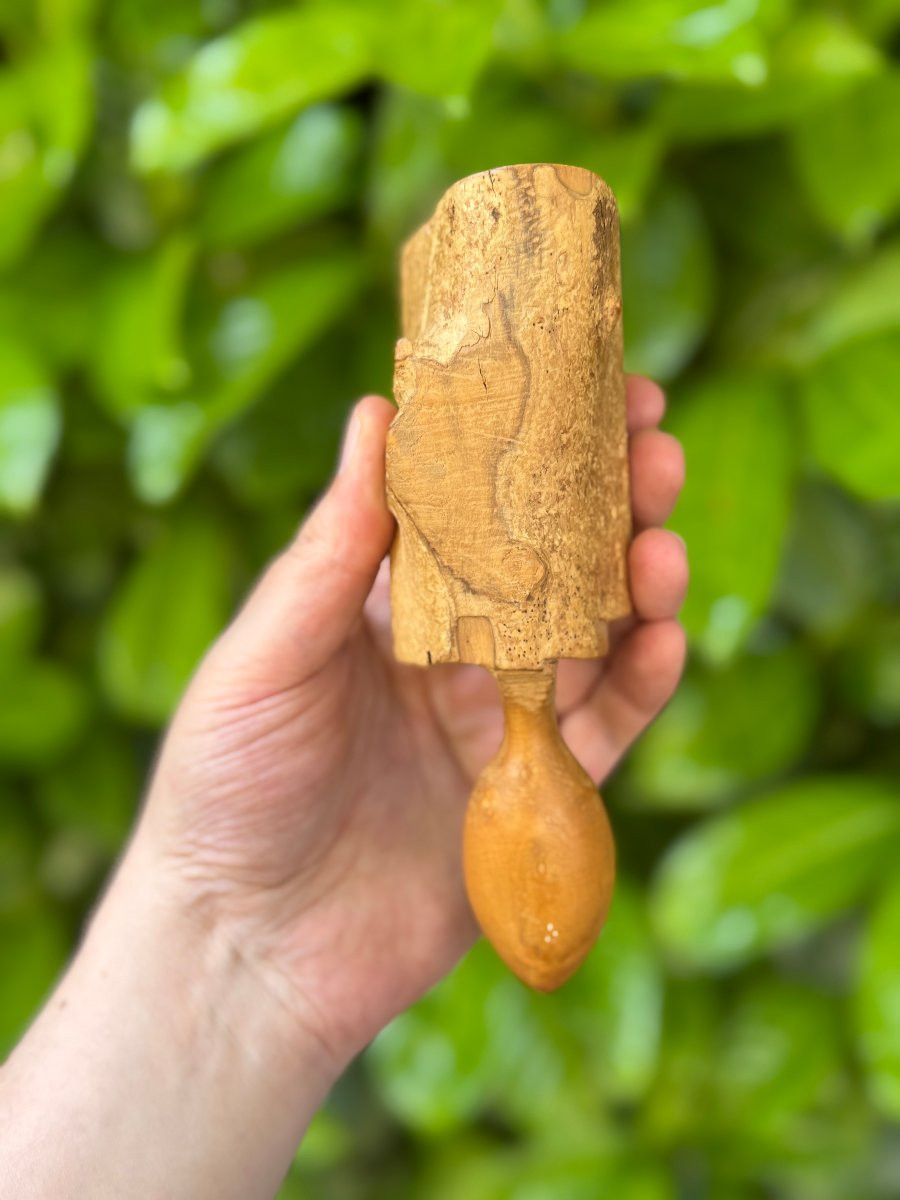
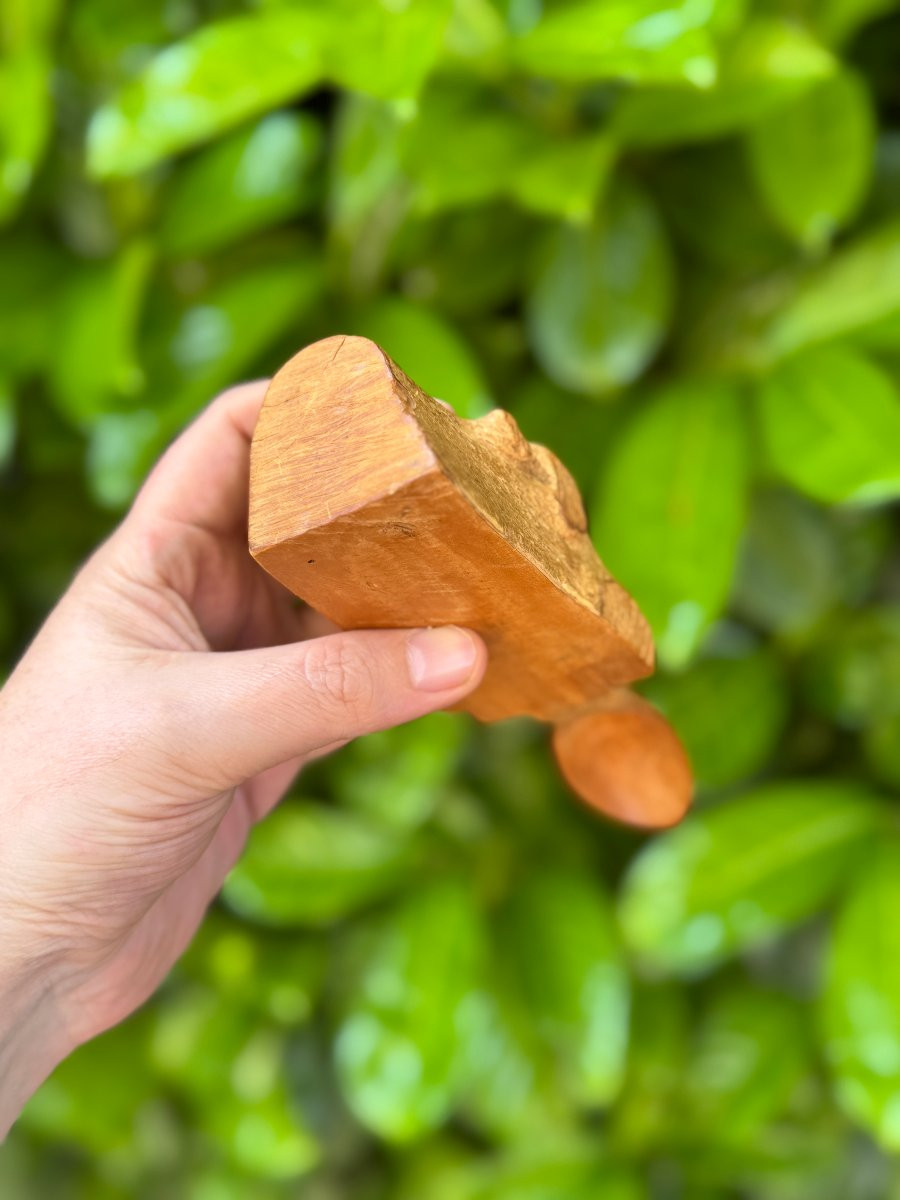
But above, the mass remains raw. Not clumsy, but left in reserve. The handle has never been truly shaped. It remains thick, unbalanced, almost unusable considering its function.
This is not a failed object.
It's an interrupted object.
In this interruption, one obvious fact stands out: the hand that was supposed to finish the object has no longer intervened.
It's an interrupted object.
Here, it's not a question of aesthetics but of consequence. Someone started it. Someone made the object usable. Someone has left material for later.
It's not about aesthetics, it's about consequence.
But that "later" never happened.
The object is then in an unstable state: too accomplished to be a mere sketch, too unfinished to be considered finished. It escapes its category.
This imbalance produces a rare tension. An everyday object, intended for immediate use, becomes the bearer of an absence. It no longer simply acts: it questions.
This imbalance produces a rare tension.
Between gesture and stopping.
Between function and disappearance.
Between presence and lack.
We don't know everything about who shaped it. But one thing remains legible: the process has been interrupted, and this interruption has been inscribed in the material itself.
At the same time, the process has been interrupted.
What remains here is not just a utensil.
It is a fixed intention.
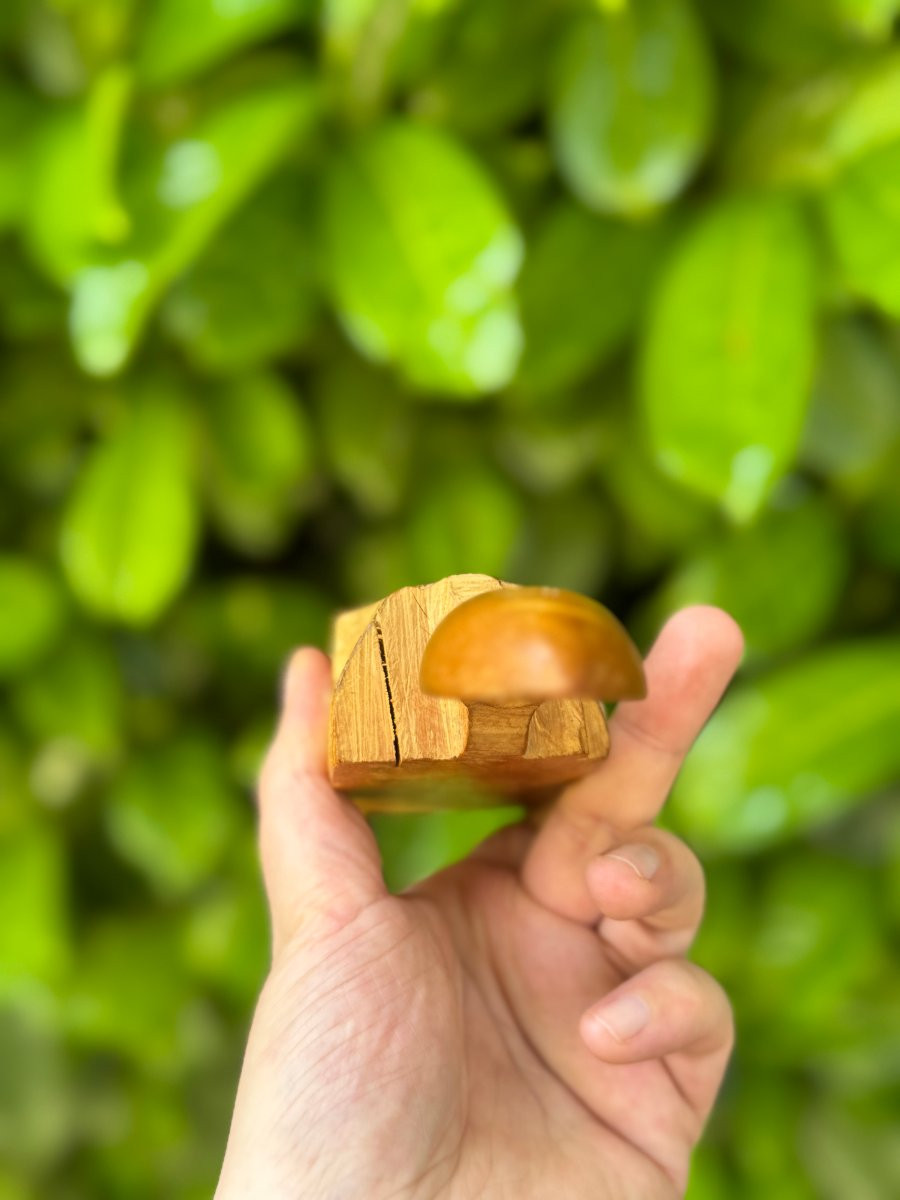
The patina is old, warm and even. The wood retains its irregularities, shrinkage cracks and tool marks, perfectly consistent with a folk work and a preserved state of incompleteness.
The patina is old, warm and homogeneous.
Condition : Good overall condition. Usage wear to spoon, rough handle preserved as is, cracks and irregularities related to woodworking and aging, stable overall.
Dimensions : Height : 16 cm
Delivery: ALL DELIVERIES ARE MADE BY DHL EXPRESS ONLY.
Period: 19th century
Style: Other Style
Condition: Good condition
Material: Solid wood
Reference (ID): 1752883
Availability: In stock