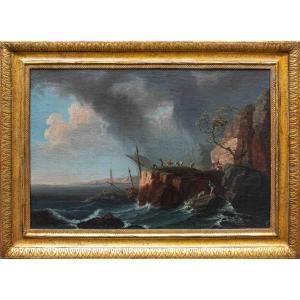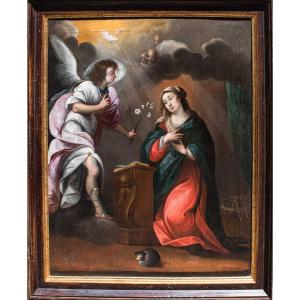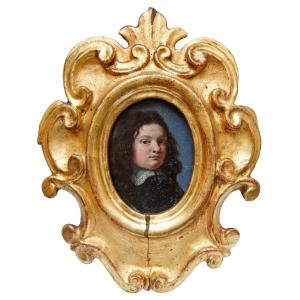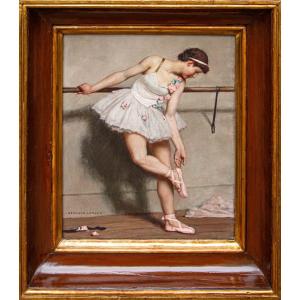




Francesco Graziani (active In Naples Between The 17th And 18th Centuries), Battle Scenes
Ciccio (Francesco) Graziani (active in Naples between the 17th and 18th centuries)
Battle scenes
(3) Oil on canvas, 17.5 x 36 cm
Frame, 30 x 47 cm
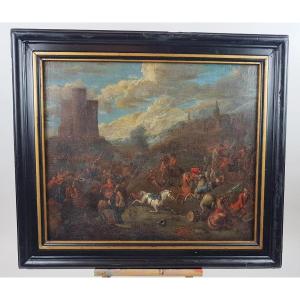
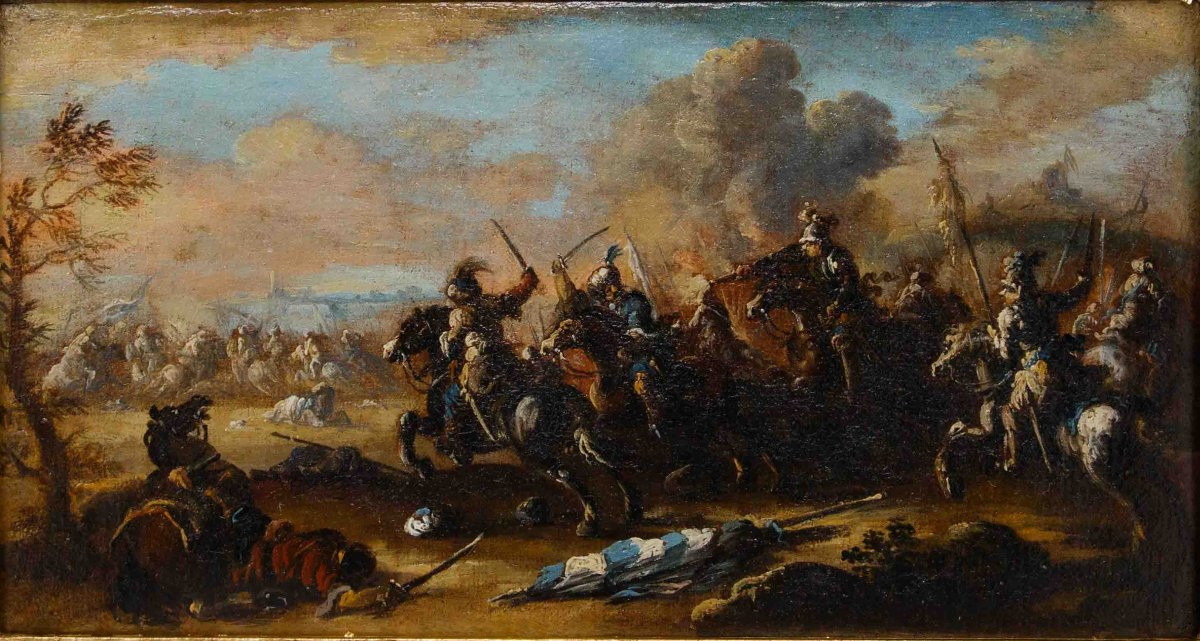
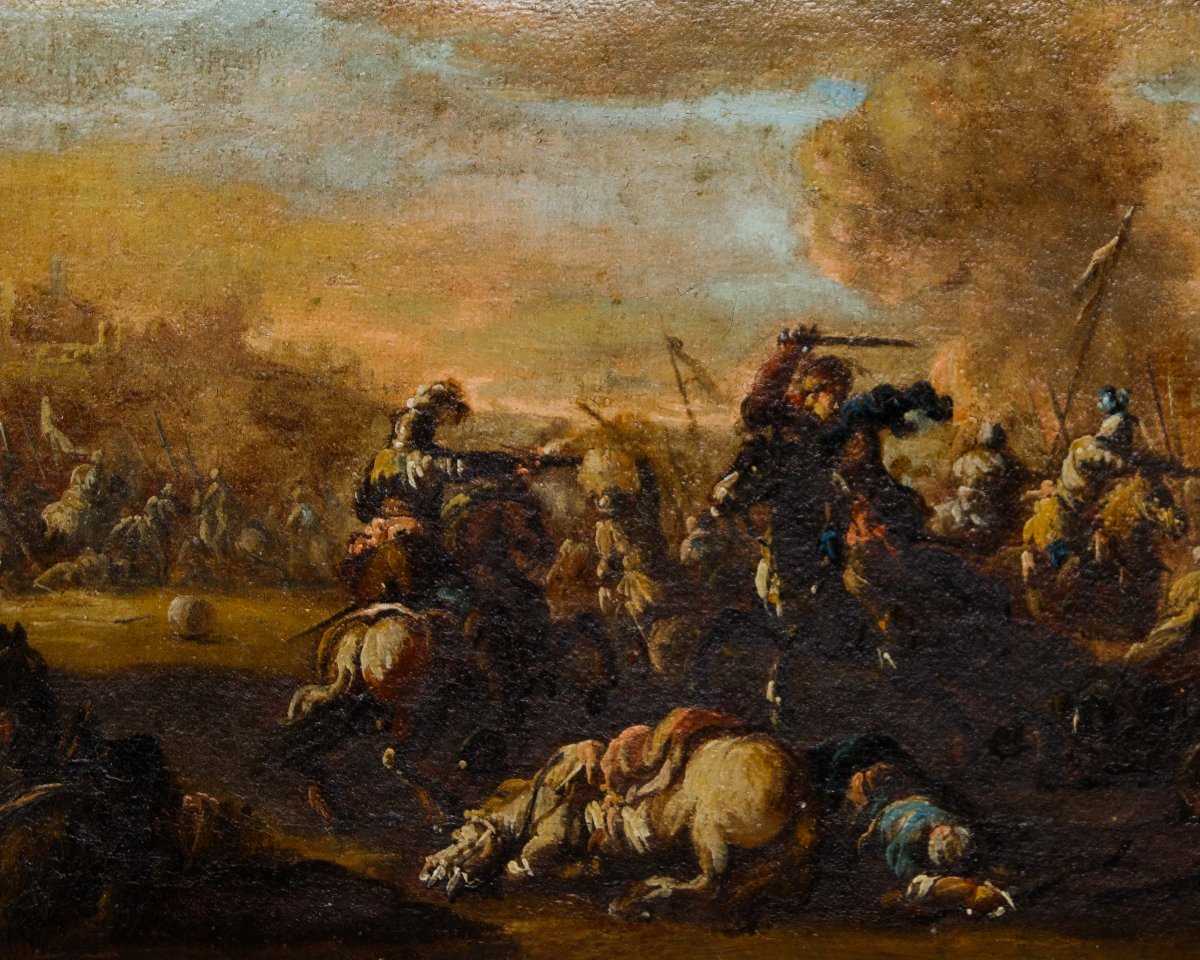
The genre of battle painting was widespread in Neapolitan painting of the 17th and 18th centuries. Among the Neapolitan nobility, it was in fact very fashionable to adorn the walls of their reception halls with battle scenes depicting individual acts of heroism or complex engagements that celebrated patriotism and military prowess—virtues with which the nobles loved to identify. The battles depicted by Neapolitan painters are often enhanced by a virile color palette with vivid, bold brushstrokes, featuring intense reds and blues, which give the impression that the artist sought to capture the harshness of the fighting and the animosity of the combatants. The battles are depicted with great ferocity, with the rivals’ screams of pain and rage seeming to burst through the surface of the canvas, making us hear the groans of the wounded and the dying. Furious melee with hatred pouring from grim faces, knights chasing one another, armored warriors astride fiery steeds, the dead and wounded, and often also dark gray, rain-laden clouds, which herald a storm and seem to share in the ominous atmosphere that pervades the scene. The three battles presented here belong to the extensive body of work by the Neapolitan painter “Ciccio Graziani” or “Ciccio Napoletano”—the nickname by which the Neapolitan painter Francesco Graziani, active at the turn of the 17th and 18th centuries, is best known. Graziani’s body of work is characterized by numerous small-format canvases animated by figures that, thanks to their vibrant colors, stand out against the bluish tones of the background. His works, like these, are all marked by a fluid and vigorous touch and by compositions characterized by crowded movements where the figures are outlined with a rapid, nervous, almost curled stroke, invigorated by effective touches of light. The figures of the soldiers, horses, and riders are barely sketched, while the sky, with its leaden and murky red hues, looms heavily over the battles, almost an active element in the tumultuous unfolding of events. Little is known about Ciccio Napoletano; his exact year of birth is unknown, but the fully Rococo style of his painting places him at the turn of the century. Probably active in Naples and Rome, he was a native of Capua, as some inventories seem to indicate, in which he is nicknamed “Ciccio da Capua.” Information about his training is scarce; Lanzi (1808) mentions him among the pupils of Jacques Courtois, known as “the Burgundian,” and a certain Graziani, who could be identified as Francesco. Among the few certain facts is his stay in Rome during the 1680s. In 1686, the Barberini family’s inventories mention paintings of horses, seascapes, and battle scenes by Graziani; and it is precisely in the latter genre that he excels, being remembered by several later sources as a skilled battle painter. Reconstructing his catalog is difficult; in fact, the two Battle scenes in the Pallavicini Gallery in Rome, which are cited in a 1708 inventory as “by the Neapolitan” and in a 1713 inventory as by “Gratiani”—and which Federico Zeri attributed to Francesco Graziani—are today attributed by some scholars to Pietro Graziani, about whom De Dominici does not specify whether he was Francesco’s son or merely a relative. Pietro’s biographical details are also unknown, but he was certainly younger and a painter of battle scenes.
Period: 17th century
Style: Other Style
Condition: Good condition
Material: Oil painting
Width: 36
Height: 17,5
Reference (ID): 1744593
Availability: In stock