THIS OBJECT WAS SOLD
Attributed To Angelo Caroselli,
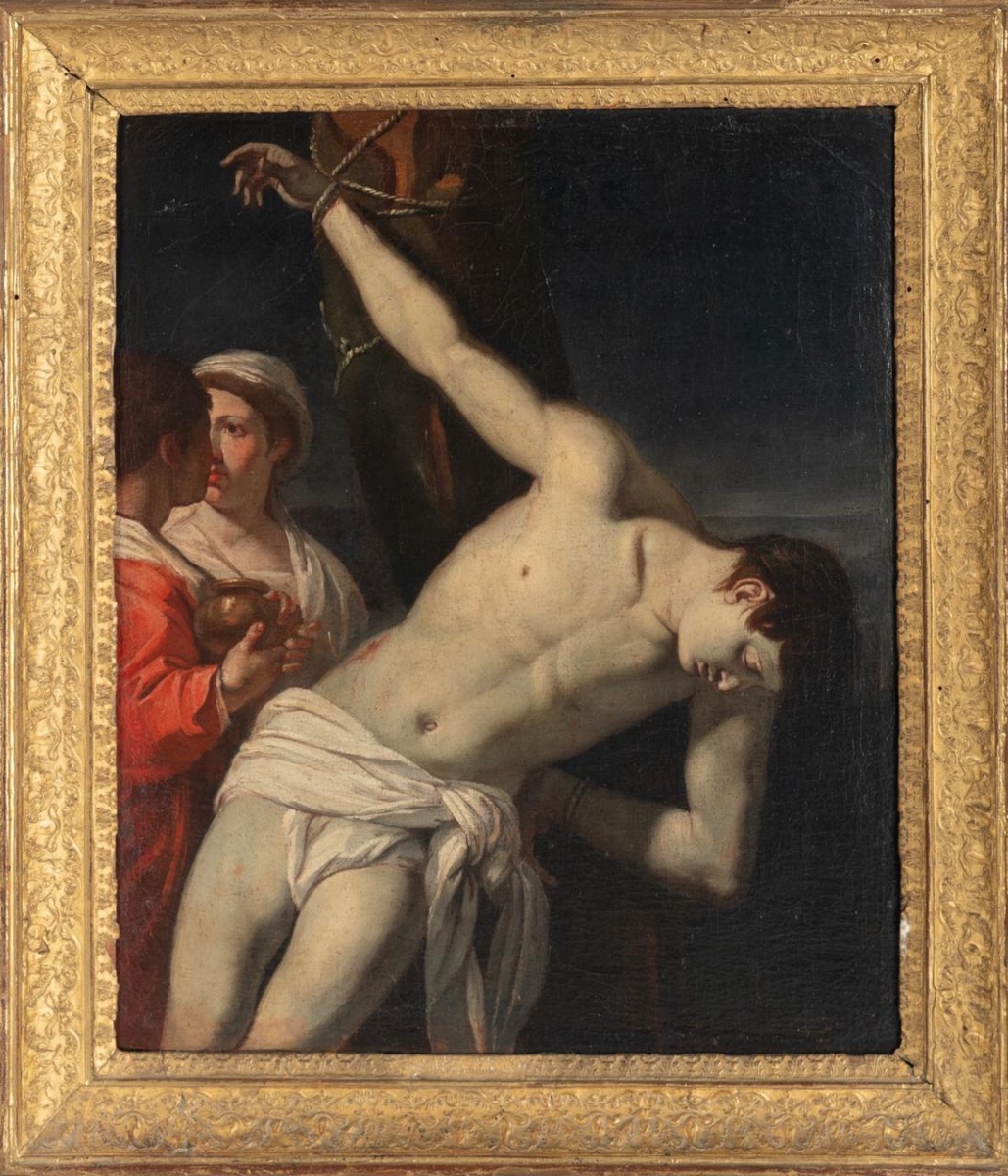
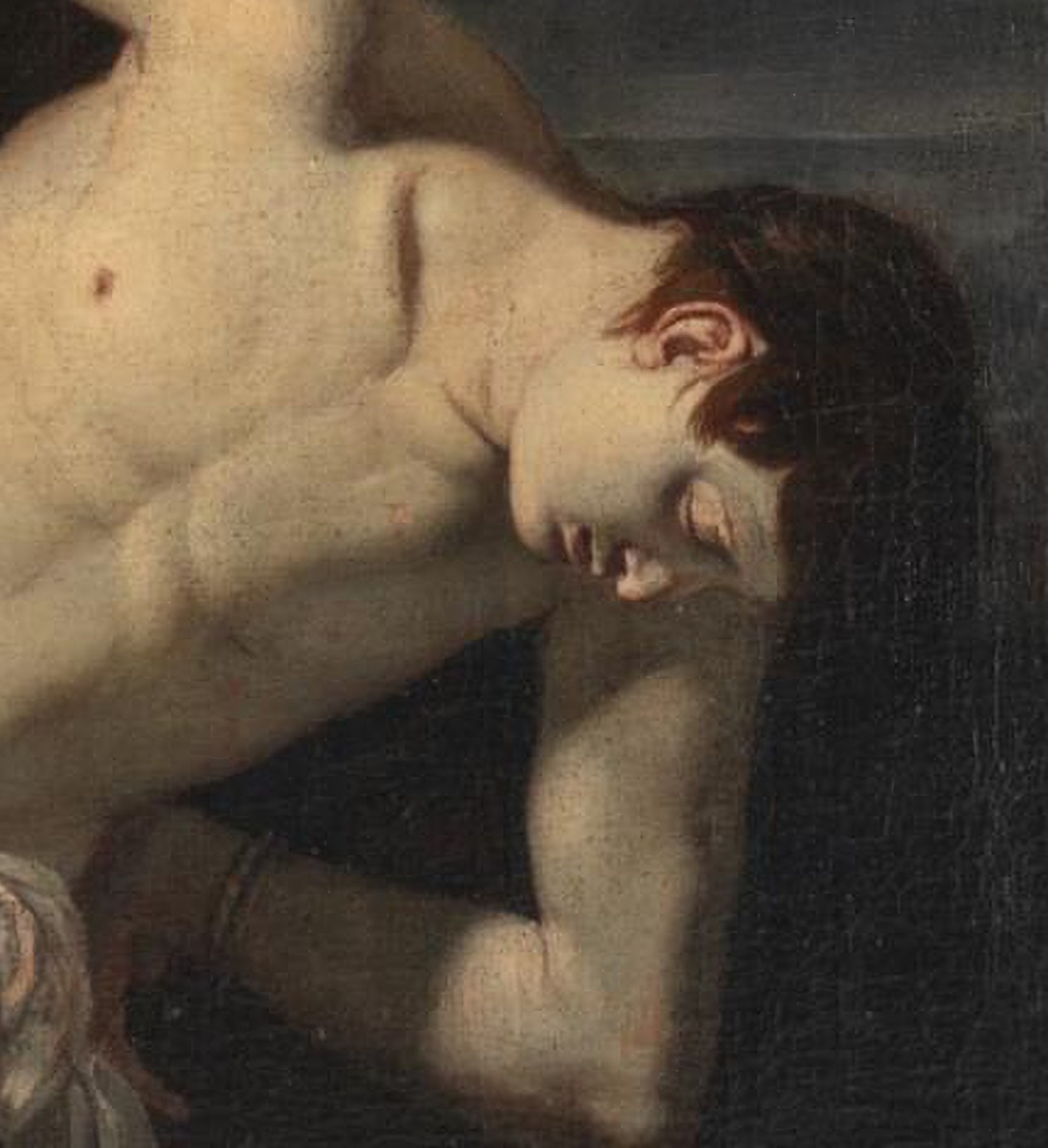
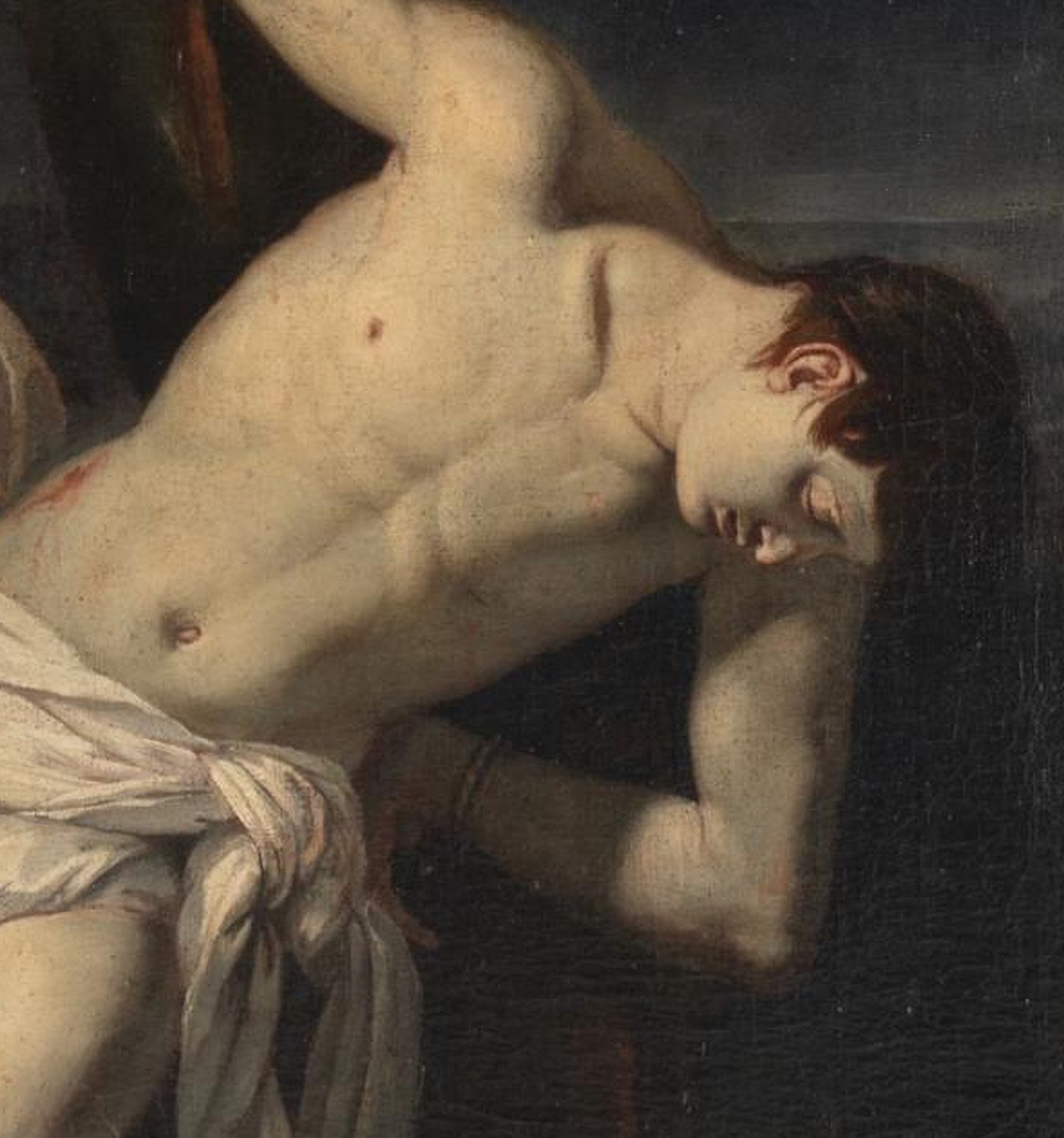
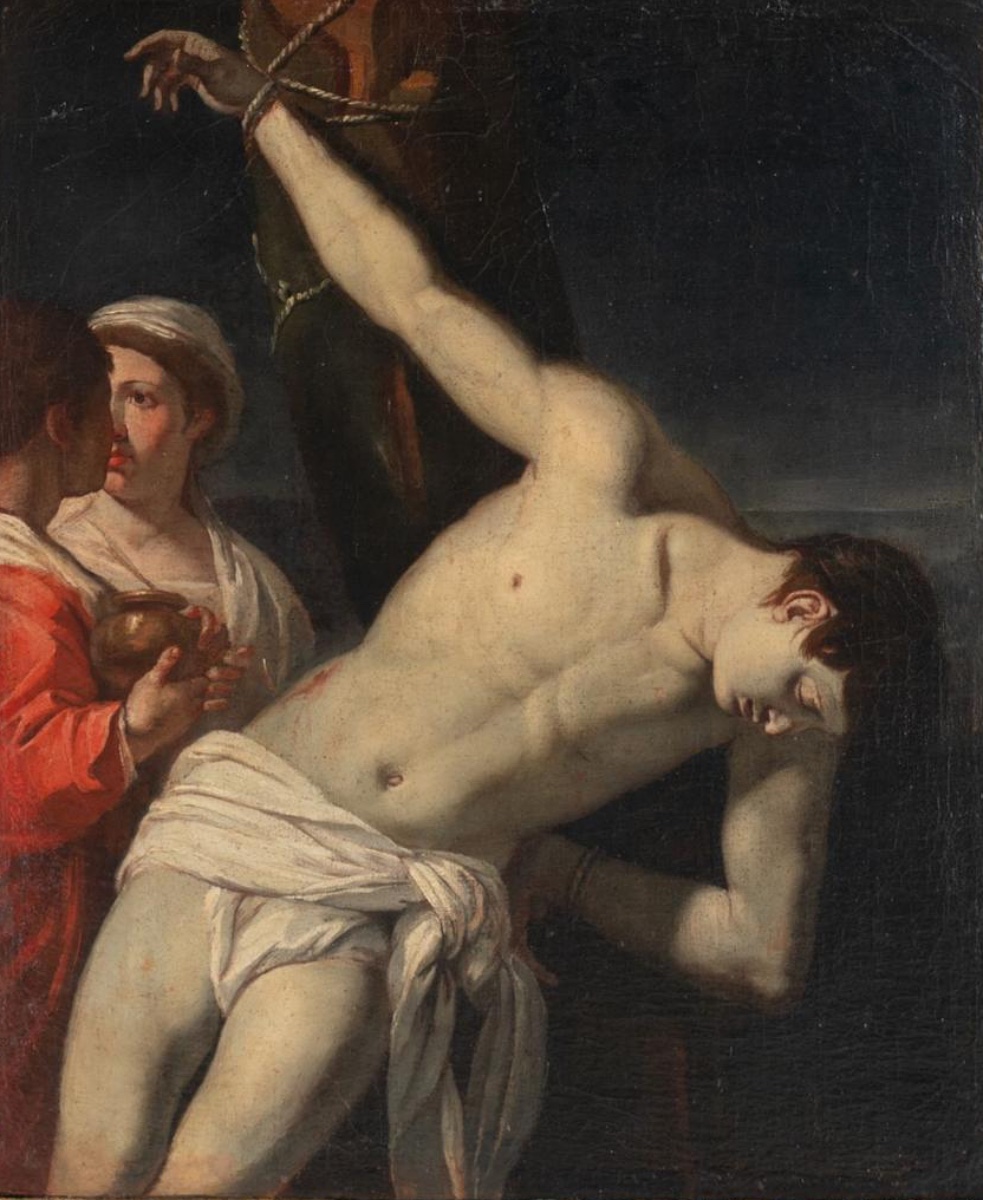



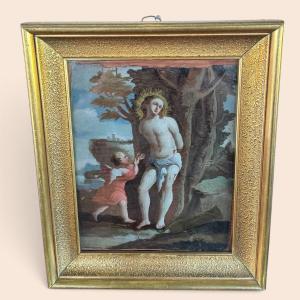
Attributed to Angelo Caroselli, Saint Sebastian and Saint Irene. 1615-1652
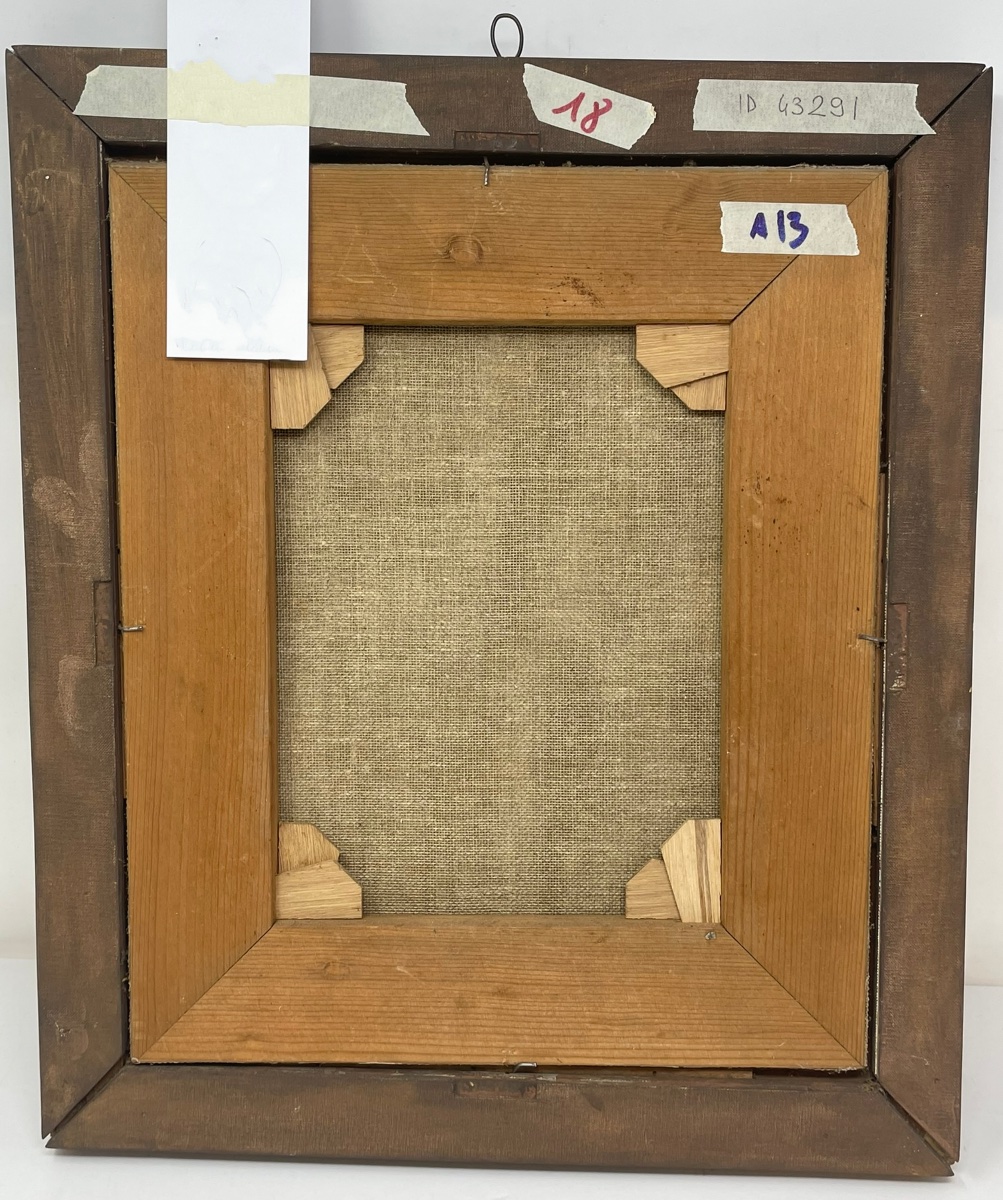
Oil on canvas. 36.5 x 30.5 cm, framed 45 x 38.3 cm
Reproduction of the oil painting of the same subject in the Pushkin State Museum of Fine Arts, Moscow (inv. 2686).
Acquired in Italy for the Hermitage in 1846, the painting entered the Moscow museum collections in 1930. At the Hermitage, it was attributed to Ribera, then to the Caravaggio school. Roberto Longhi attributed it to Guercino (Longhi, 1926), Sterling to Orazio Gentileschi, Pallucchini to an anonymous French artist, Nicolson to Orazio Riminaldi and Brejon de Lavergnée to Nicolas Tournier.
The attribution to Caroselli is due to Vittoria Markova.
Angelo Caroselli (Rome, February 10, 1585 - Rome, April 8, 1652) was an Italian Baroque painter. His style was very close to that of Caravaggio and his circle of followers.
A self-taught artist, he had the good fortune to frequent Caravaggesque circles. According to Baldinucci, he met Merisi in person, which encouraged him to devote himself to painting. His stays in Florence (1605) and Naples (1618) are attested. In 1615, he married the Sicilian Maria Zurca. After her death in 1637, Caroselli lived with the painter Agostino Tassi. In 1642, he married Brigitta, daughter of the Flemish painter Baldassare Lauri (Lauwers), father of Francesco and Filippo Lauri, who were to become his pupils and collaborators.
Although a renowned artist during his lifetime (his membership of the Accademia di San Luca from 1608 to 1636 is attested), Caroselli is best known as a renowned copyist, restorer and even forger. Among his considerable body of work, small paintings produced for private commissions stand out, tackling a variety of themes and abounding in remarkably sensual female allegories, reflecting, according to his biographers, the artist's personal inclinations. His copies of masters such as Caravaggio, Nicolas Poussin, Annibale Carracci and Domenichino are excellent. His work sometimes displays an assumed archaic influence, which, towards the end of his life, brought him closer to the style of Orazio Gentileschi or Nordic artists.
In addition to the Lauri brothers, his pupils included Pietro Paolini, Tommaso Donini (known as Caravaggio) and his own son, Carlo Caroselli (died 1671).
Oil on canvas. 36.5 x 30.5 cm, framed 45 x 38.3 cm
Reproduction of the oil painting of the same subject in the Pushkin State Museum of Fine Arts, Moscow (inv. 2686).
Acquired in Italy for the Hermitage in 1846, the painting entered the Moscow museum collections in 1930. At the Hermitage, it was attributed to Ribera, then to the Caravaggio school. Roberto Longhi attributed it to Guercino (Longhi, 1926), Sterling to Orazio Gentileschi, Pallucchini to an anonymous French artist, Nicolson to Orazio Riminaldi and Brejon de Lavergnée to Nicolas Tournier.
The attribution to Caroselli is due to Vittoria Markova.
Angelo Caroselli (Rome, February 10, 1585 - Rome, April 8, 1652) was an Italian Baroque painter. His style was very close to that of Caravaggio and his circle of followers.
A self-taught artist, he had the good fortune to frequent Caravaggesque circles. According to Baldinucci, he met Merisi in person, which encouraged him to devote himself to painting. His stays in Florence (1605) and Naples (1618) are attested. In 1615, he married the Sicilian Maria Zurca. After her death in 1637, Caroselli lived with the painter Agostino Tassi. In 1642, he married Brigitta, daughter of the Flemish painter Baldassare Lauri (Lauwers), father of Francesco and Filippo Lauri, who were to become his pupils and collaborators.
Although a renowned artist during his lifetime (his membership of the Accademia di San Luca from 1608 to 1636 is attested), Caroselli is best known as a renowned copyist, restorer and even forger. Among his considerable body of work, small paintings produced for private commissions stand out, tackling a variety of themes and abounding in remarkably sensual female allegories, reflecting, according to his biographers, the artist's personal inclinations. His copies of masters such as Caravaggio, Nicolas Poussin, Annibale Carracci and Domenichino are excellent. His work sometimes displays an assumed archaic influence, which, towards the end of his life, brought him closer to the style of Orazio Gentileschi or Nordic artists.
In addition to the Lauri brothers, his pupils included Pietro Paolini, Tommaso Donini (known as Caravaggio) and his own son, Carlo Caroselli (died 1671).
Explore similar pieces and discover your ideal find:
religious paintings