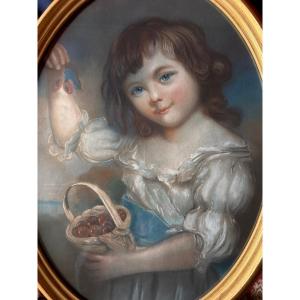
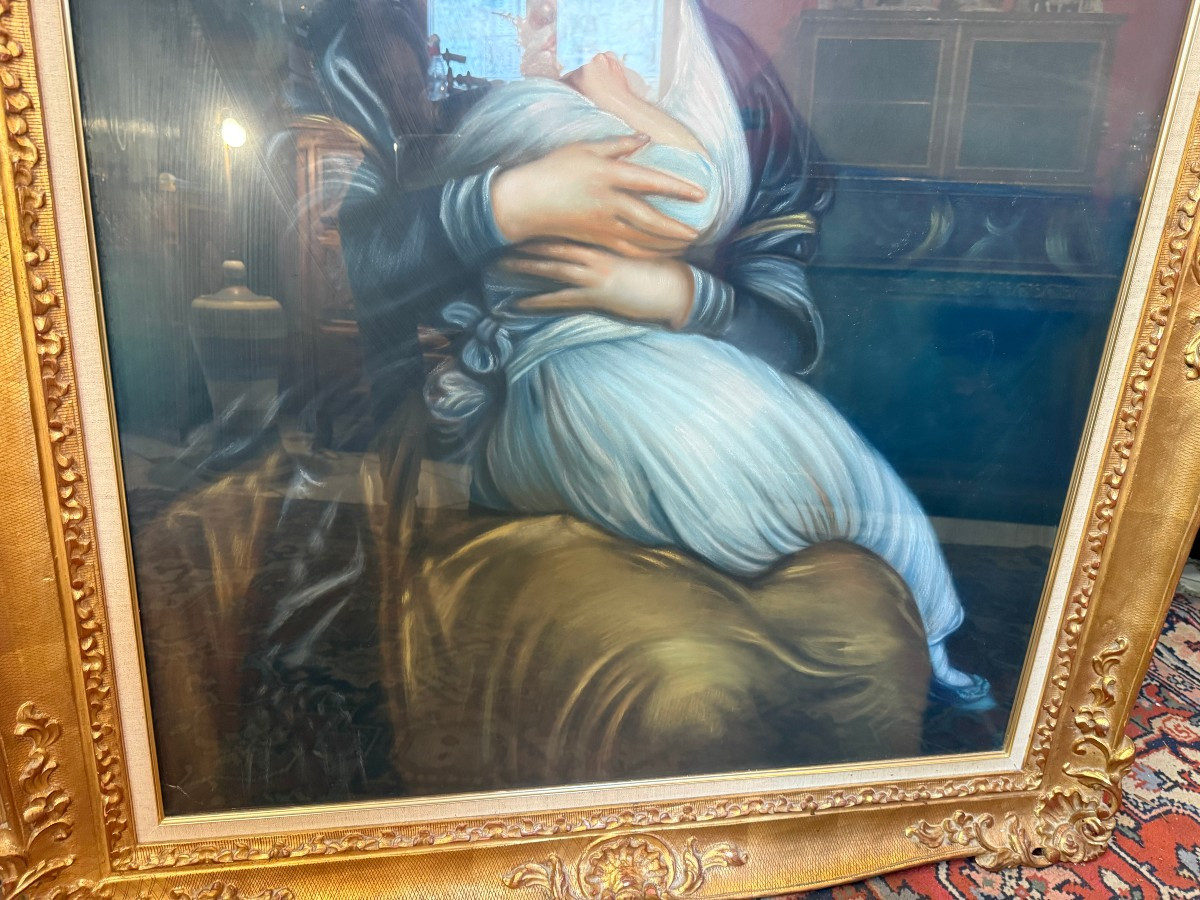
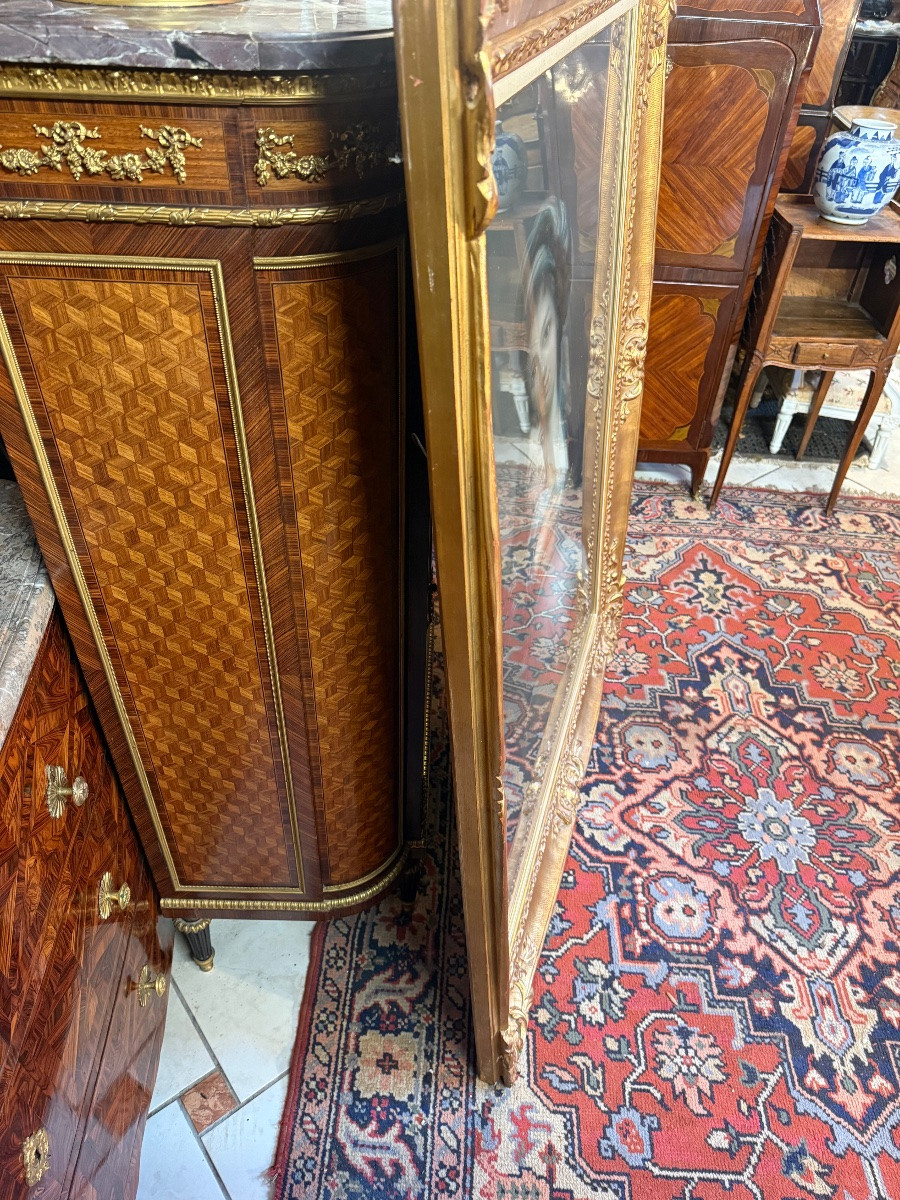
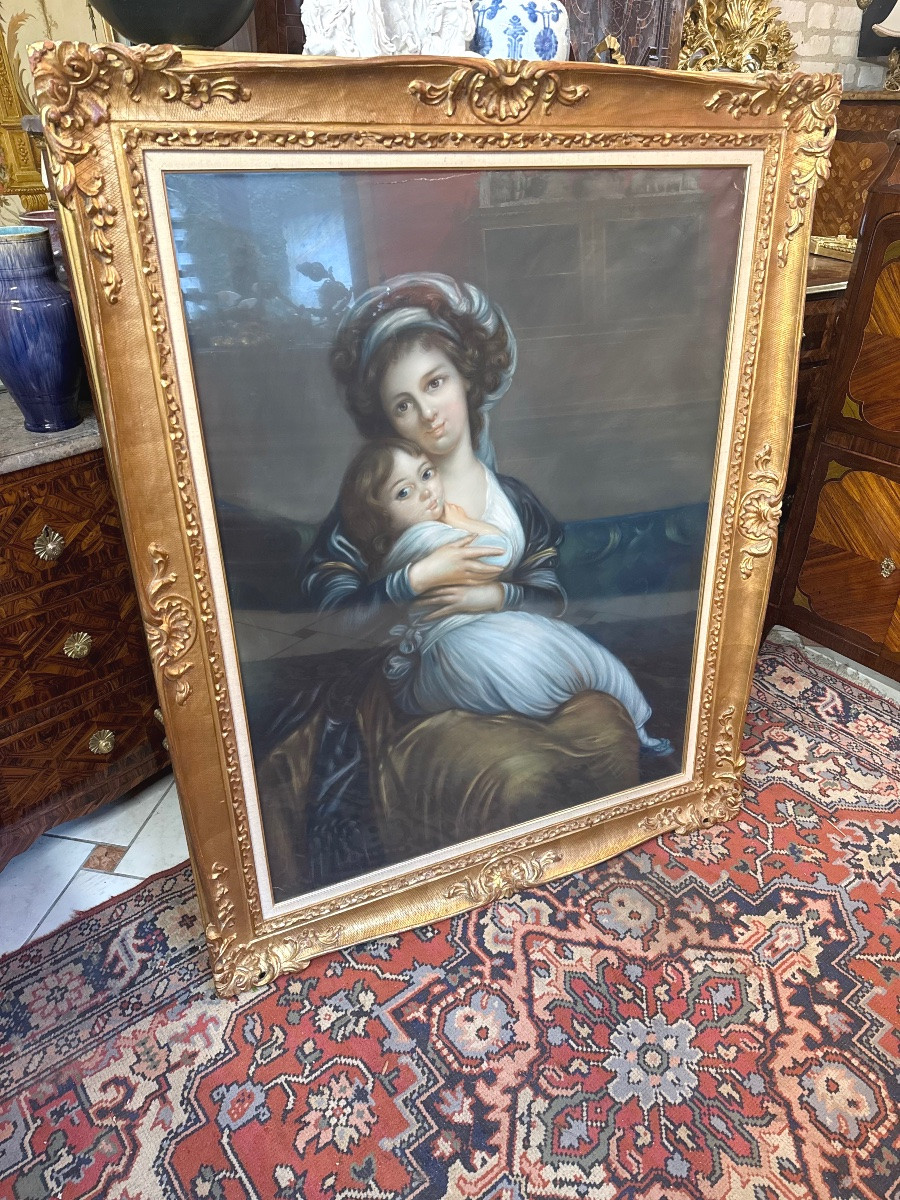


Pastel By Madame Vigee-lebrun And Her Daughter
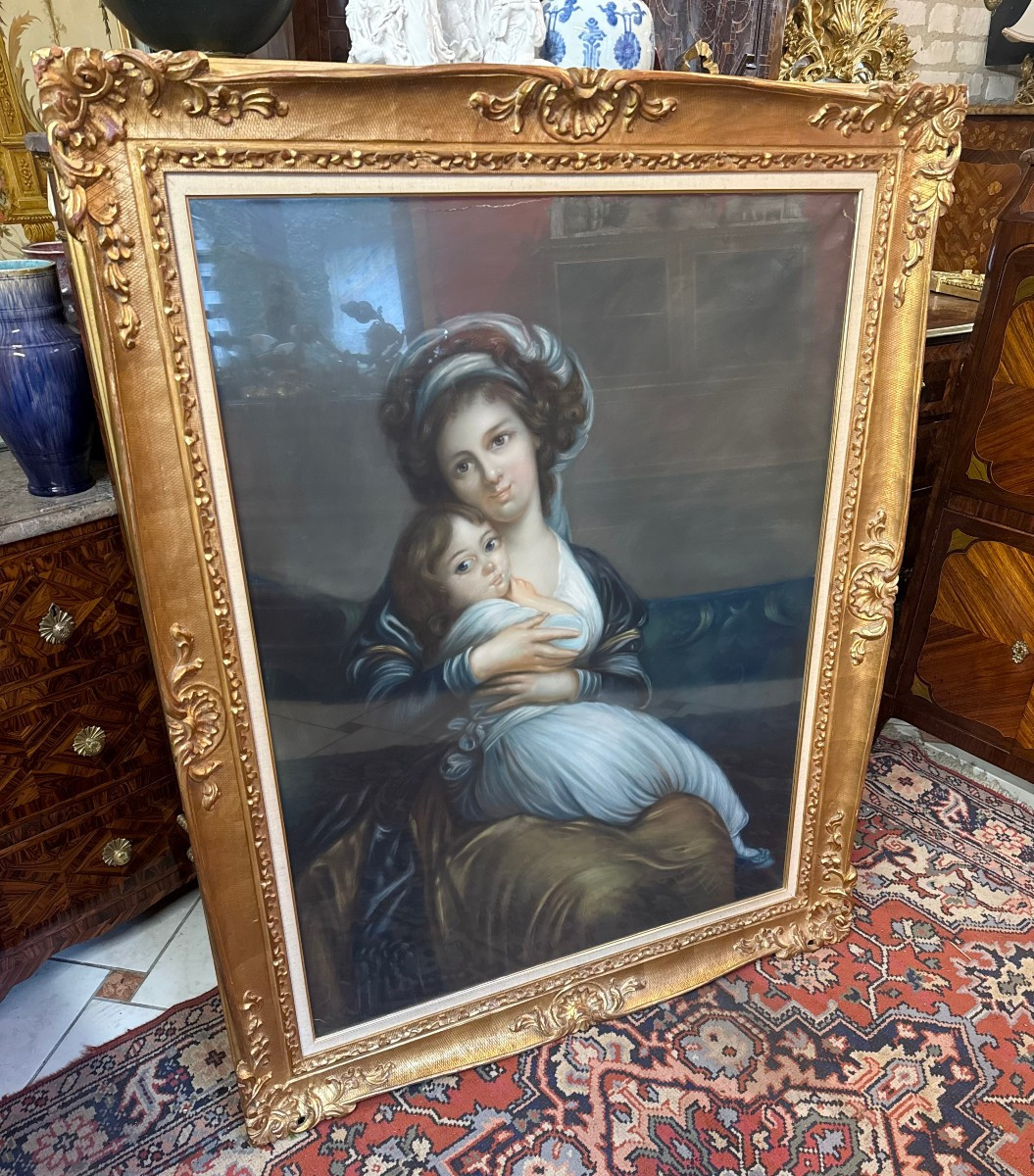
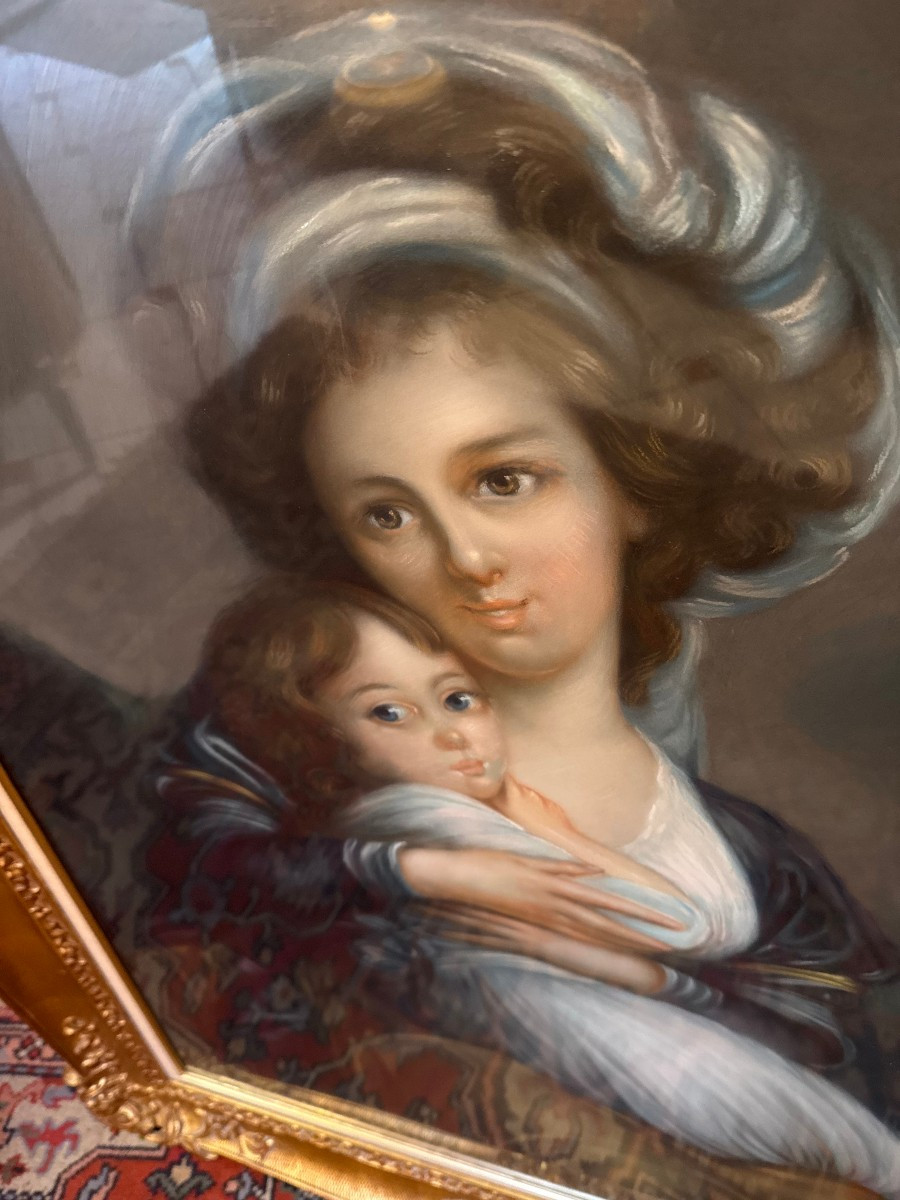
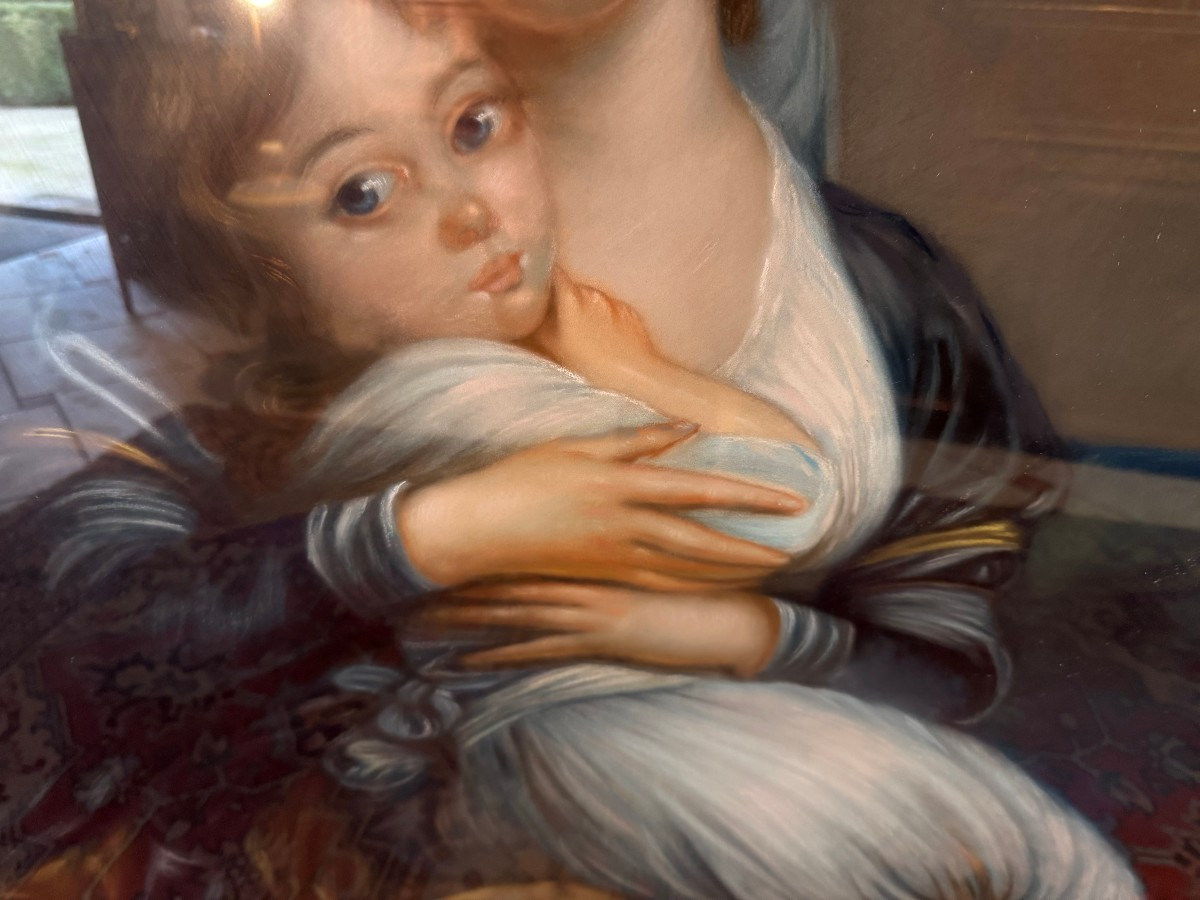
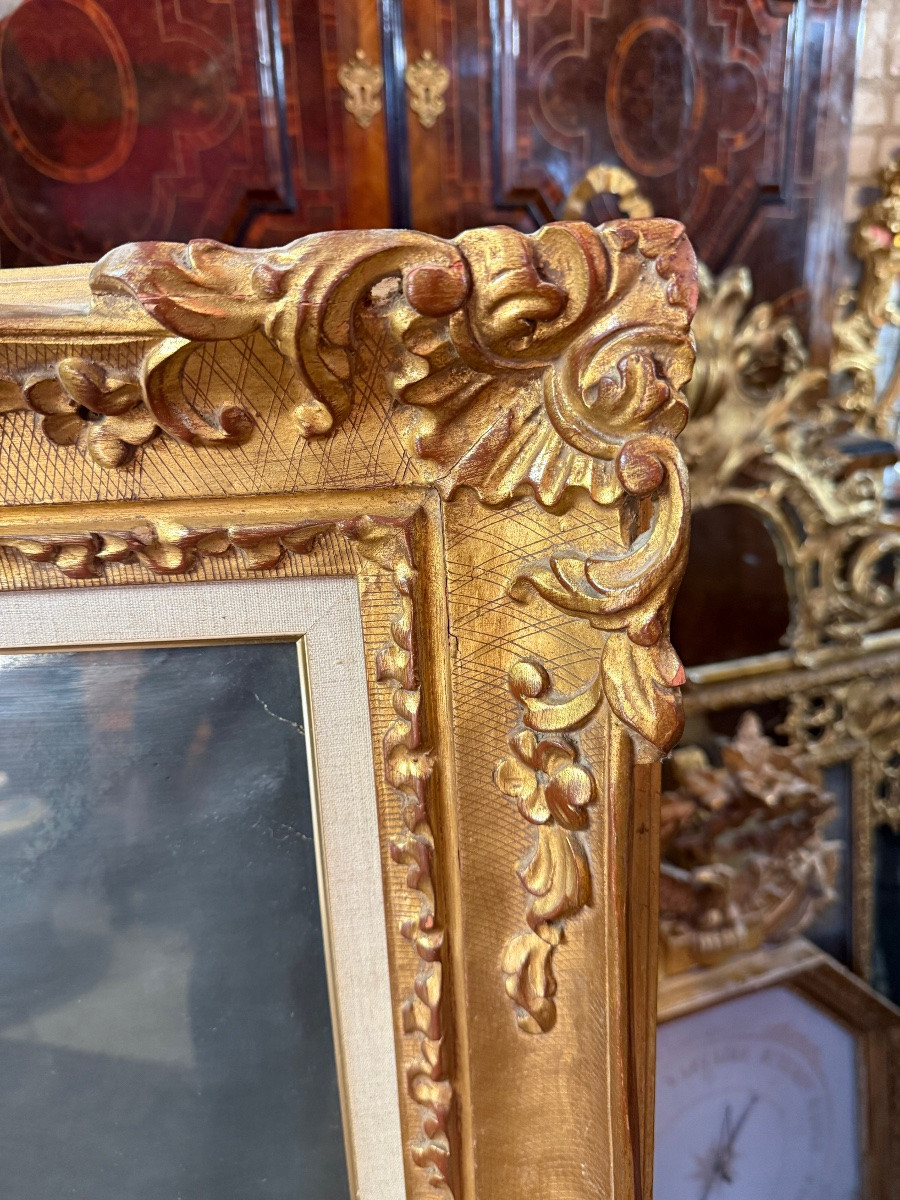
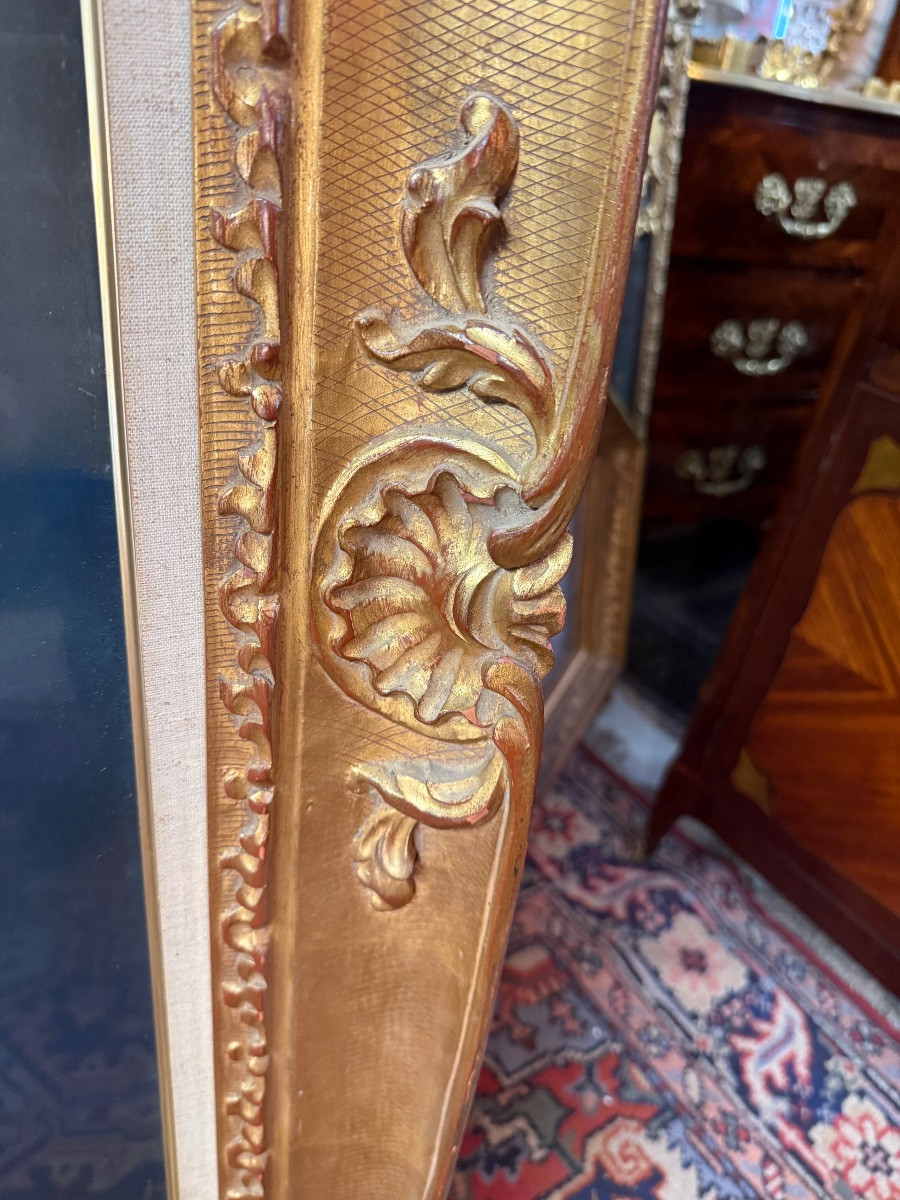
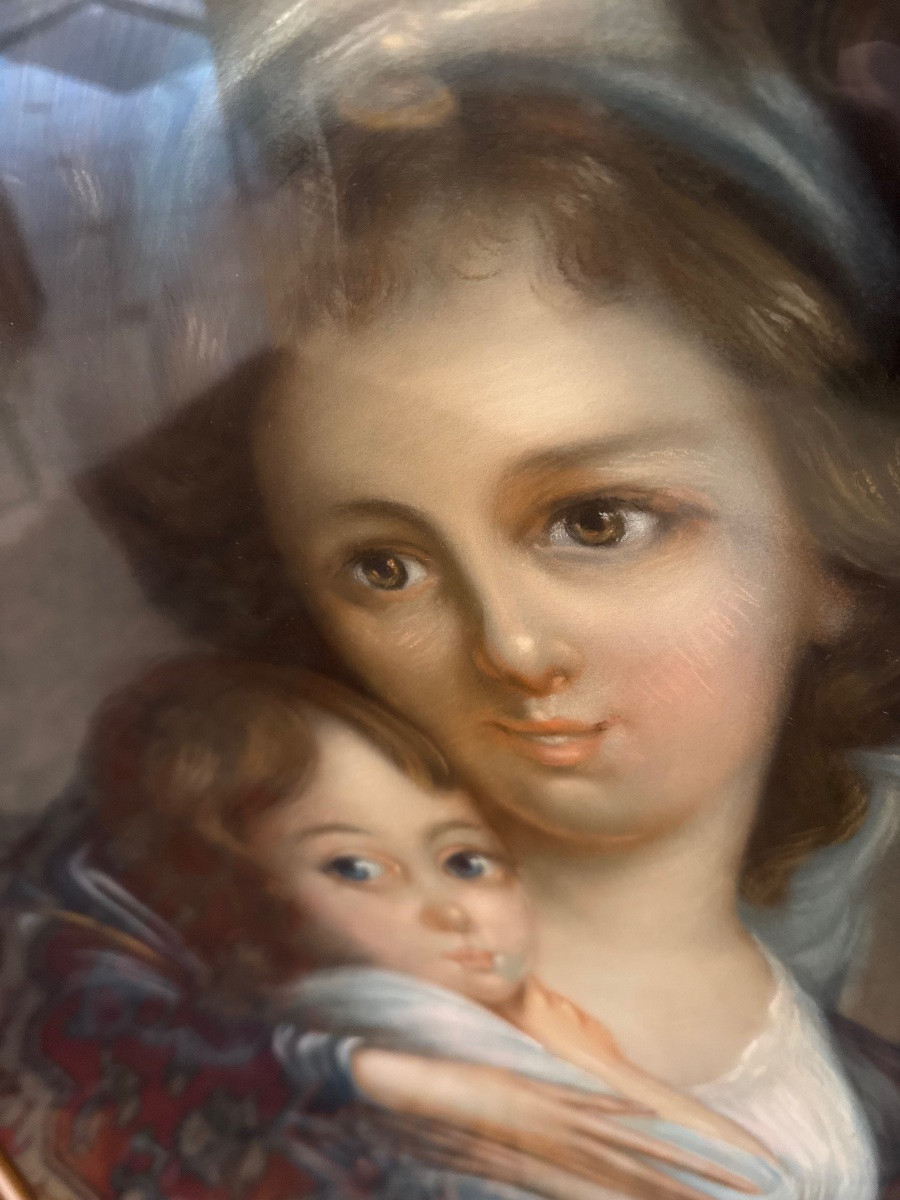
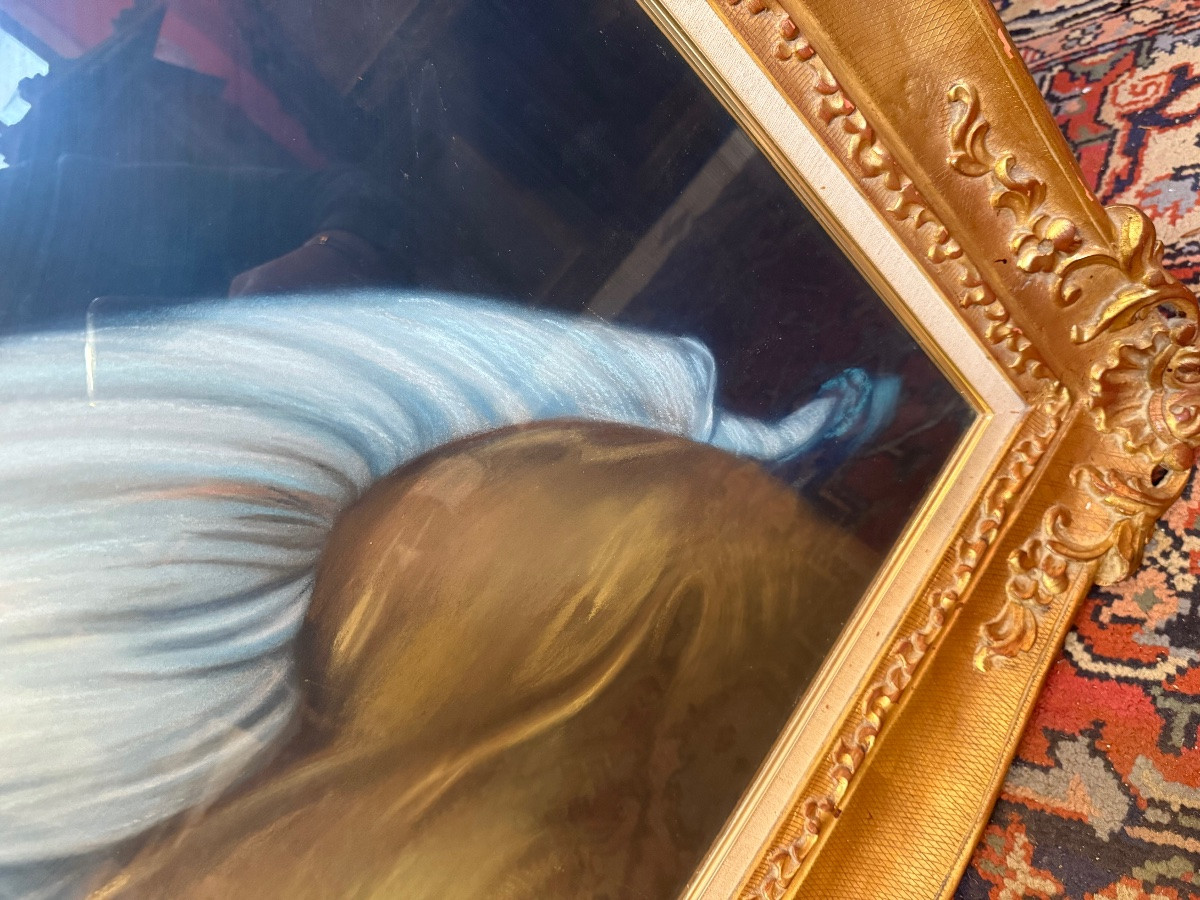
19th-century pastel depicting Madame Vigée Le Brun and her daughter Jeanne-Lucie, known as Julie, Louvre Museum, Paris. (Reproduction) Madame Le Brun holds her daughter, dressed in a white gown, on her lap. She herself wears a shawl, a satin skirt, and a large muslin roll in her hair. The entire scene is beautifully presented in a richly carved, giltwood frame. About: Elisabeth-Louise Vigée Le Brun painted this self-portrait with her six-year-old daughter in 1786, a subject she revisited in 1789. The artist depicts herself embracing Jeanne-Lucie in a gesture of protection and maternal tenderness, which the viewer is invited to contemplate through the child's gaze. While the scene belongs to the private and intimate sphere, it reflects the 18th-century appreciation of childhood. Jean-Jacques Rousseau published Emile in 1762. Beyond her ability to express feelings, Madame Vigée Le Brun established herself as a cultivated artist, drawing inspiration in her work from the poses of the Madonnas and Child by the painter Raphael (1483-1520), one of the great masters of the Italian Renaissance. By choosing to exhibit her self-portrait at the Salon of 1787, she demonstrated her talent as a portraitist at a time when female artists were most often confined to the minor genre of still life. Elisabeth-Louise Vigée Le Brun had a remarkable career: elected to the Academy in 1783, portraitist to Queen Marie Antoinette (1774-1793), her success allowed her to break free from male guardianship and live from her art. (…) she painted herself holding her daughter in her arms. Serenity rests on her brow, joy shines in her eyes: she triumphs in bearing such a precious burden and returns to her child all the smiles she receives. A affectation equally condemned by artists, connoisseurs, and people of taste, of which there is no precedent among the ancients, is that she shows her teeth when laughing; this affectation is especially inappropriate in a mother: she does not restrain her movements in this way and gives herself over without restraint to all the excess of her tender enthusiasm. (Barthélemy Mouffle D'Angerville, Letter I on the Salon of 1787, in Bachaumont, Les Salons de Bachaumont, Fabrice Faré (ed.), Paris, Librairie des Arts et métiers, 1995).
1 500 €
Period: 19th century
Style: Other Style
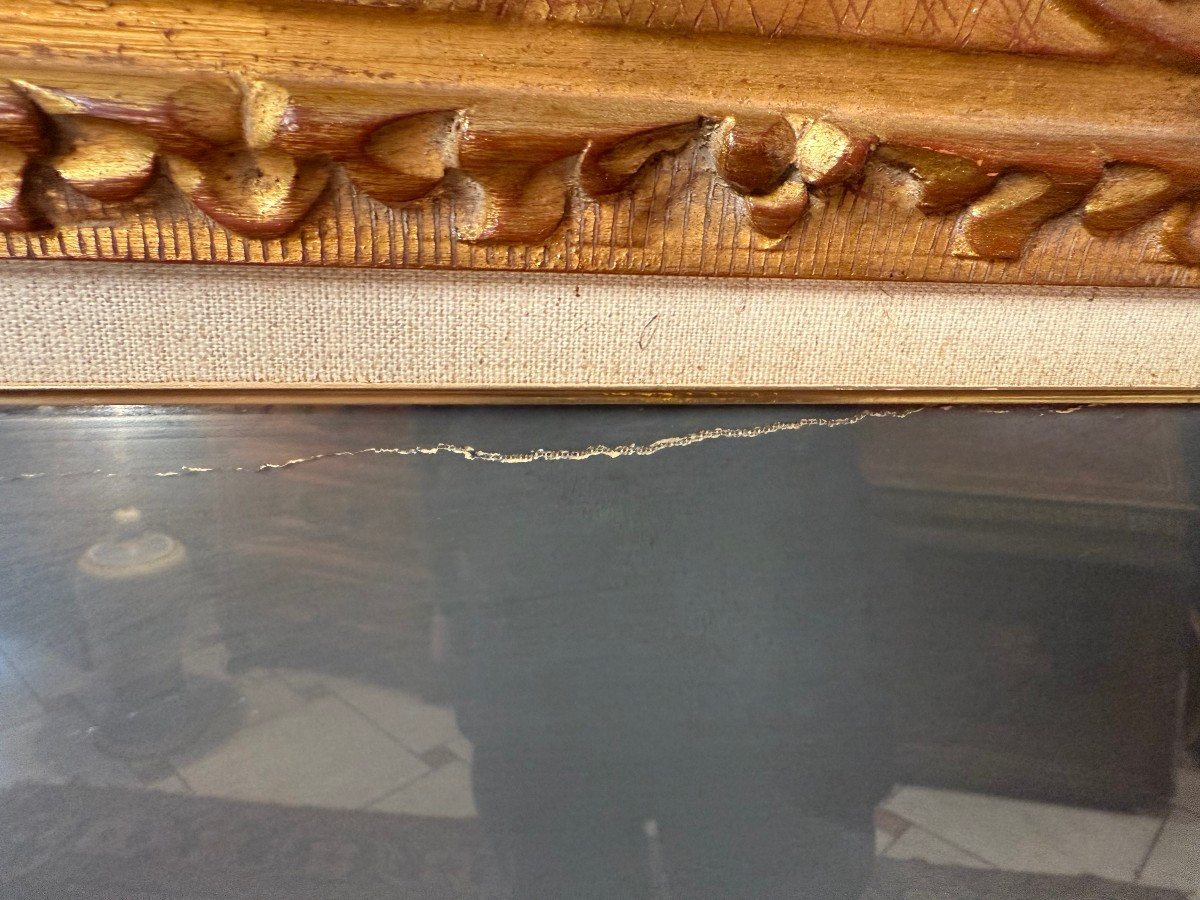
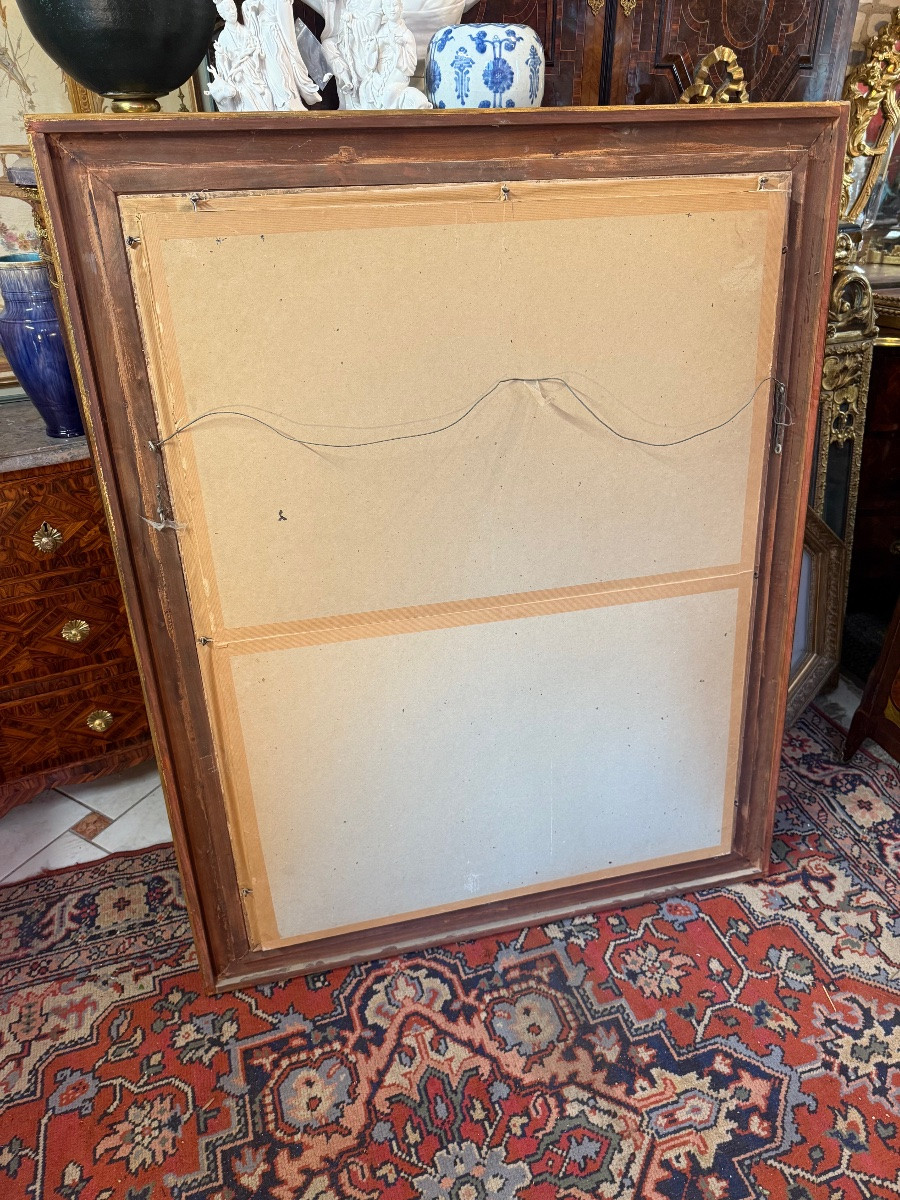
Condition: Good condition
Material: Pastel
Width: 112
Height: 139
Reference (ID): 1708050
Availability: In stock
Print