THIS OBJECT WAS SOLD
Attributed To Balthasar Denner (hamburg, 1685–1749, Rostock) “portrait Of Antonius Abbas”
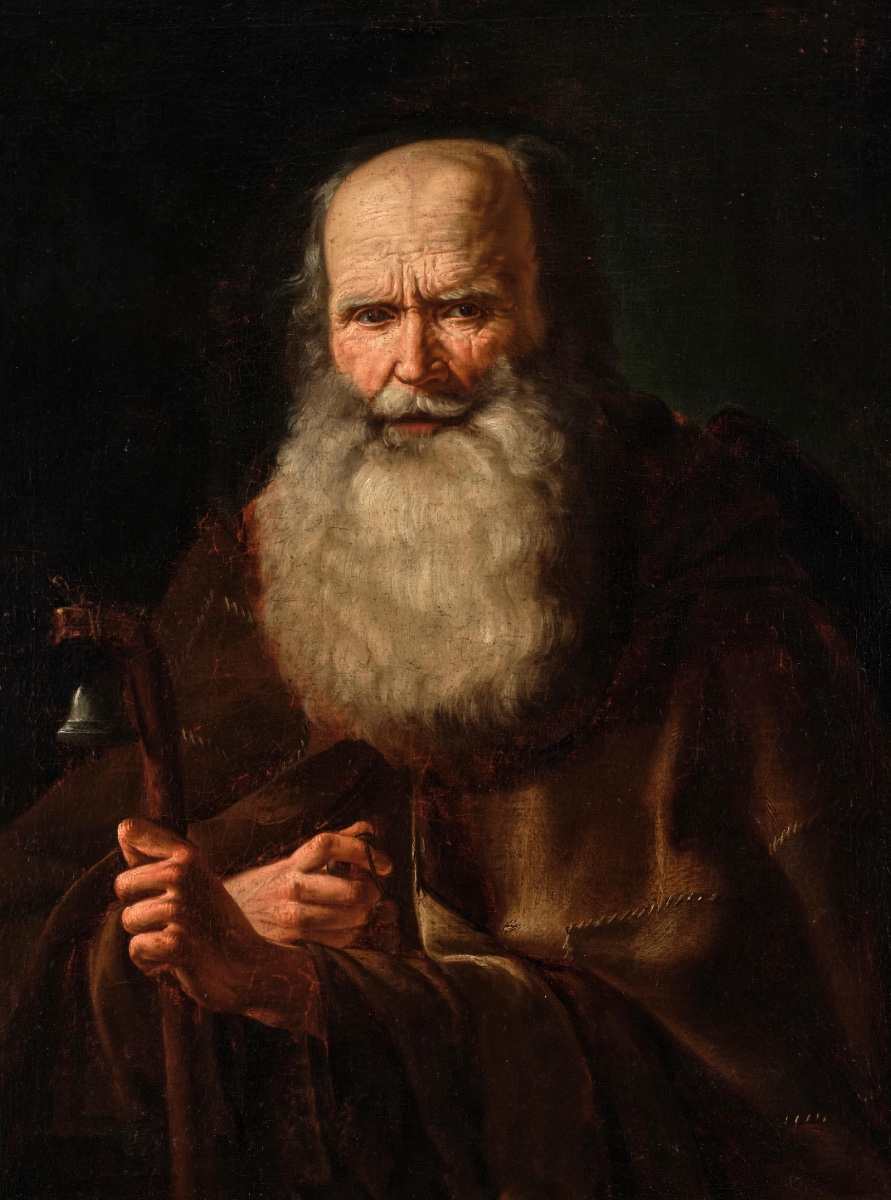
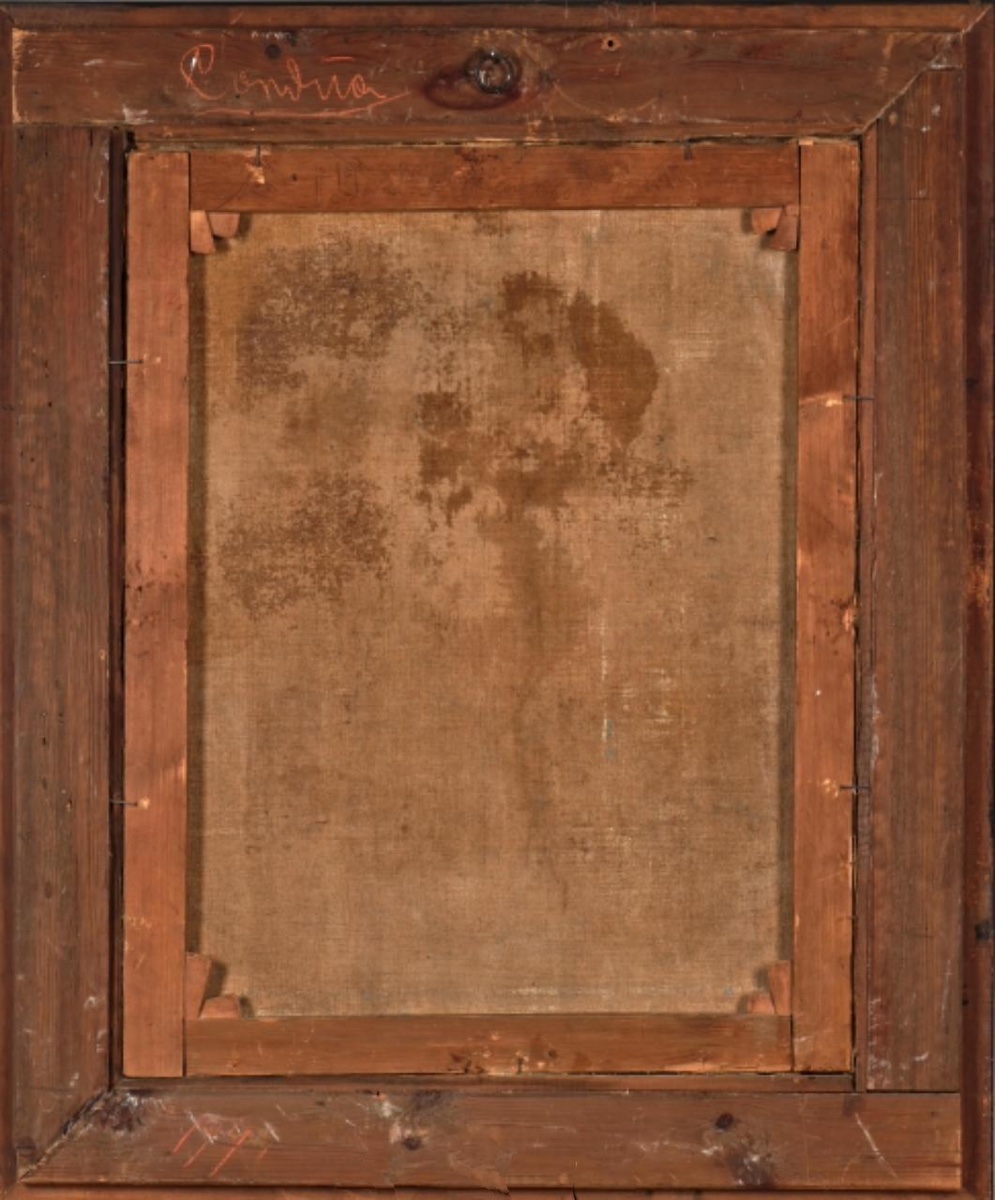
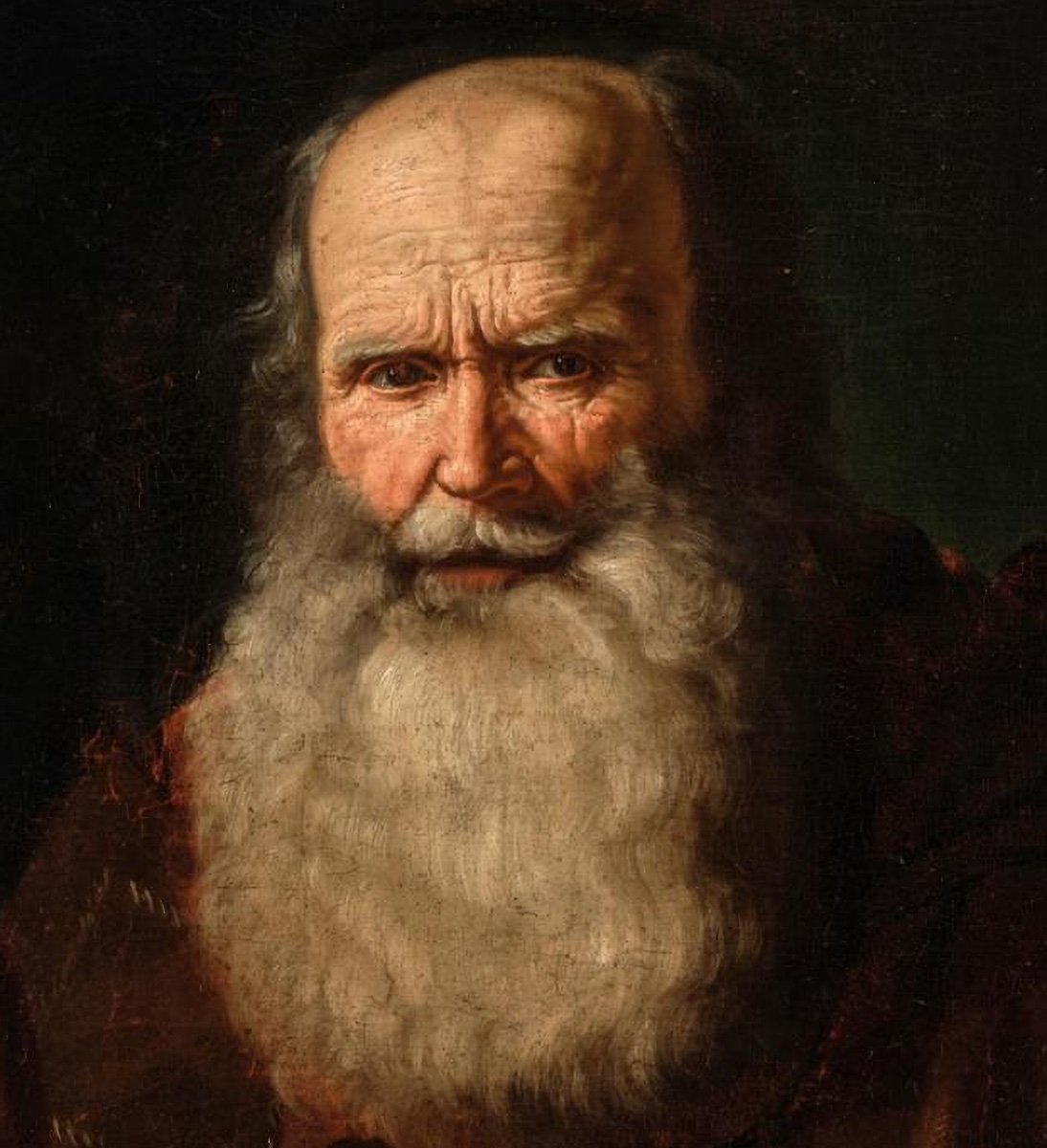
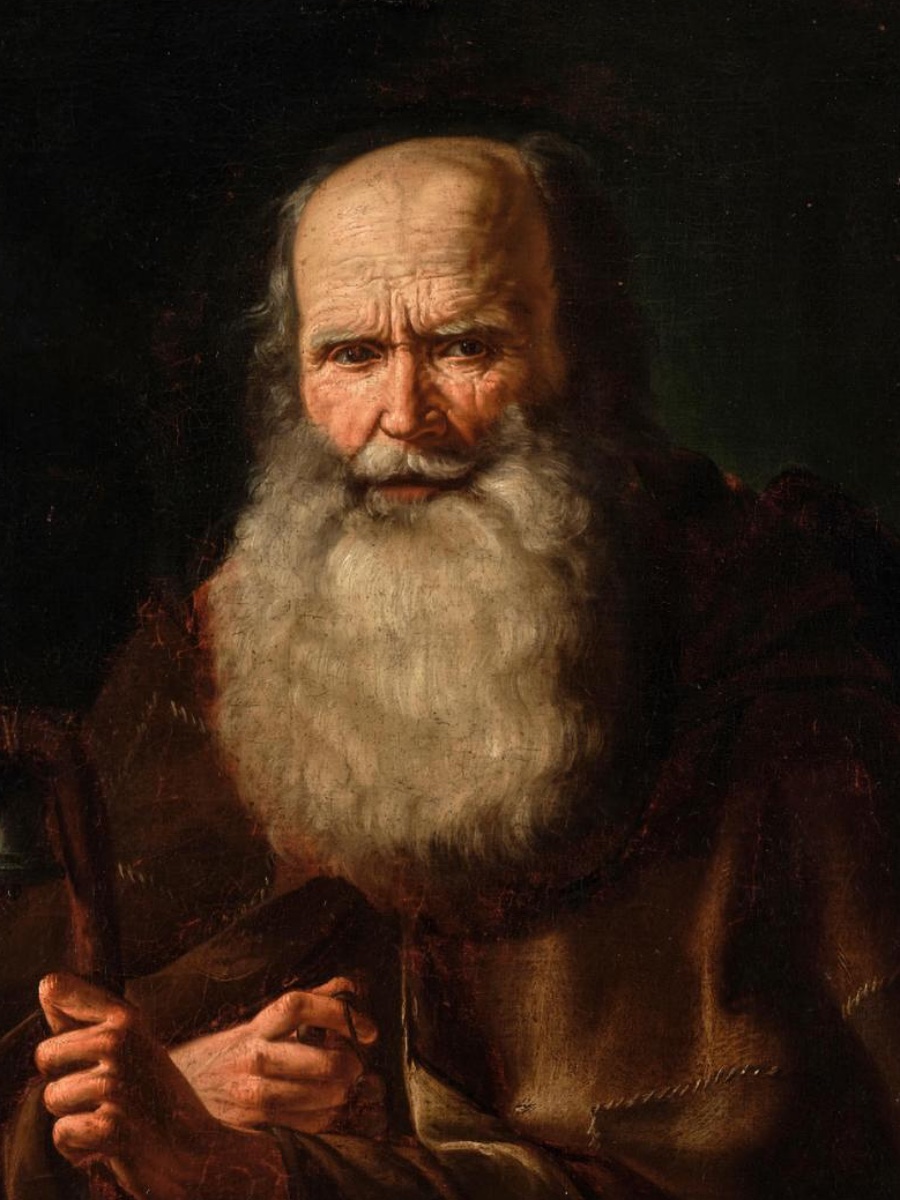
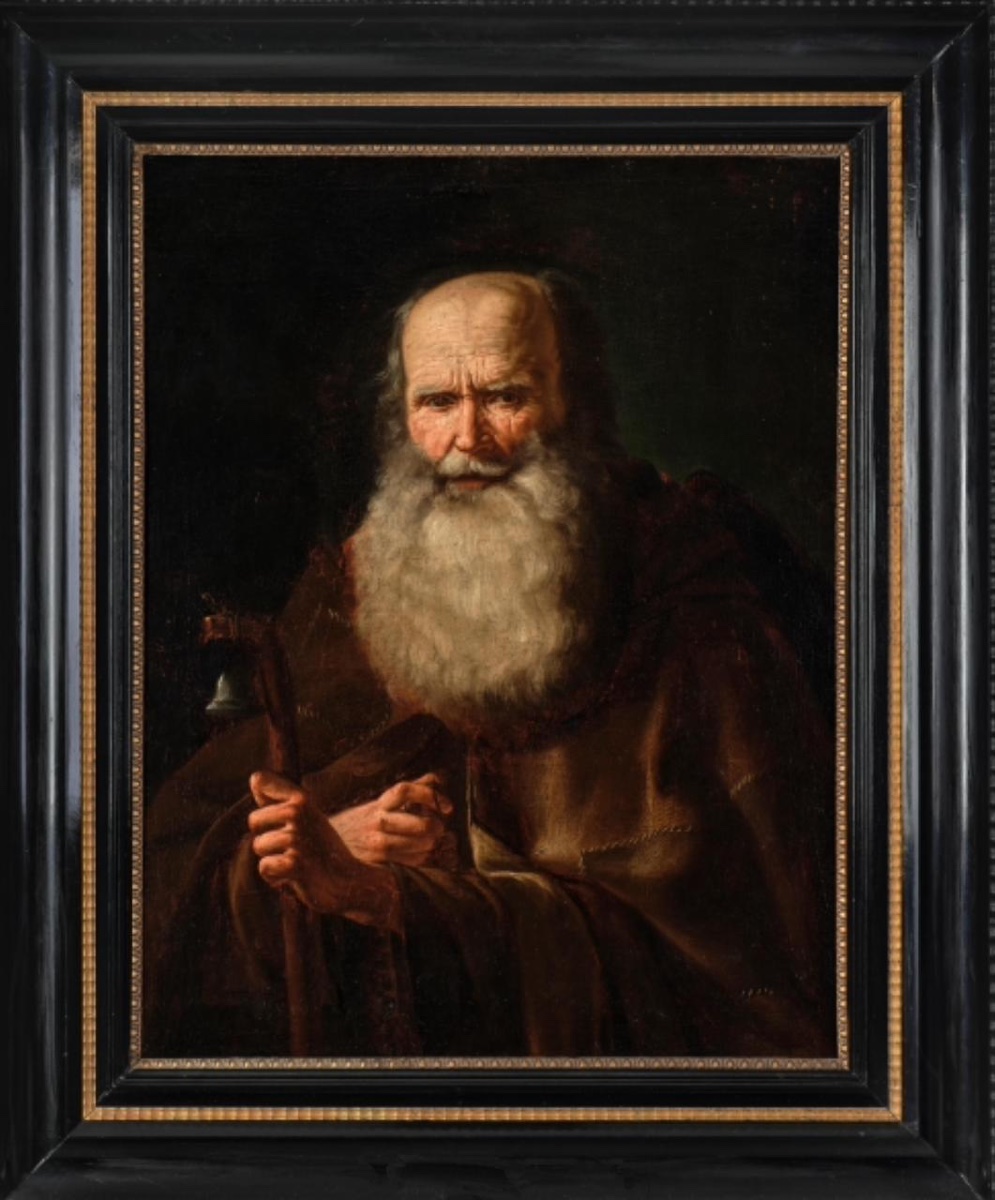
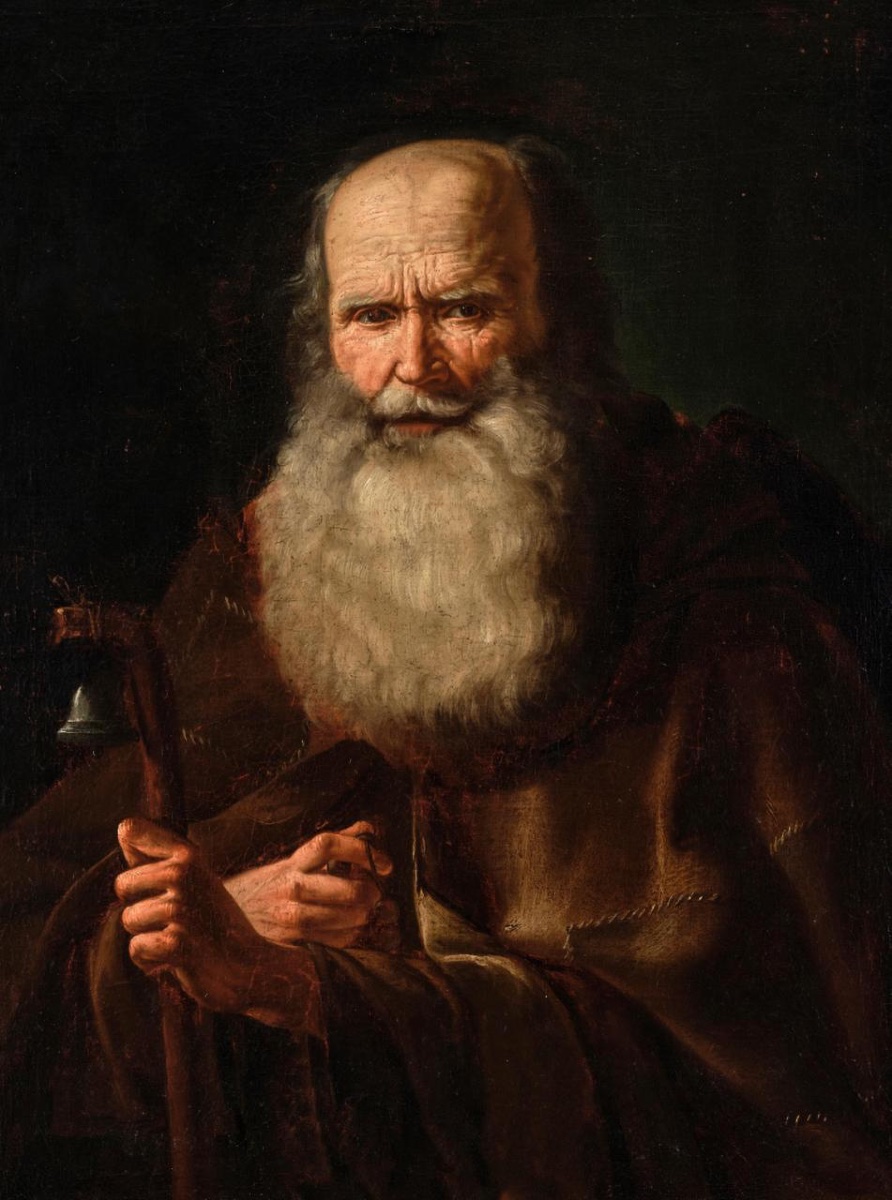
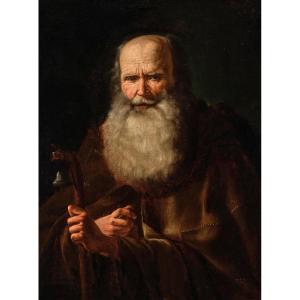


Attributed to Balthasar Denner (Hamburg, 1685–1749, Rostock) “Portrait of Antonius Abbas,” oil on canvas, 80 x 63.5 cm, framed. Balthasar Denner (November 15, 1685 – April 14, 1749) was a German painter, considered a portraitist. His genre scenes and portraits of elderly and wrinkled figures were particularly admired for their detailed execution and meticulous precision. They ensured the artist international success and earned him exceptionally high fees: it is believed that Emperor Charles VI of Austria sent 600 Viennese ducats for a typical female portrait, an extraordinary sum for the time. He painted mainly full-length and bust portraits, as well as some interior family portraits. Denner generally focused on the face. The clothing and accessories were the work of other painters or, later, his daughter. His main characteristic lay in the fineness of his line, of an almost mechanical precision, extending even to depicting the most imperceptible strands of hair on smooth skin. He is particularly known for his portraits of old men and elderly women. Denner was born in Altona, now part of Hamburg. At that time, Altona was part of the Kingdom of Denmark, its second largest city after Copenhagen, and was renowned for its religious tolerance. His father, Jacob Denner, was a Mennonite minister and dyer. Balthasar had seven sisters and was the only boy. At the age of eight, he was involved in an accident and had a pronounced limp for the rest of his life. His convalescence was long, and to alleviate his boredom, Denner began to draw and copy paintings by Berchem and Bloemaert. His teacher was a Dutchman, Frans van Amama. In 1696, the family moved to Danzig, where Denner devoted himself to oil painting between 1698 and 1700. In 1701, the family returned to the Hanseatic city. Balthasar became an employee of his uncle, a merchant. In 1707, he was admitted to the Prussian Academy of Fine Arts in Berlin. Denner began his career as a miniaturist. In 1709, he painted miniatures of Charles Frederick, Duke of Holstein-Gottorp, and his nine-year-old sister. Invited to Gottorp Castle, he included himself in the background of a group portrait of the ducal family. In 1712, he married and, the following year, moved to Hamburg after the destruction of Altona by Magnus Stenbock during the Great Northern War. In 1714, he traveled to Amsterdam. In 1715, he traveled to London and, in 1717, to Copenhagen. In 1720, he visited the courts of Wolfenbüttel and Hanover. Invited to England, Denner first met Adriaen van der Werff and showed him his painting of an old woman. Van der Werff was impressed and could only compare the work to the Mona Lisa. In London as well, the painting aroused great interest and was sent to Charles VI, Holy Roman Emperor. Denner received 5,875 guilders and, in 1725, was commissioned to paint the portrait of an old man for the same sum. In 1728, fleeing the smog, he left London and sailed for Hamburg.
Explore similar pieces and discover your ideal find:
Portraits