THIS OBJECT WAS SOLD
Félix Vallotton (1865–1925) – Portrait Of Misia Sert – Charcoal

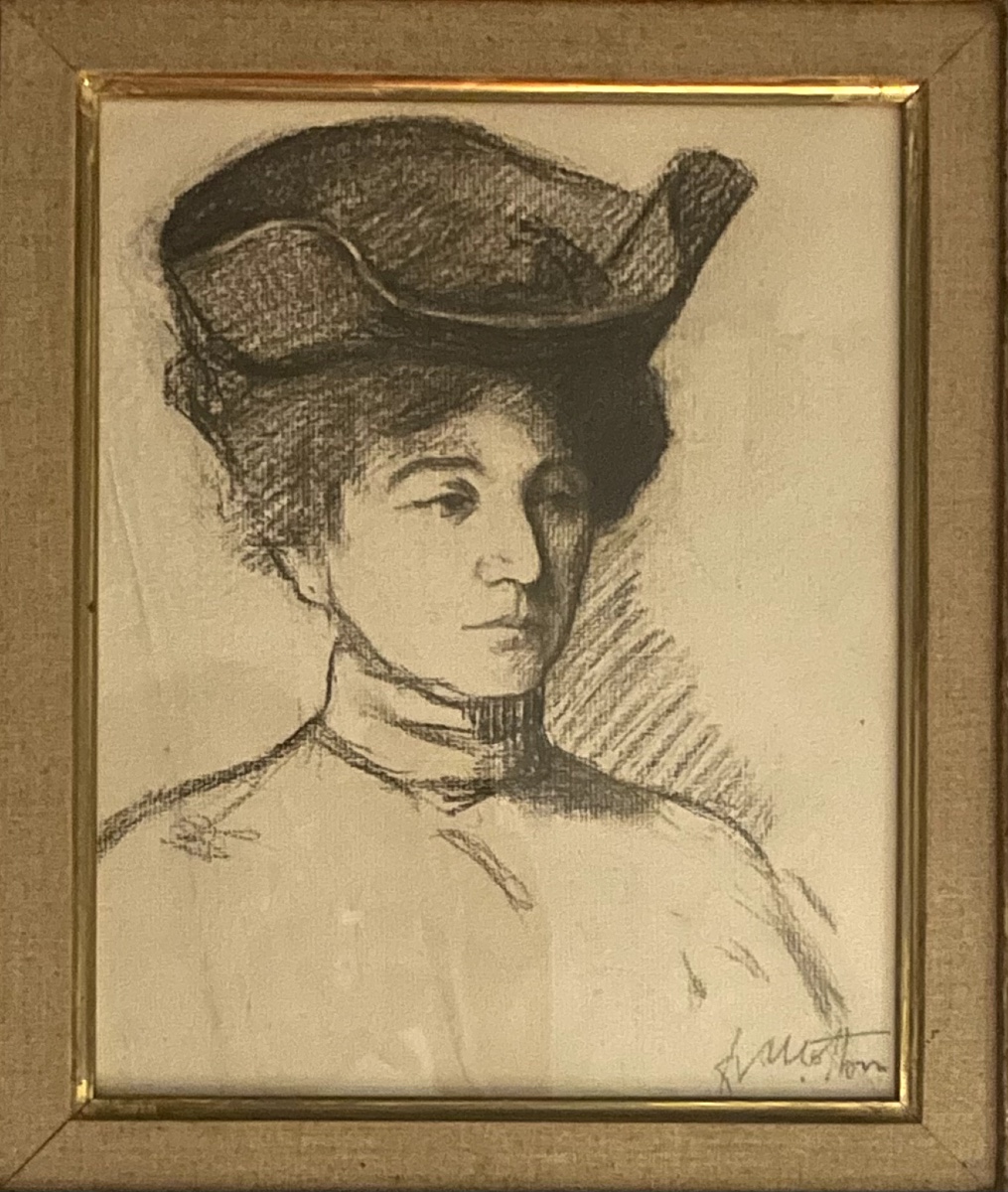
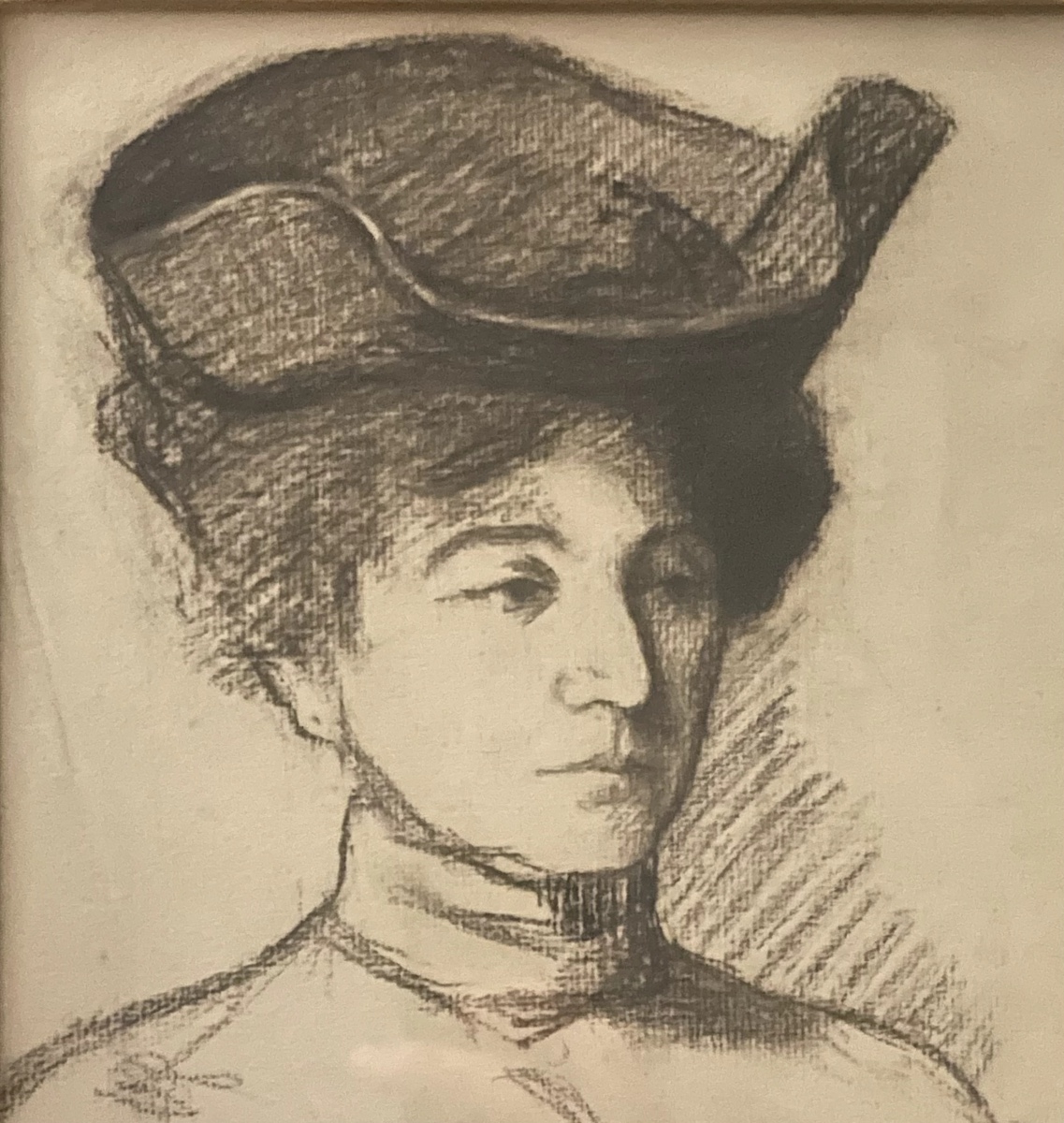
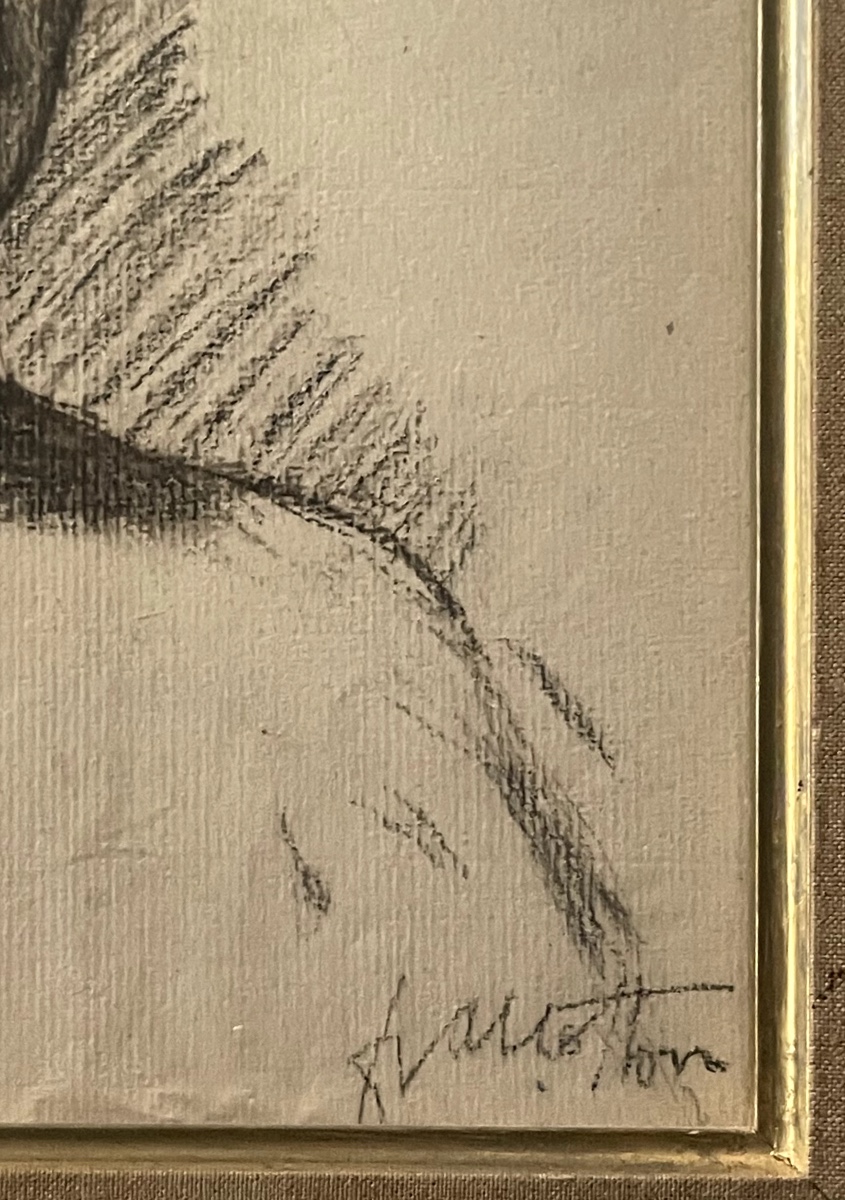


Image dimensions: 25 × 20 cm; framed: 40 × 35 cm. This portrait of Misia Sert is a charcoal drawing on paper. It is signed by the artist in the lower right corner. Known as the "Queen of Paris," she was painted by the greatest artists of her time, including Toulouse-Lautrec, Bonnard, Renoir, and Vallotton. A friend and patron of many artists during the golden age of Parisian art, she is said to be the most painted woman in history. The friendship between Misia Sert and Félix Vallotton began very early, in the 1890s, during their time with La Revue blanche. Édouard Vuillard (1868–1940) depicted them both in the work Misia and Vallotton at Villeneuve (sold at Christie's on November 13, 2017). Félix Vallotton began his artistic career painting portraits. From 1894 to 1902, he produced countless drawn portraits of celebrities. An inventive artist, always searching for new forms of expression, he developed a pictorial style characterized by flat areas of vibrant color. He joined the Nabis movement in 1893 and created numerous oil paintings on cardboard depicting street scenes in a refined style with flattened perspectives, such as The Waltz, Street Corner in Paris, and The Passersby. It was also during this period that he painted the Bon Marché triptych. He then transposed the spirit of his woodcuts into his scenes of gallant tête-à-têtes, such as The Red Room, where the warmth of the setting symbolically expresses the intensity of passions or the transgression of taboos. Vallotton began experimenting with photography in 1889 in Étretat. From 1917 onwards, he resumed his travels and devoted himself more to landscape painting, in which he gave free rein to his synthetic style and keen sense of color. His last work, Woman at the Easel, is sometimes interpreted as a self-portrait in disguise. This portrait of Misia Sert by Félix Vallotton is therefore exceptional, both in terms of its subject and its artist.
Explore similar pieces and discover your ideal find:
drawings