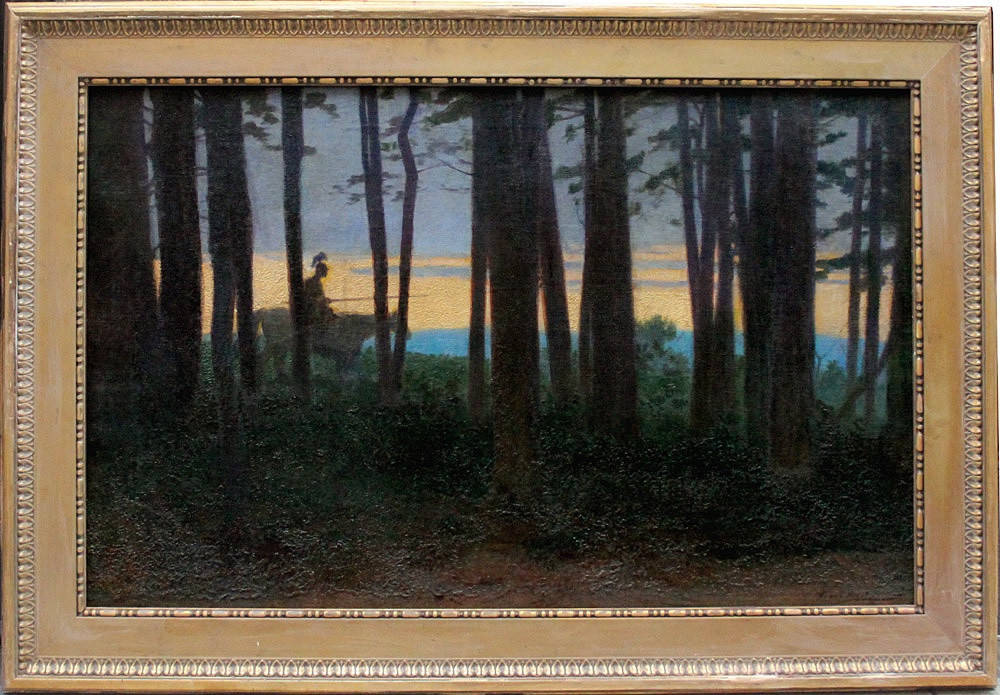
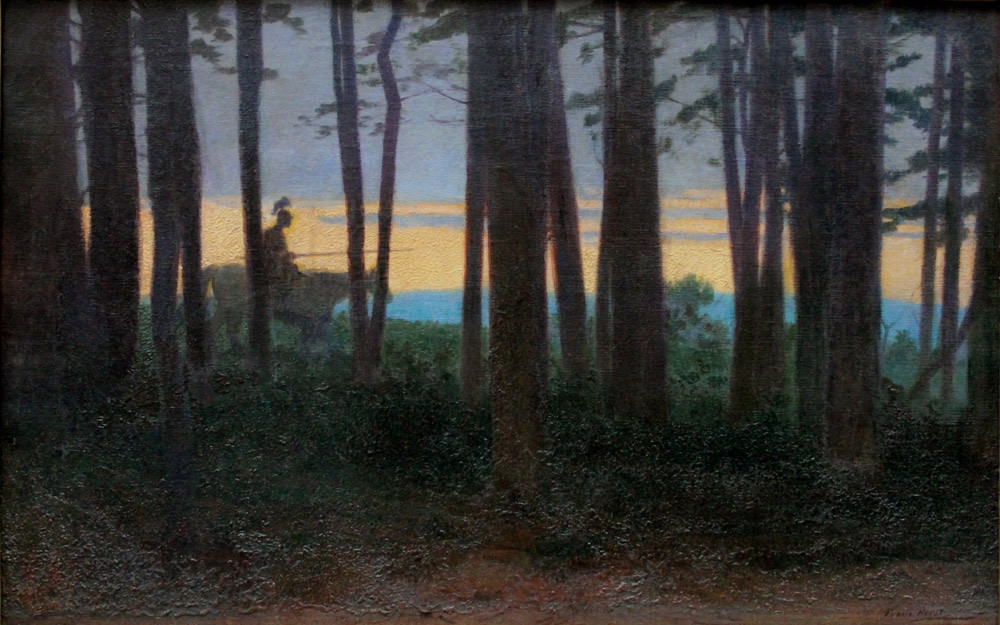
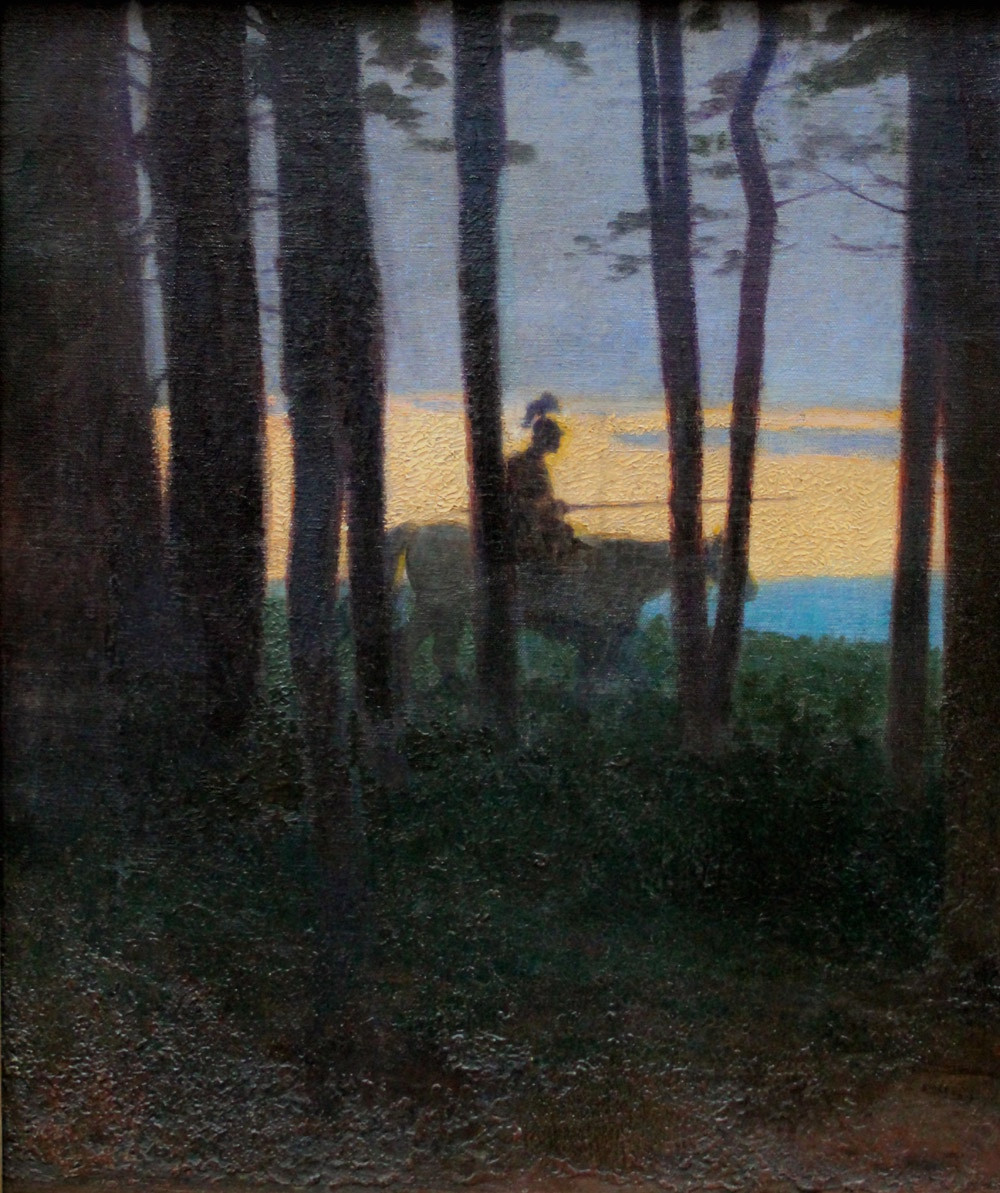
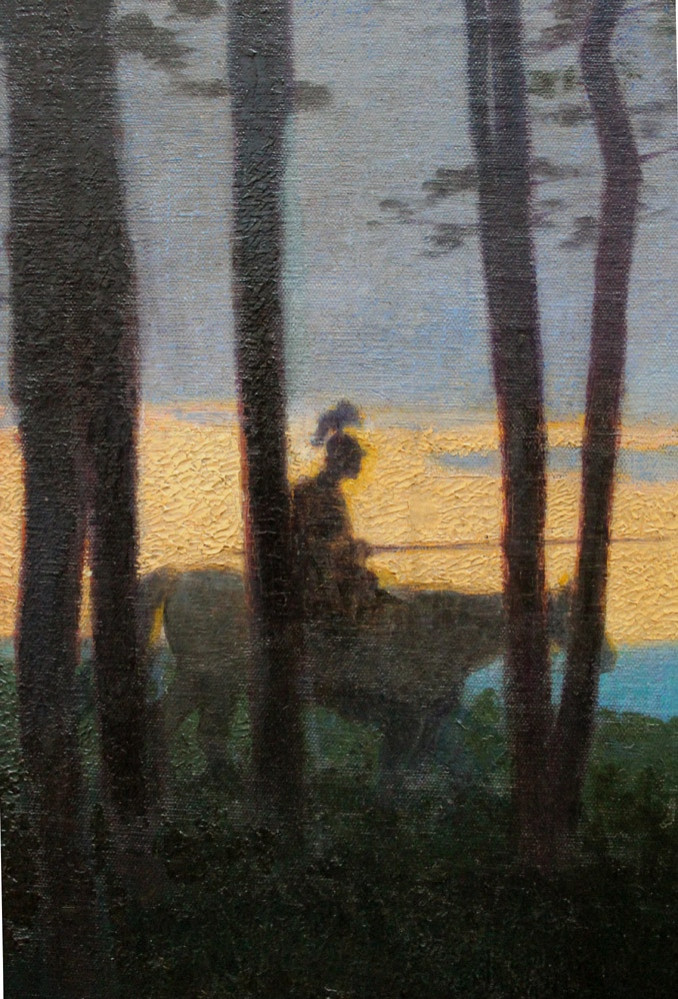
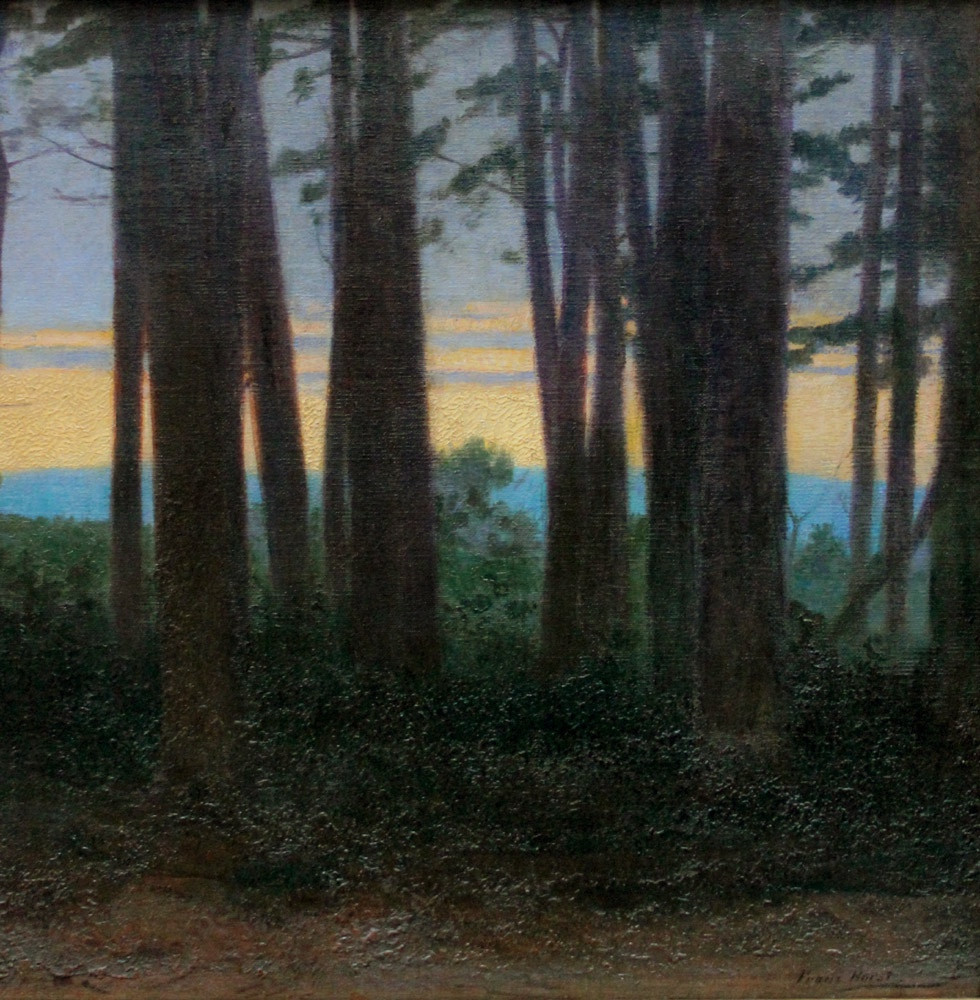
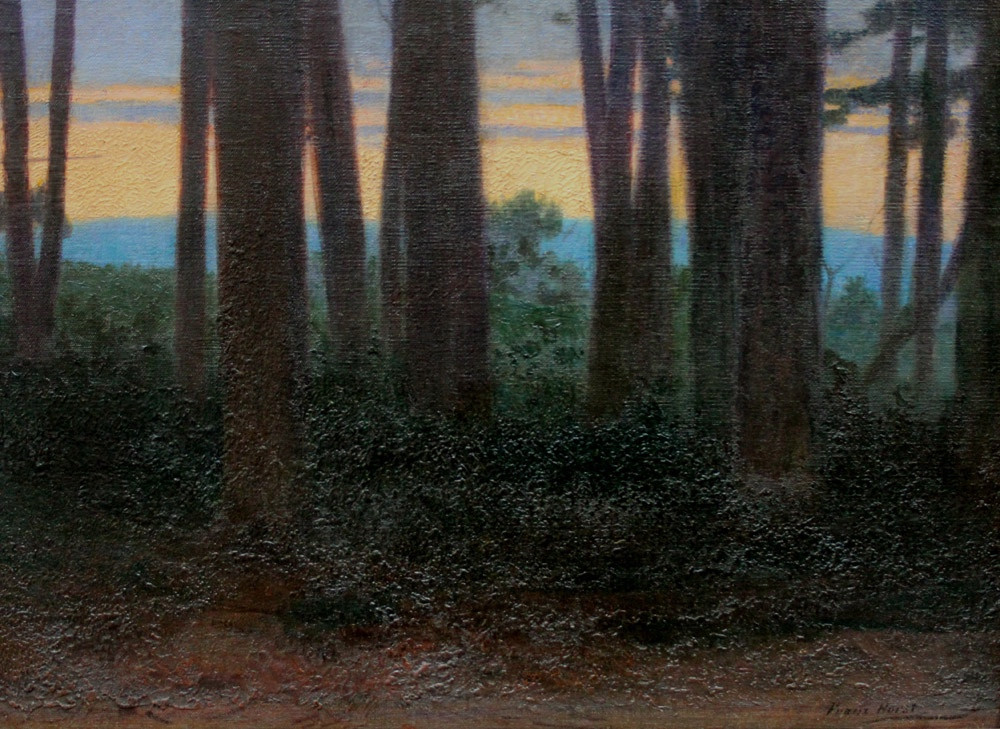


German Legend: The Knight Parsifal In The Enchanted Forest, By Franz Horst (1862-1956)
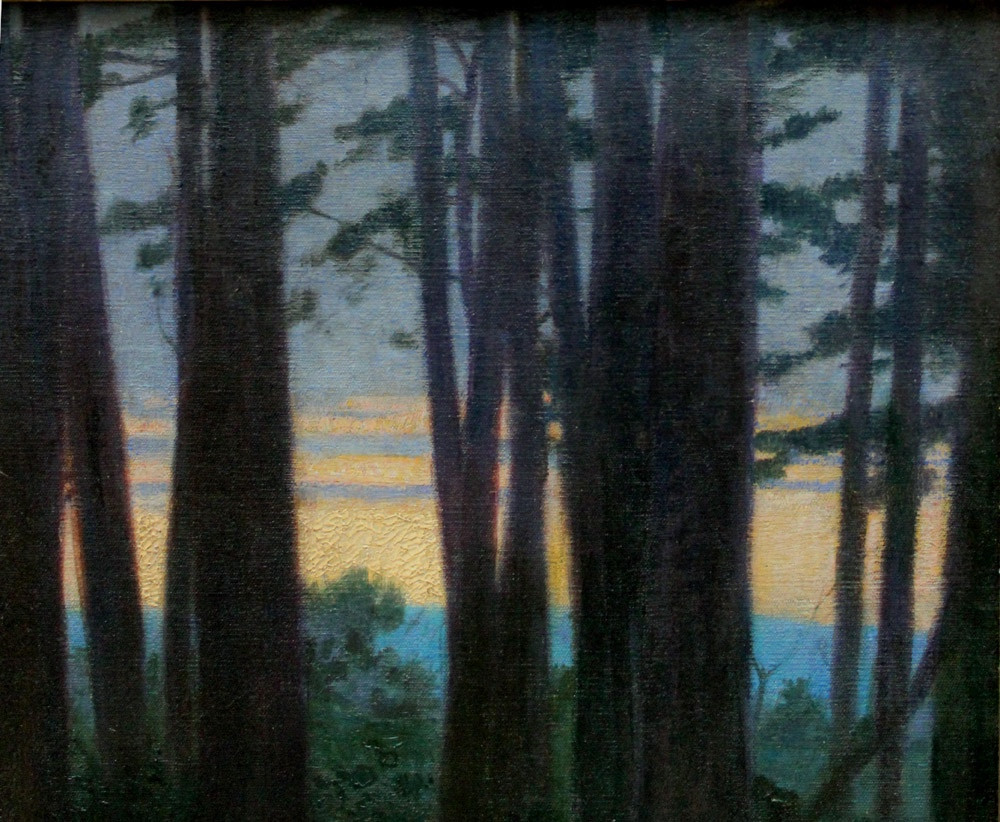
This mythological painting illustrates the German legend of Parsifal. It depicts the knight Parsifal on horseback, riding through an enchanted forest.
The legend of Parzival (or Parsifal) tells the story of a naive young knight who grows up unaware of his origins. After many trials and tribulations, through chivalrous adventures and encounters, including with the mysterious Grail and its guardians at Montsalvat Castle, through suffering (especially that inflicted by the Grail King, Amfortas) and his own mistakes, he achieves enlightenment and redemption, ultimately becoming a pure fool who acquires wisdom through compassion and redeems the Grail.
The best-known versions are Wolfram von Eschenbach's Middle High German verse romance (circa 1200) and Richard Wagner's opera "Parsifal" (1882), which explores the theme of religious redemption.
The story is a profound exploration of themes such as guilt, redemption, compassion, temptation, and the search for one's own path and place in the world, intimately linked to religious and philosophical elements.
This mystical painting was created around 1900 by the Austrian painter Franz Horst (1862 Vienna – 1950 Klosterneuburg), a specialist in portraiture, genre scenes, landscapes, and military scenes.
He studied in the ornamental painting department of the Vienna School of Applied Arts, where his teachers included Friedrich Sturm and Michael Rieser. Later, he continued his studies at the Vienna Academy of Fine Arts under Christian Griepenkerl, Carl Wurzinger, and August Eisenmenger. From 1887, Horst worked in Vienna-Döbling, and from 1896 primarily in Klosterneuburg, exhibiting for decades with the local art association. He was represented at the anniversary exhibition of the Vienna Künstlerhaus in 1908 with the oil painting "Klosterneuburg Abbey in the Snow." In 1932, he received the State Silver Medal. In 1899, the Austro-Hungarian Army commissioned him to paint scenes of military maneuvers. These paintings are now held, among other places, in the Military History Museum in Vienna.
Bibliography: Prof. H. Fuchs, Lexicon of Austrian Artists, Vienna, 1975; online: Wikipedia.
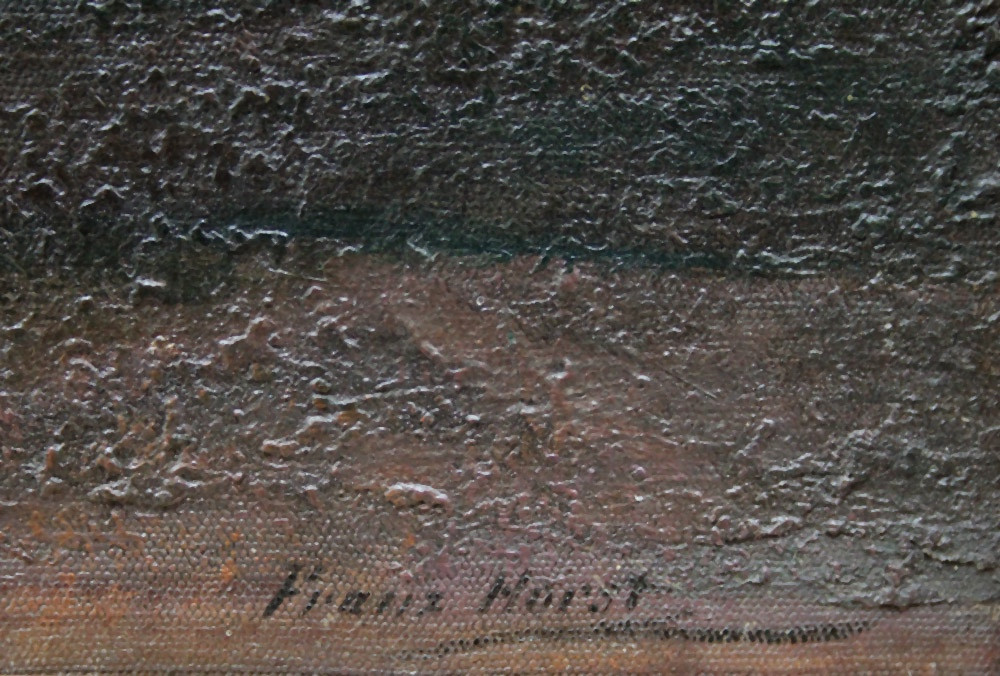
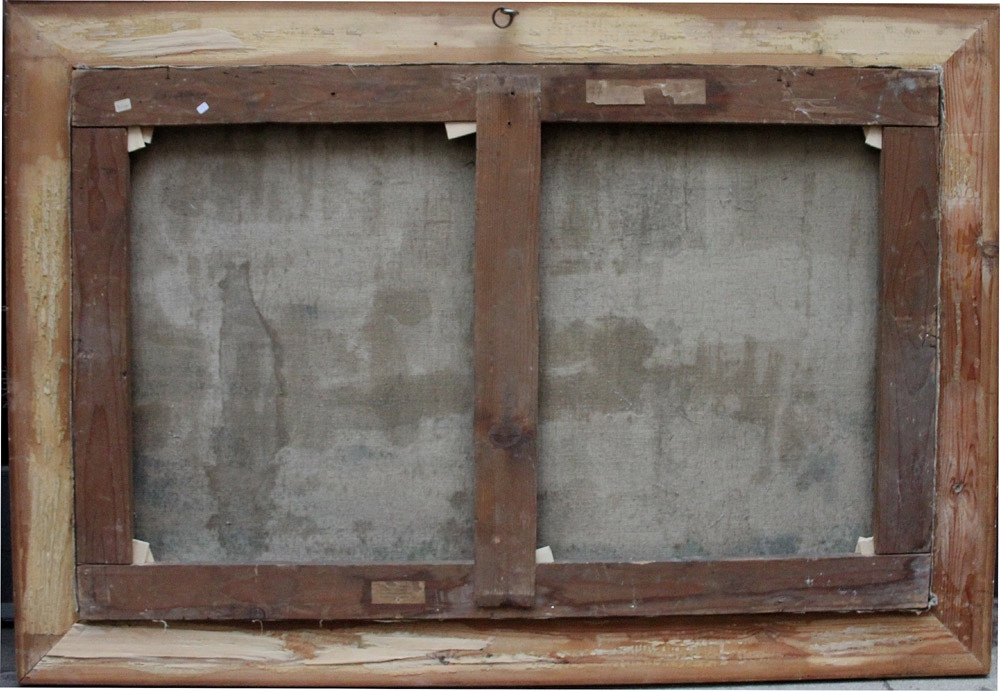
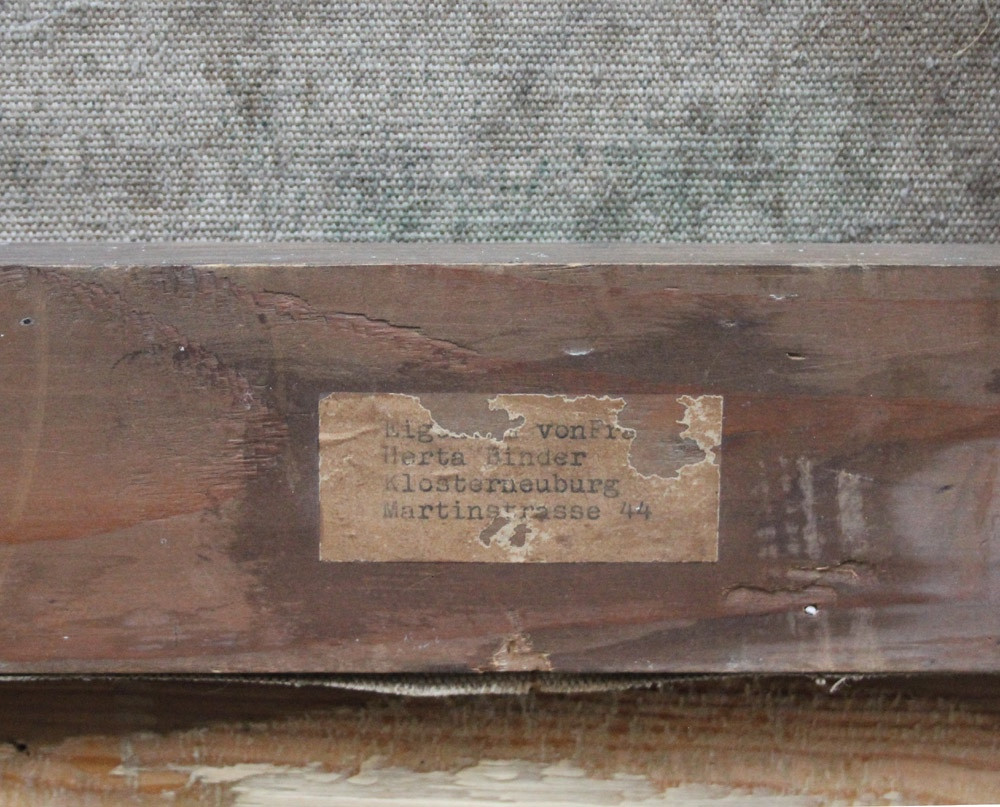
Inscription: signed lower right; on the back of the stretcher: label of the former owner.
Technique: oil on canvas. Original period frame.
Dimensions: without frame: 100 cm x 63.5 cm; with frame: 117 cm x 81 cm.
Condition: good condition.
The legend of Parzival (or Parsifal) tells the story of a naive young knight who grows up unaware of his origins. After many trials and tribulations, through chivalrous adventures and encounters, including with the mysterious Grail and its guardians at Montsalvat Castle, through suffering (especially that inflicted by the Grail King, Amfortas) and his own mistakes, he achieves enlightenment and redemption, ultimately becoming a pure fool who acquires wisdom through compassion and redeems the Grail.
The best-known versions are Wolfram von Eschenbach's Middle High German verse romance (circa 1200) and Richard Wagner's opera "Parsifal" (1882), which explores the theme of religious redemption.
The story is a profound exploration of themes such as guilt, redemption, compassion, temptation, and the search for one's own path and place in the world, intimately linked to religious and philosophical elements.
This mystical painting was created around 1900 by the Austrian painter Franz Horst (1862 Vienna – 1950 Klosterneuburg), a specialist in portraiture, genre scenes, landscapes, and military scenes.
He studied in the ornamental painting department of the Vienna School of Applied Arts, where his teachers included Friedrich Sturm and Michael Rieser. Later, he continued his studies at the Vienna Academy of Fine Arts under Christian Griepenkerl, Carl Wurzinger, and August Eisenmenger. From 1887, Horst worked in Vienna-Döbling, and from 1896 primarily in Klosterneuburg, exhibiting for decades with the local art association. He was represented at the anniversary exhibition of the Vienna Künstlerhaus in 1908 with the oil painting "Klosterneuburg Abbey in the Snow." In 1932, he received the State Silver Medal. In 1899, the Austro-Hungarian Army commissioned him to paint scenes of military maneuvers. These paintings are now held, among other places, in the Military History Museum in Vienna.
Bibliography: Prof. H. Fuchs, Lexicon of Austrian Artists, Vienna, 1975; online: Wikipedia.
Inscription: signed lower right; on the back of the stretcher: label of the former owner.
Technique: oil on canvas. Original period frame.
Dimensions: without frame: 100 cm x 63.5 cm; with frame: 117 cm x 81 cm.
Condition: good condition.
8 000 €
Period: 20th century
Style: Art Nouveau
Condition: Excellent condition
Material: Oil painting
Width: 117
Height: 81
Reference (ID): 1676428
Availability: In stock
Print