





Ames Model 1841 U.s. Naval Cutlass
AMES MODEL 1841 U.S. NAVAL CUTLASS
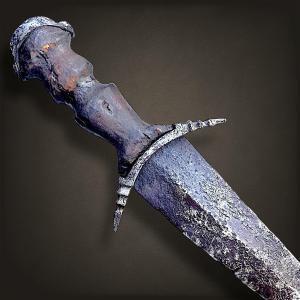
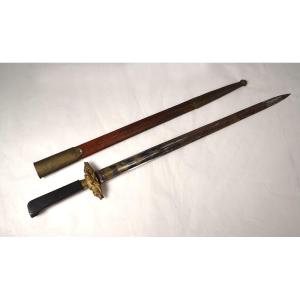
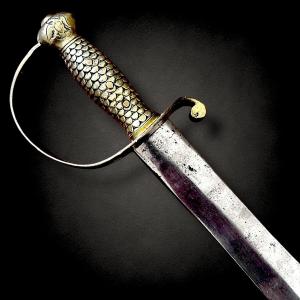
This very desirable USN Naval cutlass, likley from 1842, the model matches the first year of production.
The 1841 U.S. Navy cutlasses are scarce. Only 6,600 of them were made from 1842 through 1846. Ames sent three cutlasses of slightly different configuration to the Board of Naval Ordnance in November 1841. The Navy selected this pattern and a contract for 3,000 was signed late in 1841 or very early in 1842, with delivery of the first 500 made in March 1842, another 1,000 by May, and the remaining 1,500 before the end of the year.
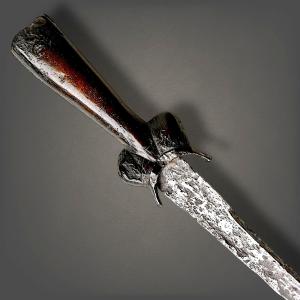
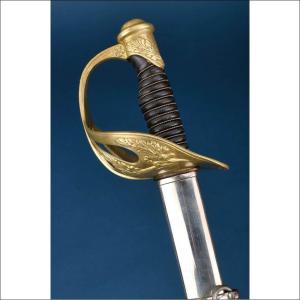
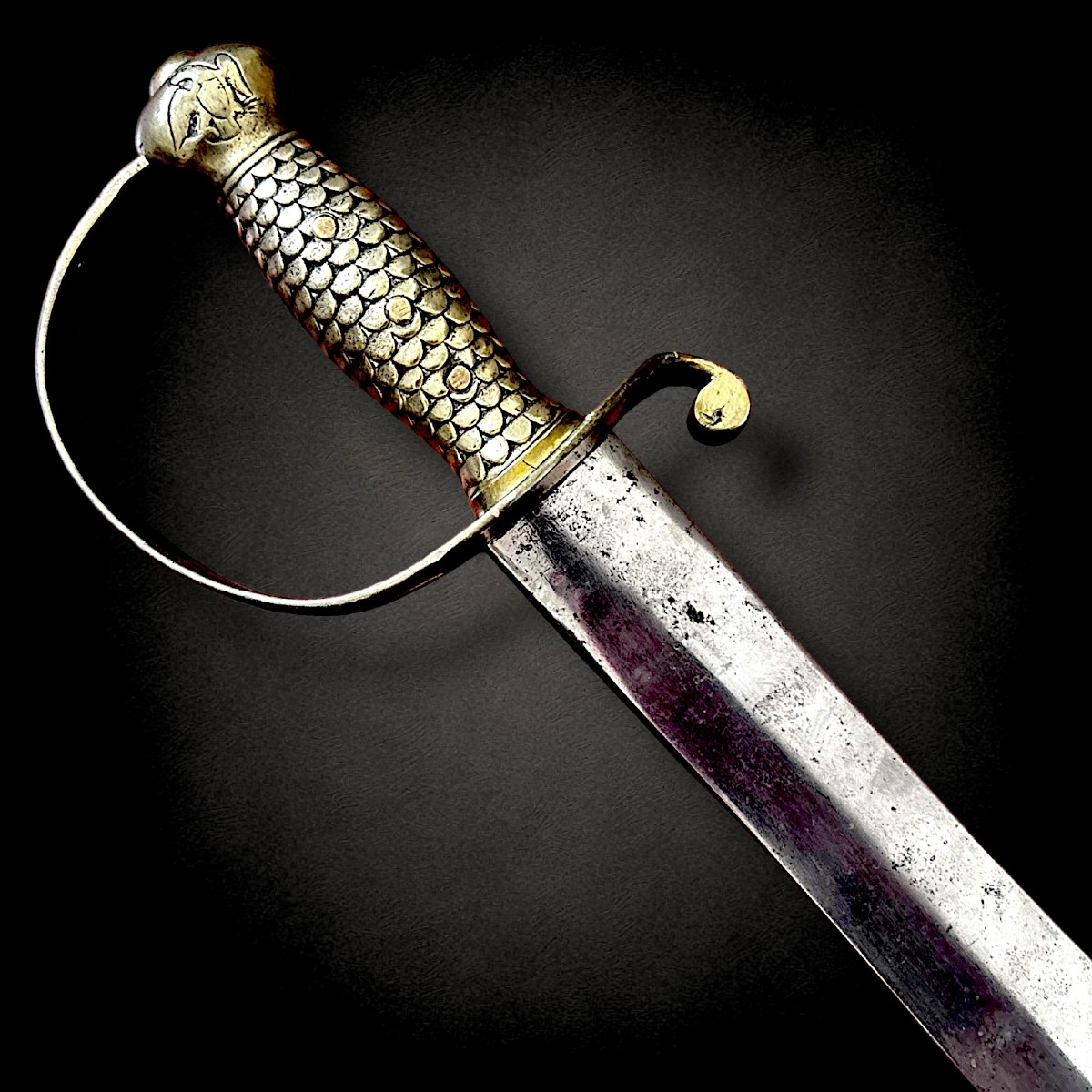
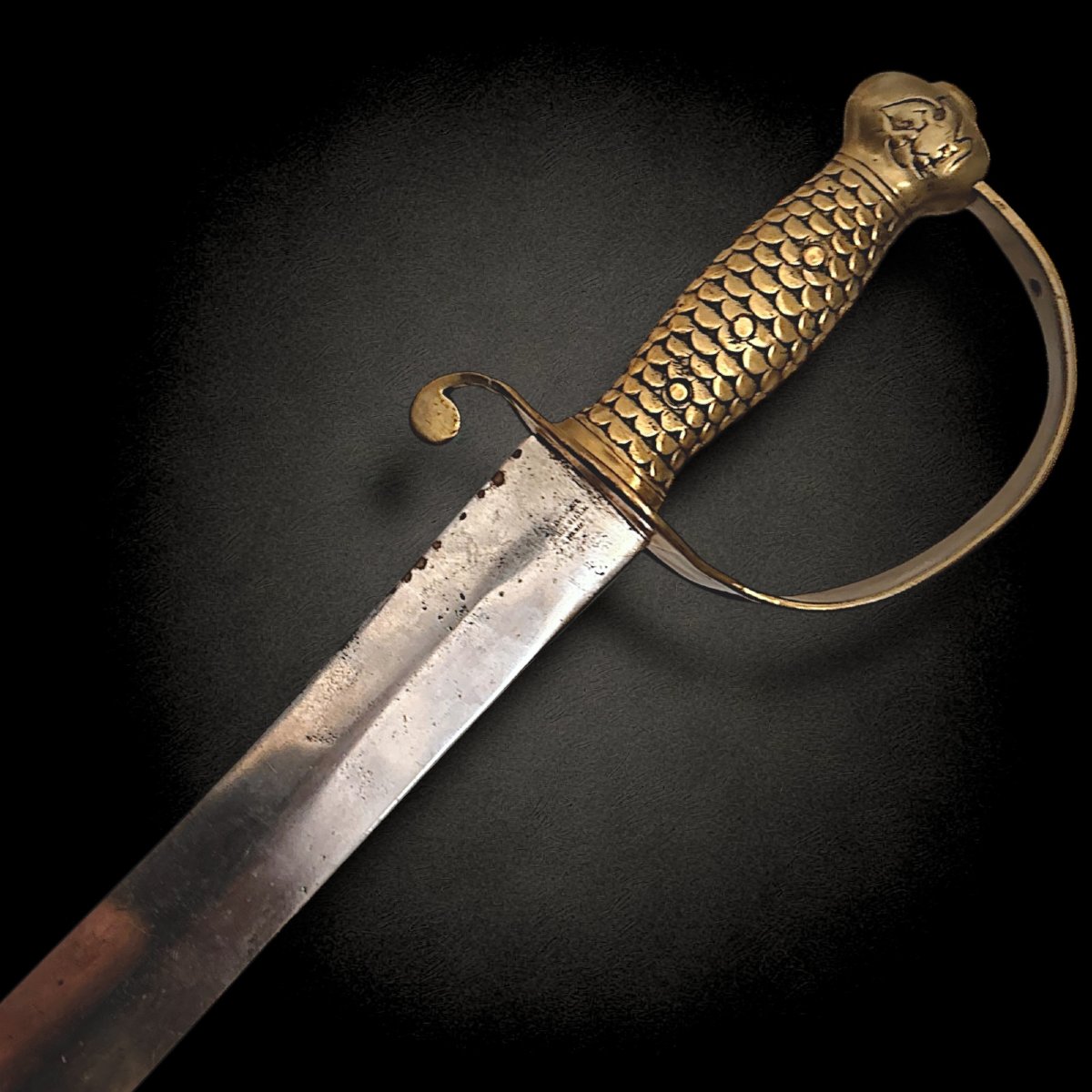
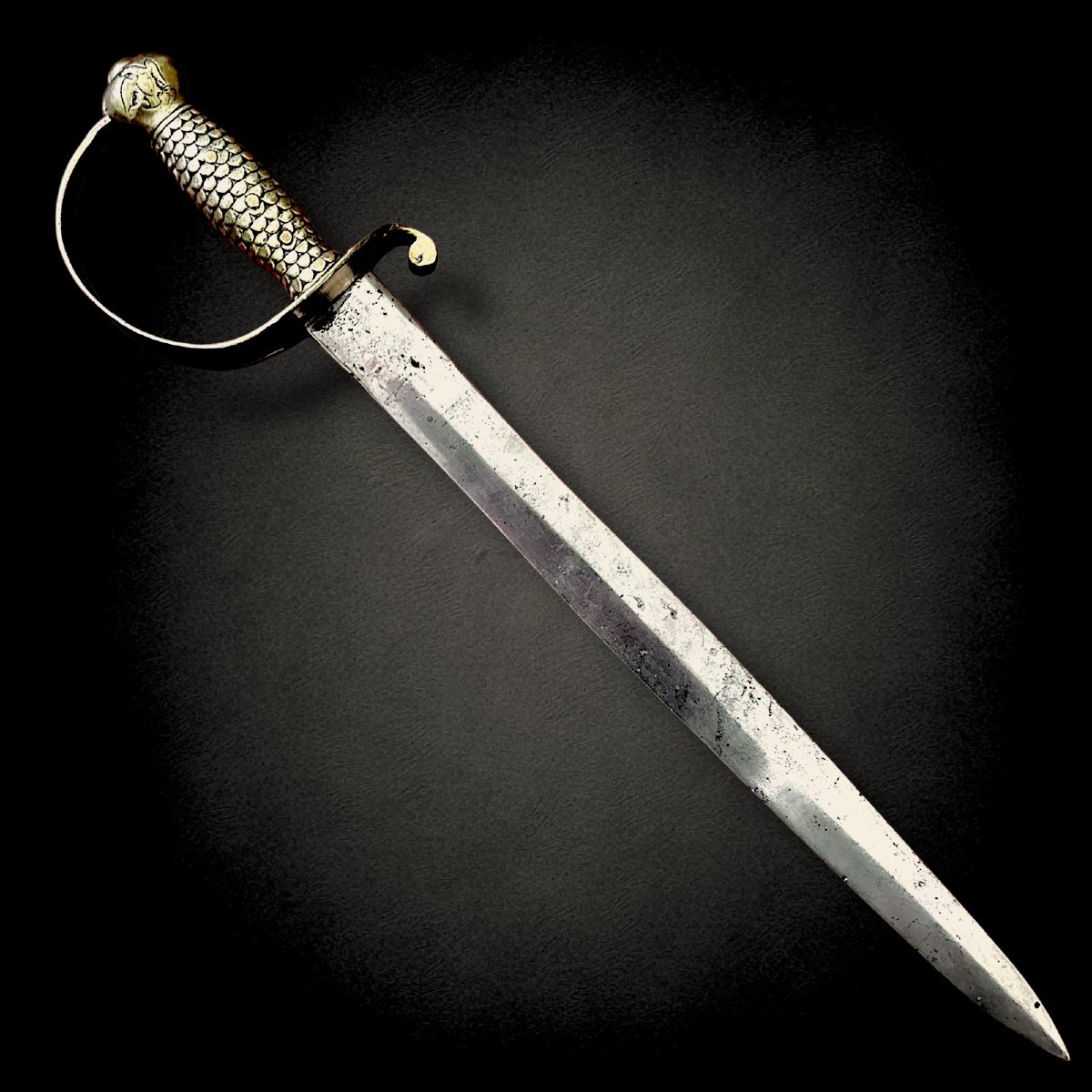
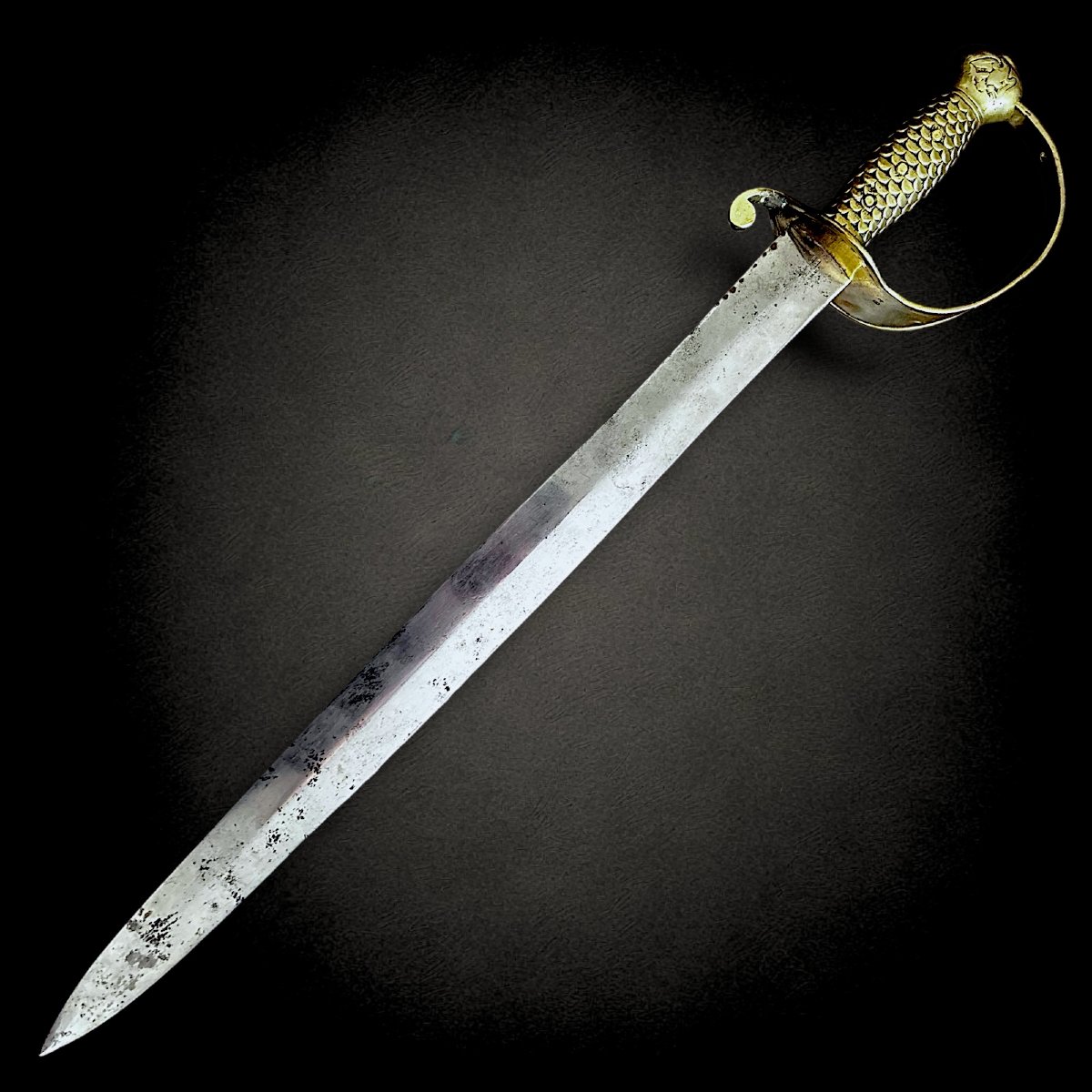
Ames pattern is based on the M1832/3 army short sword. Both have short, wide, straight, double-edged blades with slight wasp waist and the grips and pommels use the same or a similar mold: the grip has scales (or feathers in some interpretations) and is secured by three rivets, and the pommel is cast with an eagle on either side. The cutlass blade differs, however, in having a median ridge without fullers and the guard offers greater protection to the hand, using knuckleguard formed from a flat piece of brass with reinforced edge, descending from the pommel and widening to form a counterguard around the blade with a quillon terminating in a disk. They were formidable weapons intended not only for hand-to-hand combat, but the necessary preliminary of cutting through enemy anti-boarding nets just to get to close quarters in boarding an enemy vessel.
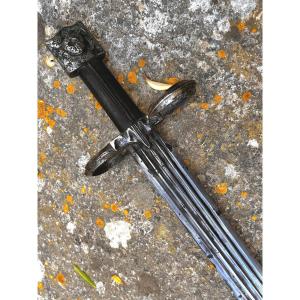
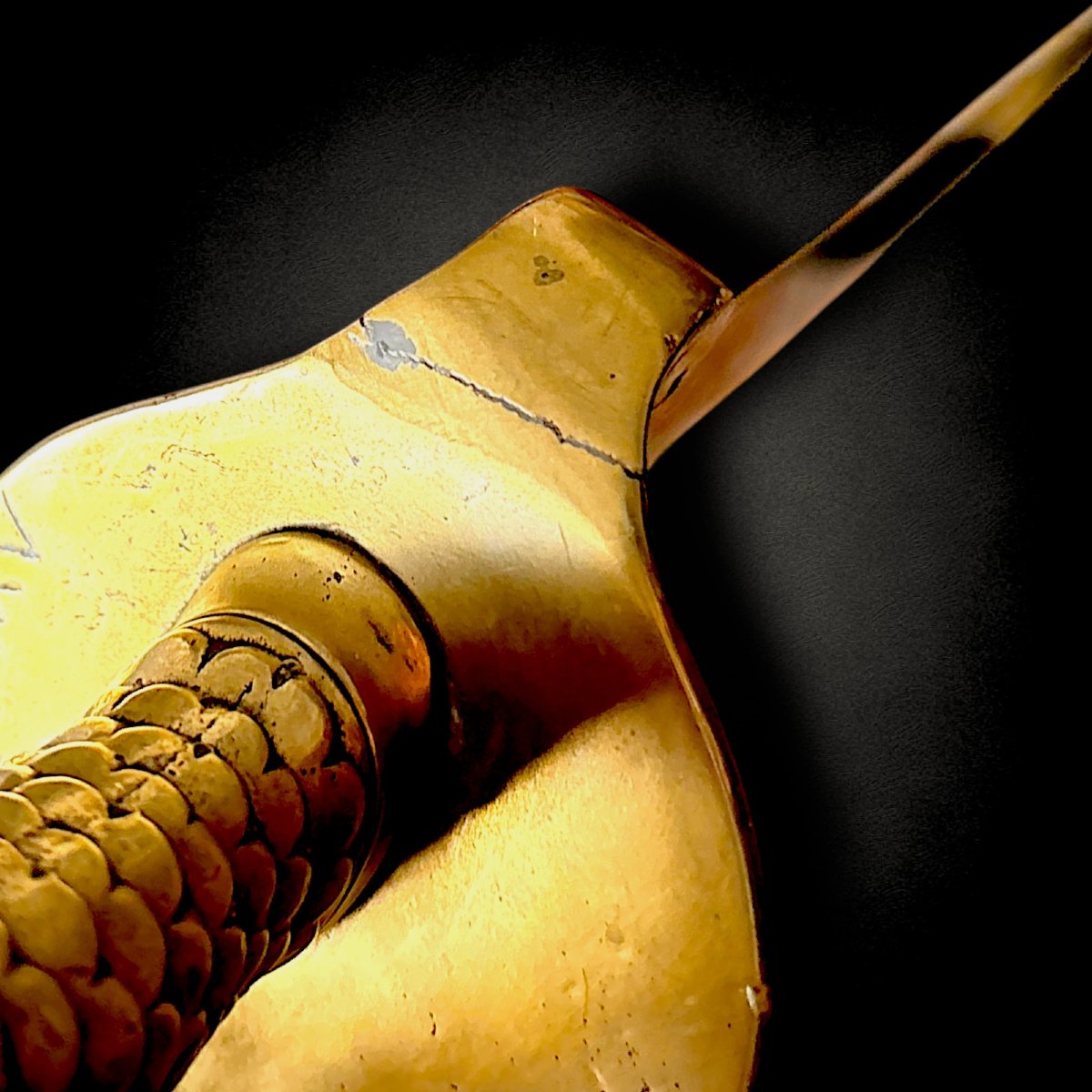
These usually show long and hard shipboard use. This one rates great for condition, with both hilt and blade showing smooth metal, bright, but not recently cleaned, and showing good detail to the eagle on both sides of the pommel, blade markings and rack number on the guard.
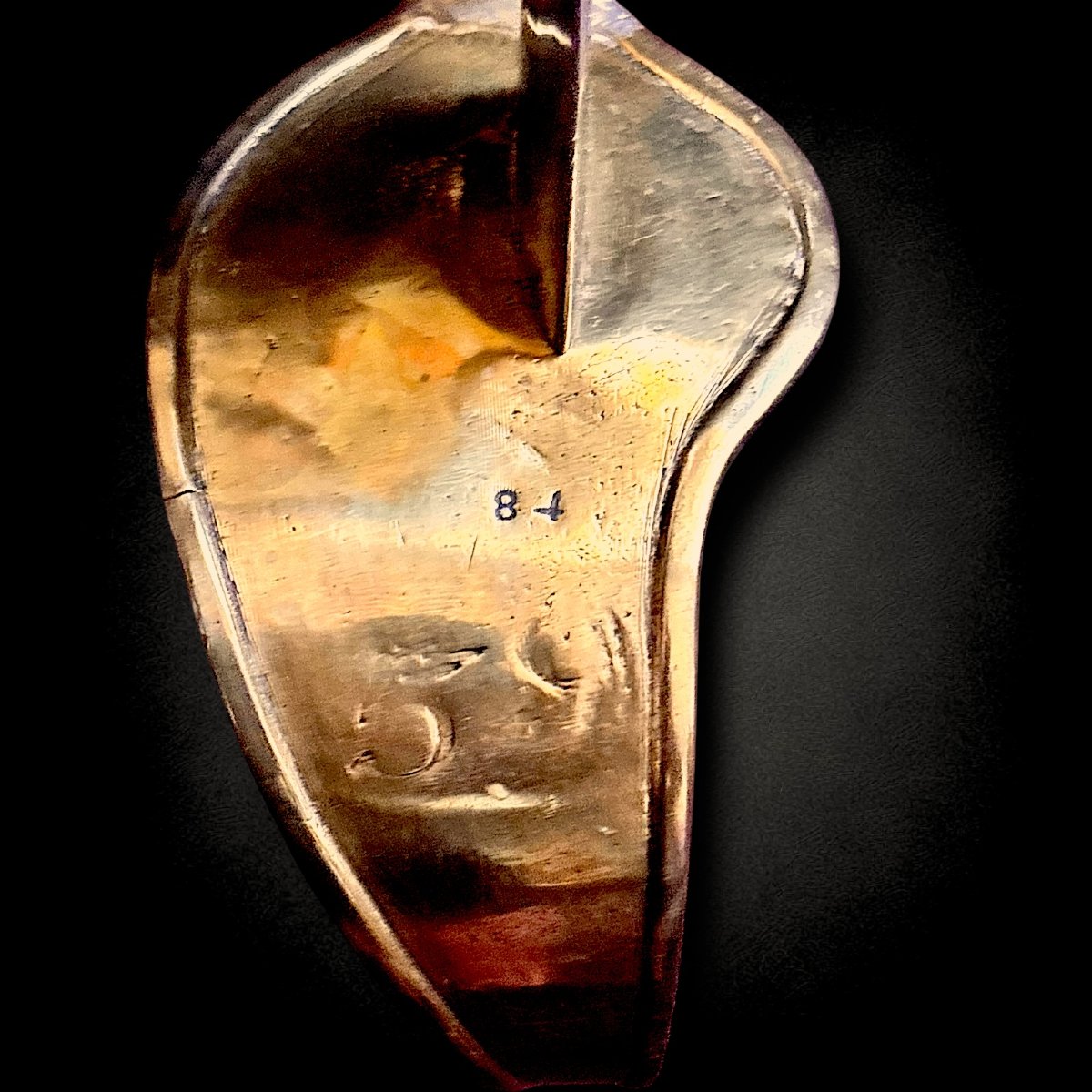
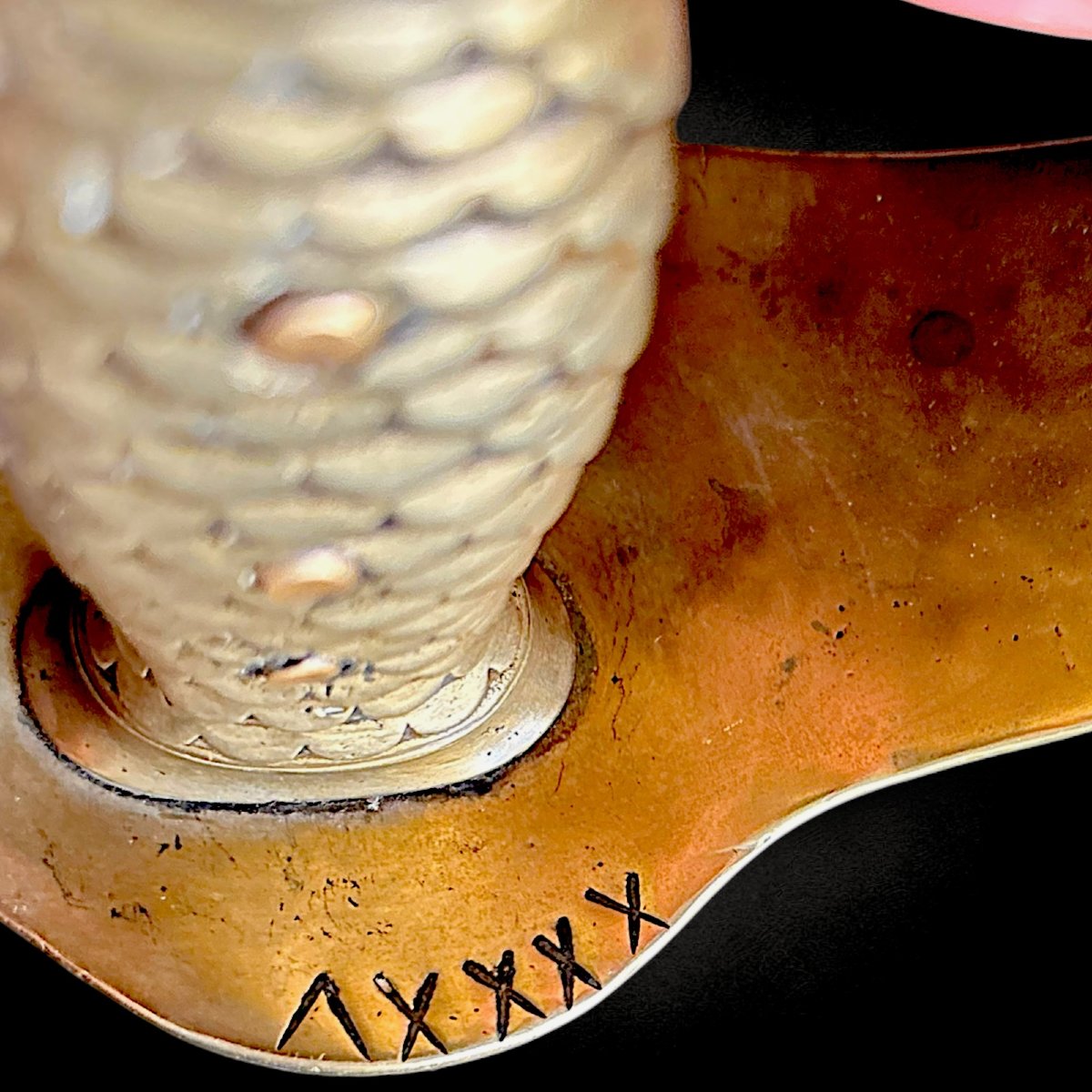
The inside of the reverse counterguard has been stamped with a small Roman numeral “XXXXV” using a small chisel or similar tool to make the numerals, clearly a rack number. The outside of the guard is marked with a “59” and “8+”.
These early M1841 cutlasses bear no inspector marks on the blade or the hilt (on later production inspector initial appear on the quillon disk- these show no sign of ever being marked. The quillon disk also show extensive signs of trauma, this coupled with the nicks and use of the blade are a good indication is saw extensive use.
Specifications:
Length 67 cm
This very desirable USN Naval cutlass, likley from 1842, the model matches the first year of production.
The 1841 U.S. Navy cutlasses are scarce. Only 6,600 of them were made from 1842 through 1846. Ames sent three cutlasses of slightly different configuration to the Board of Naval Ordnance in November 1841. The Navy selected this pattern and a contract for 3,000 was signed late in 1841 or very early in 1842, with delivery of the first 500 made in March 1842, another 1,000 by May, and the remaining 1,500 before the end of the year.
Ames pattern is based on the M1832/3 army short sword. Both have short, wide, straight, double-edged blades with slight wasp waist and the grips and pommels use the same or a similar mold: the grip has scales (or feathers in some interpretations) and is secured by three rivets, and the pommel is cast with an eagle on either side. The cutlass blade differs, however, in having a median ridge without fullers and the guard offers greater protection to the hand, using knuckleguard formed from a flat piece of brass with reinforced edge, descending from the pommel and widening to form a counterguard around the blade with a quillon terminating in a disk. They were formidable weapons intended not only for hand-to-hand combat, but the necessary preliminary of cutting through enemy anti-boarding nets just to get to close quarters in boarding an enemy vessel.
These usually show long and hard shipboard use. This one rates great for condition, with both hilt and blade showing smooth metal, bright, but not recently cleaned, and showing good detail to the eagle on both sides of the pommel, blade markings and rack number on the guard.
The inside of the reverse counterguard has been stamped with a small Roman numeral “XXXXV” using a small chisel or similar tool to make the numerals, clearly a rack number. The outside of the guard is marked with a “59” and “8+”.
These early M1841 cutlasses bear no inspector marks on the blade or the hilt (on later production inspector initial appear on the quillon disk- these show no sign of ever being marked. The quillon disk also show extensive signs of trauma, this coupled with the nicks and use of the blade are a good indication is saw extensive use.
Specifications:
Length 67 cm
850 €
Period: 19th century
Style: Other Style
Condition: Excellent condition
Material: Metal
Length: 67 cm
Reference (ID): 1667451
Availability: In stock
Print