

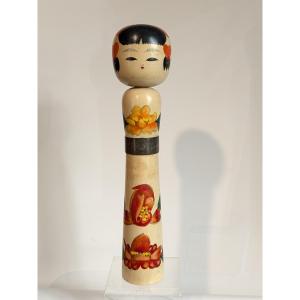


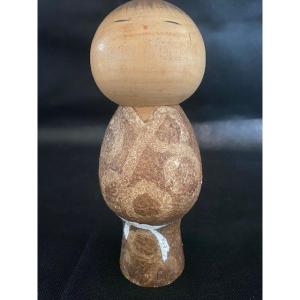
"Kokeshi Doll By Susumago (1908-1984) #909"
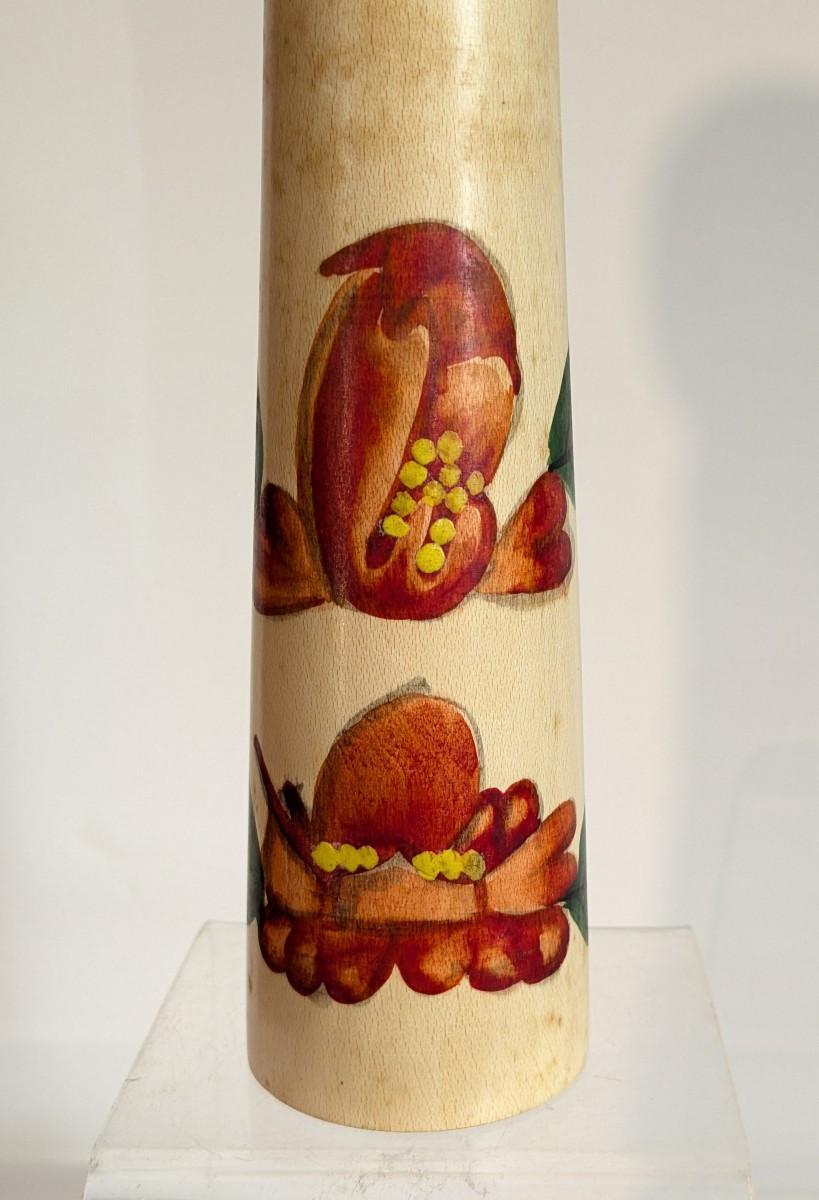
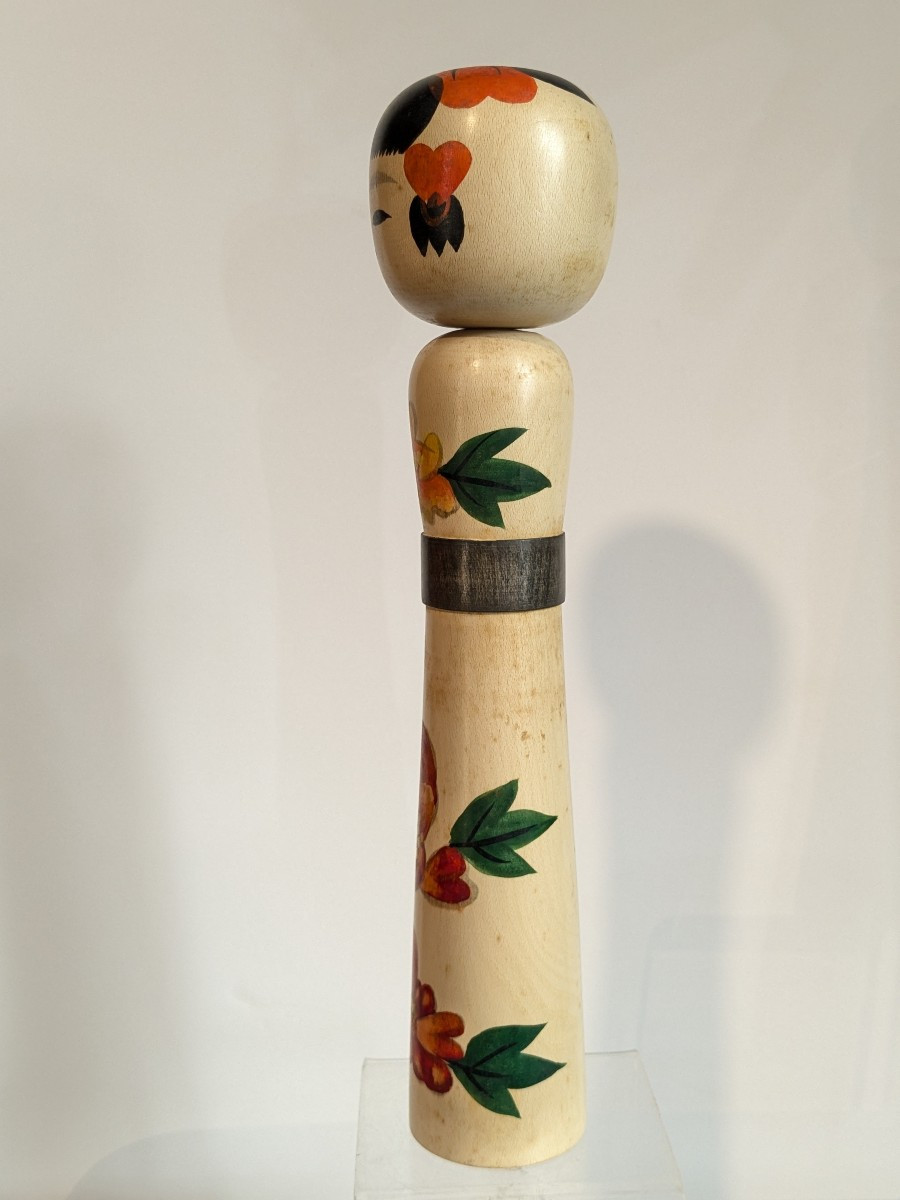
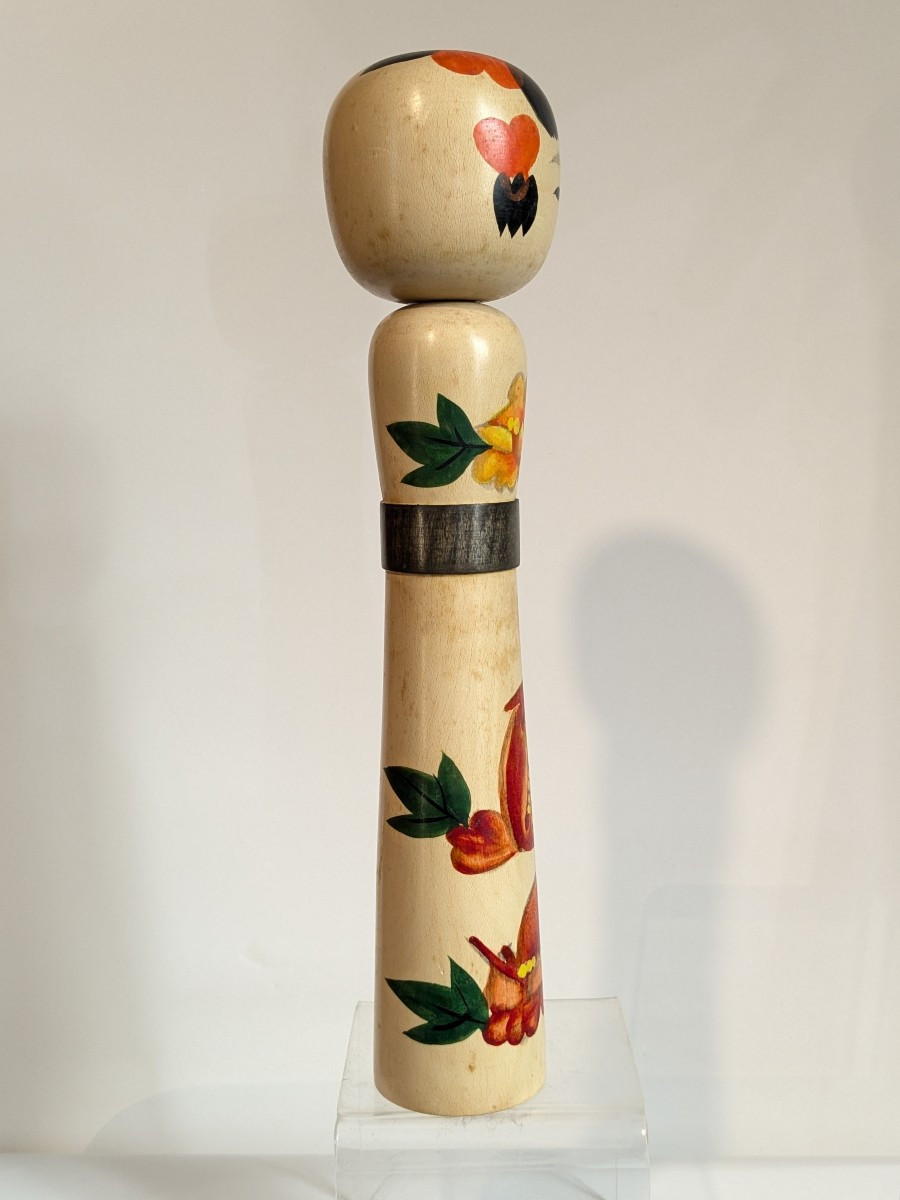
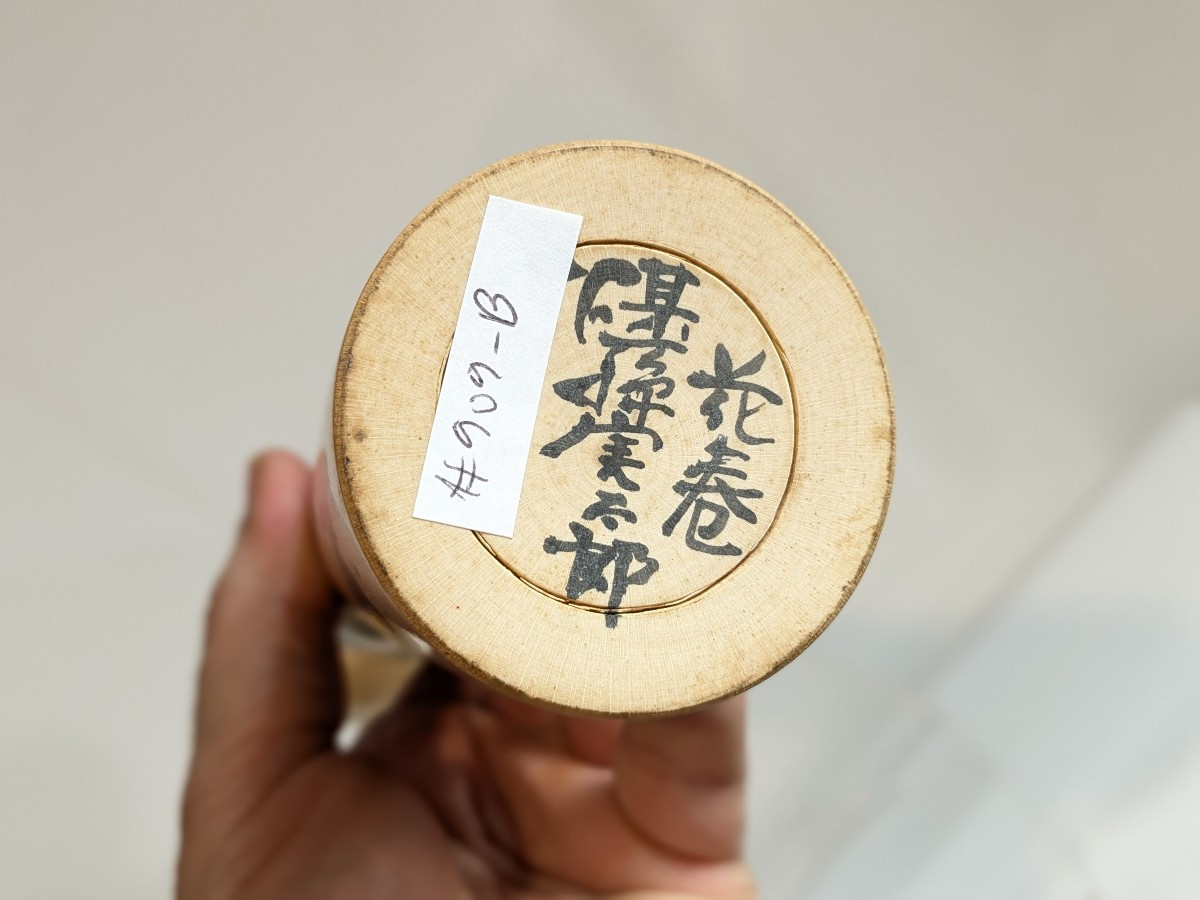
This doll, made by the artisan Susumago, is characterized by its high-waisted obi. Its head bobs ("donko," by analogy with a newborn baby who cannot hold its head up). The style is called "kinakina," referring to baby pacifiers. This particular model, with its decoration, dates from 1955-1965, a period during which his wife painted them. An illustrated biographical note about kokeshi dolls and the artisan will be provided to the buyer. Regarding kokeshi dolls: they appeared in the 1820s-1840s (late Edo period). Originally, they were made from scrap wood by artisans and farmers and sold to townspeople. They were toys for little girls, given as tokens of love or friendship, or symbolized the desire for a healthy child. The doll embodies a Shinto connection with nature (forest/wood/landscape). They embody modesty, discretion, femininity, the feminine ideal. Their chignon is an evocation of Buddha. 












 Le Magazine de PROANTIC
 TRÉSORS Magazine
 Rivista Artiquariato