THIS OBJECT WAS SOLD
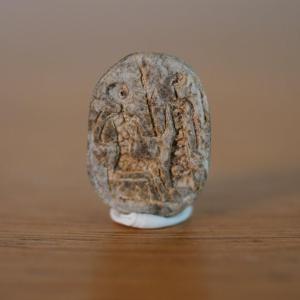
Old Babylonian Terracotta Tablet With Erotic Scene, 2100-1600 Bce.




Babylonian Terracotta Tablet with Erotic Scene, 2100 BCE - 1600 BCE
Terracotta, 9.7 x 9.4 cm, height including stand 13 cm
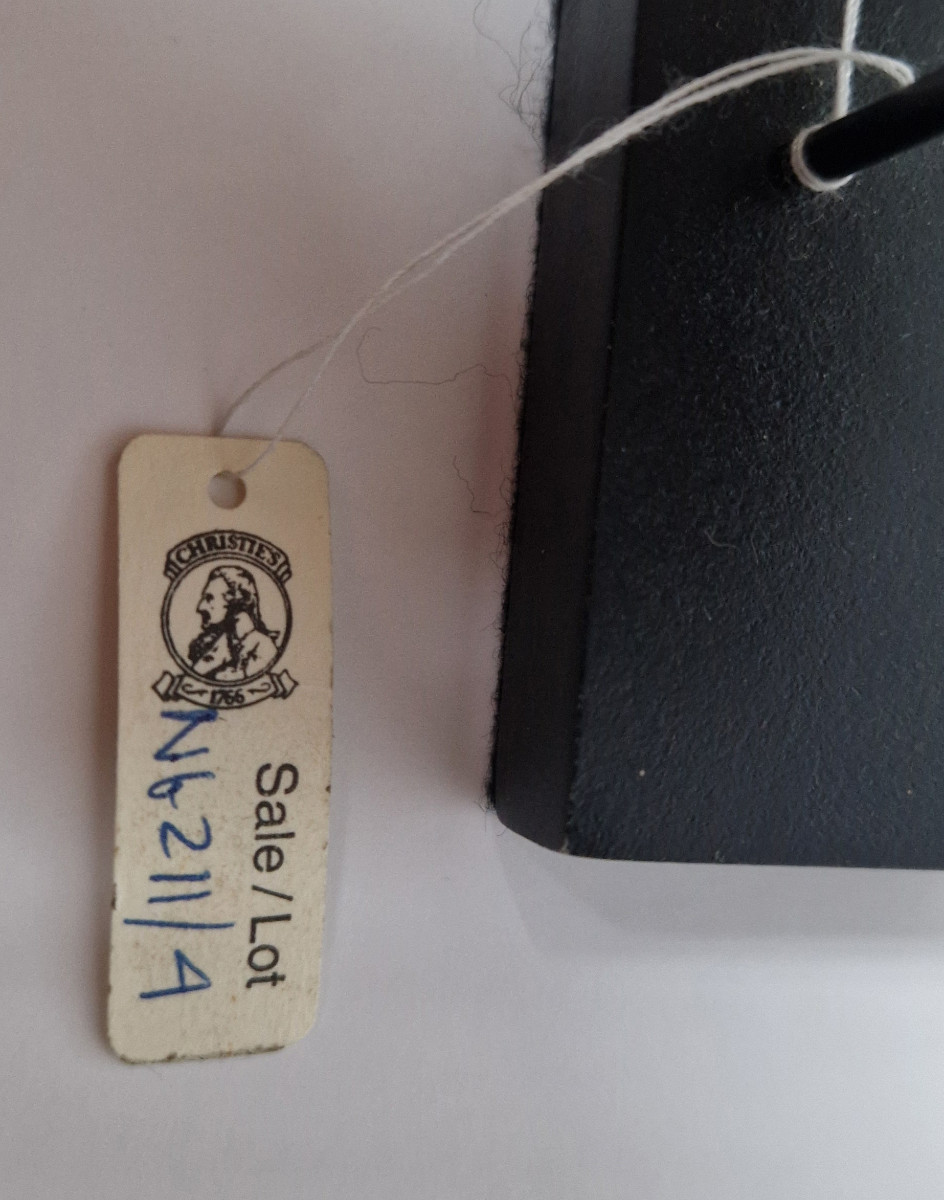
Provenance: auction Christie’s, New York, 8 June 2001, lot 337, reproduced (sold US$ 2820); since then private collection, The Netherlands
*
The Old Babylonian period describes south Mesopotamia in the period about 2000-1600 BC. The early years saw a number of important states dominating the region: Isin, Larsa, Eshnunna and, from 1894 BC, Babylon. Babylon was ruled by a dynasty of Amorite kings. The sixth ruler was Hammurapi, who defeated the other southern states and expanded his control into north Mesopotamia. On the death of Hammurapi the empire gradually shrank over about 150 years. Nonetheless, Babylon remained an important power until it was sacked by the Hittite king, Mursili I, in about 1595 BC. During the Old Babylonian period literary activity flourished with scribes composing and recording religious, poetic and 'scientific' works in Sumerian and Akkadian cuneiform. Perhaps the most famous monument is the stele of Hammurapi, now in the Musée du Louvre, Paris.
Ceramic plaques of this sort were mass- produced from moulds and represent a form of art available to a wide audience. The casting of plaques was a simple and inexpensive way to produce relief images, since numerous plaques could be made from a single mold. They have been excavated in temples as well as household shrines in private homes. Their subject matter varies widely, including religious images, mythological and erotic scenes, and representations of rulers and gods. The present scene with a man penetrating a woman from behind is particularly evocative and may have been used as an offering to the gods to increase fertility.
Shipping in Europe: EUR 25
Terracotta, 9.7 x 9.4 cm, height including stand 13 cm
Provenance: auction Christie’s, New York, 8 June 2001, lot 337, reproduced (sold US$ 2820); since then private collection, The Netherlands
*
The Old Babylonian period describes south Mesopotamia in the period about 2000-1600 BC. The early years saw a number of important states dominating the region: Isin, Larsa, Eshnunna and, from 1894 BC, Babylon. Babylon was ruled by a dynasty of Amorite kings. The sixth ruler was Hammurapi, who defeated the other southern states and expanded his control into north Mesopotamia. On the death of Hammurapi the empire gradually shrank over about 150 years. Nonetheless, Babylon remained an important power until it was sacked by the Hittite king, Mursili I, in about 1595 BC. During the Old Babylonian period literary activity flourished with scribes composing and recording religious, poetic and 'scientific' works in Sumerian and Akkadian cuneiform. Perhaps the most famous monument is the stele of Hammurapi, now in the Musée du Louvre, Paris.
Ceramic plaques of this sort were mass- produced from moulds and represent a form of art available to a wide audience. The casting of plaques was a simple and inexpensive way to produce relief images, since numerous plaques could be made from a single mold. They have been excavated in temples as well as household shrines in private homes. Their subject matter varies widely, including religious images, mythological and erotic scenes, and representations of rulers and gods. The present scene with a man penetrating a woman from behind is particularly evocative and may have been used as an offering to the gods to increase fertility.
Shipping in Europe: EUR 25
Explore similar pieces and discover your ideal find:
archeology