THIS OBJECT WAS SOLD
Mania Mavro (1889-1969) Farms In Malleret, Creuse. Crozant School, Ukraine, Russian, Guillaumin
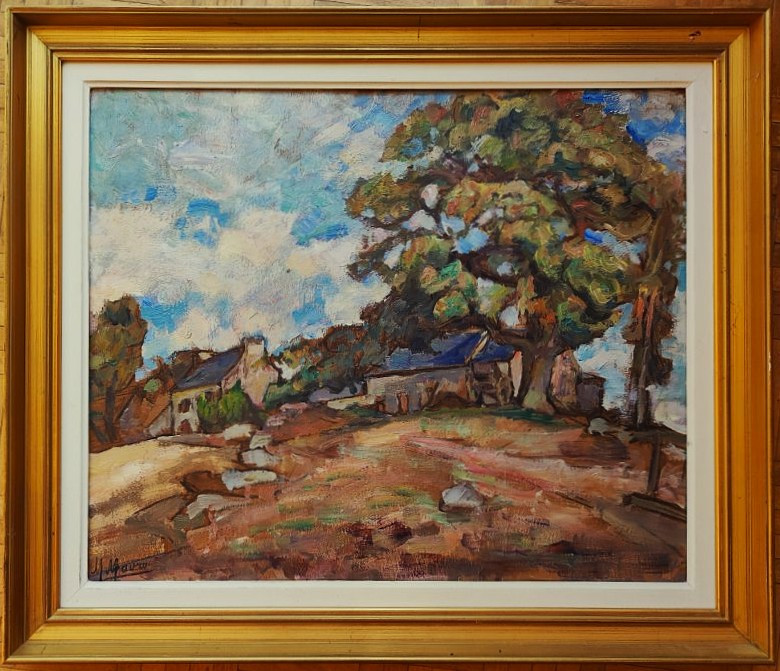
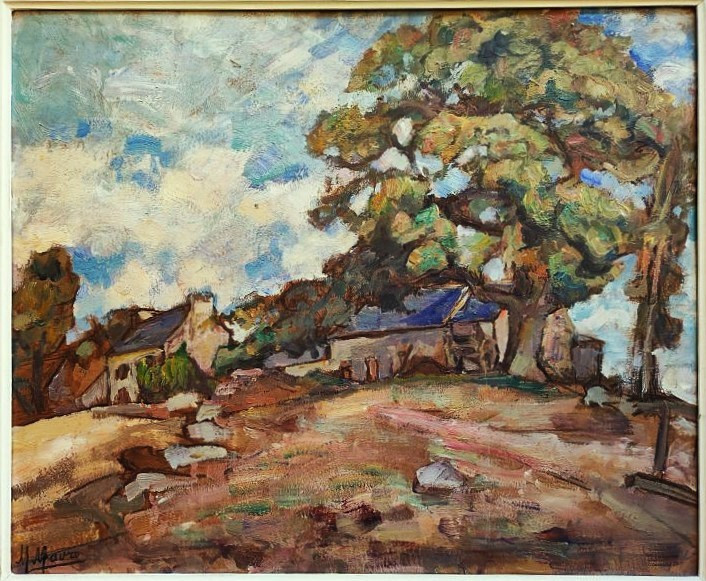
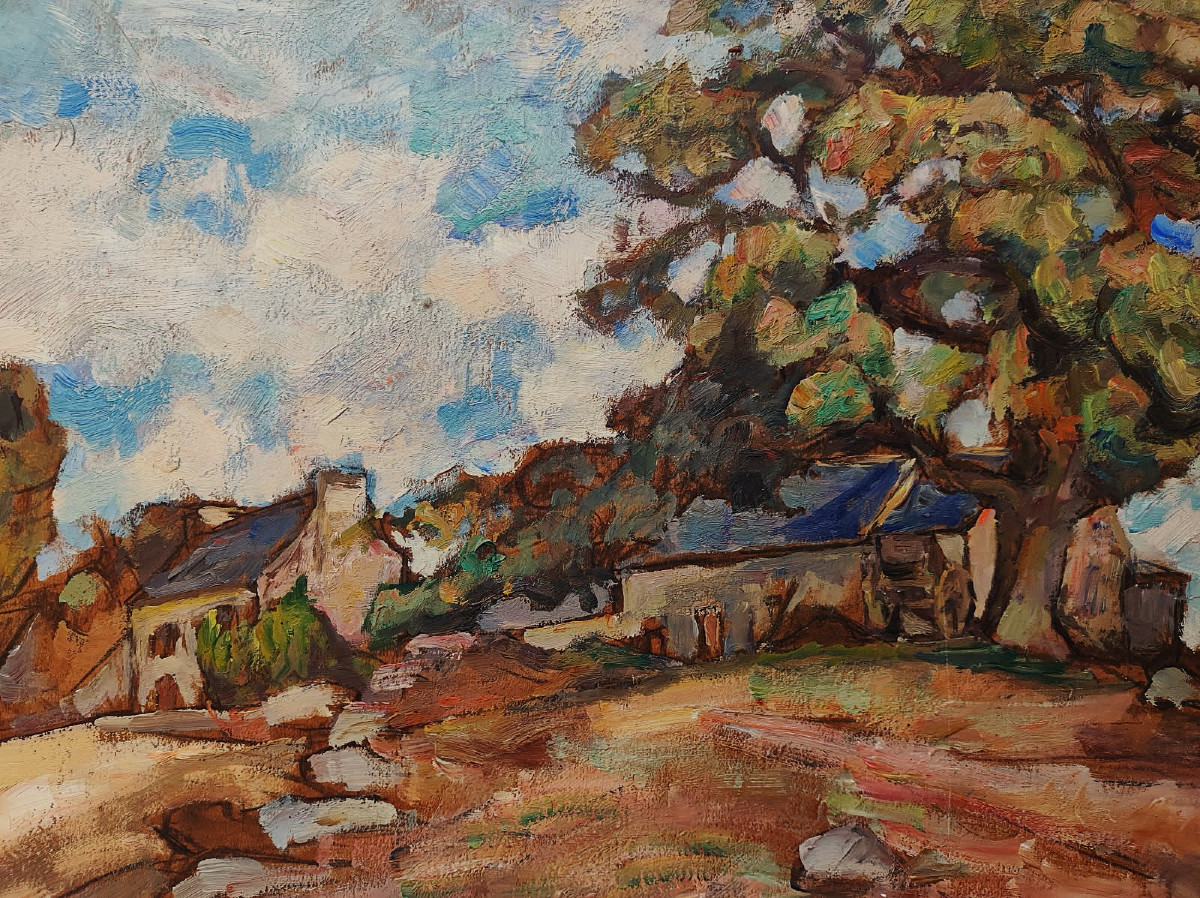
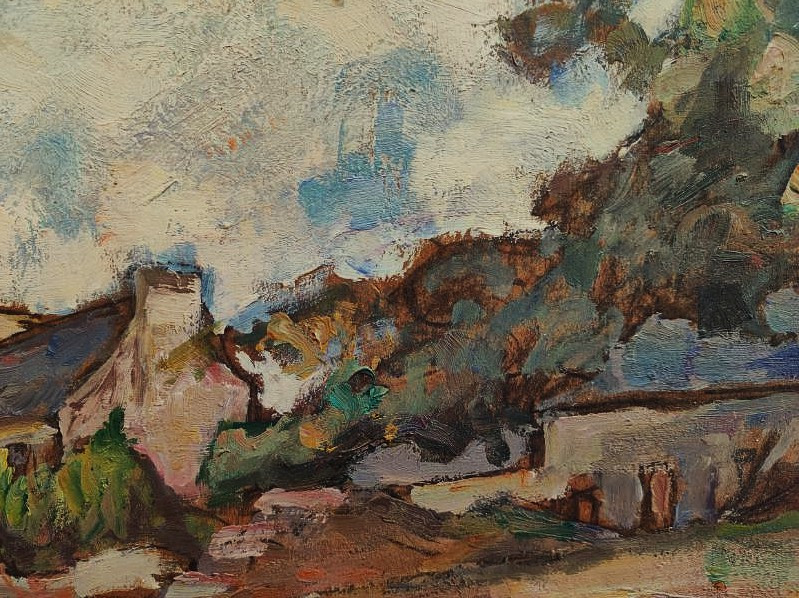
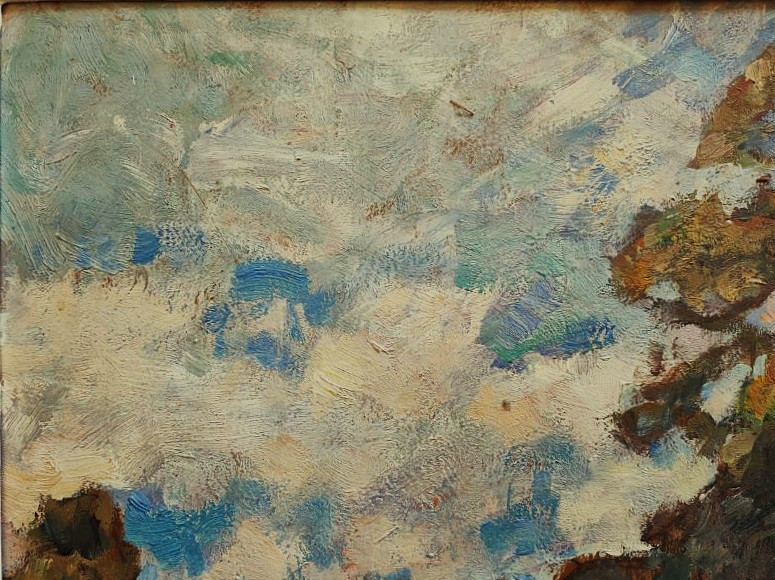
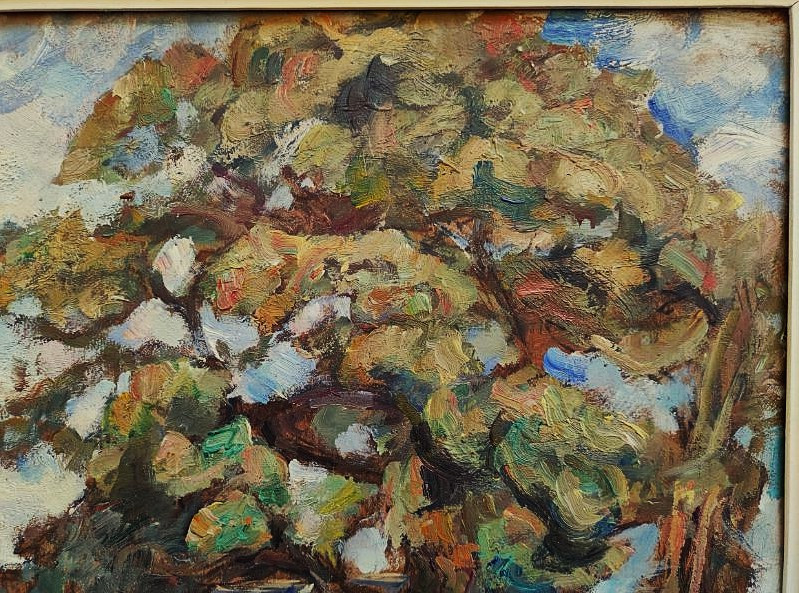
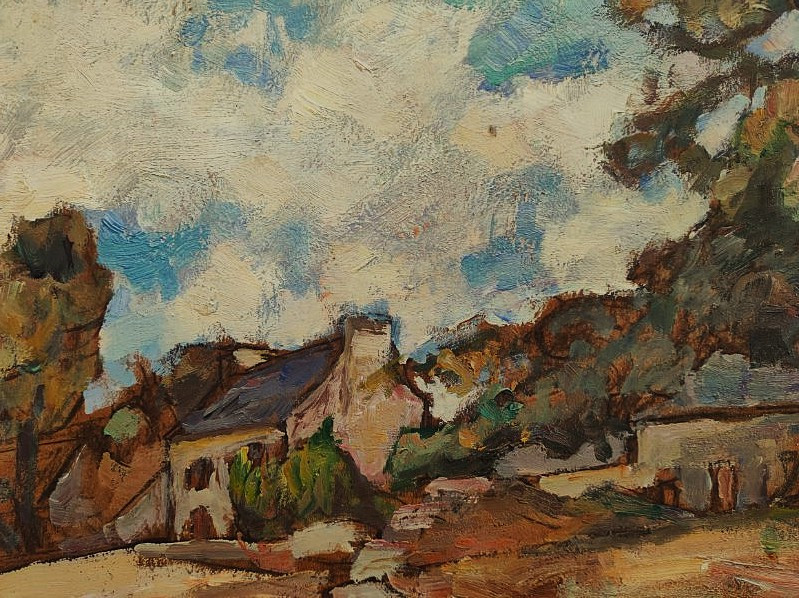
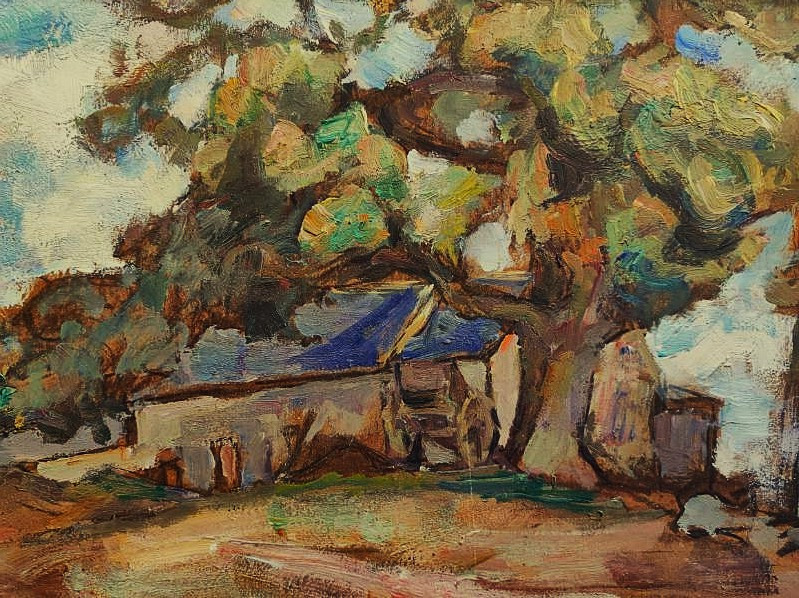
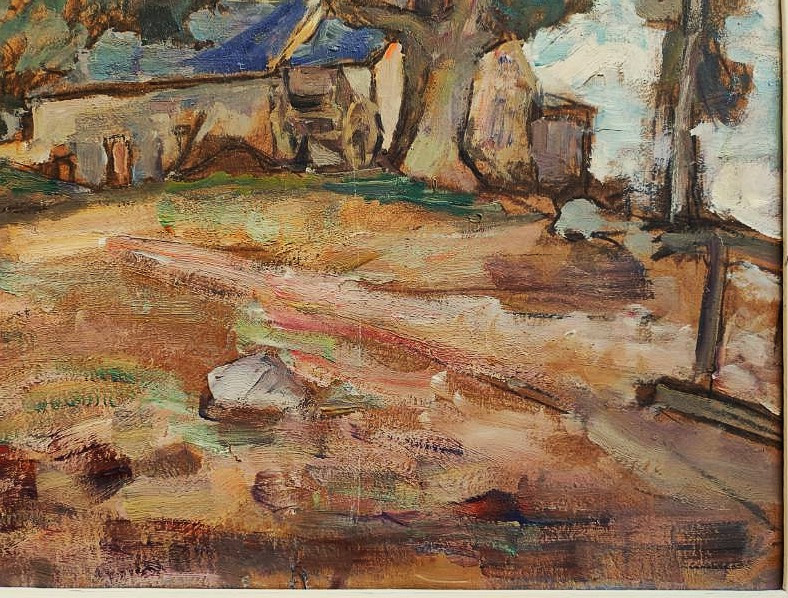
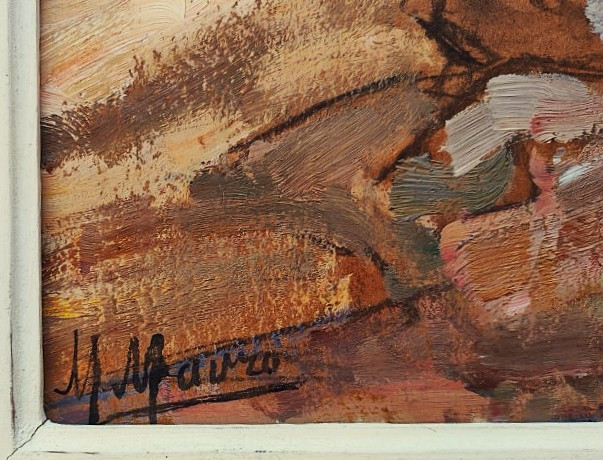
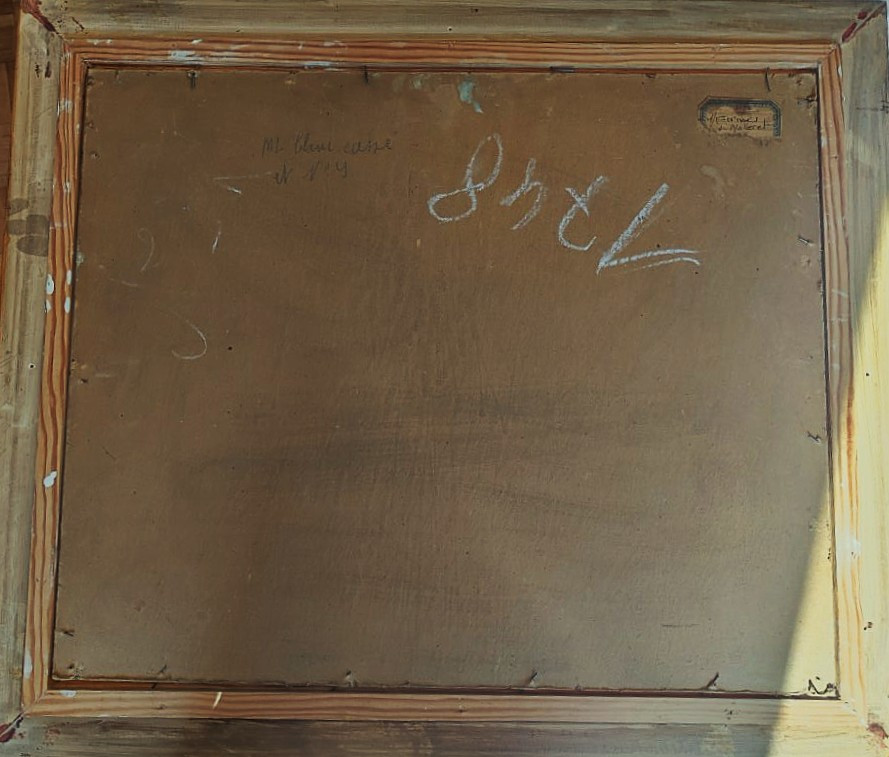
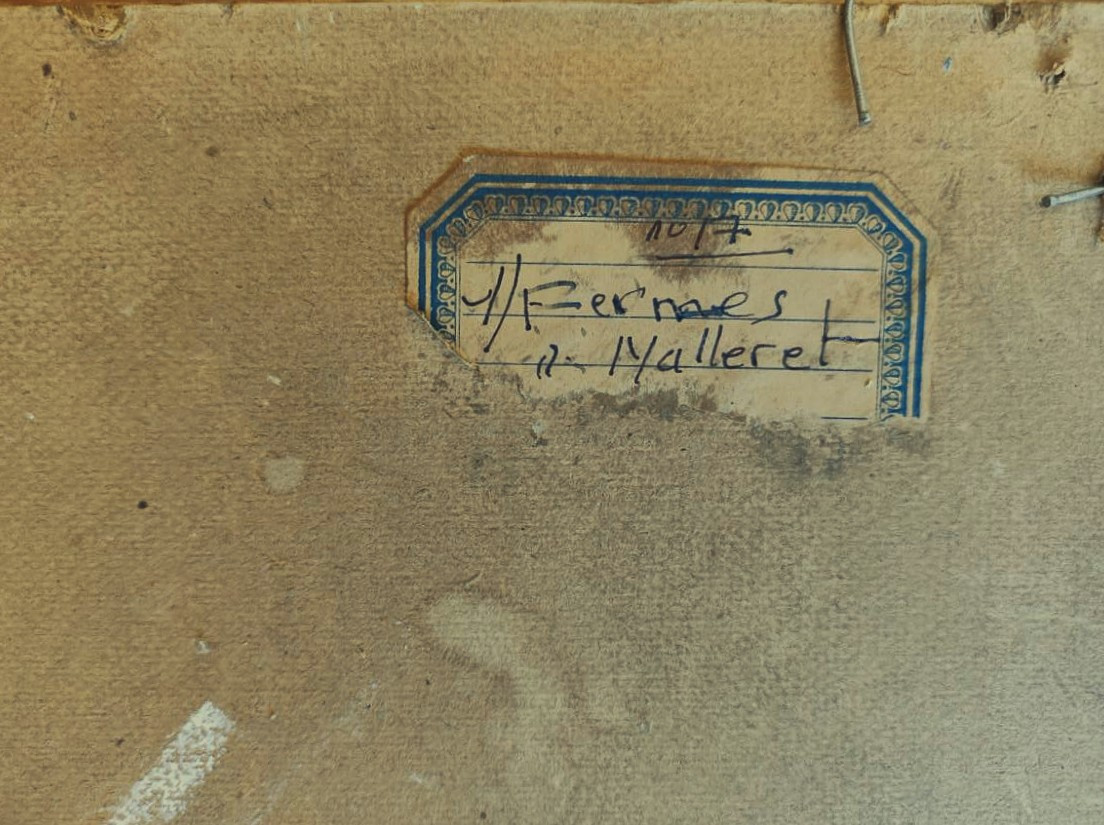


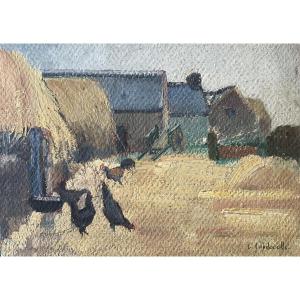
5 000 / 5 000 SUPERB oil on cardboard by Mania Mavro which represents farms in a landscape near an old oak tree, signed lower left, titled on the back "Fermes à Malleret" Size of the painting alone without frame 50x60cm This is therefore a magnificent expressionist composition by Mania Mavro who paints here a group of old farms near an oak tree, located on the back Malleret which is located in Creuse, not in the Creuse valley where the artist painted a lot, but slightly further south, towards La Courtine. We immediately recognize her very typical style, obviously close to the school of Paris (Krémègne, Soutine, Kikoïne, Chagall....) but also close to the school of Crozant of which she was part, being particularly close to Guillaumin. Her touch is powerful, her palette typical with mauves, greens, browns, oranges, sky blue... Surely one of the two best female painters of the Crozant school with Clémentine Ballot, then come Suzanne Léger, Mahout, Christauflour or Villoutreix. Born in Odessa, then part of the Russian Empire (today Ukraine), and later settled in France, Mania Mavro established herself at the beginning of the 20th century as a unique figure on the French art scene. Active at 14 Cité Falguière in 1913 and 1914, she began to exhibit in 1911 in several prestigious salons including the Salon des Indépendants, the Salon des Tuileries and the Exposition des Amis des Arts. Her powerful style, often described as "masculine", stood out in an artistic world still dominated by men. Far from the stereotypes then associated with “women’s painting,” Mania Mavro was noted for being “surprisingly stripped of everything that makes painting “womanly.” Her works, like her words, kept their distance from any saccharine or conventional sentimentality. One account from the time depicts her thus: “She climbs in clogs, as autumn yields to winter, through the gorge of the Creuse, to go, despite the frost, and capture the raw beauty of the earth and the stream, where rushing waters flow.” Although the relevance of artistic expression in terms of masculinity versus femininity is rightly open to criticism, it is telling that Mavro managed to escape the condescension so often directed at women artists of her time—not only through her choice of subjects, but more importantly through the strength of her execution. In this way, she carved out a place for herself in an art world that was largely reluctant to recognize the artistic legitimacy of women. Her landscapes of Brittany, Creuse, Italy, and Corsica are imbued with a lively, almost audible energy, as the critic Gustave Kahn notes. Her brush captures the movement of water, dramatic changes in the sky, and subtle modulations of light. Her emotional response to nature is expressed through a dense, sometimes vehement pictorial texture and a formal structure reminiscent of stained glass: bold contours, luminous colors, and a synthesis of volume. Portraits, nudes, figures, and still lifes constitute essential pillars of her oeuvre. In these works, she demonstrates a rare expressive intensity: the bodies and faces, never idealized, are imbued with a sculptural presence and an inner emotional truth. Several critics have noted her ability to distill forms with striking precision, endowing them with a dynamic force that animates the composition. These qualities are particularly evident in her 1936 watercolor, Bulgarian Dancer. The contemporary press often drew comparisons with Cézanne, Gauguin, and Rodin, while also evoking a certain “Slavic reflectiveness” meant to reflect the melancholic soul of Oriental artists. A 1924 article in Le Cri de Paris described her as “frail, light, lugubrious,” a striking contrast to the ardent, vigorous, and resolute nature of her painting. Mania Mavro exhibited at many of the leading Parisian galleries of the time, such as the Galerie Georges Petit, the Galerie André, and the Galeries Bernheim-Jeune. In 1920, the journal L’Art et les Artistes recognized in this “young Russian artist” a rare vitality and a clear “strength of will.” A decade later, Le Quotidien hailed one of her exhibitions as “first-rate,” highlighting the supple yet vehement quality of her work—rich in intensity and expressive force. She also passed on her knowledge through teaching, notably to one J. Pouce, whom critics later acknowledged was heavily influenced by her teaching. She was married to the illustrator Jean Saurel, known under the pseudonym Jehan Testevuide (“Empty Head”), who died in 1922. Their daughter, Jacqueline Saurel, known as “Linette,” had a degree in philosophy and died prematurely in 1945.
Explore similar pieces and discover your ideal find:
Landscapes
![[brittany Finistere Quimper Hsp] Cabins (louis-françois) - Port De Concarneau.](https://www.proantic.com/galerie/galerie-babel/img/small/454902-1.jpg)