



Antoine Duclaux, Miniature Empire Period, Woman With Earring, Early 19th Century
Artist: Antoine Duclaux (1783-1868)
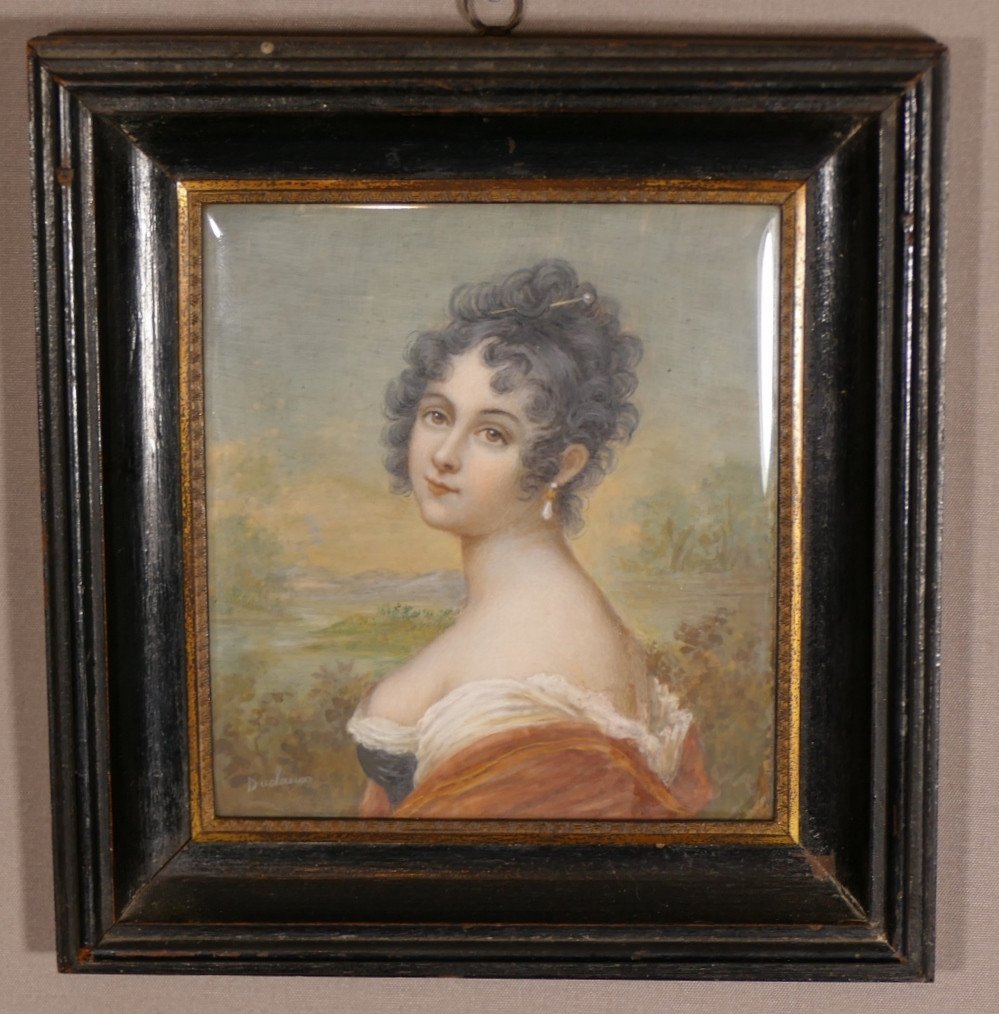
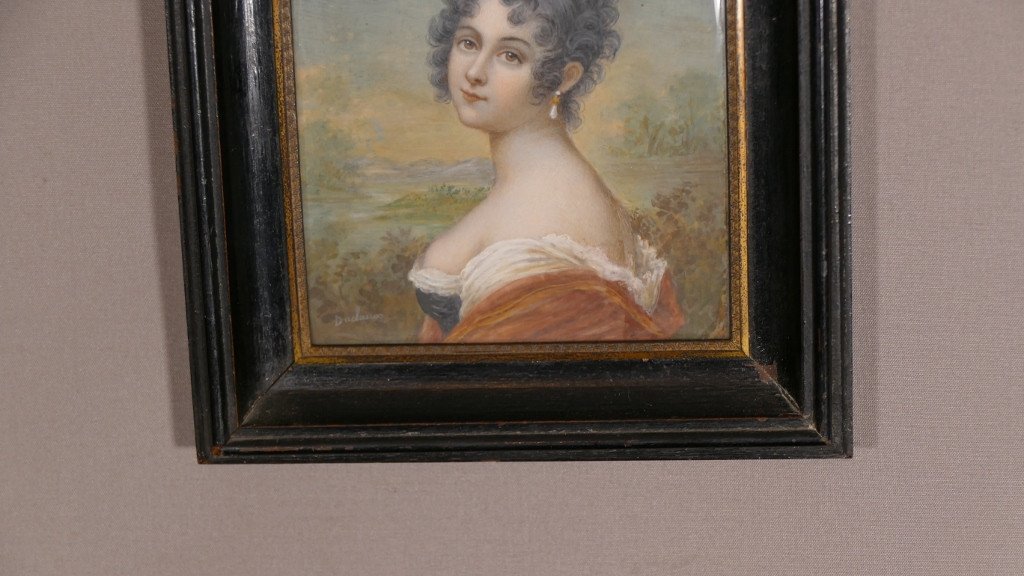
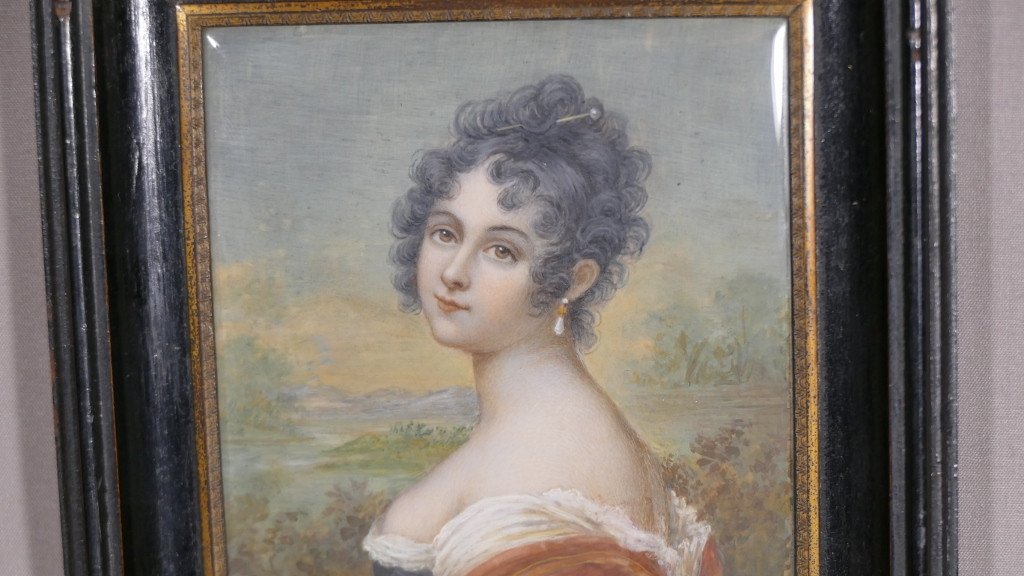
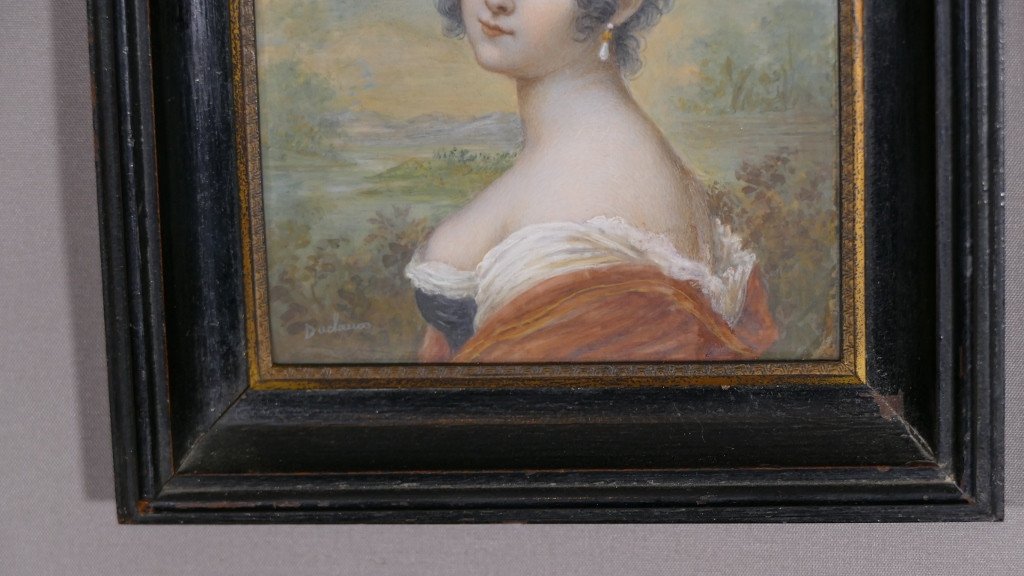
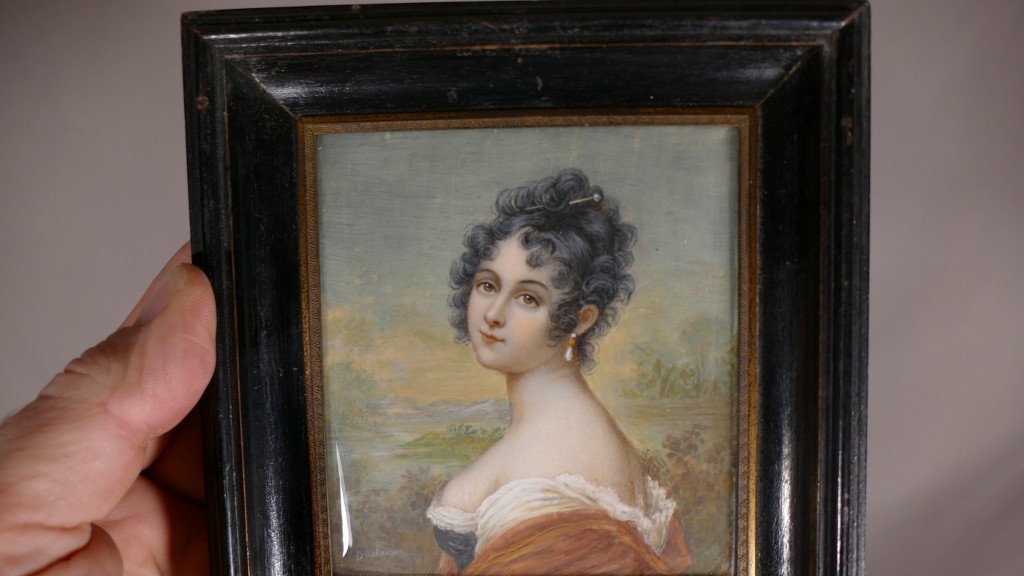
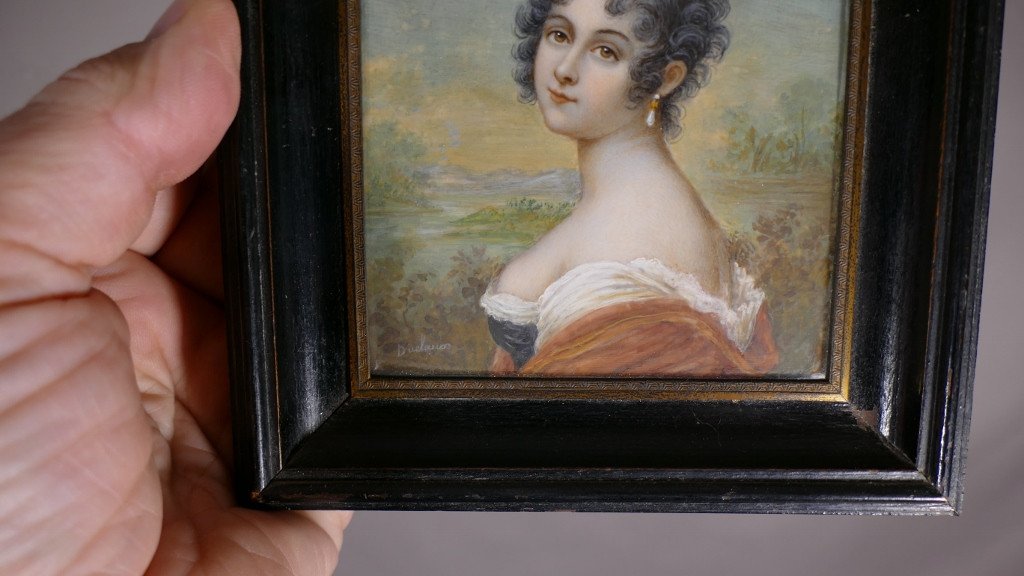
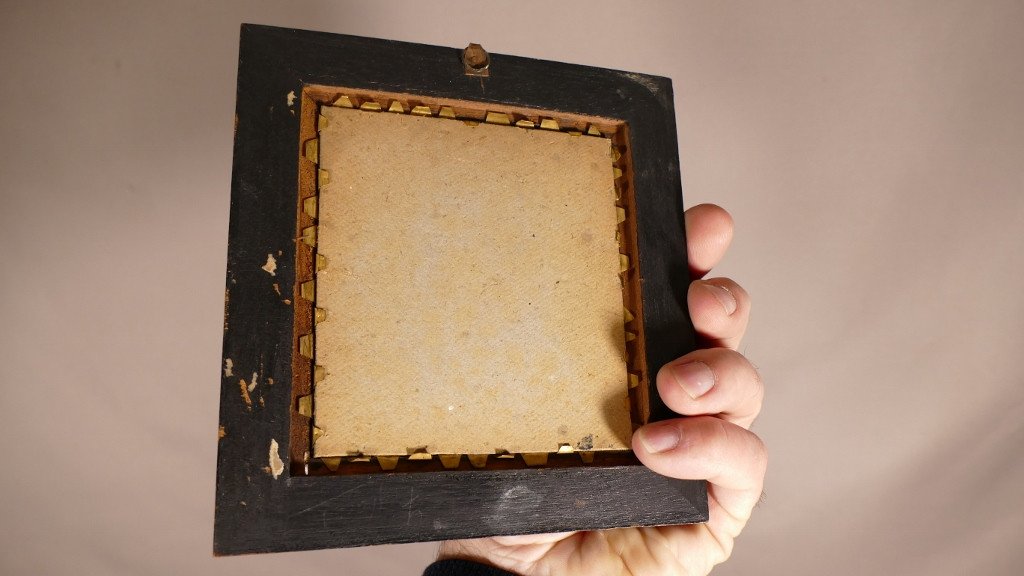
Charming miniature painted in gouache representing the portrait of a young woman at the very beginning of the 19th century dressed in the transition from Directoire and Empire fashion. She wears a very low-cut dress revealing the roundness of her chest, she wears curly hair tied with a hairpin at the end of pearl and wears a hanging pearl earring. Work signed Duclaux for the painter of the school of Lyon Antoine Duclaux (1783-1868). Blackened frame. Period early 19th century. Delivery 14 euros in France, 25 euros in the EU and 50 euros rest of the world.
According to Wikipedia: Under the Terror, the Duclaux family is persecuted and expelled from Lyon1. She took refuge in Burgundy, in Charrecey, where she owned the Chandeluxnote 2 estate. She lived there quite miserably and had to resort to the charity of her winegrowers. Several relatives of the Duclaux were guillotined and shot in the Lyonnais. We understand that the painter's youth, darkened by the alienation of his father, the death of his two brothers, the massacres of Lyons and the lack of money, marked his character with a certain disenchantment often tinged with irony. His mother does not envisage that her only surviving son can devote his life to painting. In 1800, she brought him into a trading house, but this did not meet the young man's aspirations. Around 1805, he had the opportunity to leave for Naples as secretary to General Fursy Compère. He may have met the latter during the First Consul's visit to Lyon, to whom he would have offered the first known painting by Duclaux, representing a horse. He spent two years at the Court of Joseph Bonaparte where his talent as a draftsman asserted itself. During his stays in his country house in Vourlesnote 3, between 1830 and 1850, and at the Moncorin manor house with his cousin Léonard-Alexandre Olphe-Galliard2, he engraved, drew and painted landscapes of the village and its surroundings. Antoine Duclaux is buried in Lyon in the Loyasse cemetery, in the Testenoire chapel, where the sculptor Joseph Fabisch is also buried.
According to Wikipedia: Under the Terror, the Duclaux family is persecuted and expelled from Lyon1. She took refuge in Burgundy, in Charrecey, where she owned the Chandeluxnote 2 estate. She lived there quite miserably and had to resort to the charity of her winegrowers. Several relatives of the Duclaux were guillotined and shot in the Lyonnais. We understand that the painter's youth, darkened by the alienation of his father, the death of his two brothers, the massacres of Lyons and the lack of money, marked his character with a certain disenchantment often tinged with irony. His mother does not envisage that her only surviving son can devote his life to painting. In 1800, she brought him into a trading house, but this did not meet the young man's aspirations. Around 1805, he had the opportunity to leave for Naples as secretary to General Fursy Compère. He may have met the latter during the First Consul's visit to Lyon, to whom he would have offered the first known painting by Duclaux, representing a horse. He spent two years at the Court of Joseph Bonaparte where his talent as a draftsman asserted itself. During his stays in his country house in Vourlesnote 3, between 1830 and 1850, and at the Moncorin manor house with his cousin Léonard-Alexandre Olphe-Galliard2, he engraved, drew and painted landscapes of the village and its surroundings. Antoine Duclaux is buried in Lyon in the Loyasse cemetery, in the Testenoire chapel, where the sculptor Joseph Fabisch is also buried.
1 100 €
Period: 19th century
Style: Consulat, Empire
Condition: Good condition
Material: Gouache
Width: cadre 15 cm, vue 9.5 cm
Height: cadre 16 cm, vue 10.5 cm
Reference (ID): 1106781
Availability: In stock
Print