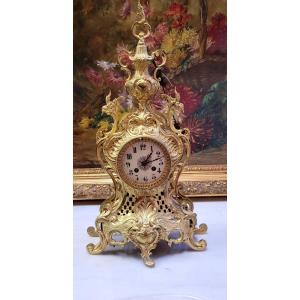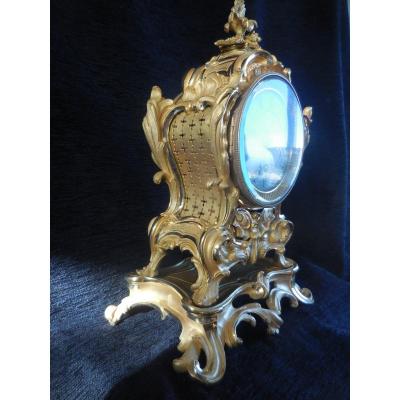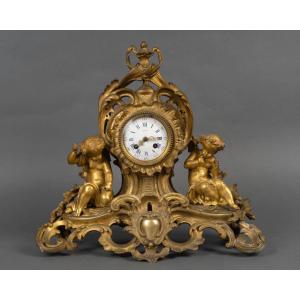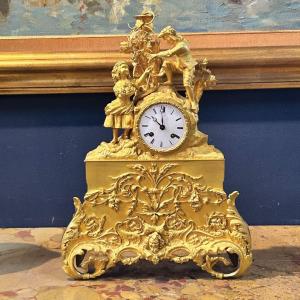


Clock 18th Century By Seigneurel In Paris
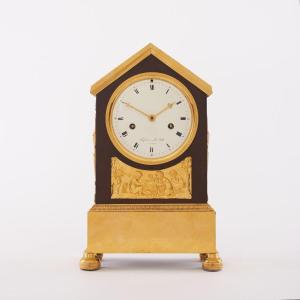
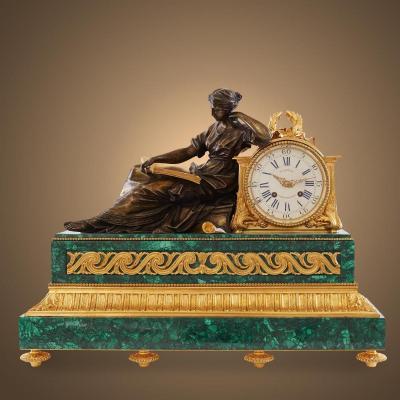
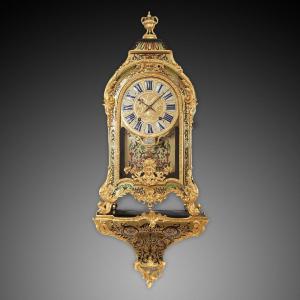
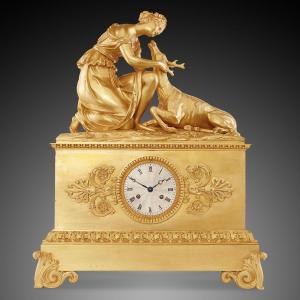
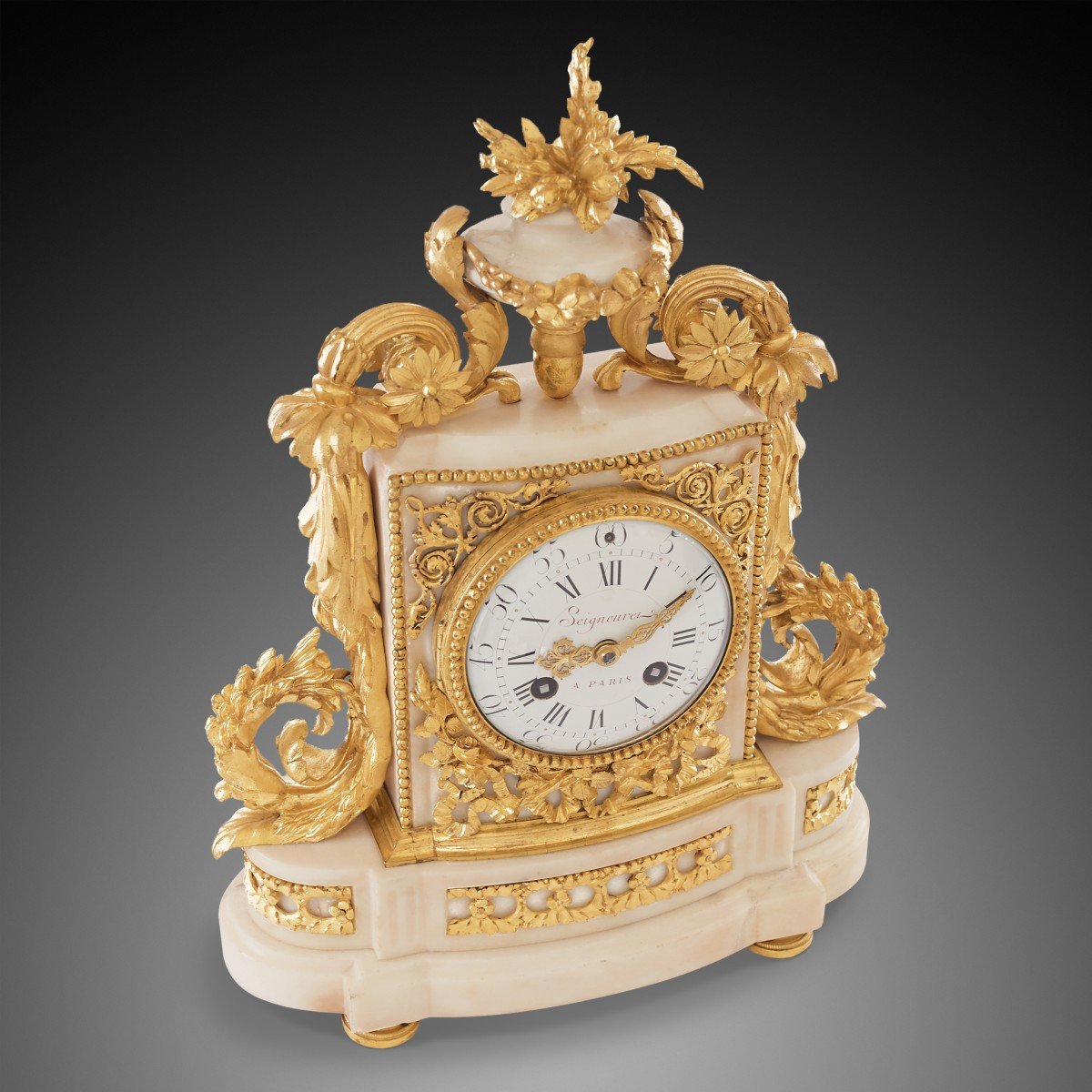
Royal Antique is privileged to present this elegant mantel clock, a true collector's piece, exemplifying the refined artistry and horological precision of the Louis XVI period in France. It features a beautifully sculpted white marble case adorned with finely chiseled gilt bronze mounts.
Movement and Dial:
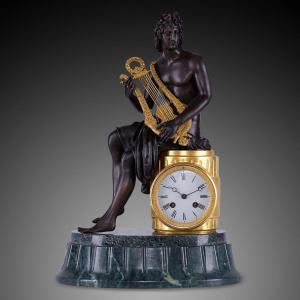
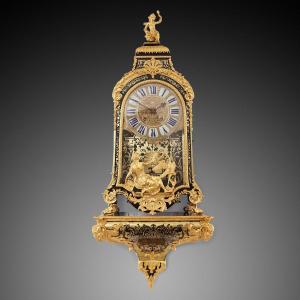
Signed Dial: The enameled white dial is proudly signed "Lepaute à Paris," attesting to its distinguished origin from one of the most renowned clockmaking families of that era. It clearly displays Roman numerals for the hours and Arabic numerals for the minutes (at five-minute intervals), read by elegant blued steel hands. The "Lepaute" signature refers to a dynasty of court clockmakers, royal suppliers, whose works are now preserved in the greatest museums.
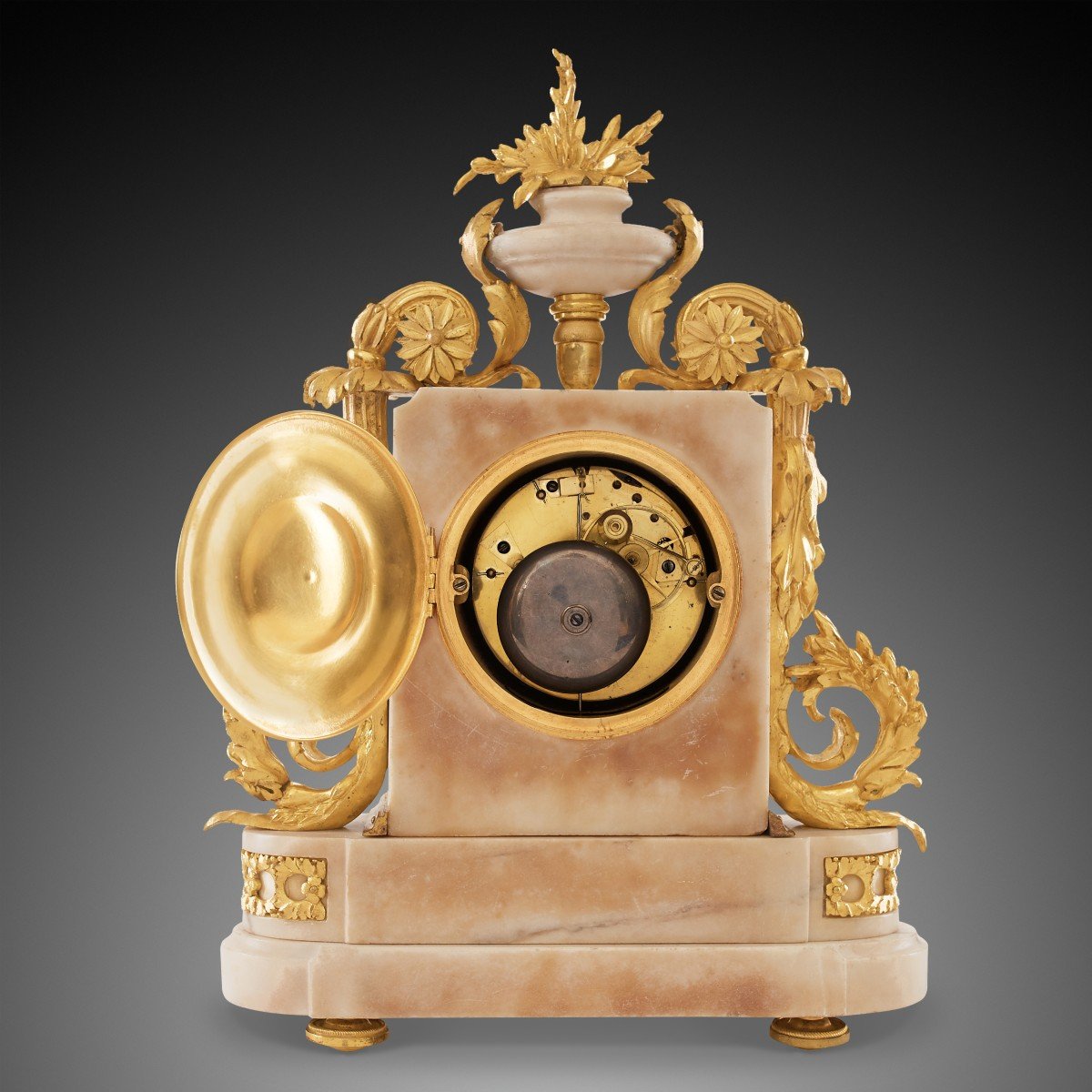
Mechanical Movement: The mechanical movement is in perfect working condition and strikes the hours and half-hours on a bell. Its design bears witness to the technical ingenuity of 18th-century French horology.
Serviced and Preserved: The clock has recently been cleaned and serviced by a watchmaker specializing in museum restoration, ensuring its continued functionality and long-term preservation. It is delivered complete with its pendulum, winding key, and original bell.
Case Design and Materials:
White Marble Case: The case is predominantly crafted from lustrous white marble, presenting a classical and refined form, characteristic of the Neoclassical taste of the Louis XVI period. The straight lines and symmetry highlight the purity of the material.
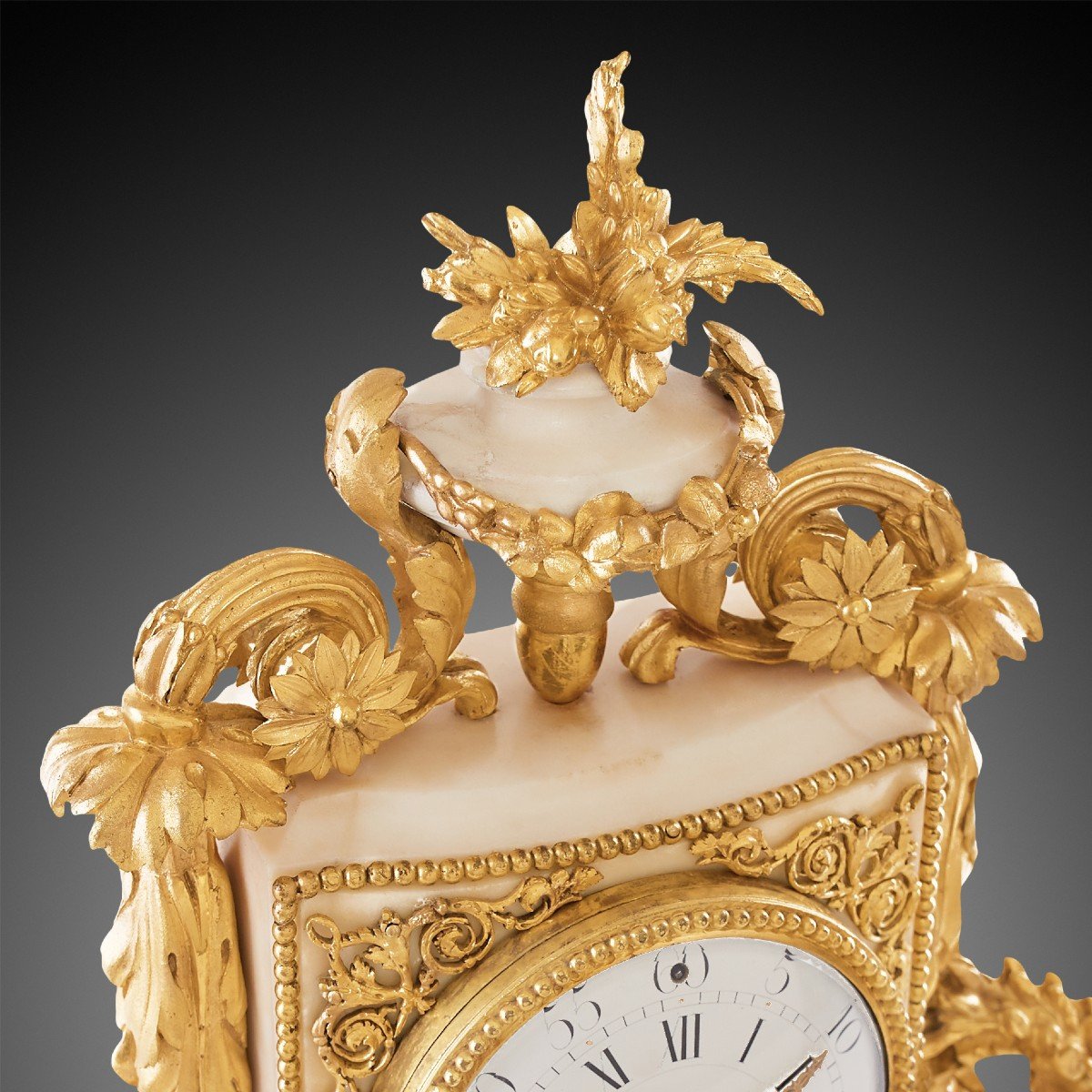
Gilt Bronze Mounts: It is superbly adorned with finely chiseled gilt bronze mounts that highlight its architectural structure and decorative elements. These include delicate scrolling foliage, classical urn motifs, and a richly decorated central bezel framing the dial. The top is surmounted by a decorative urn from which stylized flames and foliage motifs emerge, adding a touch of grandeur.
Historical Context and Appeal:
This mantel clock is a magnificent example of 18th-century French horology and decorative arts, blending precision engineering with exquisite aesthetic appeal. It reflects the evolution of styles, from flamboyant Rococo towards the more sober and elegant Neoclassicism. The collaboration between renowned clockmakers and artistic bronze workers of the time gave rise to objects of unparalleled quality, highly prized by European courts and high society.
It would make a superb addition to any discerning collection of antique timepieces or French decorative arts, offering not only a timekeeping function but also a decorative presence of rare distinction.
Period: 18th century
Style: Louis 15th - Transition
Condition: Excellent condition
Material: Bronze
Width: 28 cm
Diameter: 10 cm
Height: 40 cm
Depth: 10 cm
Reference (ID): 1019170
Availability: In stock