THIS OBJECT WAS SOLD

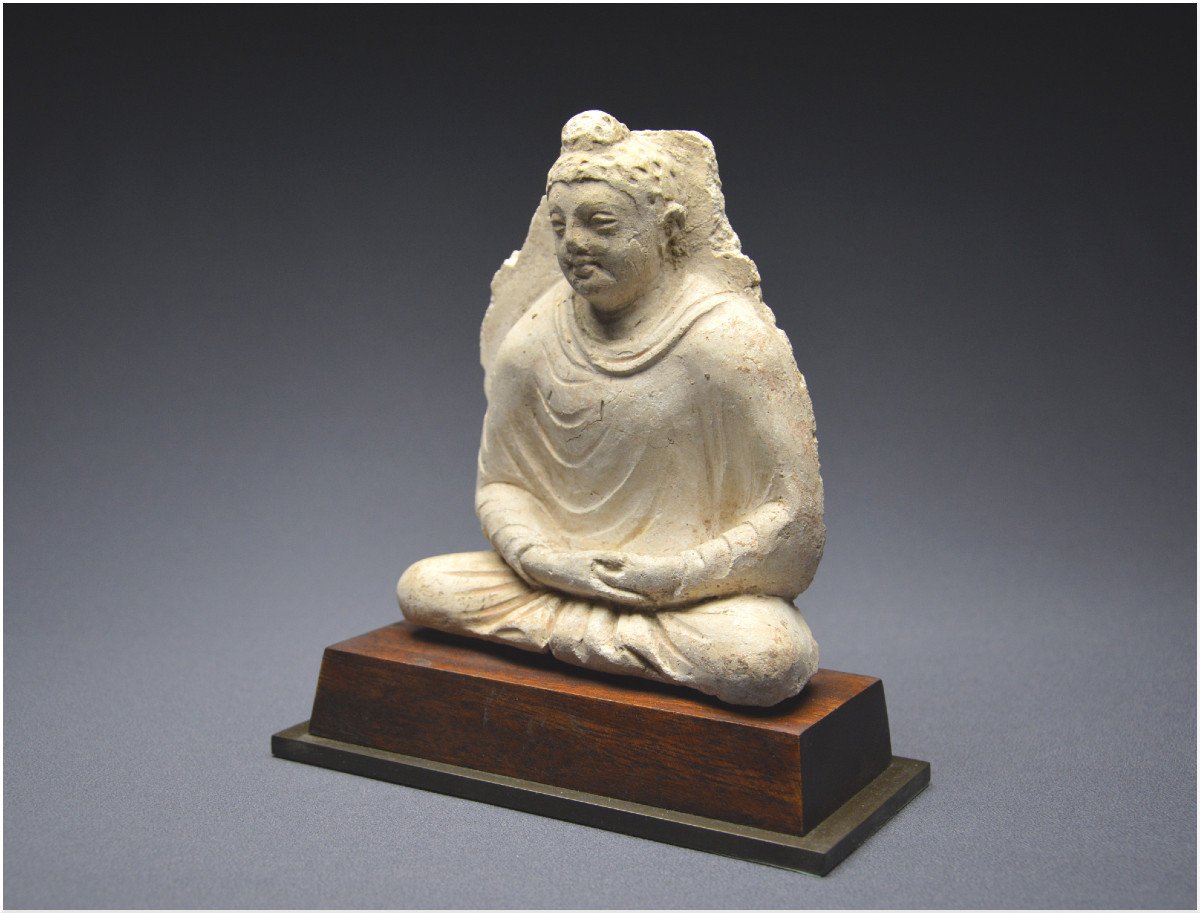
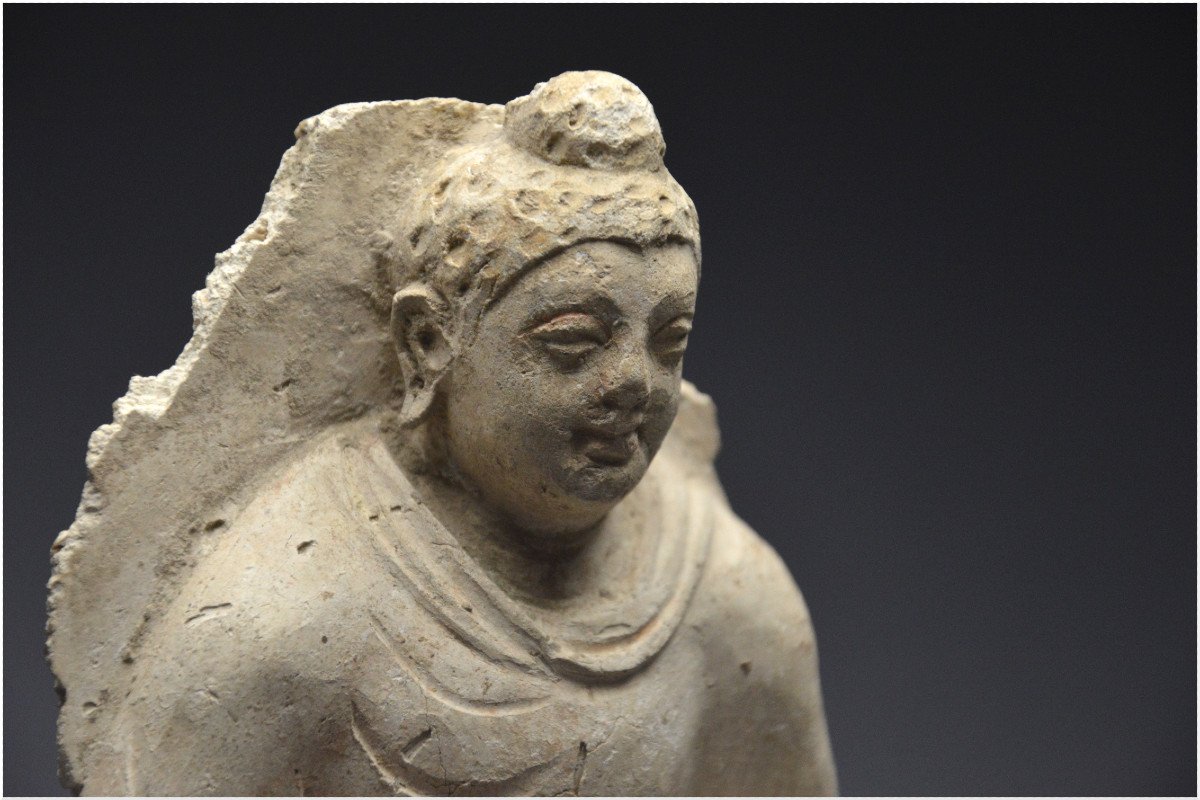
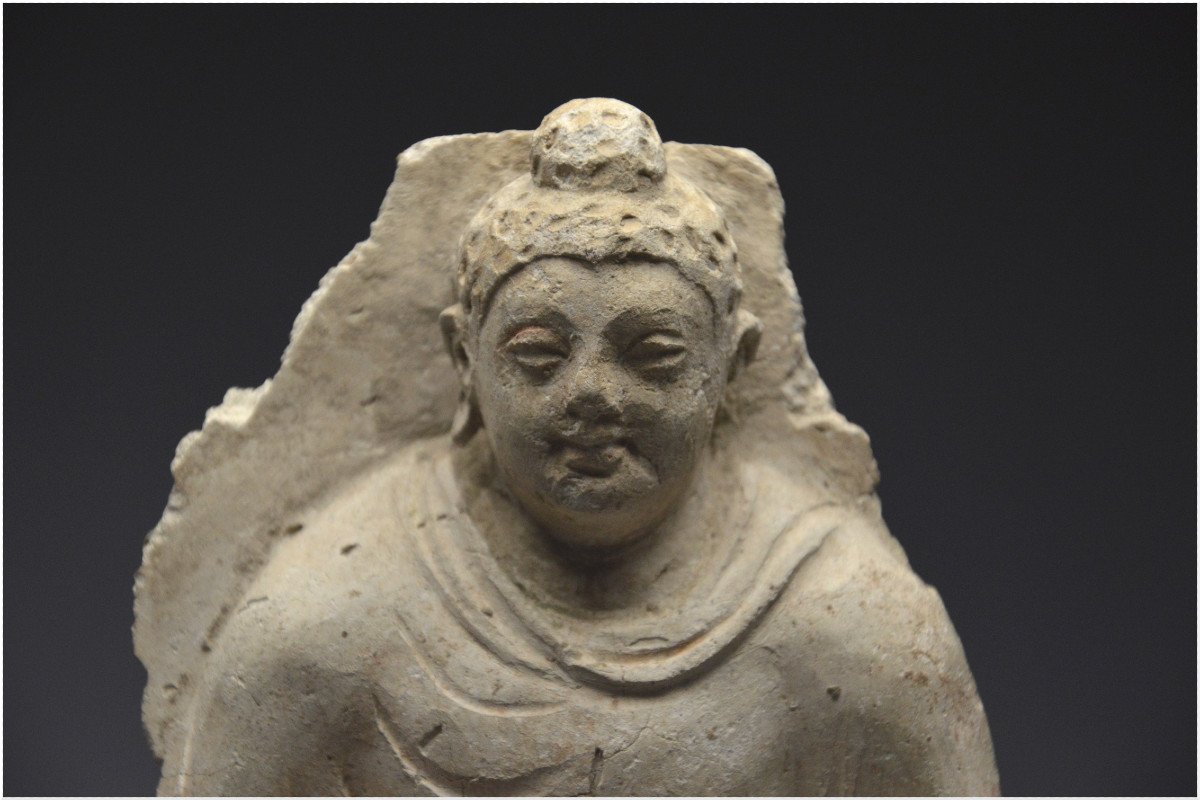
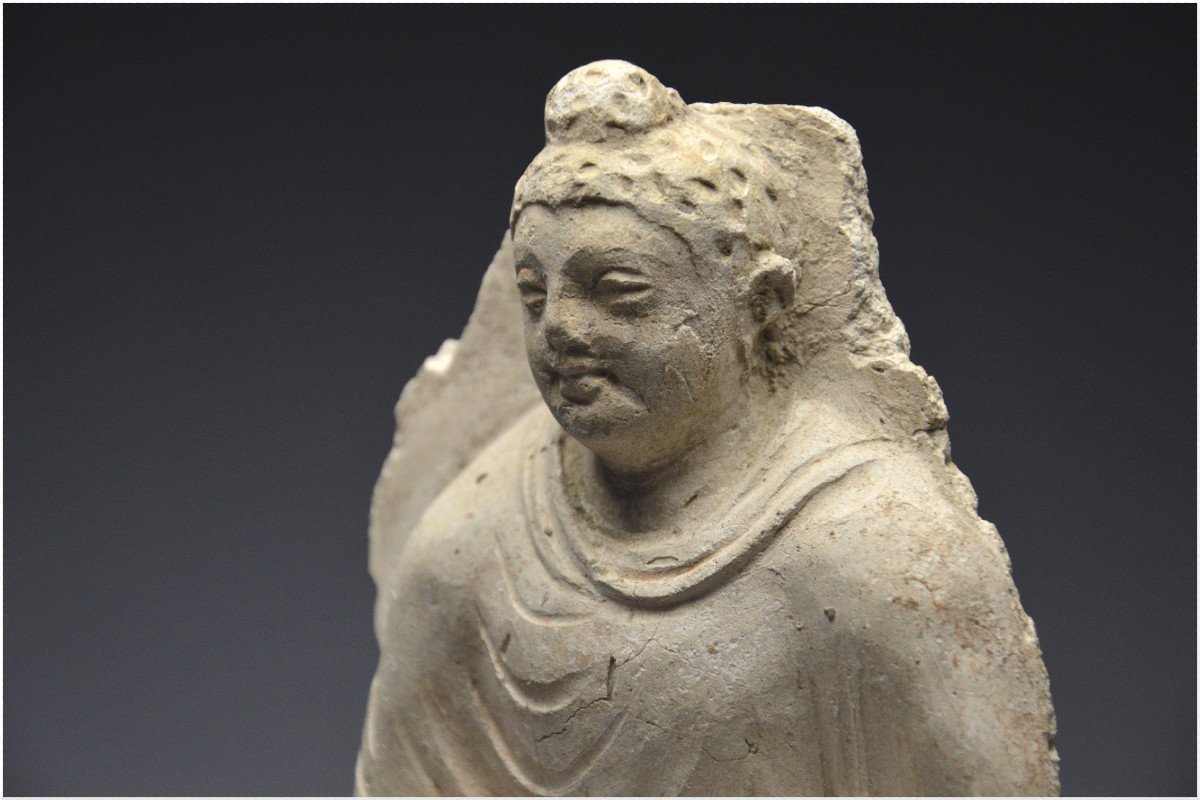
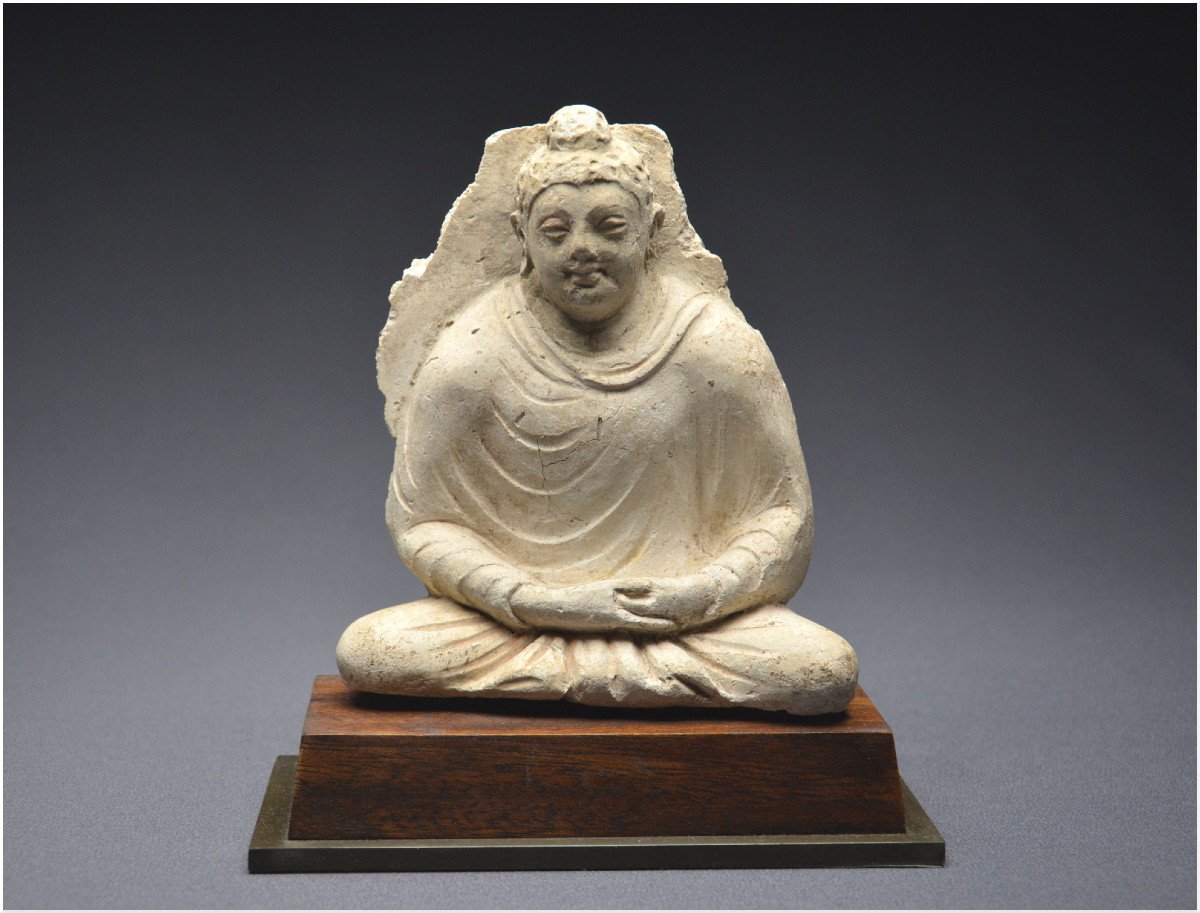
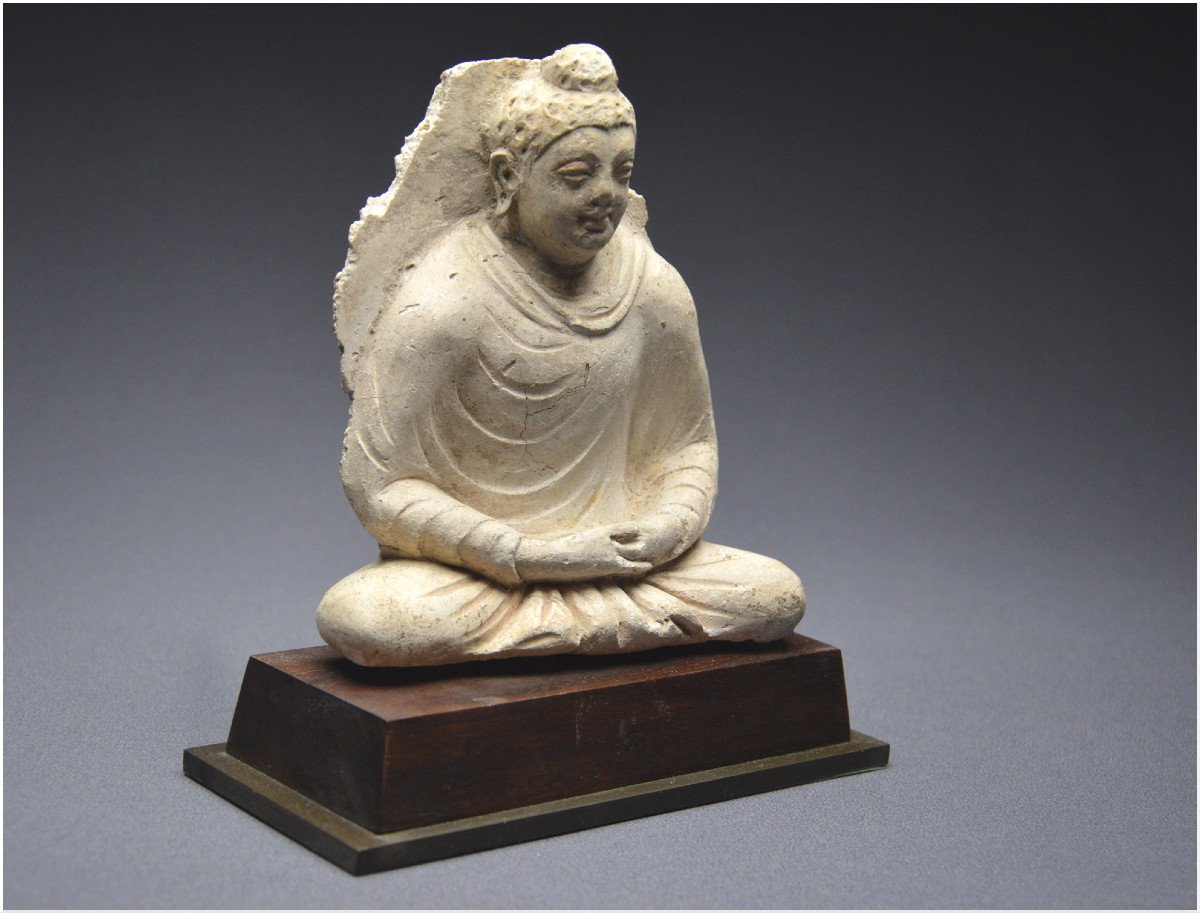
Afghanistan, Gandhara Area, 4th - 5th Century A.d., Stucco Buddha In The Meditation Position
Sold
Afghanistan, Gandhara Area, 4th - 5th Century A.d., Stucco Buddha In The Meditation Position
Sold
Afghanistan, Gandhara Area, 4th - 5th Century A.d., Stucco Buddha In The Meditation Position-photo-2
Sold
Afghanistan, Gandhara Area, 4th - 5th Century A.d., Stucco Buddha In The Meditation Position-photo-3
Sold
Afghanistan, Gandhara Area, 4th - 5th Century A.d., Stucco Buddha In The Meditation Position-photo-4
Sold
Afghanistan, Gandhara Area, 4th - 5th Century A.d., Stucco Buddha In The Meditation Position-photo-1
Sold
Afghanistan, Gandhara Area, 4th - 5th Century A.d., Stucco Buddha In The Meditation Position-photo-2
Sold
Afghanistan, Gandhara Area, 4th - 5th Century A.d., Stucco Buddha In The Meditation Position-photo-3
Sold
Afghanistan, Gandhara Area, 4th - 5th Century A.d., Stucco Buddha In The Meditation Position-photo-4
Sold
Afghanistan, Gandhara Area, 4th - 5th Century A.d., Stucco Buddha In The Meditation Position-photo-5
More pictures

Afghanistan / Area of Gandhara
IVth – Vth century AD
Stucco
Off stand: 15.5 x 13 cm
Small visible accidents and losses
Private collection


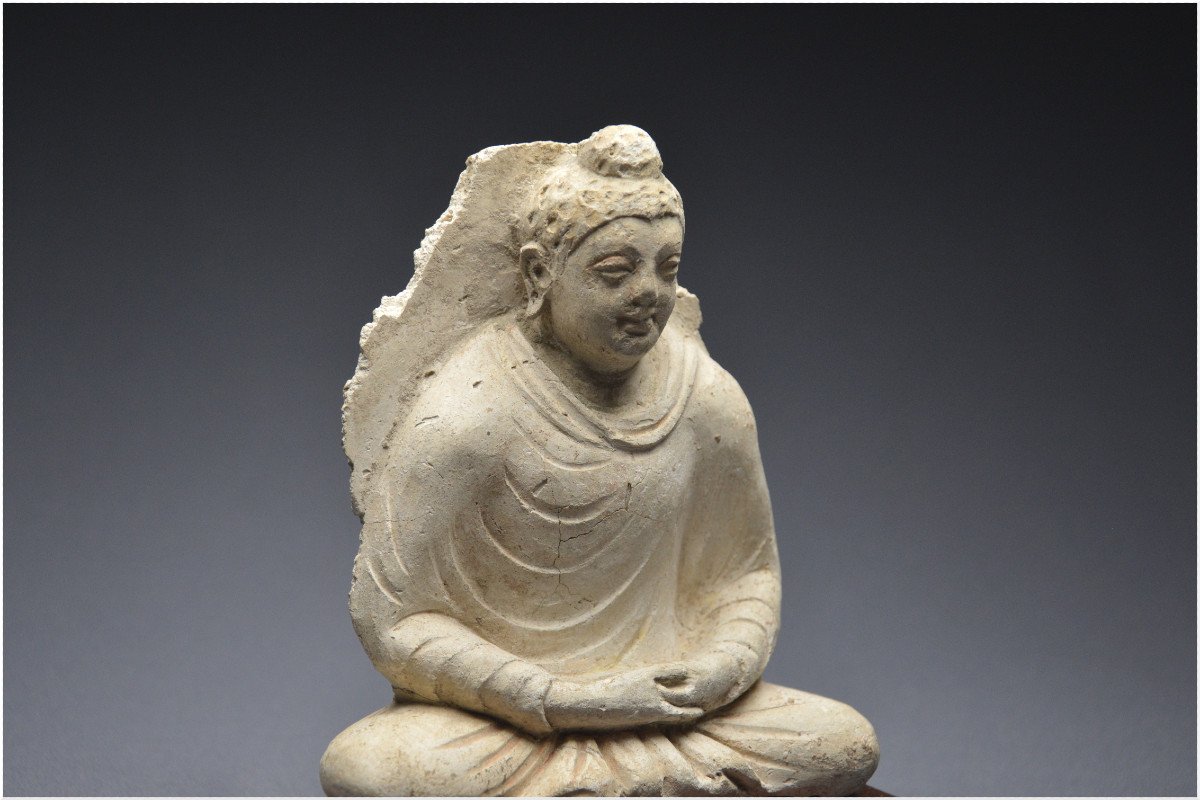
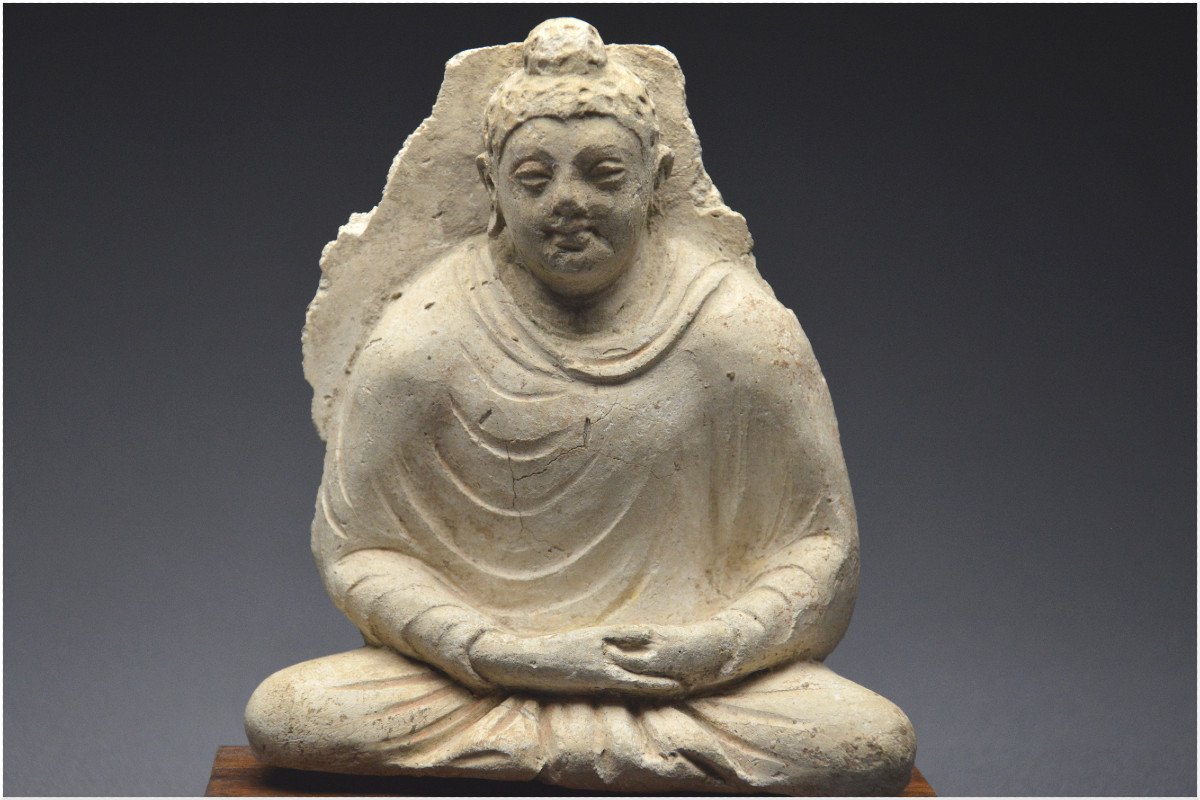
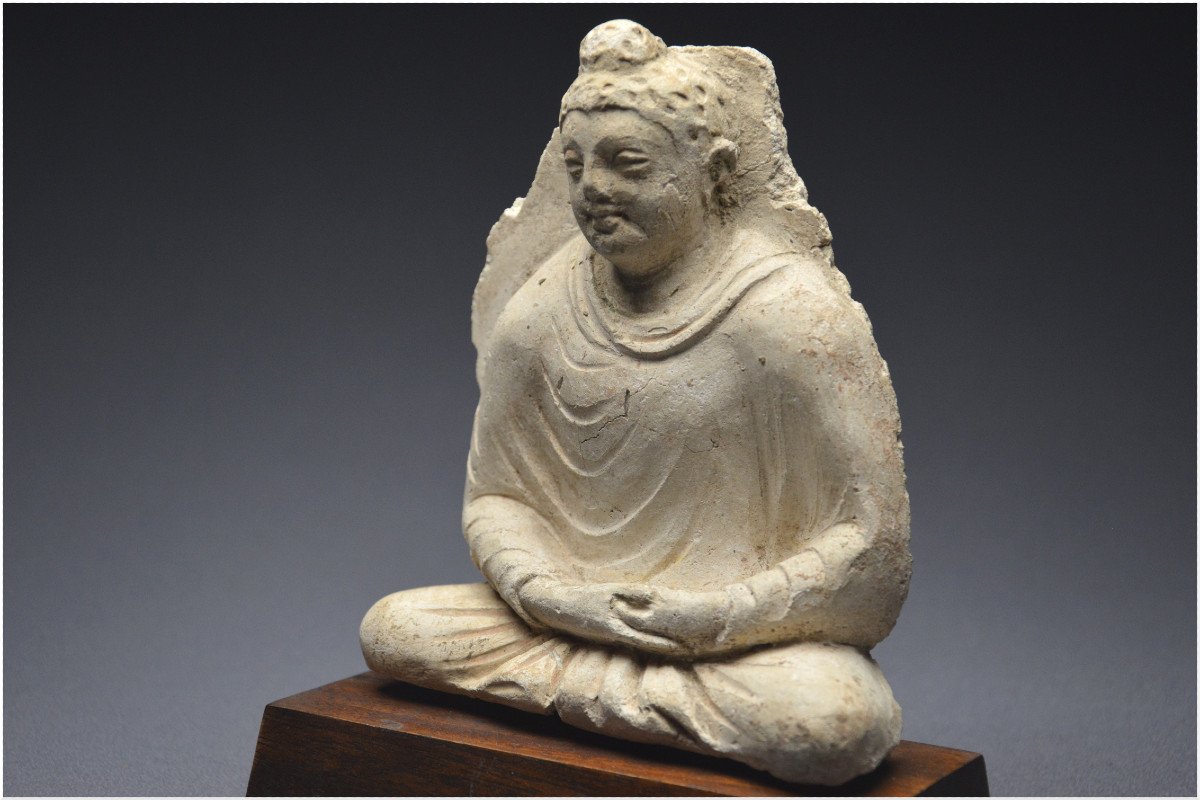
Representation in stucco of Buddha Sakyamuni. He is shown seated in the posture of meditation: legs in the attitude of the lotus, vajraparyanka, the hands placed in his lap, dhyana mudra, the back of the right hand resting on the palm of the left hand. He is dressed in a thick monastic mantle with a delicate drape covering him entirely. The face with large half-closed eyes and heavy eyelids frame an aquiline nose, the mouth with a pronounced grin clearly evokes the Greek influence. The hair forming a delicate V design at the hairline receives the usnisa, interpreted at the time, as a bun.

At the crossroads of the civilizations of Iran, the Greek world, India and nomadic civilizations, Gandhara constituted for sixteen centuries an almost obligatory route of passage for the caravans which linked the West to China. A Hellenistic background maintained by the trade in luxury products exported from the Mediterranean basin, mixes with Parthian and Indian influences to the benefit of a Buddhist iconography of great sensitivity.

Explore similar pieces and discover your ideal find:

archeology
Large Jar, Painted Terracotta, China, Majiayao Culture, Banshan Period, Circa 2600-2300 Bc.
Roman Bronze Key Ring, 1st–4th Century Ad
Dignitary Head With Deformed Skull - Tomaco La Tolita Culture - Pre-columbian Archeology
Pelike In Terracotta With Black Glaze And White Highlights
Christian Oil Lamp, Late Roman Period, Mediterranean Basin, 4th–6th Century Ad.
Campanian Drinking Cup With Greek Inscription - 4th-3rd Century Bc, Archaeology

03 Allée Henri le Navigateur
Villefontaine 38090, France

04 74 96 36 93

07 88 06 74 56

Follow the dealer

CONTACT

SIGN UP TO OUR NEWSLETTER

facebook
instagram

Cultures & Civilisations
Campanian Drinking Cup With Greek Inscription - 4th-3rd Century Bc, Archaeology
1743520-main-69e0ef6fbadc1.jpg

04 74 96 36 93

07 88 06 74 56


*We will send you a confirmation email from info@proantic.com .
Please check your messages, including the spam folder.