THIS OBJECT WAS SOLD
Limoges, Manufacture Du Comte d'Artois - Round Fruit Bowl In Hard Porcelain - Eighteenth Century


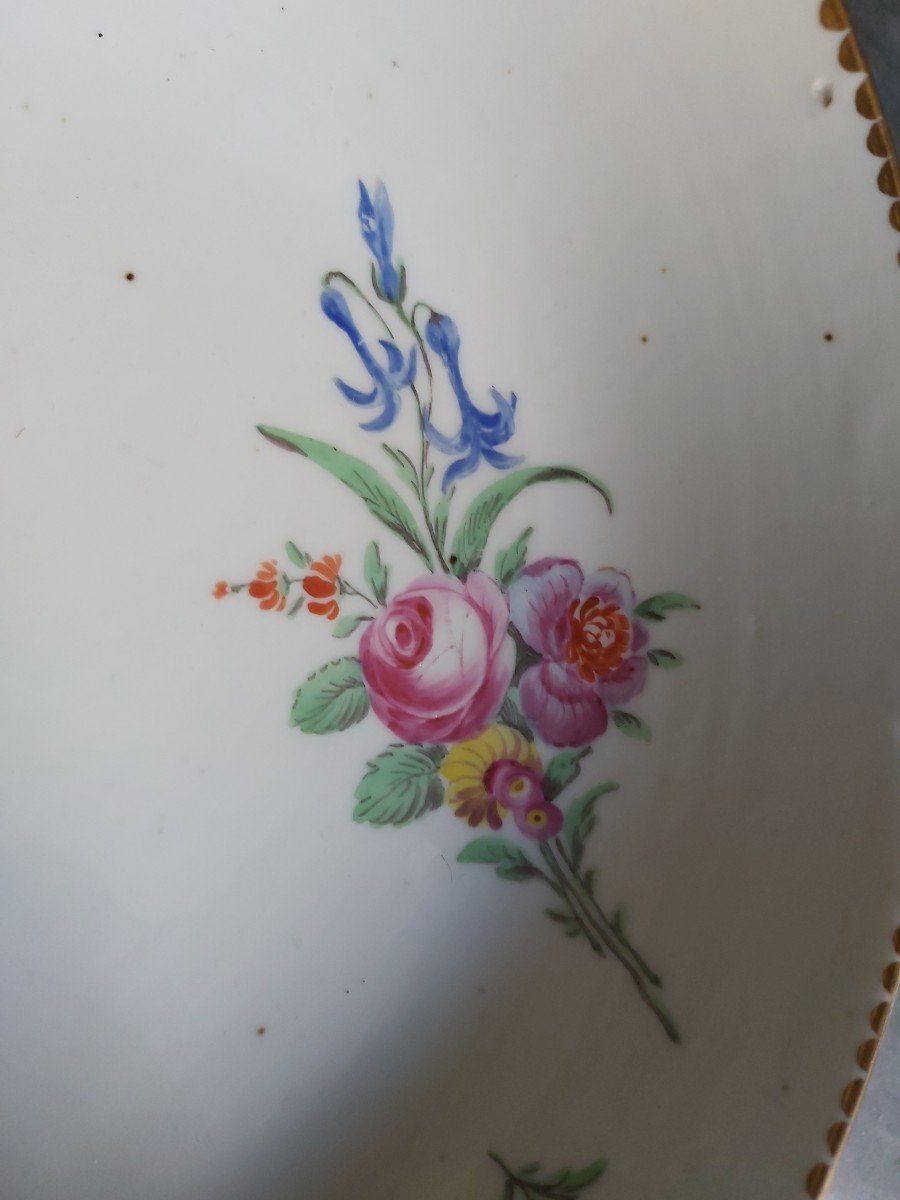

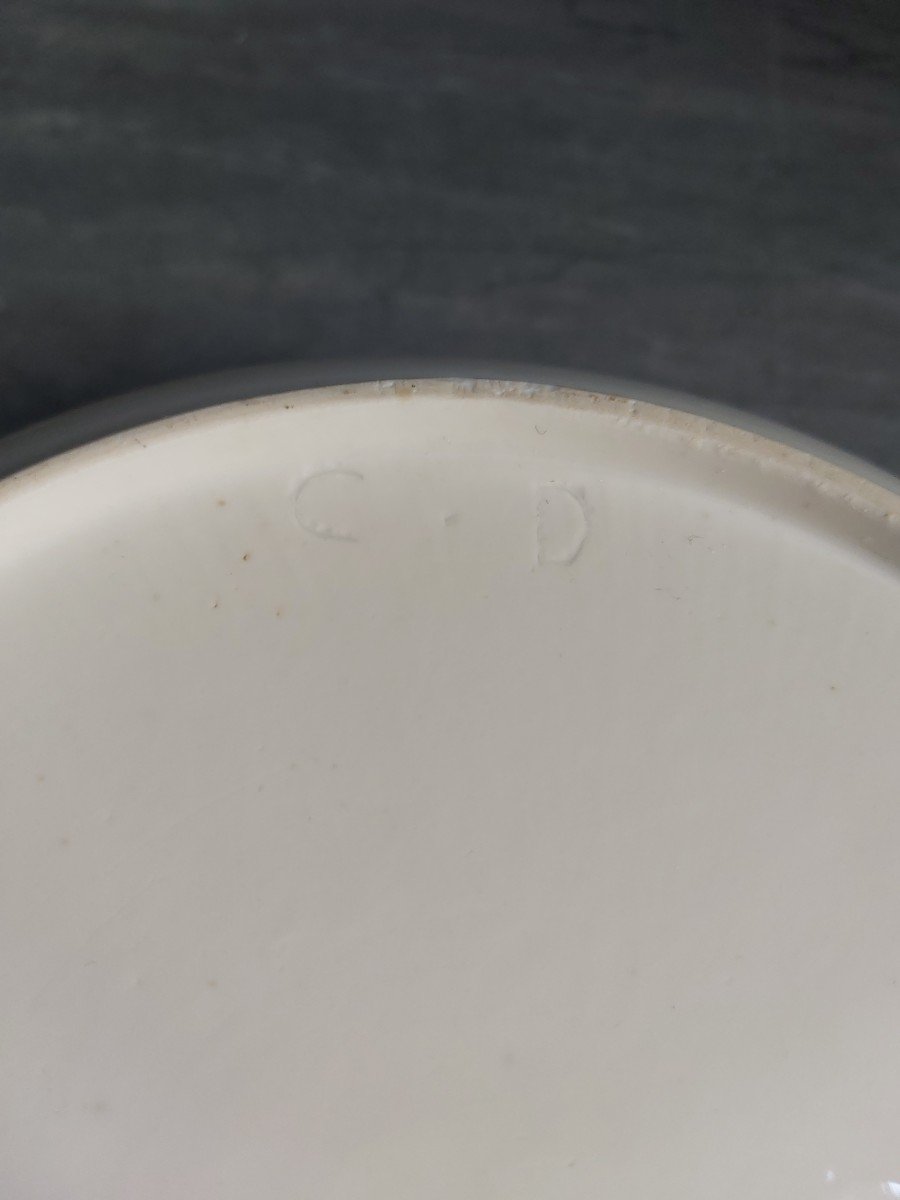

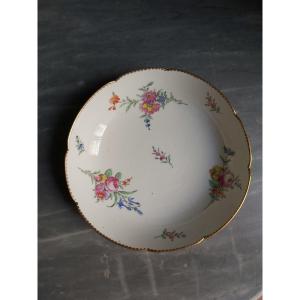


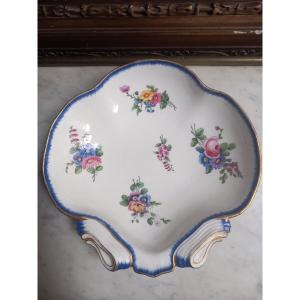
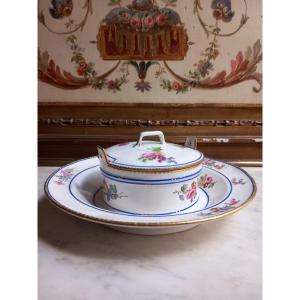
Round fruit bowl in hard porcelain decorated with flower throws and gold wolf teeth. Marked CD hollow for the manufacture of the count of Artois in Limoges eighteenth century.
If a substance very close to kaolins was brought to light in Saxony as early as 1705, the deposit of Saint-Yrieix-la-Perche, near Limoges, was not discovered until 1767 by, it seems, the surgeon Jean-Baptiste Darnet, who reports to a Bordeaux apothecary, Villaris, the existence of white earth used by his wife to do her laundry. It is to this deposit that Limoges owes its position as the porcelain capital of France. In 1769, Louis XV bought the deposit, making porcelain production a royal privilege. It is only from this date that we have the right to manufacture porcelain in France. The founding of the first Limousin porcelain factory, that of the Grellet and Massié-Fournérat brothers, dates from 1771. In 1774, the Limoges factory came under the protection of the Count of Artois. The production takes up the decorations commonly used for soft porcelain objects in previous years, namely flower motifs thrown in small bouquets. Gold lace gilt netting is often used, frequently lined with plain blue netting. The forms produced are simple and few in number. Between 1771 and 1774, only the biscuits seem to have carried a mark. From 1774, the company placed under the protection of the Count of Artois systematically used the initials of the prince “CD”, a mark which was kept until its closure in 1796.
If a substance very close to kaolins was brought to light in Saxony as early as 1705, the deposit of Saint-Yrieix-la-Perche, near Limoges, was not discovered until 1767 by, it seems, the surgeon Jean-Baptiste Darnet, who reports to a Bordeaux apothecary, Villaris, the existence of white earth used by his wife to do her laundry. It is to this deposit that Limoges owes its position as the porcelain capital of France. In 1769, Louis XV bought the deposit, making porcelain production a royal privilege. It is only from this date that we have the right to manufacture porcelain in France. The founding of the first Limousin porcelain factory, that of the Grellet and Massié-Fournérat brothers, dates from 1771. In 1774, the Limoges factory came under the protection of the Count of Artois. The production takes up the decorations commonly used for soft porcelain objects in previous years, namely flower motifs thrown in small bouquets. Gold lace gilt netting is often used, frequently lined with plain blue netting. The forms produced are simple and few in number. Between 1771 and 1774, only the biscuits seem to have carried a mark. From 1774, the company placed under the protection of the Count of Artois systematically used the initials of the prince “CD”, a mark which was kept until its closure in 1796.
Explore similar pieces and discover your ideal find:
Porcelain Serveware