THIS OBJECT WAS SOLD
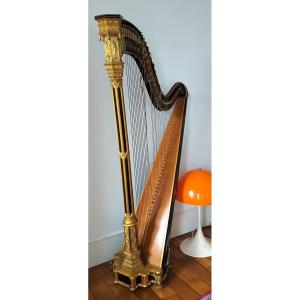
Harpe De Holtzman à Paris No 7

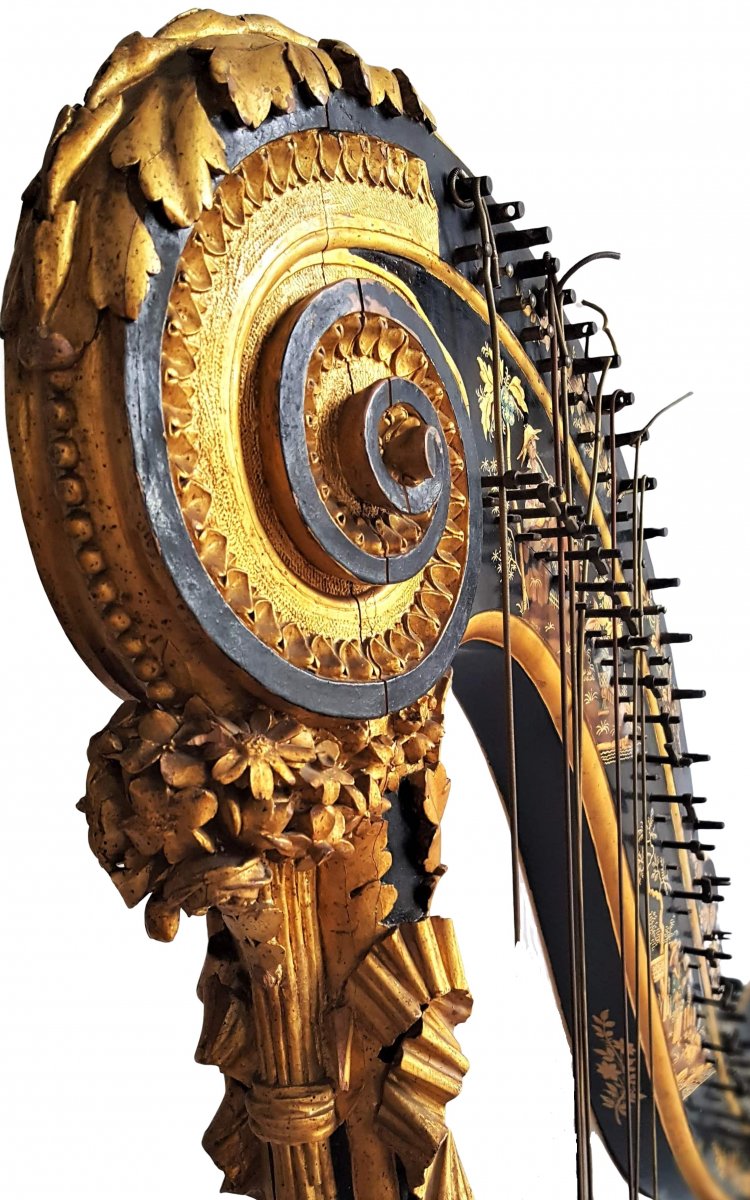
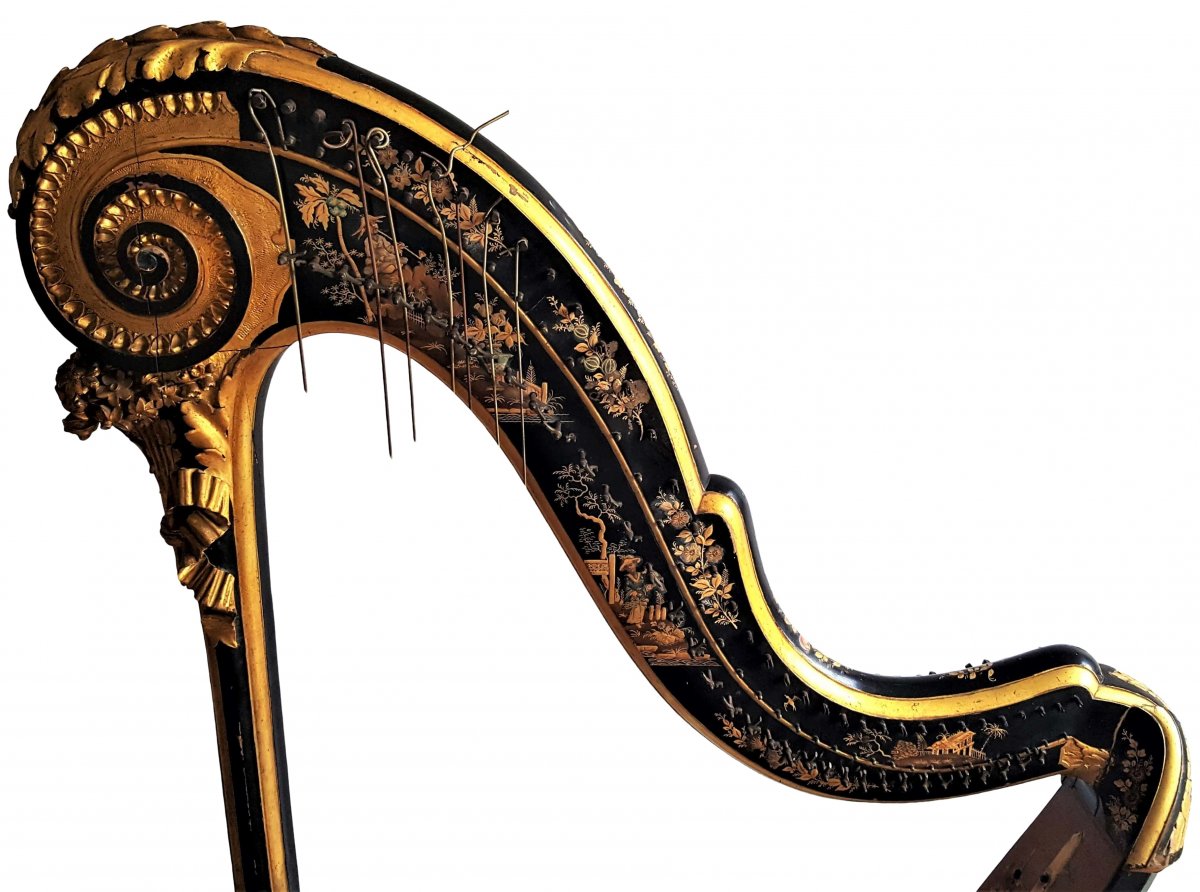

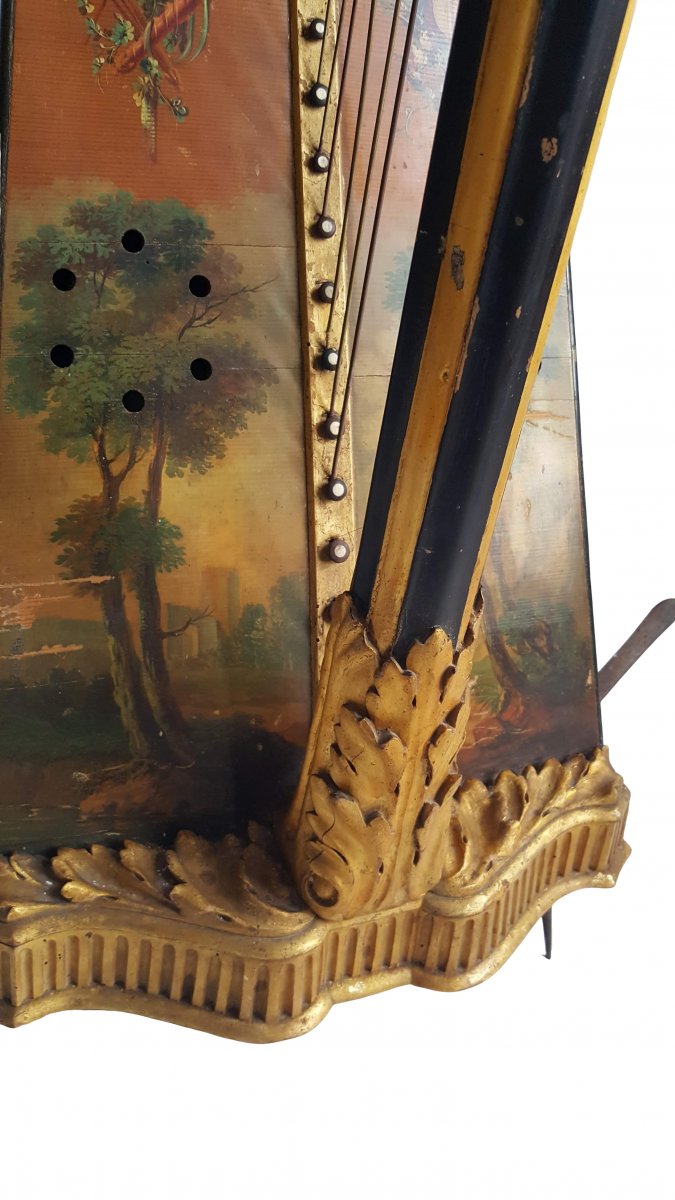
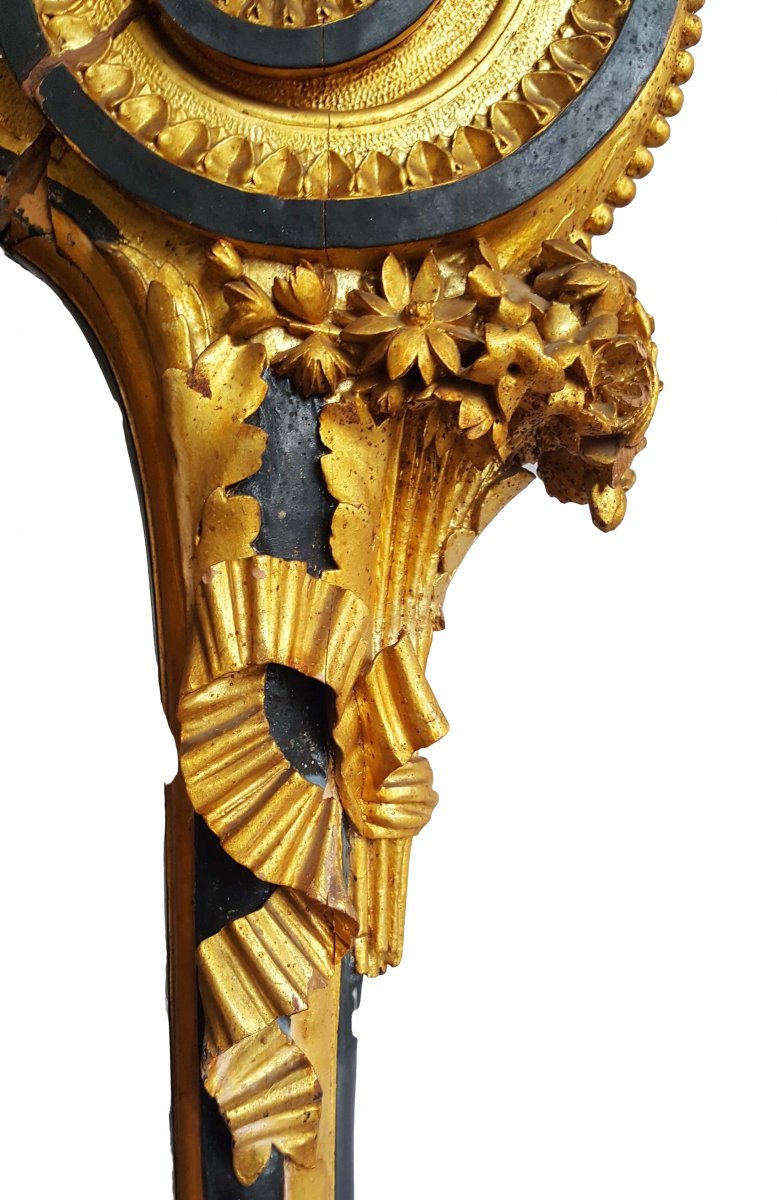
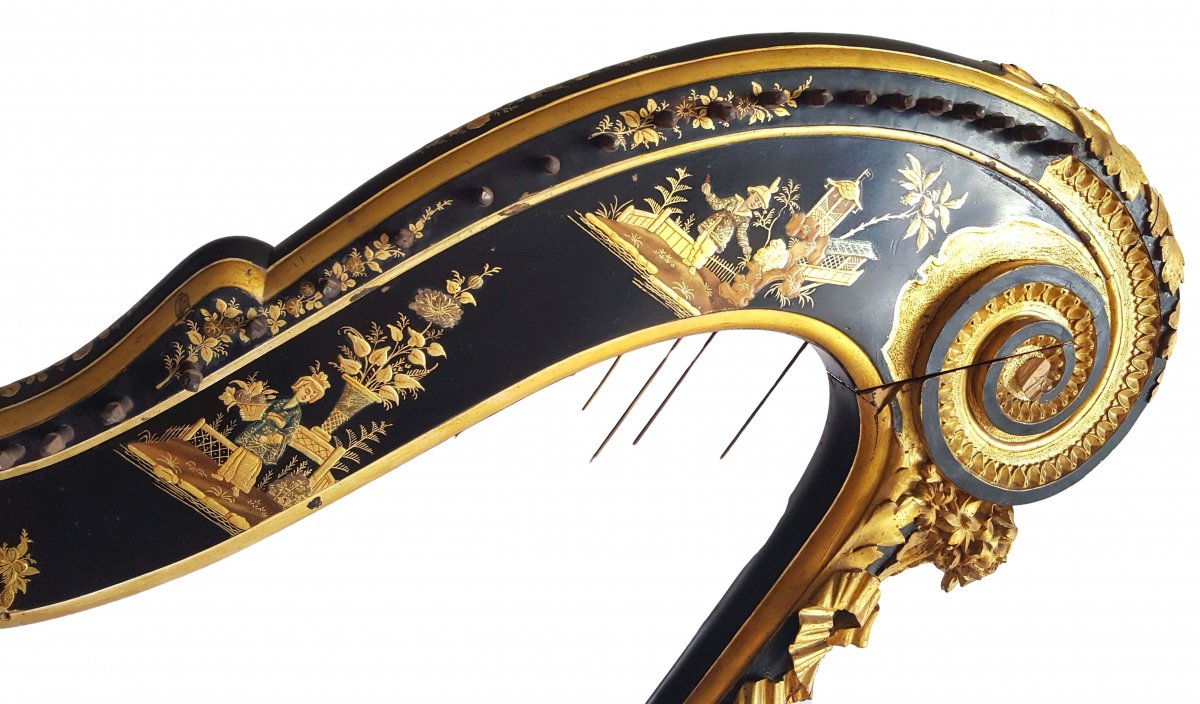
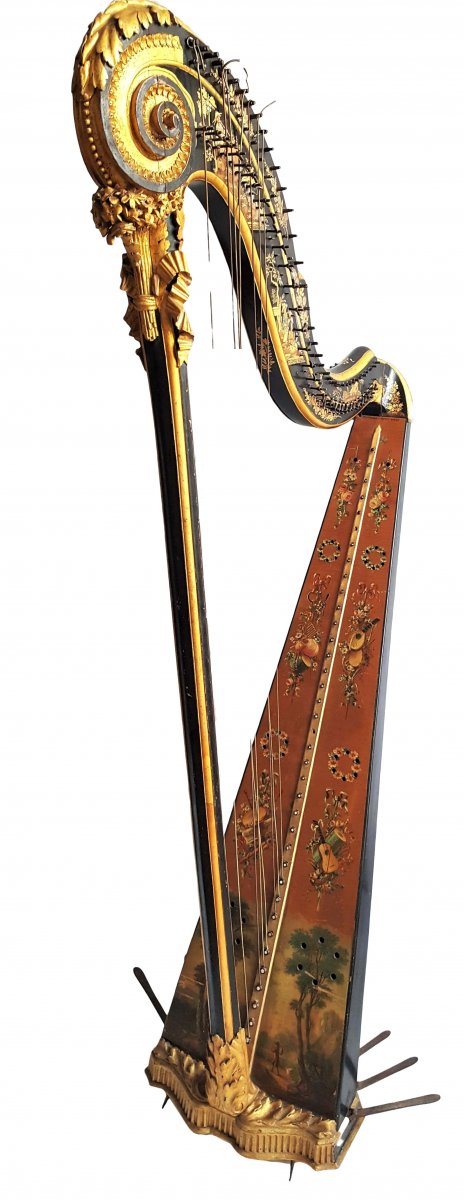
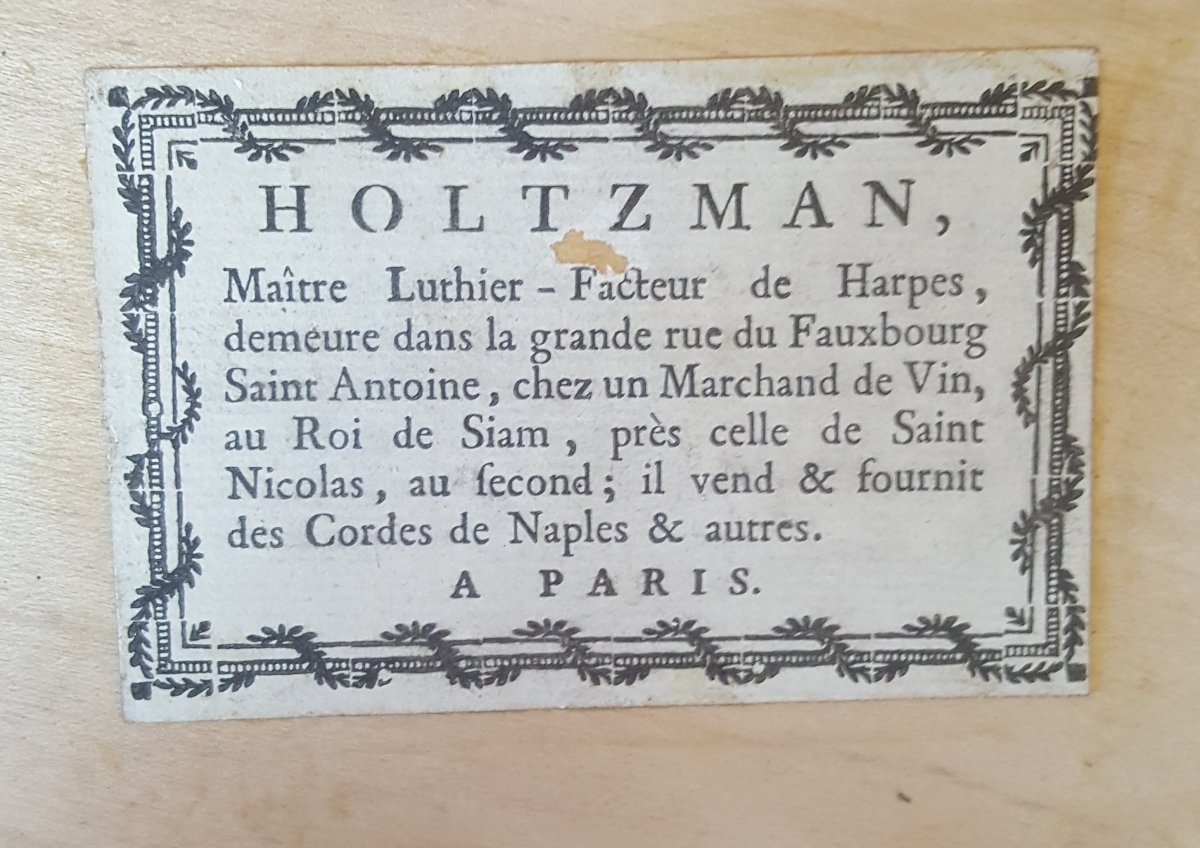
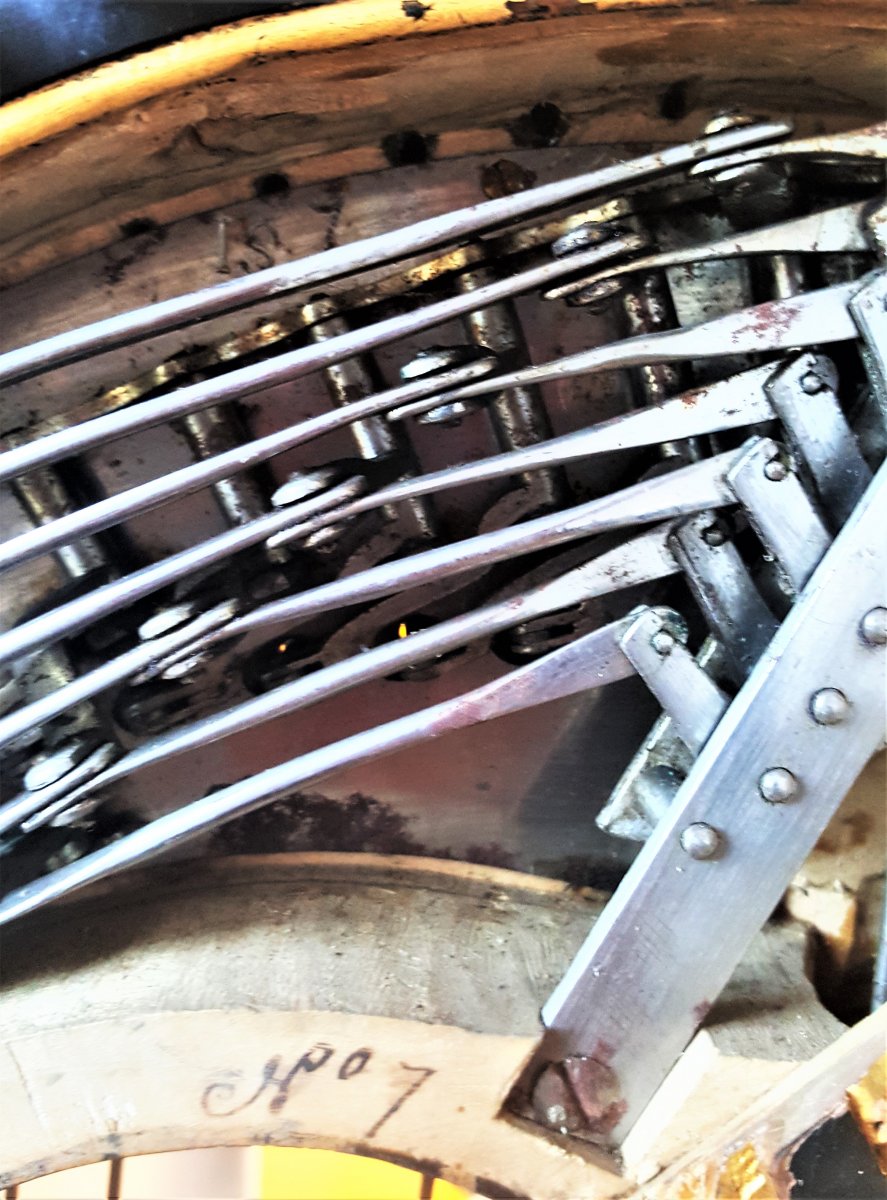


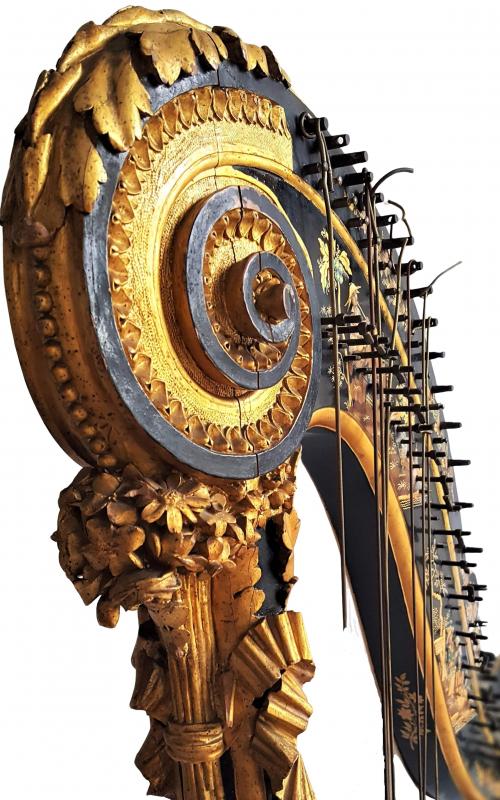
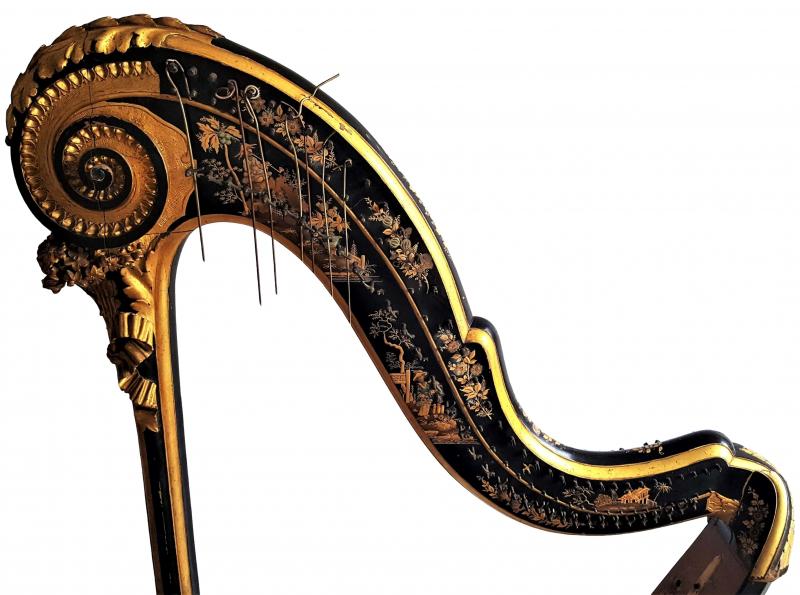
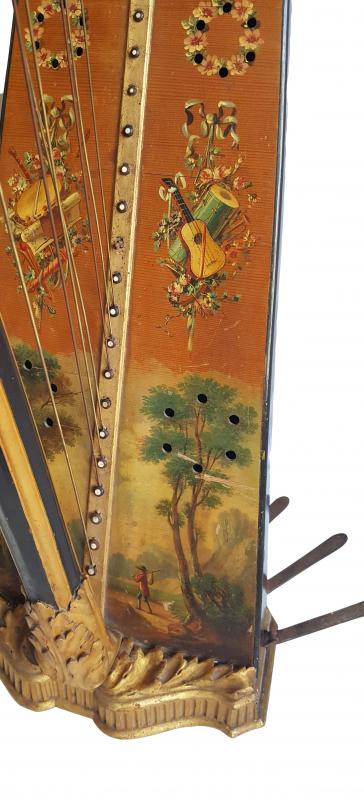
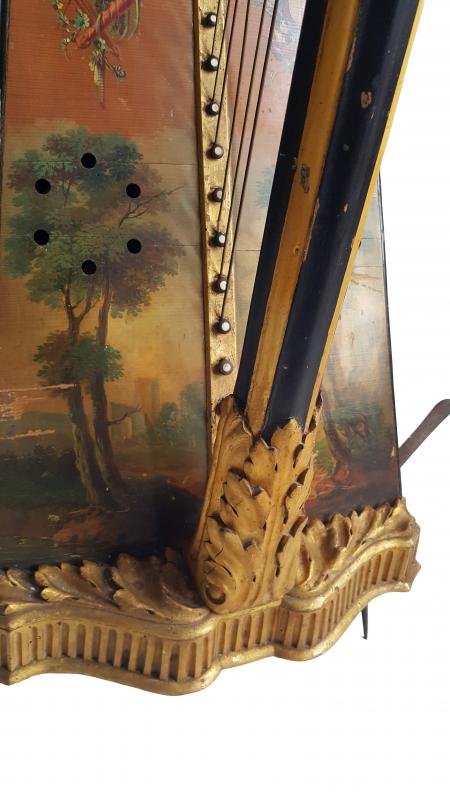
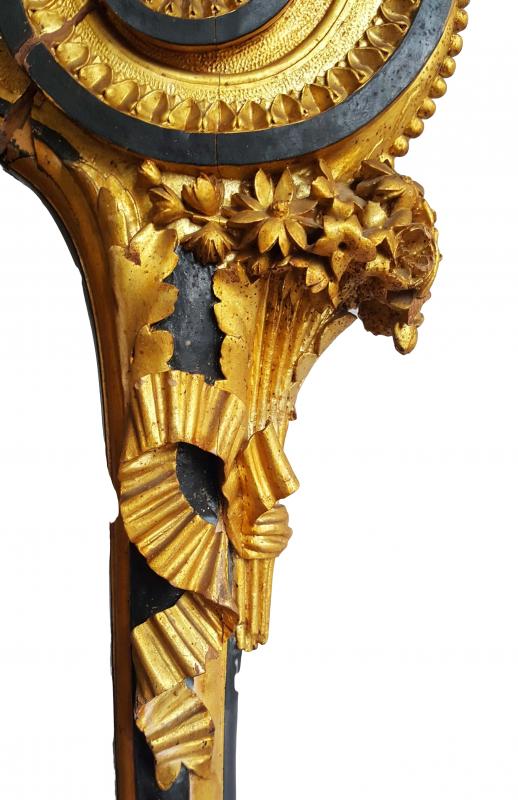
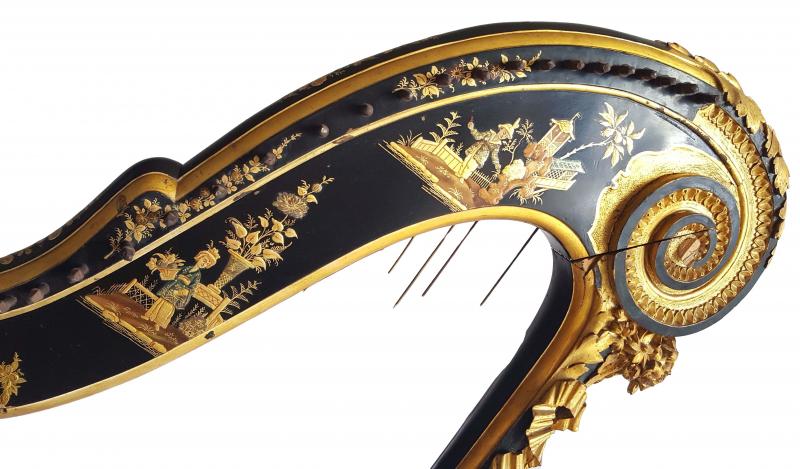


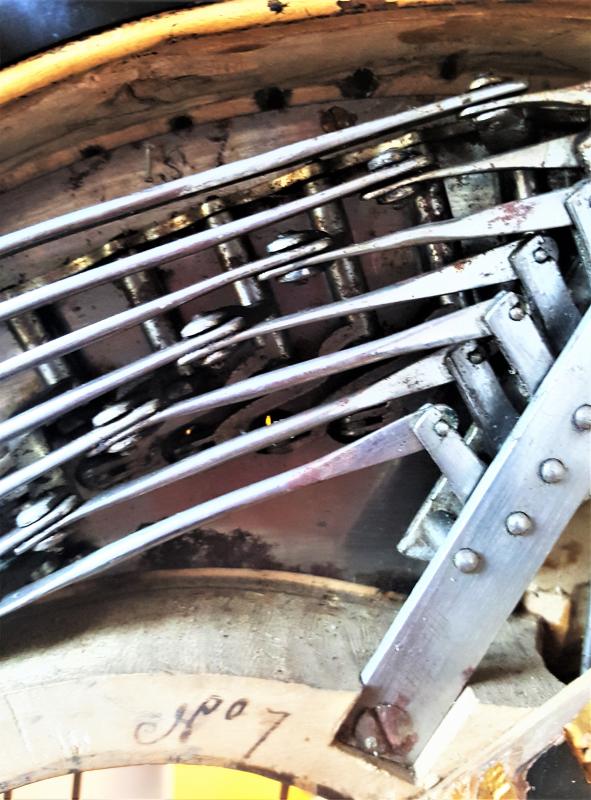
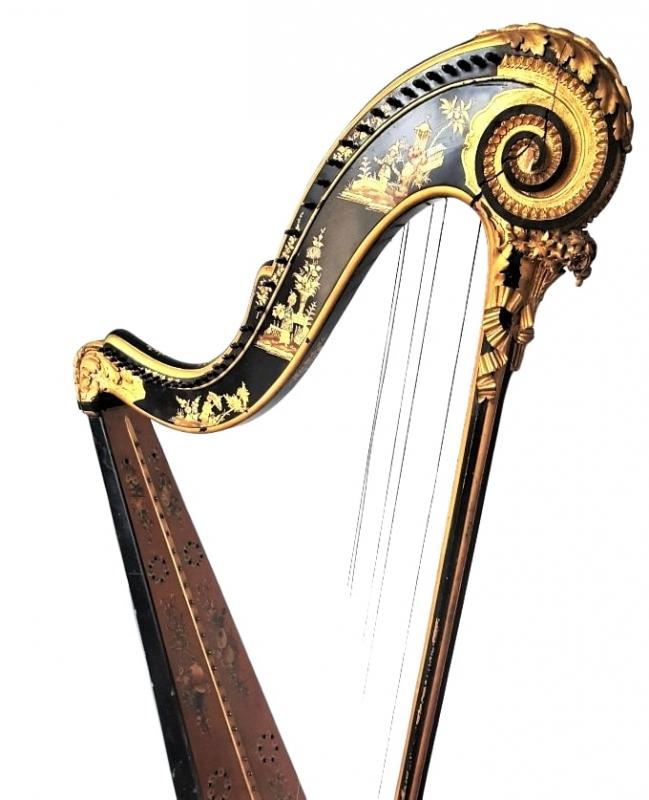
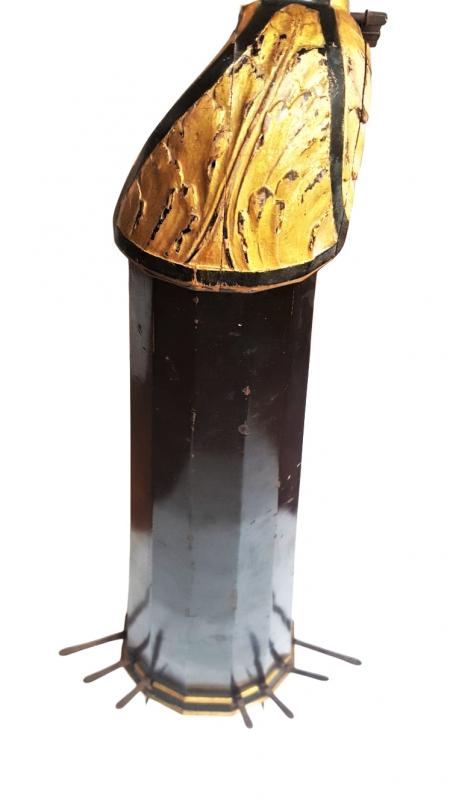
Rare harp with hook mechanism, for thirty eight strings and seven pedals. The carved wooden stick, is lacquered black and gold, in the style of China, and is decorated with figures or pagodas. Fall decorated with acanthus leaves and ribbon sticks, on a console with flowers and garlands of oak leaves. It is signed in ink: HOLTZMAN in Paris, on the table, at the junction with the console. End of the Louis XVI period. The invention of the single-movement harp is attributed to the German postman Hochbrücker (1699 - 1763). It was at the beginning of the 18th century that he developed the pedal system on the harp, it could be a single movement formerly Cousineau, Naderman, Chaillot, Renault, Louvet, Krupp or a double movement Erard. In both cases, we are referring to the mechanism connecting the pedals to the strings to modify the length and allow playing the musical alterations, that is, the sharps and flats. This improvement makes it possible to play learned music, in particular works for harpsichord. The German harpist Gaiffre (1827-1809) introduced the new instrument to Paris. The pedal harp, or classical harp, is the one used in symphonic orchestras and in chamber music groups. It is the most sophisticated harp. There are 7 pedals which modify the 7 notes of the scale on all octaves. Paris soon became the most important center for the manufacture of harps. The simple movement harp was the model played by Marie-Antoinette and the Duchess of Guînes, for whom Mozart composed his Concerto for flute and harp in 1778. The chromatic harp was invented in 1894 by Gustave Lyon, director of the firm Pleyel
Explore similar pieces and discover your ideal find:
musical instruments