


Claude-françois Petit De Villeneuve (1764–1820) Portrait Of A Priest Delivering A Sermon
Claude François Henry PETIT de VILLENEUVE
(Paris 1764– Paris 1820)
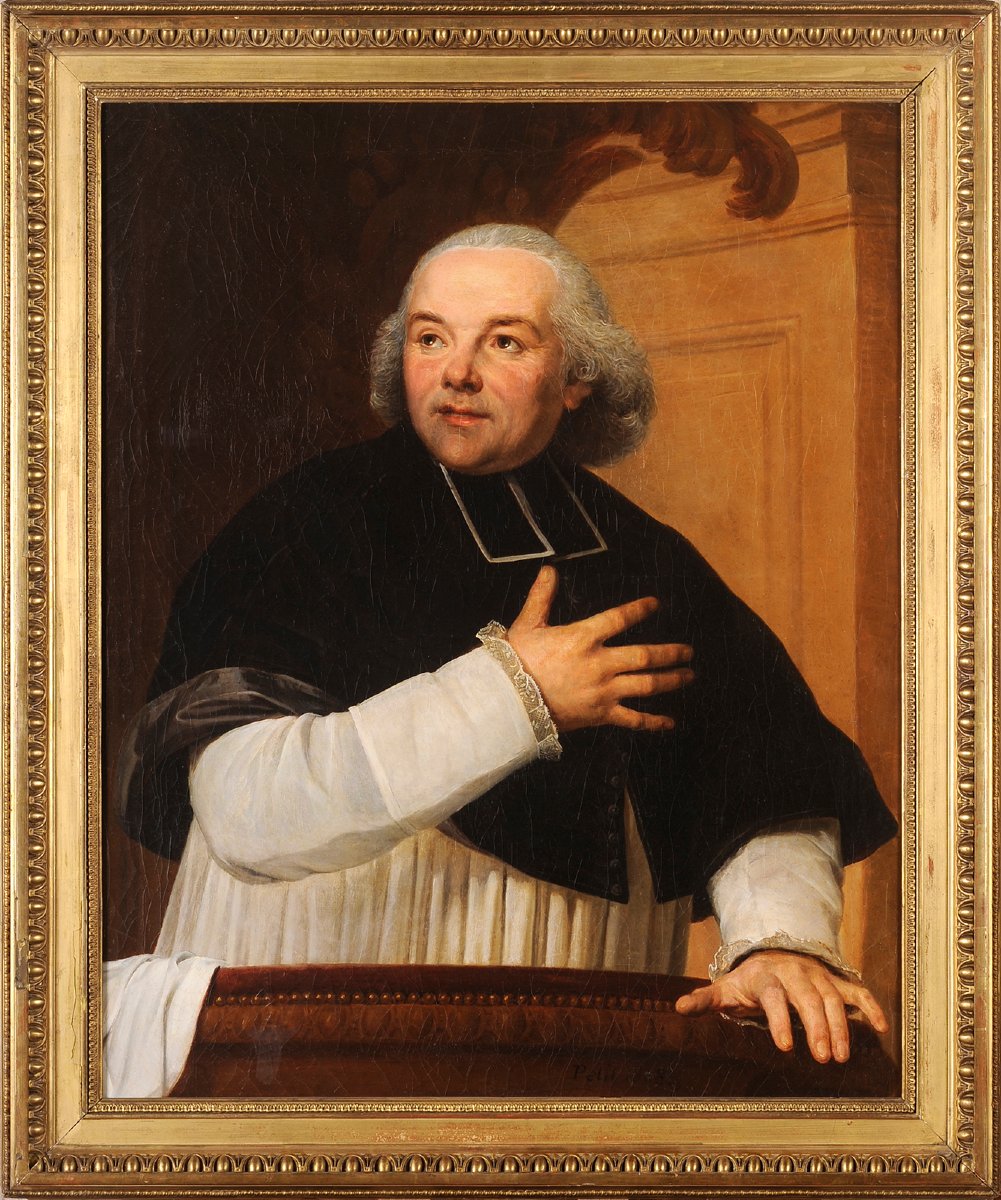
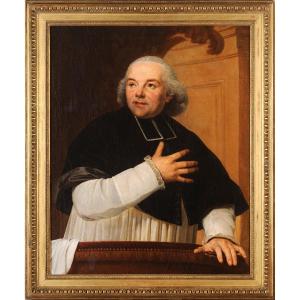
Portrait of a man during his sermon
Oil on canvas
H. 83 cm ; W. 68cm
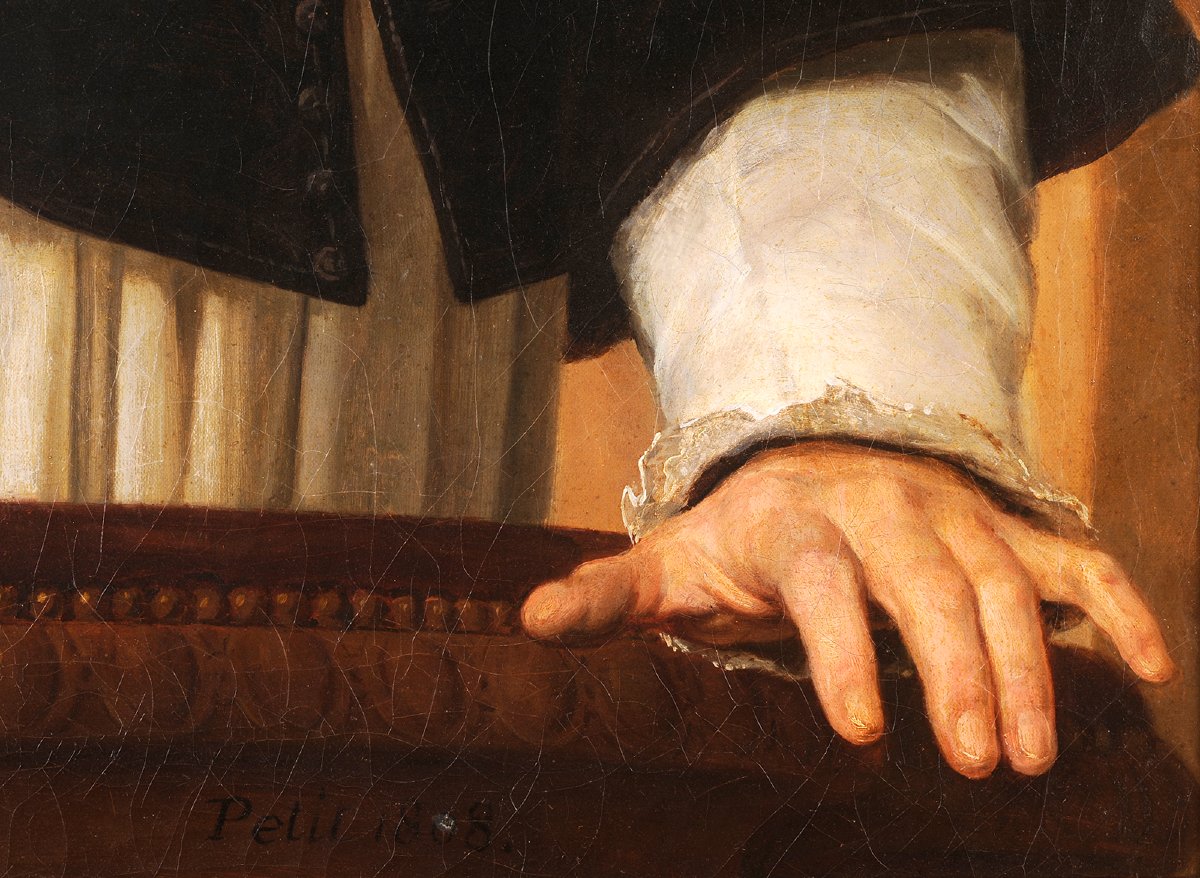
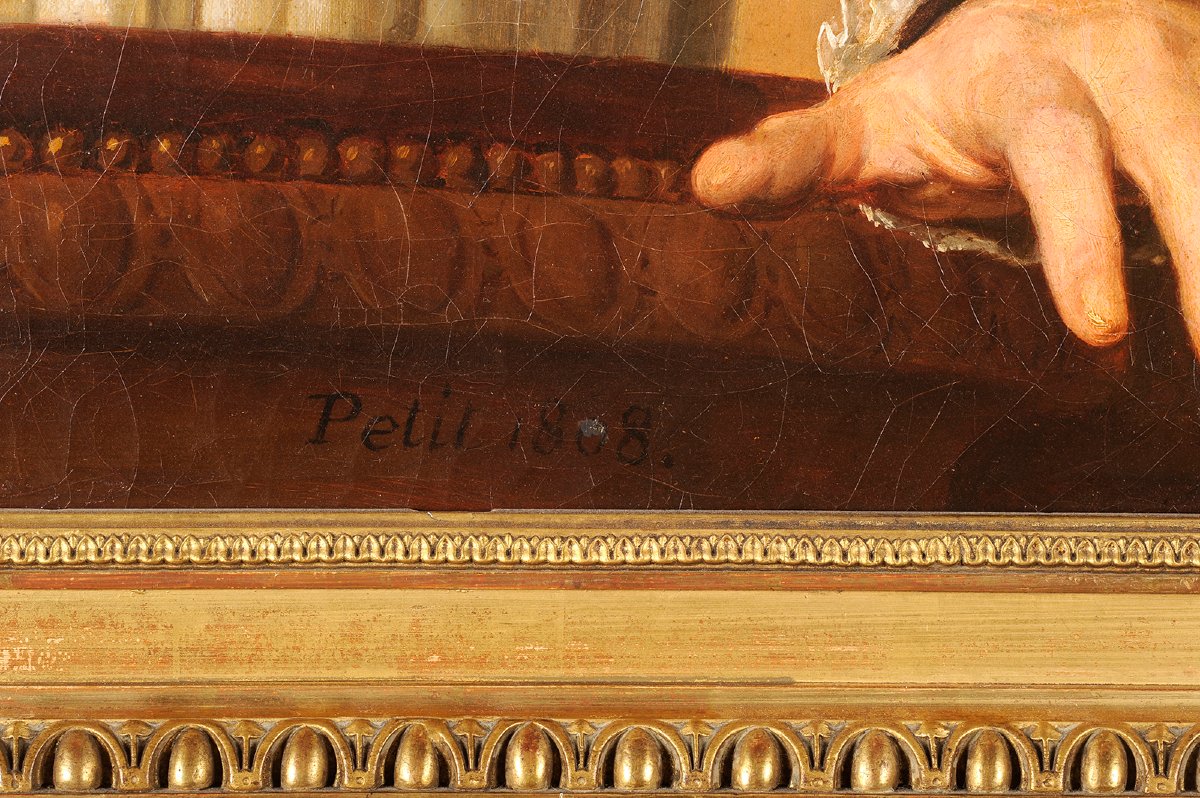
Signed lower center, dated
Exhibition: Possibly the 1808 Salon, no. 468 “Several portraits. Same number"
Claude François Henri Petit de Villeneuve came from a family with tiesto the arts and crafts: he was the grandson of a Parisian goldsmithand was also descended from several renowned clockmakers,including his great-grandfather, Jean-Baptiste Dutertre deVéteuil (1705–1773). His surname, moreover, has adistinctive feature: “de Villeneuve” did not result from the purchaseor ownership of land, but from the addition of hismother’s maiden name. Throughout his career, Claude François used hisfull name in various ways, and it appears that this namewas not adopted until after his father’s death. His brothers,on the other hand, opted for different last names. Thus, duringthe Salons de la Correspondance of 1781–1782, Pahin de la Blancheriementioned Simon and Jean-Baptiste Petit, even though Simon doesnot appear in the family records.
InParis, Claude François married Rosalie, also known as Rozalie,Paupe. Historical sources indicate that she was the daughter ofJacques-Nicolas Paupe, a merchant based in Paris, and Rose Molière.Jacques-Nicolas Paupe was both an art lover and a close friend of thedraftsman Aignan-Thomas Desfriches (1715–1800). His collectionincluded, notably, works by Greuze, Fragonard, Danloux, andTaunay. He also played an important role as a patron ofJoseph Vernet (1714–1789), from whom he commissioned about twenty paintingsover a period of ten years. The Paupe family also hadconnections in Troyes. Although the date of Rosalie’s death isis unknown, it is established that Claude François entered into asecond marriage in 1796 with Louise-Thérèse Andry. Her familyalso had ties to Troyes, a factthat may indicate affinities with Jansenistcircles.
The artist’s birth and death certificateswere reconstructed in 1872, at the initiative of hisgrandson, who worked as an architect. Among the documentsdiscovered at that time was, notably, his certificate as a student atthe Royal Academy of Painting and Sculpture. Beginning in 1781, ClaudeFrançois participated in the Salon de la Correspondance. He subsequentlycontinued to exhibit at various Parisian Salons, notablyin 1808, 1810, 1814, and 1817. His artistic practice spannedseveral mediums, as he worked inoil painting as well as miniatures and pastels. After the Restoration, hewas awarded the Medal of Fidelity.
In 1820, after theclosure of his studio, a sale of his works was held at11 Rue des Blancs-Manteaux.
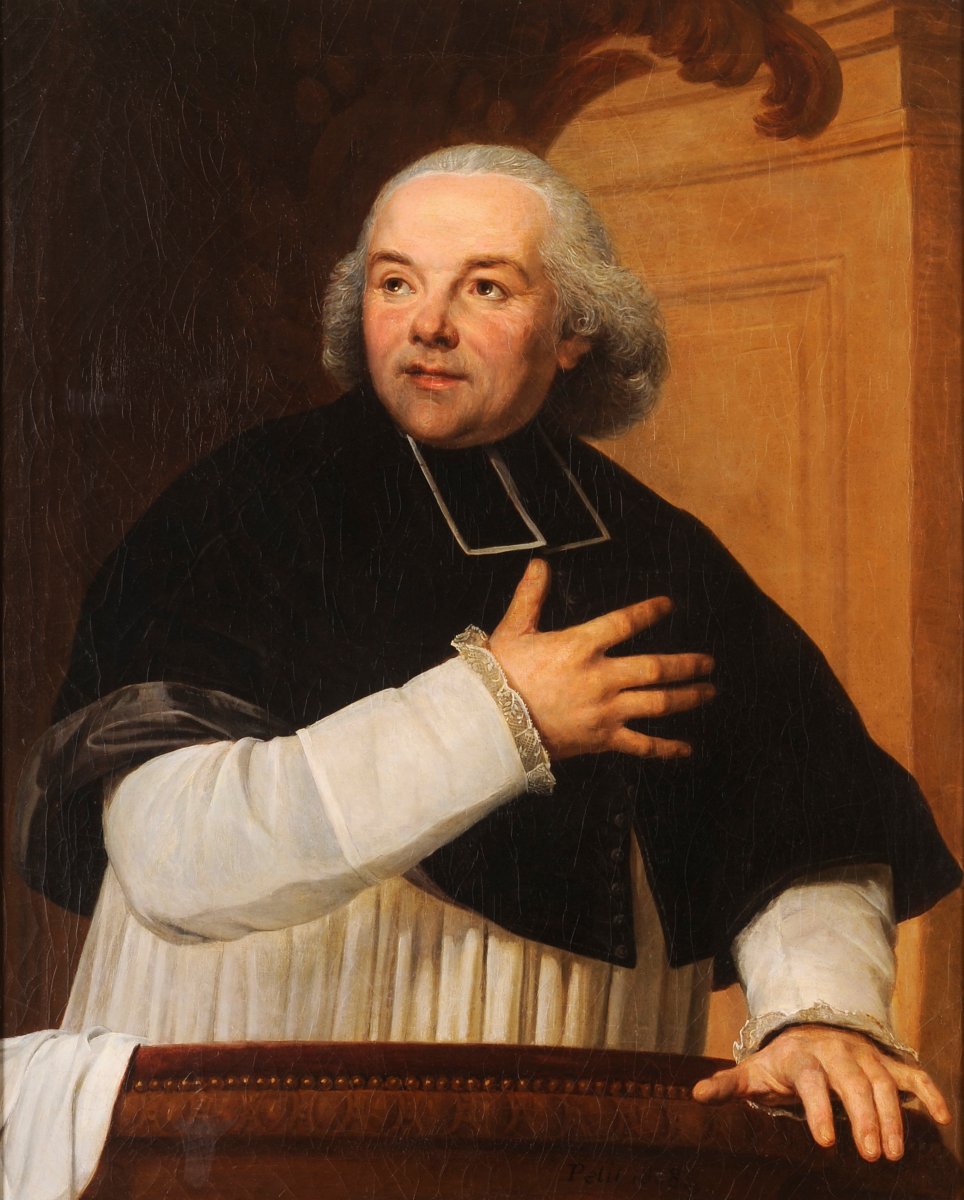
This vivid portrait depictsone of the few moments during Mass when the priestspeaks in French, ascending the pulpit to preach to hiscongregation. Here, he is leaning on the velvet-covered balustrade, hishands gesturing to illustrate his words.
Period: 19th century
Style: Consulat, Empire
Condition: Excellent condition
Material: Oil painting
Length: 83 cm hors cadre
Width: 68 cm hors cadre
Reference (ID): 1832828
Availability: In stock