
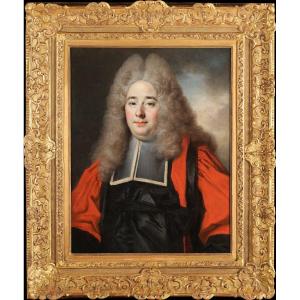


Nicolas De Largillierre (1656–1746) Portrait Of The Marquis De Rosanbo
Artist: Nicolas De Largillierre
Nicolas de LARGILLIERRE
(Paris 1656–1746)
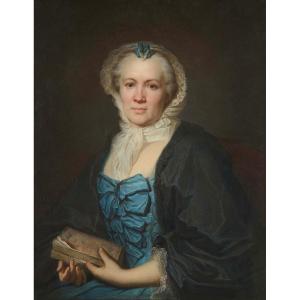
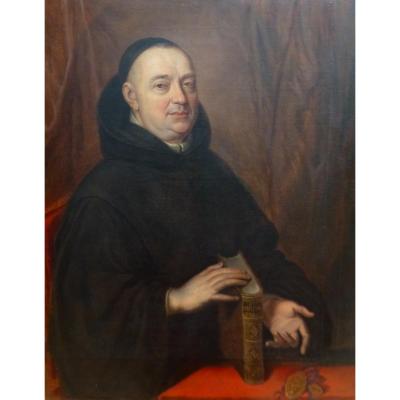
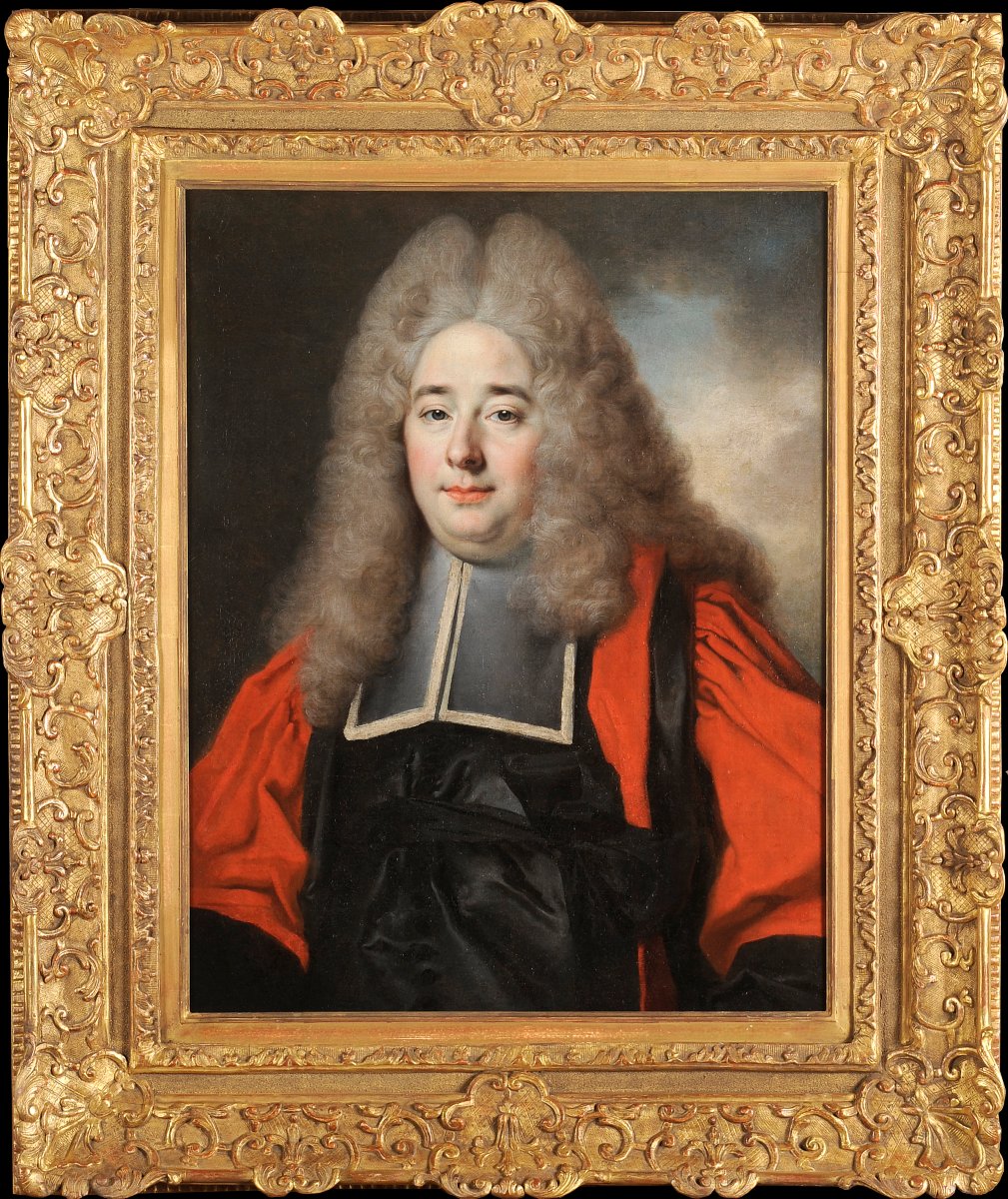
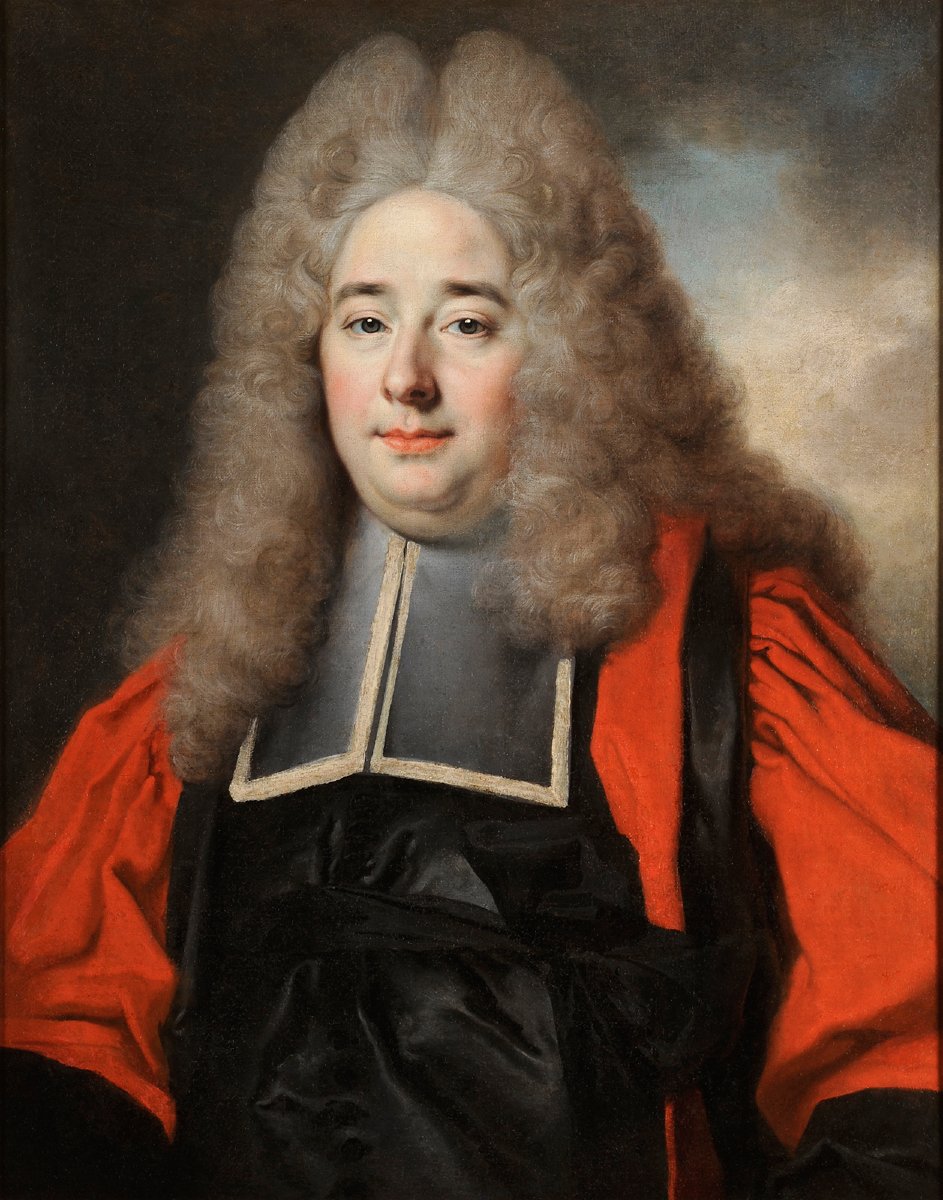
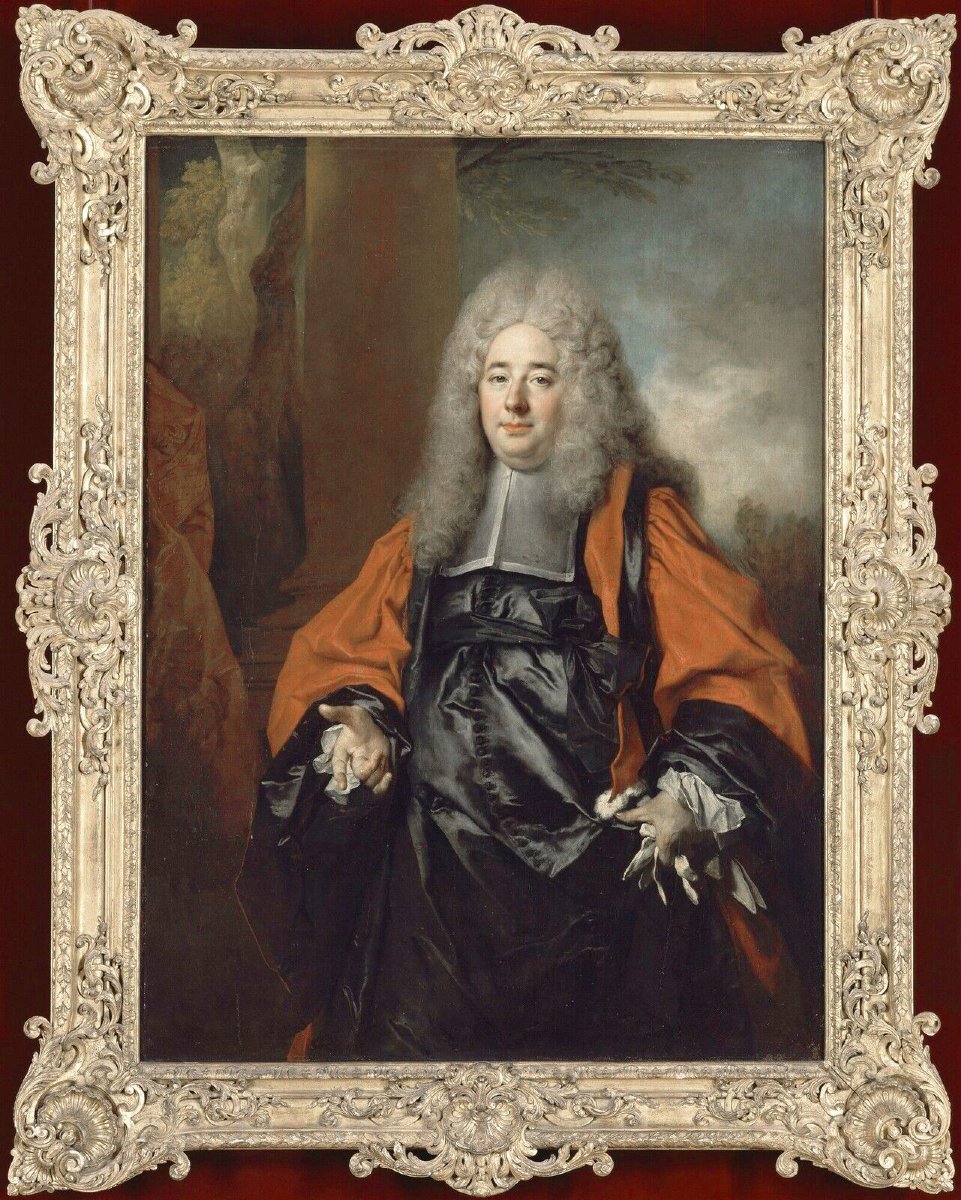
Portrait of Louis-Urbain Le Peletier, Marquis de Rosanbo, Master of Requests (1662–1730)
Oil on canvas
H. 75 cm ; W. 60 cm
Provenance : The Pierres family (Berry) at least throughout the 20th century. No connection has been established between the Pierres family and the Le Peletier descendants.
Related work : A half-length portrait housed at the Palace of Versailles.
The son of a Parisian hatmaker, Nicolas de Largillièrre moved to Antwerp with his parents at the age of three. After spending about twenty months in London in 1665–1666, he was apprenticed to the Antwerp painter Antoon Goubau (1616–1698), who specialized in bambochades. He soon began collaborating on his master’s works, who allowed him to paint piles of fruits and vegetables, and Largillièrre refined his training through exposure to the works of Peter Paul Rubens and his circle. A second stay in London, between 1675 and 1679, allowed him to deepen his knowledge of Flemish still lifes and to master Van Dyck’s style. After Sir Peter Leley (1618–1698), first painter to King Charles II, entrusted him with some restoration work on paintings by the portraitist, Largillière assisted the Italian painter Antonio Verrio (1639–1670) with the decorations for the royal apartments at Windsor Castle. Despite protective measures taken on behalf of Verrio and his team (including a certain “Nicholas de Lauzellier,” a pseudonym for Largillière), the persecution of Catholics prompted the French painter to leave England and settle in Paris. Introduced to the powerful Charles Le Brun (1619–1690), the portraitist’s success was immediate: admitted to the Royal Academy of Painting and Sculpture on March 6, 1683, Largillière was admitted on March 30, 1686, upon presentation of his famous Portrait of Charles Le Brun (Paris, Louvre Museum). Private commissions then poured in, bringing with them official commissions, notably from the aldermen of the City of Paris.
At the same time, the portraitist enjoyed a brilliant teaching career at the Academy, having been successively appointed professor in 1705, rector in 1722, chancellor in 1733, and then director from 1738 to 1742. It was not until the following year, at an advanced age, that Largillièrre laid down his brushes for good.
At the turn of the 18th century, Nicolas de Largillièrre was, along with his rival Hyacinthe Rigaud (1659–1743), the most famous portrait painter in France. The interest his work generates today among the public, art lovers, and art historians perfectly reflects his past popularity. His body of work consists of several hundred portraits, religious subjects, still lifes, and rare drawings, primarily figure studies. Throughout his career—and even today—the artist continues to fascinate.
Descended from a distinguished parliamentary lineage, Louis II Le Peletier (1662–1730) was a magistrate from a powerful family of Parisian jurists. The son of Claude Le Peletier, Controller-General of Finances during the reign of Louis XIV, he enjoyed a brilliant career at the Parliament of Paris: first as a counselor, then as a president wearing the judicial cap, before rising to the office of First President of the Parliament of Paris from 1707 to 1711. As lord of several estates and Marquis of Rosanbo by marriage, he belonged to the high nobility of the robe, which wielded major influence over the kingdom’s administration and judiciary at the end of the Grand Siècle.
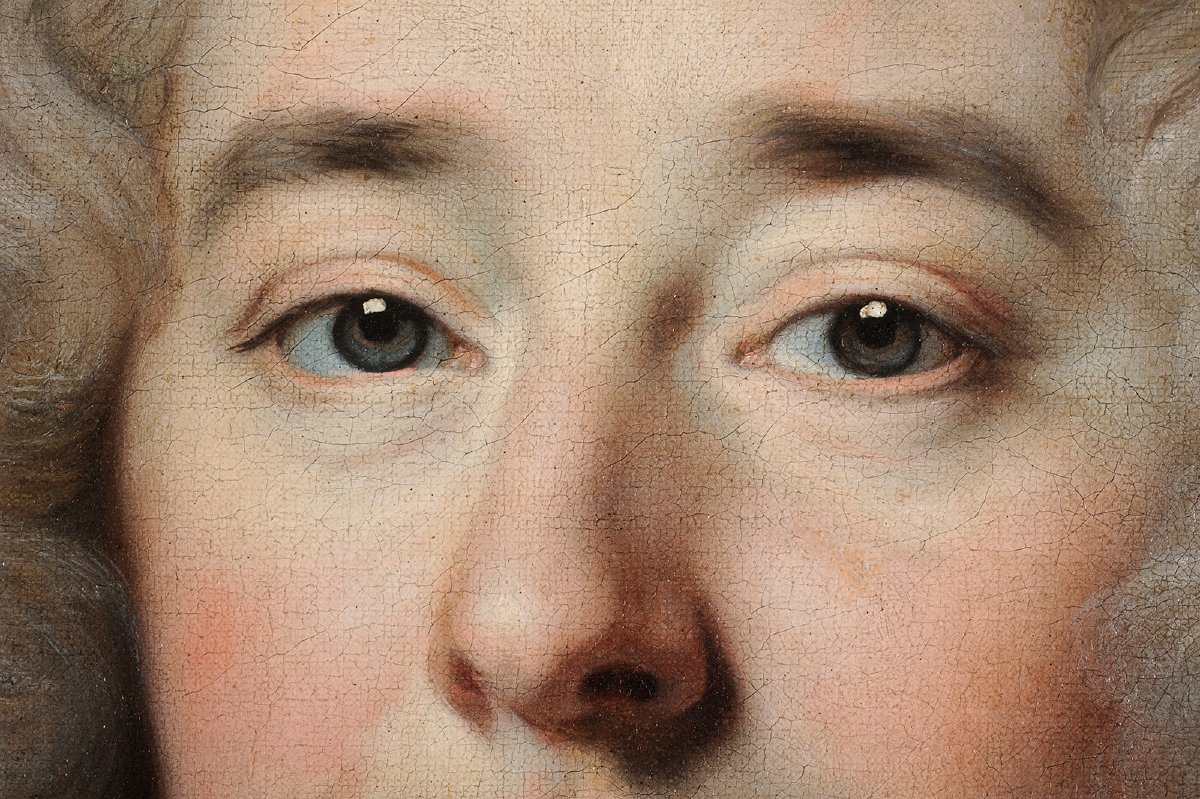
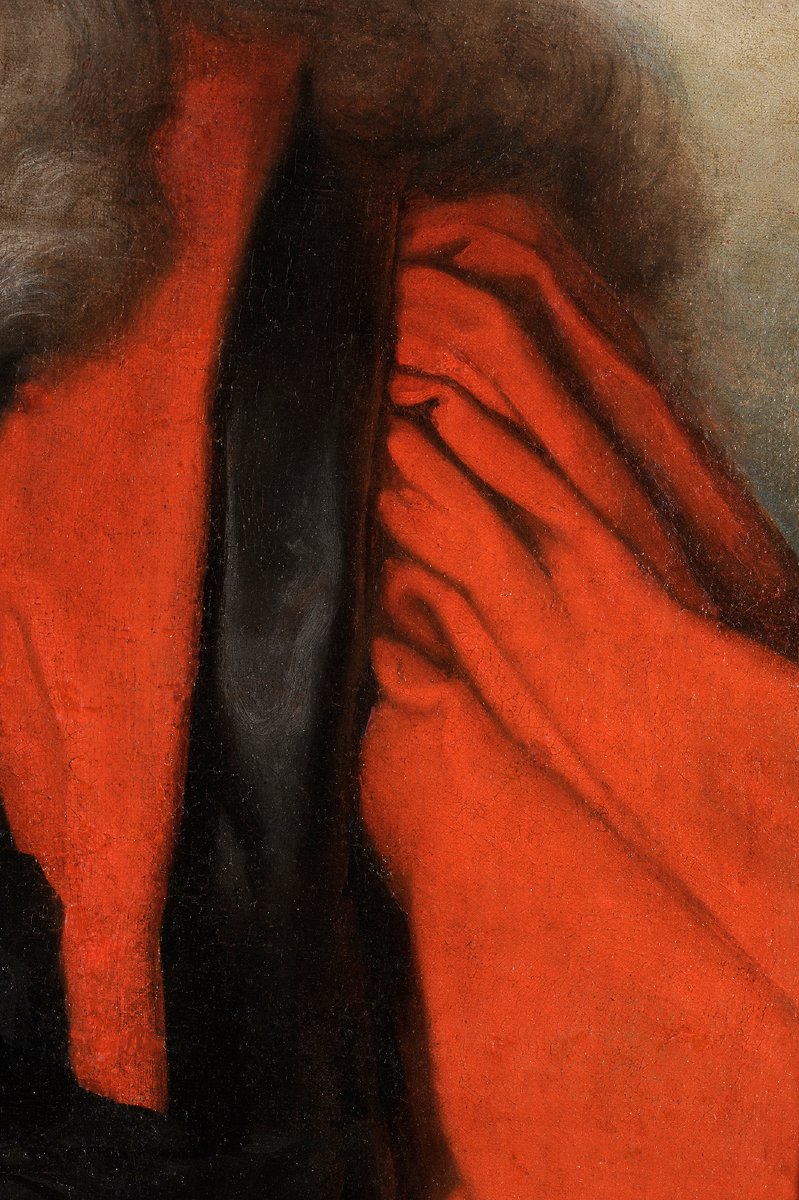
The artist’s characteristic rendering of the skin tone—with rosy cheeks and round, endearing faces accentuated by large eyes—adds even more charm to the details. The art critic Antoine-Joseph Dezallier d’Argenville (1680–1765) wrote of him in the third volume of *Abrégé de la vie des plus fameux peintres* (*A Summary of the Lives of the Most Famous Painters*), published in 1752: “In his works one finds a fresh brushstroke, a light and spirited touch, abundant genius, precise drawing, admirable heads and hands, and skillfully draped fabrics… Since he worked very quickly and did not overwork his colors, they still retain a freshness, a liveliness, and a softness worthy of Van Dyck.”
(Paris 1656–1746)
Portrait of Louis-Urbain Le Peletier, Marquis de Rosanbo, Master of Requests (1662–1730)
Oil on canvas
H. 75 cm ; W. 60 cm
Provenance : The Pierres family (Berry) at least throughout the 20th century. No connection has been established between the Pierres family and the Le Peletier descendants.
Related work : A half-length portrait housed at the Palace of Versailles.
The son of a Parisian hatmaker, Nicolas de Largillièrre moved to Antwerp with his parents at the age of three. After spending about twenty months in London in 1665–1666, he was apprenticed to the Antwerp painter Antoon Goubau (1616–1698), who specialized in bambochades. He soon began collaborating on his master’s works, who allowed him to paint piles of fruits and vegetables, and Largillièrre refined his training through exposure to the works of Peter Paul Rubens and his circle. A second stay in London, between 1675 and 1679, allowed him to deepen his knowledge of Flemish still lifes and to master Van Dyck’s style. After Sir Peter Leley (1618–1698), first painter to King Charles II, entrusted him with some restoration work on paintings by the portraitist, Largillière assisted the Italian painter Antonio Verrio (1639–1670) with the decorations for the royal apartments at Windsor Castle. Despite protective measures taken on behalf of Verrio and his team (including a certain “Nicholas de Lauzellier,” a pseudonym for Largillière), the persecution of Catholics prompted the French painter to leave England and settle in Paris. Introduced to the powerful Charles Le Brun (1619–1690), the portraitist’s success was immediate: admitted to the Royal Academy of Painting and Sculpture on March 6, 1683, Largillière was admitted on March 30, 1686, upon presentation of his famous Portrait of Charles Le Brun (Paris, Louvre Museum). Private commissions then poured in, bringing with them official commissions, notably from the aldermen of the City of Paris.
At the same time, the portraitist enjoyed a brilliant teaching career at the Academy, having been successively appointed professor in 1705, rector in 1722, chancellor in 1733, and then director from 1738 to 1742. It was not until the following year, at an advanced age, that Largillièrre laid down his brushes for good.
At the turn of the 18th century, Nicolas de Largillièrre was, along with his rival Hyacinthe Rigaud (1659–1743), the most famous portrait painter in France. The interest his work generates today among the public, art lovers, and art historians perfectly reflects his past popularity. His body of work consists of several hundred portraits, religious subjects, still lifes, and rare drawings, primarily figure studies. Throughout his career—and even today—the artist continues to fascinate.
Descended from a distinguished parliamentary lineage, Louis II Le Peletier (1662–1730) was a magistrate from a powerful family of Parisian jurists. The son of Claude Le Peletier, Controller-General of Finances during the reign of Louis XIV, he enjoyed a brilliant career at the Parliament of Paris: first as a counselor, then as a president wearing the judicial cap, before rising to the office of First President of the Parliament of Paris from 1707 to 1711. As lord of several estates and Marquis of Rosanbo by marriage, he belonged to the high nobility of the robe, which wielded major influence over the kingdom’s administration and judiciary at the end of the Grand Siècle.
The artist’s characteristic rendering of the skin tone—with rosy cheeks and round, endearing faces accentuated by large eyes—adds even more charm to the details. The art critic Antoine-Joseph Dezallier d’Argenville (1680–1765) wrote of him in the third volume of *Abrégé de la vie des plus fameux peintres* (*A Summary of the Lives of the Most Famous Painters*), published in 1752: “In his works one finds a fresh brushstroke, a light and spirited touch, abundant genius, precise drawing, admirable heads and hands, and skillfully draped fabrics… Since he worked very quickly and did not overwork his colors, they still retain a freshness, a liveliness, and a softness worthy of Van Dyck.”
32 000 €
Period: 18th century
Style: Louis 14th, Regency
Condition: Perfect condition
Material: Oil painting
Length: 75 cm hors cadre
Width: 60 cm hors cadre
Reference (ID): 1783964
Availability: In stock
Print