THIS OBJECT WAS SOLD
Brandi, Giacinto,
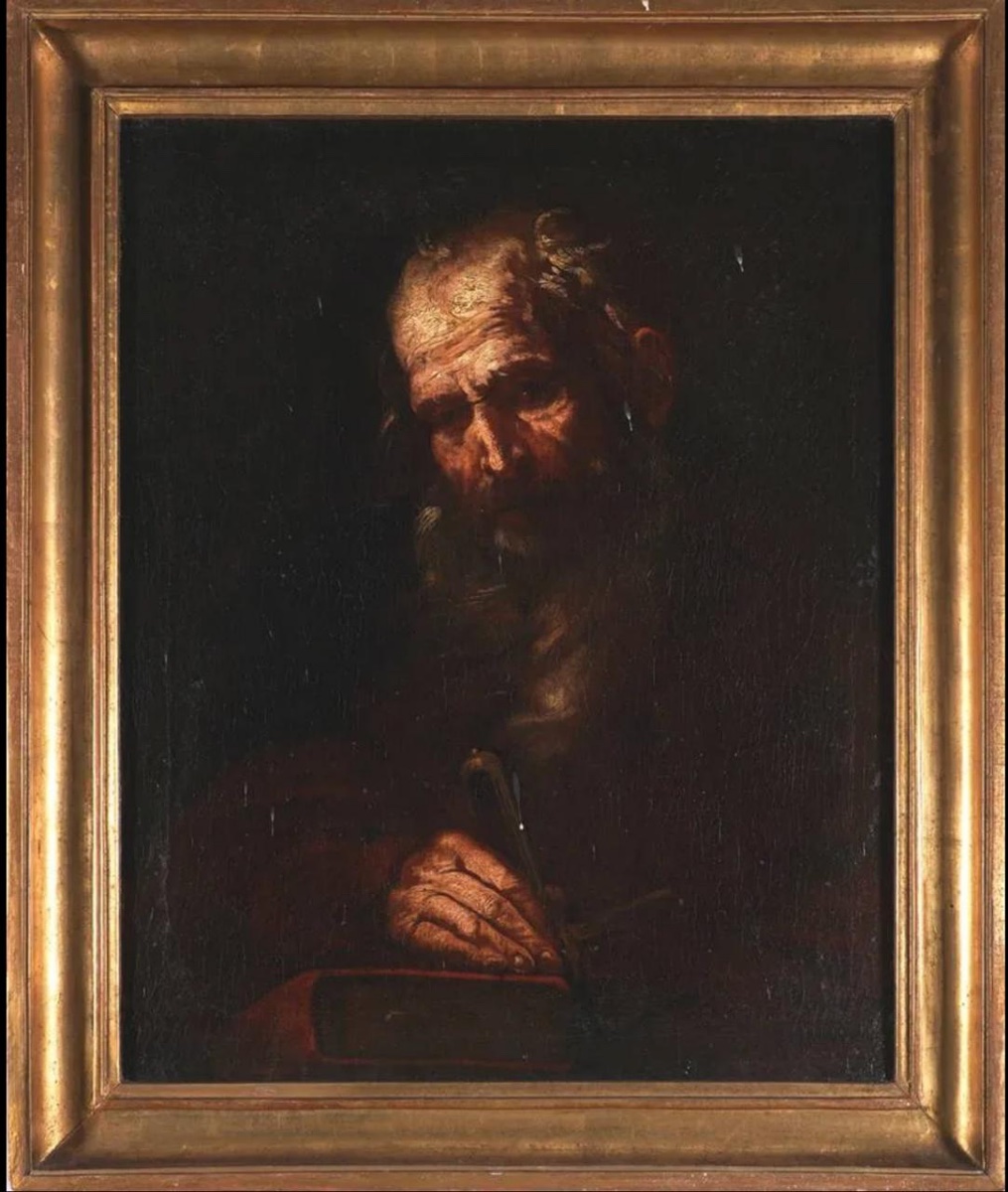
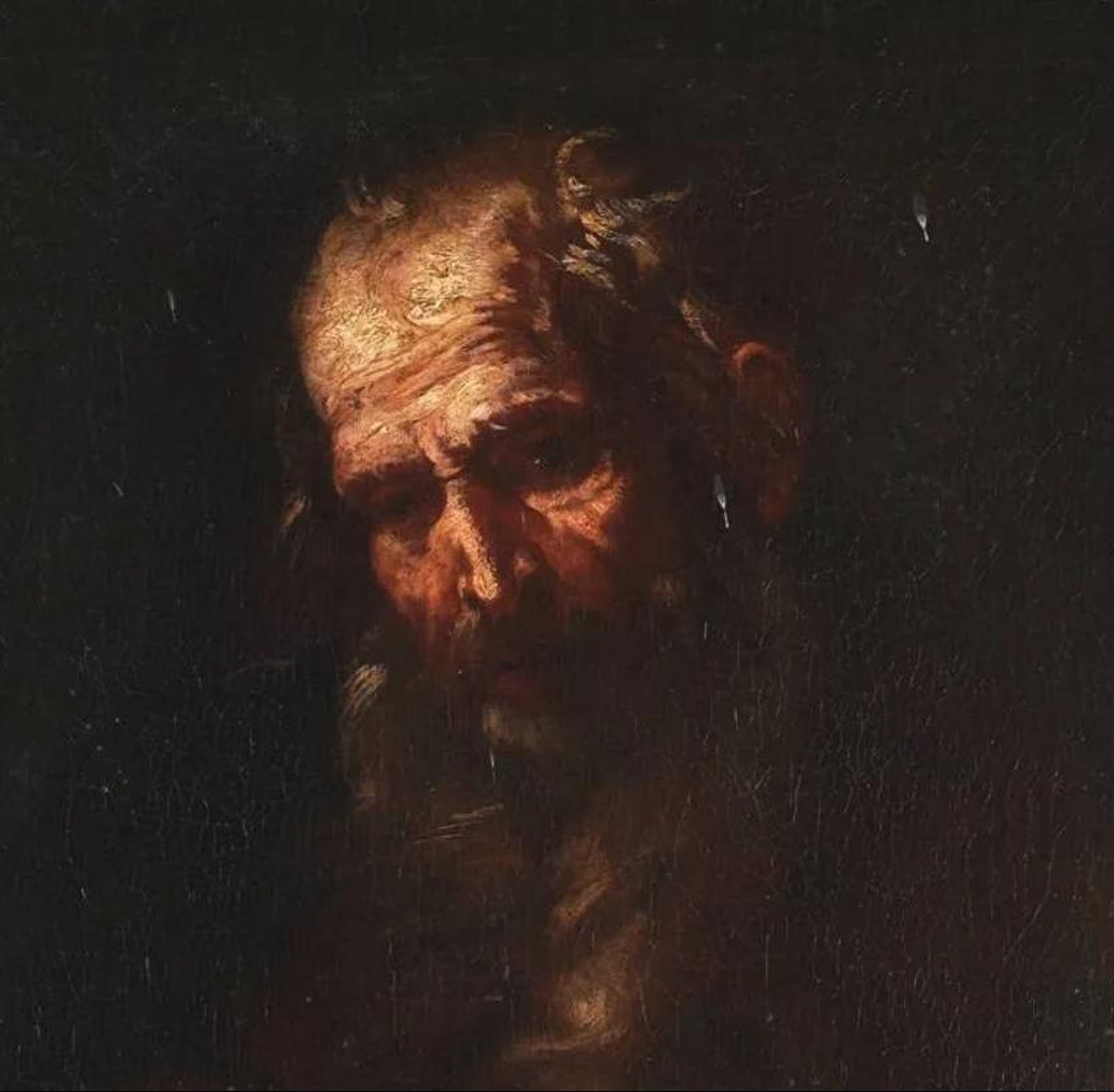
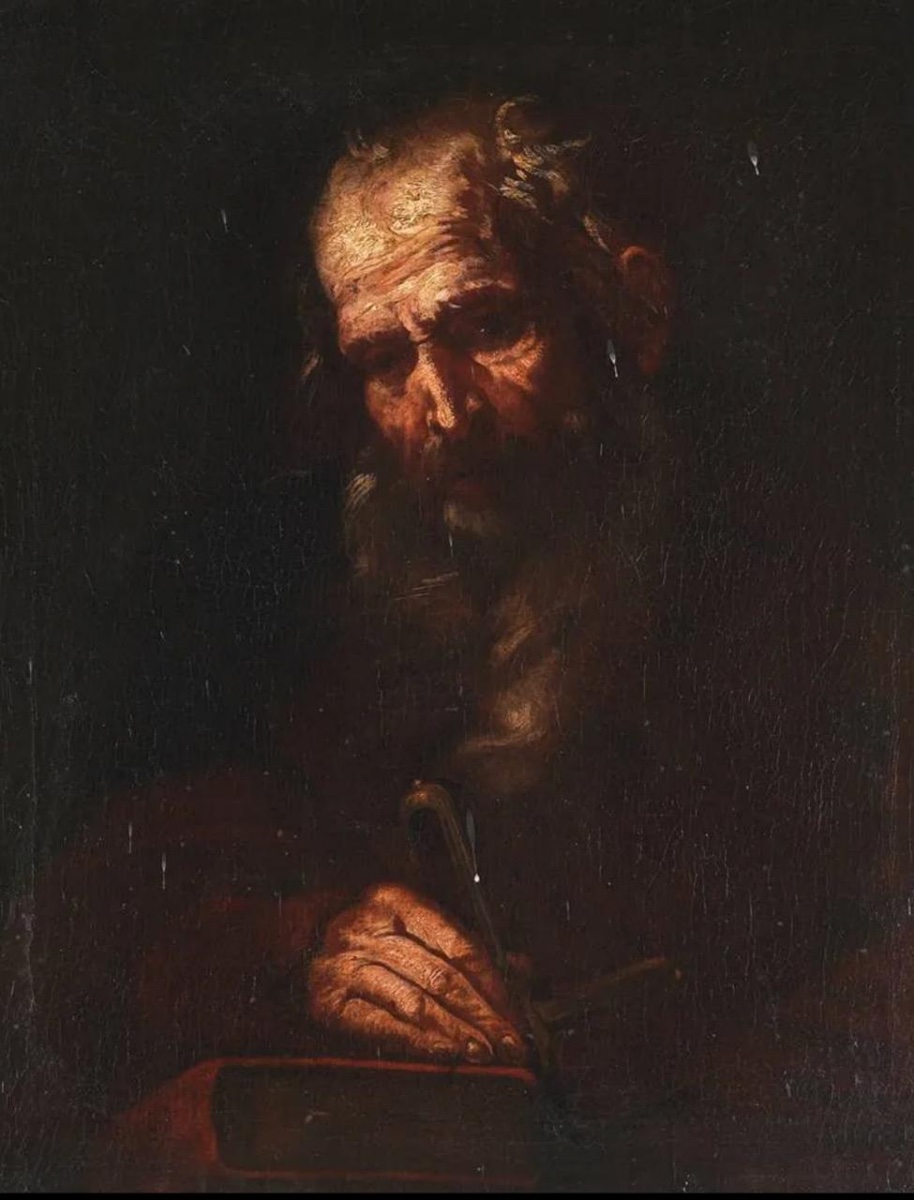
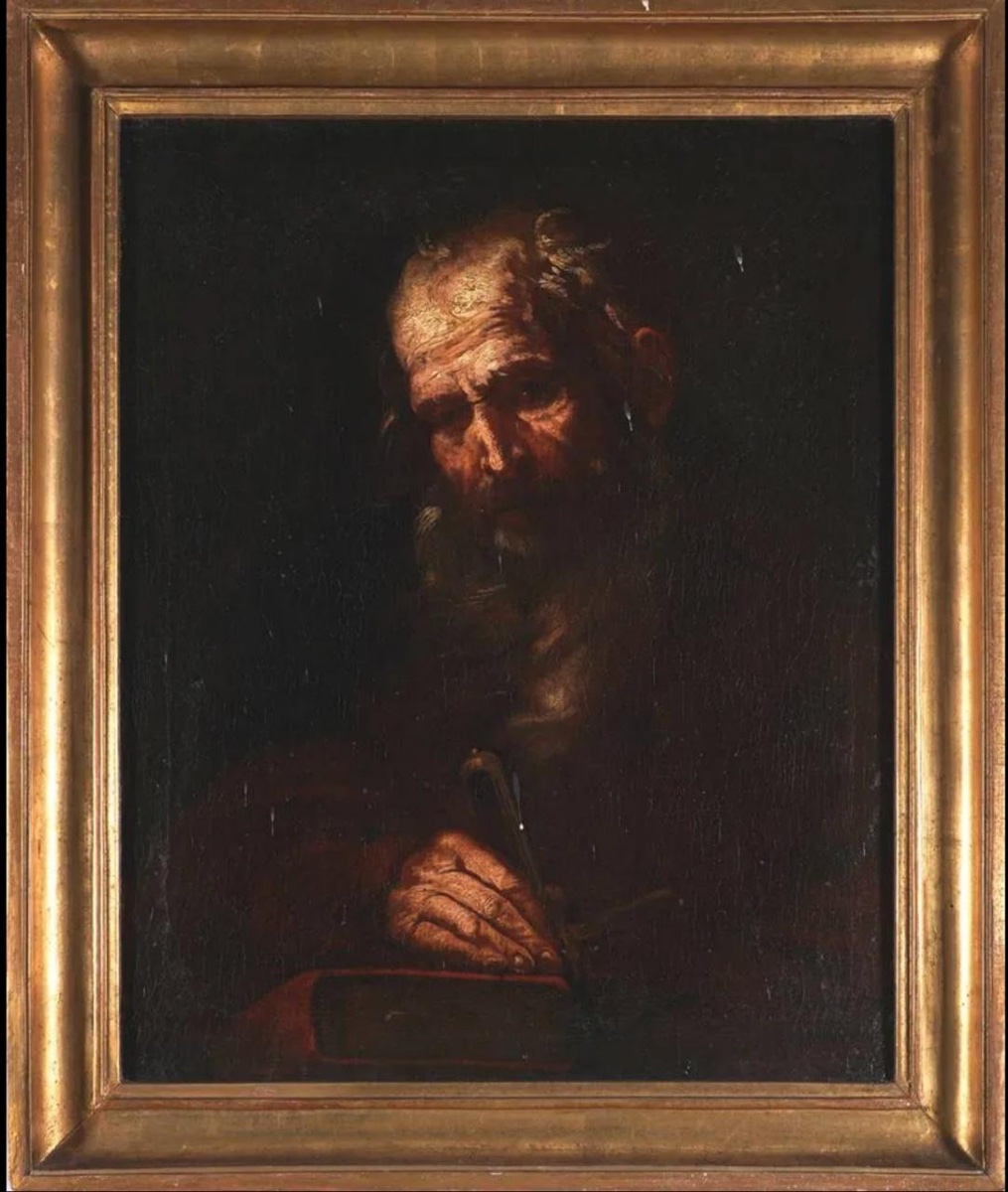


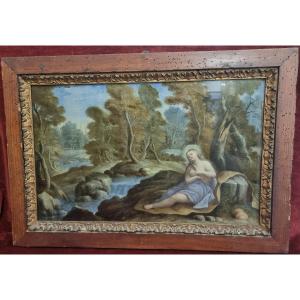
Brandi, Giacinto, Circle of “San Pablo,” 17th century.
Oil on canvas (re-engraved).
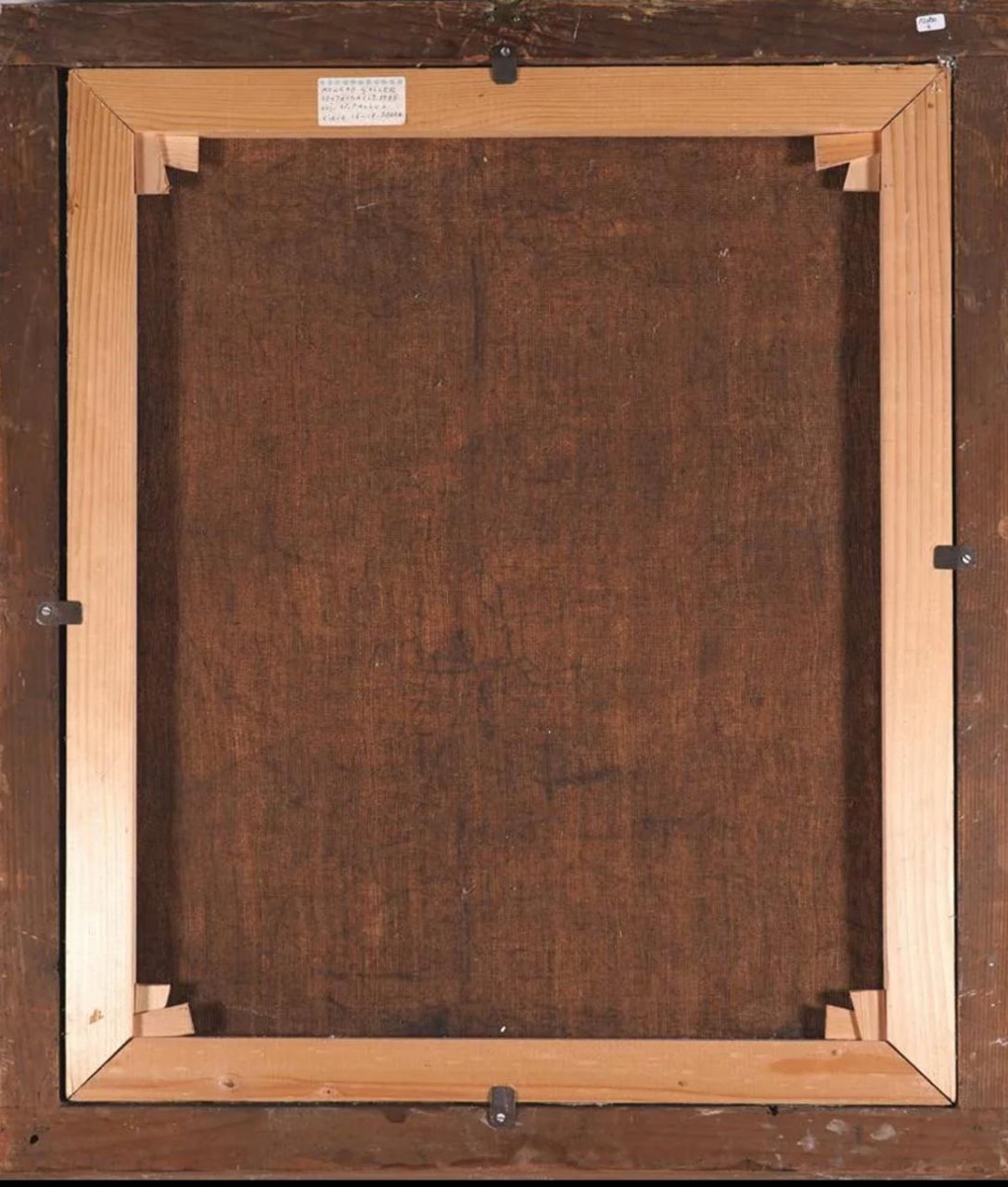
Restoration note on the reverse.
Dimensions: approx. 69 x 56 cm, frame: approx. 82 x 69 cm.
Good condition.
Giacinto Brandi (Poli, Italy, February 23, 1621 – Rome, January 19, 1691) was an Italian painter.
Born in Rome, in his father Giovanni’s house on Via Giulia, he was baptized in the Basilica of San Giovanni Battista dei Fiorentini. The art historian Bernardo De Dominici, a man of a very provincial mindset, wrote in his *Lives of Neapolitan Painters, Sculptors, and Architects*, a work never published and dedicated to the elected lords of the most faithful city of Naples (Naples, 1742–1745), the erroneous claim that Brandi was born in Gaeta. When Giacinto was four years old, his family moved near the Basilica of Sant’Andrea delle Fratte. After an apprenticeship in the studio of Alessandro Algardi, he joined Giovanni Giacomo Sementi (a pupil of Guido Reni) in 1633, as his first master wished to introduce him to sculpture, while he himself intended to pursue painting. He then worked for Giovanni Battista Magni and Giovanni Lanfranco until 1646.
After a stay in Naples, he returned to Rome in 1638, where he married Maria Teresa Cageri, a Frenchwoman, in 1640 and settled with her on Via della Croce, near the Spanish Steps. In 1637, he joined the Congregation of the Virtuosi del Pantheon. From 1651 onward, he frequented the Academy of Saint Luke, of which he was elected prince in 1668. Pope Innocent X ennobled him and entrusted him with major commissions, notably the cycle of frescoes in the Palazzo Pamphili, Piazza Navona, thanks to the support of Monsignor Francesco Sacchetti, canon of the Basilica of Santa Maria Maggiore and the pope’s secret chamberlain, who was very close to Giacinto’s brother, Abbot Pietro Paolo Brandi.
His work as a painter can be seen in the frescoes and paintings found in numerous Baroque churches, such as the cycle of oil paintings on the vault and walls (1662–1663) and the altarpiece (1664) of the Intercession of Saint Erasmus in the Cathedral of Gaeta. The vast majority of his paintings are in Rome: the frescoes on the vault (1671–1678) of the Basilica of Saints Ambrose and Charles on the Corso, the frescoes on the vault and the counter-façade (1683–1684) of the church of San Silvestro in Capite, the Martyrdom of Saint Blaise in the church of San Carlo ai Catinari, the decoration of the church of Gesù e Maria with the altarpiece of the Coronation of the Virgin (1680); the Martyrdom of Saint Andrew (1685) in the Basilica of Santa Maria in Via Lata, the Martyrdom of Saint Frederick (1651) in the Basilica of Santa Maria in Trastevere, Saint Margaret Defeating the Devil (1683–85) in the Church of Santa Margherita in Trastevere; The Trinity with Blessed Bernardo Tolomei (1665–70) in the Basilica of Santa Francesca Romana, The Forty Holy Martyrs of Sebaste (1662) in the Church of the Most Holy Stigmata of Saint Francis, The Vision of Blessed John of San Facondo (1656) and The Ecstasy of Blessed Rita of Cascia (1660) in the Basilica of Sant’Agostino in Campo Marzio, Saint Roch Interceding for the Plague Victims (1673) and Saint Roch in Glory (1674) in the Church of San Rocco all’Augusteo; The Lamentation over the Dead Christ (1675–1676), the Ascent to Calvary, and the Flagellation of Christ in the Church of Sant’Andrea al Quirinale deserve special attention. The cycle of frescoes in the Palazzo Pamphili, on Piazza Navona, is also remarkable. The Baroque church of San Rocco in Parma houses a precious oil on canvas depicting the Circumcision of Christ, and in Codogno, the church of San Biagio and the Immaculate Virgin Against the Mothers contains a magnificent statue of Saint Sebastian.
Oil on canvas (re-engraved).
Restoration note on the reverse.
Dimensions: approx. 69 x 56 cm, frame: approx. 82 x 69 cm.
Good condition.
Giacinto Brandi (Poli, Italy, February 23, 1621 – Rome, January 19, 1691) was an Italian painter.
Born in Rome, in his father Giovanni’s house on Via Giulia, he was baptized in the Basilica of San Giovanni Battista dei Fiorentini. The art historian Bernardo De Dominici, a man of a very provincial mindset, wrote in his *Lives of Neapolitan Painters, Sculptors, and Architects*, a work never published and dedicated to the elected lords of the most faithful city of Naples (Naples, 1742–1745), the erroneous claim that Brandi was born in Gaeta. When Giacinto was four years old, his family moved near the Basilica of Sant’Andrea delle Fratte. After an apprenticeship in the studio of Alessandro Algardi, he joined Giovanni Giacomo Sementi (a pupil of Guido Reni) in 1633, as his first master wished to introduce him to sculpture, while he himself intended to pursue painting. He then worked for Giovanni Battista Magni and Giovanni Lanfranco until 1646.
After a stay in Naples, he returned to Rome in 1638, where he married Maria Teresa Cageri, a Frenchwoman, in 1640 and settled with her on Via della Croce, near the Spanish Steps. In 1637, he joined the Congregation of the Virtuosi del Pantheon. From 1651 onward, he frequented the Academy of Saint Luke, of which he was elected prince in 1668. Pope Innocent X ennobled him and entrusted him with major commissions, notably the cycle of frescoes in the Palazzo Pamphili, Piazza Navona, thanks to the support of Monsignor Francesco Sacchetti, canon of the Basilica of Santa Maria Maggiore and the pope’s secret chamberlain, who was very close to Giacinto’s brother, Abbot Pietro Paolo Brandi.
His work as a painter can be seen in the frescoes and paintings found in numerous Baroque churches, such as the cycle of oil paintings on the vault and walls (1662–1663) and the altarpiece (1664) of the Intercession of Saint Erasmus in the Cathedral of Gaeta. The vast majority of his paintings are in Rome: the frescoes on the vault (1671–1678) of the Basilica of Saints Ambrose and Charles on the Corso, the frescoes on the vault and the counter-façade (1683–1684) of the church of San Silvestro in Capite, the Martyrdom of Saint Blaise in the church of San Carlo ai Catinari, the decoration of the church of Gesù e Maria with the altarpiece of the Coronation of the Virgin (1680); the Martyrdom of Saint Andrew (1685) in the Basilica of Santa Maria in Via Lata, the Martyrdom of Saint Frederick (1651) in the Basilica of Santa Maria in Trastevere, Saint Margaret Defeating the Devil (1683–85) in the Church of Santa Margherita in Trastevere; The Trinity with Blessed Bernardo Tolomei (1665–70) in the Basilica of Santa Francesca Romana, The Forty Holy Martyrs of Sebaste (1662) in the Church of the Most Holy Stigmata of Saint Francis, The Vision of Blessed John of San Facondo (1656) and The Ecstasy of Blessed Rita of Cascia (1660) in the Basilica of Sant’Agostino in Campo Marzio, Saint Roch Interceding for the Plague Victims (1673) and Saint Roch in Glory (1674) in the Church of San Rocco all’Augusteo; The Lamentation over the Dead Christ (1675–1676), the Ascent to Calvary, and the Flagellation of Christ in the Church of Sant’Andrea al Quirinale deserve special attention. The cycle of frescoes in the Palazzo Pamphili, on Piazza Navona, is also remarkable. The Baroque church of San Rocco in Parma houses a precious oil on canvas depicting the Circumcision of Christ, and in Codogno, the church of San Biagio and the Immaculate Virgin Against the Mothers contains a magnificent statue of Saint Sebastian.
Explore similar pieces and discover your ideal find:
religious paintings