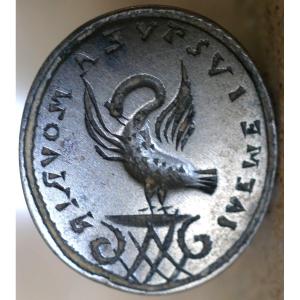


Medieval Silver Knight's Seal With Motto And Swan - 14th / 15th Century
Medieval silver knight's seal with motto and swan - 14th / 15th century
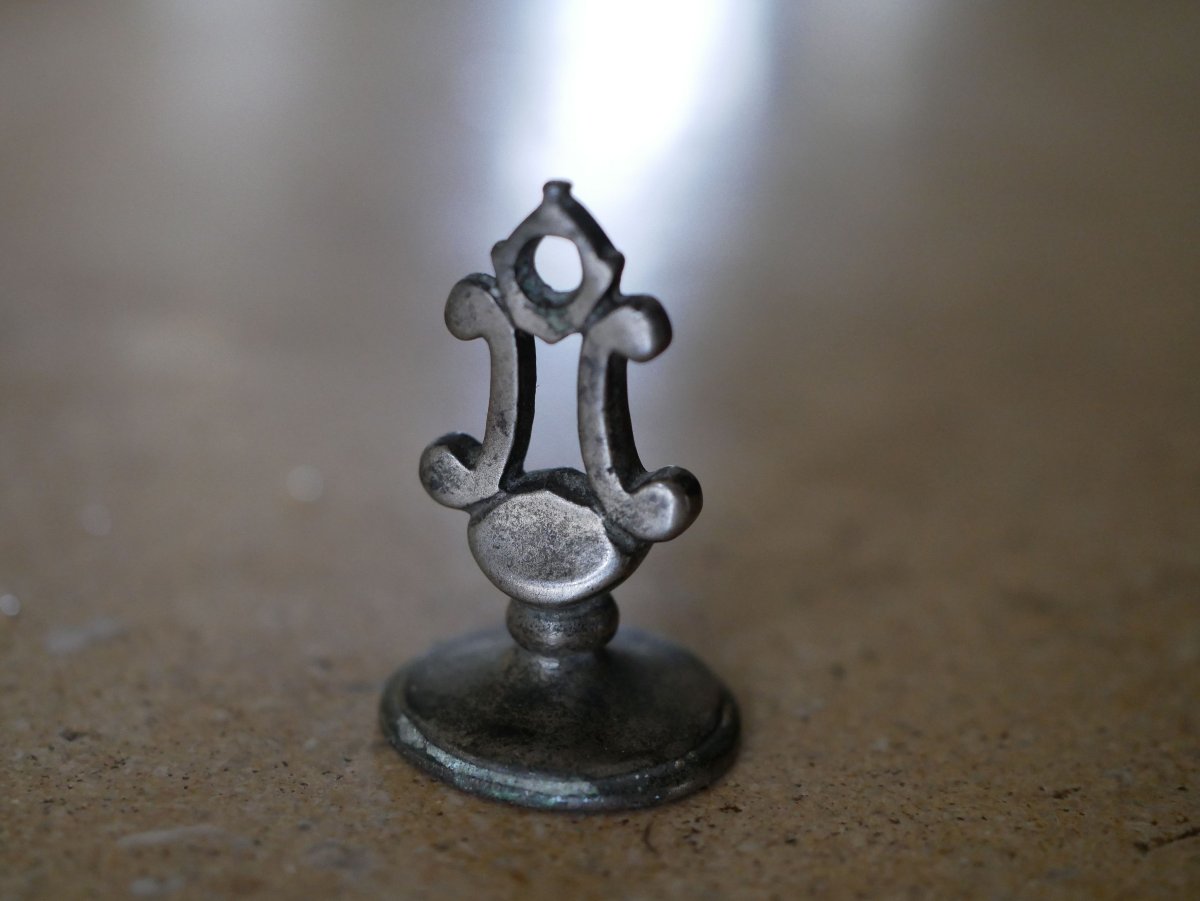
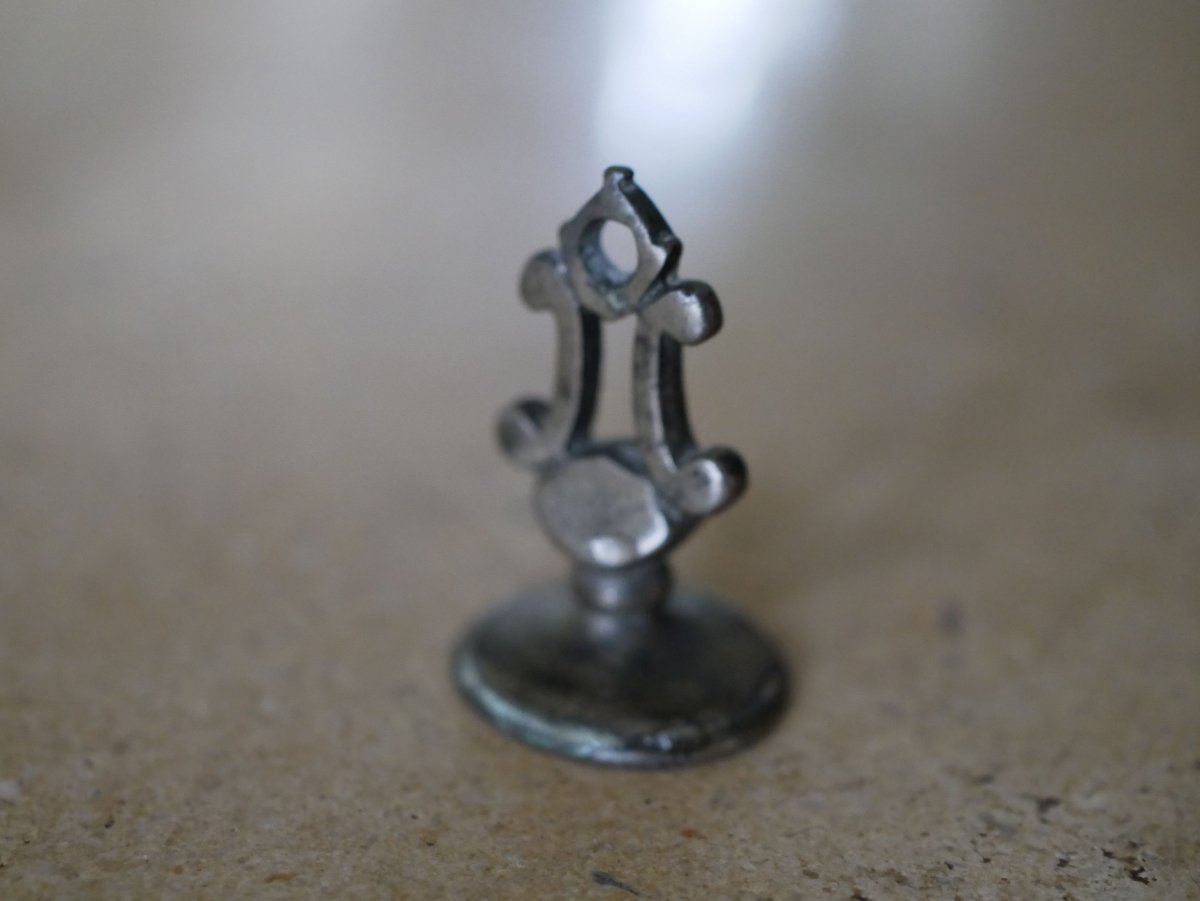
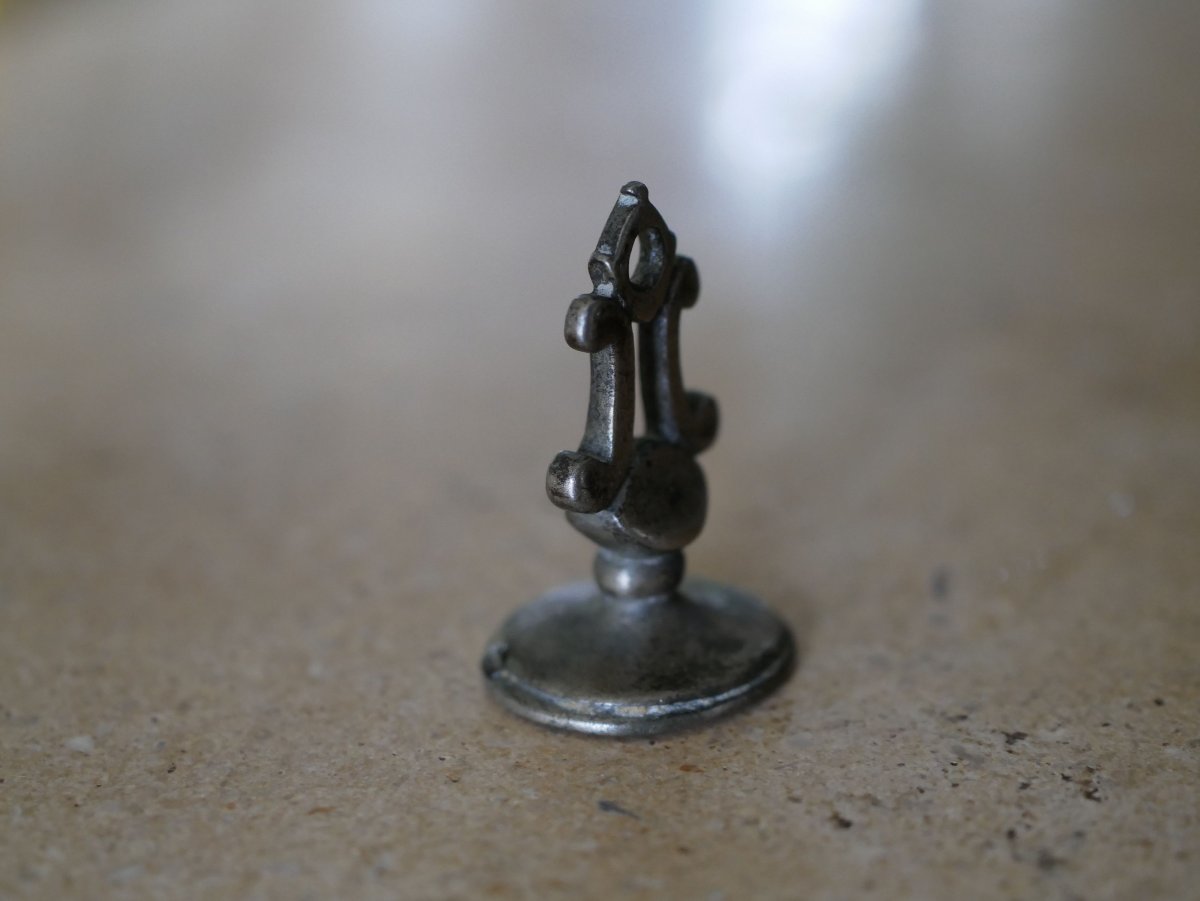
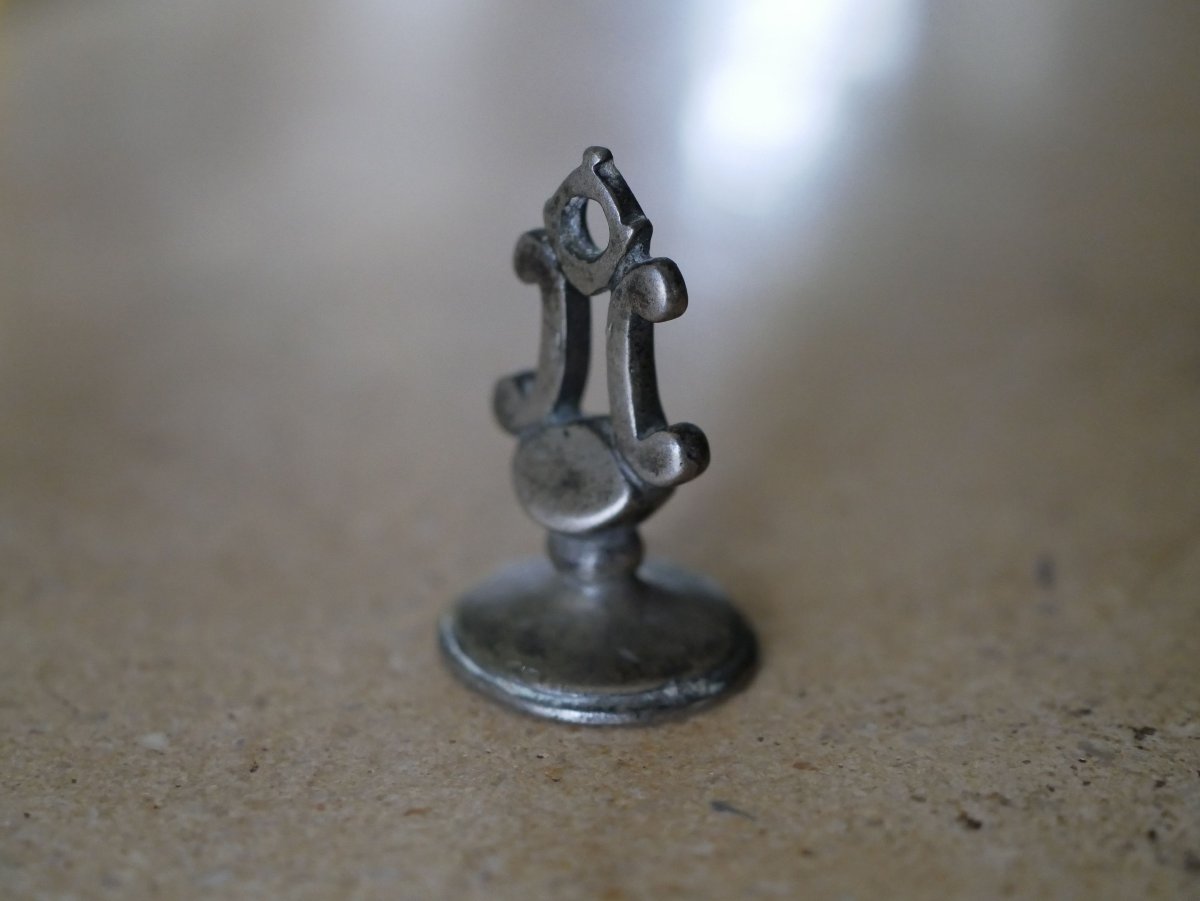
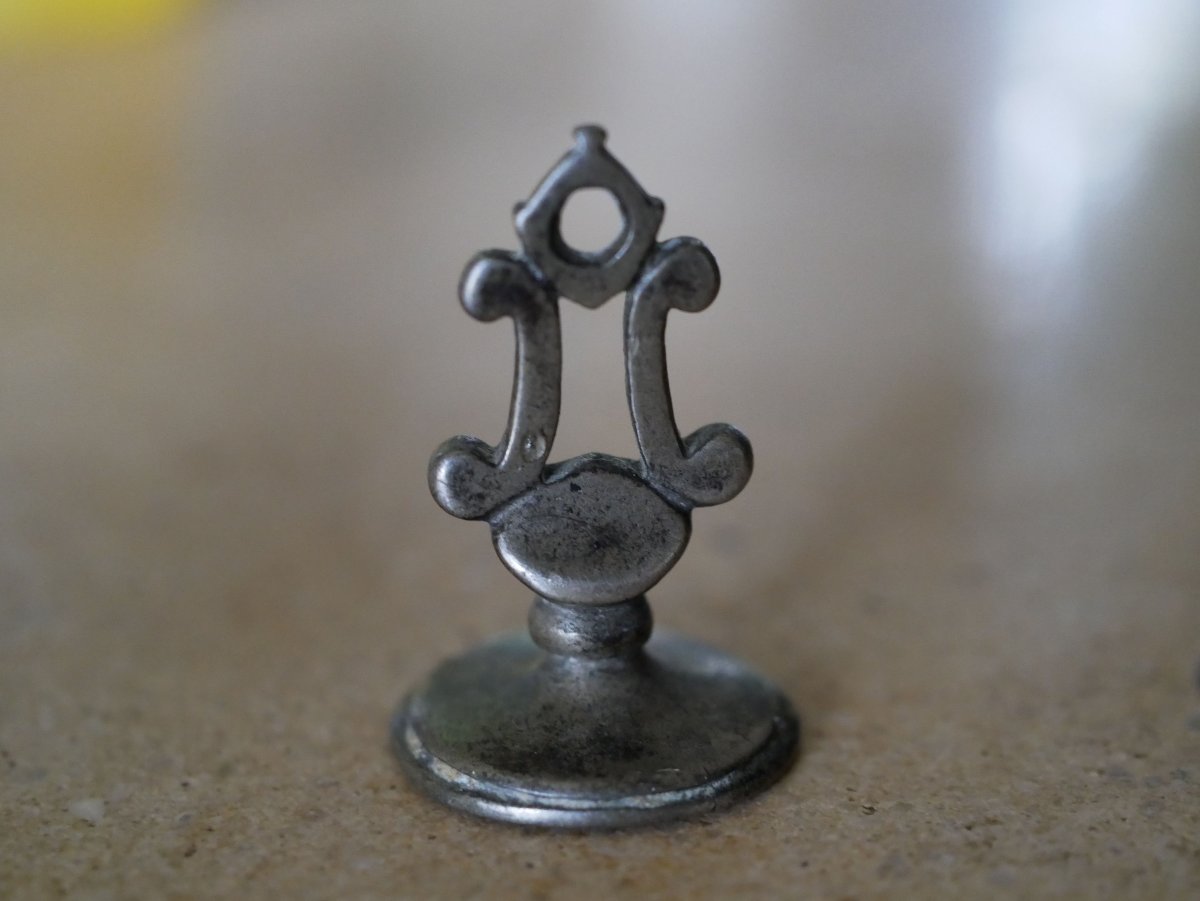
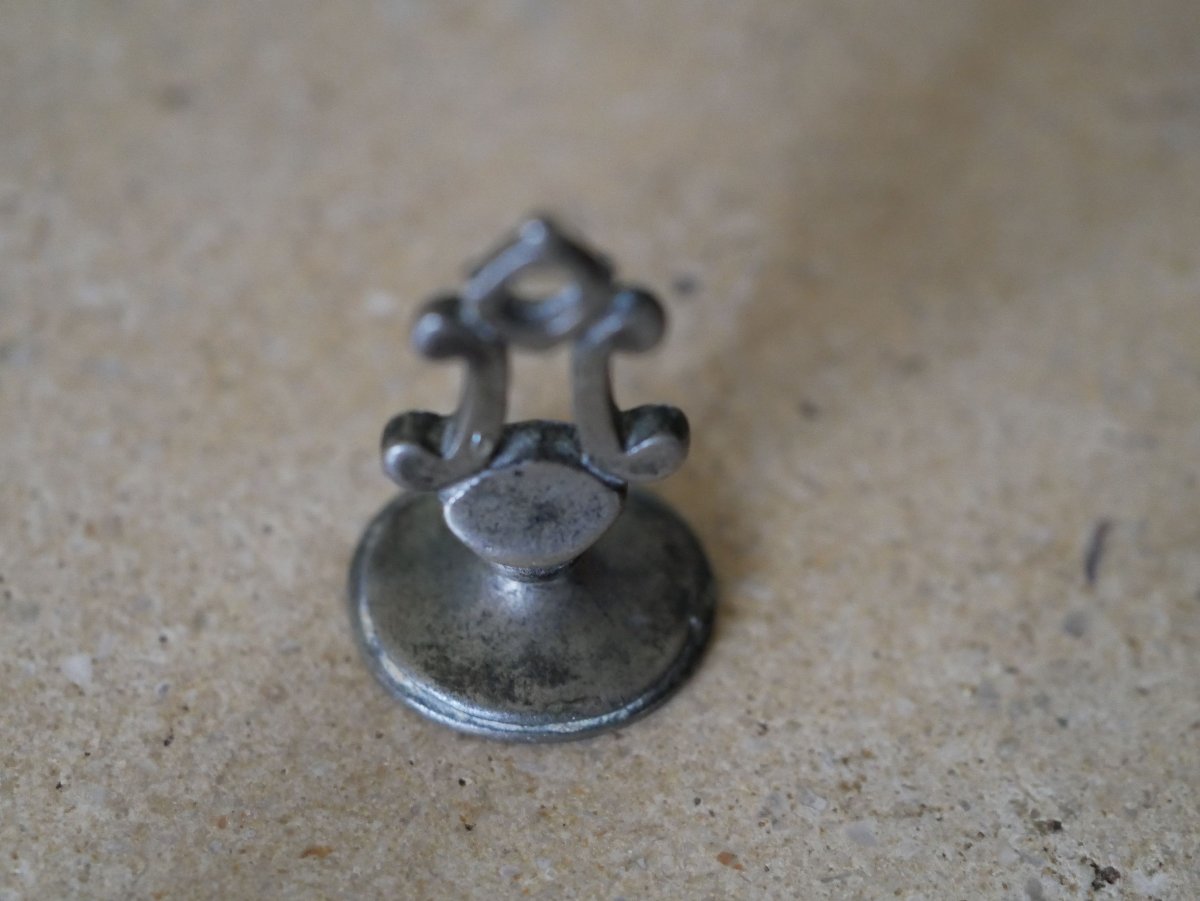
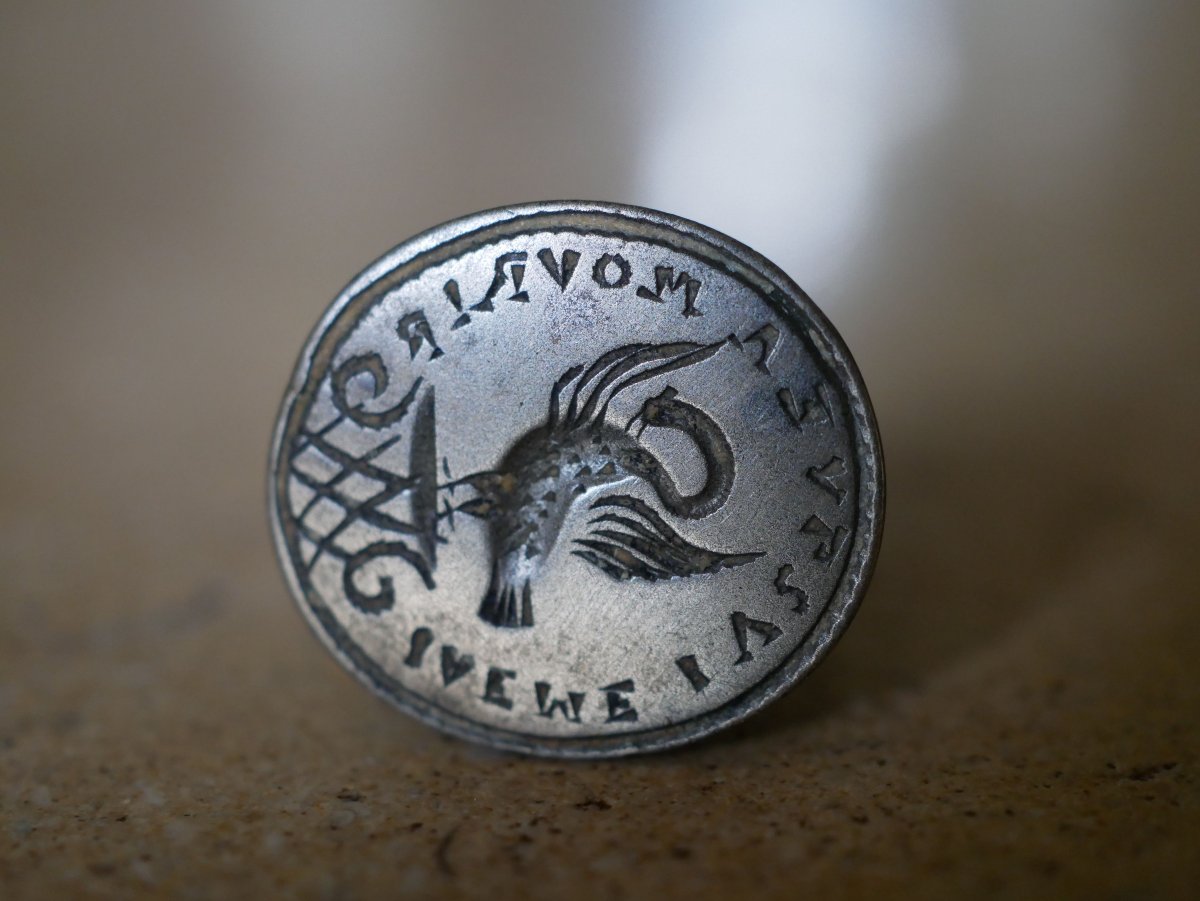
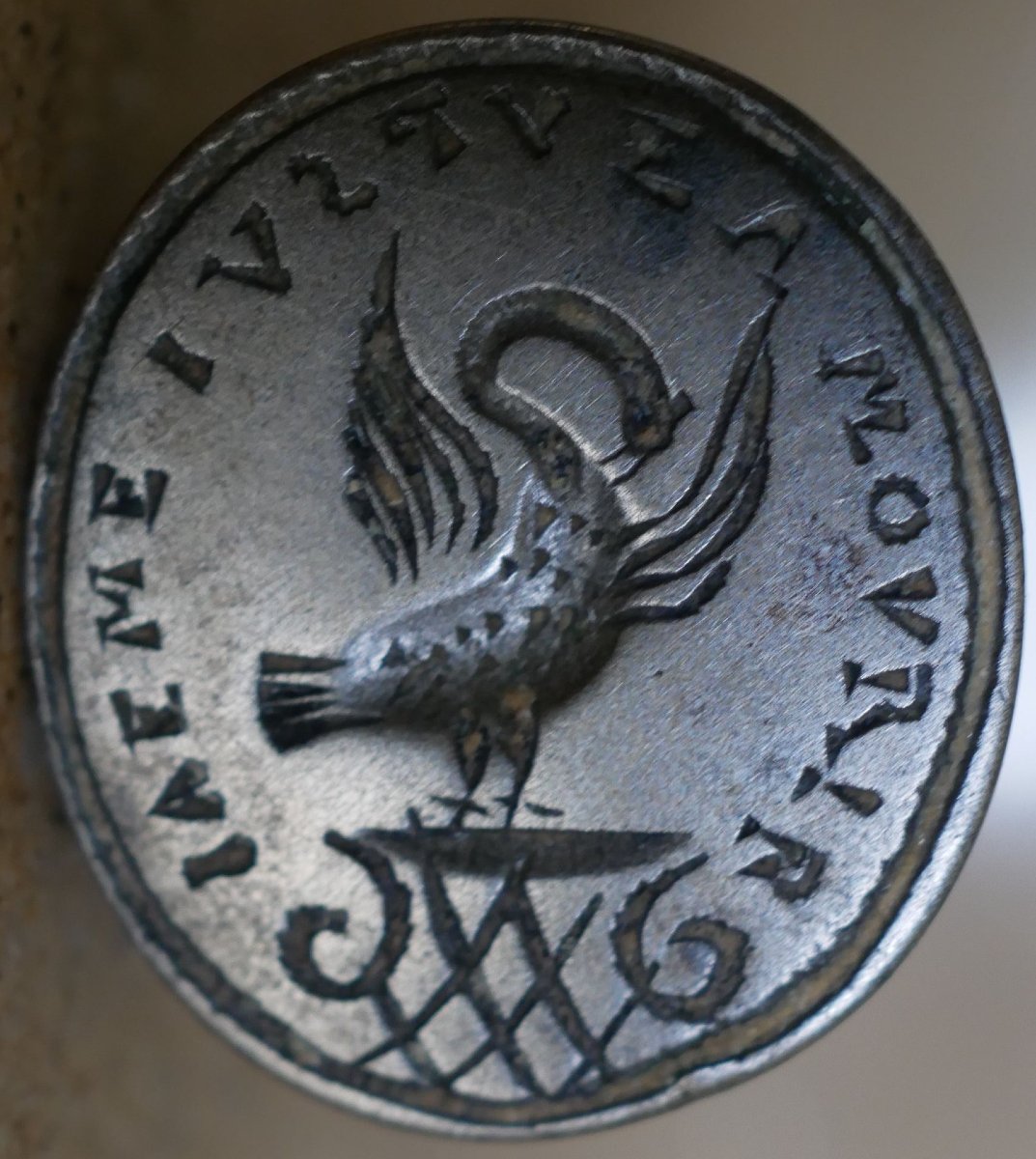
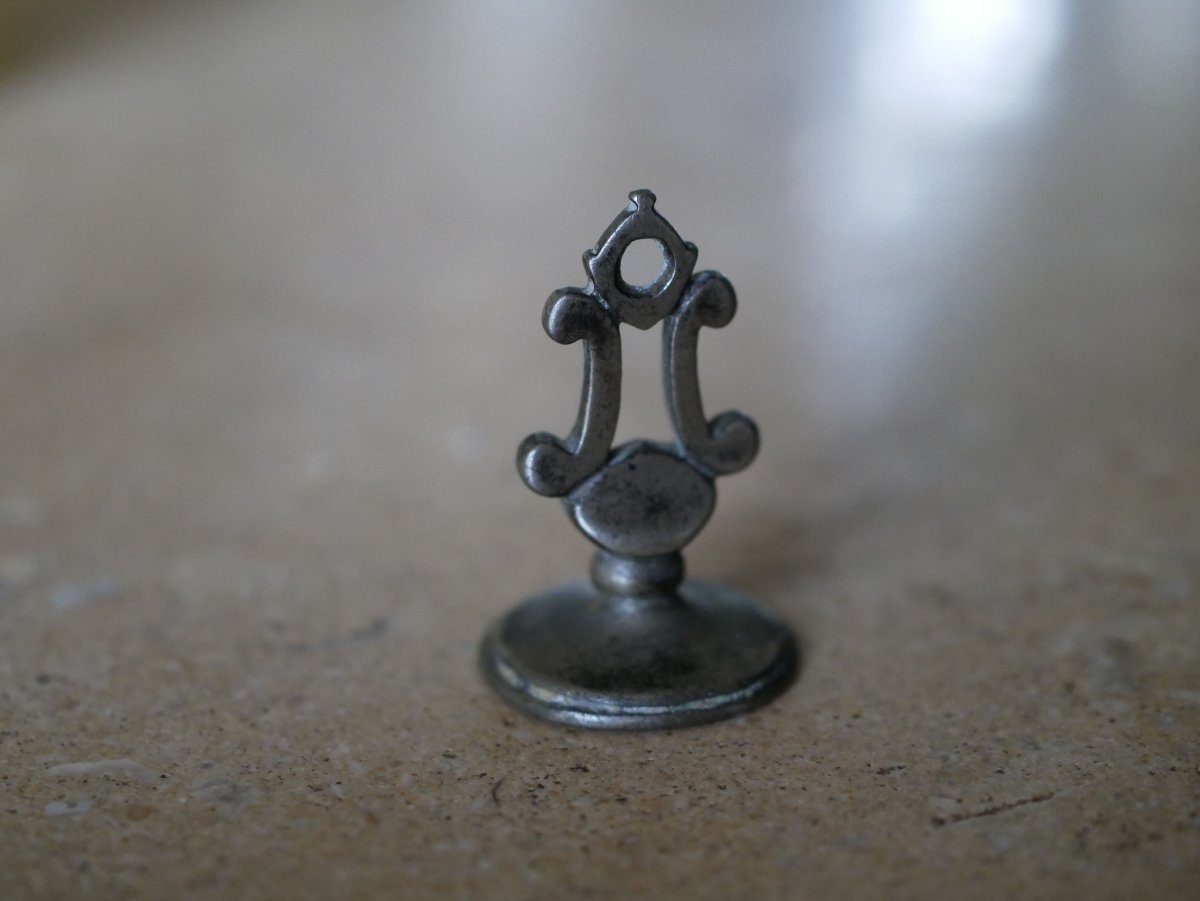
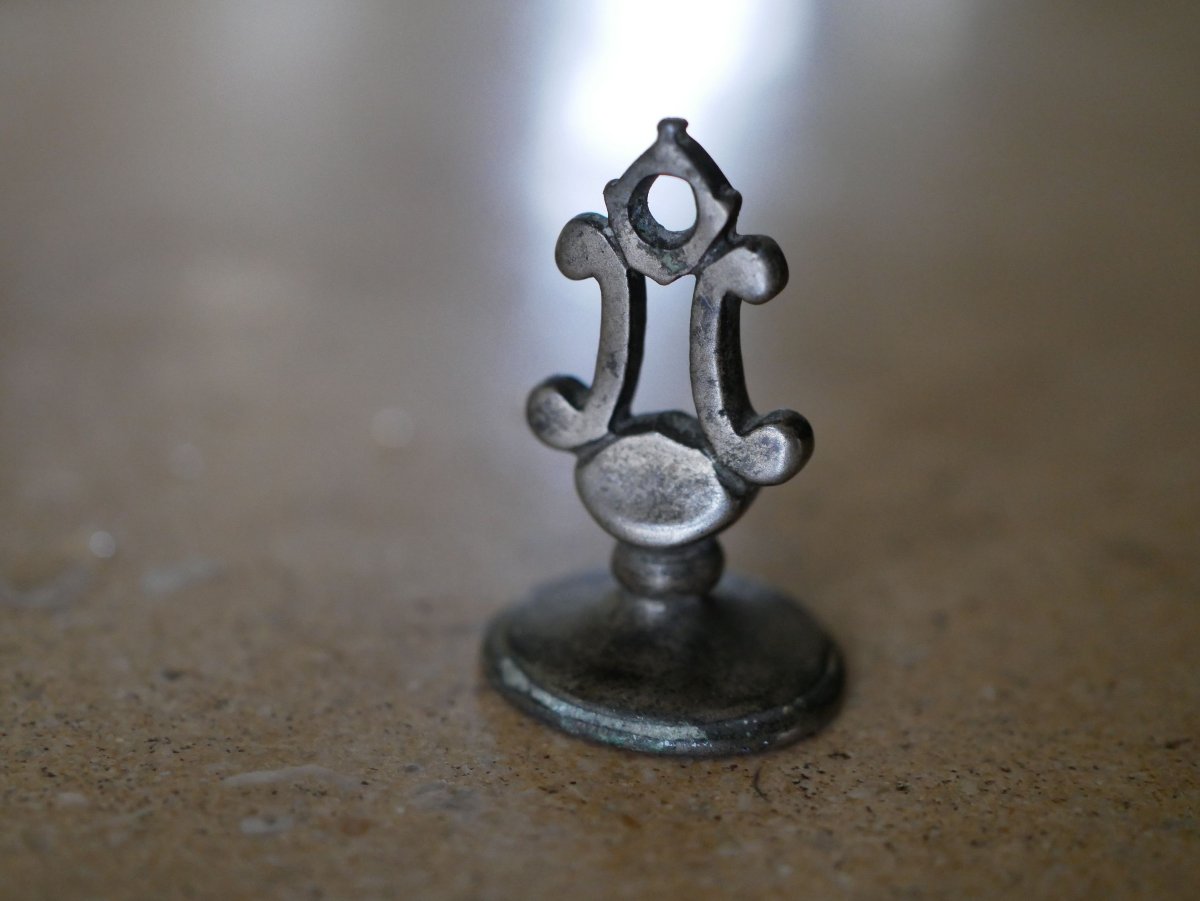
Rare medieval silver seal matrix, oval shape, height 3 cm, in good condition.
Probably from Burgundy.
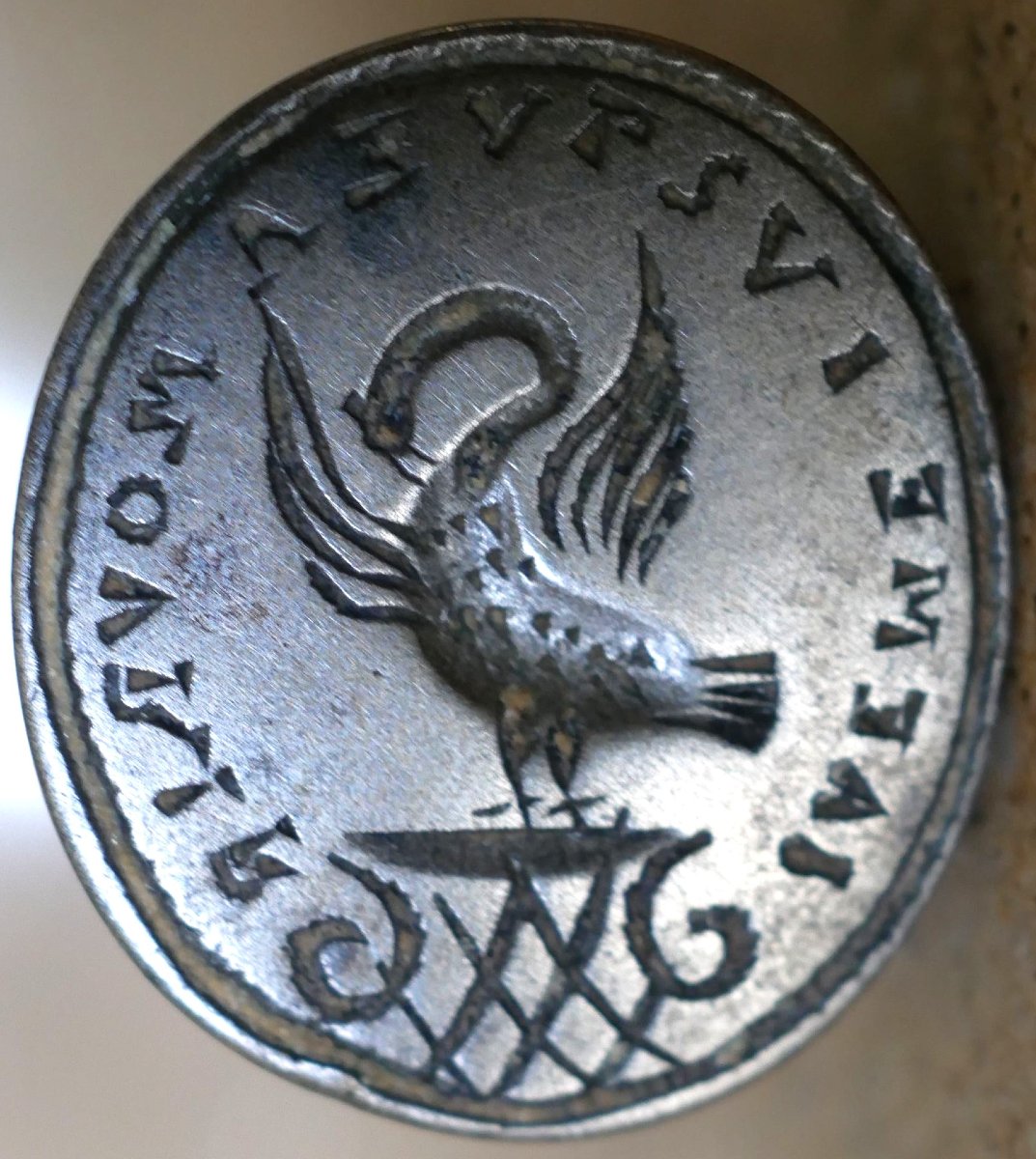
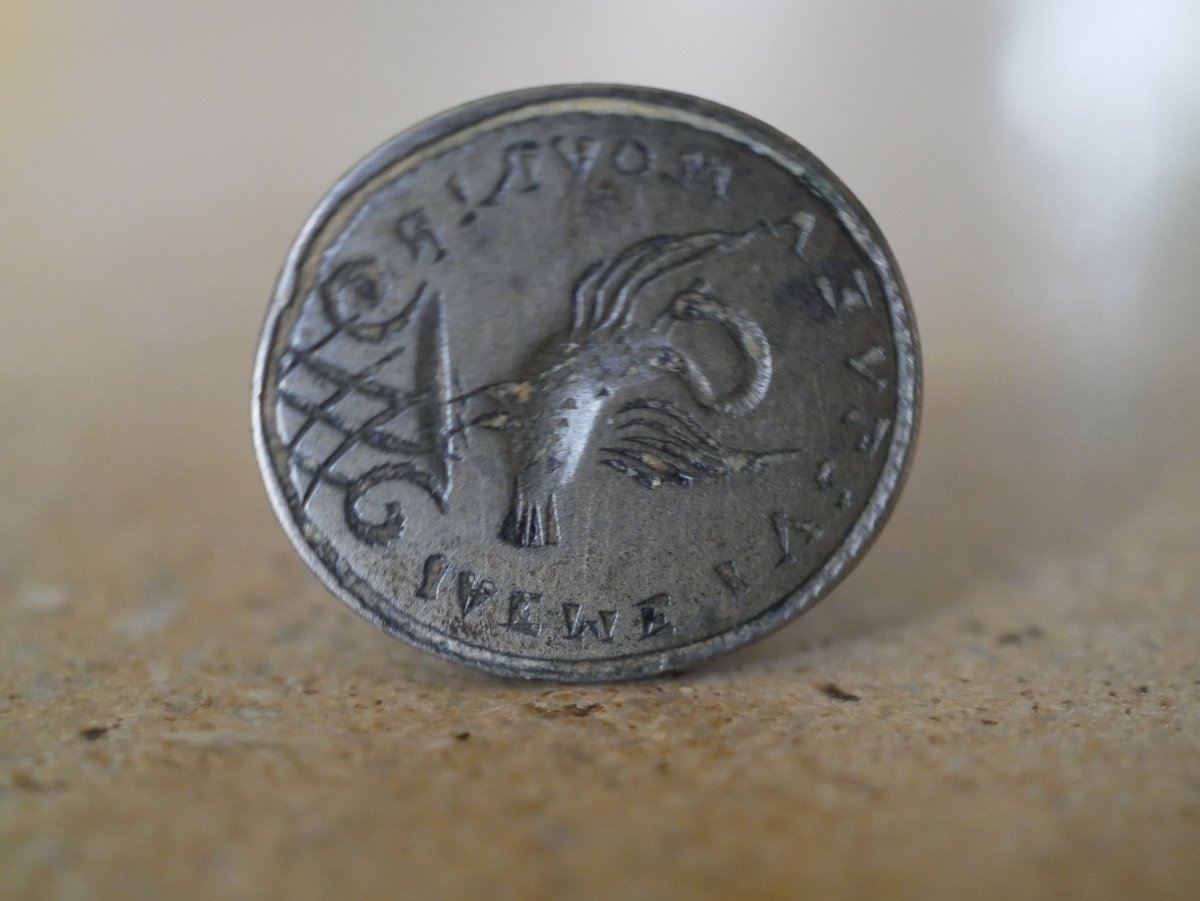
Intaglio engraving intended for imprint in wax. The field depicts a heraldic bird piercing its breast, a medieval theme of voluntary sacrifice, honor and truth demonstrated by trial.
The scene refers directly to the medieval tradition of the "mystic pelican", a symbol of bloody sacrifice and the rehabilitation of innocence.
This iconography is frequently associated with fidelity, divine justice and the knightly oath.
Partially legible peripheral legend:
"IAE ME IVST VEA MOURIA"
Two possible renditions:
"Henceforth, I will die by the just way"
or
"May I die by the just way"
The motto and iconography clearly evoke a knight or man-at-arms who has asserted his innocence in a conflict of honor or a judicial duel, a practice fully attested in France and Burgundy in the late Middle Ages.
The Gothic lettering style, heraldic engraving and manufacture of the die confirm a 14th-15th century dating.
iconography and the emblematic of the late Middle Ages and Renaissance, particularly in France and Burgundy.
The French family associated with the swan
The swan was notably a motto of the Dukes of Burgundy, in particular Philip II of Burgundy known as Philip the Bold (1363-1404).
Philippe the Bold had his garments, jewelry and liveries adorned with the swan symbol between 1369 and 1389, sometimes accompanied by other heraldic elements (trees, ewes, flowers). This motto would have been inherited from his mother Jeanne de Boulogne, and reinforced by his marriage to Marguerite de Flandre, whose family was related to the first house of Boulogne.
The swan emblem, then, was a personal and dynastic symbol carried to the heart of Burgundian identity.
Signification and etymology of the swan piercing its heart
The swan appears in the late Middle Ages as an emblem of love, purity and sacrificial devotion
This swan wounded by its own beak evokes several symbolic layers:
Christian: reminiscent of the mystical pelican, the bird feeding its young with its blood - symbol of Christ the Redeemer.
Love: the swan is bruised by love (in courtly mottoes), singing its last breath - "the swan song".
Etymological: from Latin cygnus, derived from Greek kyknos (κύκνος), meaning swan, a white animal associated with light, but also with Apollo and poetry.
This motif of the swan killing itself for love is therefore both an emblem of nobility, courtly love and spiritual sacrifice.
Rare medieval silver seal matrix, oval shape, height 3 cm, in good condition.
Probably from Burgundy.
Intaglio engraving intended for imprint in wax. The field depicts a heraldic bird piercing its breast, a medieval theme of voluntary sacrifice, honor and truth demonstrated by trial.
The scene refers directly to the medieval tradition of the "mystic pelican", a symbol of bloody sacrifice and the rehabilitation of innocence.
This iconography is frequently associated with fidelity, divine justice and the knightly oath.
Partially legible peripheral legend:
"IAE ME IVST VEA MOURIA"
Two possible renditions:
"Henceforth, I will die by the just way"
or
"May I die by the just way"
The motto and iconography clearly evoke a knight or man-at-arms who has asserted his innocence in a conflict of honor or a judicial duel, a practice fully attested in France and Burgundy in the late Middle Ages.
The Gothic lettering style, heraldic engraving and manufacture of the die confirm a 14th-15th century dating.
iconography and the emblematic of the late Middle Ages and Renaissance, particularly in France and Burgundy.
The French family associated with the swan
The swan was notably a motto of the Dukes of Burgundy, in particular Philip II of Burgundy known as Philip the Bold (1363-1404).
Philippe the Bold had his garments, jewelry and liveries adorned with the swan symbol between 1369 and 1389, sometimes accompanied by other heraldic elements (trees, ewes, flowers). This motto would have been inherited from his mother Jeanne de Boulogne, and reinforced by his marriage to Marguerite de Flandre, whose family was related to the first house of Boulogne.
The swan emblem, then, was a personal and dynastic symbol carried to the heart of Burgundian identity.
Signification and etymology of the swan piercing its heart
The swan appears in the late Middle Ages as an emblem of love, purity and sacrificial devotion
This swan wounded by its own beak evokes several symbolic layers:
Christian: reminiscent of the mystical pelican, the bird feeding its young with its blood - symbol of Christ the Redeemer.
Love: the swan is bruised by love (in courtly mottoes), singing its last breath - "the swan song".
Etymological: from Latin cygnus, derived from Greek kyknos (κύκνος), meaning swan, a white animal associated with light, but also with Apollo and poetry.
This motif of the swan killing itself for love is therefore both an emblem of nobility, courtly love and spiritual sacrifice.
2 000 €
Period: Before 16th century
Style: Renaissance, Louis 13th
Condition: Good condition
Material: Sterling silver
Height: 3 cm
Reference (ID): 1775644
Availability: In stock
Print