

Henry Moore (1898-1986),
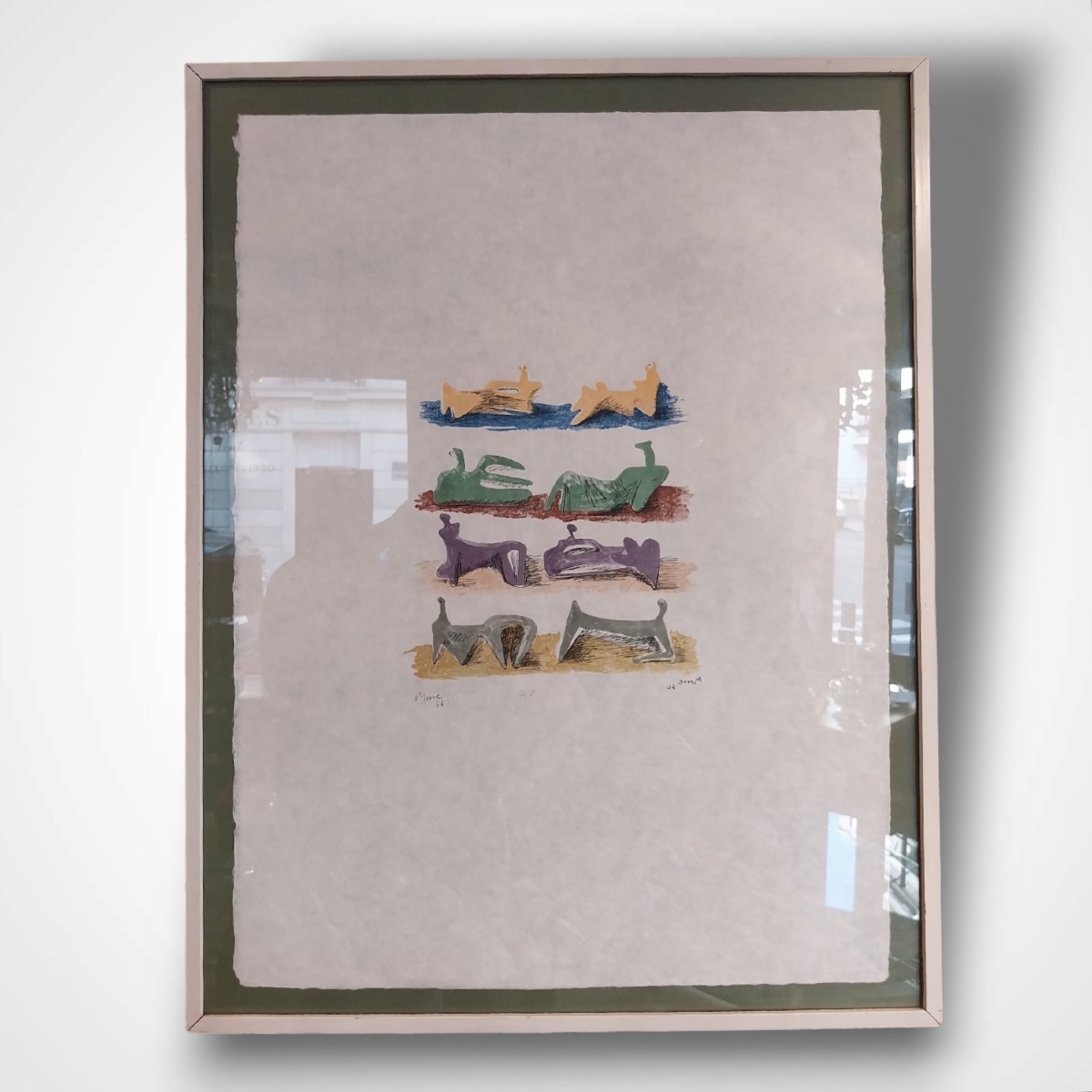
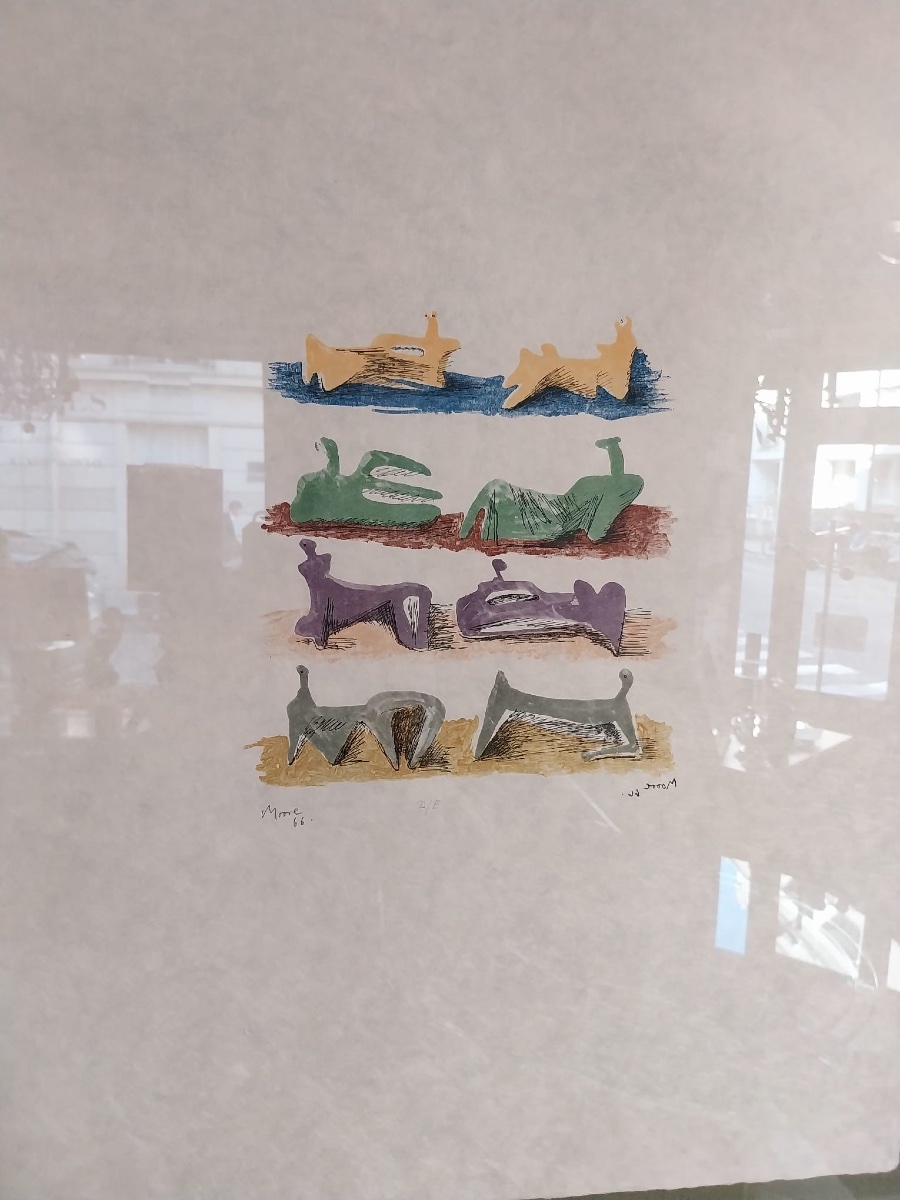
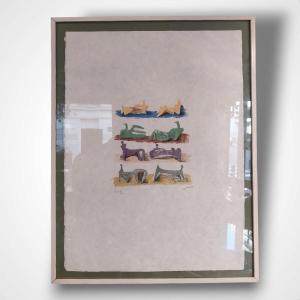
Color lithograph depicting eight elongated anthropomorphic figures.
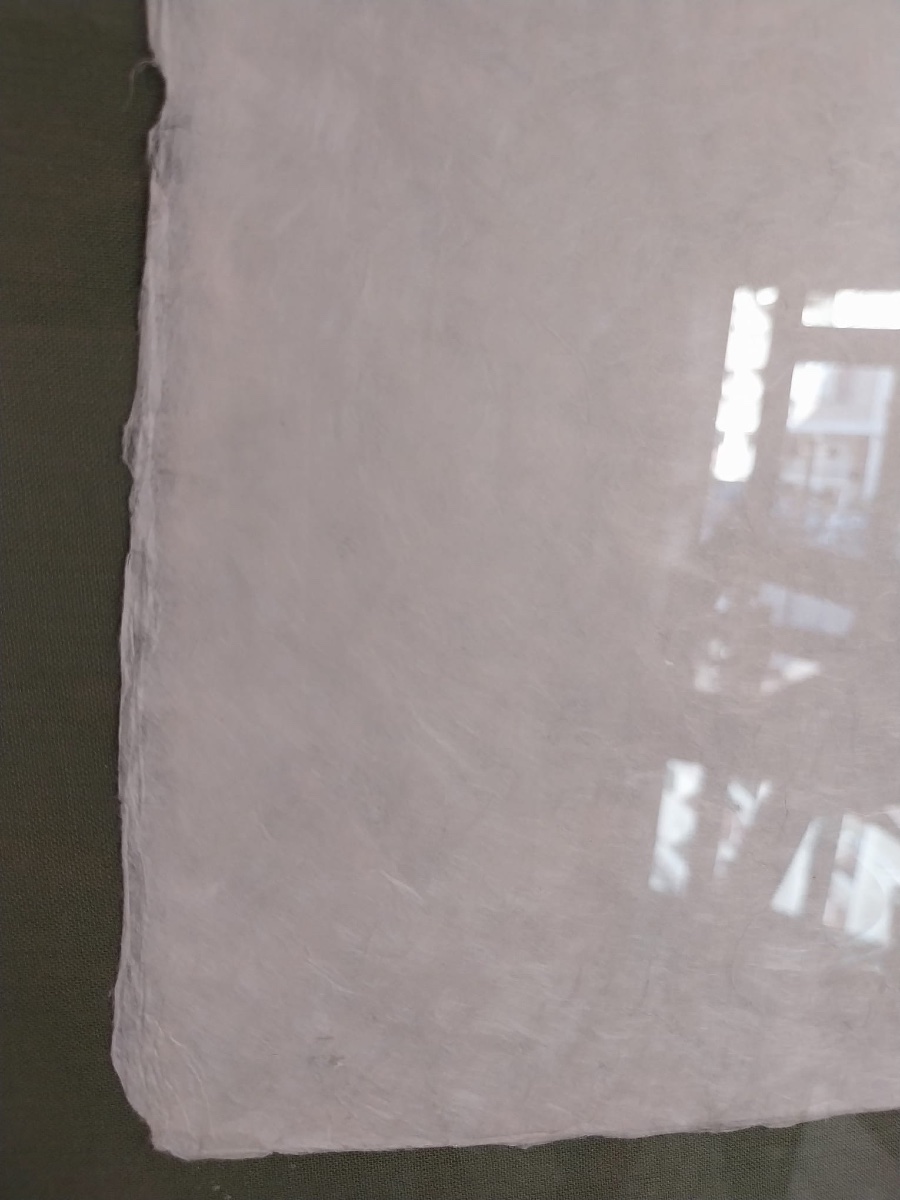
Pearl Japanese paper.
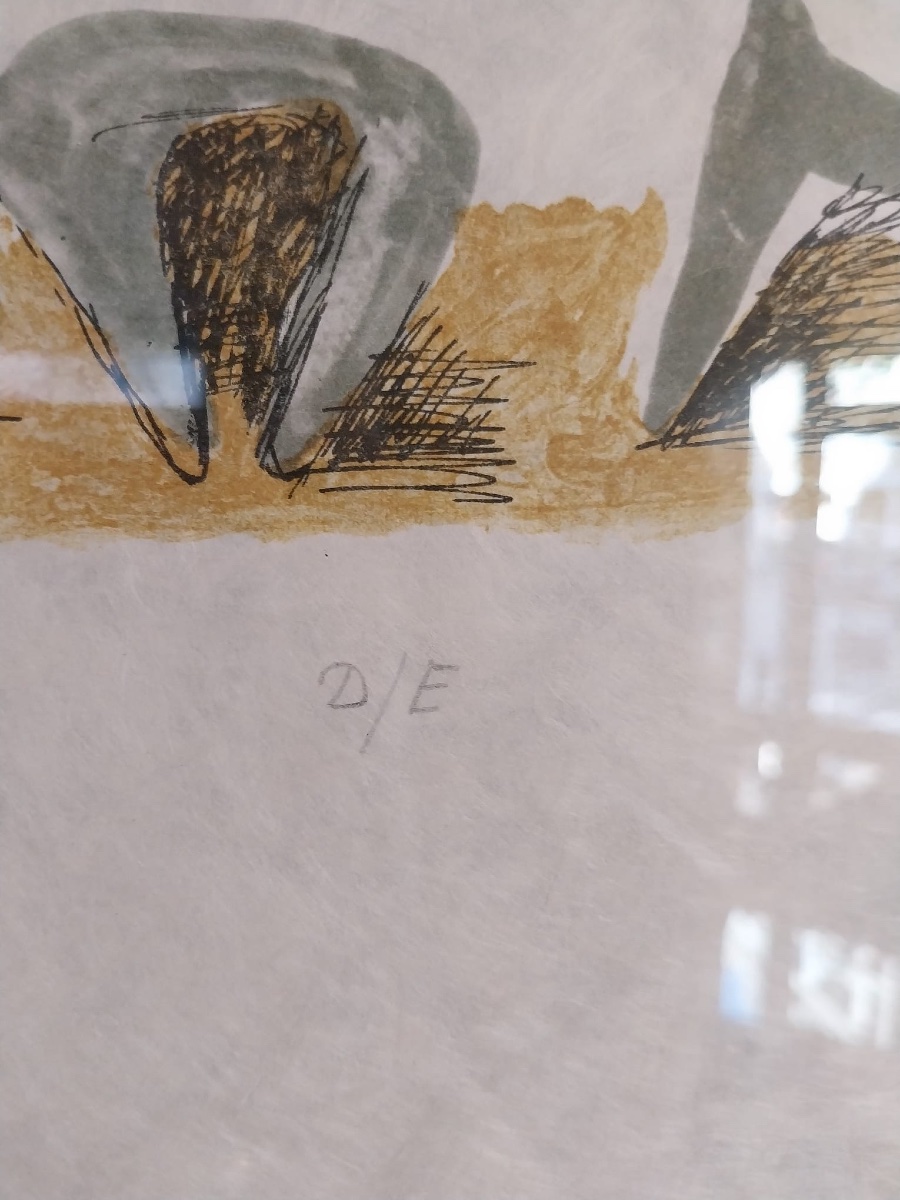
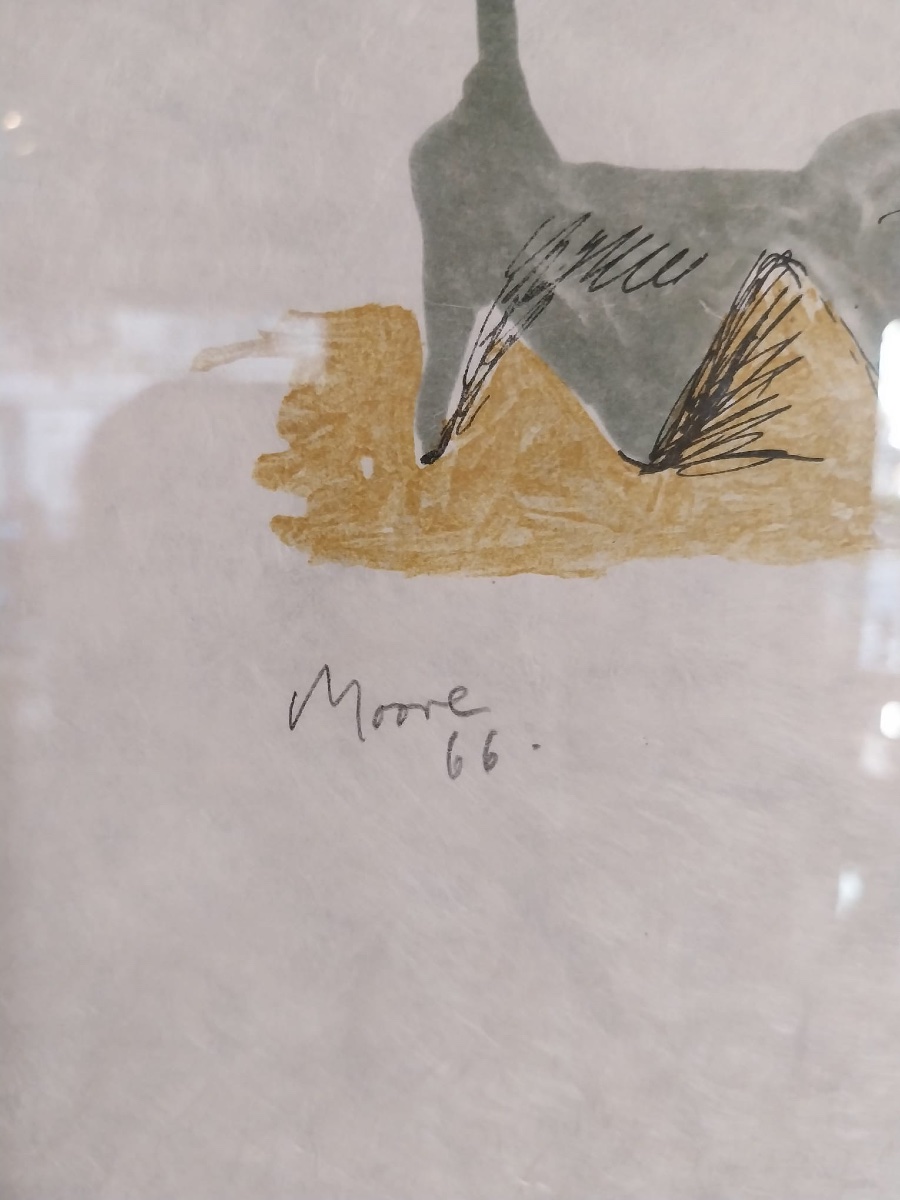
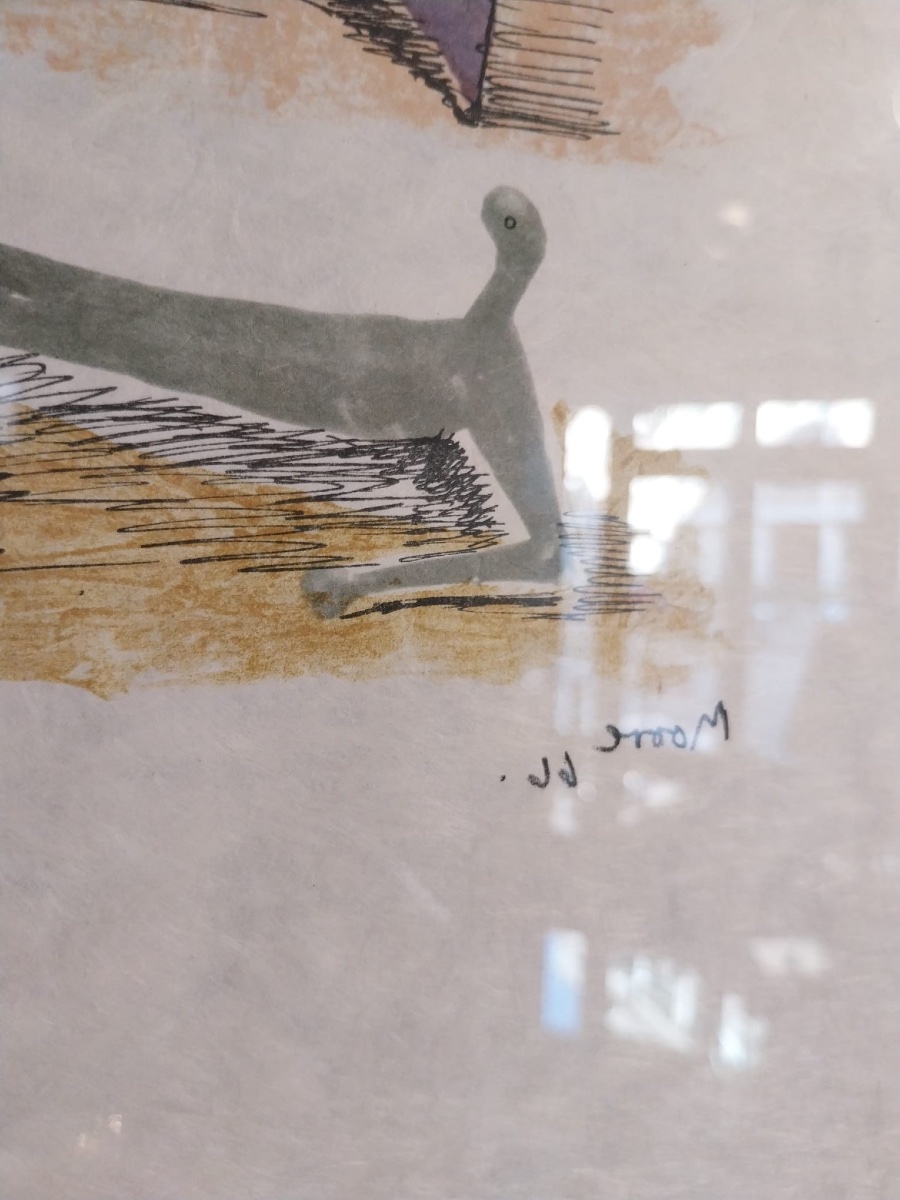
Signed "EA" and dated "Moore 66" in the plate and in pencil.
Mentioned in the catalog raisonné: 1960 - 1969 Henry Moore Foundation collection.
Henry Moore (1898-1986) was a British sculptor best known for his monumental works in bronze. After serving in the First World War, he trained at the Leeds School of Art and then at the Royal College of Art in London. Drawing his inspiration from classical sculpture, the Surrealists and contemporaries such as Brancusi and Maillol, as well as pre-Columbian, Assyrian and African art, he became one of the leading sculptors on the avant-garde scene of the '30s. His sculptures, with their natural, organic forms, often evoke human silhouettes, sometimes with a hole through them. After the Second World War, during which he produced drawings of Londoners taking refuge in the Underground during the Blitz, his reputation continued to grow: a retrospective exhibition was held at the Museum of Modern Art in New York in 1946, and he was awarded the International Prize for Sculpture at the Venice Biennale in 1948. During the 50s, 60s and 70s, he received numerous public commissions, including a reclining figure for the forecourt of UNESCO headquarters in Paris in 1957.
Good condition.
Twentieth century.
Dimensions:
Framed: 84 x 65 cm
Sight: 75.5 x 57 cm
Period: 20th century
Style: Other Style
Condition: Good condition
Material: Other
Width: 65 cm
Height: 84 cm
Reference (ID): 1764617
Availability: In stock