THIS OBJECT WAS SOLD
The Adoration Of The Shepherds, By Sebastiano Conca (naples 1680–1764), Circle Of
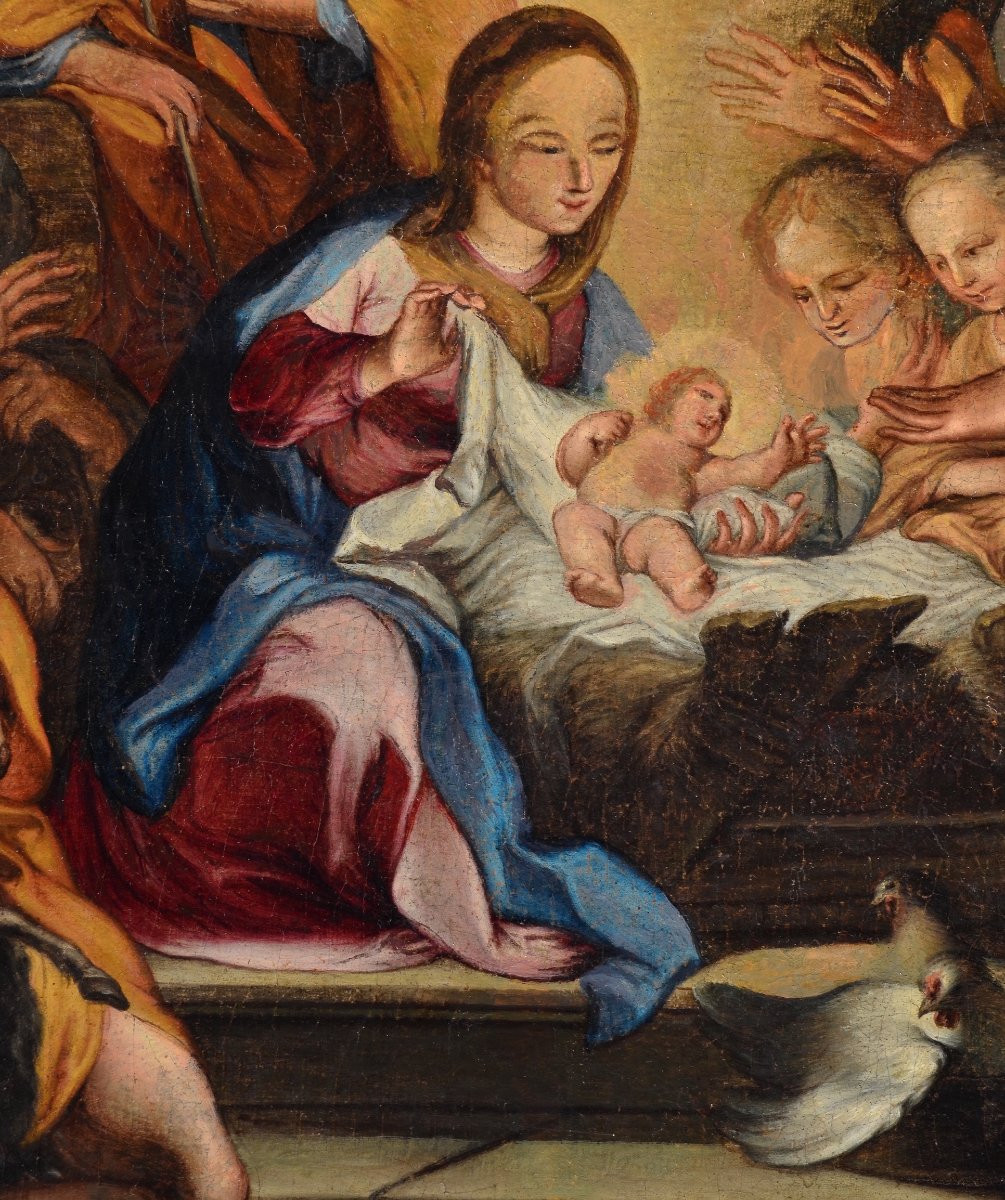
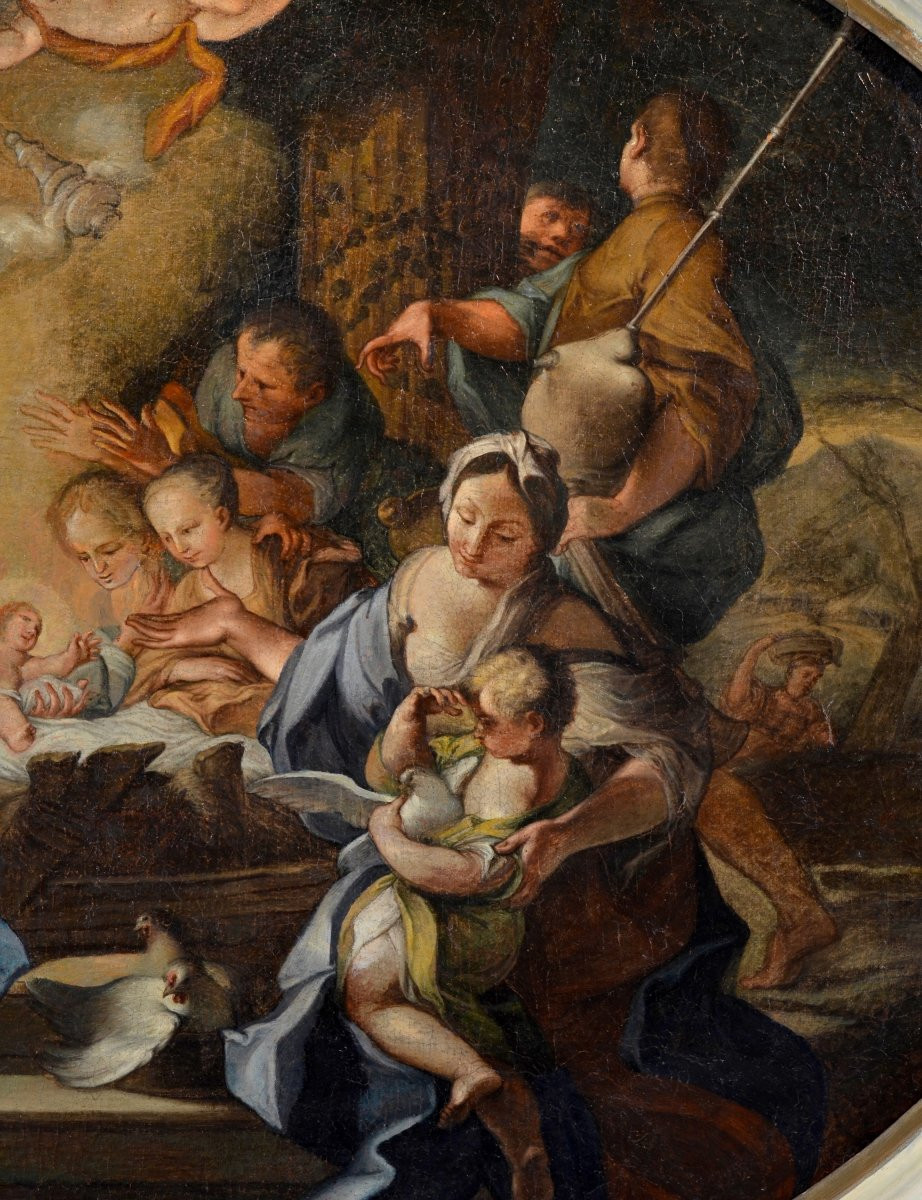
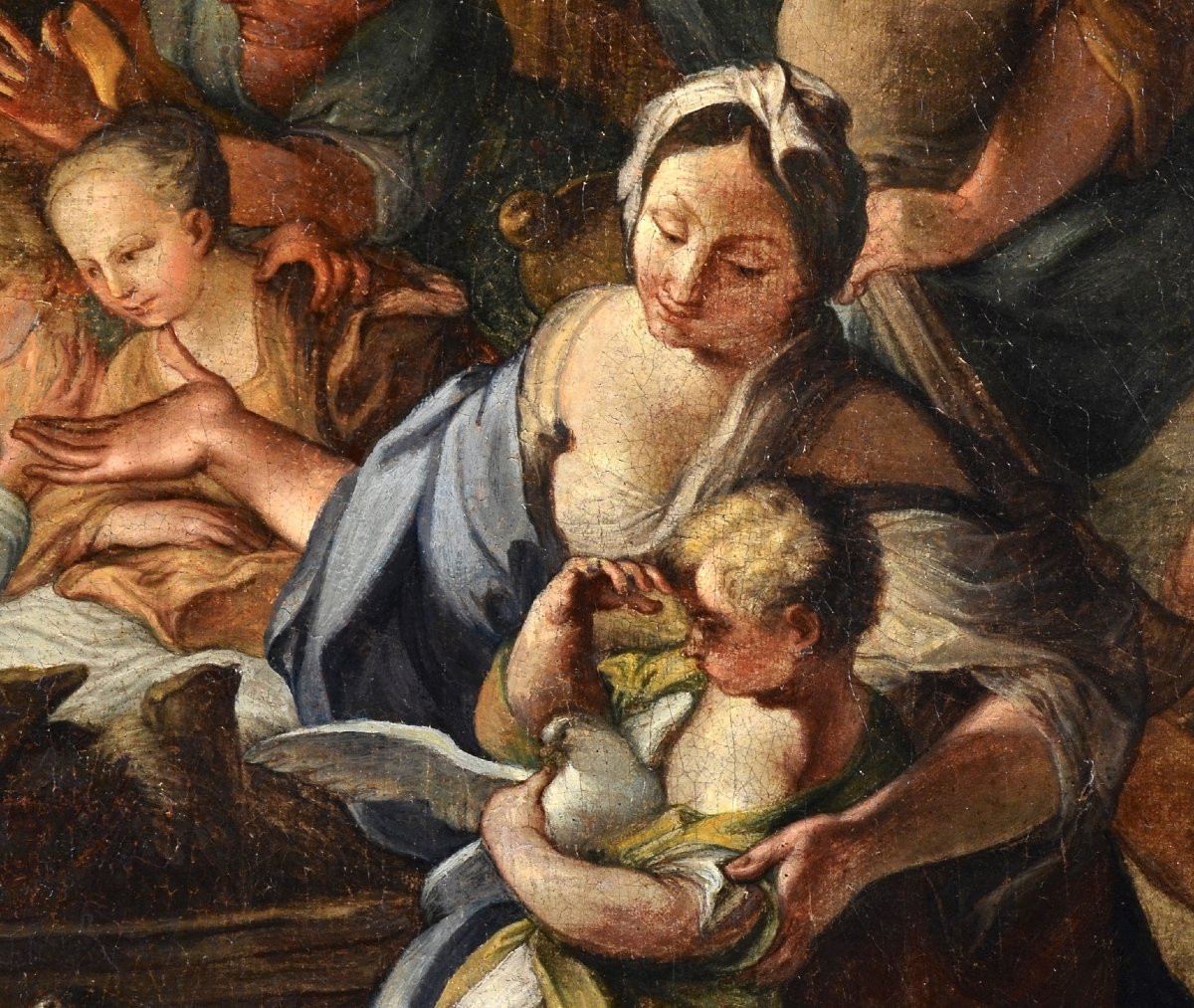
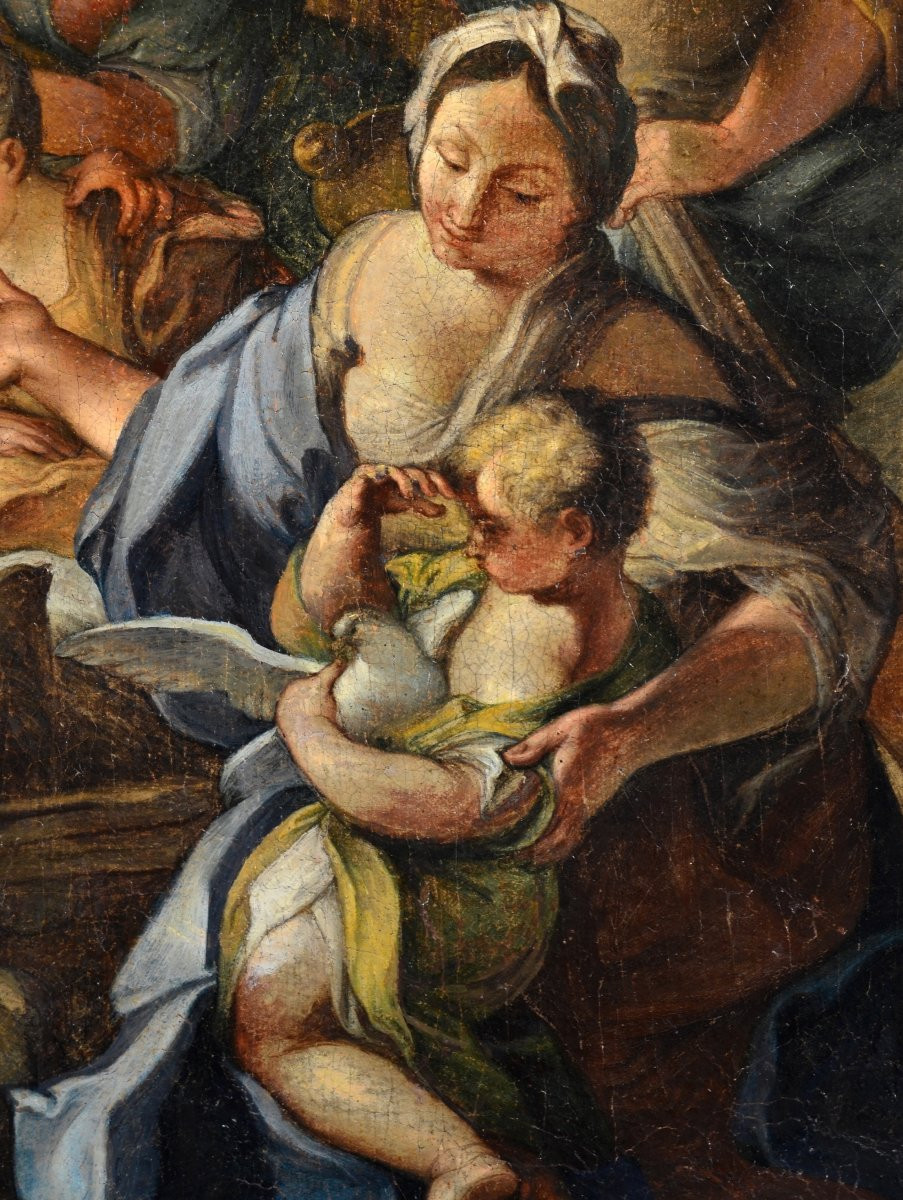


Sebastiano Conca (Gaeta, 1680 – Naples, 1764) circle of
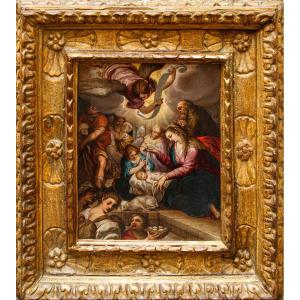
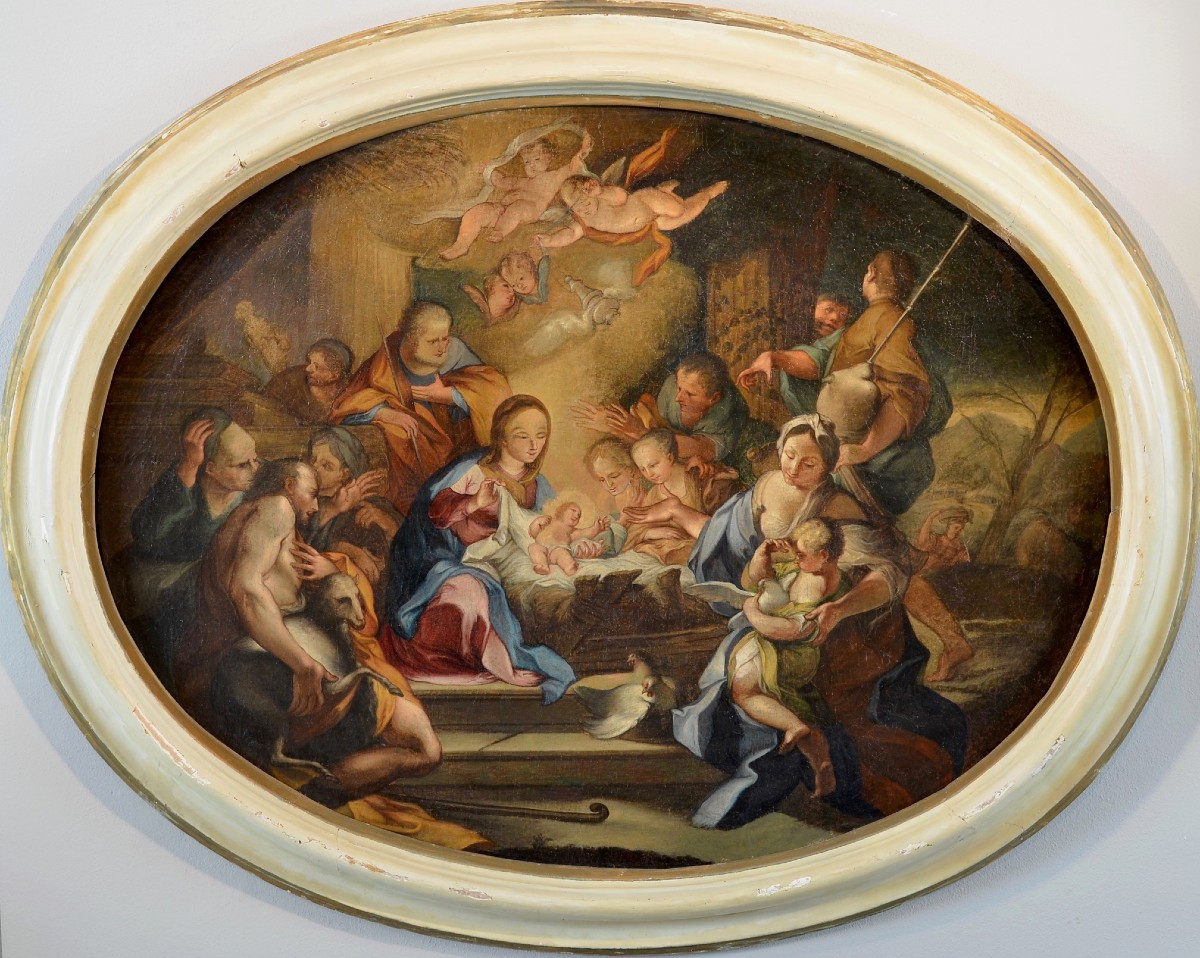
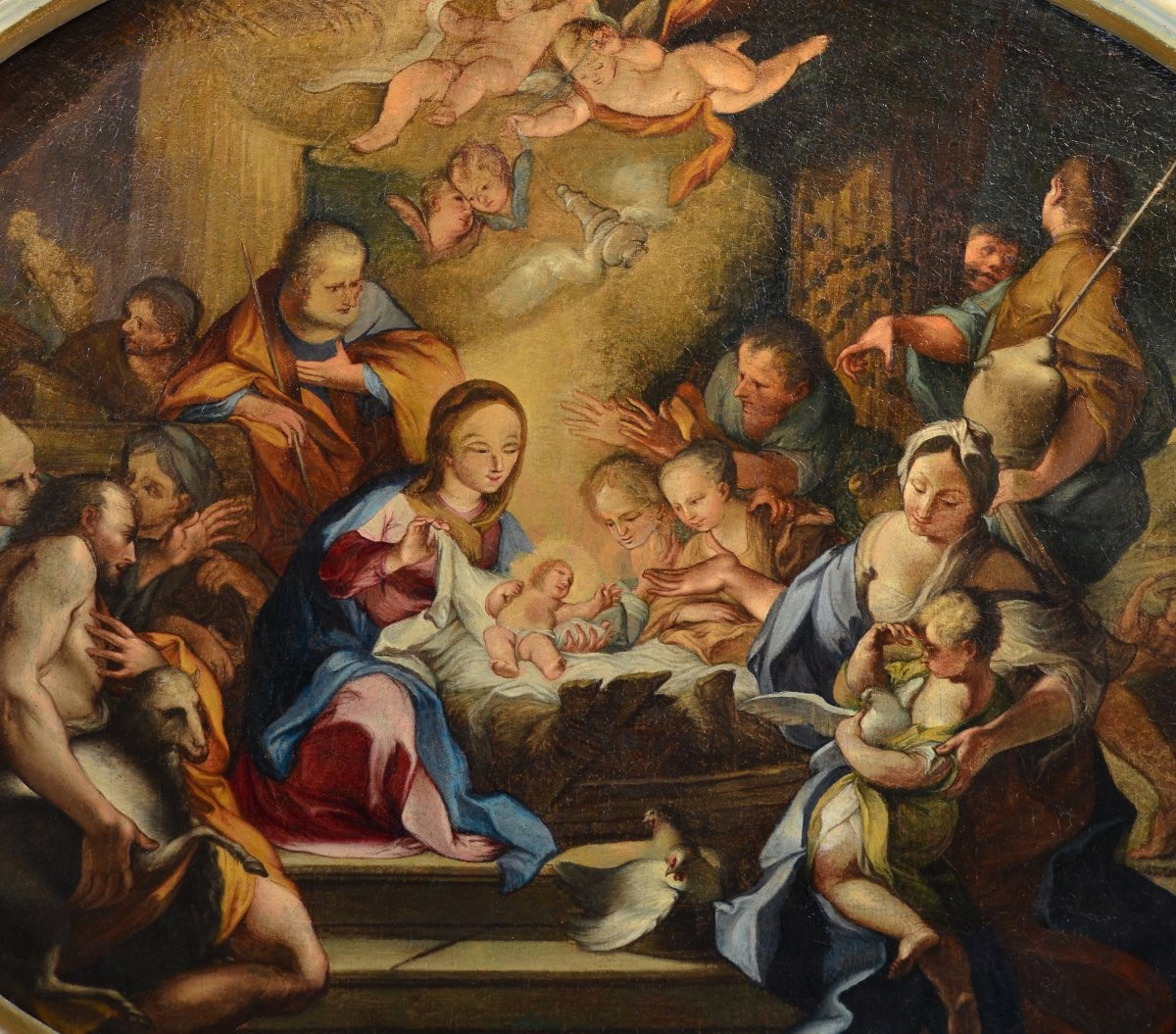
The Adoration of the Shepherds
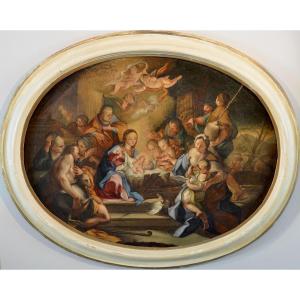
oil on oval canvas, (cm): 122 x 99, framed
Full details: www.antichitacastelbarco.it
This delightful painting, executed in oil on an oval canvas, is one of the reissues of a work by Sebastiano Conca painted around 1710 for Cardinal Pietro Ottoboni (now housed at the Paul Getty Museum in Los Angeles), which enjoyed great success in the early 18th century (see details).
Link to the museum’s work: http://www.getty.edu/art/collection/objects/671/sebastiano-conca-the-adoration-of-the-shepherds-ital...
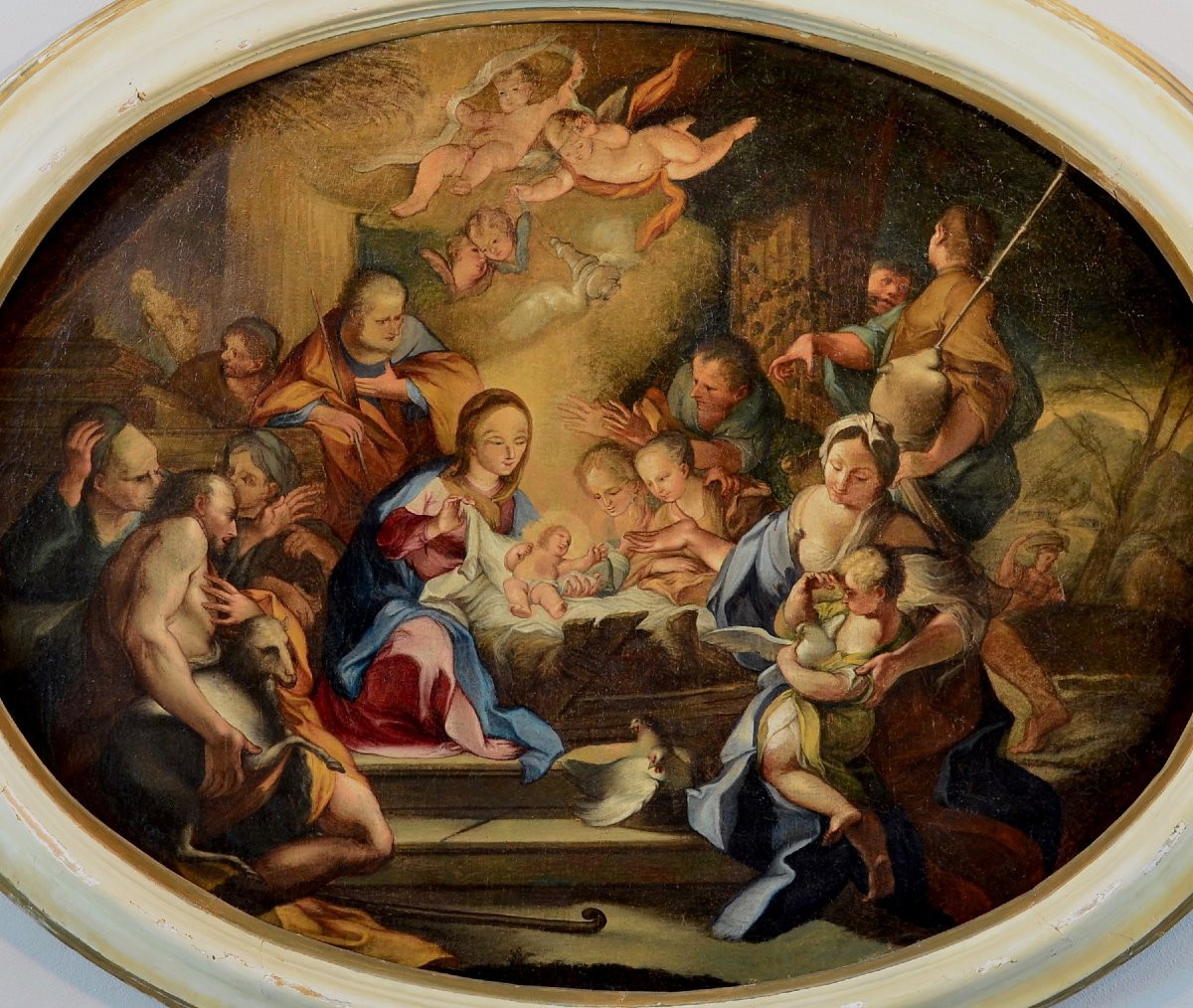
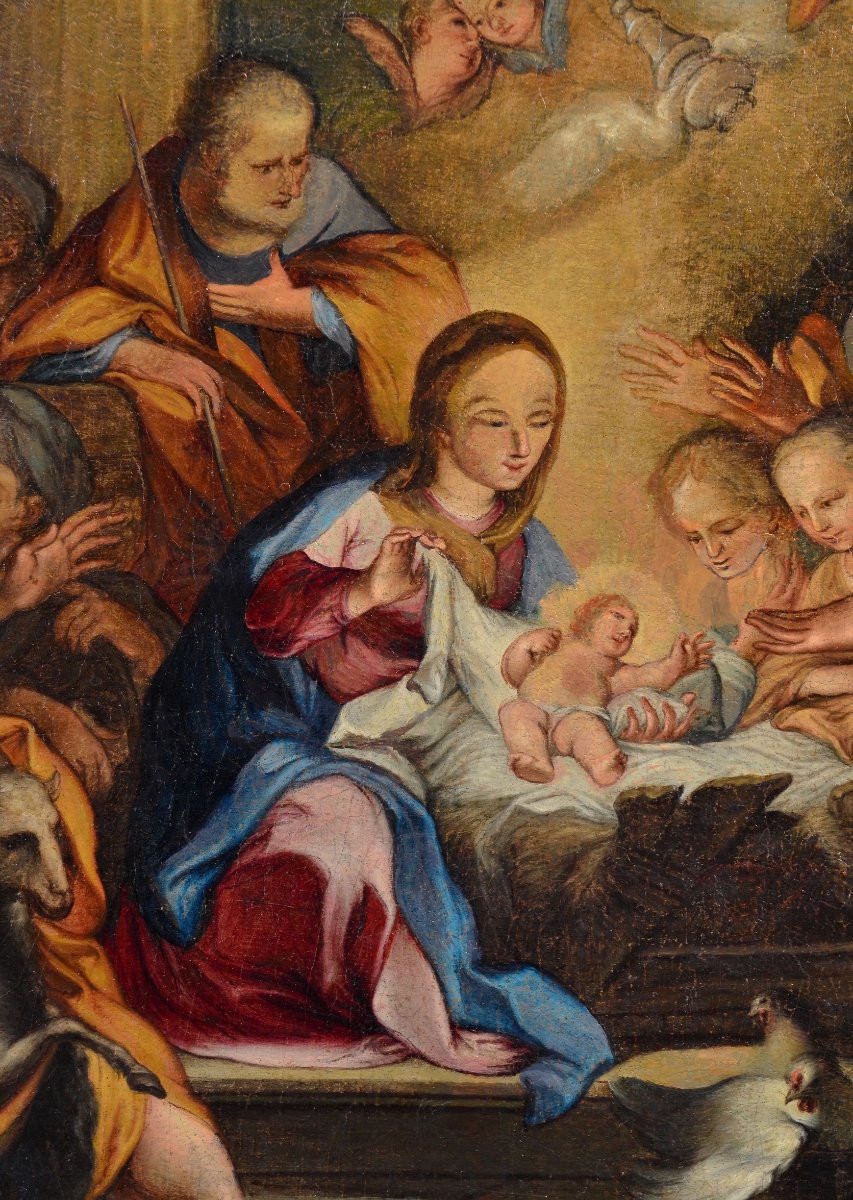
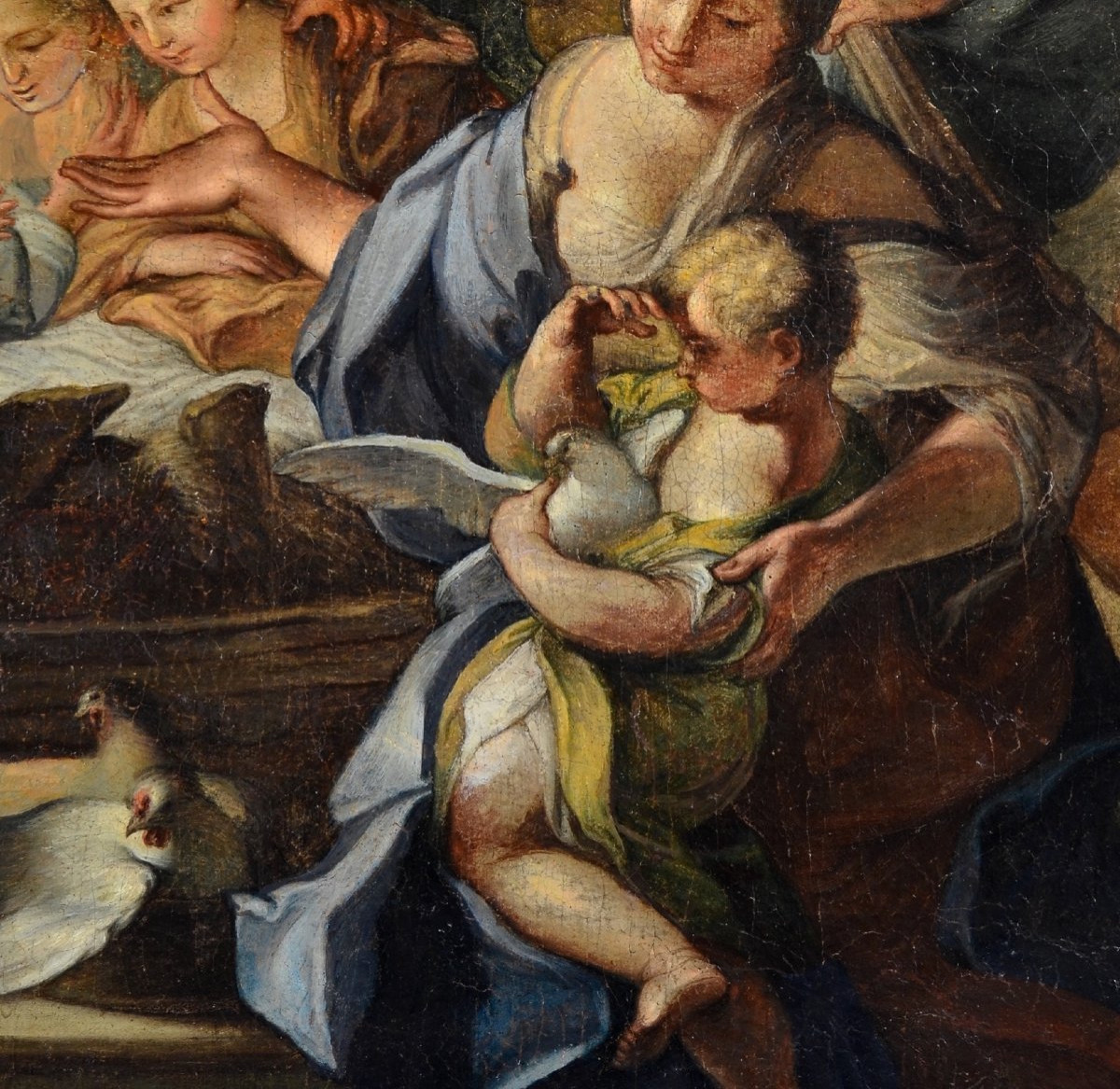
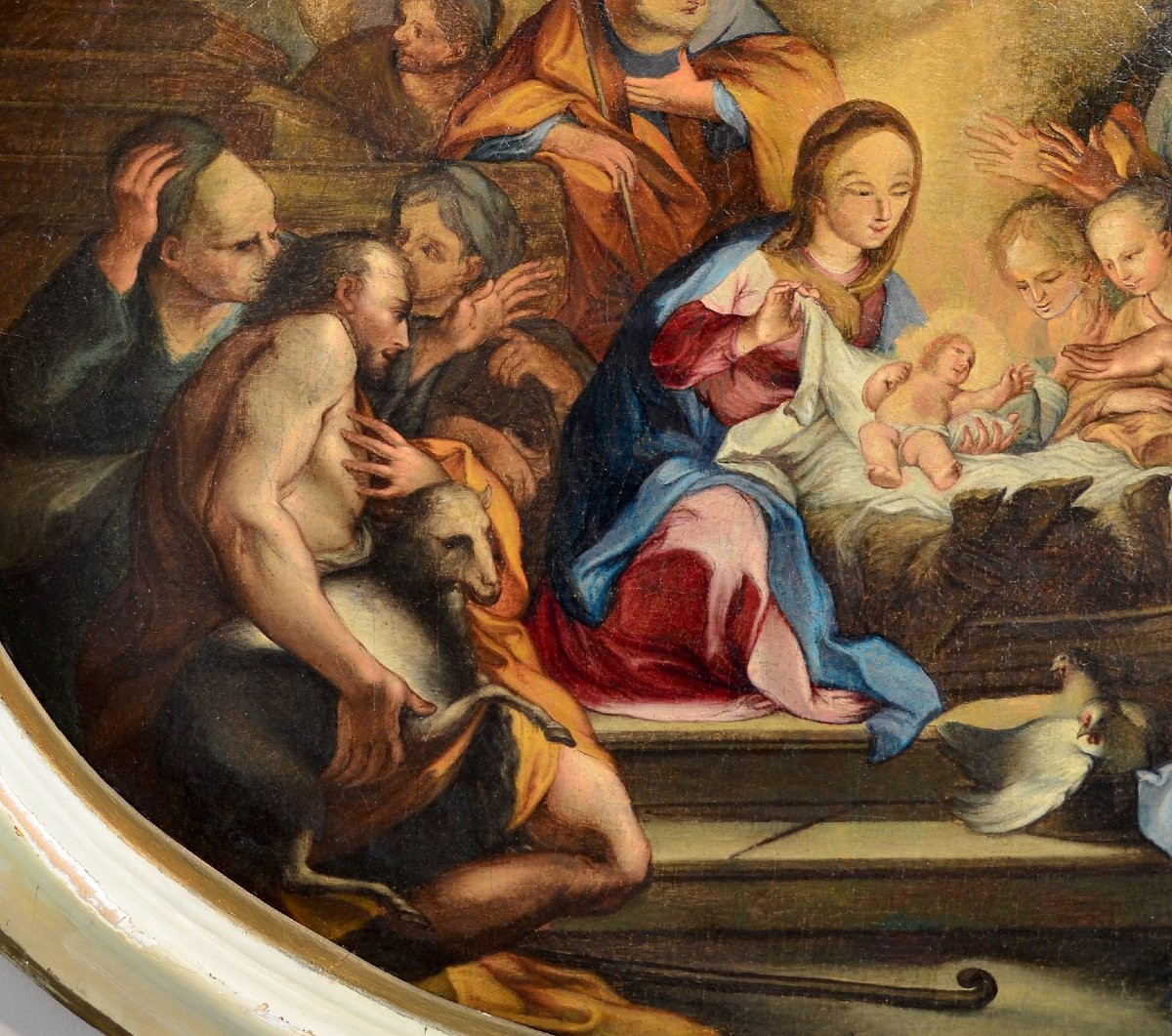
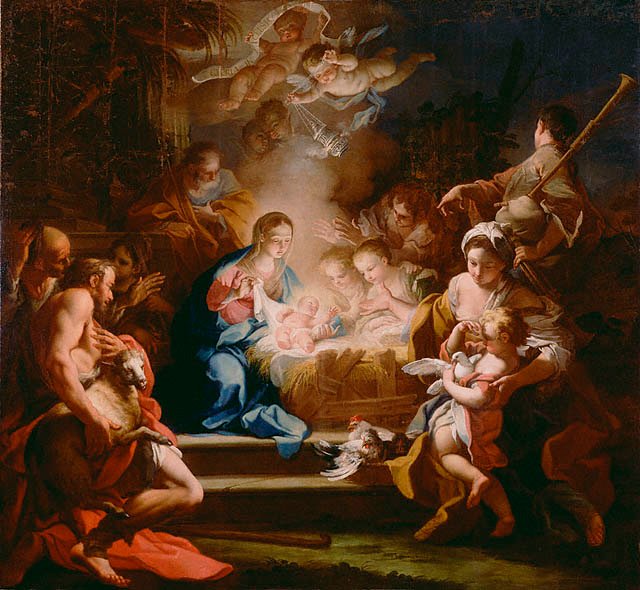
The work, depicting the Adoration of the Shepherds, is striking not only for its large size but also for the strong dramatic effect of its evocative nocturnal setting. The composition is spectacular, with a pleasing effect of light emanating from the Child—the focal point of the composition—and gradually fading as it reaches the more distant figures.
Several paintings with the same subject or with minor variations have been offered at international auctions with substantial estimates.
In terms of composition and structure, it draws inspiration from a Neapolitan painting by Guido Reni (preserved at the Certosa di S. Martino), which Conca undoubtedly studied during his early training in Naples in the workshop of Francesco Solimena.
He subsequently founded a workshop in Rome, where his pictorial style evolved toward a late Baroque-Neoclassical style.
Late Baroque characteristics of the painting include the illusionistic effect of perspective and, above all, the scenographic and theatrical representation of the theme. However, the masterful use of chiaroscuro combined with the high expressiveness of the subjects are elements characteristic of Neoclassicism.
The reasons for his resounding success can be found in the painter’s great ability to present himself as an eclectic mediator of the various artistic trends that had matured during the 17th century: the grand, grandiose scenography of the Giordanesque tradition, learned during his years as a student and collaborator with Solimena, and the more measured, composed style of Maratta’s reformist classicism, to which he gained more direct access when he moved to Rome.
Conca’s skill thus lay in his ability to navigate both tradition and the cautious innovations of the time, balancing and enhancing the diverse and multifaceted elements of the late Baroque style as needed.
CONDITION:
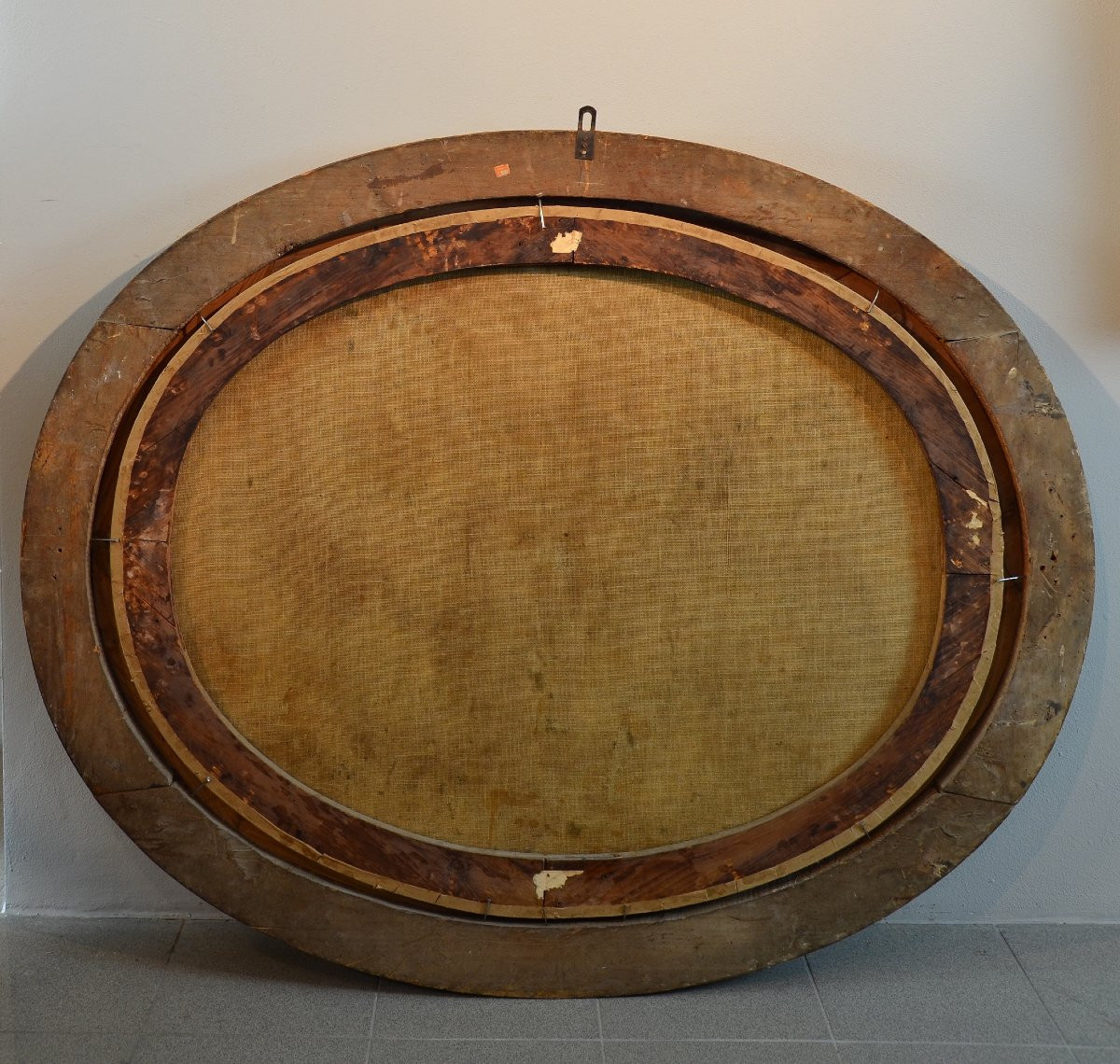
The canvas, in good condition, is mounted in an ivory-colored lacquered frame.
The work is sold with a photographic certificate of authenticity in accordance with the law.
The Adoration of the Shepherds
oil on oval canvas, (cm): 122 x 99, framed
Full details: www.antichitacastelbarco.it
This delightful painting, executed in oil on an oval canvas, is one of the reissues of a work by Sebastiano Conca painted around 1710 for Cardinal Pietro Ottoboni (now housed at the Paul Getty Museum in Los Angeles), which enjoyed great success in the early 18th century (see details).
Link to the museum’s work: http://www.getty.edu/art/collection/objects/671/sebastiano-conca-the-adoration-of-the-shepherds-ital...
The work, depicting the Adoration of the Shepherds, is striking not only for its large size but also for the strong dramatic effect of its evocative nocturnal setting. The composition is spectacular, with a pleasing effect of light emanating from the Child—the focal point of the composition—and gradually fading as it reaches the more distant figures.
Several paintings with the same subject or with minor variations have been offered at international auctions with substantial estimates.
In terms of composition and structure, it draws inspiration from a Neapolitan painting by Guido Reni (preserved at the Certosa di S. Martino), which Conca undoubtedly studied during his early training in Naples in the workshop of Francesco Solimena.
He subsequently founded a workshop in Rome, where his pictorial style evolved toward a late Baroque-Neoclassical style.
Late Baroque characteristics of the painting include the illusionistic effect of perspective and, above all, the scenographic and theatrical representation of the theme. However, the masterful use of chiaroscuro combined with the high expressiveness of the subjects are elements characteristic of Neoclassicism.
The reasons for his resounding success can be found in the painter’s great ability to present himself as an eclectic mediator of the various artistic trends that had matured during the 17th century: the grand, grandiose scenography of the Giordanesque tradition, learned during his years as a student and collaborator with Solimena, and the more measured, composed style of Maratta’s reformist classicism, to which he gained more direct access when he moved to Rome.
Conca’s skill thus lay in his ability to navigate both tradition and the cautious innovations of the time, balancing and enhancing the diverse and multifaceted elements of the late Baroque style as needed.
CONDITION:
The canvas, in good condition, is mounted in an ivory-colored lacquered frame.
The work is sold with a photographic certificate of authenticity in accordance with the law.
Explore similar pieces and discover your ideal find:
religious paintings