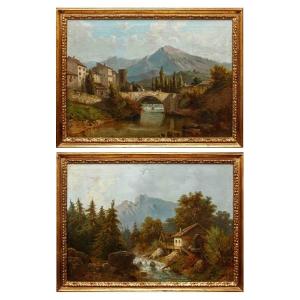


Costantino Rosa (bergamo, 1803 – 1878), Pair Of Mountain Landscapes
Costantino Rosa (Bergamo, 1803 – 1878)
Pair of mountain landscapes
Oil on canvas, 52 x 71 cm
With the frame, 62 x 81.5 cm
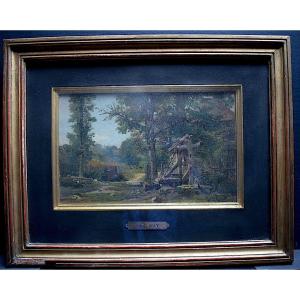
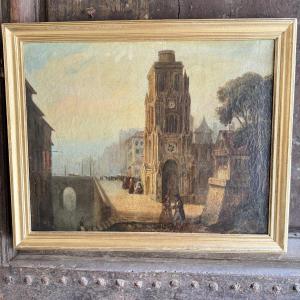
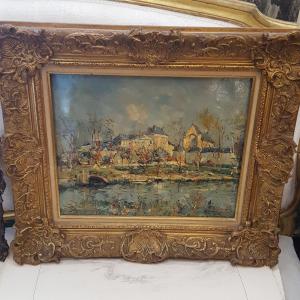
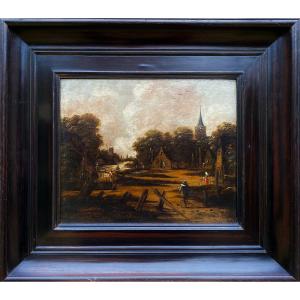
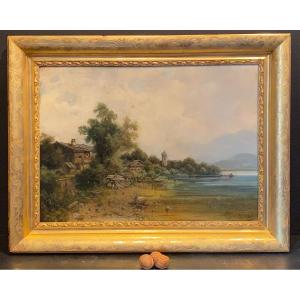
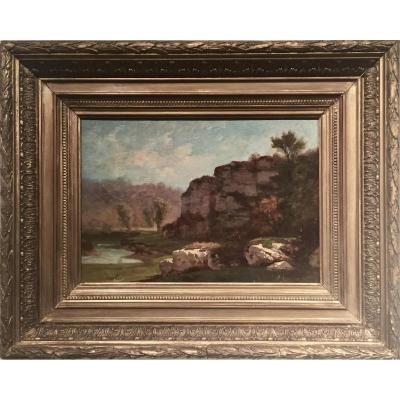
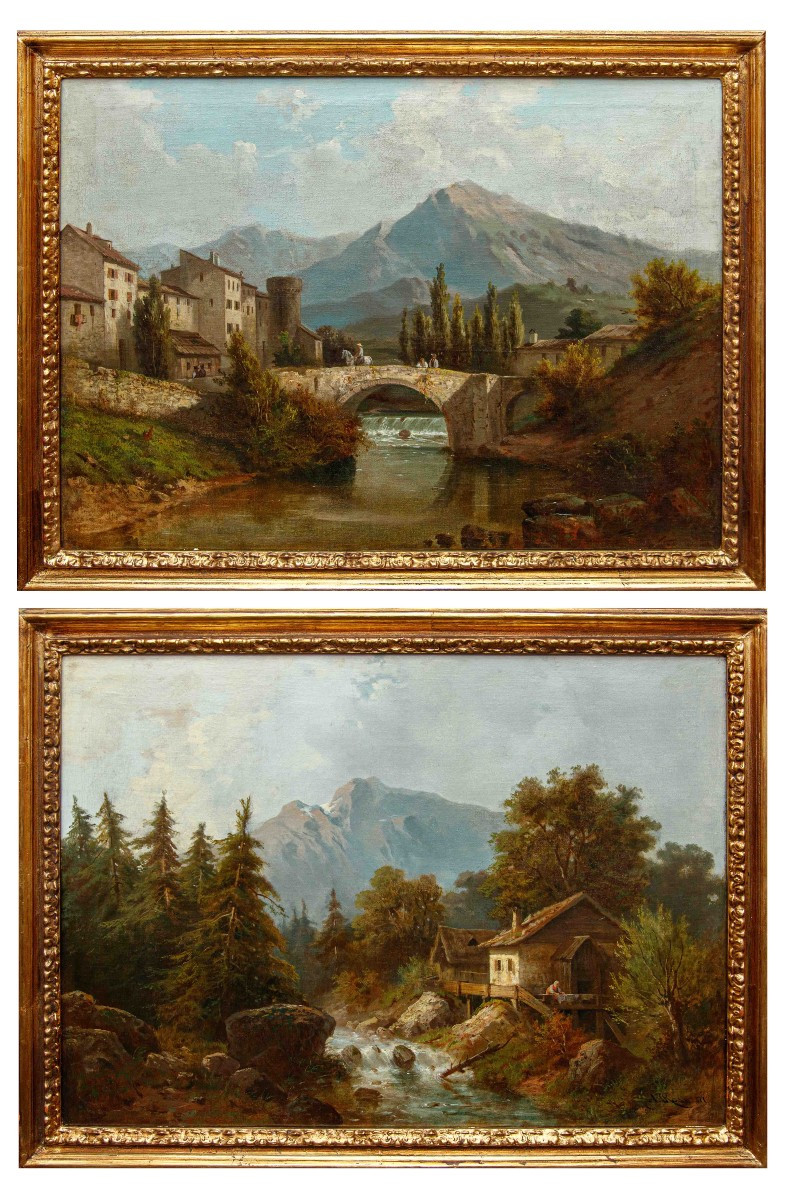
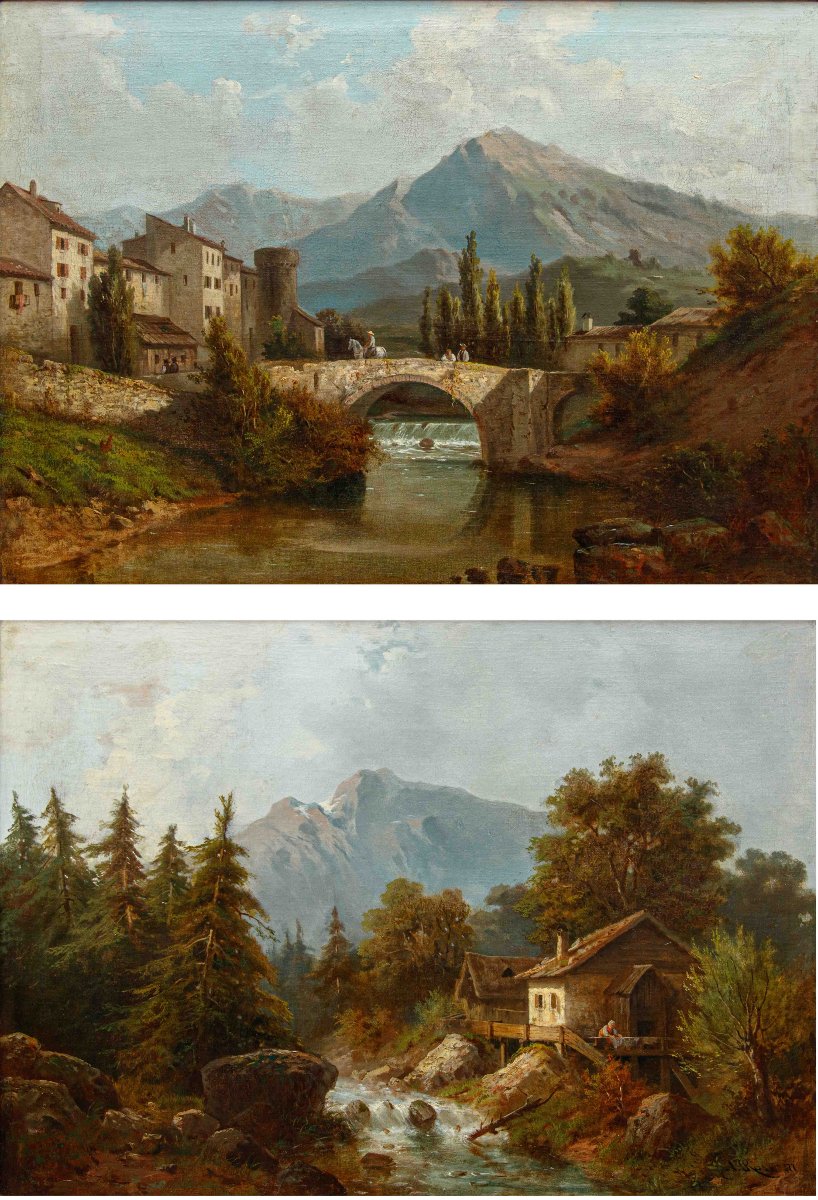
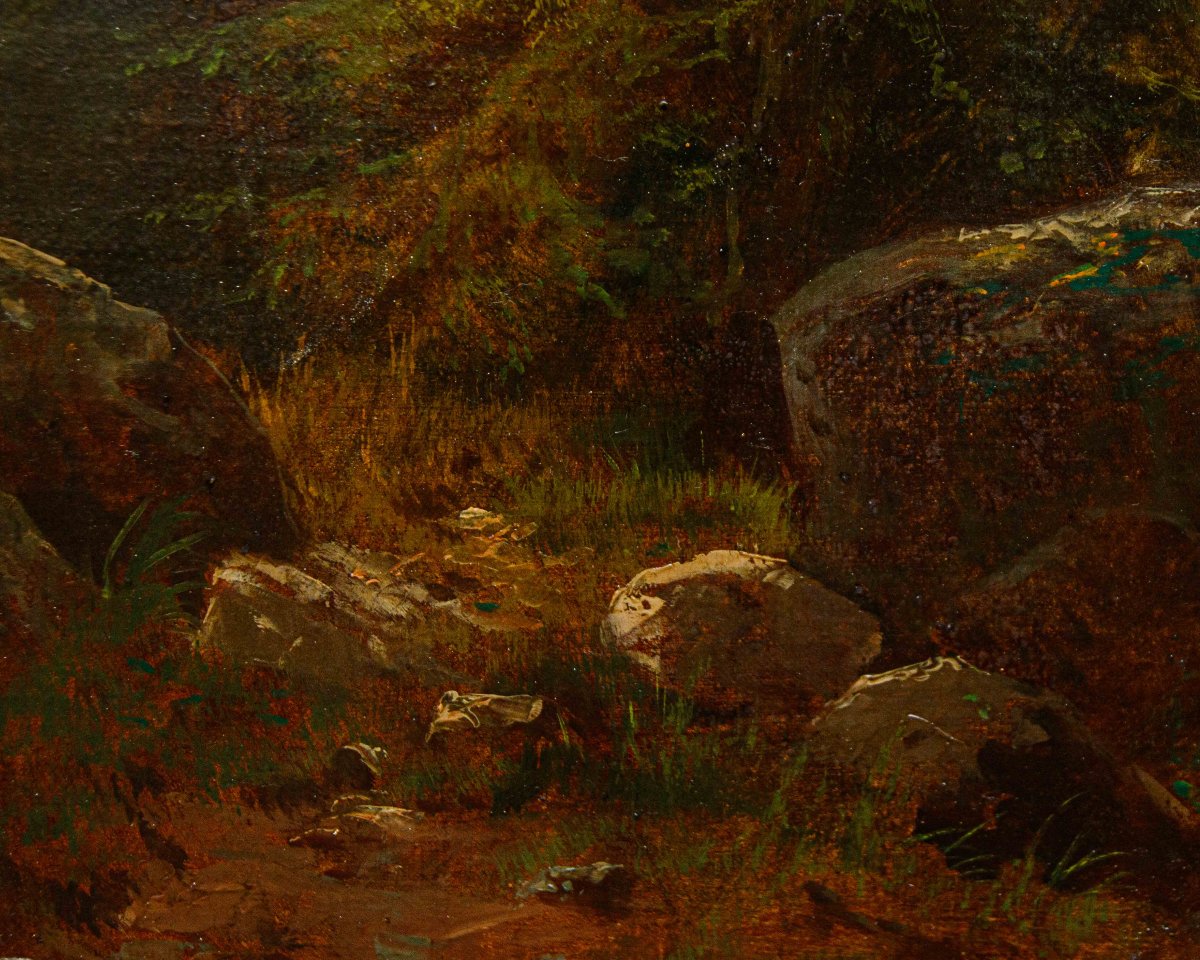
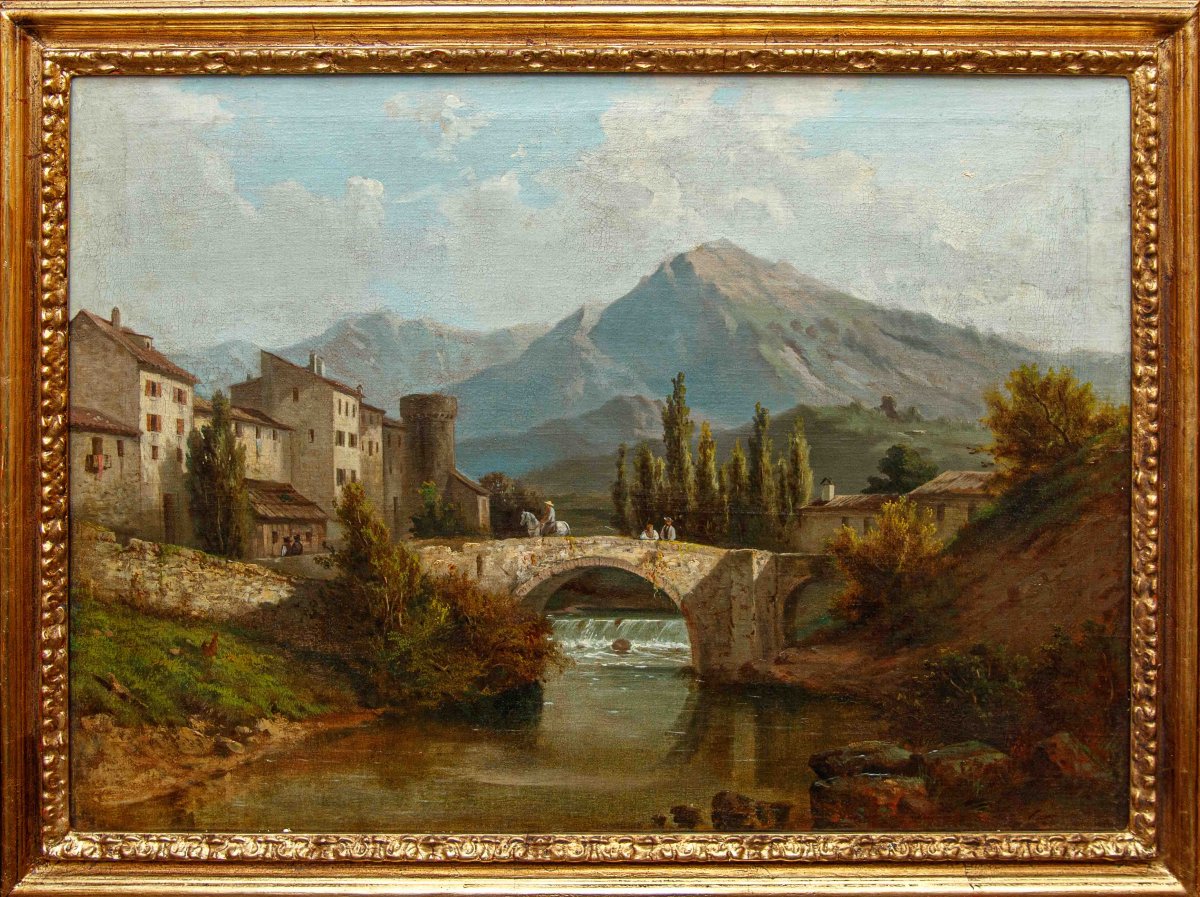
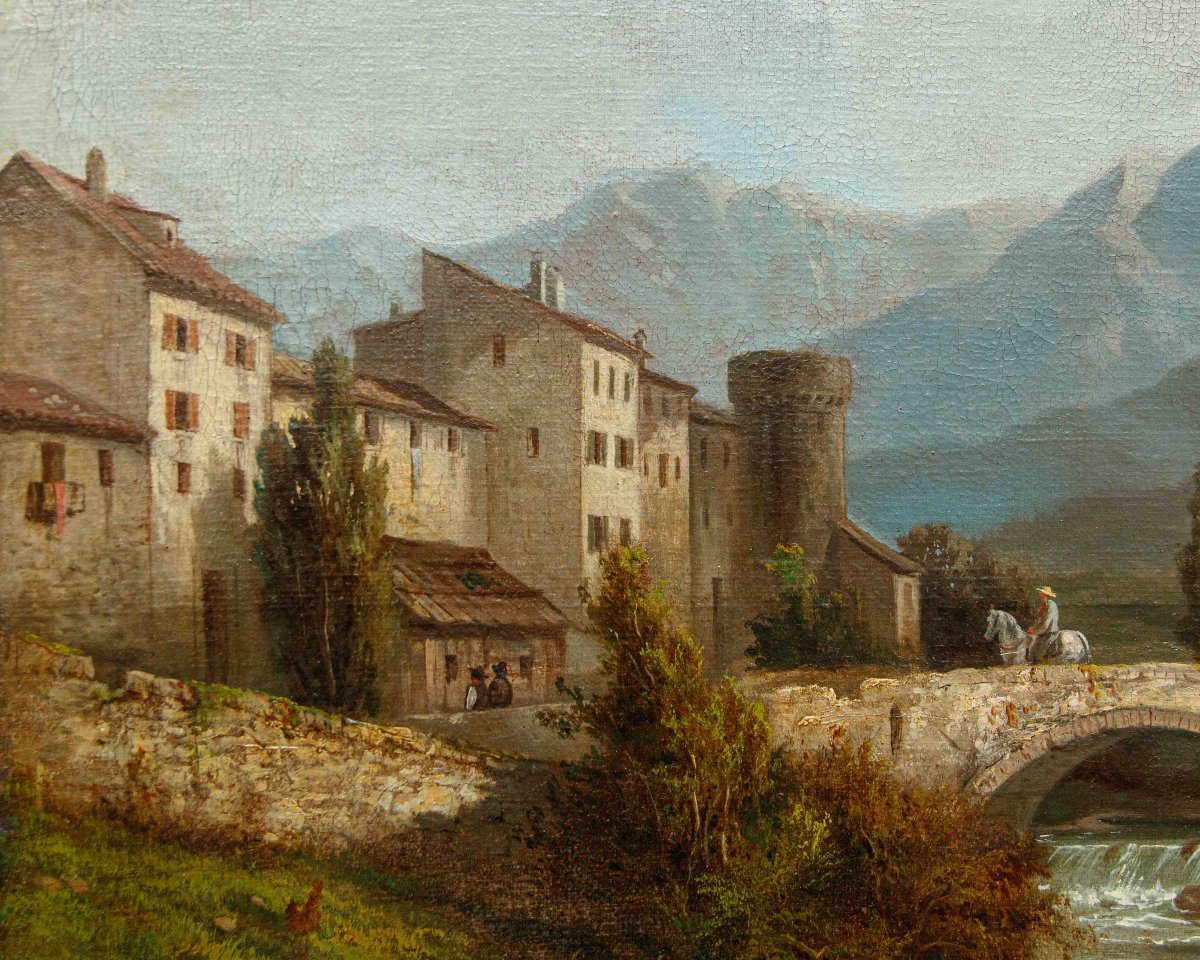
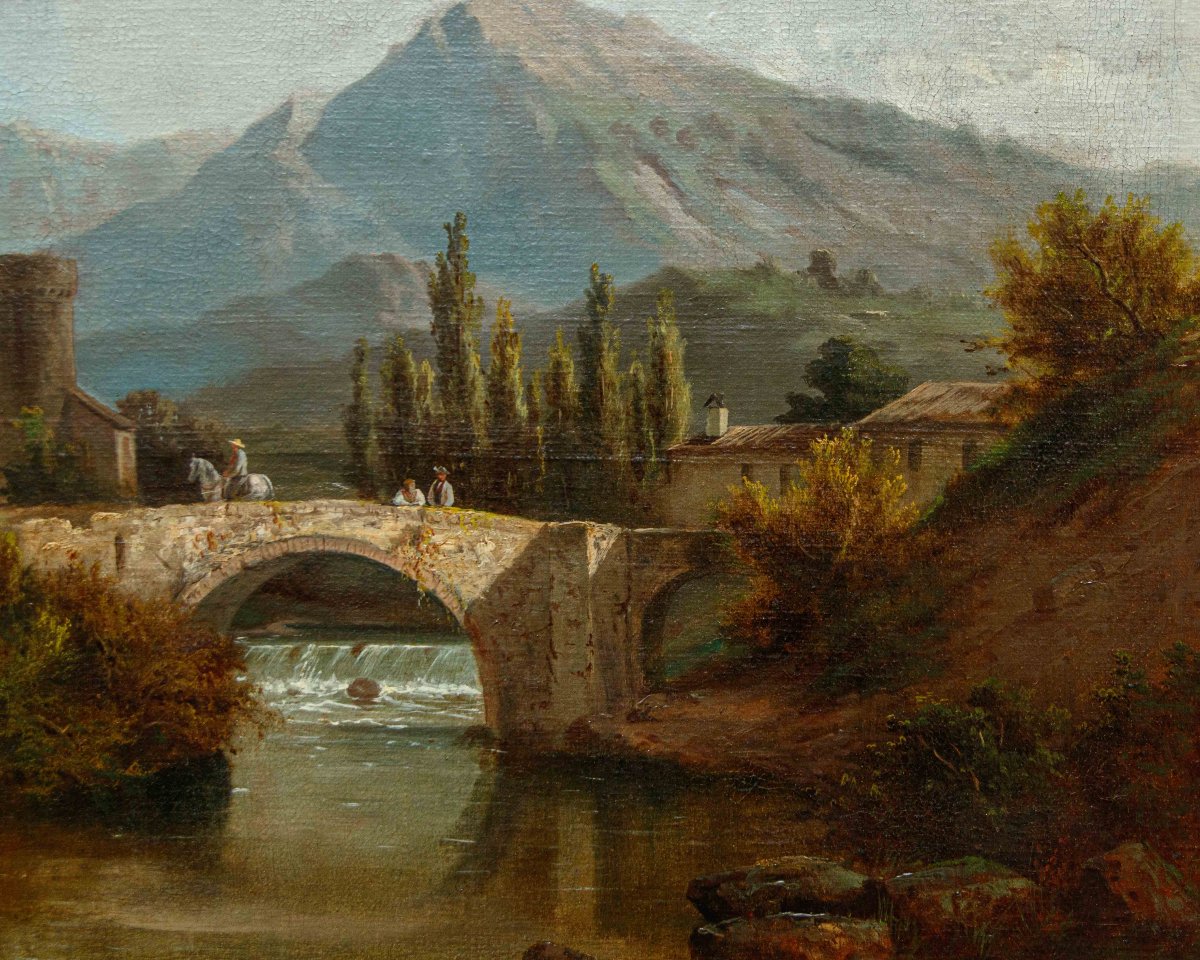
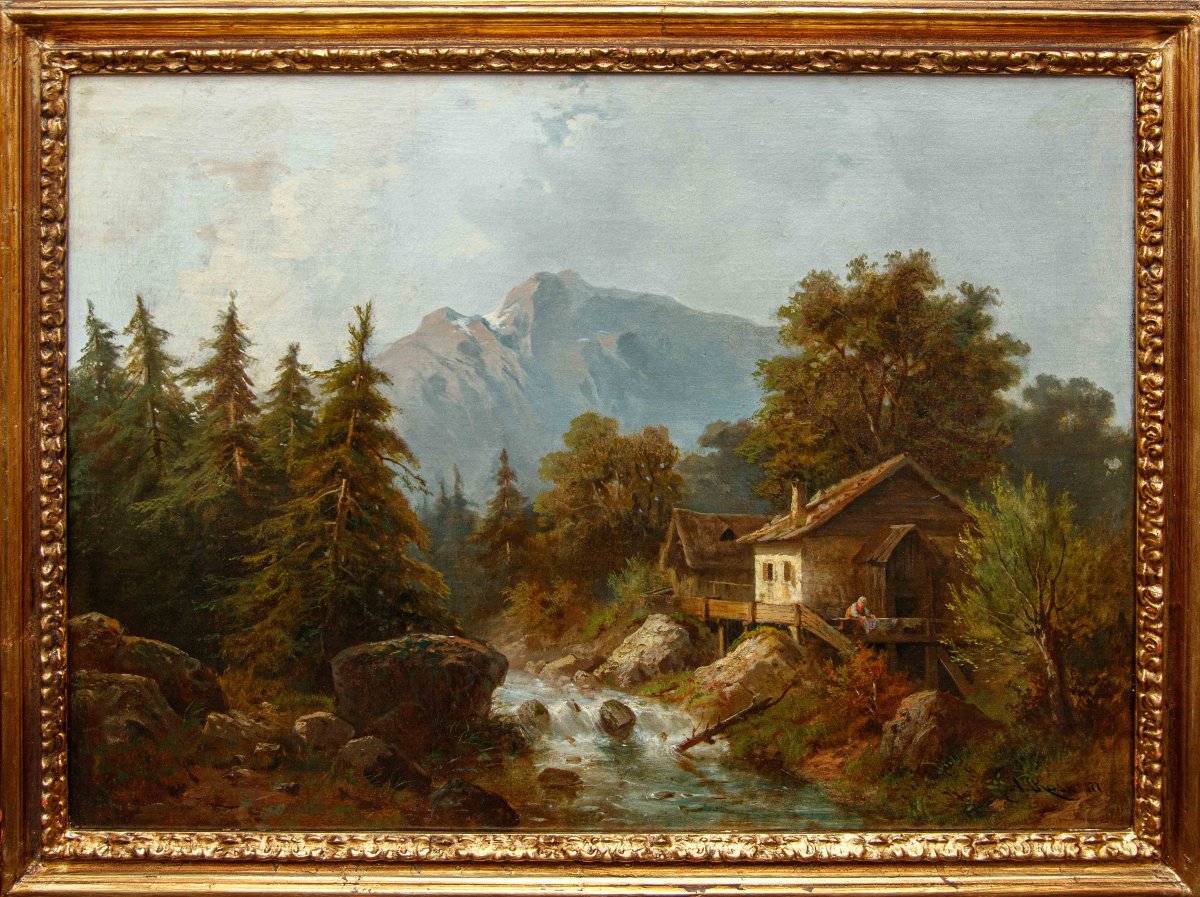
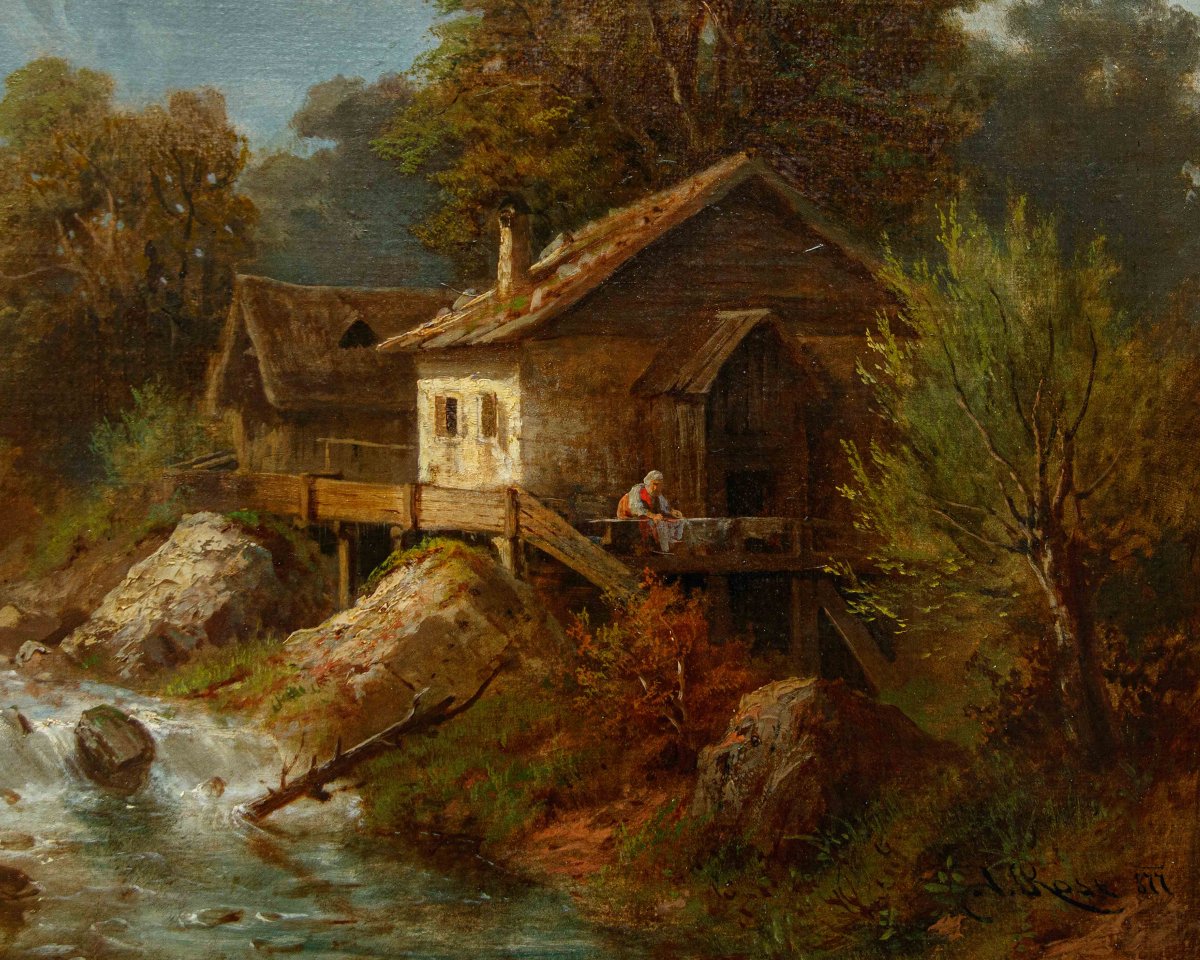
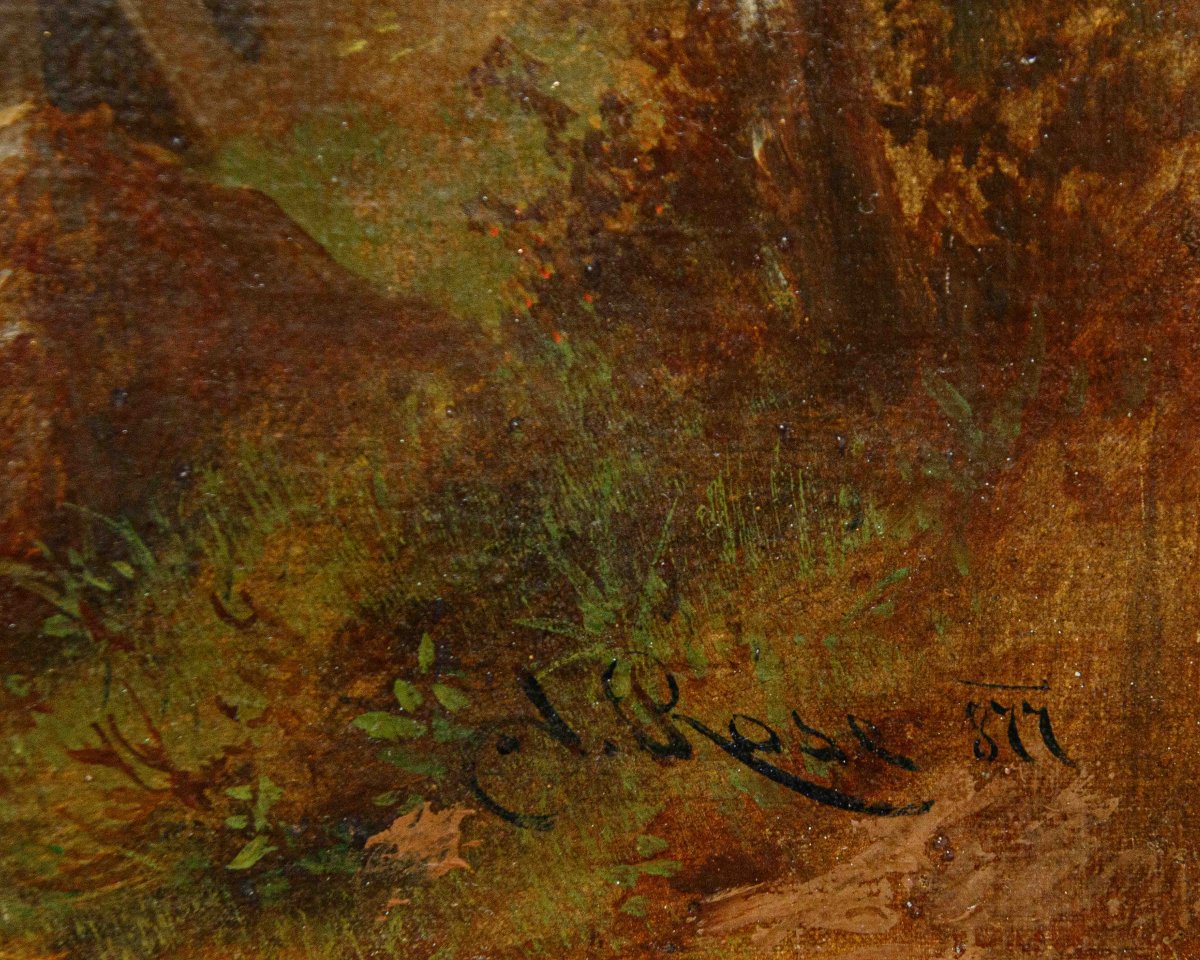
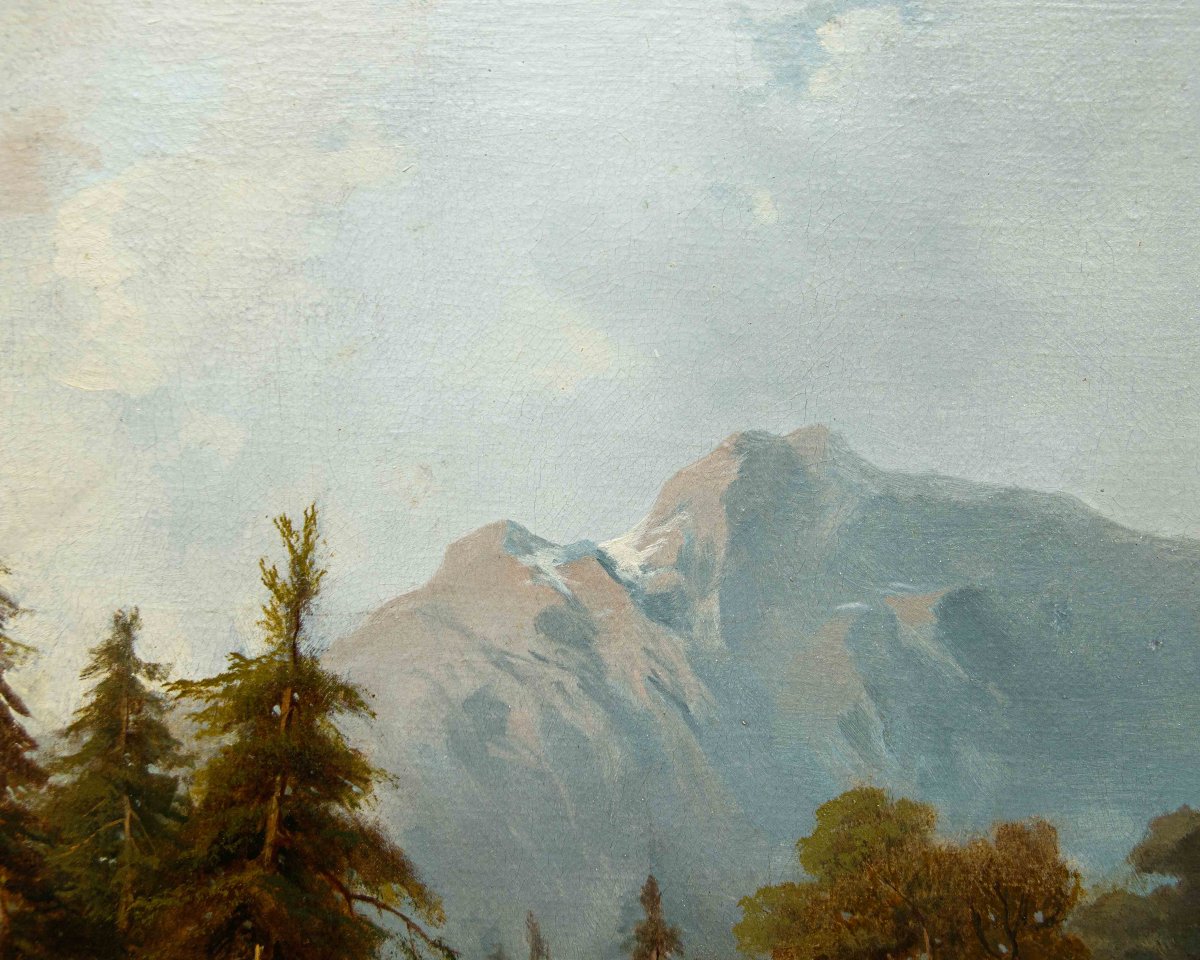
This pair of mountain landscapes by Costantino Rosa represents an eloquent example of his mature activity and the centrality of the naturalistic theme in his production. Conceived as a companion piece, the two canvases offer complementary visions of the mountain environment, focusing on valley and forest views conveyed with analytical attention and a marked sense of emotional participation in the landscape. One of the two paintings bears a signature and date of 1877, thus placing it in the last phase of the artist's career. Unlike many contemporary painters, Rosa only approached painting in adulthood, after an initial introduction to the profession of goldsmith. The turning point came thanks to the encouragement of his friend Enrico Scuri, who pushed him to undertake systematic training. In 1821 he enrolled at the Carrara Academy, where he remained for a decade, successfully following the teachings of the director Giuseppe Diotti, who recognized his potential. He subsequently exhibited regularly at the Brera Academy, coming into contact with the landscape language of Massimo d'Azeglio and Giovanni Migliara, key models for the development of his style. His personal biography was marked by controversial romantic events, which led to a break with the Bergamo academic environment. Hence the choice to move first to Rome and then to Naples, where he came into contact with the Posillipo School, enriching his repertoire through the direct study of nature and light. Having returned to Bergamo, he resumed exhibiting successfully until his last years, spent alongside his second wife Ester Zambelli, who accompanied him until his death in 1878. The two mountain landscapes fully reflect this experience: in the first, a village crossed by a stream and a stone bridge is animated by a few figures, integrated with measure into the context; in the second, a more intimate scene shows a stream among the rocks and a rustic building immersed in greenery. In both cases, human presence remains subordinate to nature, according to a romantic-naturalistic vision that privileges the balance between environment and daily life. The clear light, the calibrated spatial depth and the atmospheric rendering confirm the coherence of Rosa's language, faithful to a now conscious poetics, even in an era when new pictorial trends were beginning to question its relevance.
Pair of mountain landscapes
Oil on canvas, 52 x 71 cm
With the frame, 62 x 81.5 cm
This pair of mountain landscapes by Costantino Rosa represents an eloquent example of his mature activity and the centrality of the naturalistic theme in his production. Conceived as a companion piece, the two canvases offer complementary visions of the mountain environment, focusing on valley and forest views conveyed with analytical attention and a marked sense of emotional participation in the landscape. One of the two paintings bears a signature and date of 1877, thus placing it in the last phase of the artist's career. Unlike many contemporary painters, Rosa only approached painting in adulthood, after an initial introduction to the profession of goldsmith. The turning point came thanks to the encouragement of his friend Enrico Scuri, who pushed him to undertake systematic training. In 1821 he enrolled at the Carrara Academy, where he remained for a decade, successfully following the teachings of the director Giuseppe Diotti, who recognized his potential. He subsequently exhibited regularly at the Brera Academy, coming into contact with the landscape language of Massimo d'Azeglio and Giovanni Migliara, key models for the development of his style. His personal biography was marked by controversial romantic events, which led to a break with the Bergamo academic environment. Hence the choice to move first to Rome and then to Naples, where he came into contact with the Posillipo School, enriching his repertoire through the direct study of nature and light. Having returned to Bergamo, he resumed exhibiting successfully until his last years, spent alongside his second wife Ester Zambelli, who accompanied him until his death in 1878. The two mountain landscapes fully reflect this experience: in the first, a village crossed by a stream and a stone bridge is animated by a few figures, integrated with measure into the context; in the second, a more intimate scene shows a stream among the rocks and a rustic building immersed in greenery. In both cases, human presence remains subordinate to nature, according to a romantic-naturalistic vision that privileges the balance between environment and daily life. The clear light, the calibrated spatial depth and the atmospheric rendering confirm the coherence of Rosa's language, faithful to a now conscious poetics, even in an era when new pictorial trends were beginning to question its relevance.
3 800 €
Period: 19th century
Style: Other Style
Condition: Good condition
Material: Oil painting
Width: 71
Height: 52
Reference (ID): 1739014
Availability: In stock
Print