







Exceptional 17th-century Flemish Tapestry
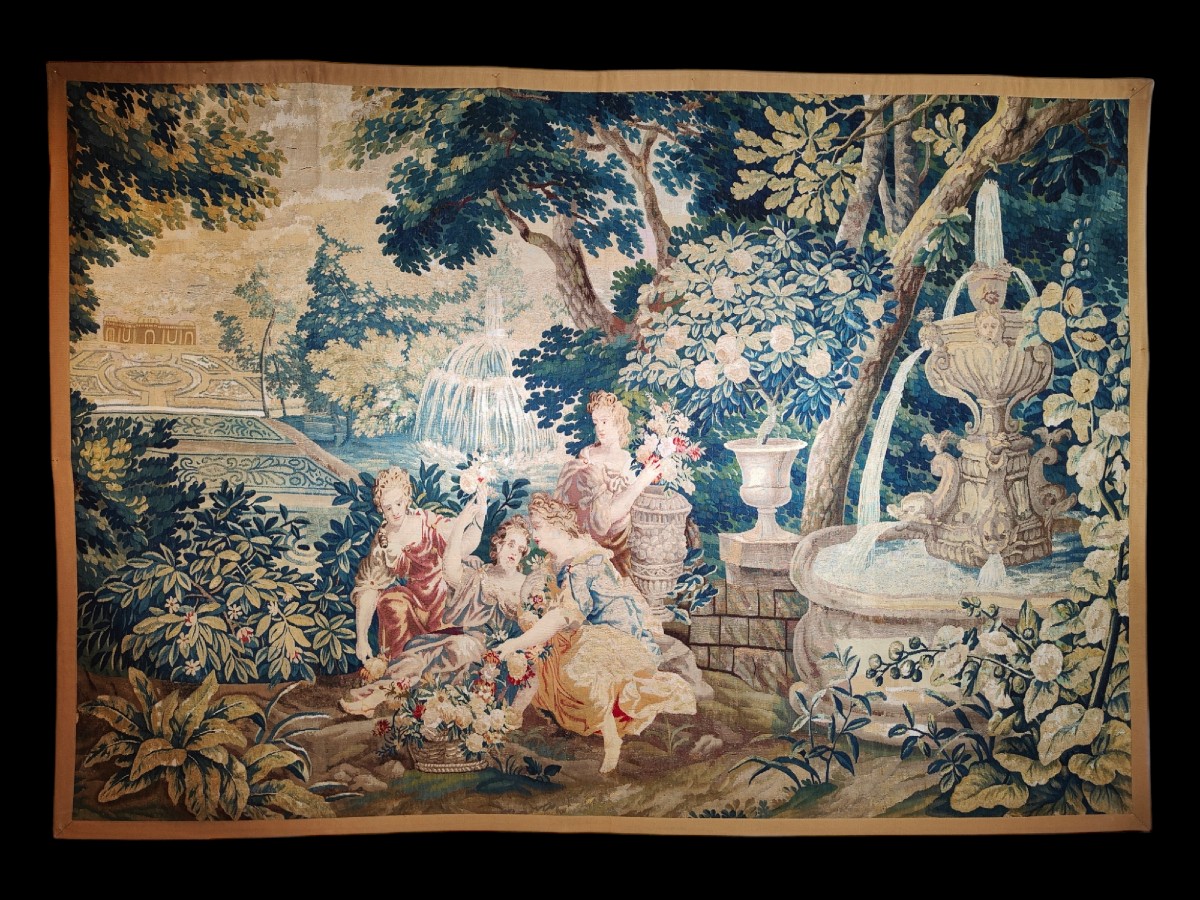
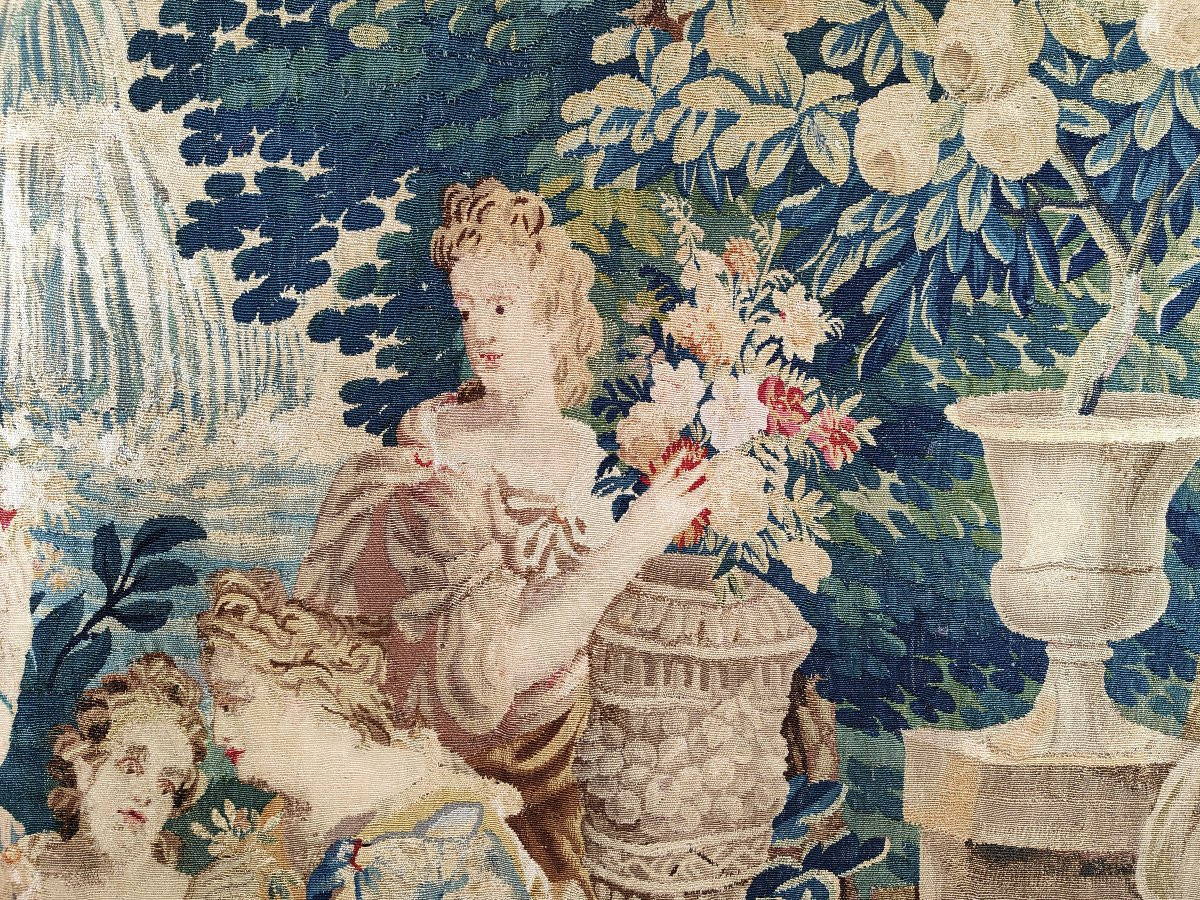
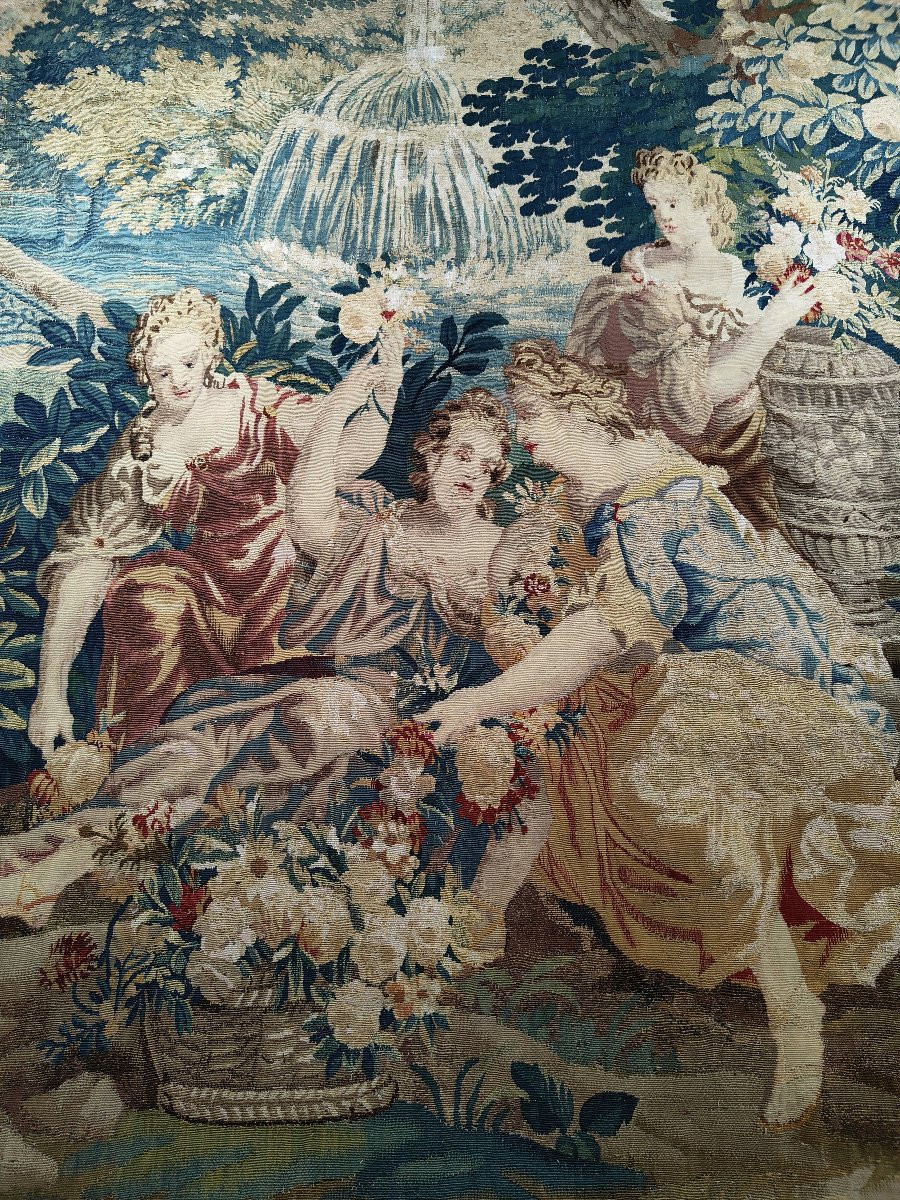
Flemish "Ténière" tapestry, in wool and silk, depicting four young girls picking flowers in a verdant landscape.
A fountain, a waterfall and a square with a garden are outlined in the background, all within a rich scene adorned with vegetation and flowers.
Dimensions: 215 x 308 cm.
History:
Tapestries known as "Ténières" enjoyed great success in the 17th century.
David II le Jeune, a pupil of David I, became master of the Saint-Luc guild in 1633. In 1637, he married his first wife, Anna Bruegel, daughter of Bruegel de Velours, with Rubens as best man. David II's main subjects were landscapes, still lifes, portraits, official celebrations and religious or allegorical scenes, which he portrayed with great consistency and inspiration. Under his deft brushwork, peasants dance, sing, play and drink, always friendly and carefree. The artist reduces the human figure to a decorative element, joyfully multiplying themes like a good craftsman, without being moved.
In 1650, David Teniers was called to Brussels by the governor of the Spanish Netherlands, Archduke Leopold-Guillaume. This passionate collector appointed him court painter and entrusted him with the management of his famous art gallery, whose image the artist portrayed on several occasions in the manner of cabinet painters. In addition, the Archduke increased his acquisitions from Teniers and generously distributed his paintings. This explains their presence in considerable numbers in major museums.
A fountain, a waterfall and a square with a garden are outlined in the background, all within a rich scene adorned with vegetation and flowers.
Dimensions: 215 x 308 cm.
History:
Tapestries known as "Ténières" enjoyed great success in the 17th century.
David II le Jeune, a pupil of David I, became master of the Saint-Luc guild in 1633. In 1637, he married his first wife, Anna Bruegel, daughter of Bruegel de Velours, with Rubens as best man. David II's main subjects were landscapes, still lifes, portraits, official celebrations and religious or allegorical scenes, which he portrayed with great consistency and inspiration. Under his deft brushwork, peasants dance, sing, play and drink, always friendly and carefree. The artist reduces the human figure to a decorative element, joyfully multiplying themes like a good craftsman, without being moved.
In 1650, David Teniers was called to Brussels by the governor of the Spanish Netherlands, Archduke Leopold-Guillaume. This passionate collector appointed him court painter and entrusted him with the management of his famous art gallery, whose image the artist portrayed on several occasions in the manner of cabinet painters. In addition, the Archduke increased his acquisitions from Teniers and generously distributed his paintings. This explains their presence in considerable numbers in major museums.
9 800 €
Period: 17th century
Style: Rome and Antic Greece
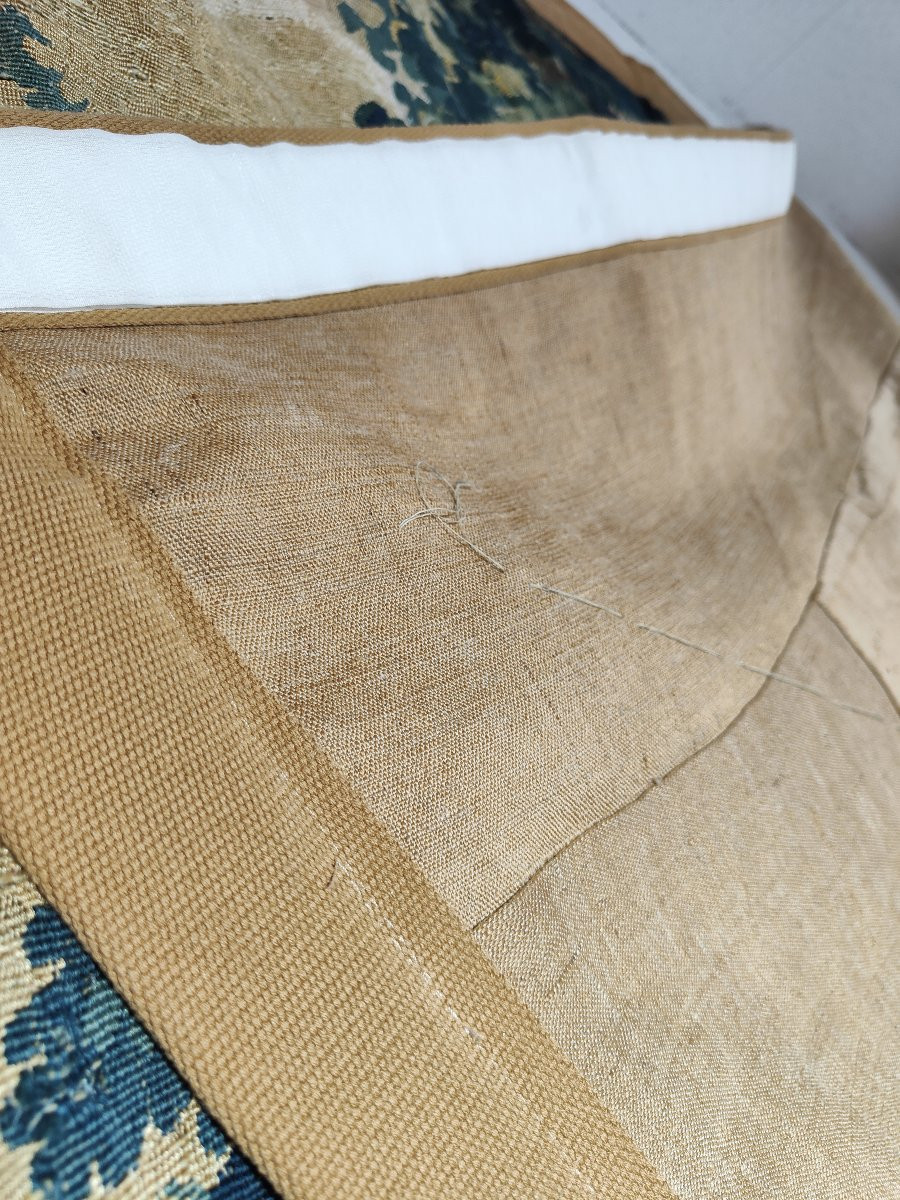
Condition: Excellent condition
Material: Wool
Reference (ID): 1733588
Availability: In stock
Print