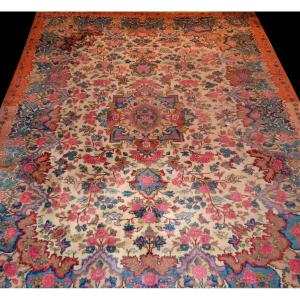



Sarough Rug, 160 X 204 Cm, Hand-knotted Wool From Iran Circa 1950, Very Good Condition
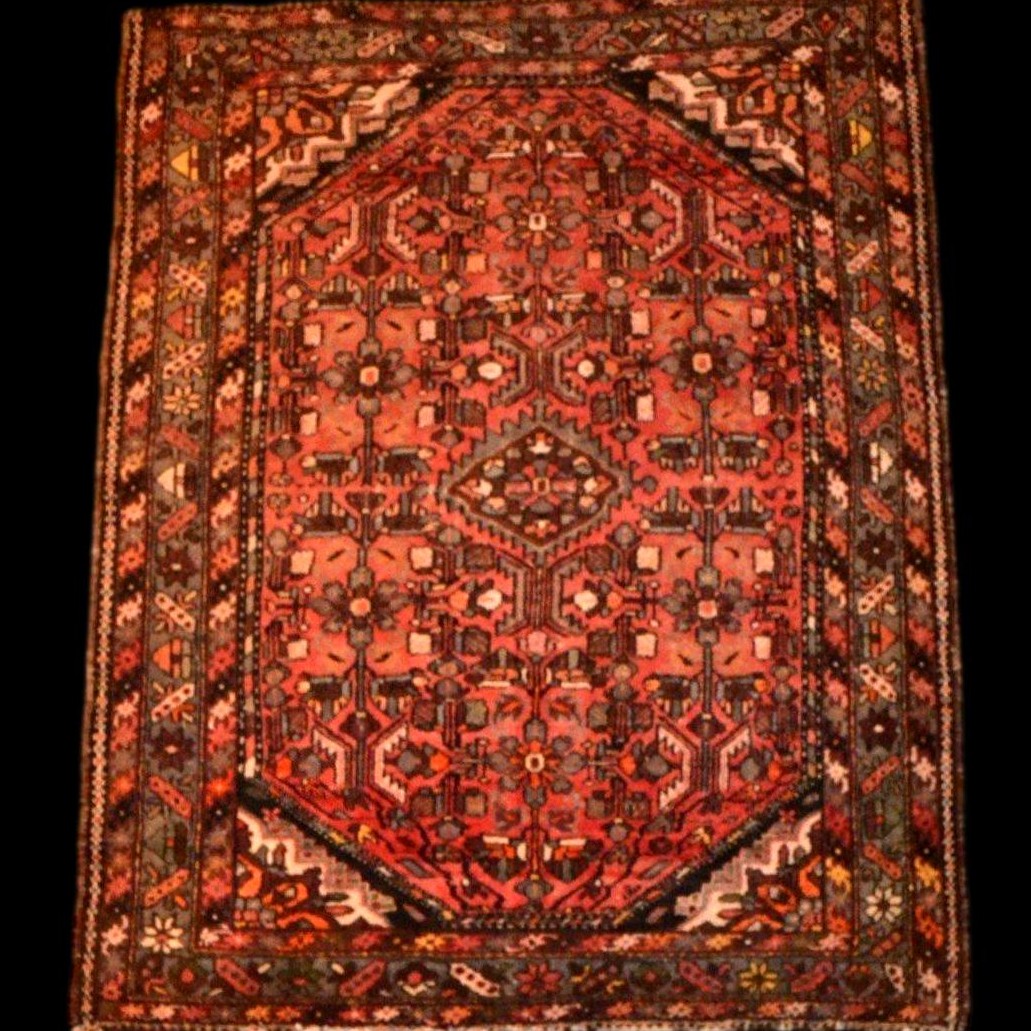
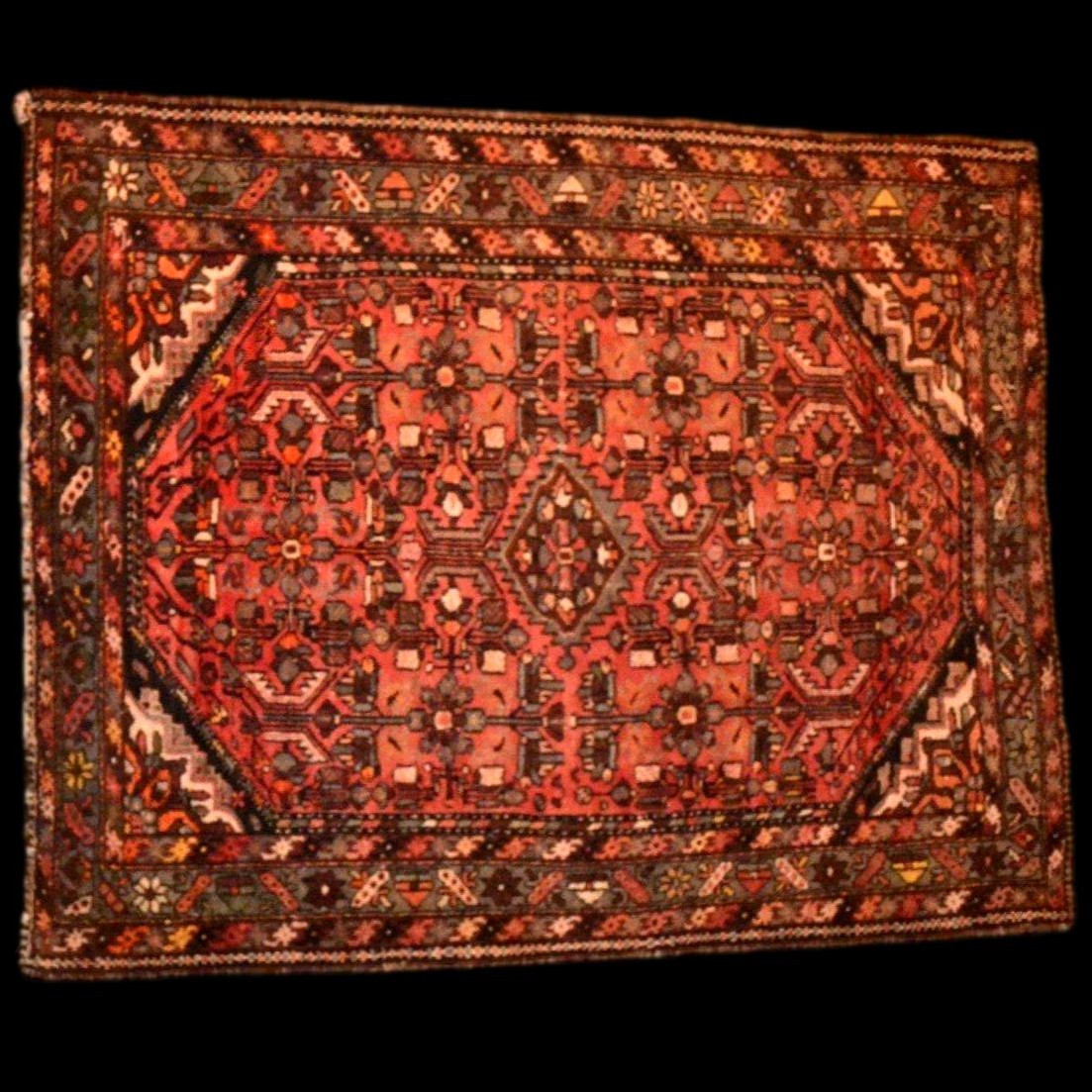
Sarough rug, 160 x 204 cm, hand-knotted wool circa 1950 in Iran, in very good condition.
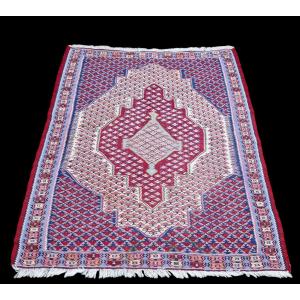
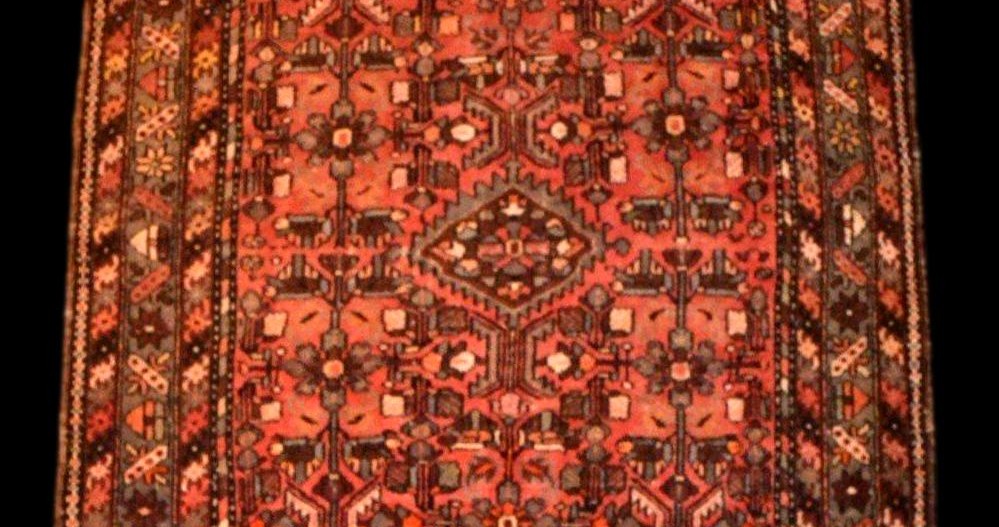
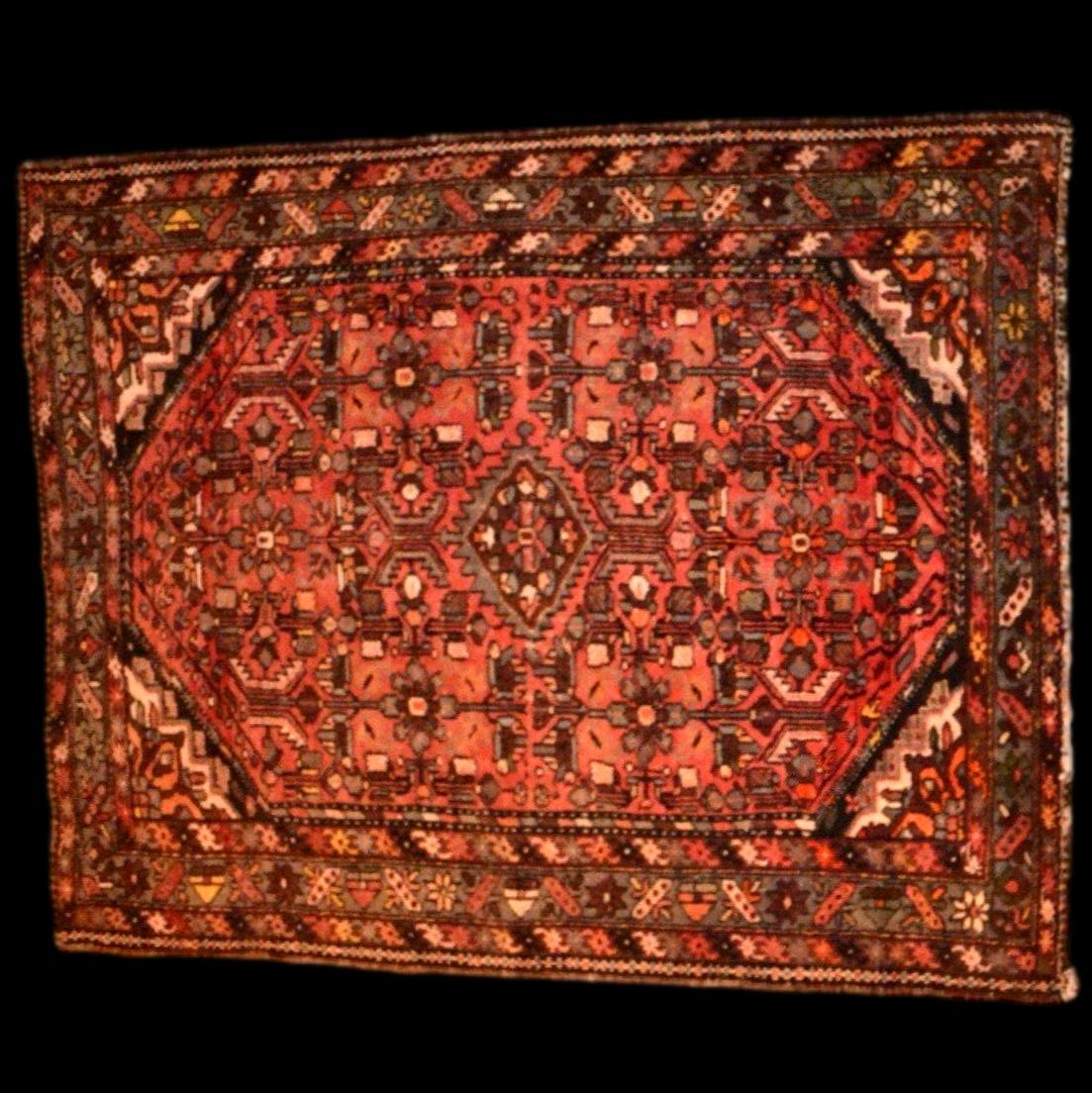
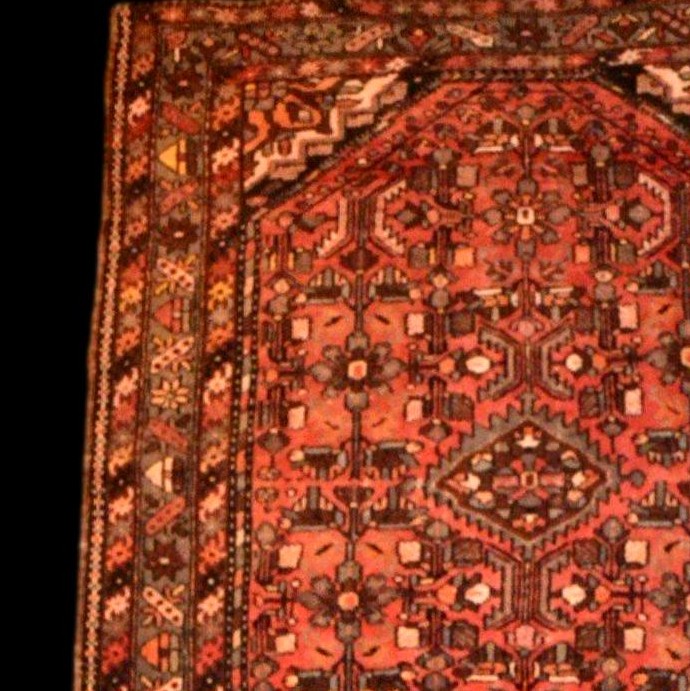
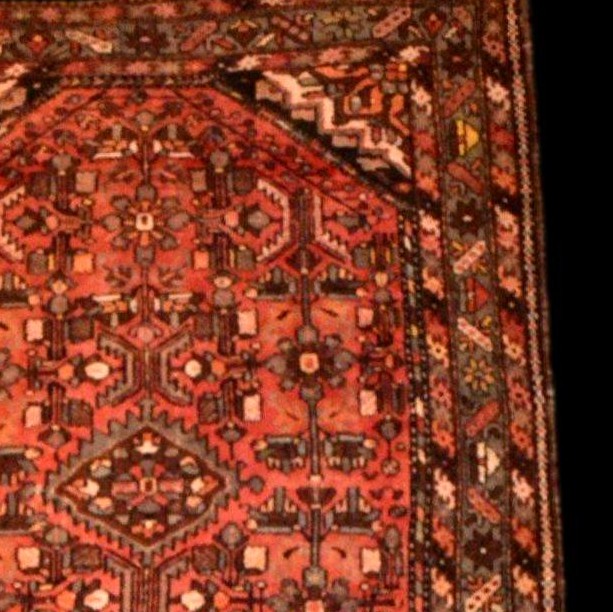
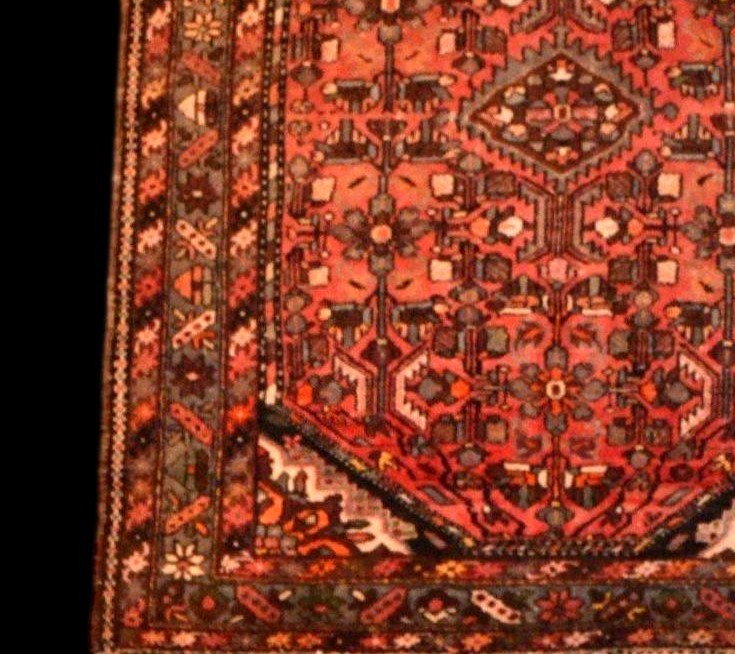
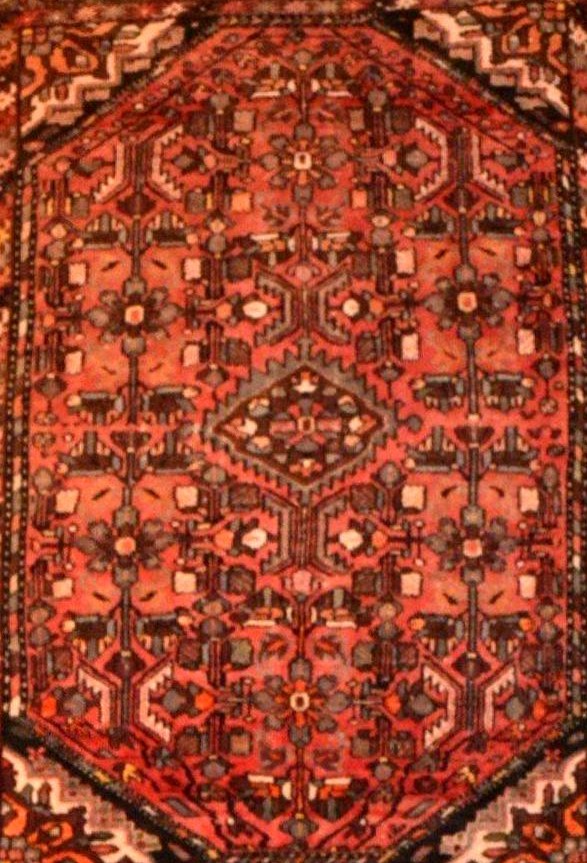
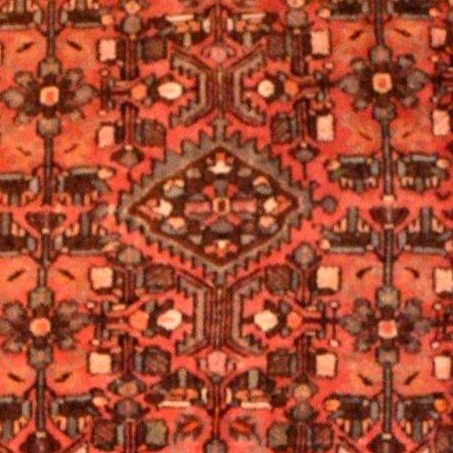
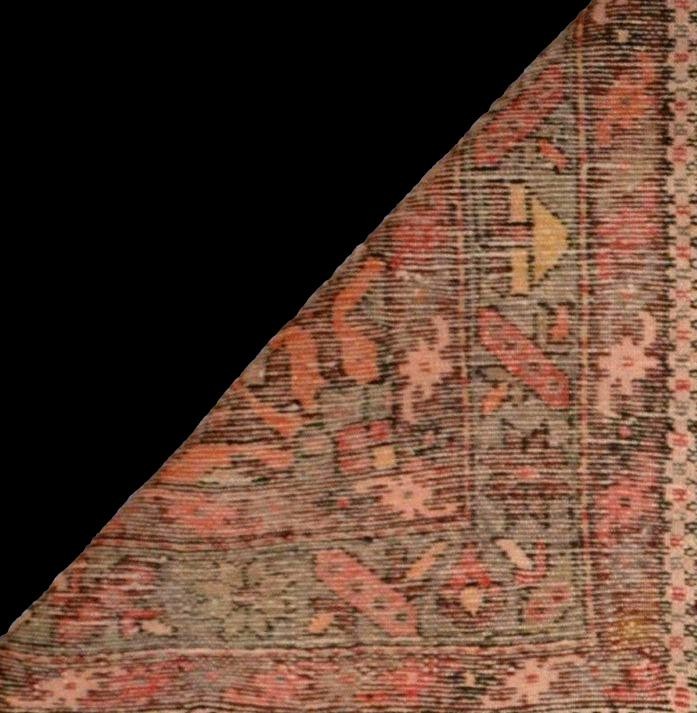
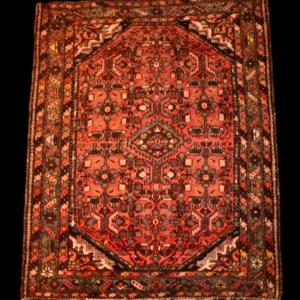
Hand-knotted wool with a stylized floral geometric design on a dark old rose field.
This comfortable rug is in very good condition before 1950; the edges and pile are in excellent condition.
A beautiful antique rug adorned with very pleasing colors that have remained fresh over the years.
The quality of the wool used in this region is good, being fine and silky.
This is due to the use of goat mohair, camel hair mixed with sheep's wool.
The use of camel hair and mohair makes the rugs softer and lighter.
The range of colors used, bright and vibrant, is characteristic of this region.
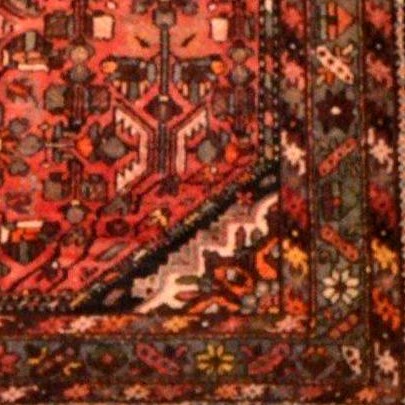
The border with its continuous patterns echoes the colors of the rug, and the four spandrels are decorated with stylized flowers and sticks. In the mountains of Iran, in the heartland, north of Arak (formerly Sultanabad), lies The small village of Sarough (or Sarouk).
At the end of the 19th and beginning of the 20th centuries, this small village was one of the most active carpet-weaving regions: it produced room-sized Persian carpets, among the finest of the time.
Due to strong Western demand, most Sarough carpets were exported, particularly to the United States, after the decline of the European market caused by the First World War.
It is primarily their quality, durability, and style that have made Sarough carpets so popular.
Knotted using the Persian knot technique, made of robust, high-quality wool, with a very thick and dense pile, the Sarough carpet is ideal for the home, as it withstands heavy foot traffic very well.
Provided it is well cared for, it will show no signs of wear, even after several decades.
The American Sarough was specifically designed to satisfy the American market.
Originally, these carpets were woven with lighter, rust-colored backgrounds, which have not It appealed to the American market, which was demanding darker and more intense colors.
As a result, the rugs had to be re-dyed upon arrival, which earned them the name "Painted Sarough." Sarough designs are very varied: they can feature central medallions, pastoral designs, and pale floral motifs in cream, indigo, and red.
The rugs are made from very high-quality sheep's wool and vegetable dyes, and are of excellent quality.
A true Sarough rug lasts a lifetime.
This rug is made from the highest quality hand-spun sheep's wool.
In Iran (ancient Persia), Afghanistan, and Pakistan, among other places, wool is still spun by hand before the actual knotting of the rug begins. Wool has proven itself as a natural and extremely durable material over the centuries.
It has, in particular, stain-resistant and thermal insulation properties and is incomparably soft with a natural sheen.
Traditionally, hand-knotted rugs still represent the highest quality standard among all types of rugs.
Depending on the type of knot, rugs are extremely robust and can last for generations.
The finer and tighter a rug is knotted, the more detailed the ornaments and patterns can be depicted on the pile.
At the same time, a very fine oriental rug requires significantly more manual effort as well as a higher level of experience and skill from the knotter.
Therefore, knot density is also a decisive factor in the value of hand-knotted rugs.
Quality is not directly related to knot density.
A rather coarse rug may very well have been made from a Excellent quality.
This rug has been professionally and ecologically cleaned.
For more information, you can contact me at +33 6 13 36 09 30 or winsteinprovence@gmail.com.
Dimensions: Width: 160 cm (63") x Length: 204 cm (80").
FREE SHIPPING WITHIN FRANCE, as with all our rugs, small and large!
FRANCE €0 / EUROPE €25 / WORLD €50.
www.winsteinprovence.com
. Come visit us!
Ref: Winstein 1175
Hand-knotted wool with a stylized floral geometric design on a dark old rose field.
This comfortable rug is in very good condition before 1950; the edges and pile are in excellent condition.
A beautiful antique rug adorned with very pleasing colors that have remained fresh over the years.
The quality of the wool used in this region is good, being fine and silky.
This is due to the use of goat mohair, camel hair mixed with sheep's wool.
The use of camel hair and mohair makes the rugs softer and lighter.
The range of colors used, bright and vibrant, is characteristic of this region.
The border with its continuous patterns echoes the colors of the rug, and the four spandrels are decorated with stylized flowers and sticks. In the mountains of Iran, in the heartland, north of Arak (formerly Sultanabad), lies The small village of Sarough (or Sarouk).
At the end of the 19th and beginning of the 20th centuries, this small village was one of the most active carpet-weaving regions: it produced room-sized Persian carpets, among the finest of the time.
Due to strong Western demand, most Sarough carpets were exported, particularly to the United States, after the decline of the European market caused by the First World War.
It is primarily their quality, durability, and style that have made Sarough carpets so popular.
Knotted using the Persian knot technique, made of robust, high-quality wool, with a very thick and dense pile, the Sarough carpet is ideal for the home, as it withstands heavy foot traffic very well.
Provided it is well cared for, it will show no signs of wear, even after several decades.
The American Sarough was specifically designed to satisfy the American market.
Originally, these carpets were woven with lighter, rust-colored backgrounds, which have not It appealed to the American market, which was demanding darker and more intense colors.
As a result, the rugs had to be re-dyed upon arrival, which earned them the name "Painted Sarough." Sarough designs are very varied: they can feature central medallions, pastoral designs, and pale floral motifs in cream, indigo, and red.
The rugs are made from very high-quality sheep's wool and vegetable dyes, and are of excellent quality.
A true Sarough rug lasts a lifetime.
This rug is made from the highest quality hand-spun sheep's wool.
In Iran (ancient Persia), Afghanistan, and Pakistan, among other places, wool is still spun by hand before the actual knotting of the rug begins. Wool has proven itself as a natural and extremely durable material over the centuries.
It has, in particular, stain-resistant and thermal insulation properties and is incomparably soft with a natural sheen.
Traditionally, hand-knotted rugs still represent the highest quality standard among all types of rugs.
Depending on the type of knot, rugs are extremely robust and can last for generations.
The finer and tighter a rug is knotted, the more detailed the ornaments and patterns can be depicted on the pile.
At the same time, a very fine oriental rug requires significantly more manual effort as well as a higher level of experience and skill from the knotter.
Therefore, knot density is also a decisive factor in the value of hand-knotted rugs.
Quality is not directly related to knot density.
A rather coarse rug may very well have been made from a Excellent quality.
This rug has been professionally and ecologically cleaned.
For more information, you can contact me at +33 6 13 36 09 30 or winsteinprovence@gmail.com.
Dimensions: Width: 160 cm (63") x Length: 204 cm (80").
FREE SHIPPING WITHIN FRANCE, as with all our rugs, small and large!
FRANCE €0 / EUROPE €25 / WORLD €50.
www.winsteinprovence.com
. Come visit us!
Ref: Winstein 1175
1 290 €
Period: 20th century
Style: Orientalism
Condition: Good condition
Material: Wool
Length: 204 cm - 80"
Width: 160 cm - 63"
Reference (ID): 1726966
Availability: In stock
Print