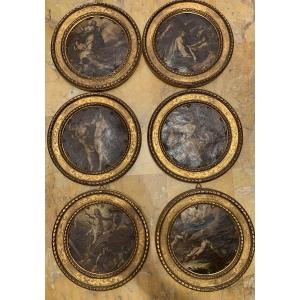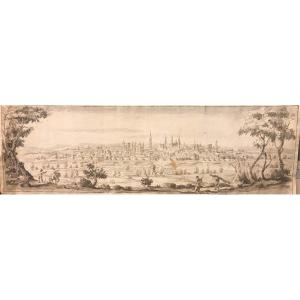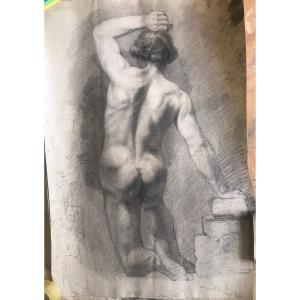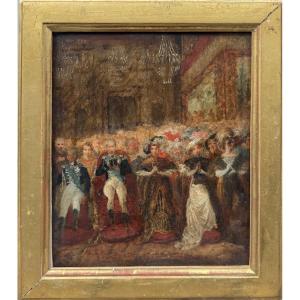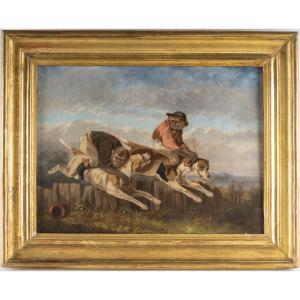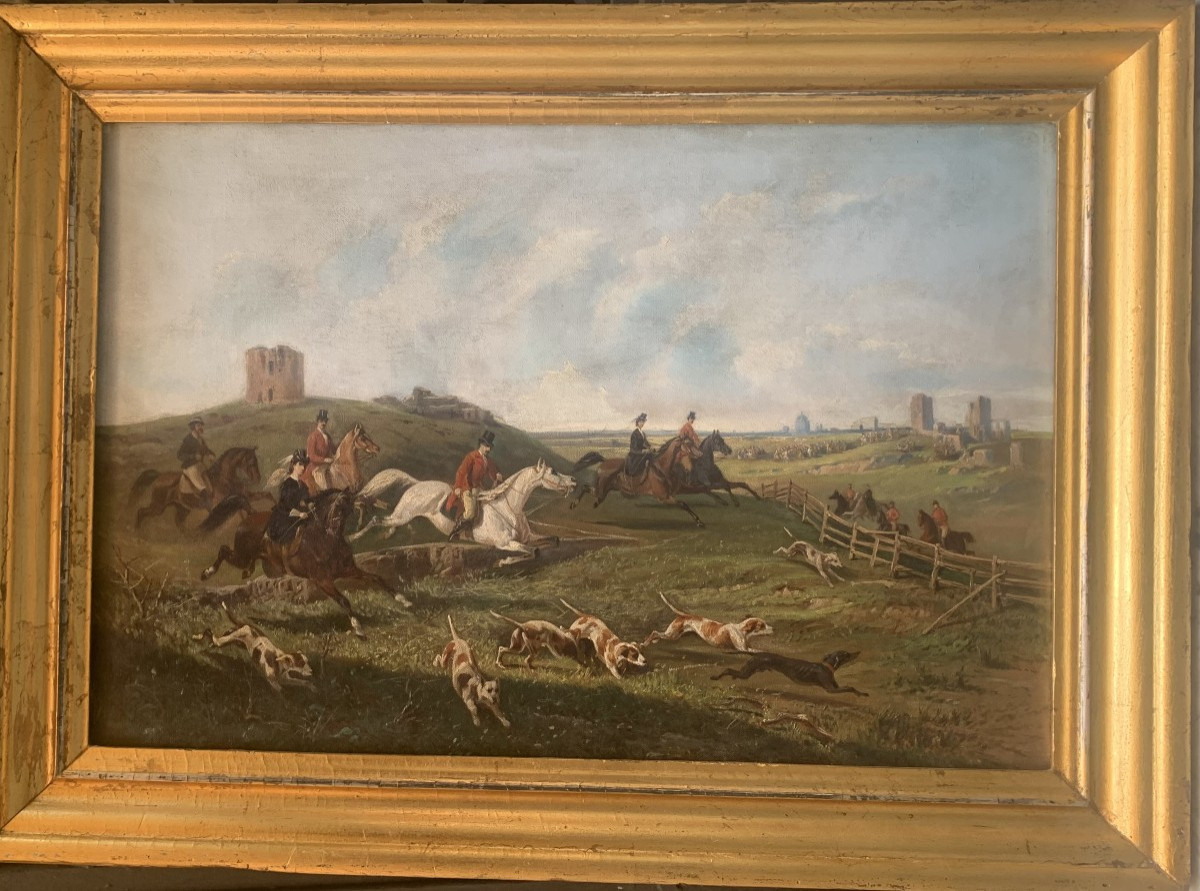

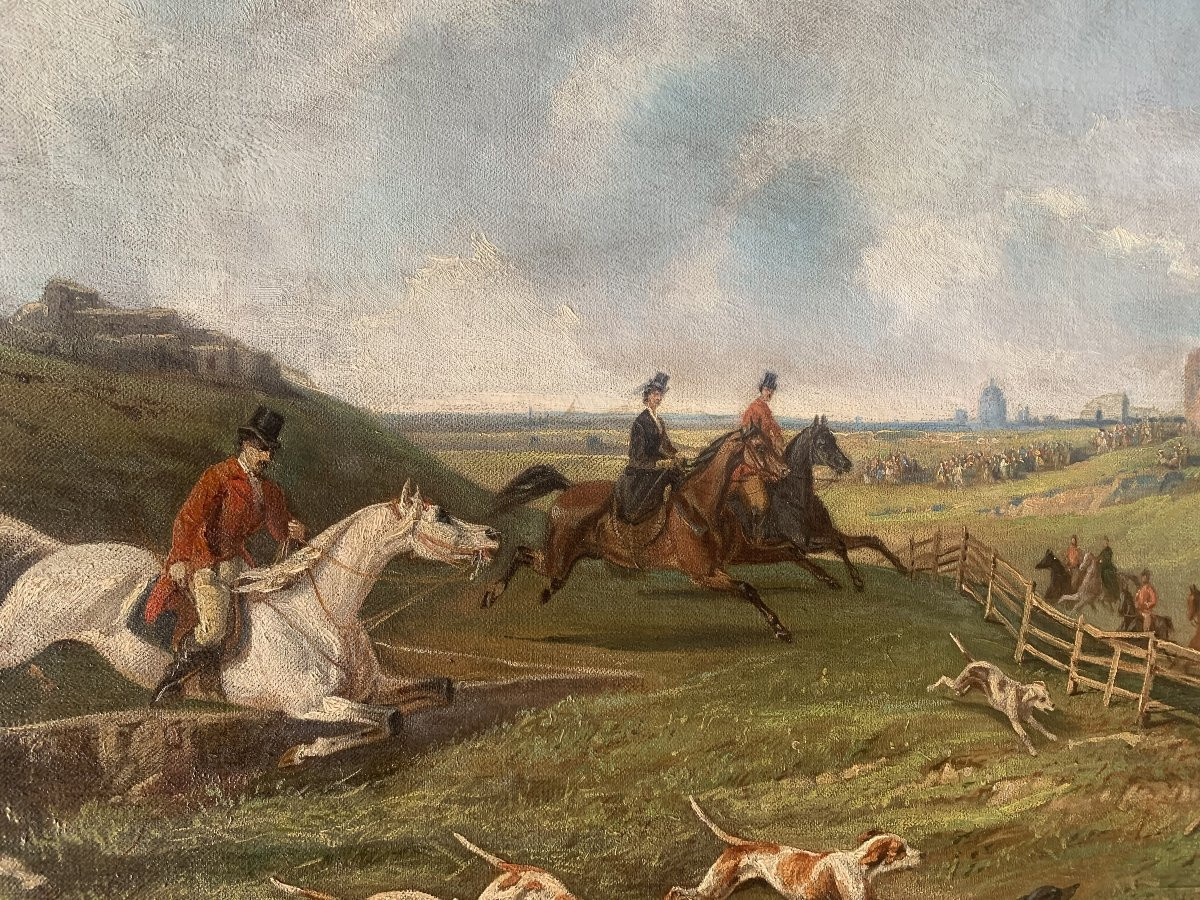


Enrico Tarenghi - Princess Sissi In Rome - Fox Hunt - Grand Tour Italy Austria 1881
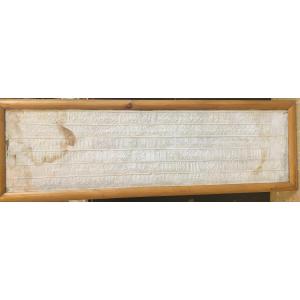
Fox Hunt of January 16, 1870
Enrico Tarenghi (Rome, April 14, 1848 – Rome, April 3, 1938) was an Italian painter and watercolorist.
A painter of genre scenes, oriental scenes, and church and mosque interiors—subjects he treated with great detail and pleasing color—he was a pupil of Alessandro Capalti at the Accademia di San Luca. In the late 19th century, the painters Filippo Bartolini, Nazzareno Cipriani, Giuseppe Aureli, and Enrico Tarenghi, who had chosen the same genre, all worked at number 48 Via Margutta. Ettore Ximenes, a painter and sculptor of a different nature, also had a studio in the same building. Enrico painted scenes with musketeers in their colorful eighteenth-century costumes at the tavern; Church interiors with nuns praying or singing before the lectern; interiors of Roman noble palaces, with cardinals captured playing chess, listening to a concert, or receiving homage from young girls; graceful peasant girls, in traditional dress, stopping in the Roman Forum: exquisite scenes, sometimes more imagined or reconstructed than real.
In addition to 18th-century painting, a style then in vogue in Rome and appreciated by travelers on the Grand Tour, in the late 19th century Enrico Tarenghi also embraced the vogue for Orientalism and painted scenes in bazaars, along the Nile, in Arab cafés, and inside the harem, with erotic odalisques reclining on cushions or seen wearing their sumptuous costumes. He exhibited the painting Muslims in Prayer in Milan in 1881; in Turin, in 1884, he exhibited the oil painting Jealousy and the watercolor The Mother. Oh, could I (scene from the first act of Faust by Arrigo Boito) was exhibited by him in Venice in 1887
Enrico Tarenghi (Rome, April 14, 1848 – Rome, April 3, 1938) was an Italian painter and watercolorist.
A painter of genre scenes, oriental scenes, and church and mosque interiors—subjects he treated with great detail and pleasing color—he was a pupil of Alessandro Capalti at the Accademia di San Luca. In the late 19th century, the painters Filippo Bartolini, Nazzareno Cipriani, Giuseppe Aureli, and Enrico Tarenghi, who had chosen the same genre, all worked at number 48 Via Margutta. Ettore Ximenes, a painter and sculptor of a different nature, also had a studio in the same building. Enrico painted scenes with musketeers in their colorful eighteenth-century costumes at the tavern; Church interiors with nuns praying or singing before the lectern; interiors of Roman noble palaces, with cardinals captured playing chess, listening to a concert, or receiving homage from young girls; graceful peasant girls, in traditional dress, stopping in the Roman Forum: exquisite scenes, sometimes more imagined or reconstructed than real.
In addition to 18th-century painting, a style then in vogue in Rome and appreciated by travelers on the Grand Tour, in the late 19th century Enrico Tarenghi also embraced the vogue for Orientalism and painted scenes in bazaars, along the Nile, in Arab cafés, and inside the harem, with erotic odalisques reclining on cushions or seen wearing their sumptuous costumes. He exhibited the painting Muslims in Prayer in Milan in 1881; in Turin, in 1884, he exhibited the oil painting Jealousy and the watercolor The Mother. Oh, could I (scene from the first act of Faust by Arrigo Boito) was exhibited by him in Venice in 1887
2 000 €
Period: 19th century
Style: Other Style
Condition: Good condition
Material: Oil painting
Length: 60 cm
Height: 41 cm
Reference (ID): 1715809
Availability: In stock
Print