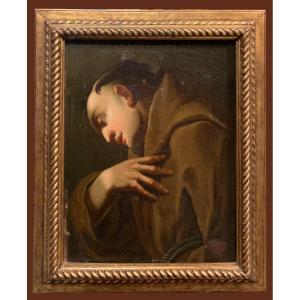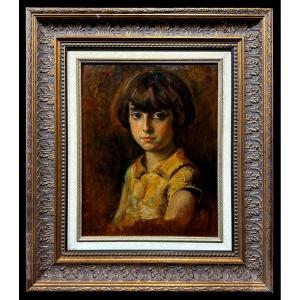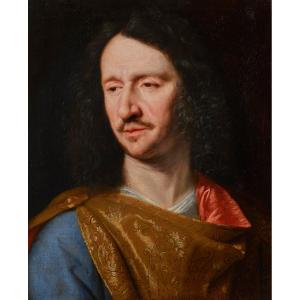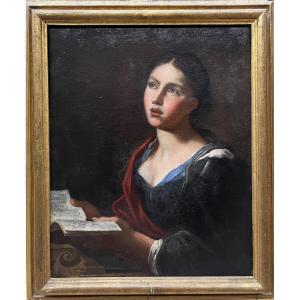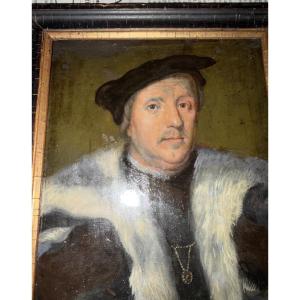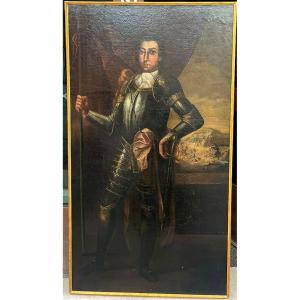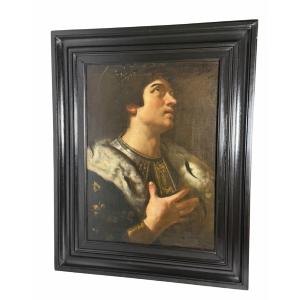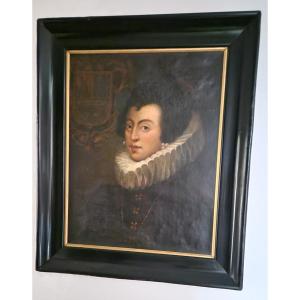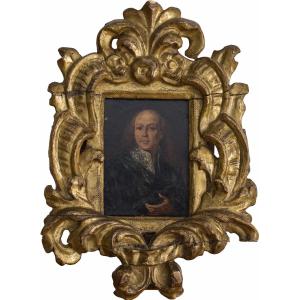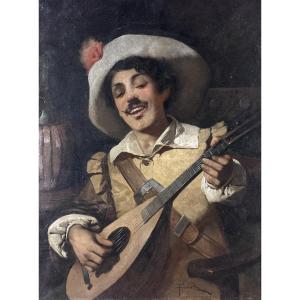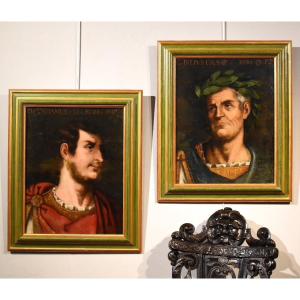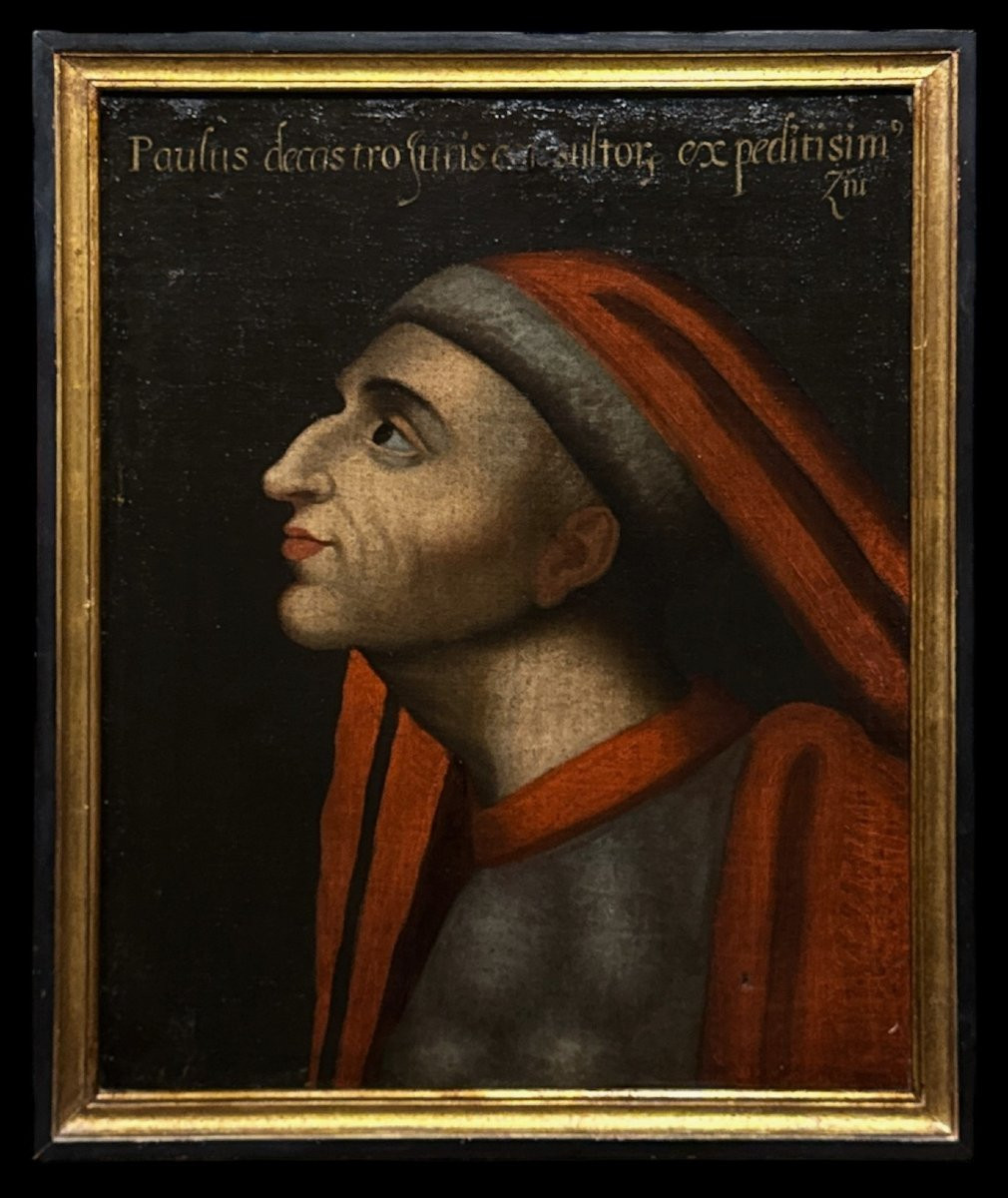


Roman School (c. 1600) - The Four Fathers Of Medieval Law
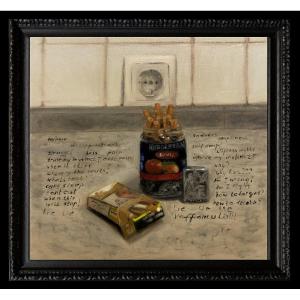
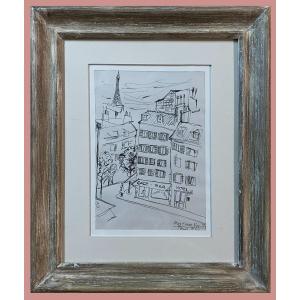
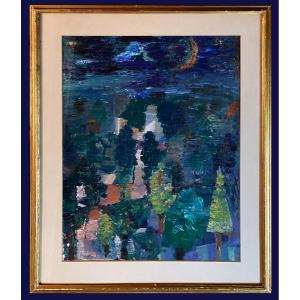
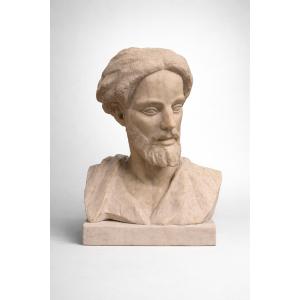
- Oil on canvas. Relined. - This series of four portraits, executed at the dawn of the 17th century, constitutes a remarkable exercise in legal iconography that pays homage to the intellectual foundations of the Ius Commune. The representation of these figures is not merely an aesthetic choice, but rather a recognition of the prestige of Italian jurisprudence of the 14th and 15th centuries through its most eminent exegetes. Among them stands out Baldo dei Ubaldi (1327-1400), known as Baldo of Perugia, who, after being trained by Bartolus da Sassoferrato, extended the doctrine of commentary to a philosophical dimension that permeated canon and commercial law. His effigy, imbued with the gravity befitting an advisor to popes and monarchs, recalls his teaching at the universities of Perugia, Pisa, and Padua, where he consolidated an analytical approach that harmonized Roman civil law with the needs of the city-states of the late Middle Ages. Beside him stands the figure of Niccolò de' Tudeschi (1386-1445), universally known as Abbot Panormitanus due to his position as abbot of Santa Maria di Maniace and archbishop of Palermo. This Sicilian jurist embodies the apogee of 15th-century canon law; his participation in the Council of Basel and his monumental work, the Lectura in Decretales, conferred upon him such authority that his opinions were followed by the courts with a force almost equal to that of written law itself. The portrait of Panormitanus captures the essence of a man of both Church and State, whose legal exegesis was fundamental to the structuring of the ecclesiastical hierarchy and procedural law, projecting an image of dogmatic rigor that endured until the transition to the Baroque era. The series concludes with the presence of Paolo de Castro (died 1441) and Giasone del Maino (1435-1519), who embody the continuity and refinement of the technique of commentary. Paolo de Castro, Baldo's favorite pupil and mentor at universities such as Florence and Bologna, was renowned for his meticulous work in perfecting Justinian's texts, his Consilia constituting an indispensable reference for European legal practice. Giasone del Maino, for his part, embodies the transition to legal humanism; His renown in Pavia was such that King Louis XII of France himself attended his lectures, admiring an eloquence that these oil paintings strive to capture in a face of austere dignity. Around 1600, the pictorial language definitively abandoned iconographic rigidity to imbue these masters with a psychological depth that transcends the paper, transforming the whole into a visual genealogy of legal knowledge where light and shadow underscore the invulnerability of doctrine to the passage of time. - 44 x 61 cm / 52.5 x 69 cm with antique frame
6 500 €
Period: 16th century
Style: Renaissance, Louis 13th
Condition: Excellent condition
Material: Oil painting
Reference (ID): 1706646
Availability: In stock
Print