

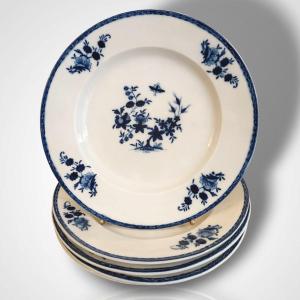


Set Of Tournai Porcelain Soup Plates, 18th Century
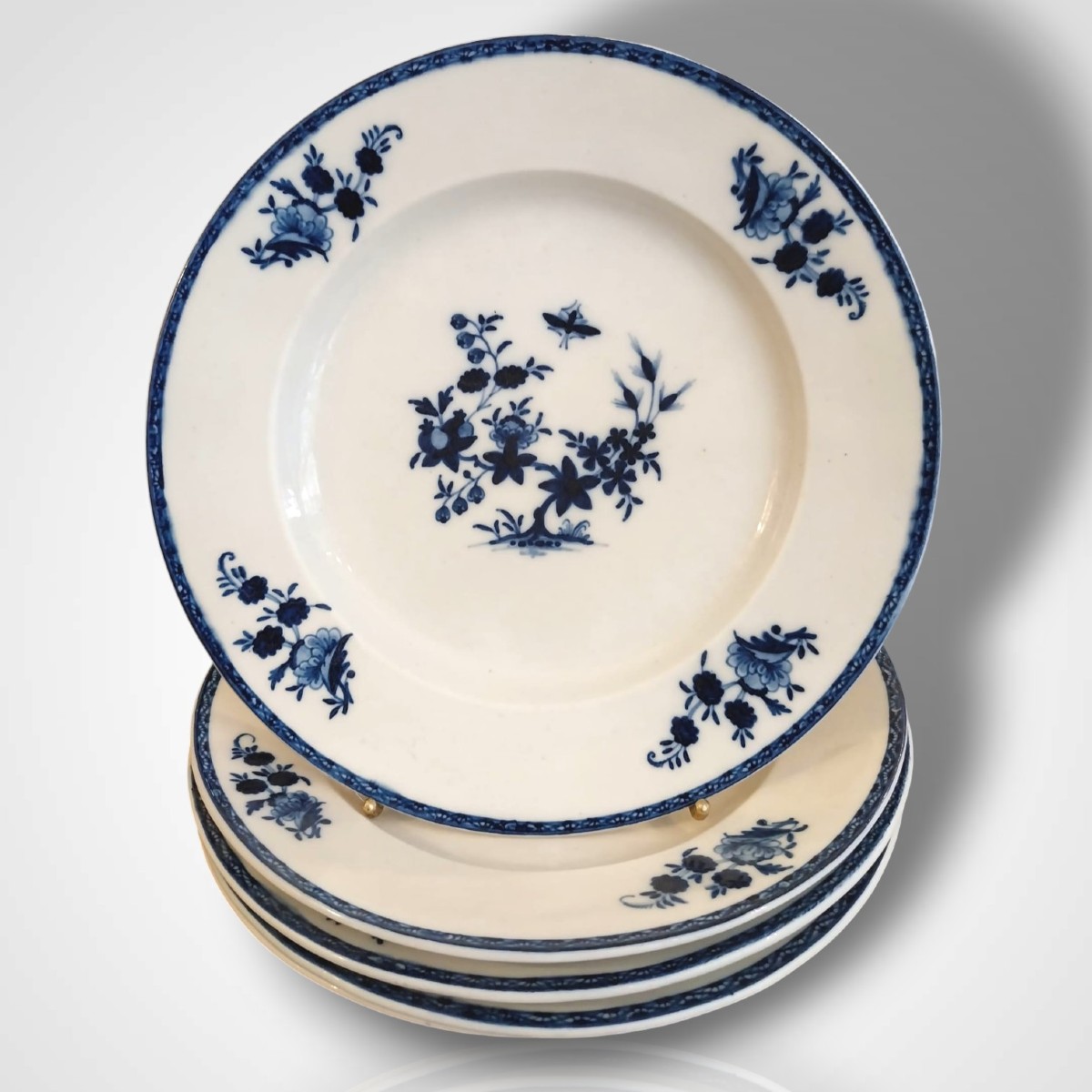
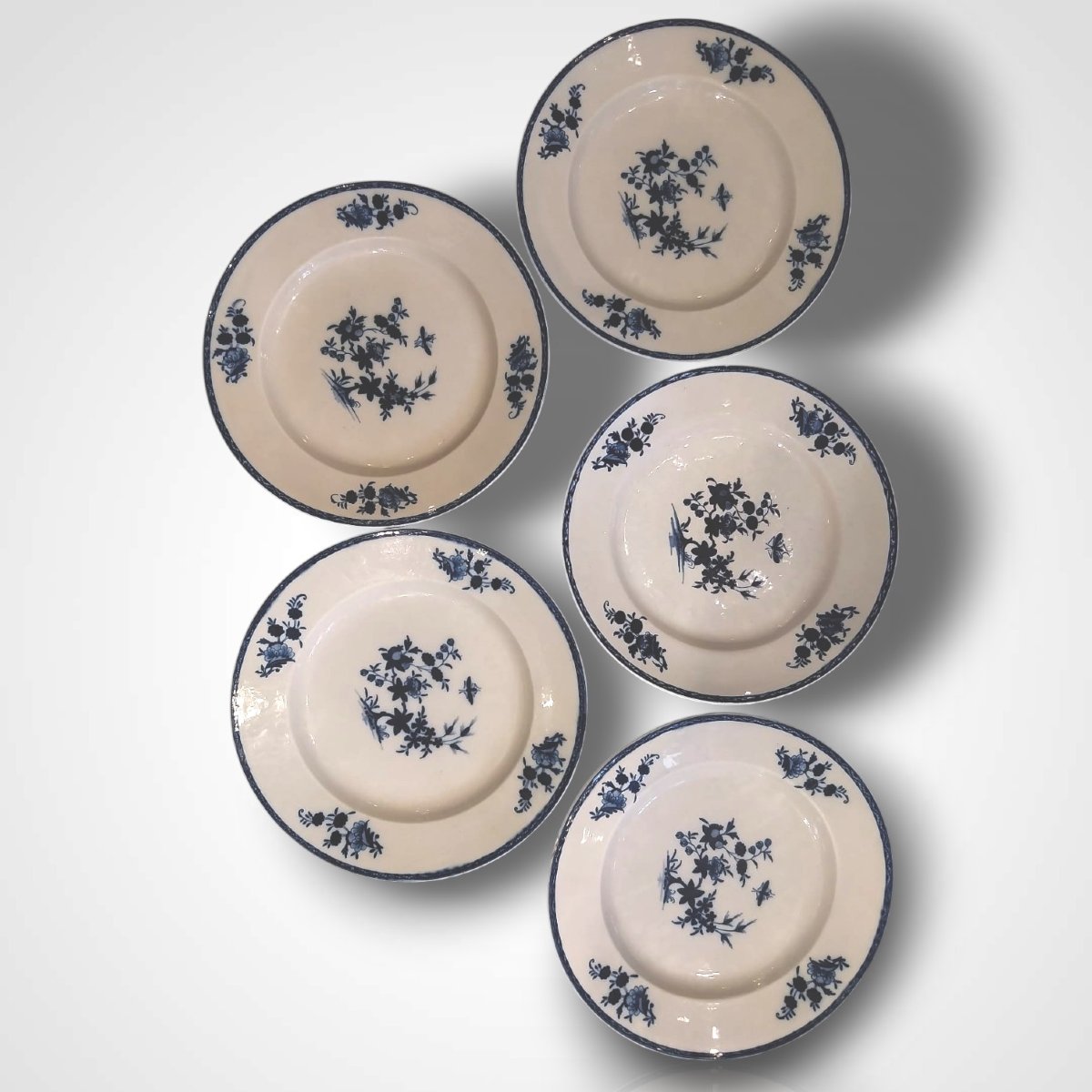
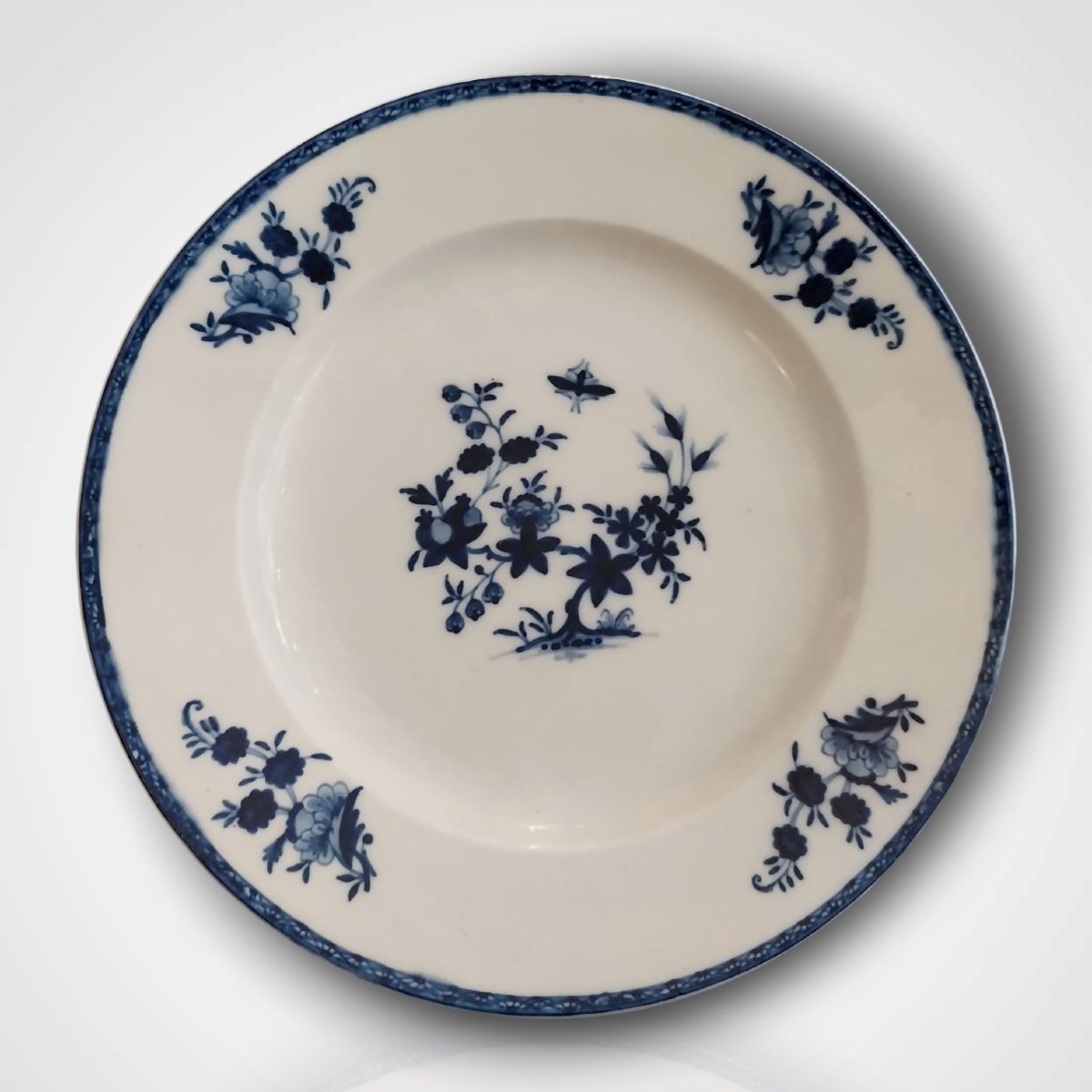
Five pieces with blue decoration on a white background.
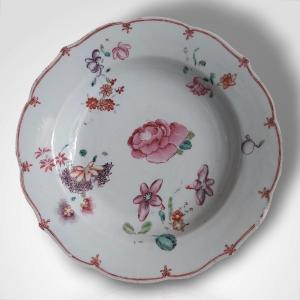
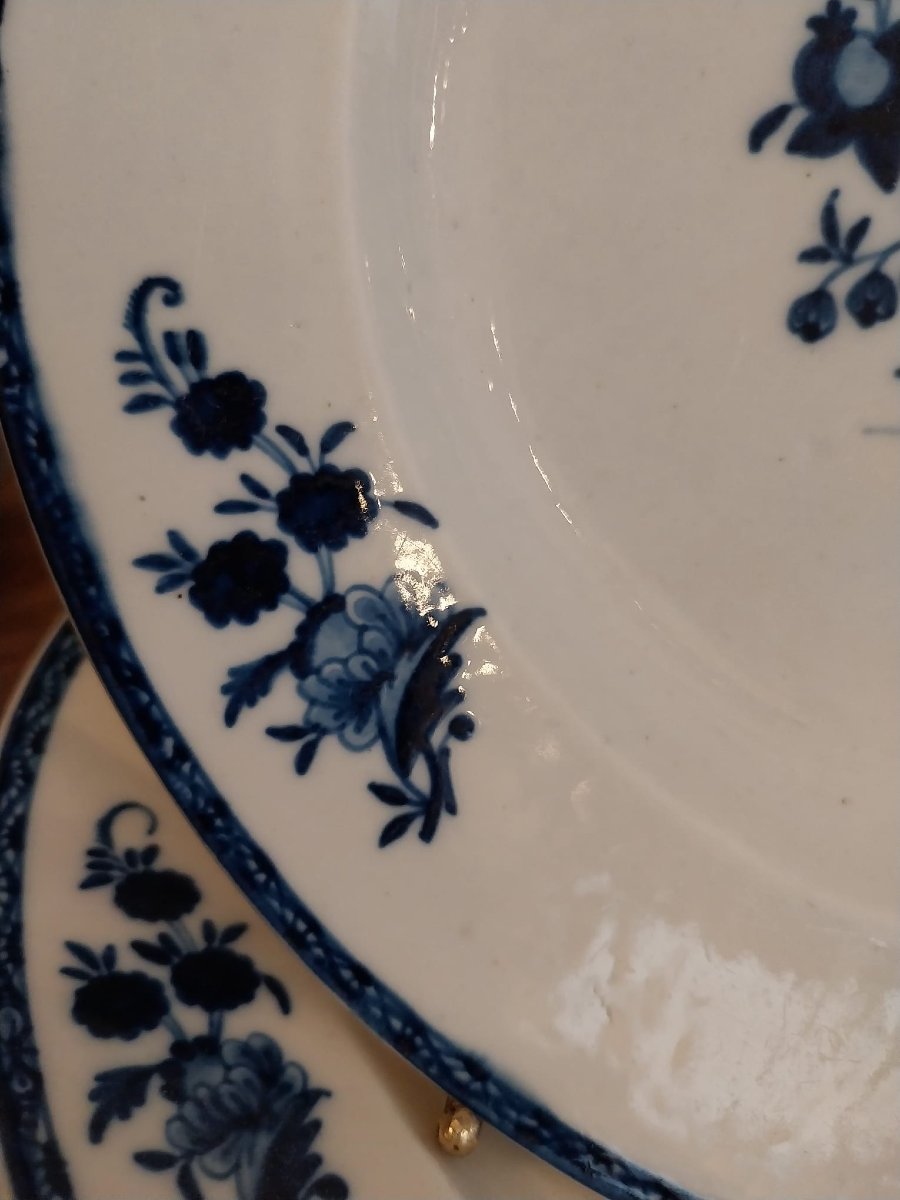
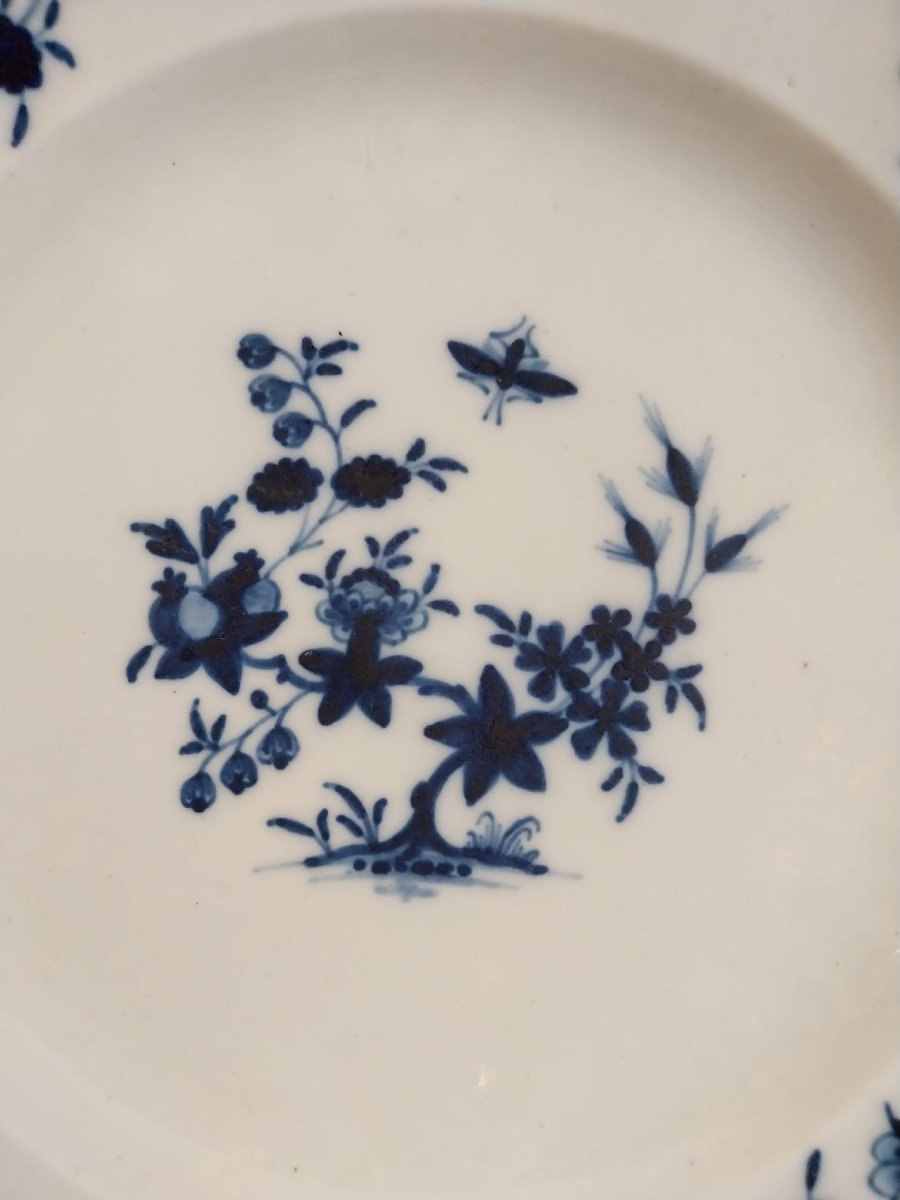
Floral motif visible on the center and rim with a border of the same tone.
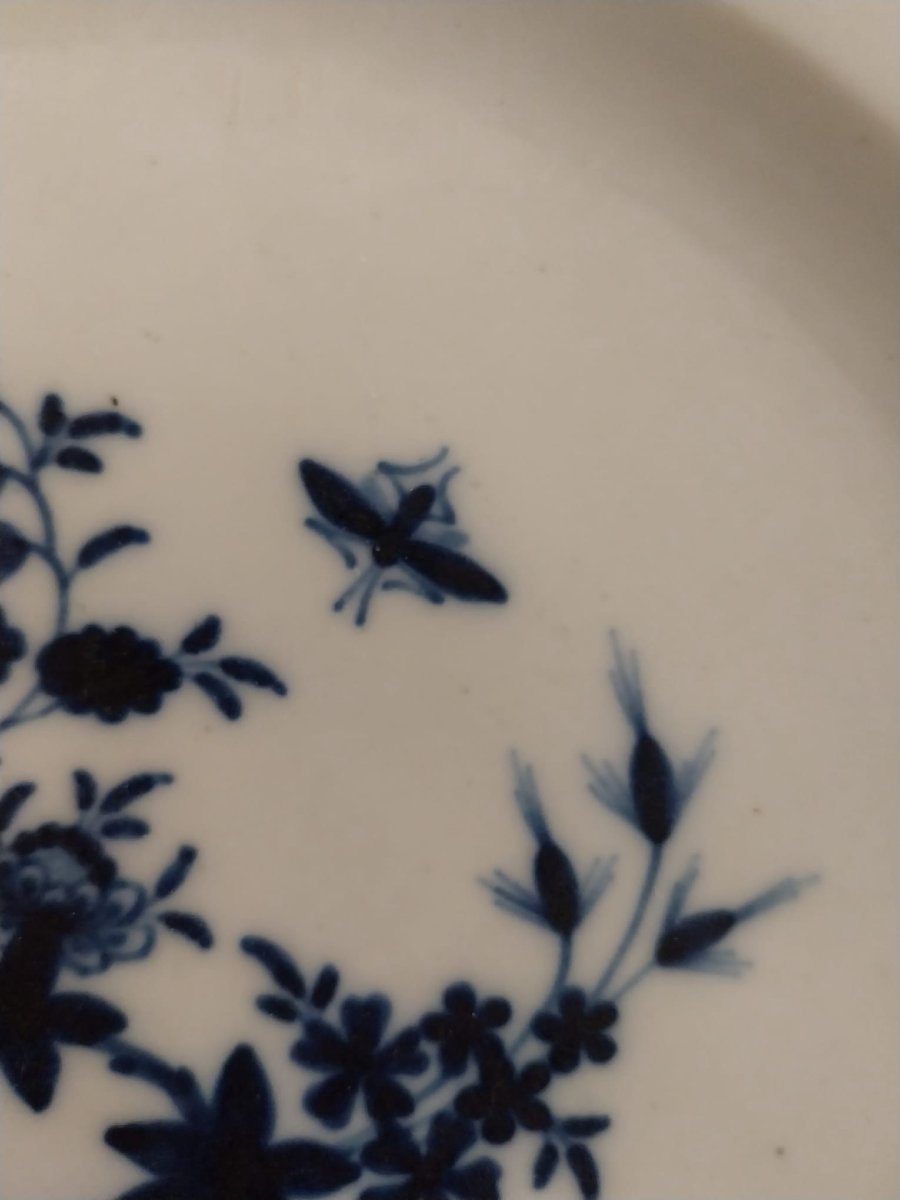
Decoration known as "à la mouche" (with a fly motif), typical of 18th-century production.
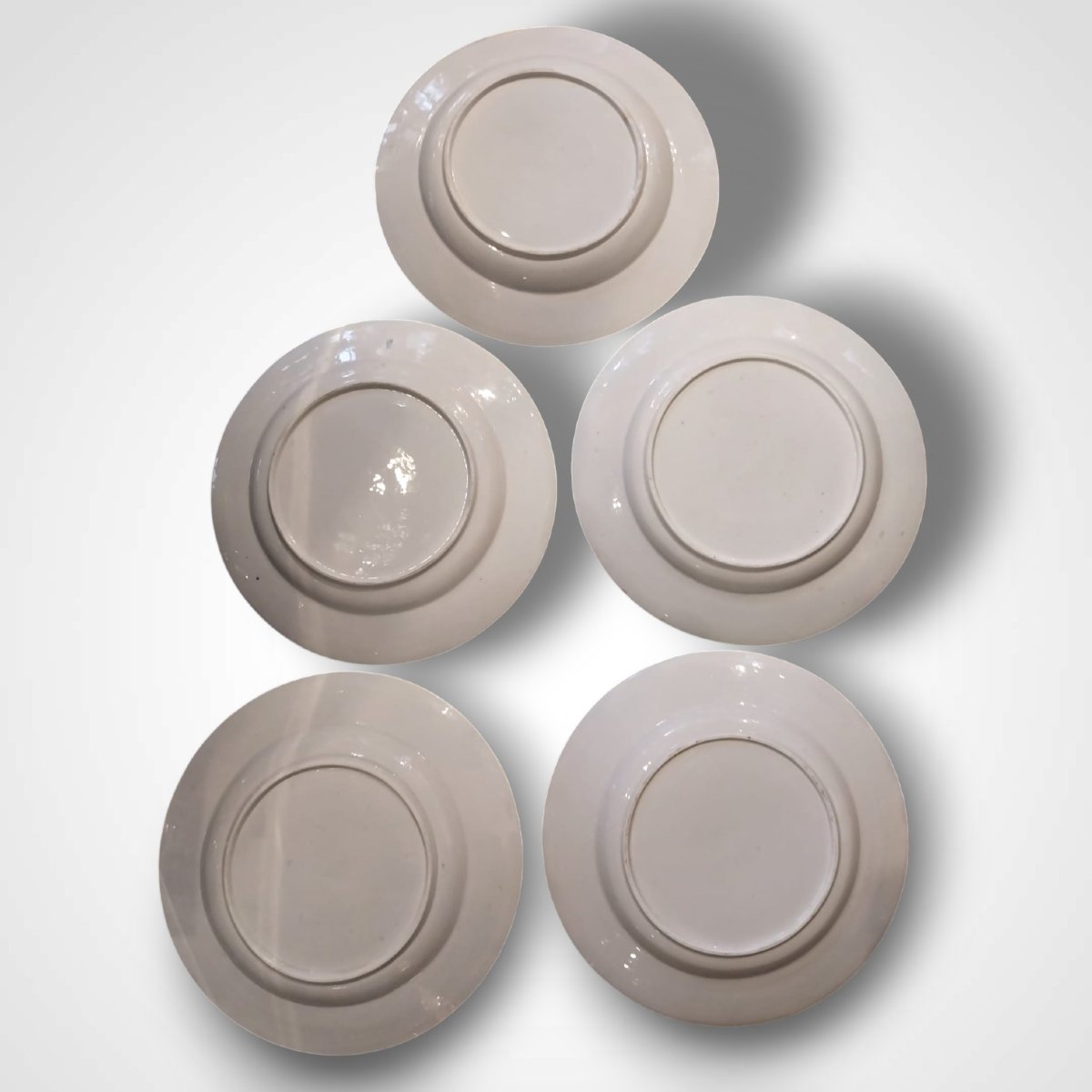
Characteristic of this early production: the reverses are unmarked, which is common for this type of plate.
A chip is visible on the rim of one of them.
18th century.
Diameter: 24.5 cm
Height: 2.7 cm
€230 for the set of five.
Hard-paste porcelain produced in Tournai (Wallonia) mainly in the 18th century, at a time when Europe was trying to unlock the secrets of Chinese porcelain. What makes it special: Hard-paste porcelain: like Meissen porcelain, not simple earthenware. A true kaolin-based recipe, which was extremely rare at the time. Refined decorations: floral scenes, landscapes, motifs inspired by China or the Rococo style. Often decorated in blue and white, but also in richer colors. The Imperial and Royal Manufactory of Tournai was founded in 1751. It benefited from the support of Charles of Lorraine. Production continued until the beginning of the 19th century, before declining due to competition. Today: The pieces are sought after by collectors. They can be found in museums (such as the Museum of Fine Arts in Tournai).
Floral motif visible on the center and rim with a border of the same tone.
Decoration known as "à la mouche" (with a fly motif), typical of 18th-century production.
Characteristic of this early production: the reverses are unmarked, which is common for this type of plate.
A chip is visible on the rim of one of them.
18th century.
Diameter: 24.5 cm
Height: 2.7 cm
€230 for the set of five.
Hard-paste porcelain produced in Tournai (Wallonia) mainly in the 18th century, at a time when Europe was trying to unlock the secrets of Chinese porcelain. What makes it special: Hard-paste porcelain: like Meissen porcelain, not simple earthenware. A true kaolin-based recipe, which was extremely rare at the time. Refined decorations: floral scenes, landscapes, motifs inspired by China or the Rococo style. Often decorated in blue and white, but also in richer colors. The Imperial and Royal Manufactory of Tournai was founded in 1751. It benefited from the support of Charles of Lorraine. Production continued until the beginning of the 19th century, before declining due to competition. Today: The pieces are sought after by collectors. They can be found in museums (such as the Museum of Fine Arts in Tournai).
230 €
Period: 18th century
Style: Other Style
Condition: En l'etat
Material: Porcelain
Diameter: 24,5 cm
Height: 2,7 cm
Reference (ID): 1704778
Availability: In stock
Print