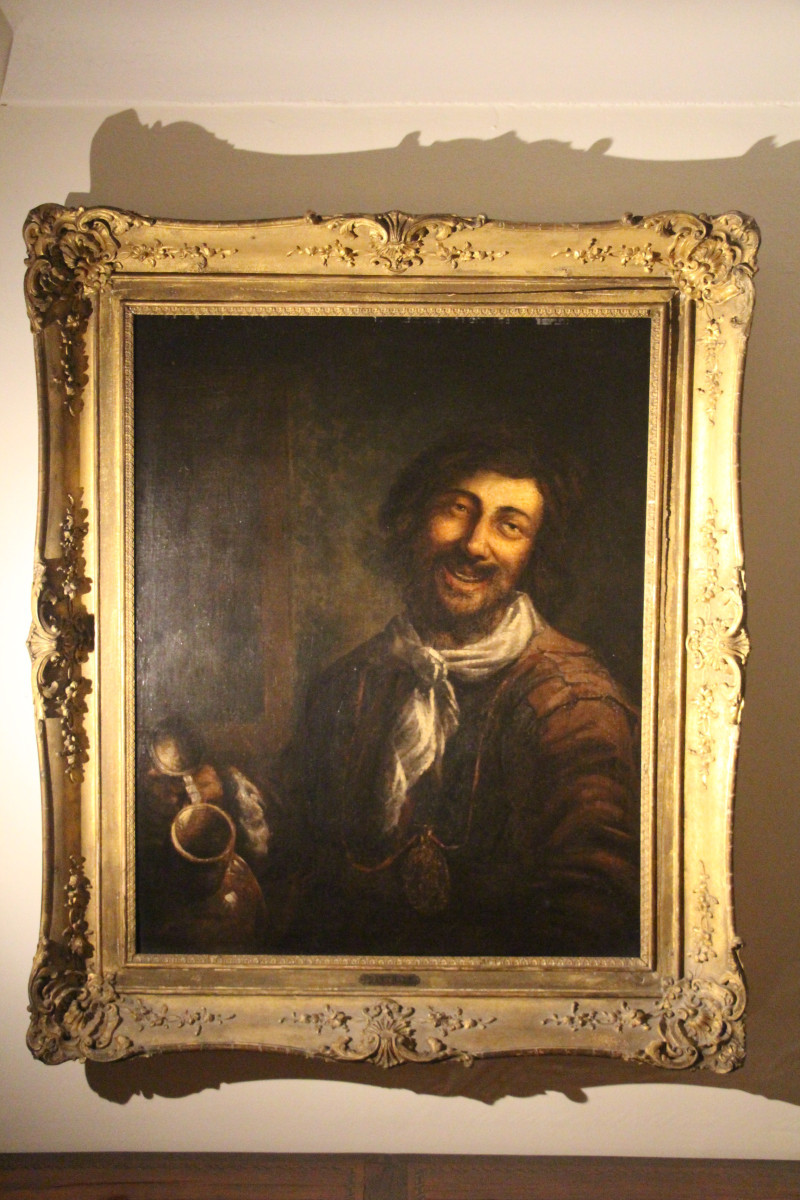
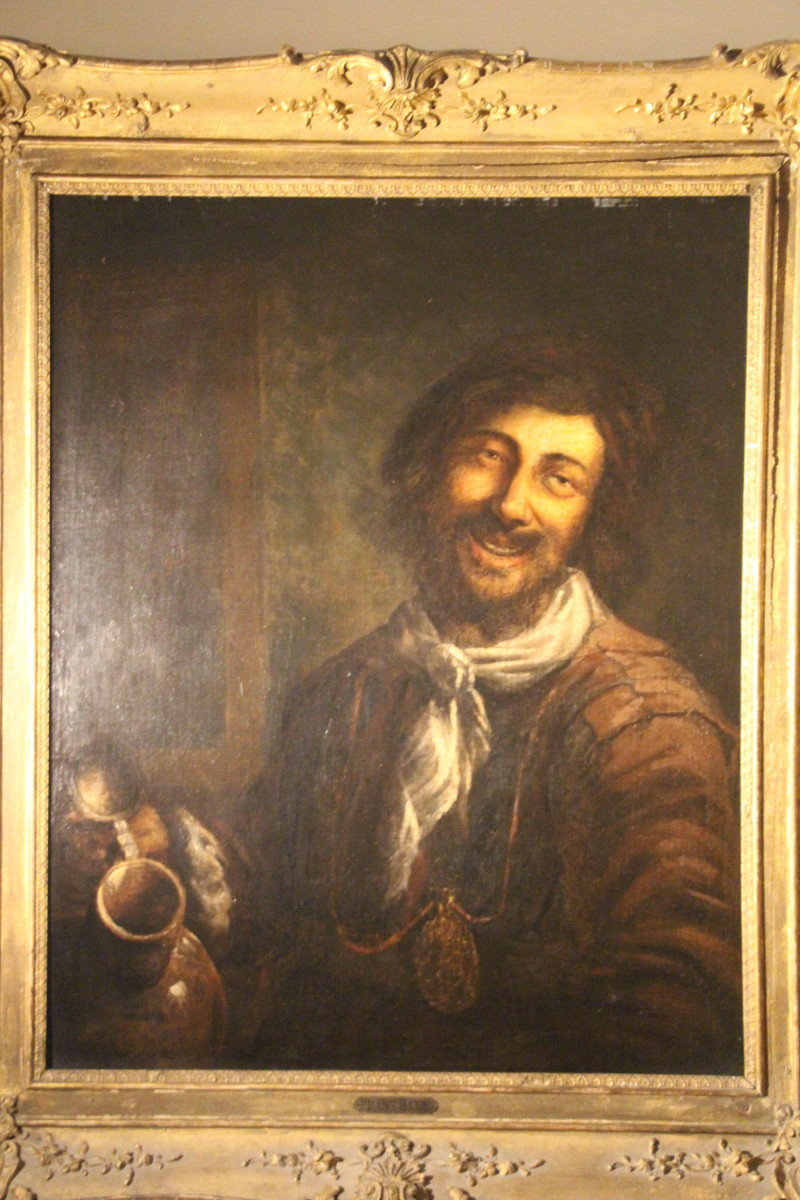
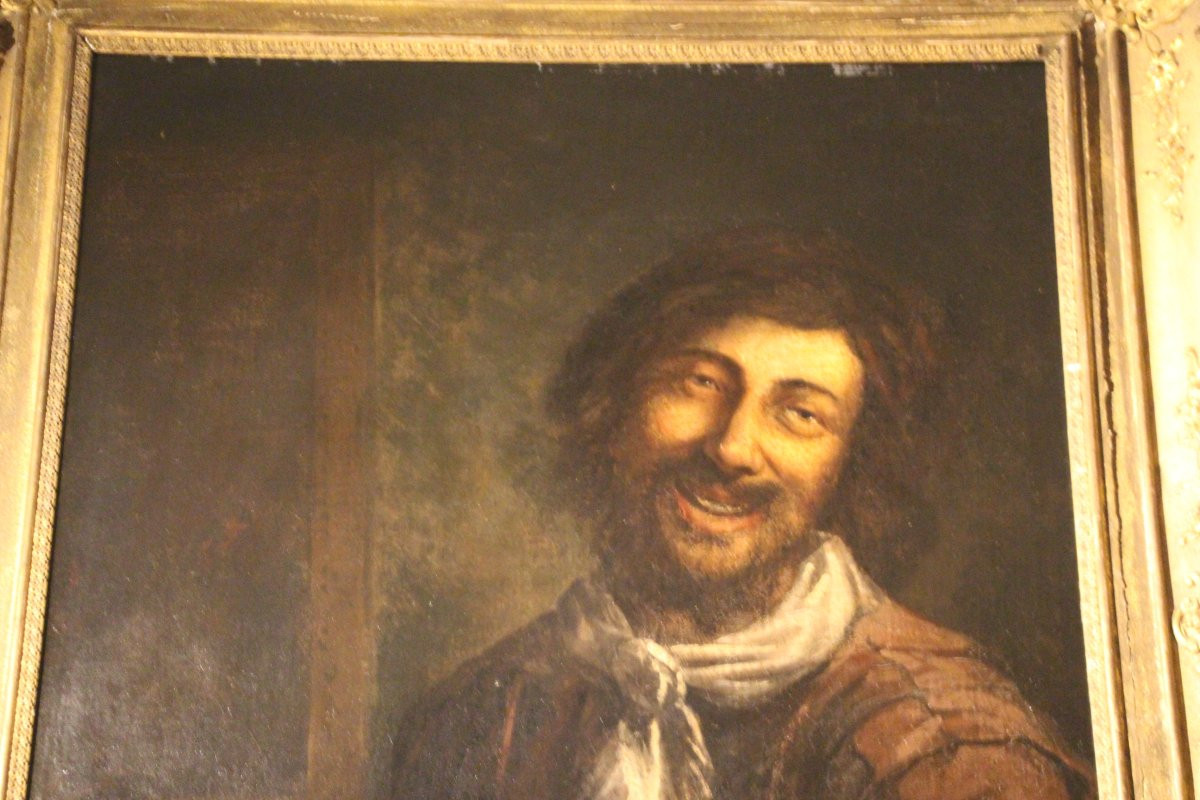
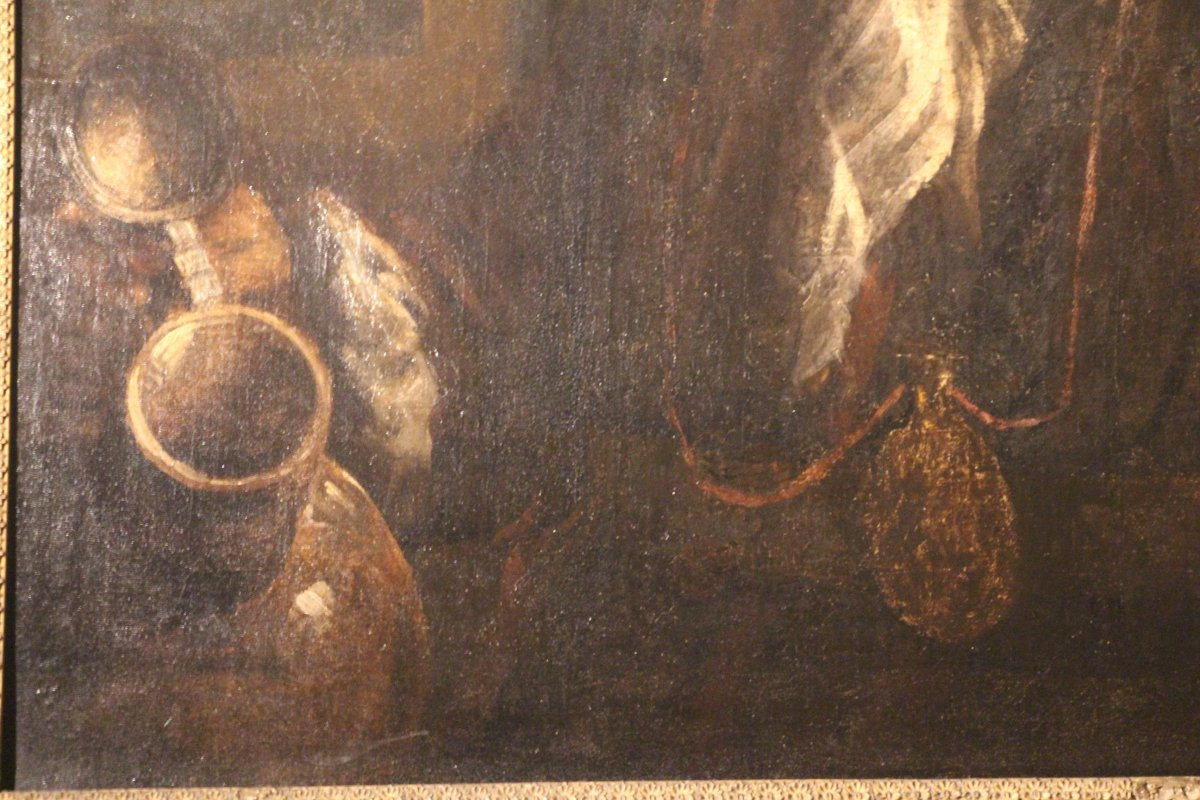
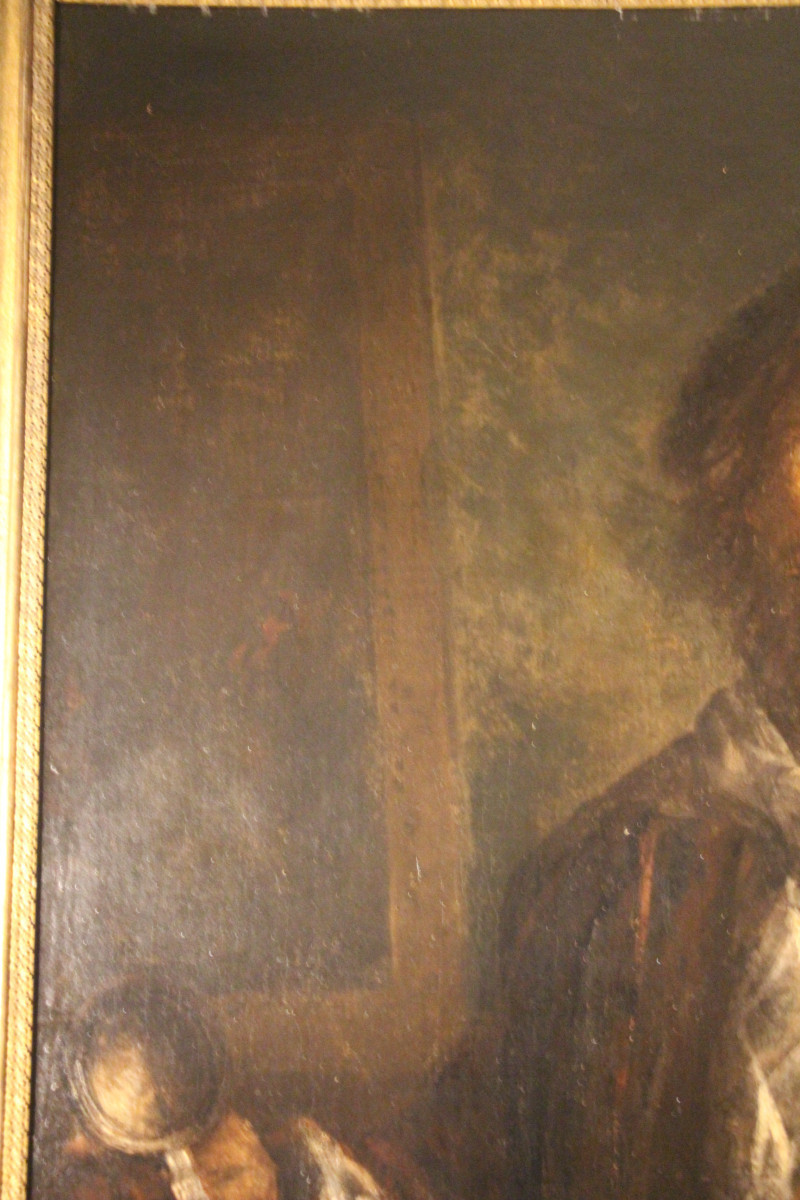
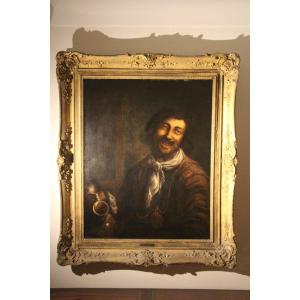


The Man With The Tankard, 17th-century Dutch School, Attributed To Frans Hals
Artist: Attribué à Frans Hals (1582-1666)
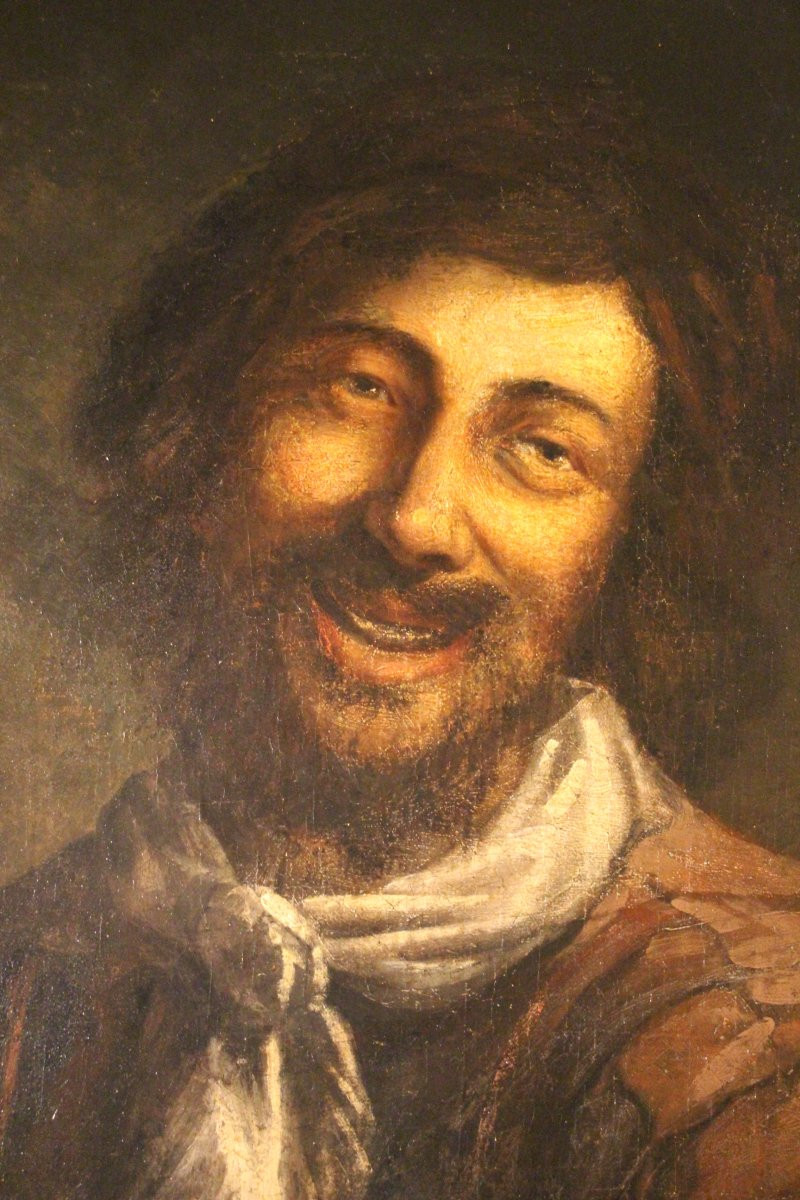
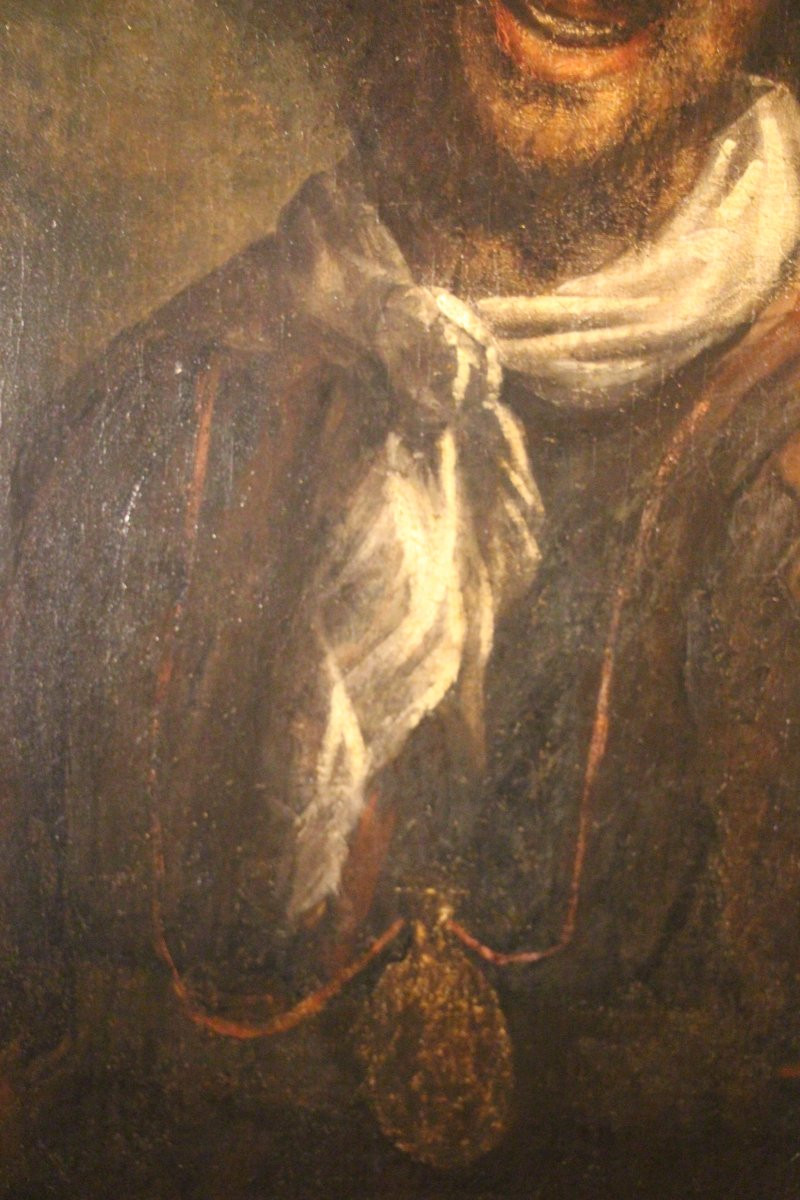
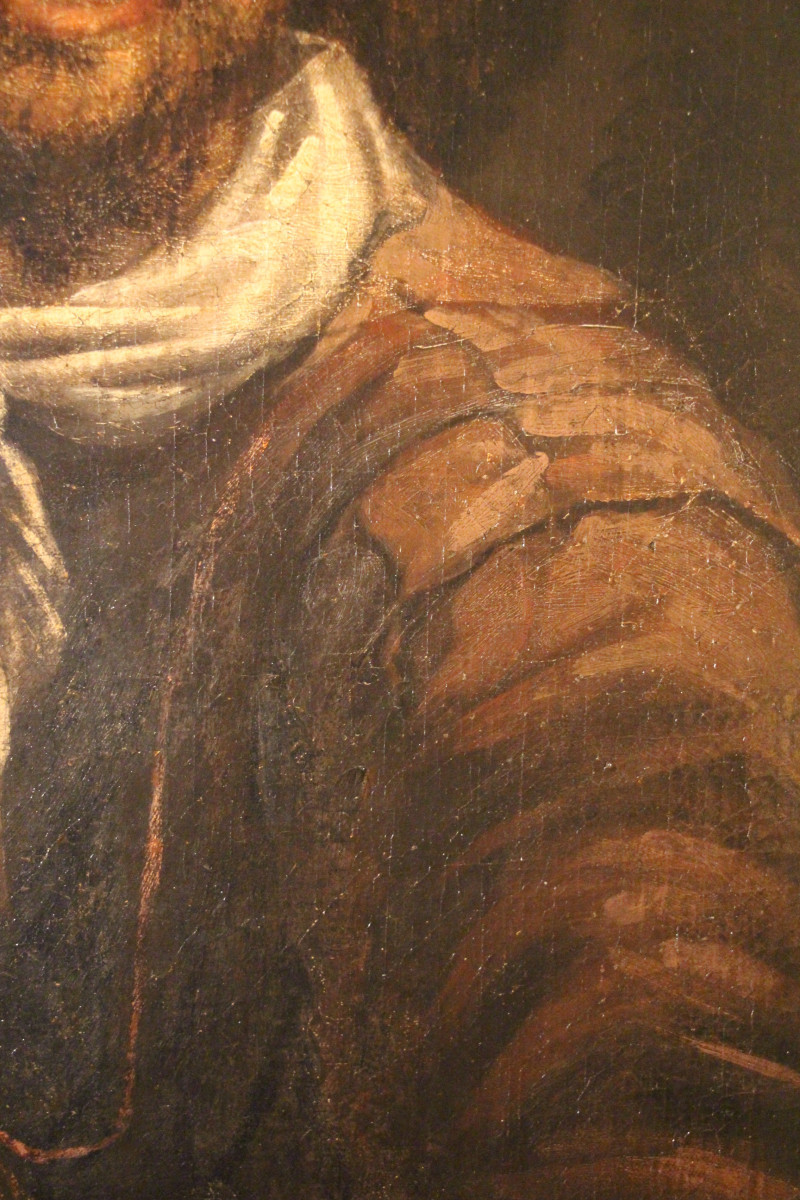
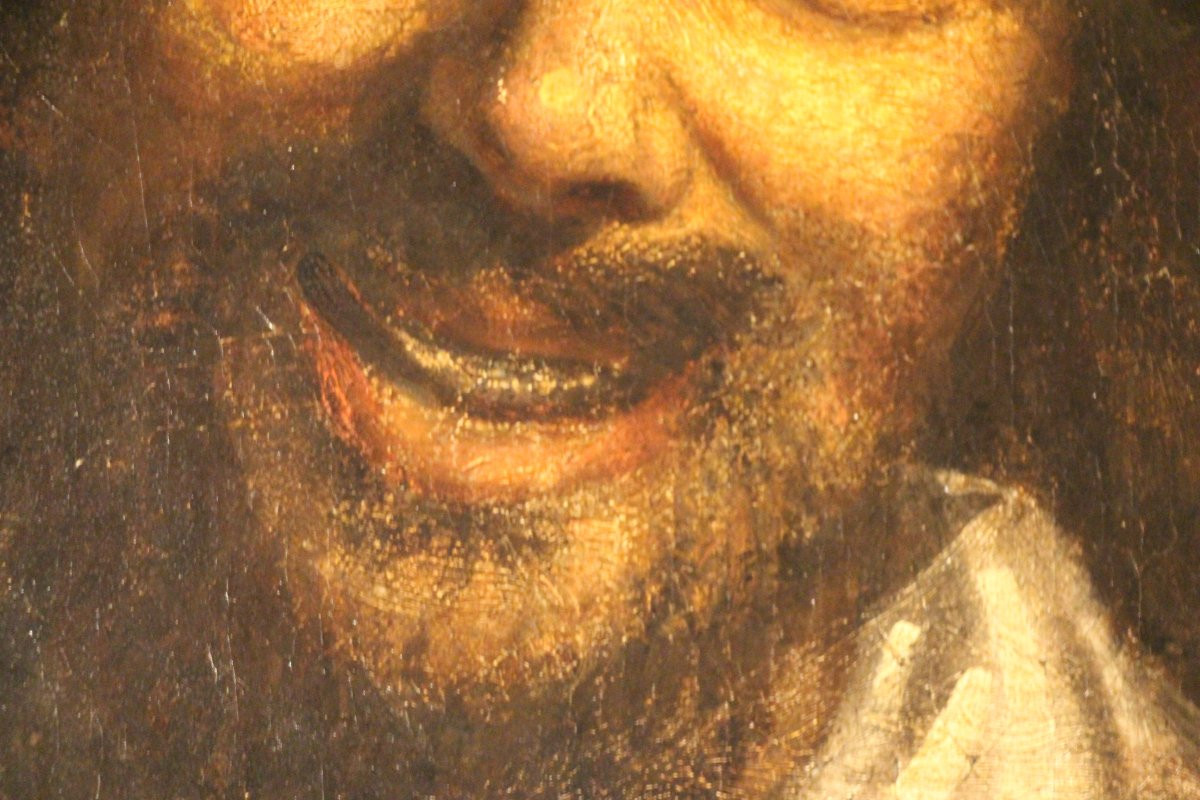
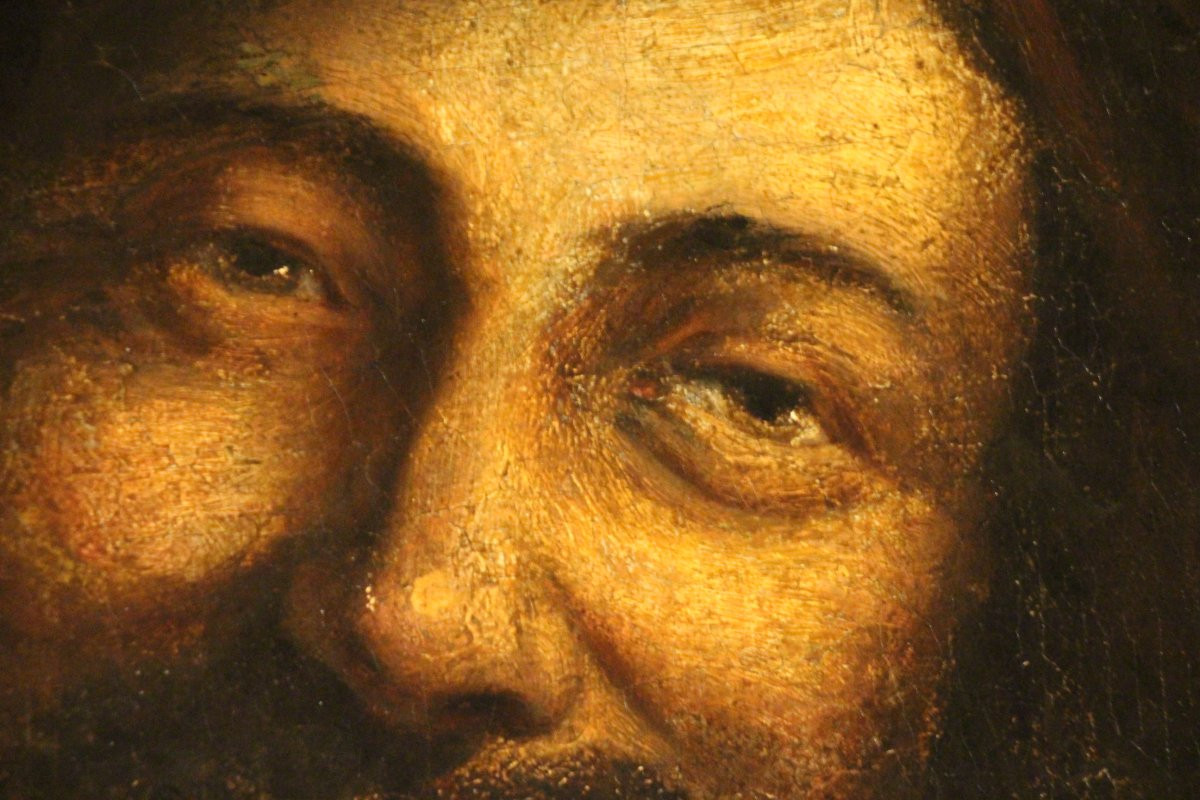
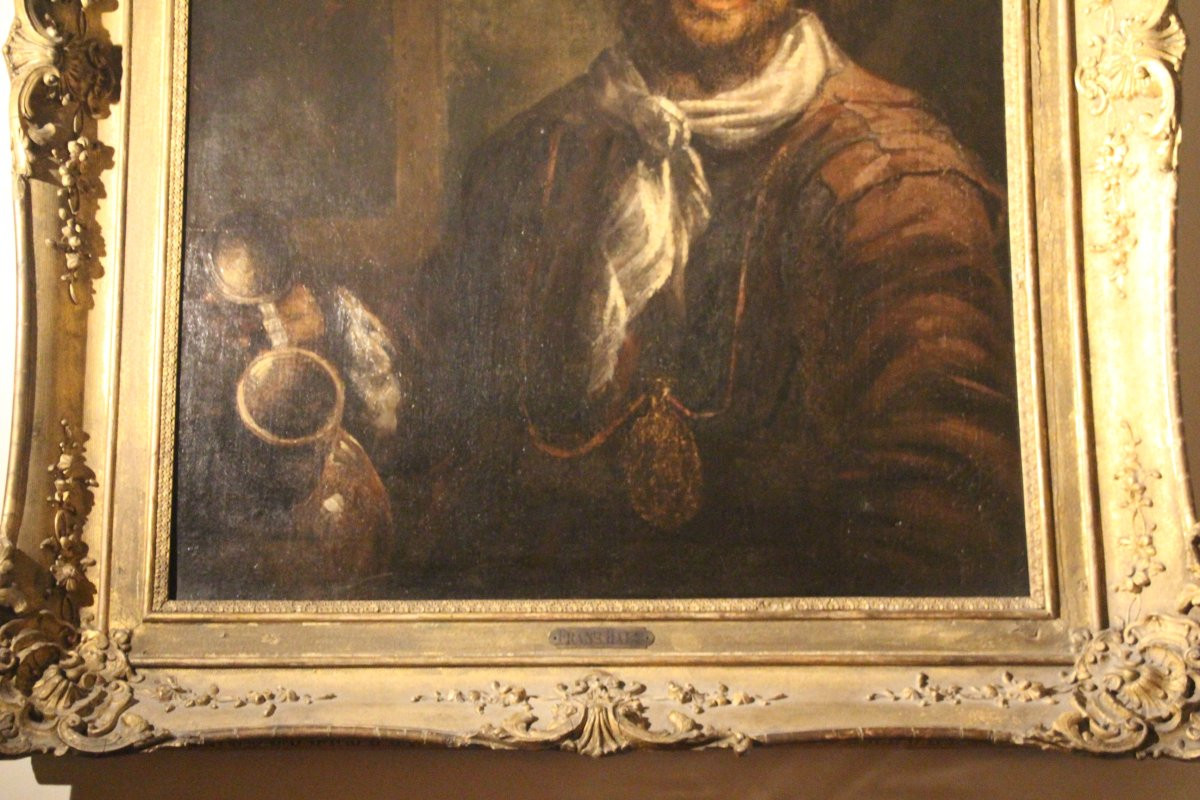
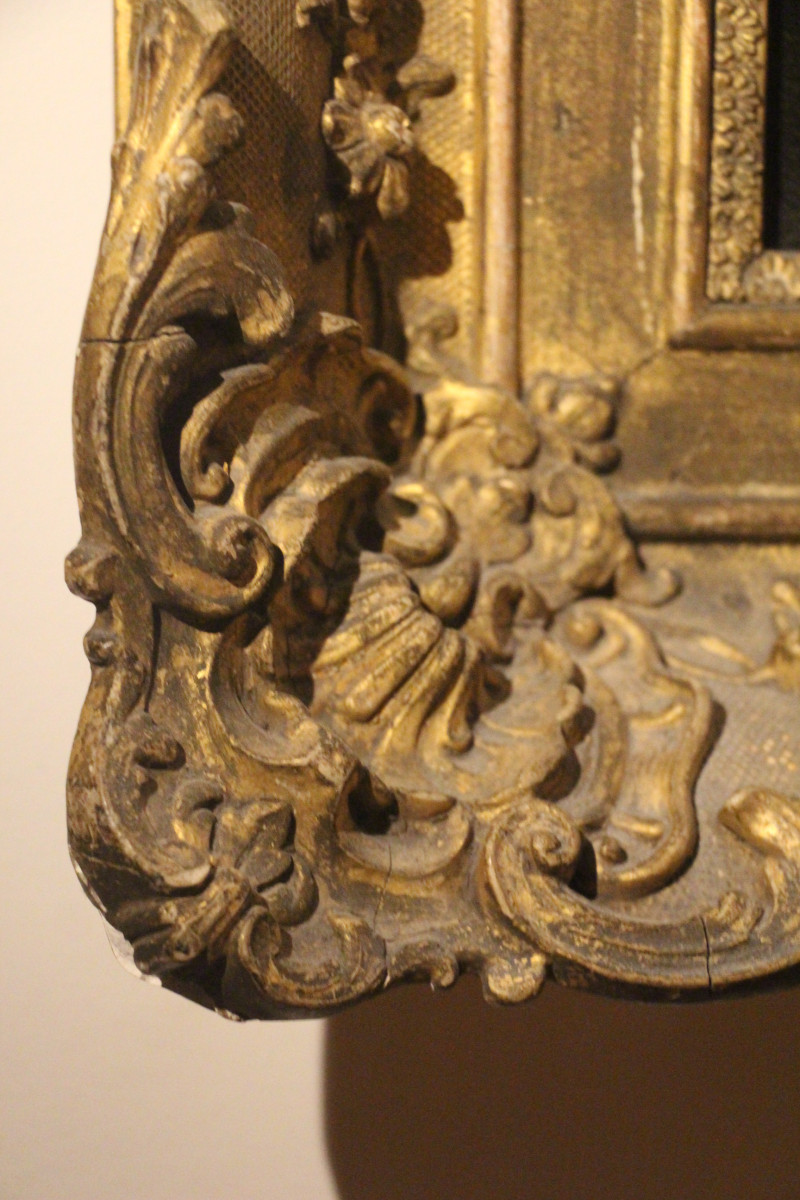
Oil on canvas depicting: "The Man with the Tankard" attributed to Frans Hals, 17th-century Dutch school. Private collection. A very fine 19th-century carved wooden frame completes the piece. Dimensions: Frame: h. 112 cm x w. 96 cm. Canvas: h. 92 cm x w. 72 cm. In very good condition. We present this beautiful portrait with its free brushstrokes, expressing a lively and expressive painting style unique to this period, when most 17th-century painters favored precision and smooth surfaces. History: Frans Hals (Antwerp, c. 1582 – Haarlem, August 26, 1666) was a Dutch Baroque painter (United Provinces), considered, along with Rembrandt and Johannes Vermeer, one of the most important of the Golden Age. Although probably of Flemish origin, it was in the Dutch city of Haarlem that, from 1591 onward, he spent the rest of his life and made his career. "He is a magnificently gifted child of a family who paints for a living, cavalierly, like a gentleman, in a hurry to finish quickly and get it over with: the rest of the time a bon vivant, a companion of the lodge Liefde boven al (Love above all), with turbulent conduct." and moods that explain those of his brushstrokes." These lines, written in 1921 by Louis Gillet, aptly describe the image one could then have of Frans Hals. A major artist, considered one of the greatest masters of portraiture, he also produced, especially at the beginning of his career, several genre scenes. His paintings are distinguished by their expressiveness. The detached brushstrokes are characteristic of his style, and he contributed to the introduction of this stylistic vivacity into Dutch art. His style was also to exert a considerable influence, more than two centuries later, on representatives of the realist movement—such as Gustave Courbet—and the impressionist movement—such as Van Gogh.
6 500 €
Period: 17th century
Style: Renaissance, Louis 13th
Condition: Excellent condition
Material: Oil painting
Width: 96 cm
Height: 112 cm
Reference (ID): 1703974
Availability: In stock
Print