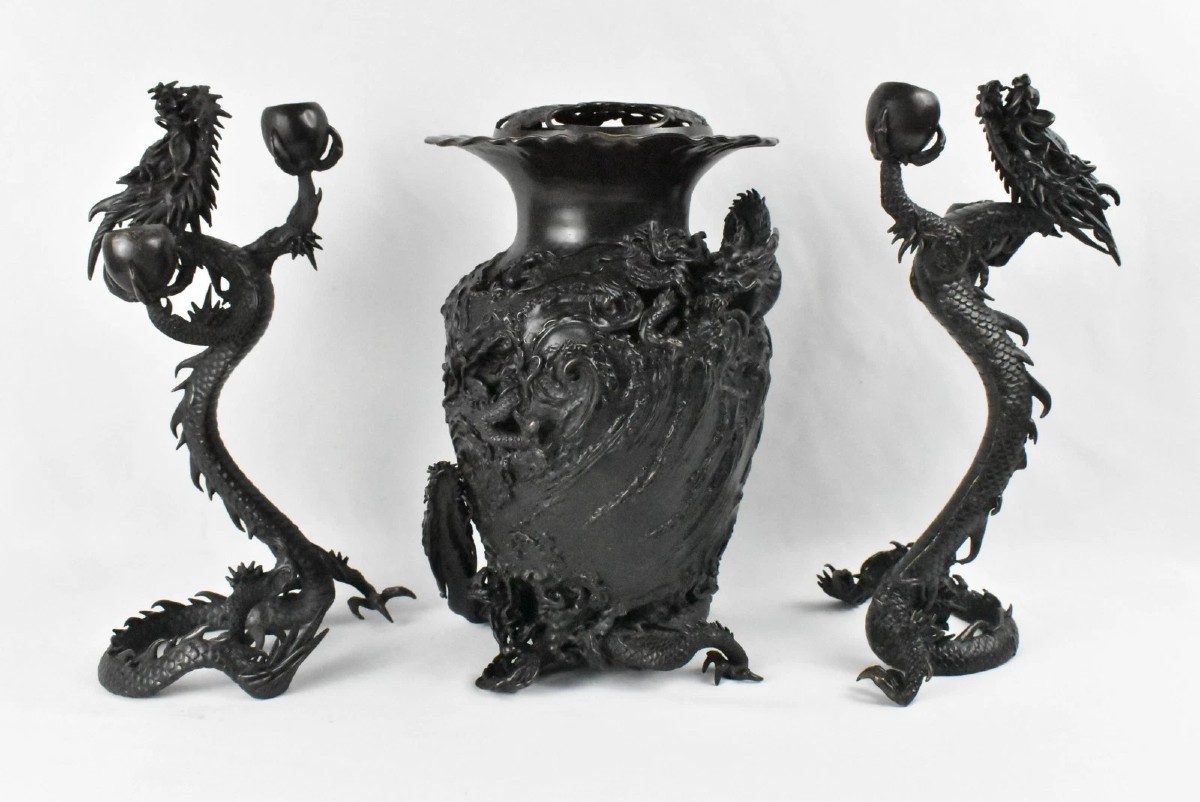


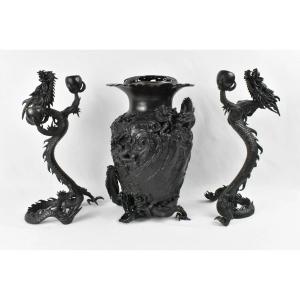


Japanese Bronze Dragon Usubata Vase With Two Dragon Candle Holder
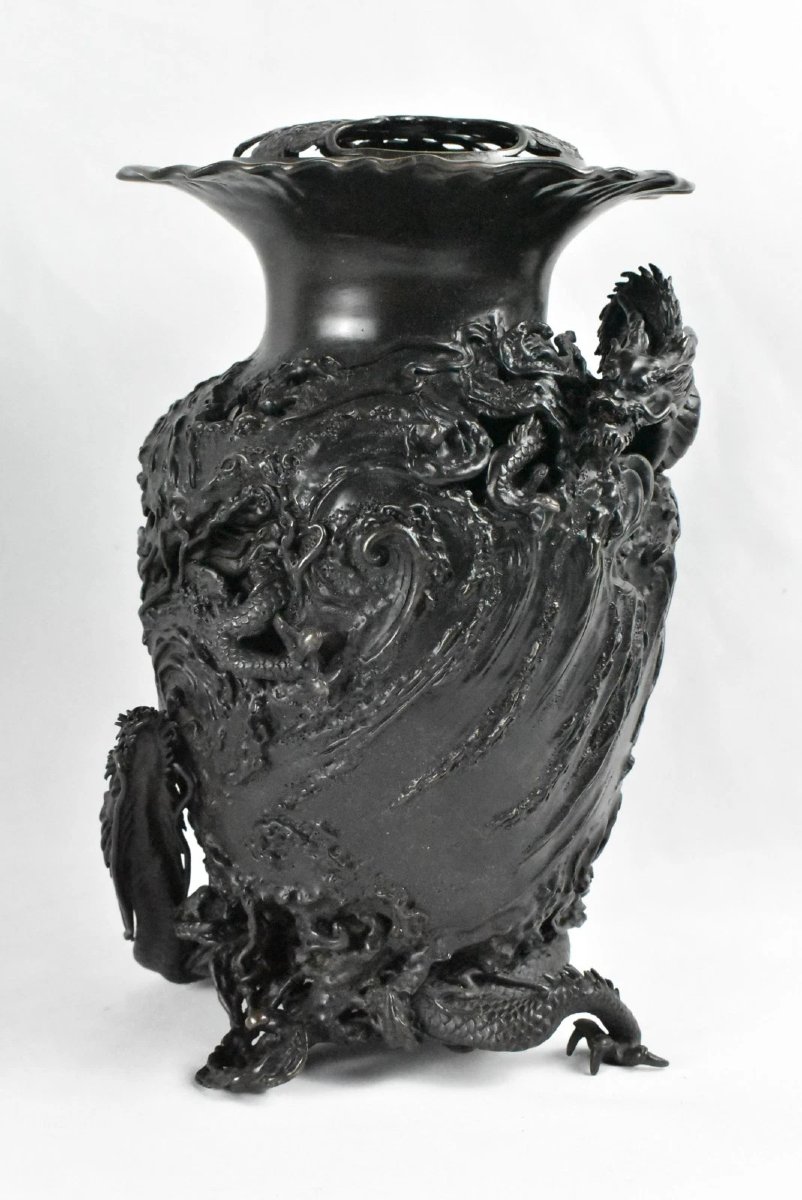
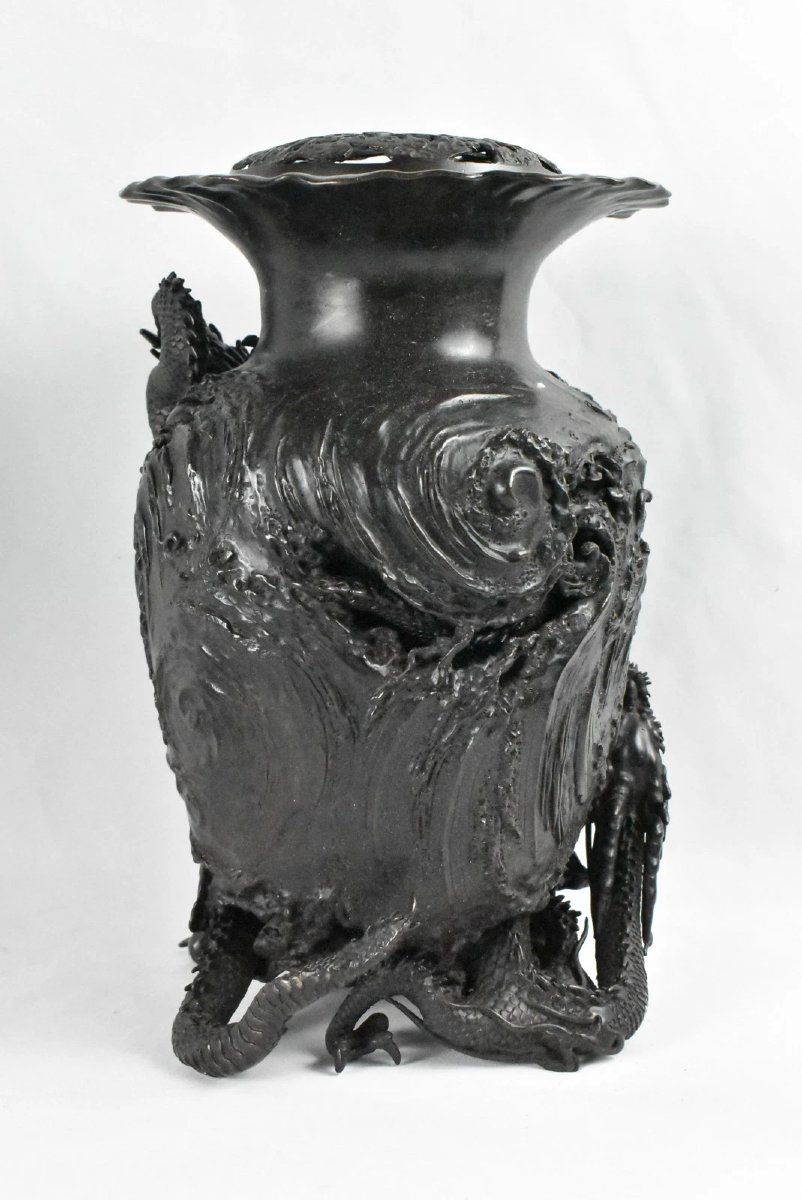
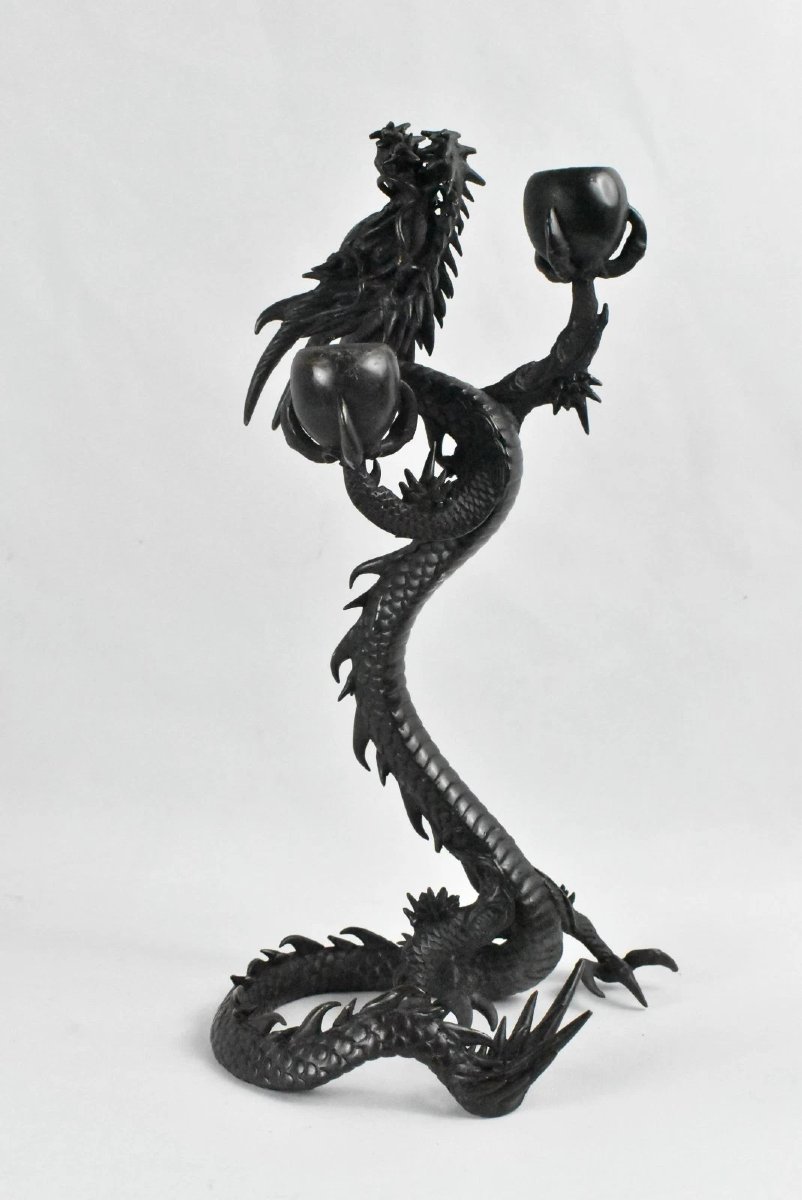
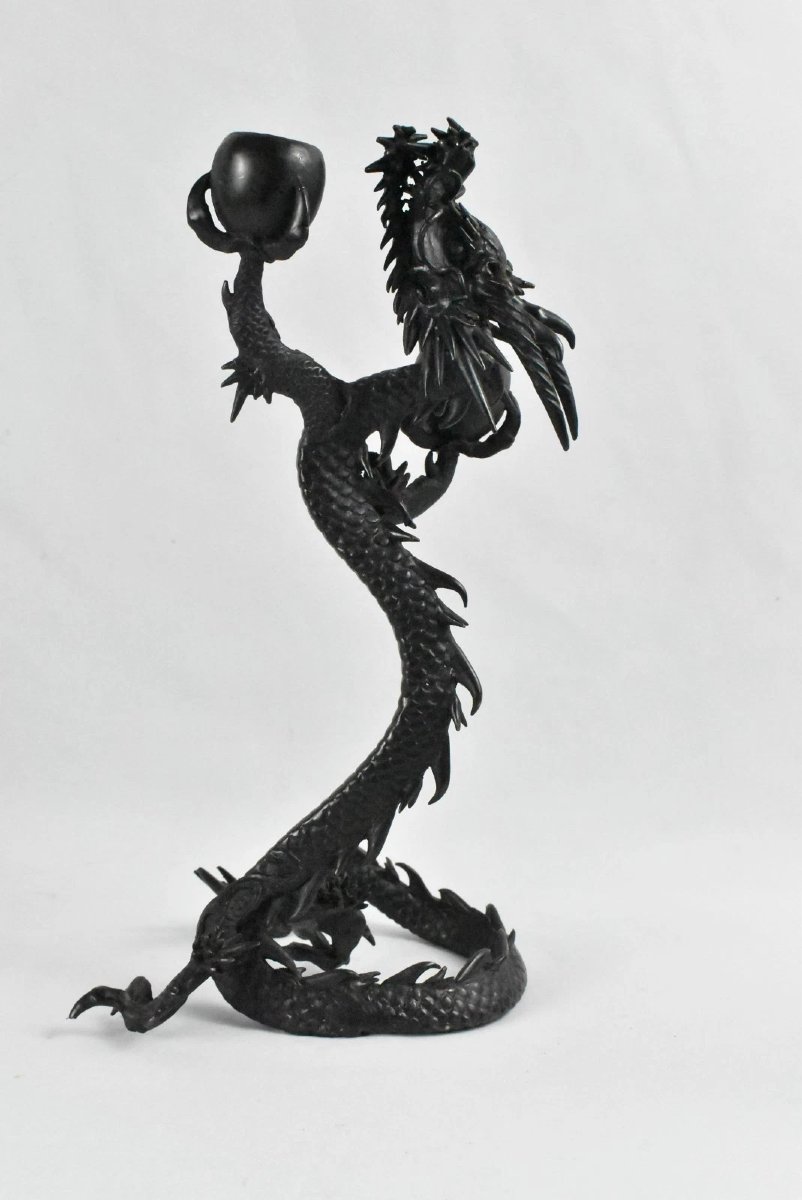
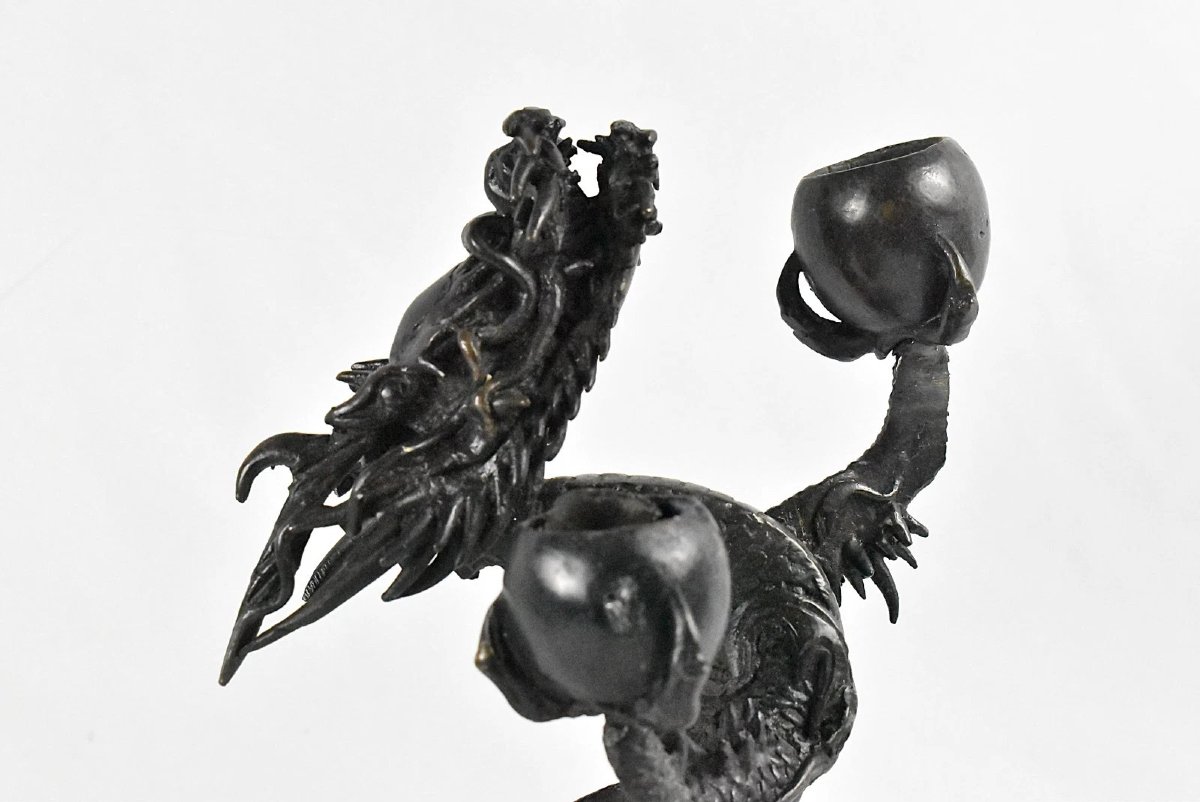
Japanese Bronze Dragon Usubata Vase With Two Dragon Candle Holder Featuring elaborate dragon motif, likely dating from the Meiji period (1868–1912).
Approximate Dimensions & Weight: Vase: H: 26 x W: 17 cm Candle Holders: 28 x 13 cm grams
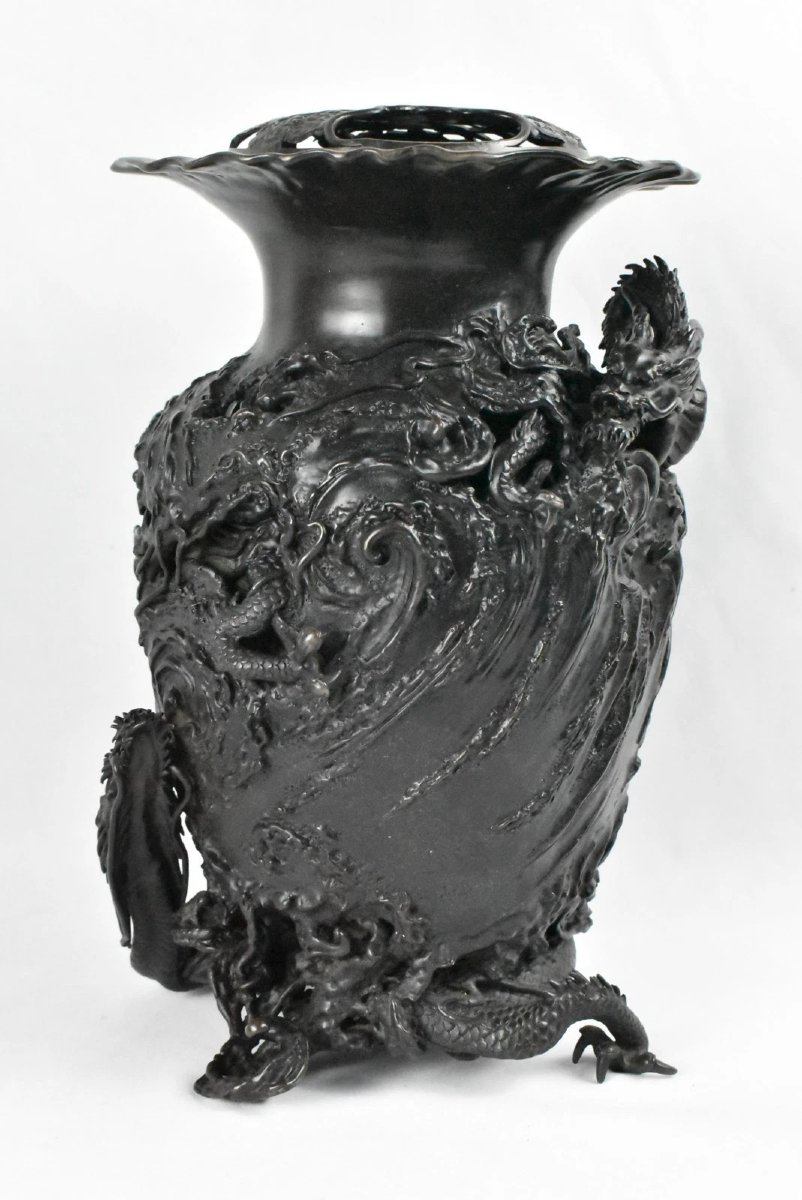
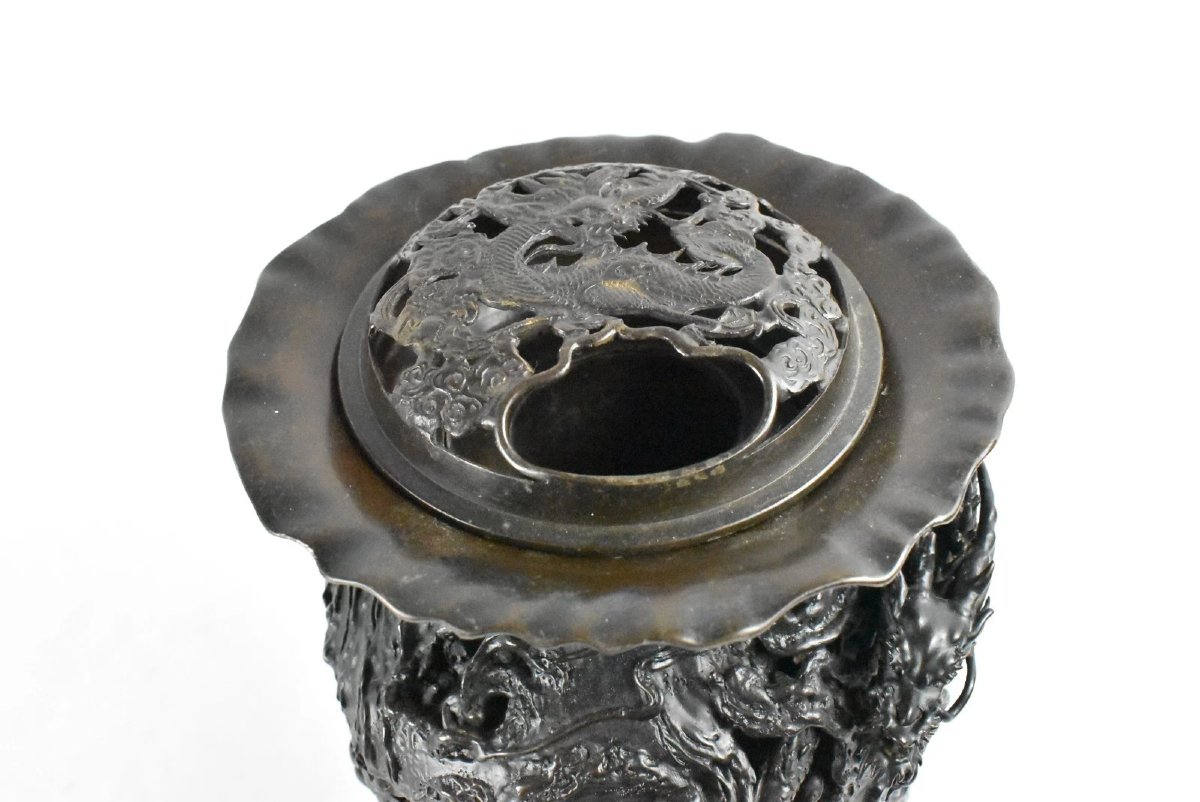
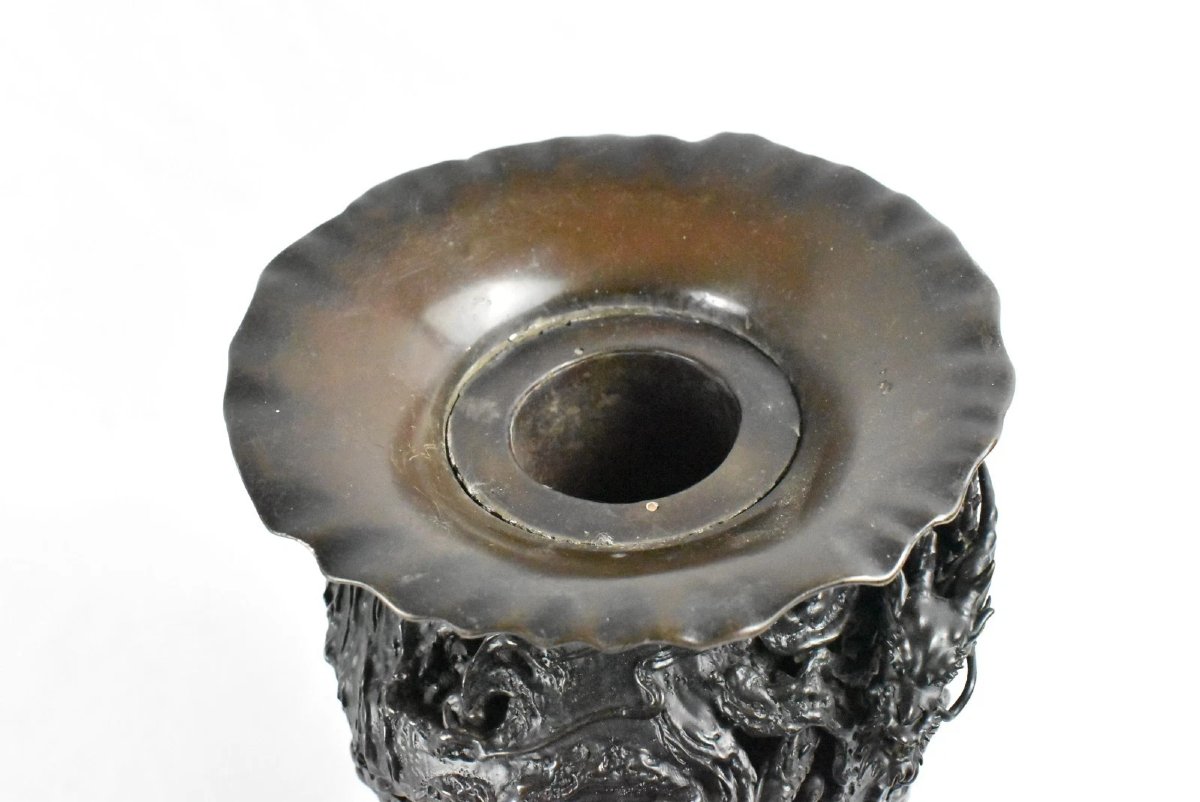
- Form The vase is an usubata, a traditional Japanese vessel composed of two parts: a flaring upper section with a wide, flat rim and a sculptural base. The wide rim is designed to expose the surface of the water, which is a key element in ikebana (the Japanese art of floral arrangement).
- Decoration A highly detailed, three-clawed dragon (known as Ryu or Tatsu) is cast in high relief, coiling around the body and base amidst turbulent, swirling waves. Japanese dragons symbolize wisdom and generosity and rarely fly, instead residing in bodies of water.
- Period The intricate and detailed craftsmanship, including the use of high relief, is characteristic of metalwork from the late 19th Century, during Japan's Meiji era, a period regarded as a golden age of Japanese craftsmanship.
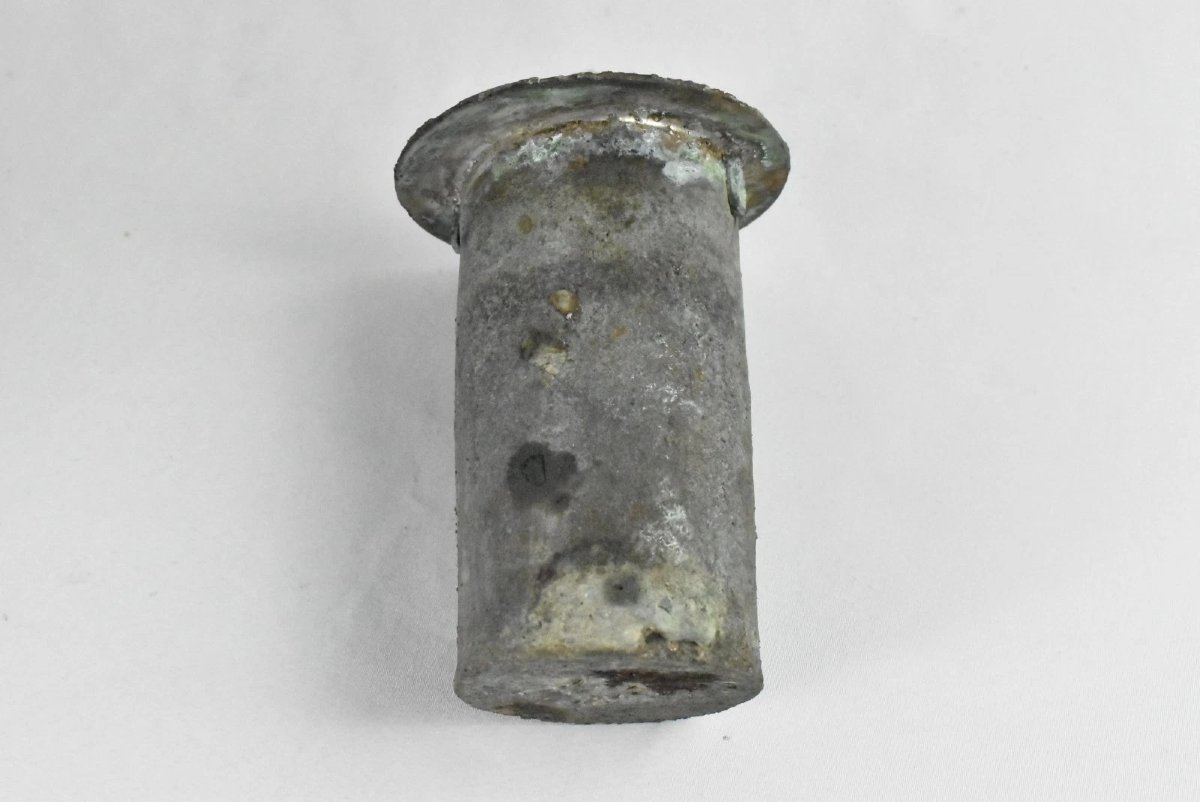
- Value The value for similar antique Japanese bronze dragon vases can range widely, from a few hundred to several thousand pounds, depending on the condition, age, artist's signature, and specific details.
Approximate Dimensions & Weight: Vase: H: 26 x W: 17 cm Candle Holders: 28 x 13 cm grams
5 442 €
Period: 20th century
Style: Other Style
Condition: En l'etat
Reference (ID): 1666194
Availability: In stock
Print