



Large Oil On Panel Ferruccio Ferri -1940 - "the Blind Man" Published
Artist: Ferruccio Ferri
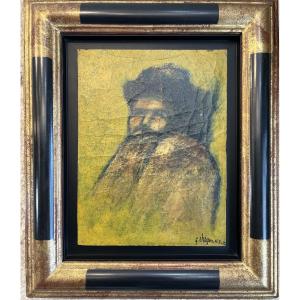
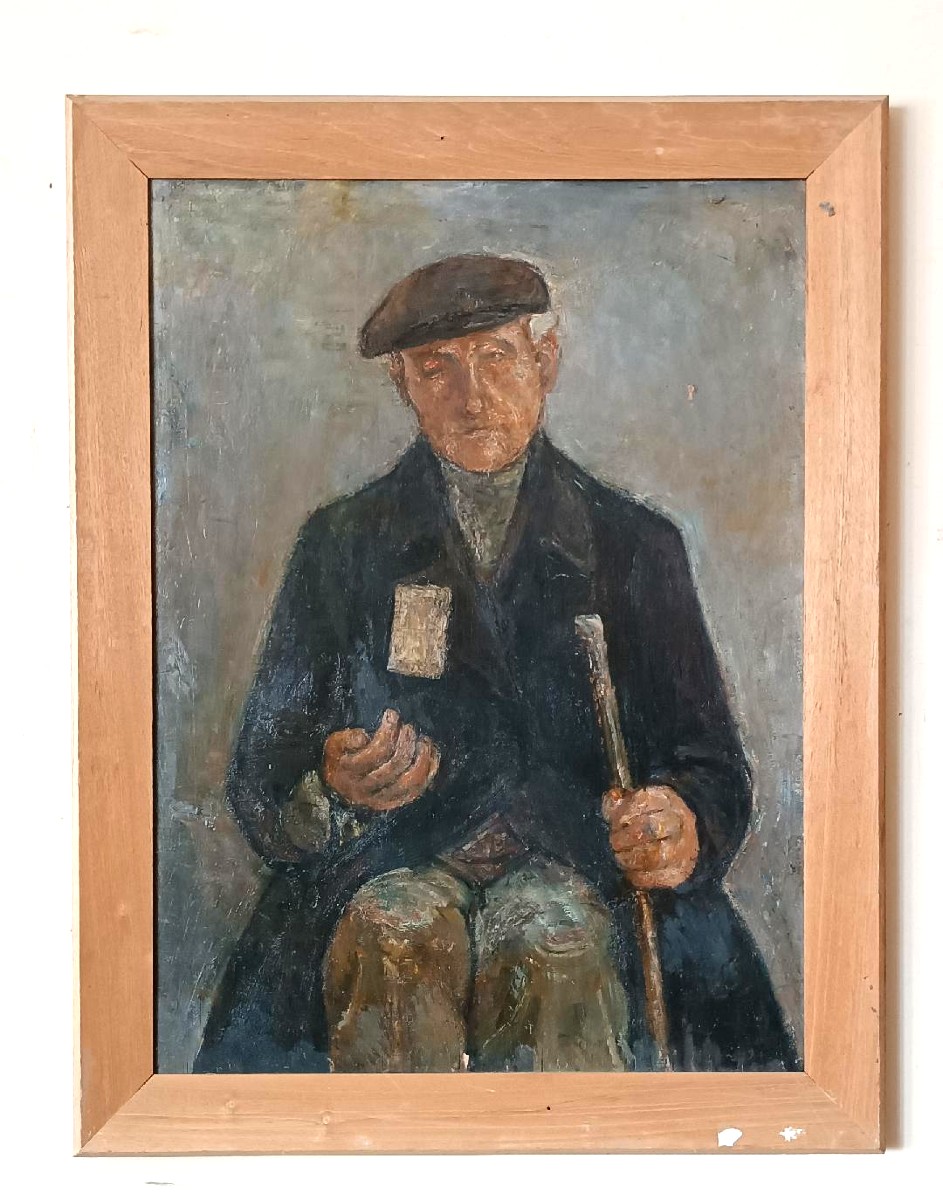
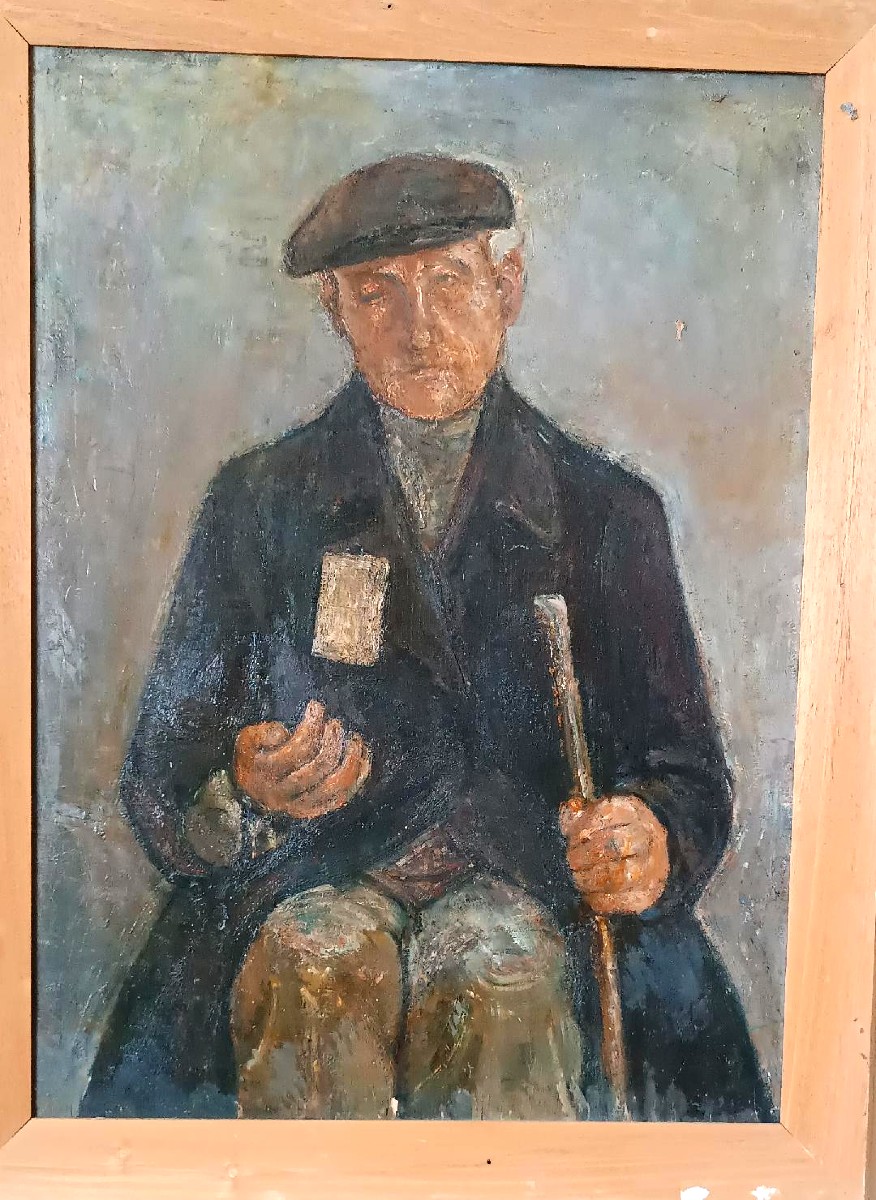
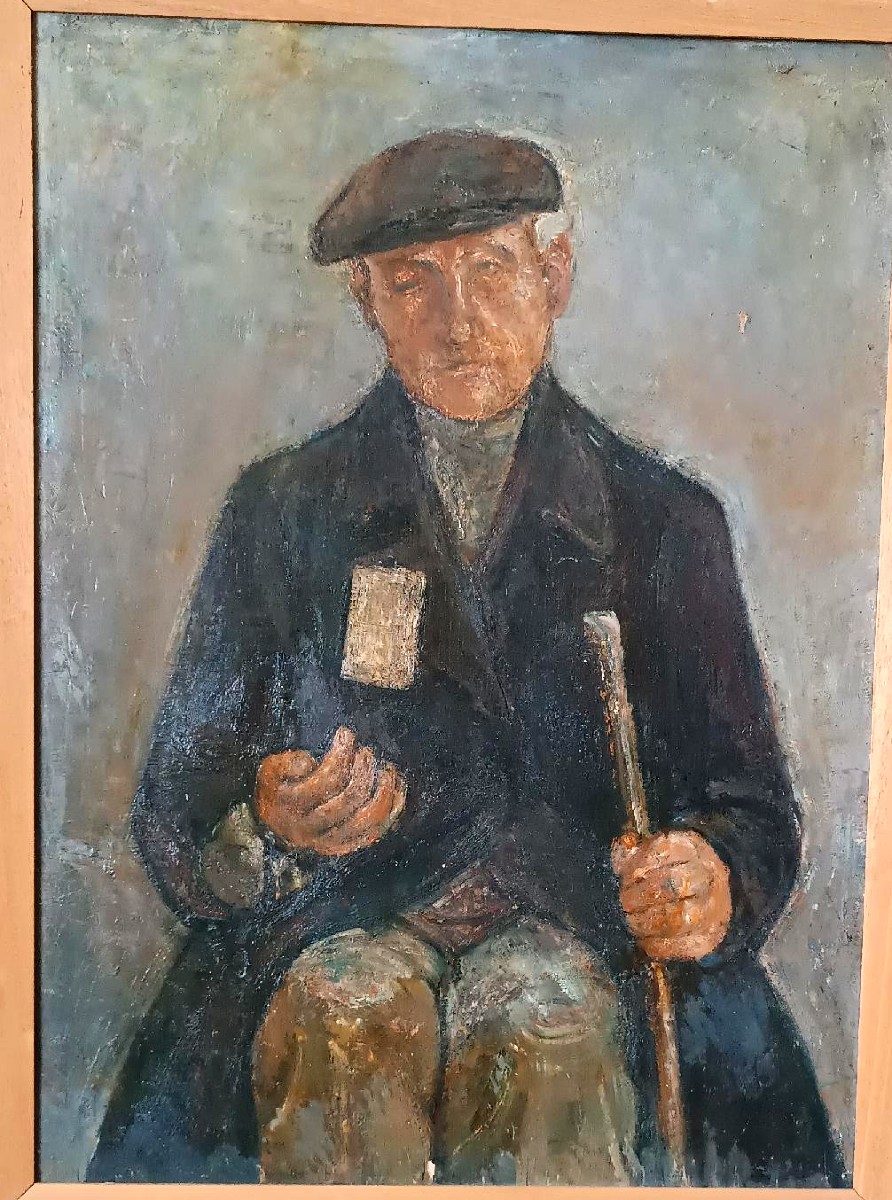
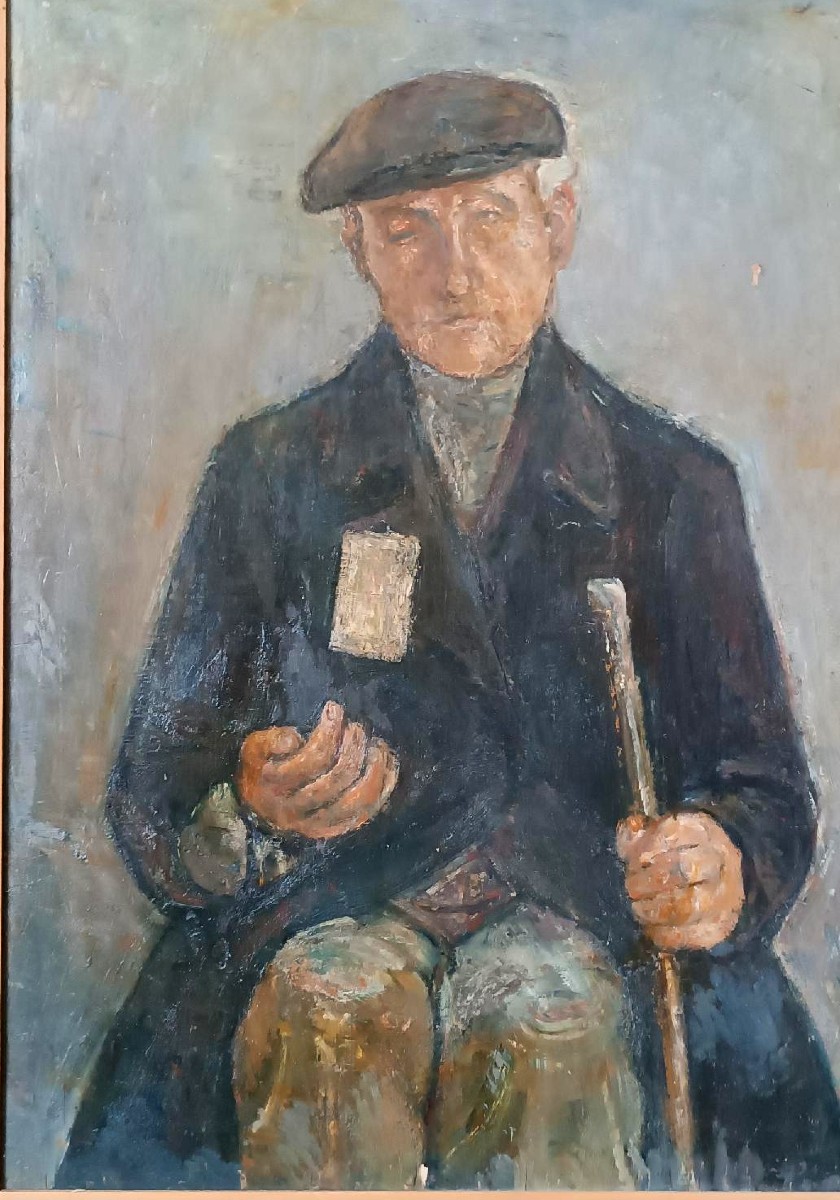
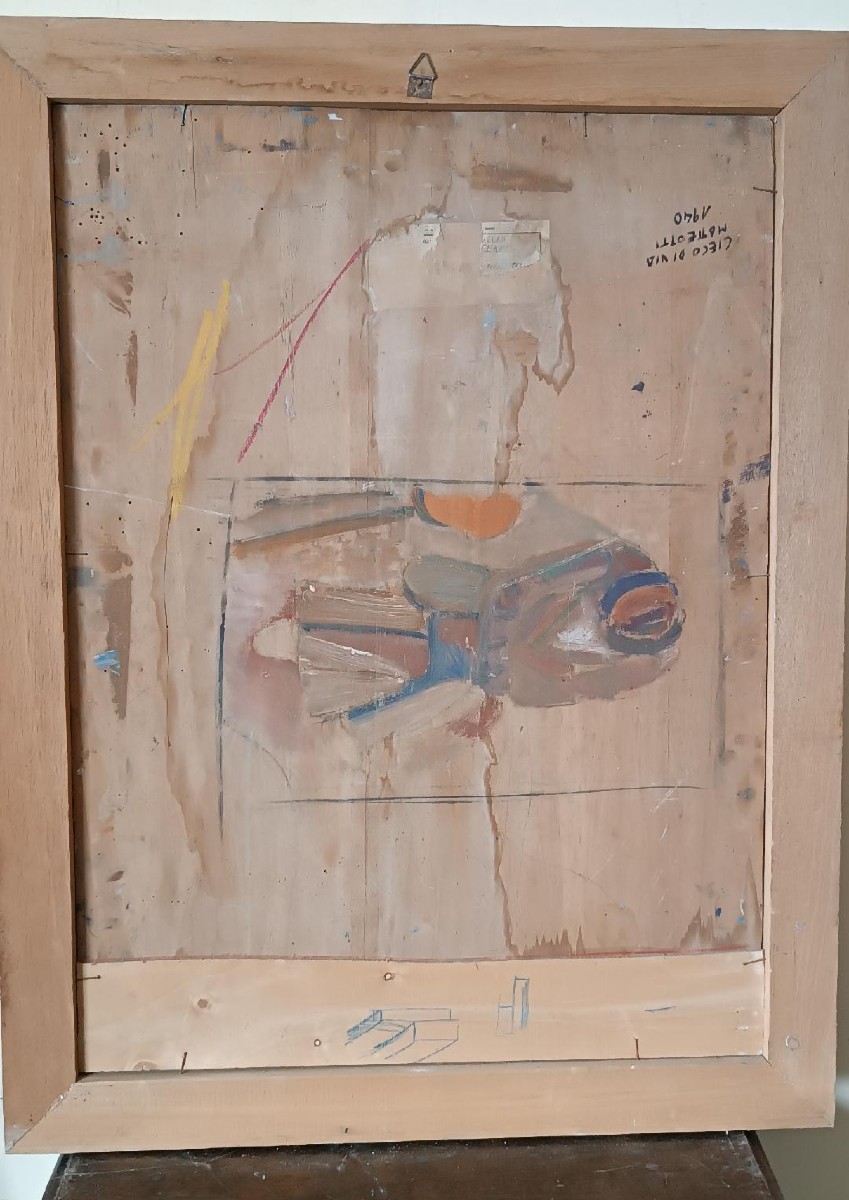
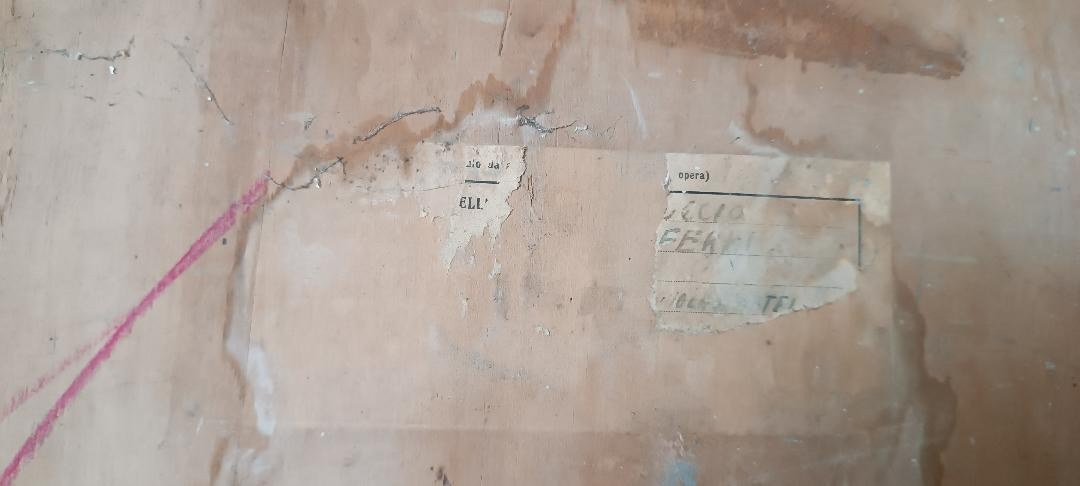
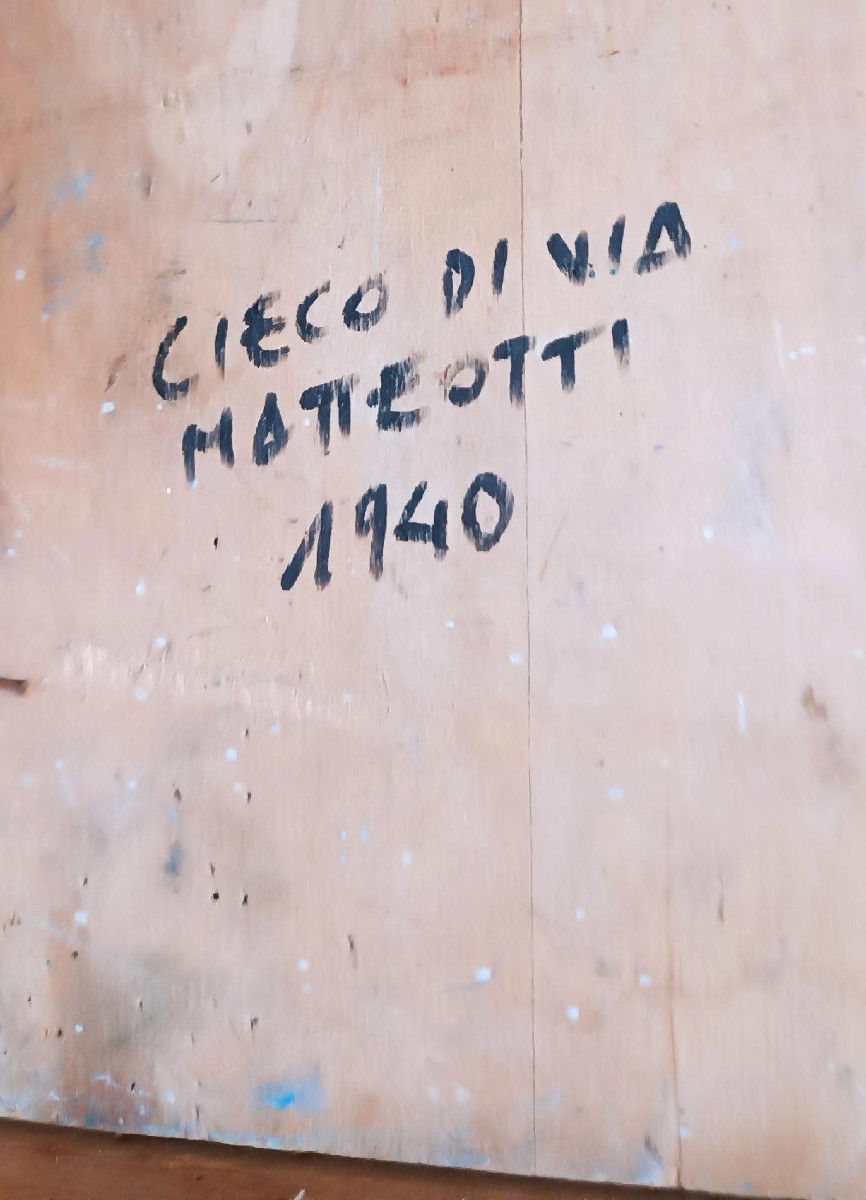
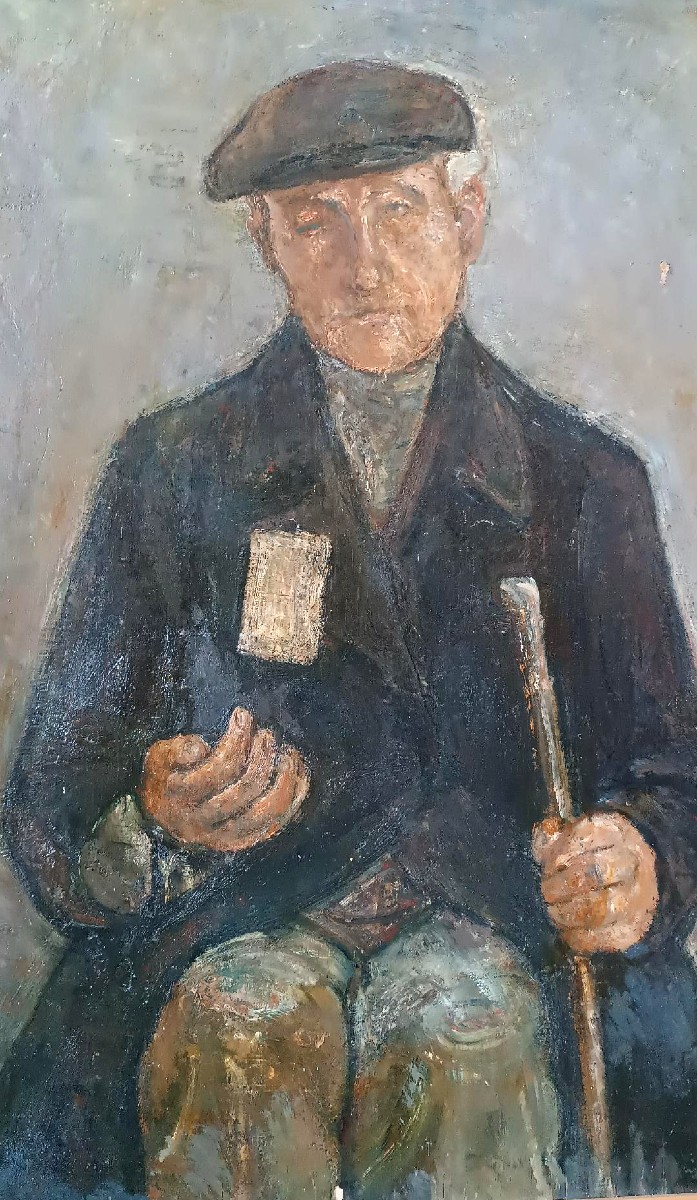
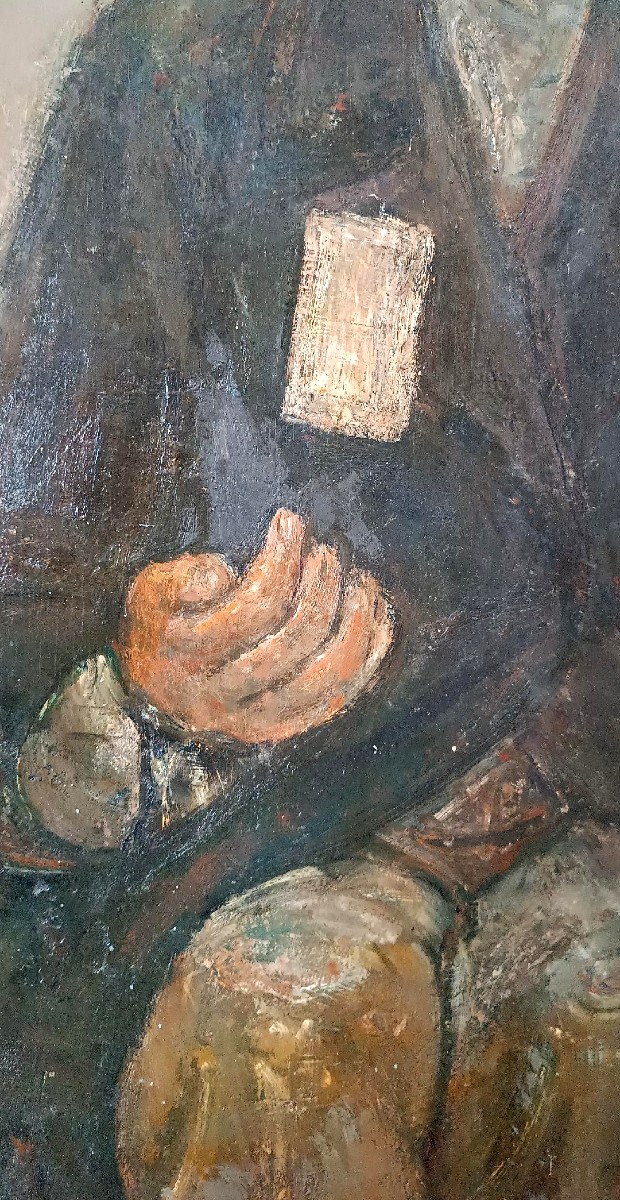
An extremely rare work by the painter Ferruccio Ferri (FAUGLIA 1911 - PISA 1989) - From a private collection - The painting, dated 1940, dates from his Syracuse period and is titled "THE BLIND MAN."
Oil on board, 80 x 60 cm, FRAME 94 x 74 cm
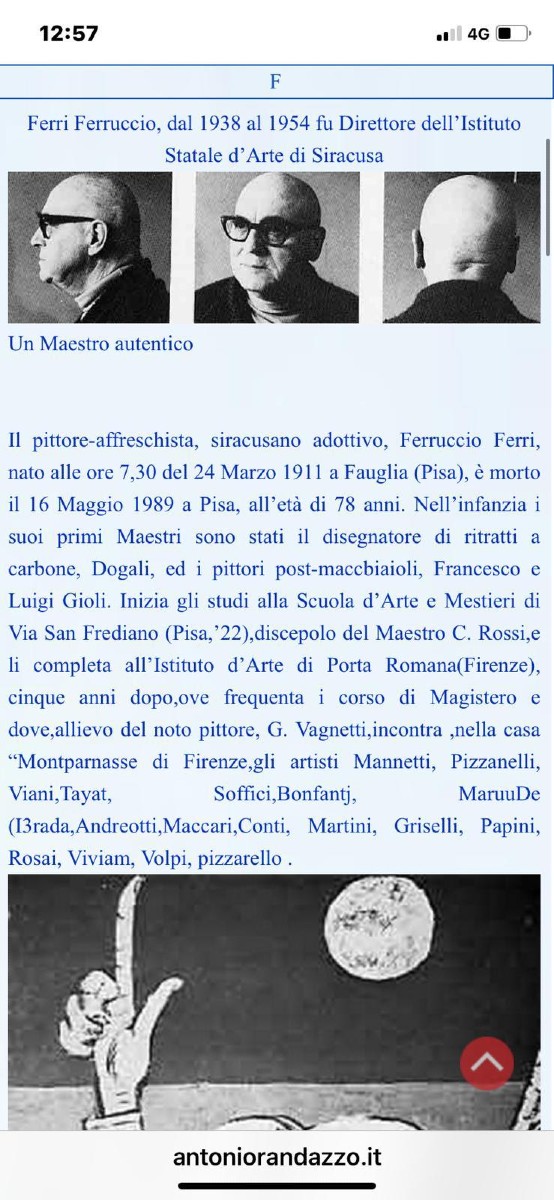
Ferruccio Ferri was born in Fauglia, in the province of Pisa, on March 24, 1911, and died in Pisa in 1989 at the age of 78. As a child, demonstrating a marked aptitude and skill for drawing, his first teachers were the post-Macchiaioli painter brothers Francesco and Luigi Gioli, who owned a villa and estate near Fauglia.
On the advice of Luigi Gioli, he began his studies in Pisa (from 1922 to 1927) at the School of Arts and Crafts on Via San Frediano, a student of the master painter Curzio Rossi, whom he fondly remembered for his rigorous technical training, including fresco painting. He continued his studies for five years, including the final two-year master's course, at the Porta Romana Art Institute in Florence, in the painting department, as a student of Gianni Vagnetti, a young, open-minded and innovative master.
In the 1920s and 1930s, he participated in numerous periodic exhibitions at the Palazzo alla Giornata in Pisa, in provincial and national trade union exhibitions at the Teatro Verdi, and in the interregional exhibitions in Florence. During these exhibitions, he met and became friends with Lorenzo Viani, an artist with a powerful, complex personality and talent. Ferri, who held him in high regard and admiration, would often visit him during the summers in his hometown of Viareggio, a city brimming with cultural events in those years, featuring figures such as D'Annunzio, Papini, Marinetti, Oietti, Gentile, and many others. At the Pisa exhibitions, he exhibited with other artists, whom he himself remembered in his memoirs, including, in addition to Viani, Pizzanelli, Viviani, Pizzarello, Carlini, Sementa, Bonfanti, Volpi, Casini, Tamburini, the sculptor Consortini, and Griselli.
These years in Florence were vibrant and dynamic for his development, especially considering the important contemporary exhibitions and cultural initiatives. He met Marinetti and Felice Carena, and formed many friends, including Thayath, Soffici, Papini, Martini, Conti, De Grada, and Libero Andreotti.
In 1938, at just 27 years old, Ferruccio Ferri arrived in Syracuse, receiving a ministerial appointment that assigned him the chair of Decorative Painting at the city's art school.
Art critic Marco Goracci, a careful and sensitive interpreter of moods, describes these moments well in his monograph. "During his first days in Sicily, Ferri, aware of the distance from home, the discomforts of travel, the different environment and climate, despite being accustomed to distances and emotional detachments, had some doubts about whether to stay or accept other appointments, which had arrived in the meantime, in places closer to his homeland. When, just ten days after his arrival, he was given another ministry appointment, that of director with the obligation to hold the chair of painting, as was customary in smaller schools, he realized that this was the path marked out by destiny."1
He remained in Syracuse for sixteen years, from 1938 to 1954.
He gave so much of himself, in his youth, to that school and to its students, never forgotten, who reciprocated with deep affection.
Already engaged in Fauglia, he married Sara Ughi in 1939, with whom he had two children: Laura (born in Fauglia in 1940) and Franco (born in Syracuse in 1947).
In 1954, he was appointed director of the Pesaro School of Art, which would become a large, multi-sectional institution to which he would dedicate twenty-two years of his life.
These were years of intense activity. He devoted himself to his scholastic commitment, directly participating in teaching experiences in the school's numerous sections or specializations, often teaching the students themselves. He continued his personal work as a painter, continuing to participate in numerous national group and solo exhibitions, including a Venice Biennale and four editions of the Rome Quadrennial.
He received and accepted numerous ministerial assignments, including a few. In 1959, he was involved in establishing the School of Art in Forlì; in 1961, he oversaw the establishment and organization of the Arezzo Art Institute, which he directed for its first year; in 1962, he established the Pisa State Art Institute, the successor to the school he had attended as a boy, organizing its curriculum, and directing it for a year.
The painter and fresco artist, an adopted Syracusan, Ferruccio Ferri, born in 1911 in Fauglia (Pisa), died on May 16, 1989, in Pisa, at the age of 78. During his childhood, his first teachers were the charcoal portrait artist Dogali and the post-Macchiaioli painters Francesco and Luigi Gioli. He began his studies at the School of Arts and Crafts in Via San Frediano (Pisa, '22), a disciple of the Master C. Rossi, and completed them at the Art Institute of Porta Romana (Florence), five years later, where he attended the Master's course and where, a student of the well-known painter, G. Vagnetti, he met, in the "Montparnasse" house in Florence, the artists Mannet
Oil on board, 80 x 60 cm, FRAME 94 x 74 cm
Ferruccio Ferri was born in Fauglia, in the province of Pisa, on March 24, 1911, and died in Pisa in 1989 at the age of 78. As a child, demonstrating a marked aptitude and skill for drawing, his first teachers were the post-Macchiaioli painter brothers Francesco and Luigi Gioli, who owned a villa and estate near Fauglia.
On the advice of Luigi Gioli, he began his studies in Pisa (from 1922 to 1927) at the School of Arts and Crafts on Via San Frediano, a student of the master painter Curzio Rossi, whom he fondly remembered for his rigorous technical training, including fresco painting. He continued his studies for five years, including the final two-year master's course, at the Porta Romana Art Institute in Florence, in the painting department, as a student of Gianni Vagnetti, a young, open-minded and innovative master.
In the 1920s and 1930s, he participated in numerous periodic exhibitions at the Palazzo alla Giornata in Pisa, in provincial and national trade union exhibitions at the Teatro Verdi, and in the interregional exhibitions in Florence. During these exhibitions, he met and became friends with Lorenzo Viani, an artist with a powerful, complex personality and talent. Ferri, who held him in high regard and admiration, would often visit him during the summers in his hometown of Viareggio, a city brimming with cultural events in those years, featuring figures such as D'Annunzio, Papini, Marinetti, Oietti, Gentile, and many others. At the Pisa exhibitions, he exhibited with other artists, whom he himself remembered in his memoirs, including, in addition to Viani, Pizzanelli, Viviani, Pizzarello, Carlini, Sementa, Bonfanti, Volpi, Casini, Tamburini, the sculptor Consortini, and Griselli.
These years in Florence were vibrant and dynamic for his development, especially considering the important contemporary exhibitions and cultural initiatives. He met Marinetti and Felice Carena, and formed many friends, including Thayath, Soffici, Papini, Martini, Conti, De Grada, and Libero Andreotti.
In 1938, at just 27 years old, Ferruccio Ferri arrived in Syracuse, receiving a ministerial appointment that assigned him the chair of Decorative Painting at the city's art school.
Art critic Marco Goracci, a careful and sensitive interpreter of moods, describes these moments well in his monograph. "During his first days in Sicily, Ferri, aware of the distance from home, the discomforts of travel, the different environment and climate, despite being accustomed to distances and emotional detachments, had some doubts about whether to stay or accept other appointments, which had arrived in the meantime, in places closer to his homeland. When, just ten days after his arrival, he was given another ministry appointment, that of director with the obligation to hold the chair of painting, as was customary in smaller schools, he realized that this was the path marked out by destiny."1
He remained in Syracuse for sixteen years, from 1938 to 1954.
He gave so much of himself, in his youth, to that school and to its students, never forgotten, who reciprocated with deep affection.
Already engaged in Fauglia, he married Sara Ughi in 1939, with whom he had two children: Laura (born in Fauglia in 1940) and Franco (born in Syracuse in 1947).
In 1954, he was appointed director of the Pesaro School of Art, which would become a large, multi-sectional institution to which he would dedicate twenty-two years of his life.
These were years of intense activity. He devoted himself to his scholastic commitment, directly participating in teaching experiences in the school's numerous sections or specializations, often teaching the students themselves. He continued his personal work as a painter, continuing to participate in numerous national group and solo exhibitions, including a Venice Biennale and four editions of the Rome Quadrennial.
He received and accepted numerous ministerial assignments, including a few. In 1959, he was involved in establishing the School of Art in Forlì; in 1961, he oversaw the establishment and organization of the Arezzo Art Institute, which he directed for its first year; in 1962, he established the Pisa State Art Institute, the successor to the school he had attended as a boy, organizing its curriculum, and directing it for a year.
The painter and fresco artist, an adopted Syracusan, Ferruccio Ferri, born in 1911 in Fauglia (Pisa), died on May 16, 1989, in Pisa, at the age of 78. During his childhood, his first teachers were the charcoal portrait artist Dogali and the post-Macchiaioli painters Francesco and Luigi Gioli. He began his studies at the School of Arts and Crafts in Via San Frediano (Pisa, '22), a disciple of the Master C. Rossi, and completed them at the Art Institute of Porta Romana (Florence), five years later, where he attended the Master's course and where, a student of the well-known painter, G. Vagnetti, he met, in the "Montparnasse" house in Florence, the artists Mannet
650 €
Period: 20th century
Style: Other Style
Condition: Excellent condition
Material: Oil painting on wood
Reference (ID): 1661860
Availability: In stock
Print