THIS OBJECT WAS SOLD
Govind Madhav Solegaonkar (1912-1986). "cricket Game In India". Gouache.
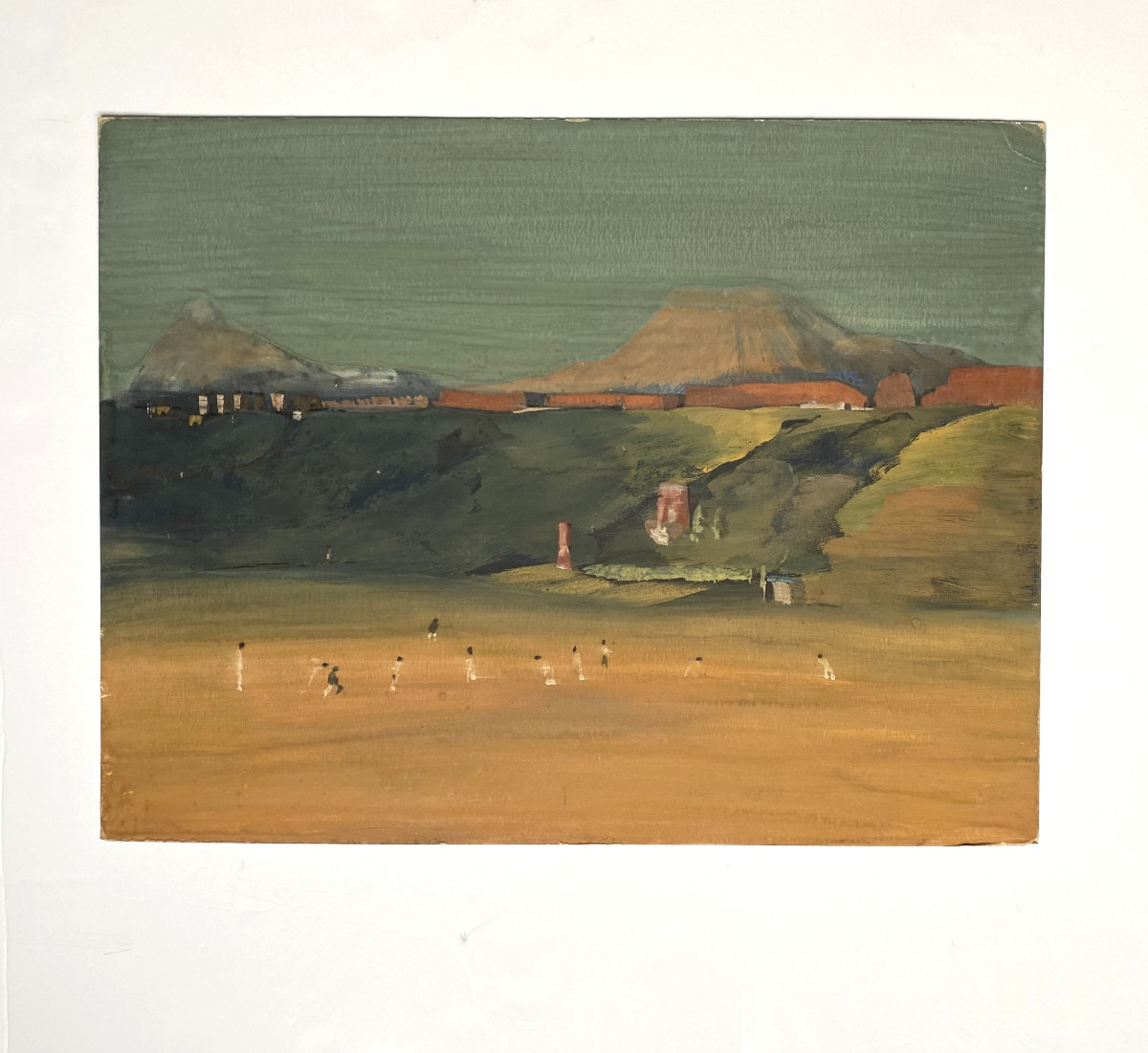
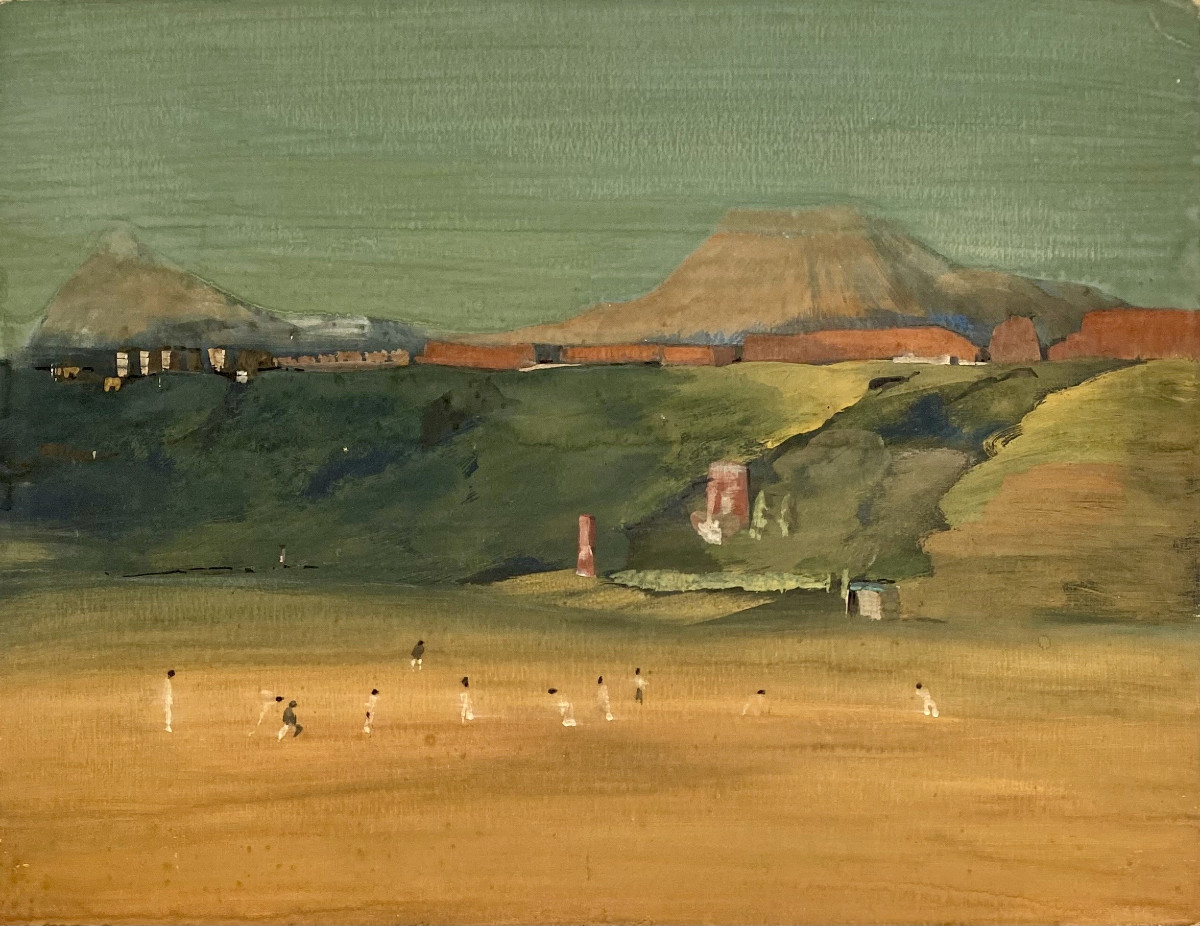
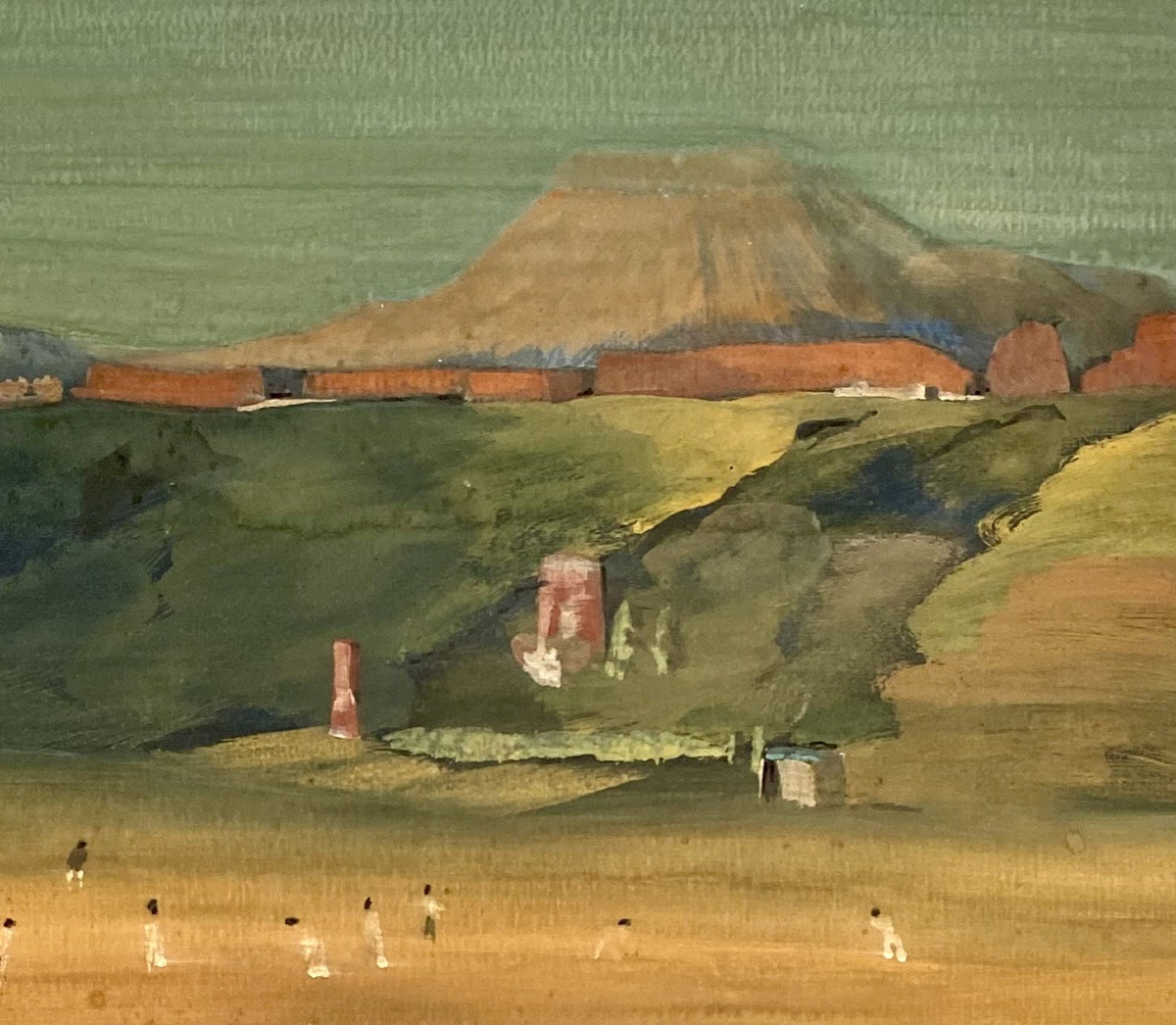
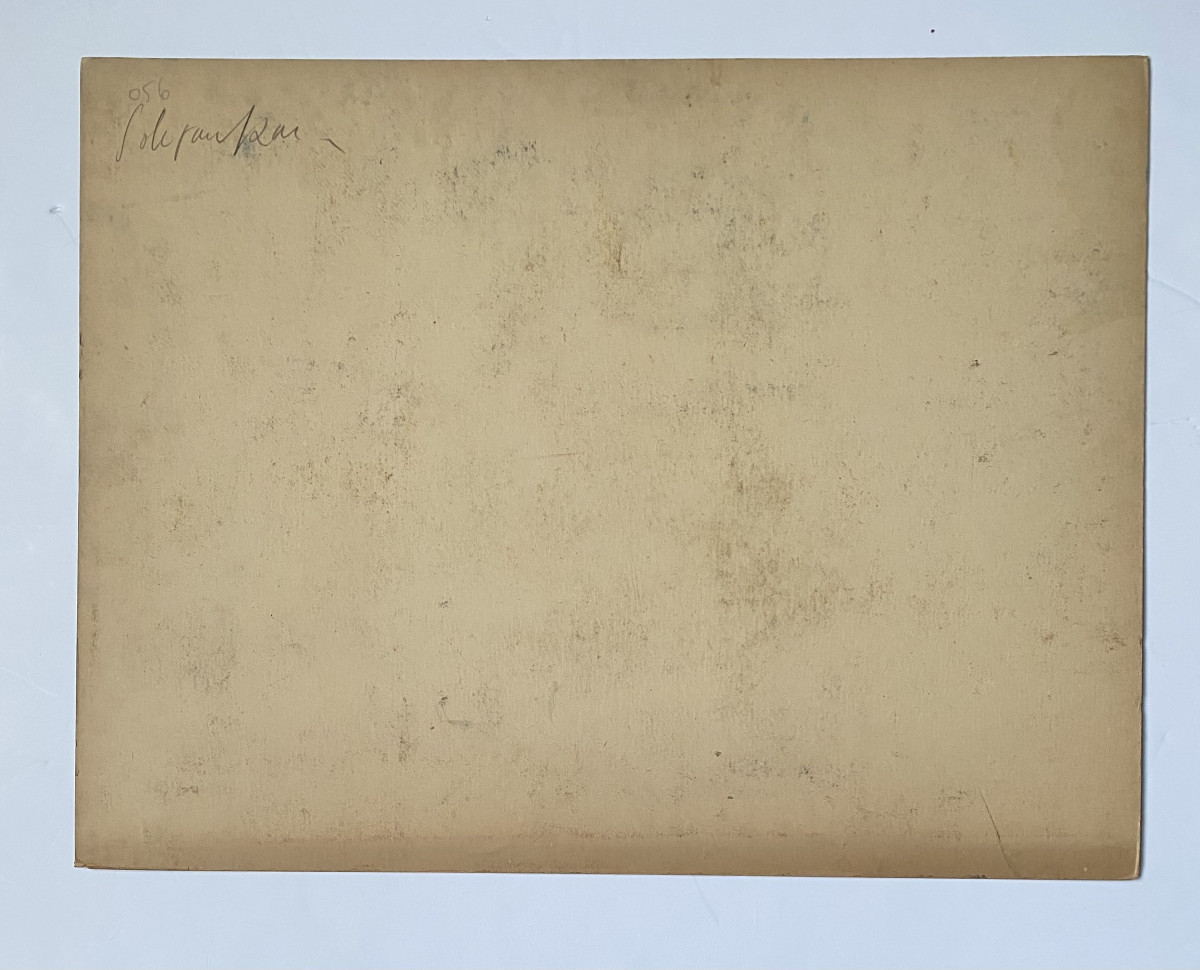


No frame. Dimensions: 48.5 x 63 cm. Signed on the back.
Govind Madhav Solegaonkar (1912-1986).
Solegaonkar was born in 1912 in Sehore, Madhya Pradesh, India, and studied in Indore and Bombay. He then joined the Sir Jamsetjee Jeejebhoy School of Art in Bombay (which was also the school of MF Husain SH Raza, VS Gaitonde). Between 1934 and 1937, he was a member of the Indore group with NS Bendre, DJ Joshi, and MS Joshi, a group whose influence was significant in Bombay. He was awarded the Gold Medal of the Bombay Art Society in 1935 and became a Laureate of the India Art Society of India Trophy in 1953. Solegaonkar specialized in murals, portraits, and landscapes. The artist was never satisfied and experimented with several styles that confronted realism, then abstract landscaping and the simplification of forms until the explosion of colors. In 1958, the artist left India for Europe, and traveled notably to Holland, England and Belgium. When he returned a few years later, his style had completely changed. He exhibited at the Jehangir Art Gallery in 1962 and at the Taj Art Gallery in 1970. In July 1971, 40 of his works were exhibited at India House in London. He died on January 5, 1986. His works have been notably presented at The Rajya Sabha in New Delhi, the Tata Institute of Fundamental Research and the CSMVS Museum in Bombay.
Govind Madhav Solegaonkar (1912-1986).
Solegaonkar was born in 1912 in Sehore, Madhya Pradesh, India, and studied in Indore and Bombay. He then joined the Sir Jamsetjee Jeejebhoy School of Art in Bombay (which was also the school of MF Husain SH Raza, VS Gaitonde). Between 1934 and 1937, he was a member of the Indore group with NS Bendre, DJ Joshi, and MS Joshi, a group whose influence was significant in Bombay. He was awarded the Gold Medal of the Bombay Art Society in 1935 and became a Laureate of the India Art Society of India Trophy in 1953. Solegaonkar specialized in murals, portraits, and landscapes. The artist was never satisfied and experimented with several styles that confronted realism, then abstract landscaping and the simplification of forms until the explosion of colors. In 1958, the artist left India for Europe, and traveled notably to Holland, England and Belgium. When he returned a few years later, his style had completely changed. He exhibited at the Jehangir Art Gallery in 1962 and at the Taj Art Gallery in 1970. In July 1971, 40 of his works were exhibited at India House in London. He died on January 5, 1986. His works have been notably presented at The Rajya Sabha in New Delhi, the Tata Institute of Fundamental Research and the CSMVS Museum in Bombay.
Explore similar pieces and discover your ideal find:
Gouache Paintings