THIS OBJECT WAS SOLD
Afghan Rebab Late 19th Century In Playable Condition - Musical Instrument
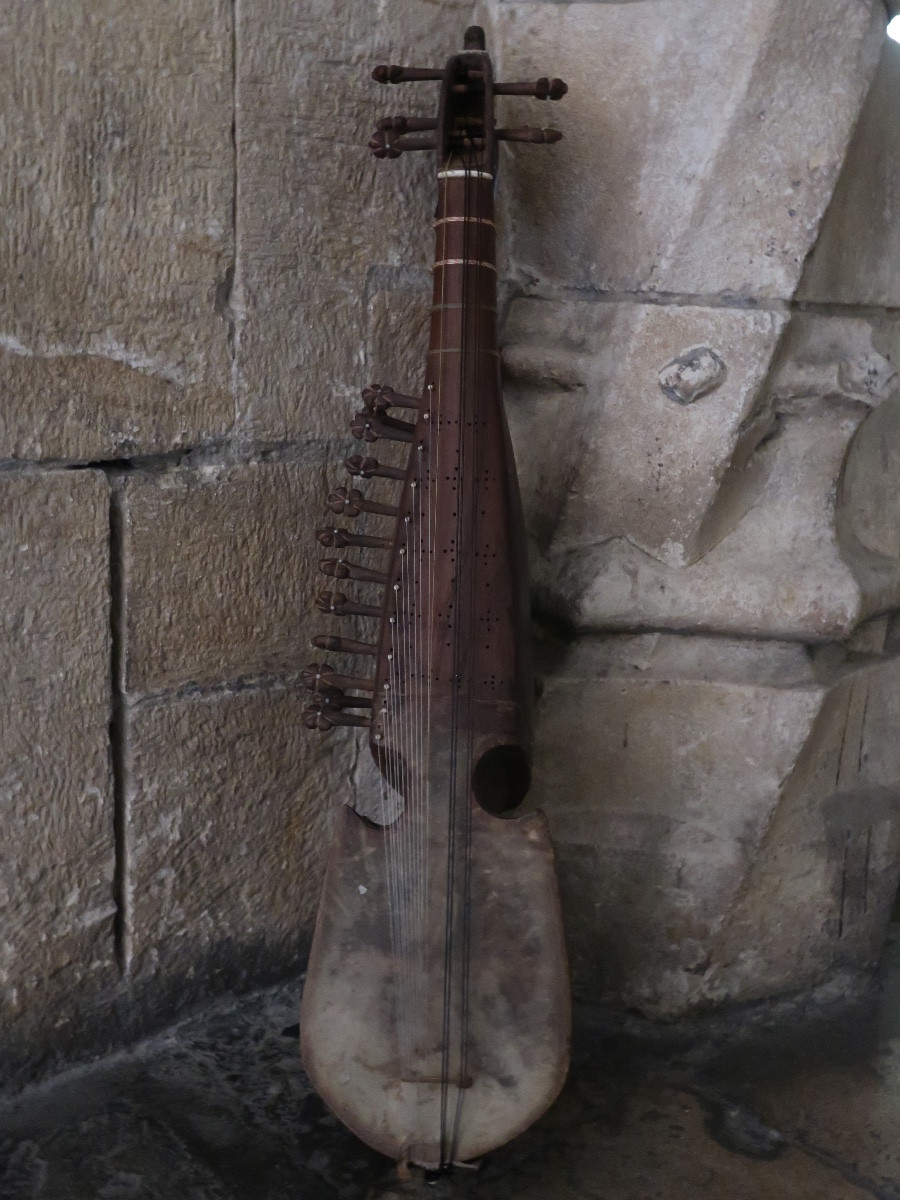

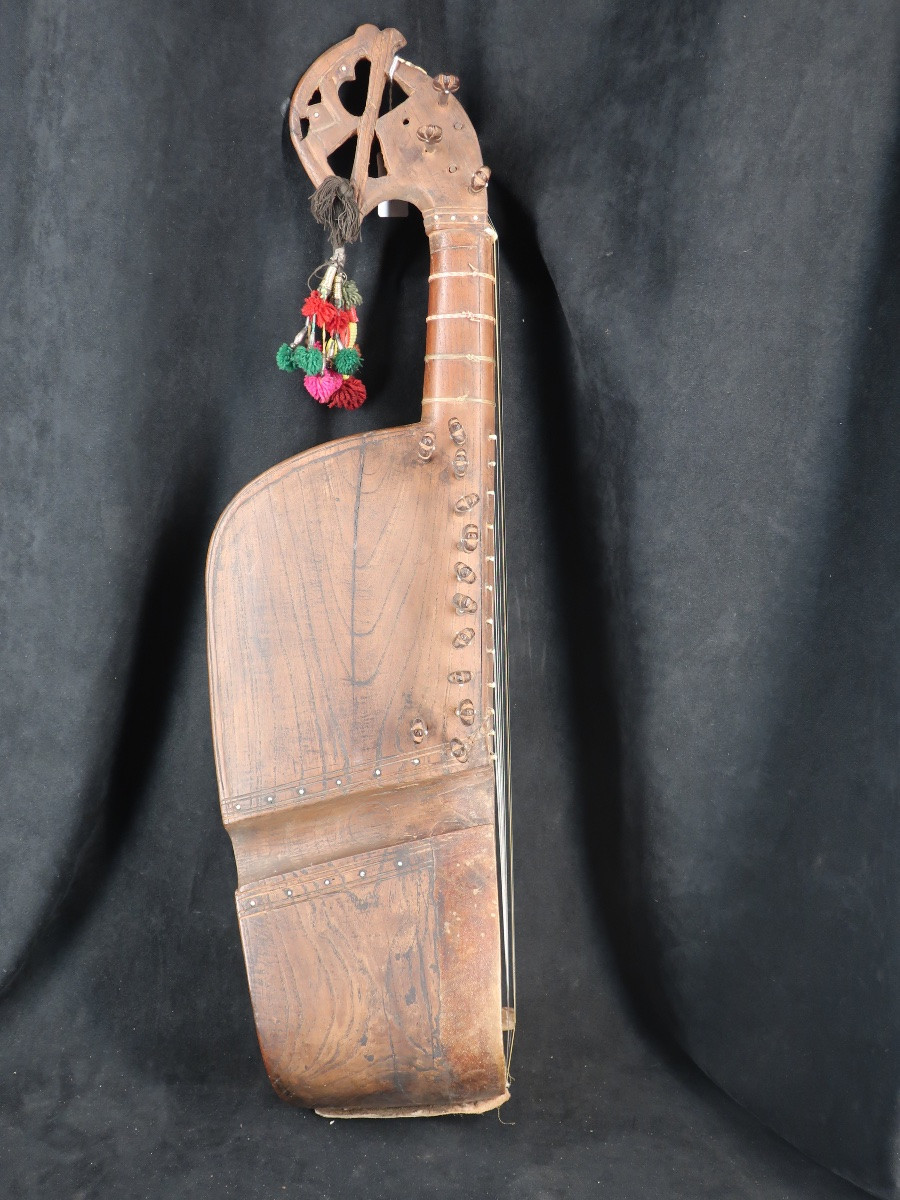
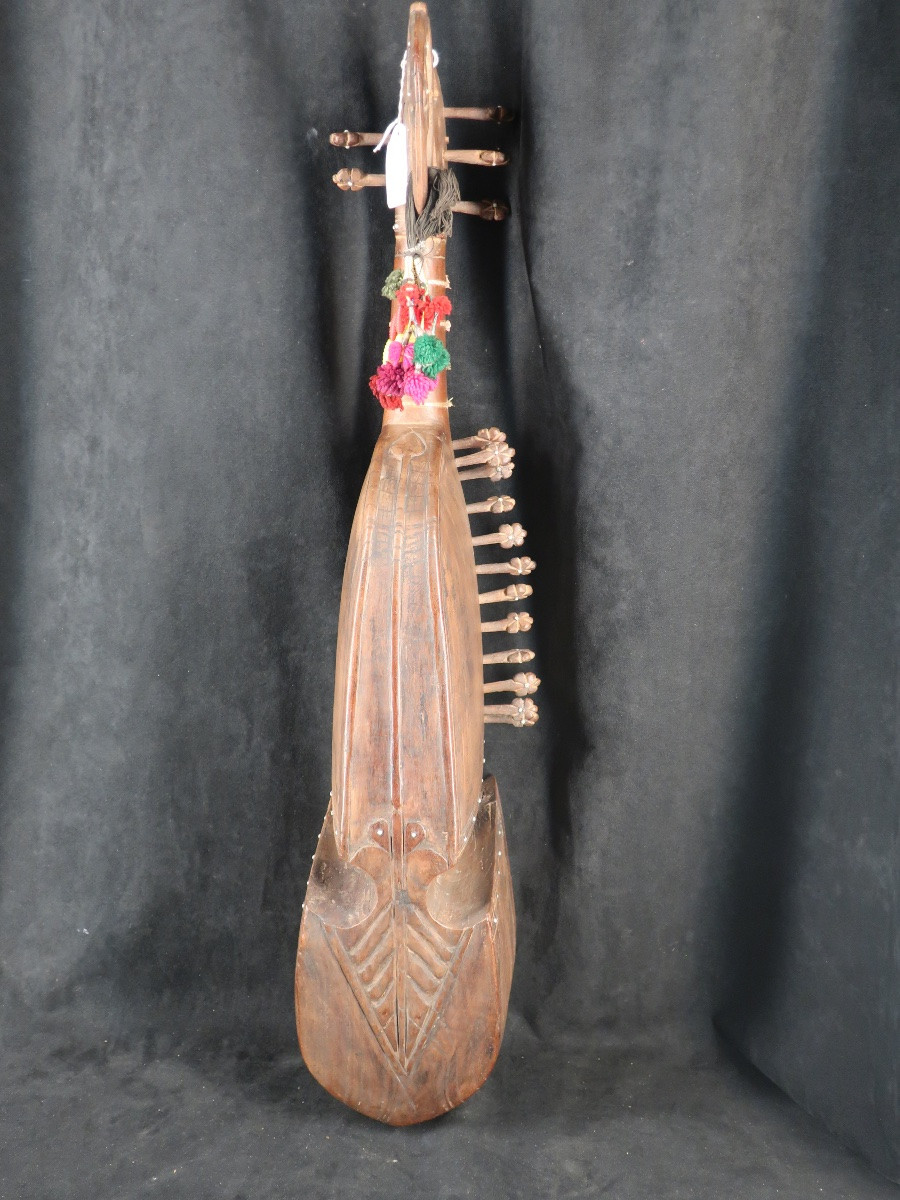
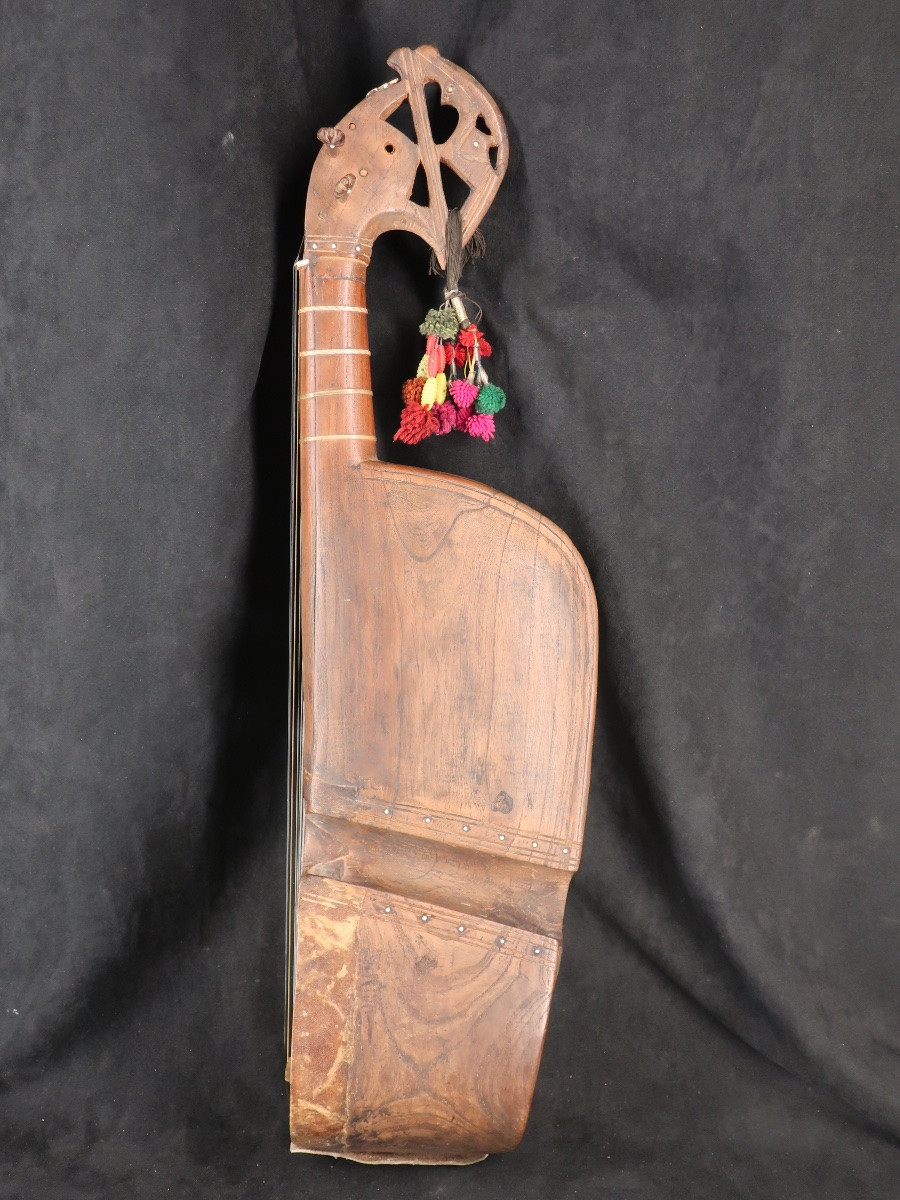

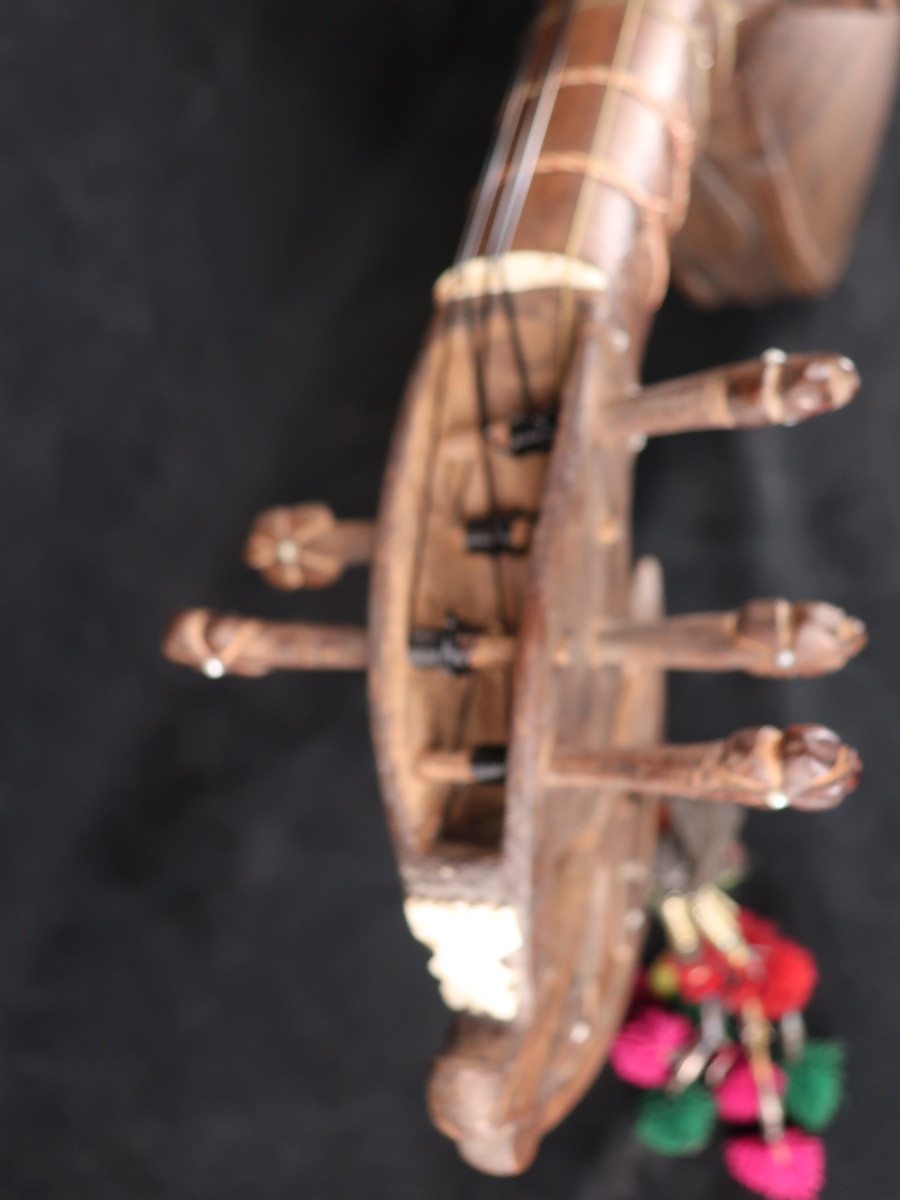


Afghan Rebab late 19th centuryThe body of the monoxide instrument is carved from a block of mulberry wood, hollowed out, then covered with goat skin for the soundboard.Neck is short, hollow, covered with a fingerboard of the same wood with four fretsThe upper nut is made of bone, the horn bridge is placed on the skin.It is provided with two doubled playing strings plus a simple bass tuned from high to low: B, F#, C#- BF#-C#.Under the playing strings are 12 sympathetic metal strings as for the Indian sitar.The vibrating string length is: 55 cmThe total length of this Afghan Rebab late 19th century is 75 cmThe instrument is in playing condition restored in our workshops.To find out more:The Afghan rebab, also called rubab or rabâb, is a plucked string musical instrument of the lute family, traditionally made of dried mulberry wood and considered as the national instrument of Afghanistan. Its importance also extends to Iran, Pakistan, Tajikistan, and Uzbekistan. The Afghan rebab is used during celebrations, weddings, funerals, healing rituals, and concerts. It plays a strong social role, with master players being highly respected in their communities. Its manufacture is based on artisanal know-how often passed down through families, combining carpentry, carving, marquetry, and inlay. The Afghan rebab has also influenced neighboring instruments: it is considered the ancestor of the Indian sarod, an instrument played by the Muslim community with an unfretted metal fingerboard. This musical and artisanal knowledge surrounding the Afghan rebab was inscribed in 2024 on the Representative List of the Intangible Cultural Heritage of Humanity by UNESCO. Finally, the rebab is a symbol of cultural and social unity in Afghanistan but also in the diaspora, and continues to contribute to national identity, despite the country's historical hardships.
Explore similar pieces and discover your ideal find:
musical instruments