THIS OBJECT WAS SOLD
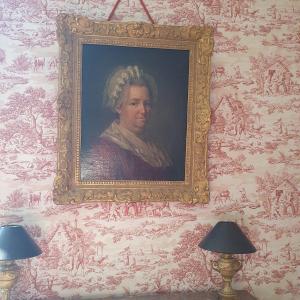
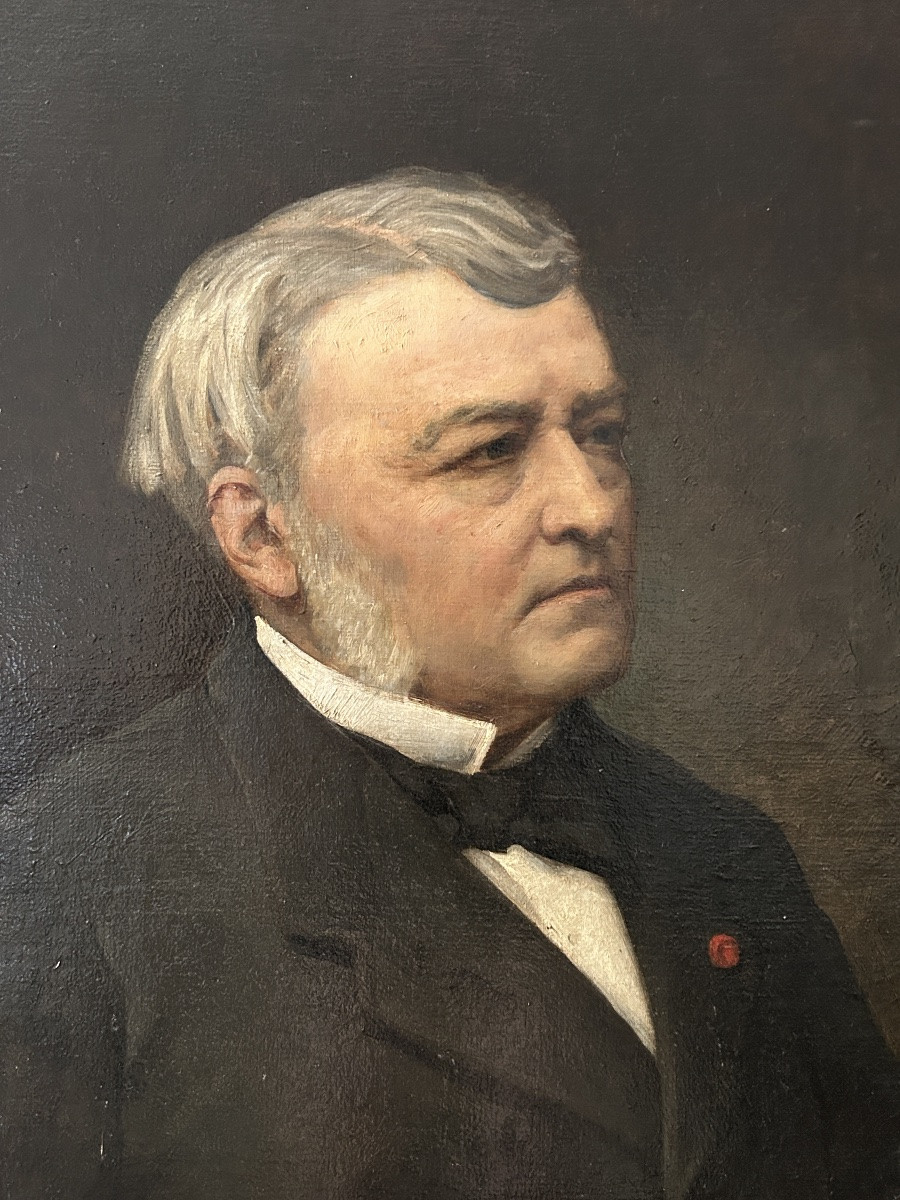
Jules Arsène Garnier (1847-1889), Portrait Of A Man, 1883, Oil On Canvas





Jules Arsène GARNIER (1847-1889)
Portrait of a man, 1883
Oil on canvas
Bears the mark “M.CHABOD - Md. de couleurs - toiles à tableaux - rue Jacob, 20” on the back
Signed “Jules Garnier” and dated “83” top left
65 x 49 cm
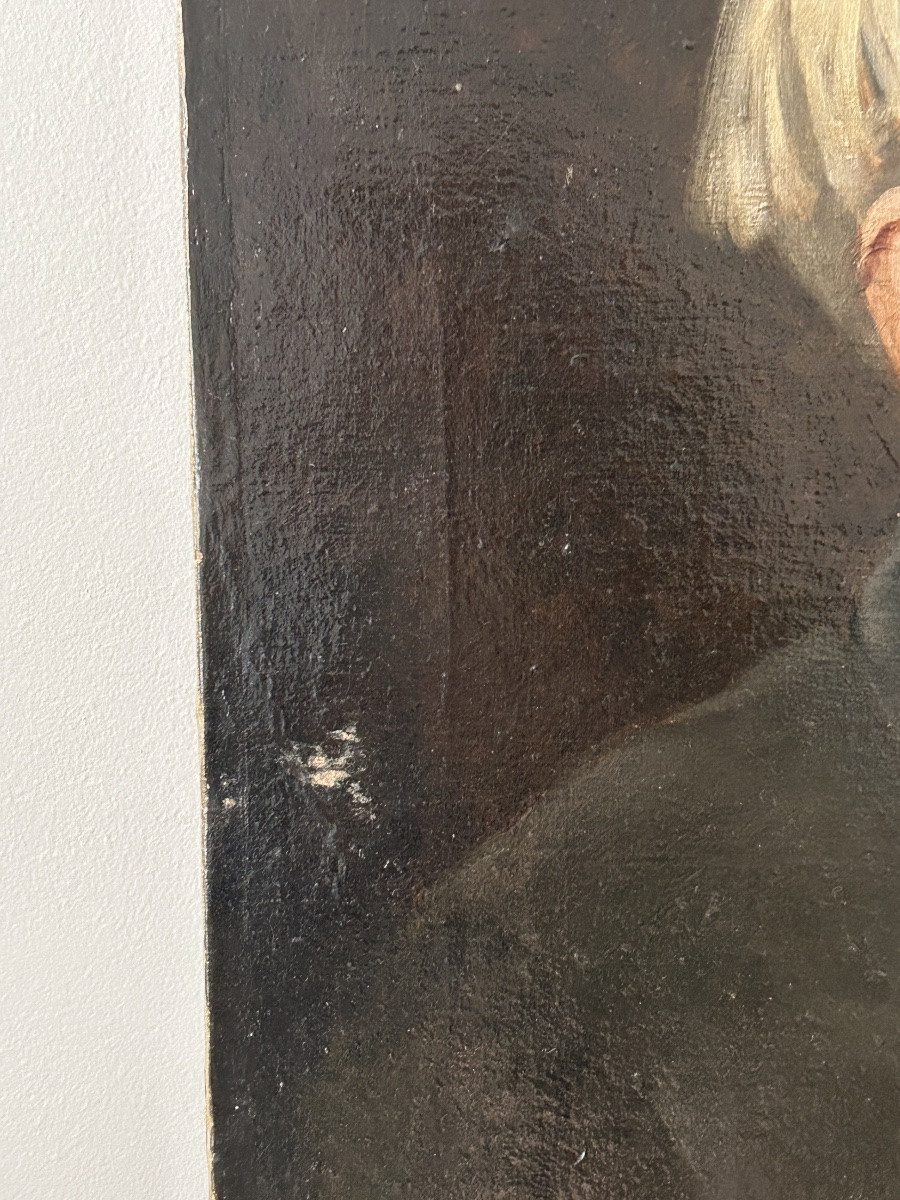
Small lack of material in the lower left part
After initial training at the École des Beaux-Arts in Toulouse, Jules Arsène Garnier joined the École des Beaux-Arts in Paris in 1867 in the studio of Jean-Léon Gérôme. An academic artist, he exhibited for the first time at the Salon in 1869 and then at the Salon des artistes français until his death in 1889. Jules-Arsène Garnier's painting is part of the so-called "Pompier" movement, in reference to the smooth and shiny appearance of firefighters' helmets, which recalled those of Greek and Roman warriors. This polished art, of extremely careful workmanship, was the dominant movement of the 19th century, supported by the Académie des Beaux-Arts. Genre scenes and anecdotal subjects borrowed from history and literature earned the artist great success during his lifetime. He reinvented them in an academic style within large eclectic compositions. He incongruously staged ostentatious female nudes alongside characters in costumes inspired by the medieval and Renaissance periods. Heir to the Troubadour style that emerged during the Restoration, Jules-Arsène Garnier drew as much on the stories of Victor Hugo (The King is Amused, which takes place during the reigns of Louis XII and Francis I) as on the tales of François Rabelais. He notably produced a famous series of illustrations of Pantagruel and Gargantua, all of them licentious and light. He also produced portraits of Parisian high society.
Portrait of a man, 1883
Oil on canvas
Bears the mark “M.CHABOD - Md. de couleurs - toiles à tableaux - rue Jacob, 20” on the back
Signed “Jules Garnier” and dated “83” top left
65 x 49 cm
Small lack of material in the lower left part
After initial training at the École des Beaux-Arts in Toulouse, Jules Arsène Garnier joined the École des Beaux-Arts in Paris in 1867 in the studio of Jean-Léon Gérôme. An academic artist, he exhibited for the first time at the Salon in 1869 and then at the Salon des artistes français until his death in 1889. Jules-Arsène Garnier's painting is part of the so-called "Pompier" movement, in reference to the smooth and shiny appearance of firefighters' helmets, which recalled those of Greek and Roman warriors. This polished art, of extremely careful workmanship, was the dominant movement of the 19th century, supported by the Académie des Beaux-Arts. Genre scenes and anecdotal subjects borrowed from history and literature earned the artist great success during his lifetime. He reinvented them in an academic style within large eclectic compositions. He incongruously staged ostentatious female nudes alongside characters in costumes inspired by the medieval and Renaissance periods. Heir to the Troubadour style that emerged during the Restoration, Jules-Arsène Garnier drew as much on the stories of Victor Hugo (The King is Amused, which takes place during the reigns of Louis XII and Francis I) as on the tales of François Rabelais. He notably produced a famous series of illustrations of Pantagruel and Gargantua, all of them licentious and light. He also produced portraits of Parisian high society.
Explore similar pieces and discover your ideal find:
Portraits