THIS OBJECT WAS SOLD
Archologia -260 To -220 Bc Punic Funerary Stele Tophet Carthage Tunisia






ARCHAEOLOGY
PHOENICIAN CULTURE
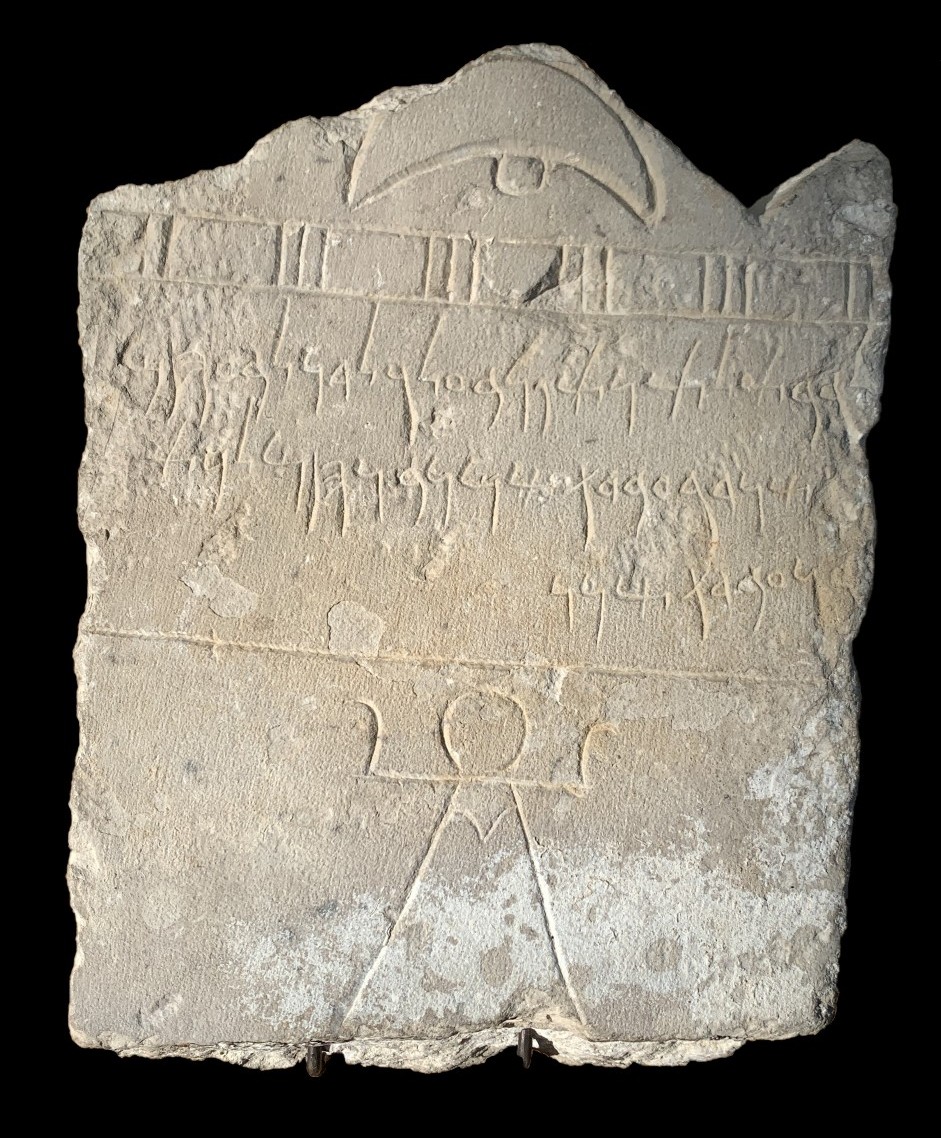
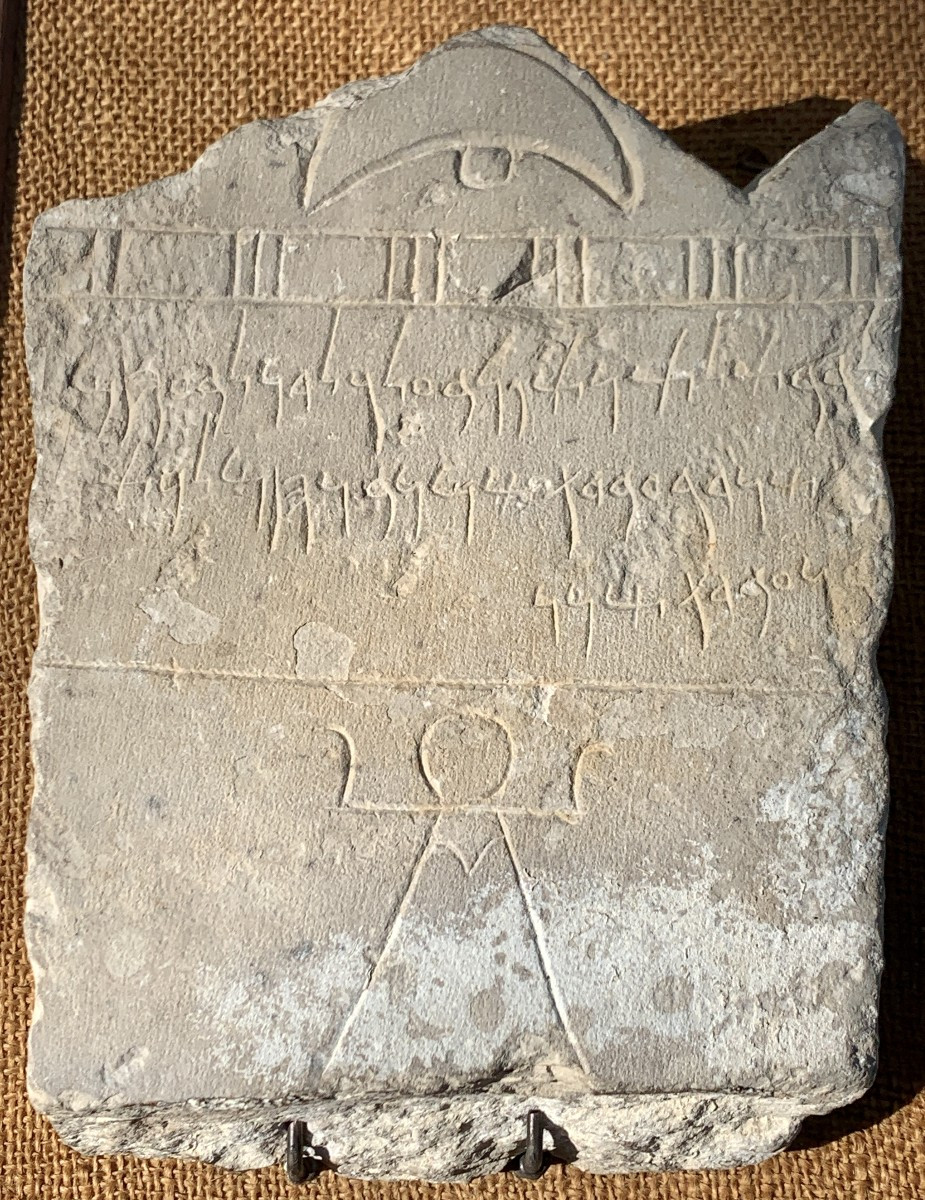
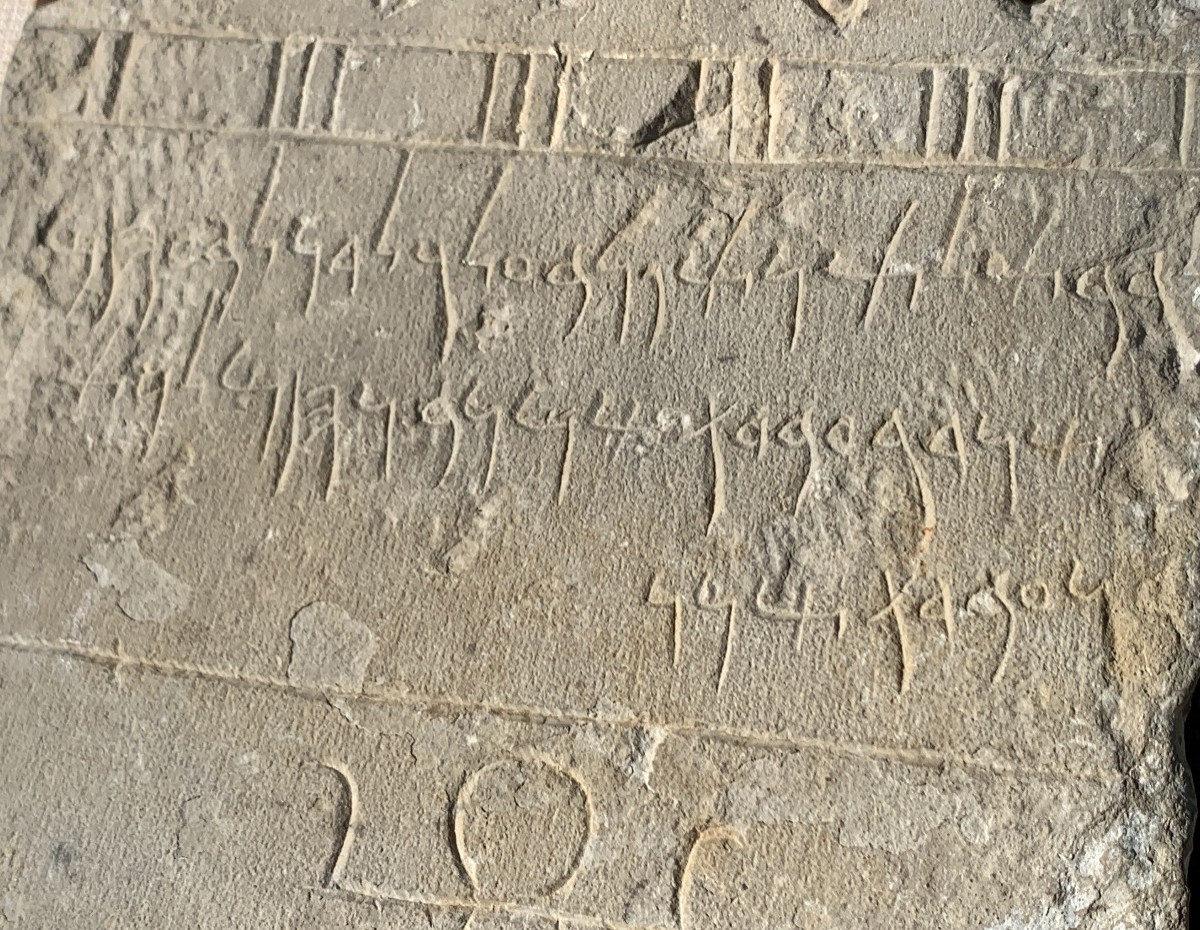
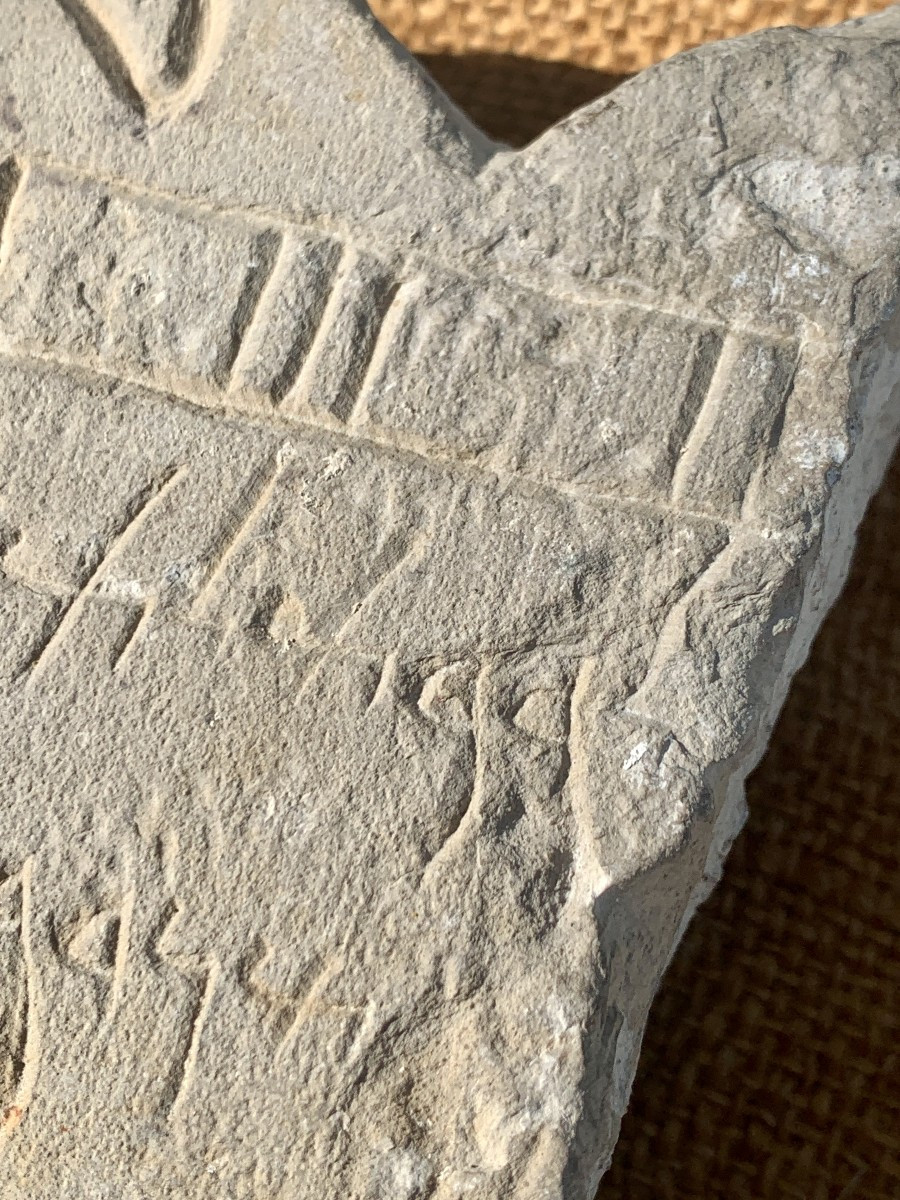
Superbe and rare light limestone carved and incised stele / ex-voto on the front, bearing on its frame the Italian mention "TOPHET DI CARTHAGINE" so coming from the very well-known sacred archaeological site named TOPHET OF CARTHAGE, "The City of Sands", in Tunisia
From 3rd century BC; it can be more precisely dated from -260 to -240 BC.
It features three main registers with:
*a crescent moon topping a solar disk
*several lines of Punic language inscriptions
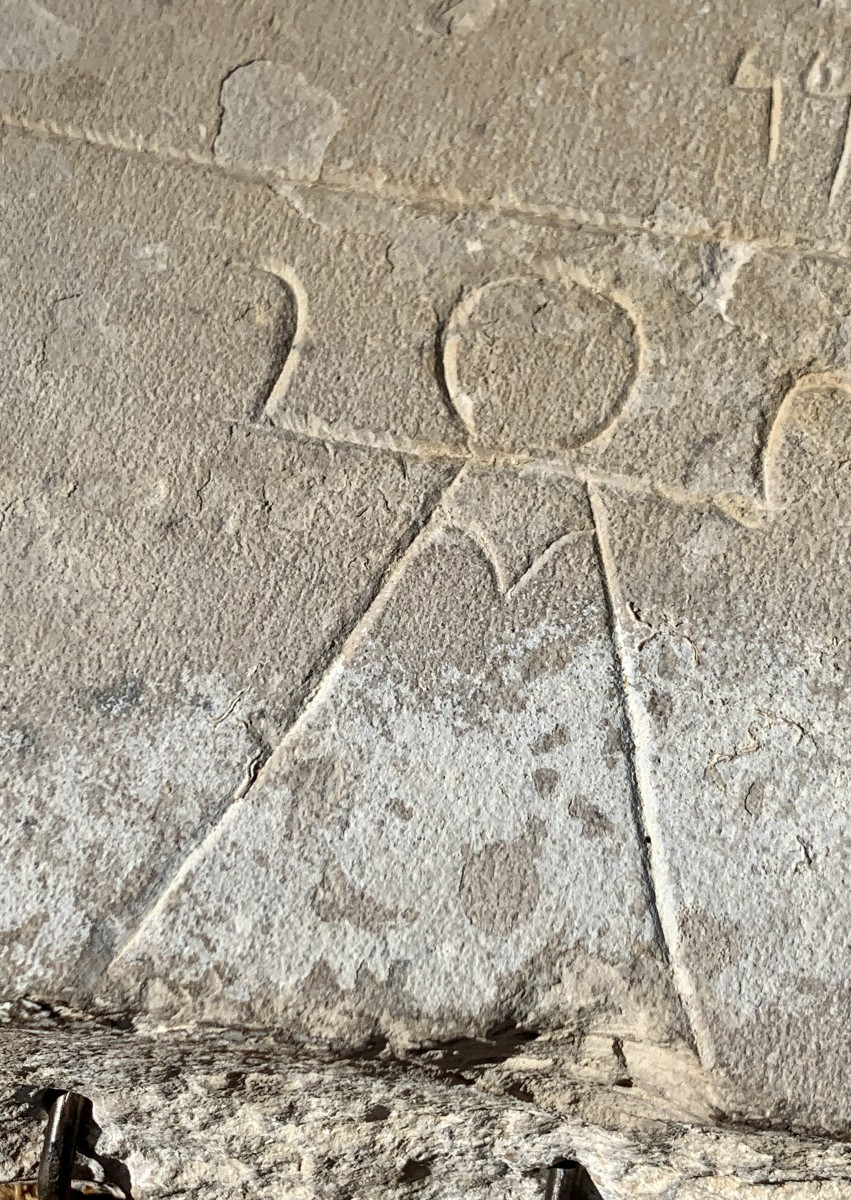
*and the drawing of the goddess of fertility TANIT
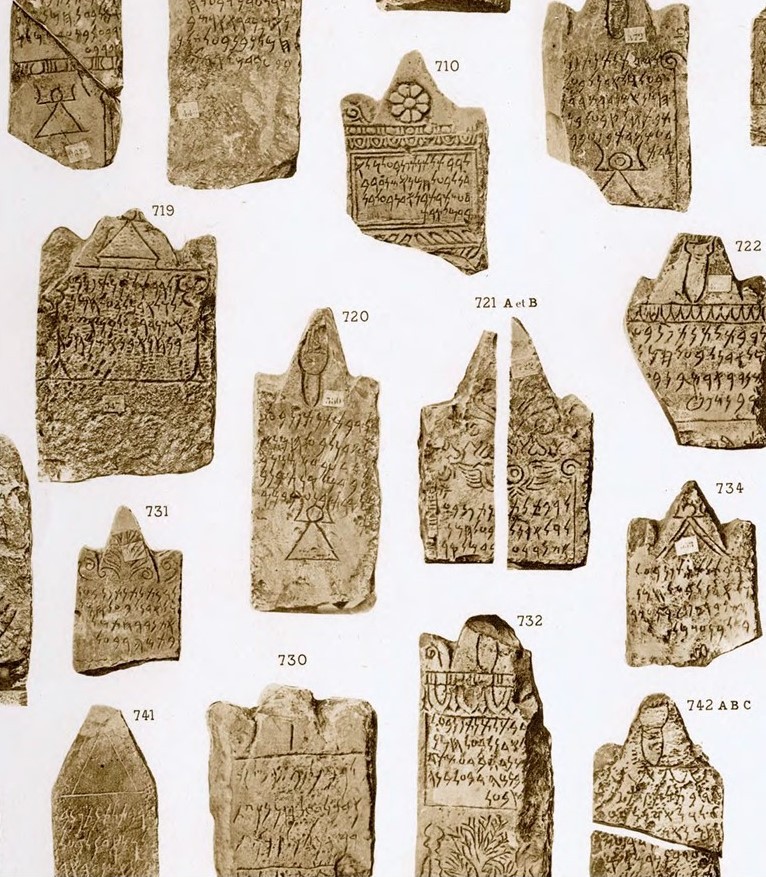
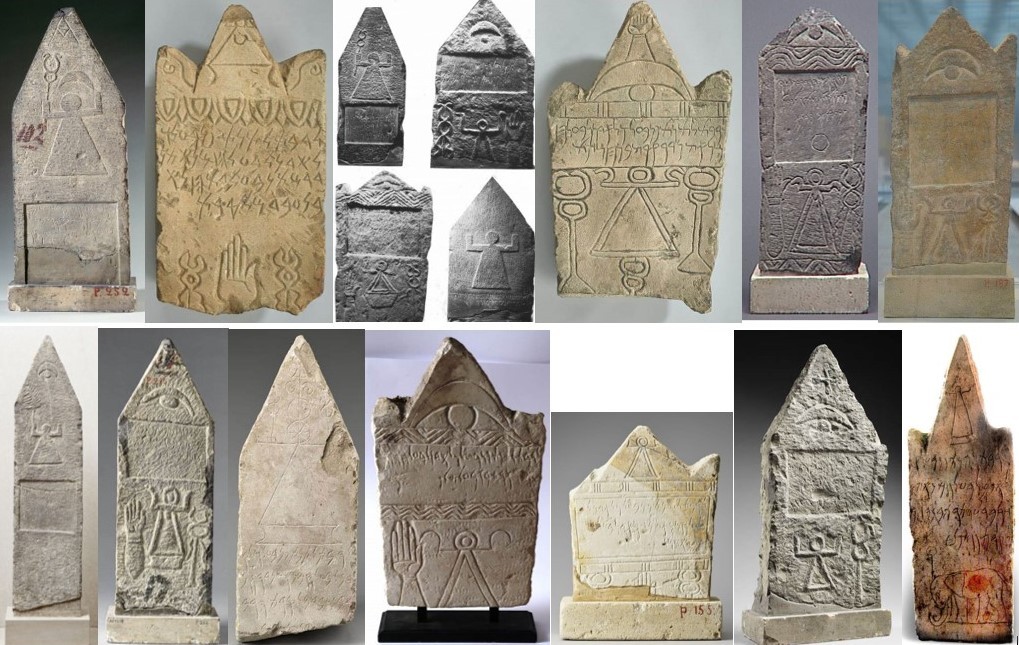
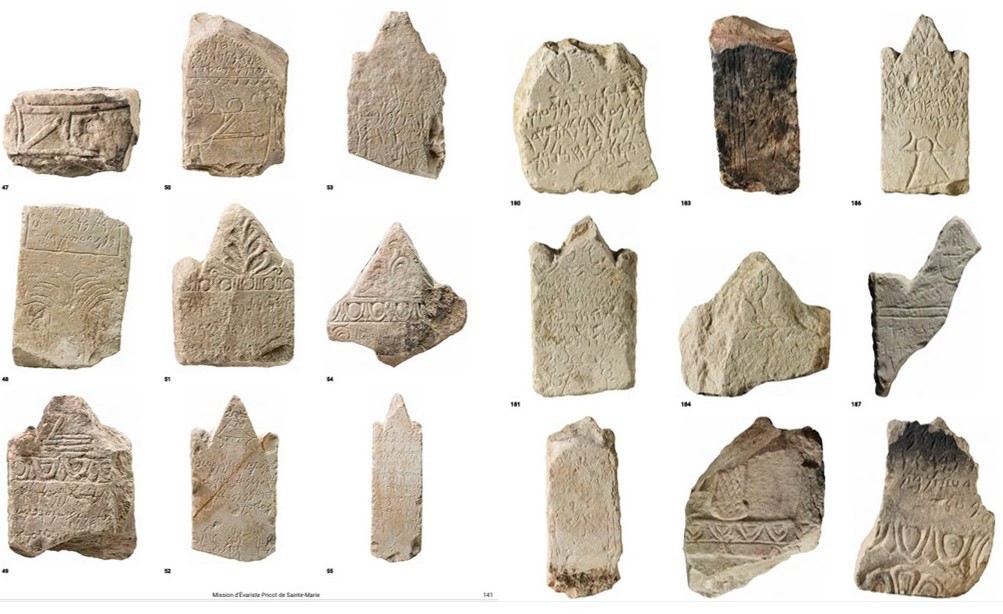
The shape of the dedicated stele itself is recurrent, with a high and narrow triangular pediment between two acroteria.
"Punic alphabet is a derivation of the Phoenician alphabet used to write the Carthaginian Punic language. Generally, two variants are distinguished:
·classical Punic, traditionally used for monumental inscriptions;
·neo-Punic, in cursive form, used everywhere else.
The Punic script was only used until the 4th century, before being gradually replaced by the Latin alphabet. It consists of 22 consonants and is written from right to left and without vowels, like Phoenician.
Although close, some letters of the Phoenician alphabet have a slightly different pronunciation in Punic."
The symbol of Tanit is a Punic symbol associated with the fertility goddess of the same name. It represents a triangle topped with a horizontal bar and a circle. The symbol of Tanit is thought to have an Egyptian origin linked to the ankh cross. The symbol of Tanit is an intermediary between the earthly and the celestial world. It is very present in Punic steles and amulets. The symbol has been represented in various ways, but constants can be noted: a triangle, a linear form with sometimes both branches raised in prayer, and a disk at the top.
The value of this symbol would bring together two fundamental ideas present in Phoenician-Punic religion, those of life and fertility linked to the notion of salvation desired during sacrifice.
The earliest representations of this symbol were noted on stelae uncovered on the site of Carthage from early 19th century. Archaeological excavations subsequently revealed representations on other materials such as mosaics or even ceramics.
Several pieces are currently preserved at the Louvre Museum, Department of Oriental Antiquities.
Dimensions:
24 cm height * 19.8 cm width * 7 cm thickness
and frame 36.5 cm * 27 cm (approx. 9 cm total thickness)
The type of support covering with coconut textile and the plastic support bearing the inscription of its provenance suggests a frame made in 1970's or early 1980´s
Carthage tophet - Wikipedia
https://en.wikipedia.org/wiki/Carthage_tophet
Bibliography:
*Hélène LE MEAUX (ed.) Punic Steles of Carthage at the Louvre Museum. Offerings to Tanit and Baal Hammon, Paris, Louvre Museum Editions 2024
https://doi.org/10.57232/BAOZ8539, no. 53
PHOENICIAN CULTURE
Superbe and rare light limestone carved and incised stele / ex-voto on the front, bearing on its frame the Italian mention "TOPHET DI CARTHAGINE" so coming from the very well-known sacred archaeological site named TOPHET OF CARTHAGE, "The City of Sands", in Tunisia
From 3rd century BC; it can be more precisely dated from -260 to -240 BC.
It features three main registers with:
*a crescent moon topping a solar disk
*several lines of Punic language inscriptions
*and the drawing of the goddess of fertility TANIT
The shape of the dedicated stele itself is recurrent, with a high and narrow triangular pediment between two acroteria.
"Punic alphabet is a derivation of the Phoenician alphabet used to write the Carthaginian Punic language. Generally, two variants are distinguished:
·classical Punic, traditionally used for monumental inscriptions;
·neo-Punic, in cursive form, used everywhere else.
The Punic script was only used until the 4th century, before being gradually replaced by the Latin alphabet. It consists of 22 consonants and is written from right to left and without vowels, like Phoenician.
Although close, some letters of the Phoenician alphabet have a slightly different pronunciation in Punic."
The symbol of Tanit is a Punic symbol associated with the fertility goddess of the same name. It represents a triangle topped with a horizontal bar and a circle. The symbol of Tanit is thought to have an Egyptian origin linked to the ankh cross. The symbol of Tanit is an intermediary between the earthly and the celestial world. It is very present in Punic steles and amulets. The symbol has been represented in various ways, but constants can be noted: a triangle, a linear form with sometimes both branches raised in prayer, and a disk at the top.
The value of this symbol would bring together two fundamental ideas present in Phoenician-Punic religion, those of life and fertility linked to the notion of salvation desired during sacrifice.
The earliest representations of this symbol were noted on stelae uncovered on the site of Carthage from early 19th century. Archaeological excavations subsequently revealed representations on other materials such as mosaics or even ceramics.
Several pieces are currently preserved at the Louvre Museum, Department of Oriental Antiquities.
Dimensions:
24 cm height * 19.8 cm width * 7 cm thickness
and frame 36.5 cm * 27 cm (approx. 9 cm total thickness)
The type of support covering with coconut textile and the plastic support bearing the inscription of its provenance suggests a frame made in 1970's or early 1980´s
Carthage tophet - Wikipedia
https://en.wikipedia.org/wiki/Carthage_tophet
Bibliography:
*Hélène LE MEAUX (ed.) Punic Steles of Carthage at the Louvre Museum. Offerings to Tanit and Baal Hammon, Paris, Louvre Museum Editions 2024
https://doi.org/10.57232/BAOZ8539, no. 53
Explore similar pieces and discover your ideal find:
archeology