THIS OBJECT WAS SOLD

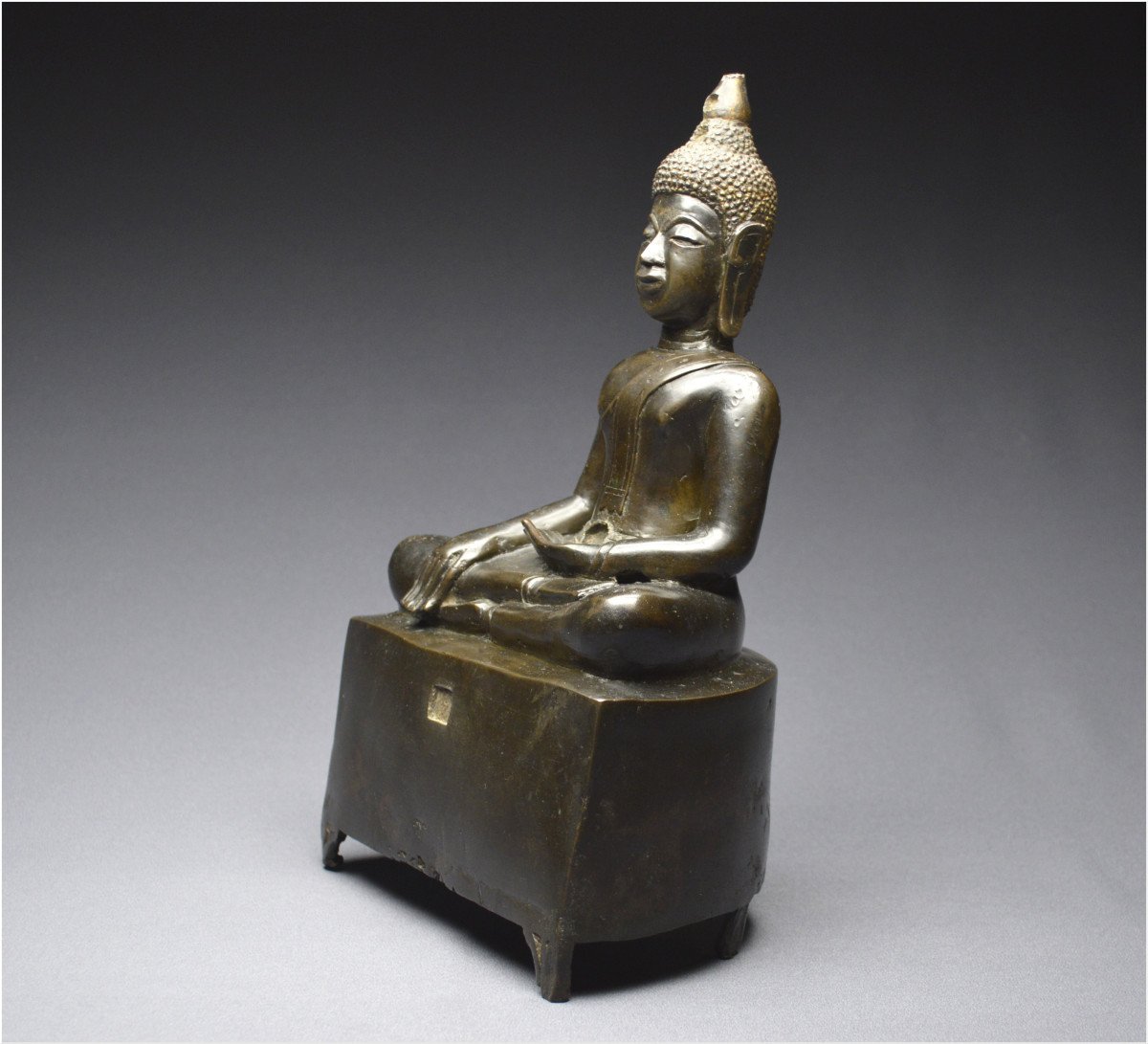
Cambodia, 19th Century, Imposing Maravijaya Buddha In Bronze With Dark Patina

Sold
Cambodia, 19th Century, Imposing Maravijaya Buddha In Bronze With Dark Patina
Sold
Cambodia, 19th Century, Imposing Maravijaya Buddha In Bronze With Dark Patina-photo-2
Sold
Cambodia, 19th Century, Imposing Maravijaya Buddha In Bronze With Dark Patina-photo-3
Sold
Cambodia, 19th Century, Imposing Maravijaya Buddha In Bronze With Dark Patina-photo-4
Sold
Cambodia, 19th Century, Imposing Maravijaya Buddha In Bronze With Dark Patina-photo-1
Sold
Cambodia, 19th Century, Imposing Maravijaya Buddha In Bronze With Dark Patina-photo-2
Sold
Cambodia, 19th Century, Imposing Maravijaya Buddha In Bronze With Dark Patina-photo-3
Sold
Cambodia, 19th Century, Imposing Maravijaya Buddha In Bronze With Dark Patina-photo-4
Sold
Cambodia, 19th Century, Imposing Maravijaya Buddha In Bronze With Dark Patina-photo-5
Sold
Cambodia, 19th Century, Imposing Maravijaya Buddha In Bronze With Dark Patina-photo-6
Sold
Cambodia, 19th Century, Imposing Maravijaya Buddha In Bronze With Dark Patina-photo-7
Sold
Cambodia, 19th Century, Imposing Maravijaya Buddha In Bronze With Dark Patina-photo-8
More pictures

Imposing Maravijaya Buddha with dark patina

Cambodia
19th century


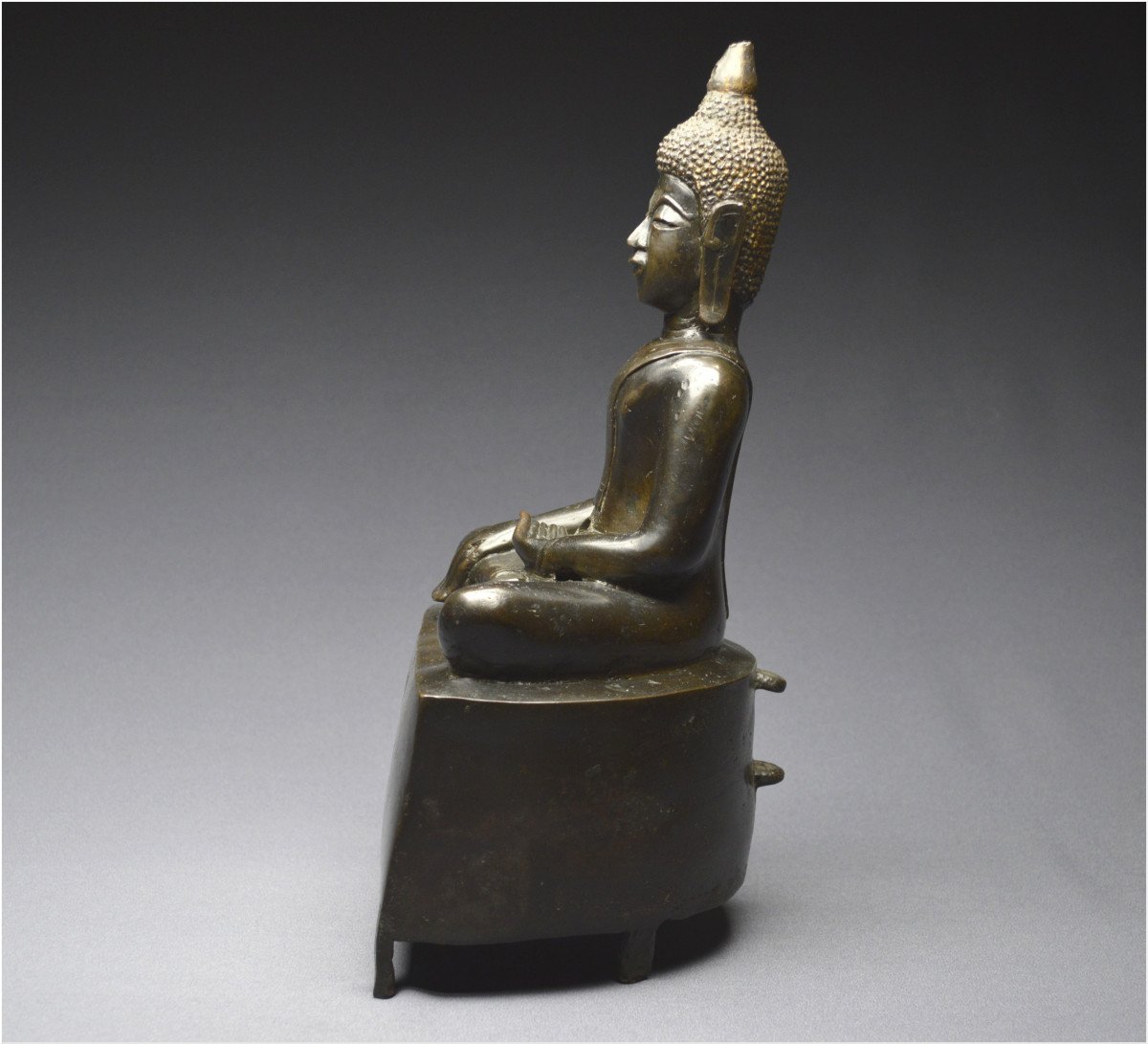
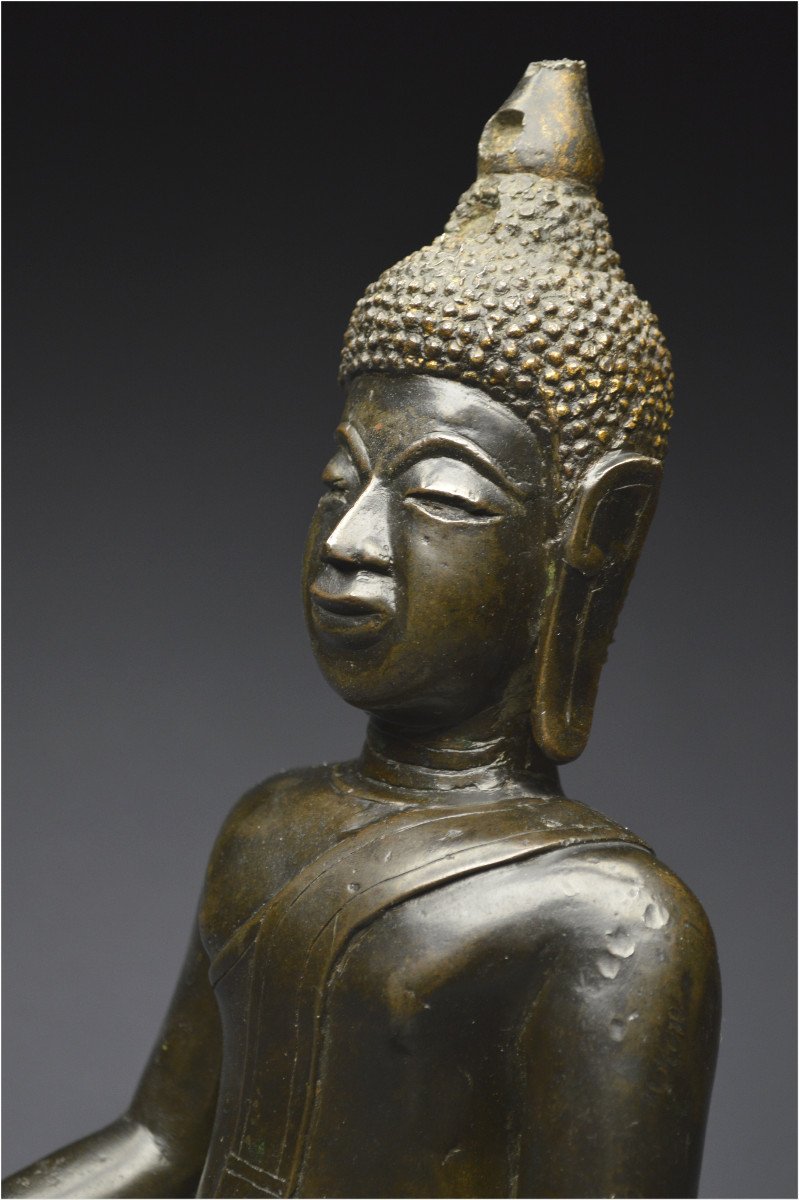
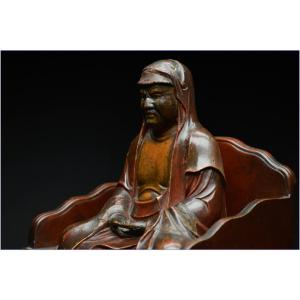
The Buddha is represented seated cross-legged on a high quadripod base. The right leg is folded over the left leg, the right hand brushing the ground with the tips of the fingers in the gesture of taking the Earth to witness (Bumisparsa Mudra), the left hand placed in his lap, the palm turned towards the outside. This gesture symbolizes the victory of the Awakened over Mâra, prince of desires and personification of death. The Awakened is dressed in the utarasanga, the monastic robe, leaving the right shoulder uncovered. The face is characterized by half-closed almond-shaped eyes framing an aquiline nose, the latter overhanging a mouth with fleshy lips. The ears have lobes distended by the weight of the ornaments that the Blessed used to wear as a prince. The hairstyle consists of small pimples, the skull surmounted by the usnisa from which emerges the rasmi.
The back of the base is decorated with two small rings which originally received a parasol. The base and the Buddha are decorated with small cavities once adorned with gems.

Bronze
Top of the rasm is missing, small hole under the left forearm (photos 7 and 11)
23.6 x 35.7 cm

Explore similar pieces and discover your ideal find:

Asian Bronze Sculptures

Antique Thai Bronze Buddha Head Fragment, Ayutthaya Period, 15th–16th Century
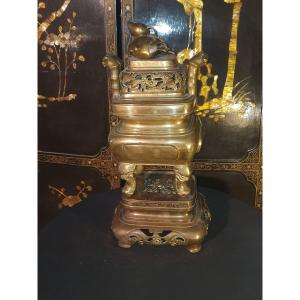
Perfume Burner Indochina China
Japanese Vase - Ref: Jw124
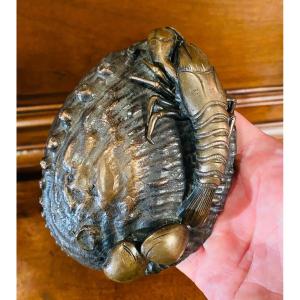
Japanese Bronze Langoustines And Clams On An Abalone, Meiji Period
Gilded Bronze “court Dancer” Siam Early 19th Century
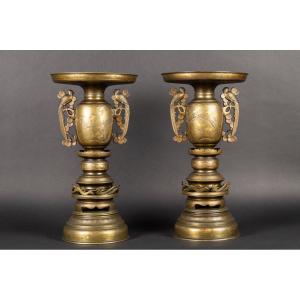
Pair Of Usubata Vases, Bronze - Silver - Gold, Japan, Meiji Era (1868-1912).

03 Allée Henri le Navigateur
Villefontaine 38090, France

04 74 96 36 93

07 88 06 74 56

Follow the dealer

CONTACT

SIGN UP TO OUR NEWSLETTER

facebook
instagram

Cultures & Civilisations
Pair Of Usubata Vases, Bronze - Silver - Gold, Japan, Meiji Era (1868-1912).
1243858-main-657313bc0ffb2.jpg

04 74 96 36 93

07 88 06 74 56


*We will send you a confirmation email from info@proantic.com .
Please check your messages, including the spam folder.