THIS OBJECT WAS SOLD
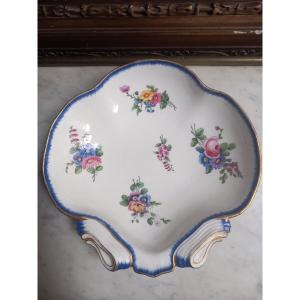
Sèvres - Shell Dish In Soft Paste Porcelain 18th Century
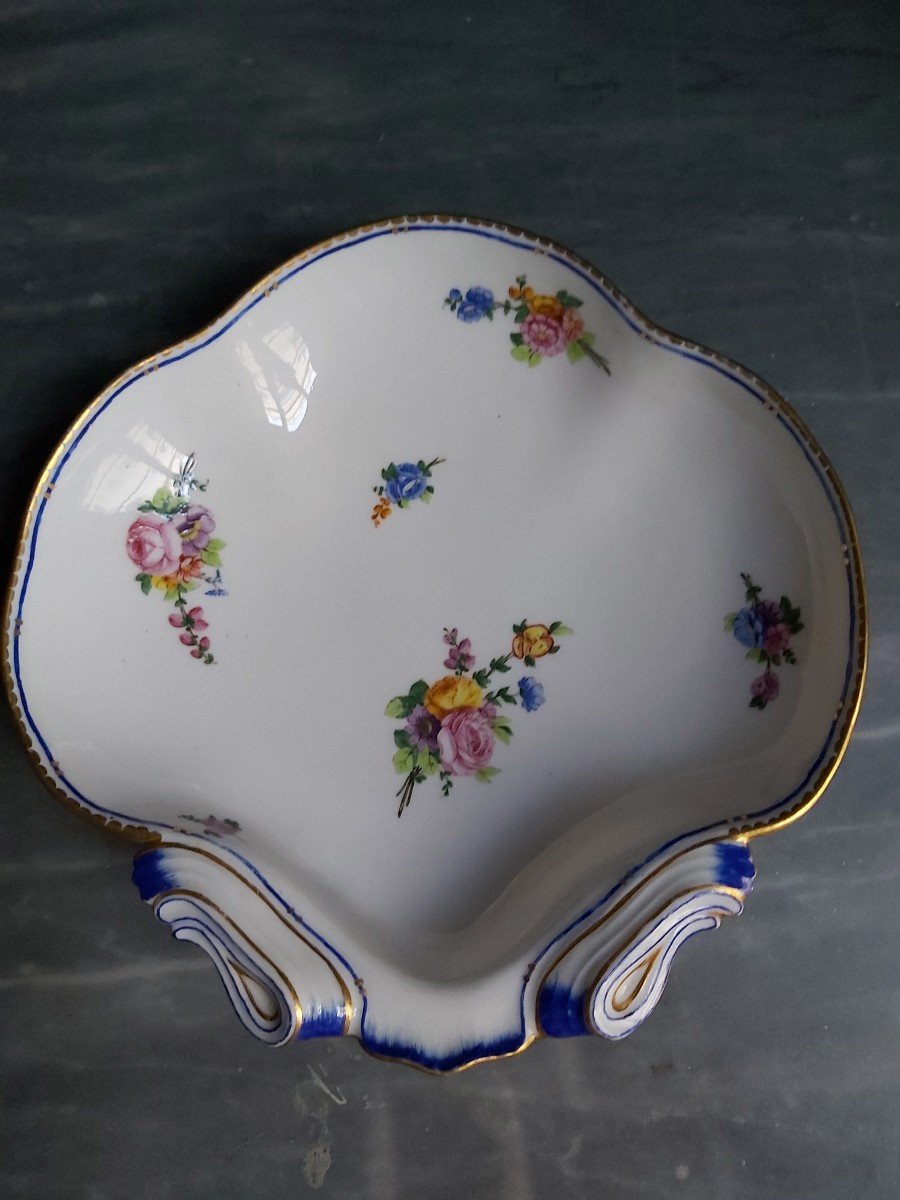
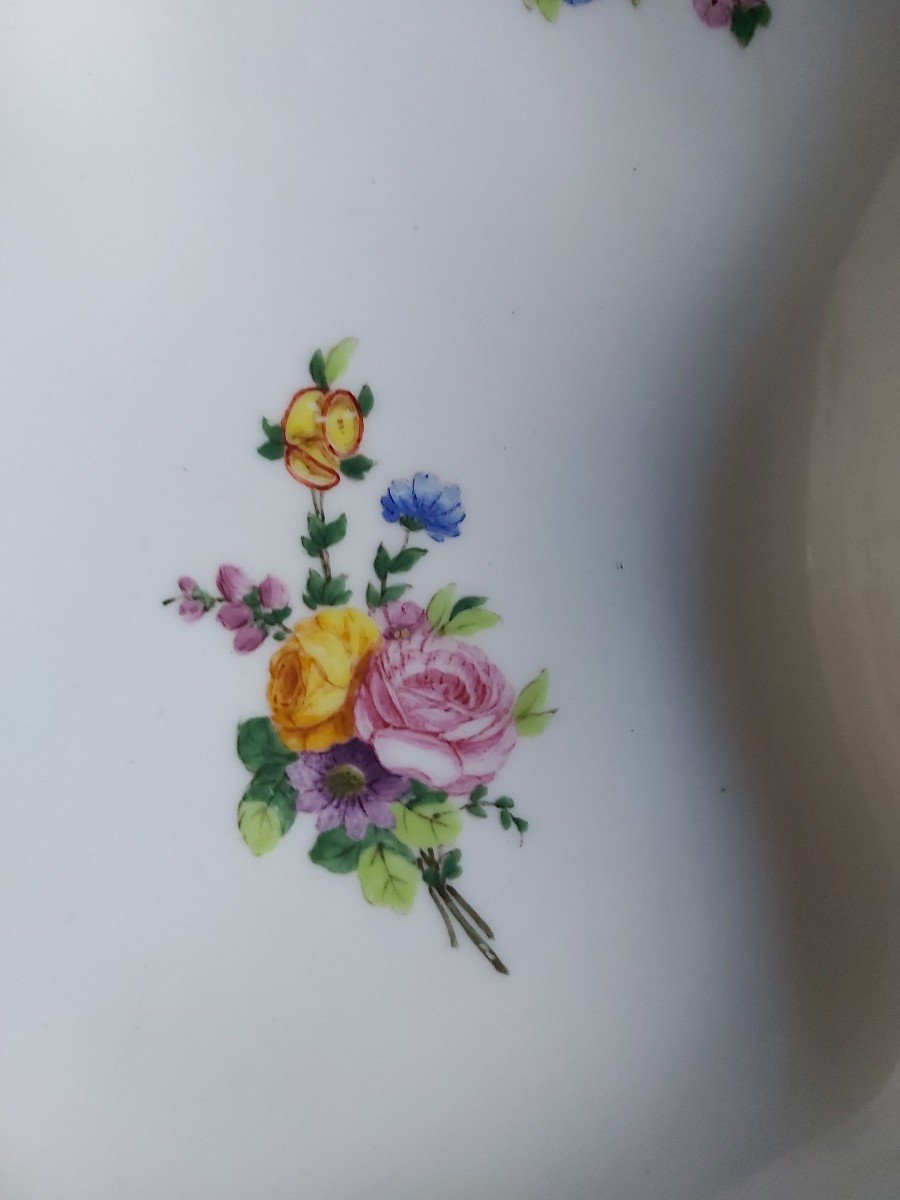
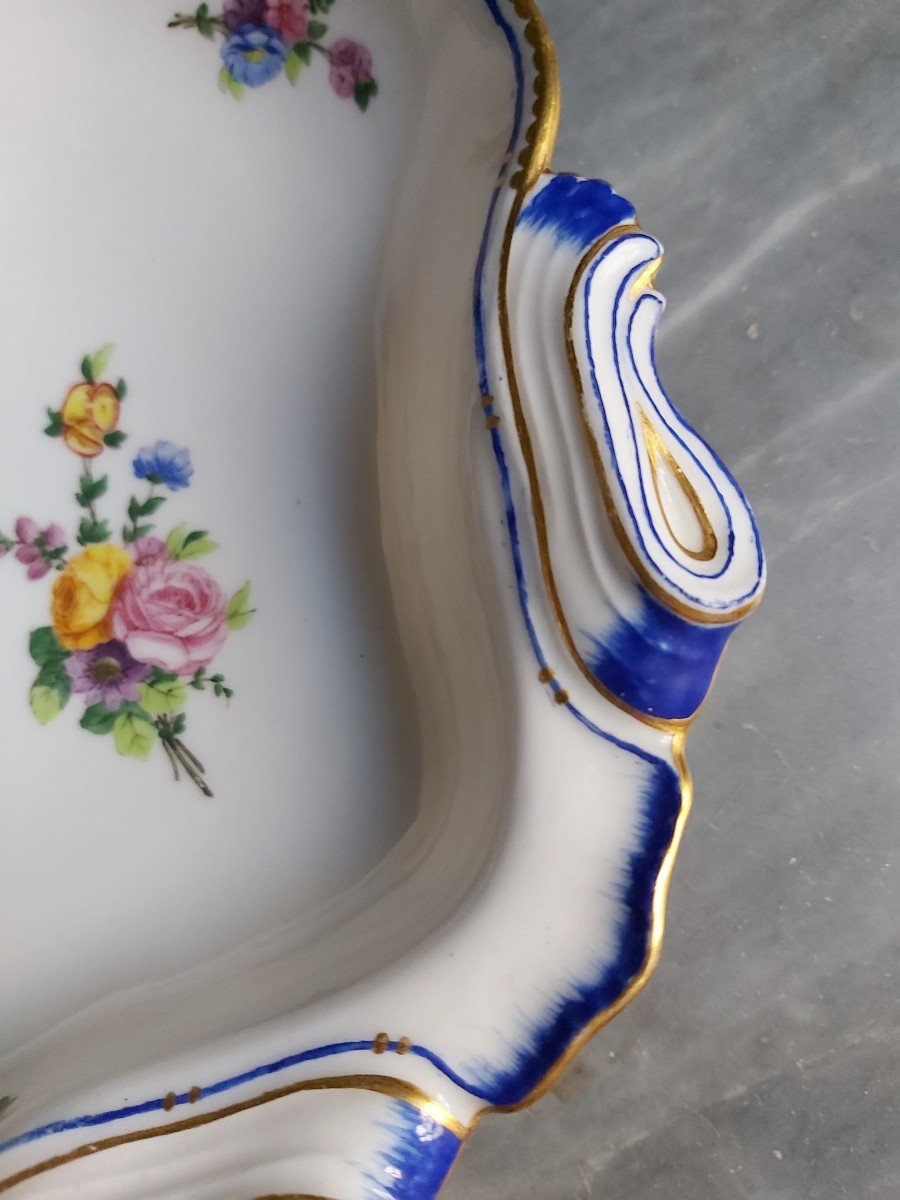
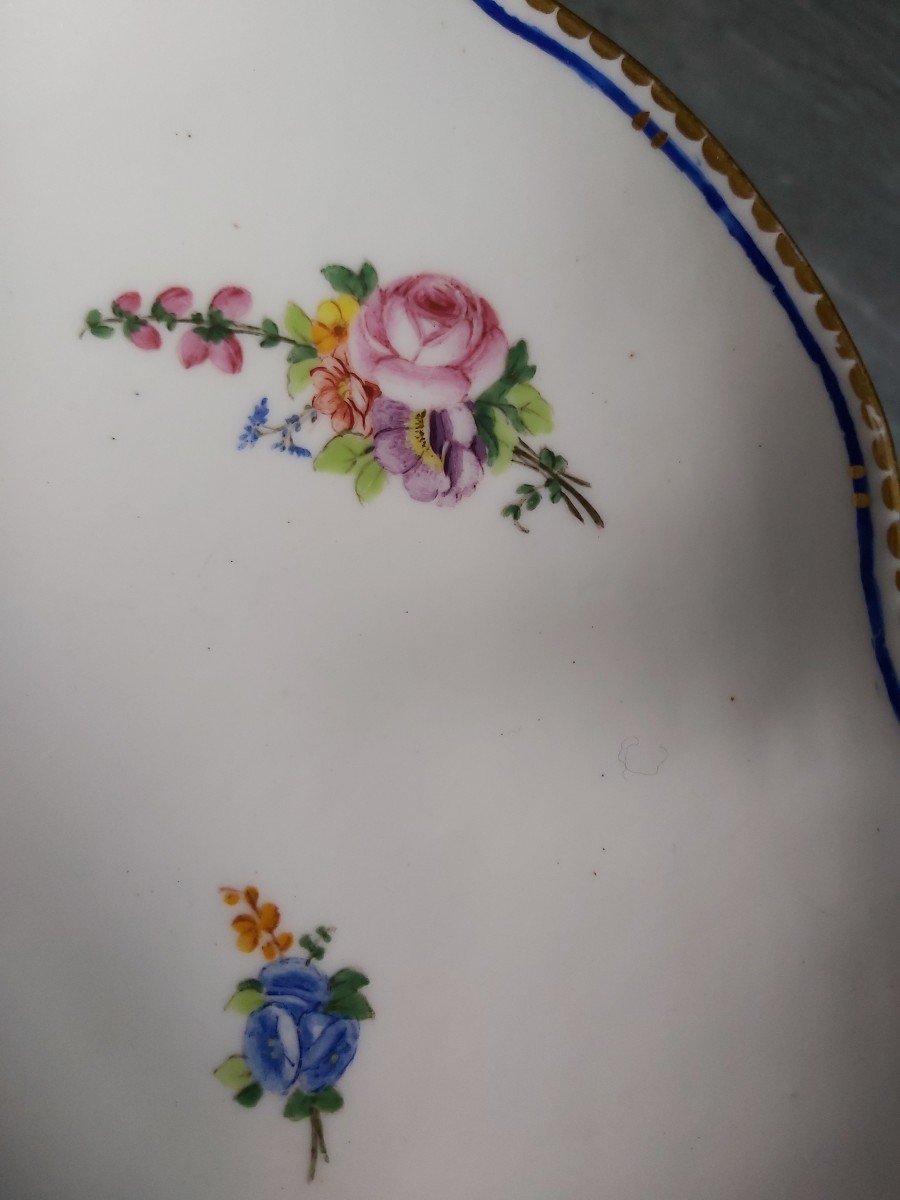
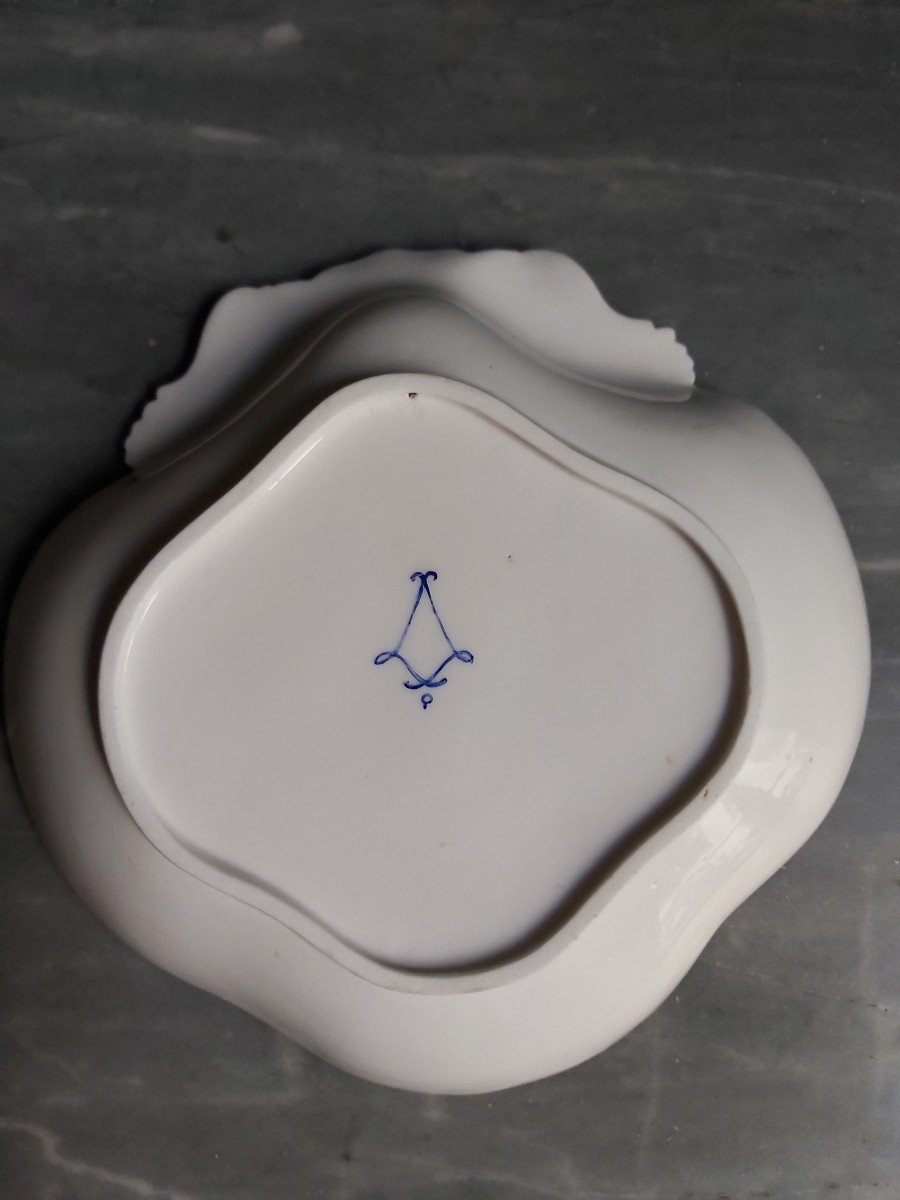
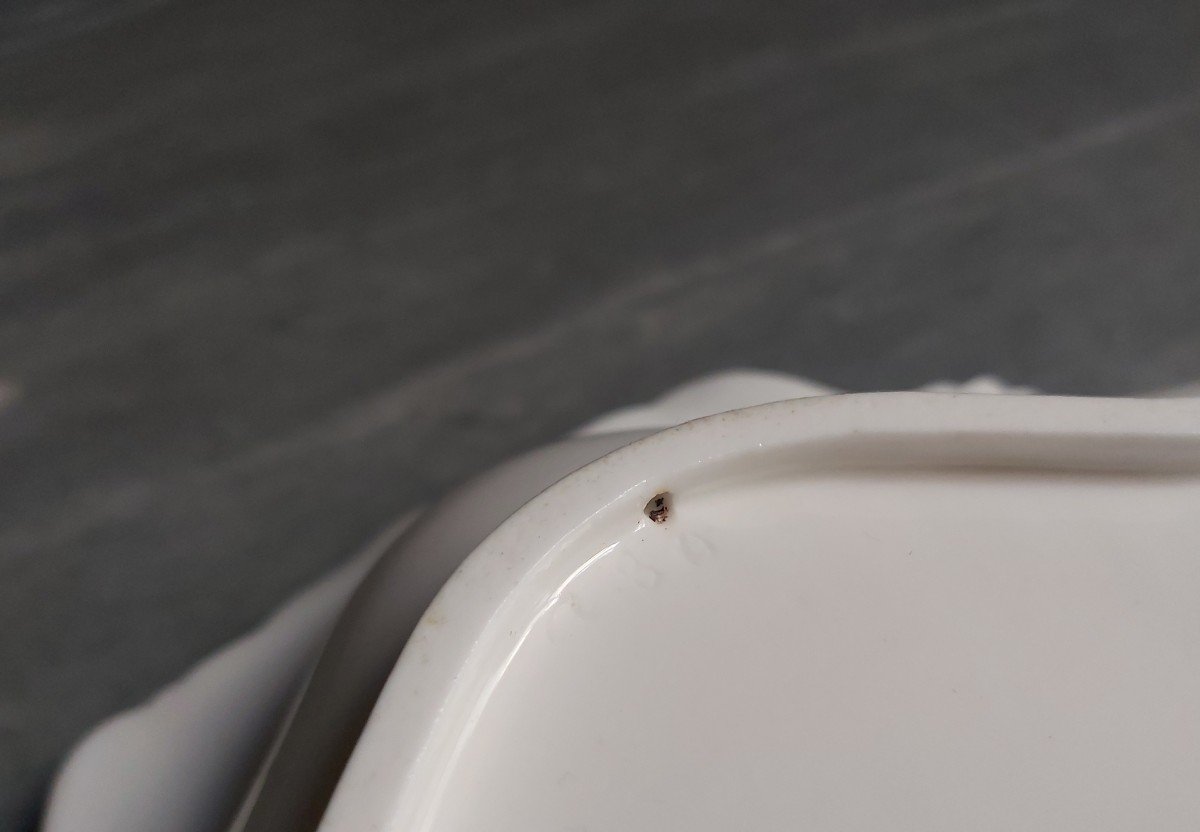


Soft Sèvres porcelain shell fruit bowl with polychrome decoration of detached bouquets of blue nets and combs, gold nets and wolf teeth.
blue mark with interlaced L and hollow mark. Painter mark for Cardin ( active at Sèvres manufactory between 1750 and 1787)
Sèvres porcelain comes from one of the most important manufactures in Europe. Founded in 1740, it remains world famous today. The Sèvres Manufactory was developed under the patronage of Louis XV under the influence of Madame de Pompadour. Originally located in Vincennes then moved to Sèvres in 1756, it produced so-called soft porcelain and then hard porcelain following the discovery of a Kaolin deposit near Limoges and marketed from 1770. Over the political regimes it is found on all royal, imperial or presidential tables. Sèvres continuously produced new fashionable models which were widely admired and imitated.
blue mark with interlaced L and hollow mark. Painter mark for Cardin ( active at Sèvres manufactory between 1750 and 1787)
Sèvres porcelain comes from one of the most important manufactures in Europe. Founded in 1740, it remains world famous today. The Sèvres Manufactory was developed under the patronage of Louis XV under the influence of Madame de Pompadour. Originally located in Vincennes then moved to Sèvres in 1756, it produced so-called soft porcelain and then hard porcelain following the discovery of a Kaolin deposit near Limoges and marketed from 1770. Over the political regimes it is found on all royal, imperial or presidential tables. Sèvres continuously produced new fashionable models which were widely admired and imitated.
Explore similar pieces and discover your ideal find:
Porcelain Serveware