THIS OBJECT WAS SOLD
Portrait Of Sir Thomas Wharton (c.1615-1684), 18th Century British School


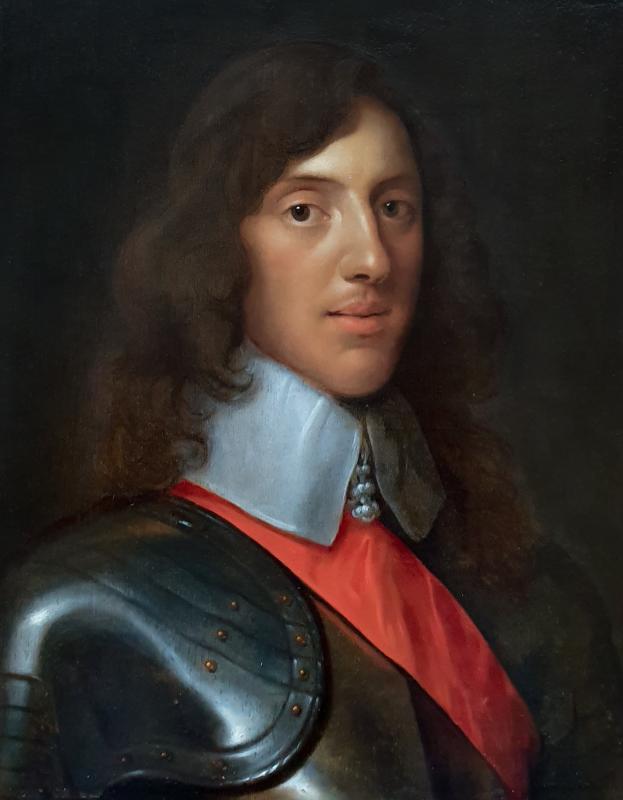
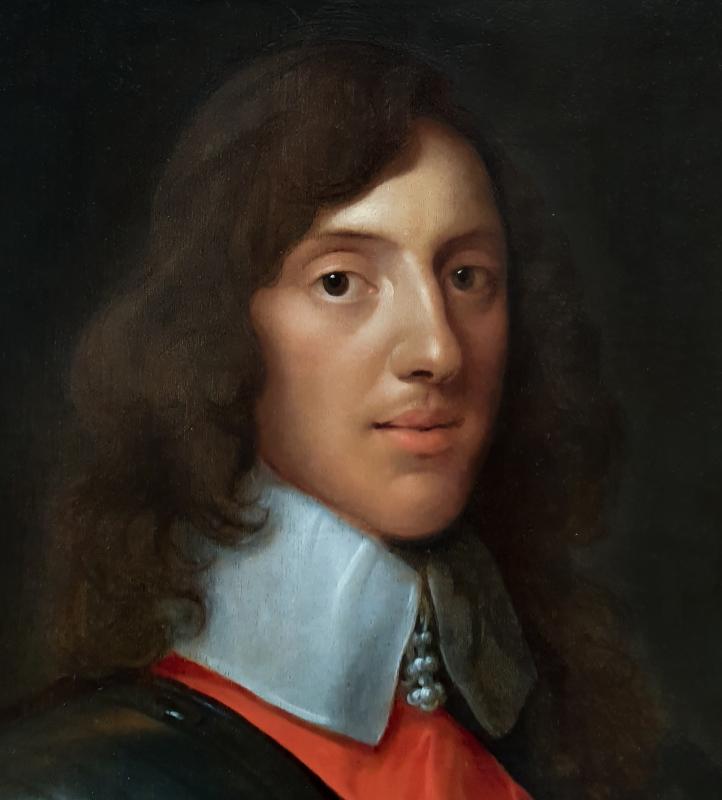
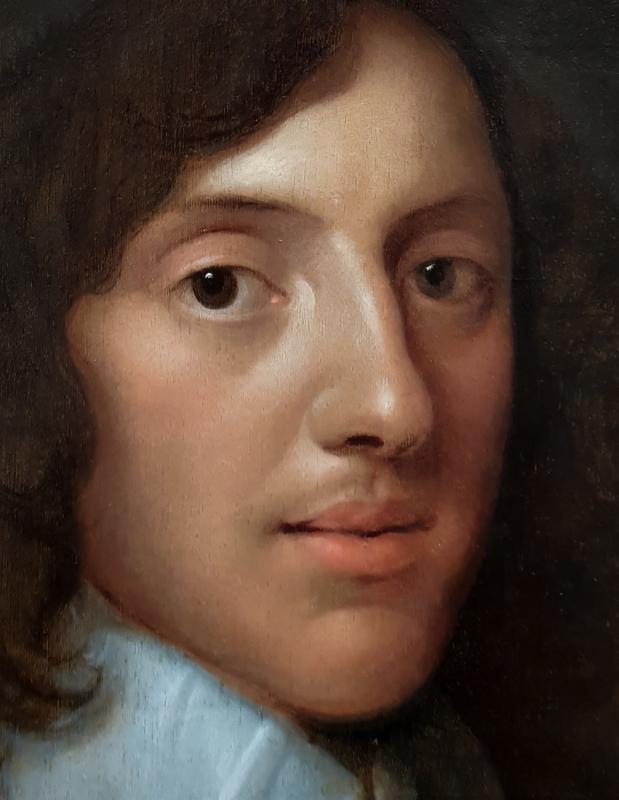
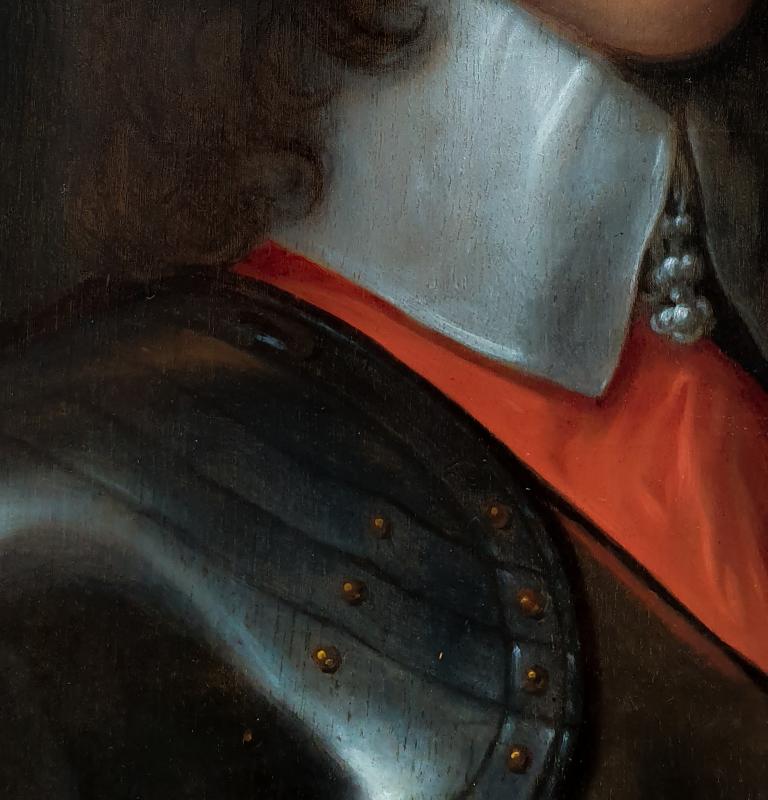
Portrait of Sir Thomas Wharton (c.1615-1684), 18th Century British School
After Anthony van Dyck (1599 - 1641)
A very attractive example of the type of small-scale panel portraits often of splendid beauties of the time, that were fashionable from the mid-17th century up to the late 19th century. The portrait represents Sir Thomas Wharton (c.1615-1684) of Edlington, Yorkshire at the age of about 25 in the year 1639. Sir Thomas was an English politician who sat in the House of Commons in 1659 and 1660 and a respected professional soldier who served for a number of years as a commander of foot in Ireland. He was the son of Sir Thomas Wharton of Aske Hall and his wife Lady Philadelphia Carey, daughter of Robert Carey, 1st Earl of Monmouth. He was educated at Eton College from 1624 to 1625 and matriculated at Exeter College, Oxford in 1626 at the age of just 11. Three years later he set out on a Grand Tour of France, an expected cultural exercise for aristocratic young gentleman. When he returned he entered Lincoln's Inn in 1638. In 1659, Wharton was elected Member of Parliament in the Third Protectorate Parliament and he was re-elected MP for Westmorland in 1660 for the Convention Parliament.
Wharton married firstly in 1645, his cousin Lady Mary Carey daughter of Henry Carey, 1st Earl of Dover and had a son, Philip, and three daughters. She died in 1672 and he married Jane Robinson in 1677. They had two daughters. His elder brother Philip inherited the barony from their grandfather. His son survived him for only six months.
Sir Thomas has been depicted wearing glistening armour and a bright red riband which represents the Order of the Bath, as he was created Knight of the Bath on 2 February 1626. Knights of the Bath were knighthoods which were originally part of a more formal ceremony than 'dubbing' and associated with important Royal occasions such as coronations, weddings or investitures. The last of these Knights of the Bath were created at the coronation of Charles II in 1661. These knighthoods predate the modern Order of the Bath, and were not part of a Military Order.
During the 17th century Theodore Russell, or Roussel (1614-1688/9), and Remigius van Leemput are perhaps, today, the most well-known artists to paint small scale versions of Anthony Van Dyck’s portraits. Sets of them are to be found in many houses such as Knowle, Woburn, and Southside Wimbledon, and the Royal Collection. Our portrait was painted during the 18th century based on Van Dyck’s life-sized portrait of the sitter at Berkeley Castle. Two near identical 17th century works to ours, by Theodore Russell, were in Lord Wharton’s collection - one appears to have been sold at Christies 27th May 1977).
On the reverse of the panel is an old painted inventory number (89). Presented in an antique frame.
Provenance: Private UK collection
Measurements: Height 47cm, Width 39cm framed (Height 18.5”, Width 15.5” framed)
After Anthony van Dyck (1599 - 1641)
A very attractive example of the type of small-scale panel portraits often of splendid beauties of the time, that were fashionable from the mid-17th century up to the late 19th century. The portrait represents Sir Thomas Wharton (c.1615-1684) of Edlington, Yorkshire at the age of about 25 in the year 1639. Sir Thomas was an English politician who sat in the House of Commons in 1659 and 1660 and a respected professional soldier who served for a number of years as a commander of foot in Ireland. He was the son of Sir Thomas Wharton of Aske Hall and his wife Lady Philadelphia Carey, daughter of Robert Carey, 1st Earl of Monmouth. He was educated at Eton College from 1624 to 1625 and matriculated at Exeter College, Oxford in 1626 at the age of just 11. Three years later he set out on a Grand Tour of France, an expected cultural exercise for aristocratic young gentleman. When he returned he entered Lincoln's Inn in 1638. In 1659, Wharton was elected Member of Parliament in the Third Protectorate Parliament and he was re-elected MP for Westmorland in 1660 for the Convention Parliament.
Wharton married firstly in 1645, his cousin Lady Mary Carey daughter of Henry Carey, 1st Earl of Dover and had a son, Philip, and three daughters. She died in 1672 and he married Jane Robinson in 1677. They had two daughters. His elder brother Philip inherited the barony from their grandfather. His son survived him for only six months.
Sir Thomas has been depicted wearing glistening armour and a bright red riband which represents the Order of the Bath, as he was created Knight of the Bath on 2 February 1626. Knights of the Bath were knighthoods which were originally part of a more formal ceremony than 'dubbing' and associated with important Royal occasions such as coronations, weddings or investitures. The last of these Knights of the Bath were created at the coronation of Charles II in 1661. These knighthoods predate the modern Order of the Bath, and were not part of a Military Order.
During the 17th century Theodore Russell, or Roussel (1614-1688/9), and Remigius van Leemput are perhaps, today, the most well-known artists to paint small scale versions of Anthony Van Dyck’s portraits. Sets of them are to be found in many houses such as Knowle, Woburn, and Southside Wimbledon, and the Royal Collection. Our portrait was painted during the 18th century based on Van Dyck’s life-sized portrait of the sitter at Berkeley Castle. Two near identical 17th century works to ours, by Theodore Russell, were in Lord Wharton’s collection - one appears to have been sold at Christies 27th May 1977).
On the reverse of the panel is an old painted inventory number (89). Presented in an antique frame.
Provenance: Private UK collection
Measurements: Height 47cm, Width 39cm framed (Height 18.5”, Width 15.5” framed)
Explore similar pieces and discover your ideal find:
Portraits