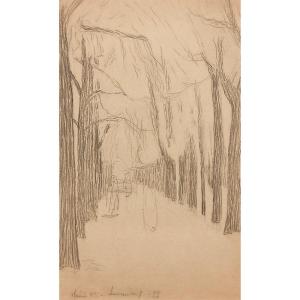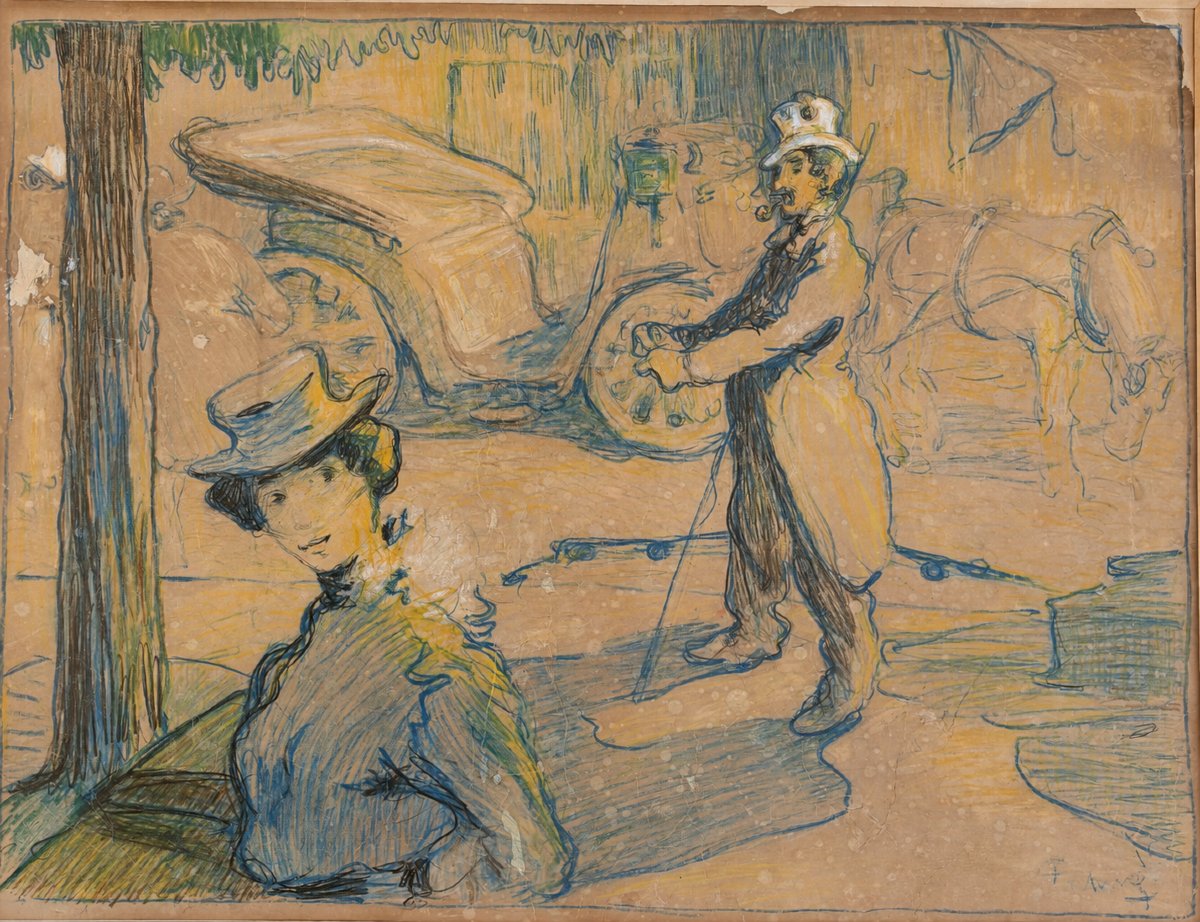



Louis Fortuney (1878–1951) - Rue De Paris
Artist: Louis Fortuney (1878-1951)
Louis Fortuney (1878–1951)
Rue de Paris
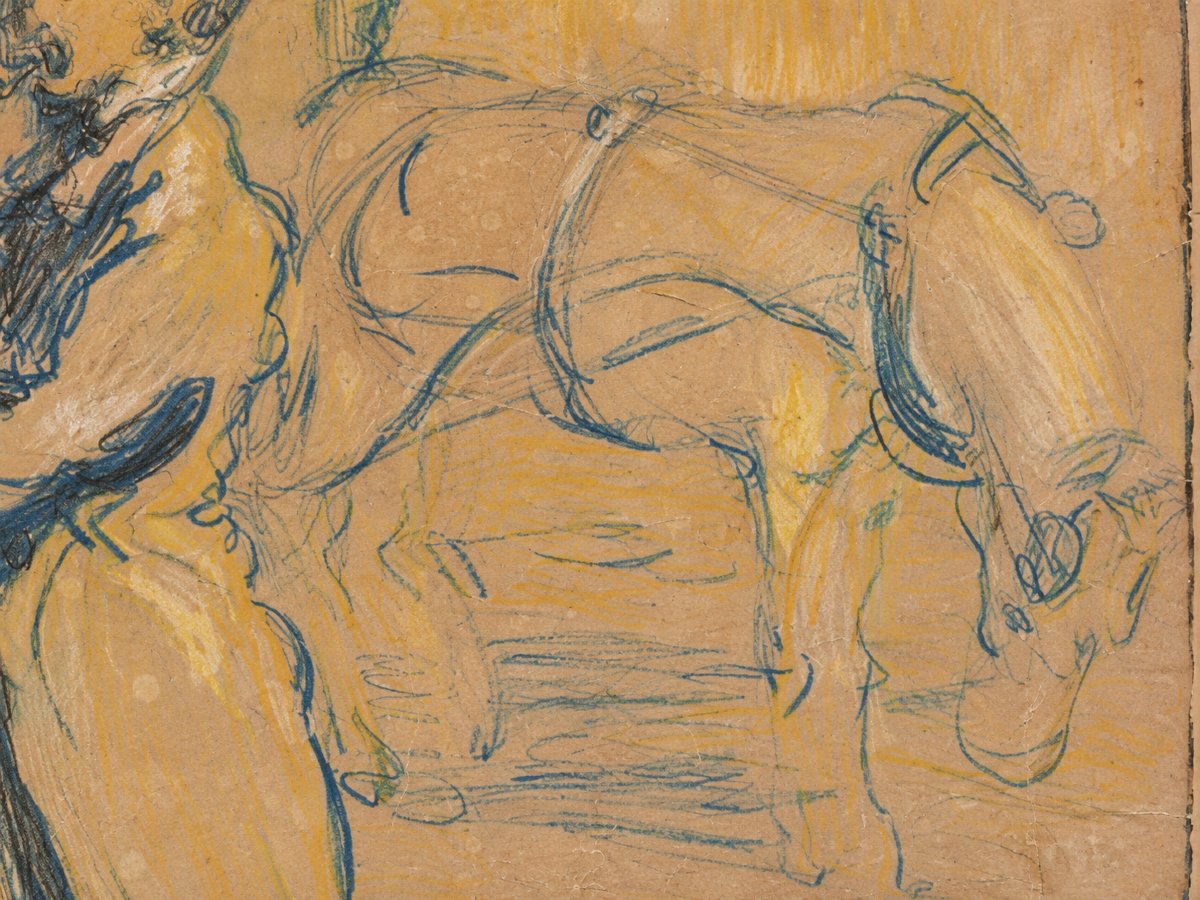
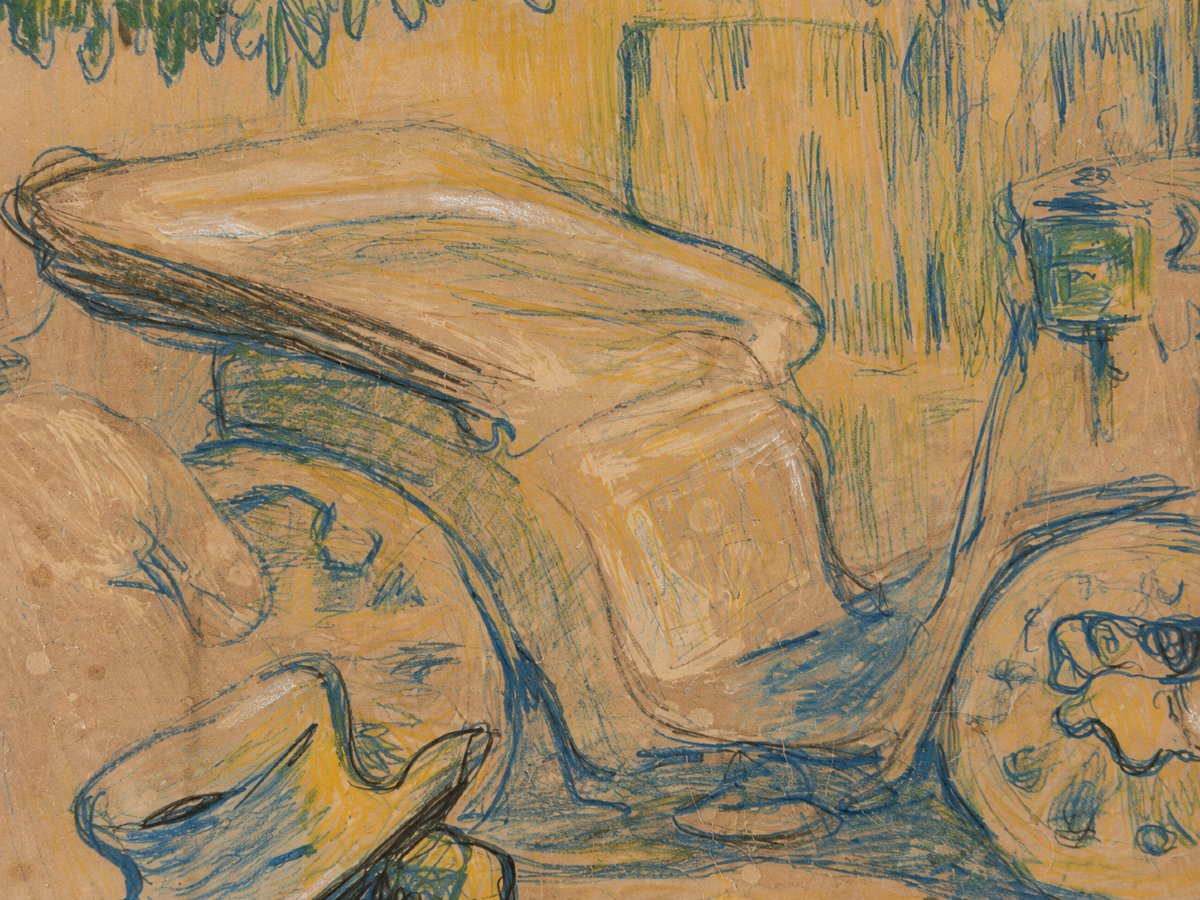
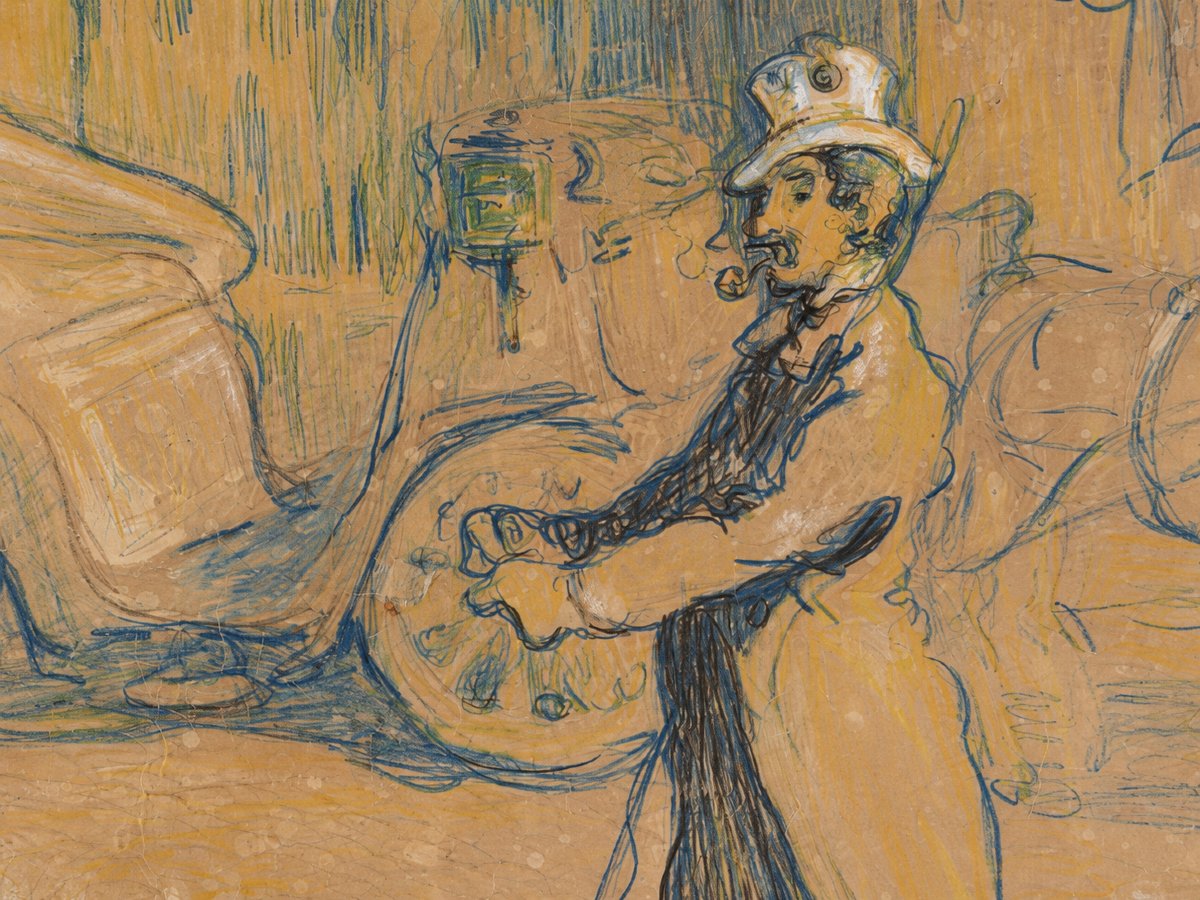
Mixed media on paper, signed lower right.
52.5 x 40 cm
Provenance :
Private collection, southern France.
Louis Fortuney (1878–1951)
A pastel artist of theBelle Époque, between Paris and the Mediterranean
Louis Ernest FortunéAndrieux, who signed his work as Louis Fortuney, was a French painter born in 1878 inArgeliers, in the Aude department. To avoid confusion with the politicianLouis Andrieux, he adopted the pseudonym Fortuney. A painter, pastel artist,engraver, and lithographer, he also worked in fresco. He died in 1951. He began his studies atthe École des Beaux-Arts in Toulouse, where he won two prizes. At the age of twenty, hemoved to Paris and learned illustration under Toulouse-Lautrec. Thisencounter had a lasting impact on his artistic vision: he retained a taste for scenes capturedon the spot, with swift lines and bold colors.
Paris and the BelleÉpoque
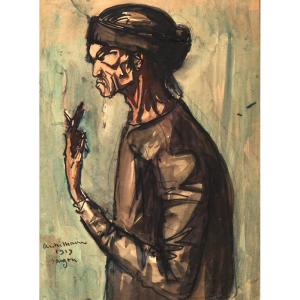
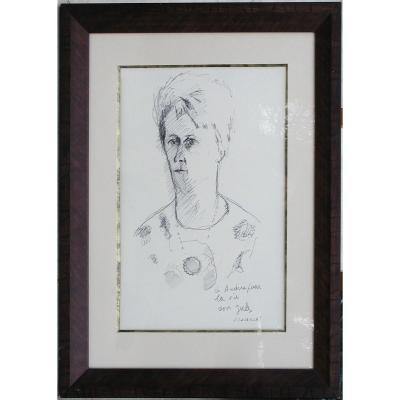
Fortuney workedprimarily in pastel, a technique that was very much in vogue at the time. His Parisian subjectsincluded cafés, theaters, ballet, opera, elegant women, portraits,and vaudeville. He excels at rendering the velvety texture of fabrics andskin tones. His figures, often smiling, sometimes mischievous, are capturedwith quick yet precise strokes and vivid colors. He follows in thetradition of Toulouse-Lautrec, Renoir, Gervex, and Sisley, though he did not wish to be classifiedamong the Post-Impressionists or the Fauves, to whom he was nevertheless closely related.
An Independent Artist
Known as an anarchist,Fortuney refused to exhibit at the Salon. He kept his distance from the official art sceneand dealer contracts. Nevertheless, he associated with some of the greats: he wasa friend of Rodin, with whom he painted in Cagnes-sur-Mer.
The Sea and the Lightof the South
He traveled to Spain in theearly 20th century. Flamenco dancers and Gypsy womeninspired his pastel portraits. The sea, the light of Brittany, and that ofthe Mediterranean were also major sources of inspiration. The government commissioned himto create large canvases to decorate the Ministry of the Navy, but despiterumors, he was never an official painter of the Navy. Later, he returnedto the South of France. There he painted mainly landscapes, marked bythe influence of Renoir and Degas, and numerous seascapes, particularlyaround Saint-Raphaël on the French Riviera. The red rocks of the Estérelwere among his favorite subjects.
1 500 €
Period: 20th century
Style: Modern Art
Condition: Good condition
Length: 52,5
Width: 40
Reference (ID): 1840319
Availability: In stock
Print