THIS OBJECT WAS SOLD
Samson Porcelain Monkey Teapot (kandler - Meissen)
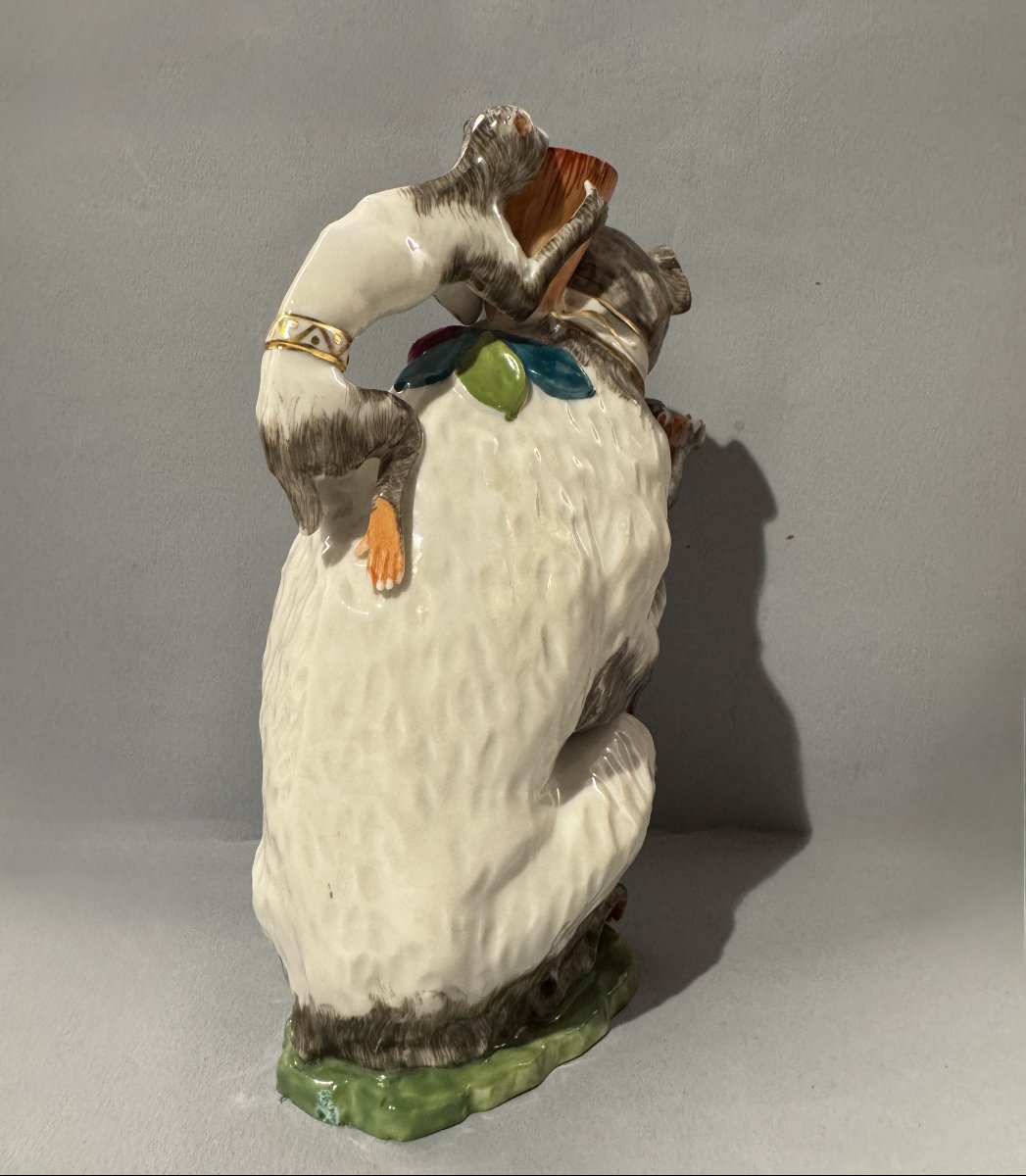
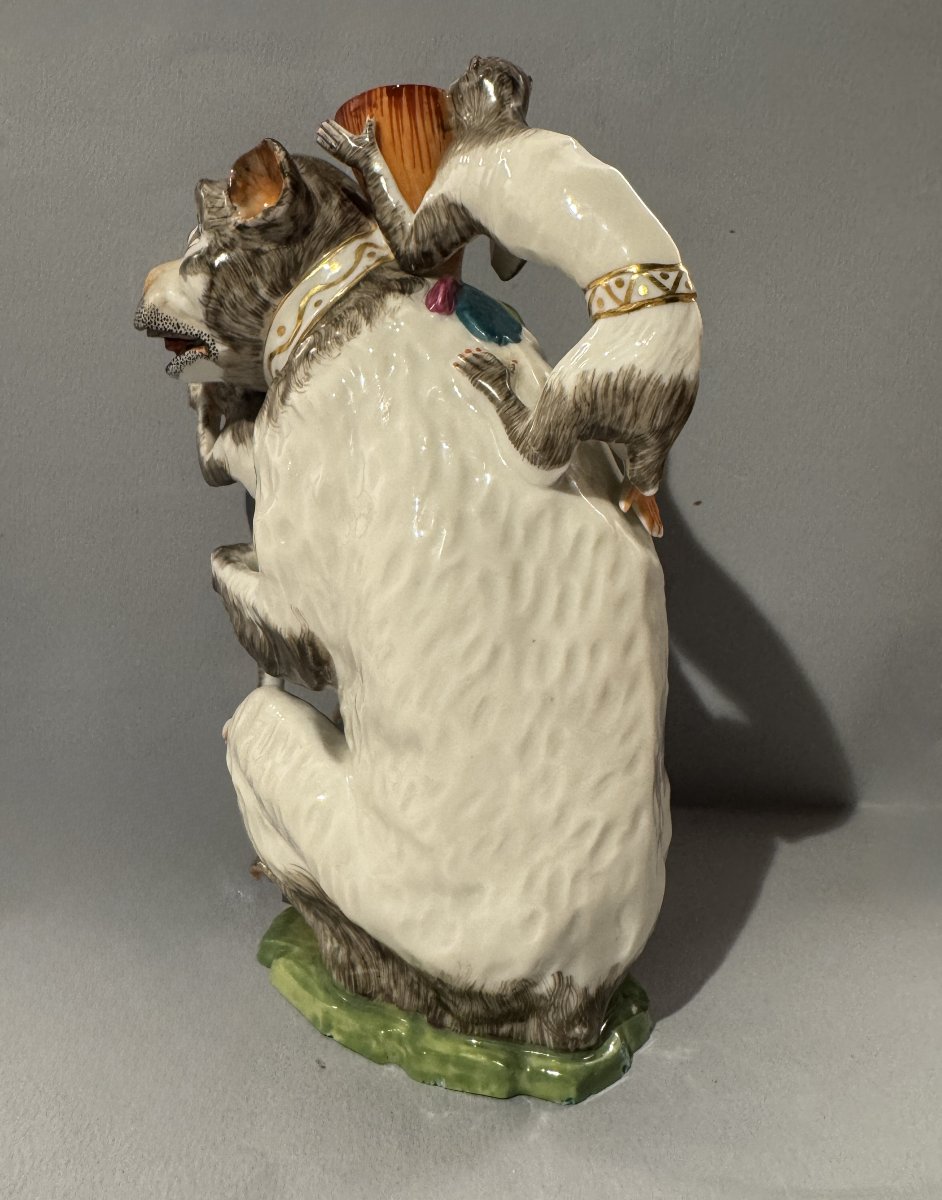
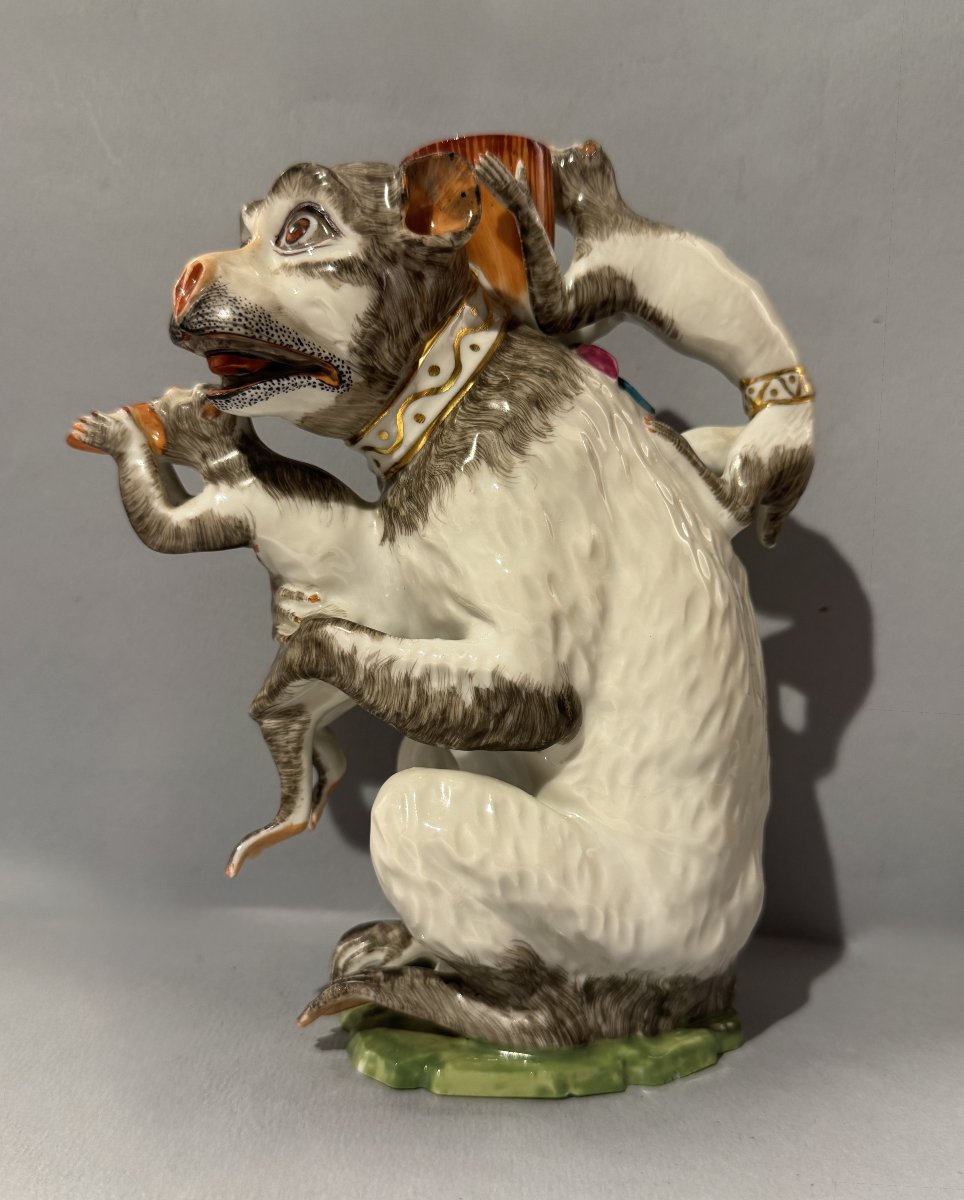
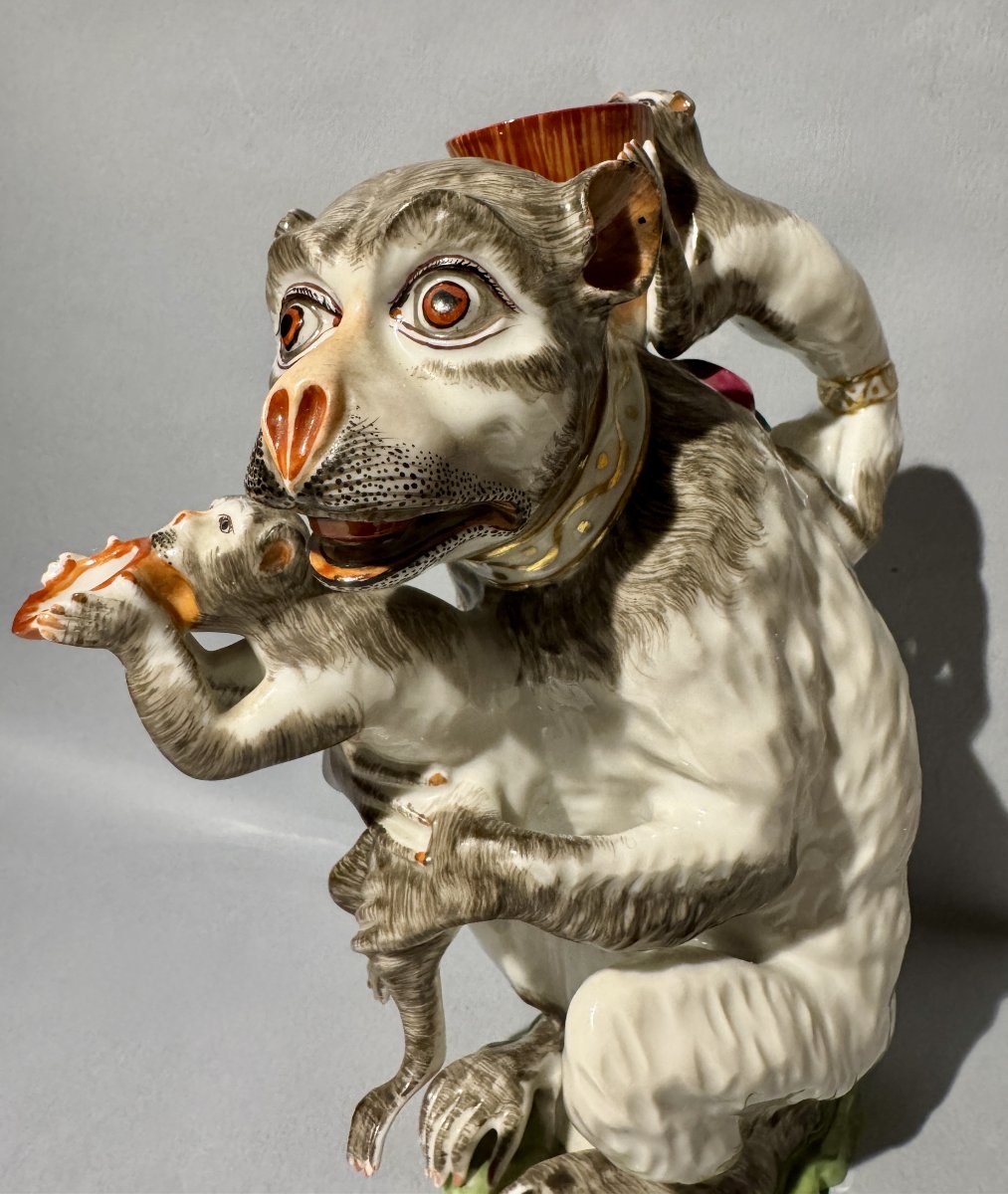
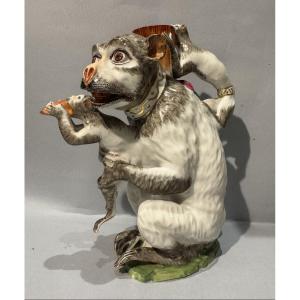


Paris, circa 1880.
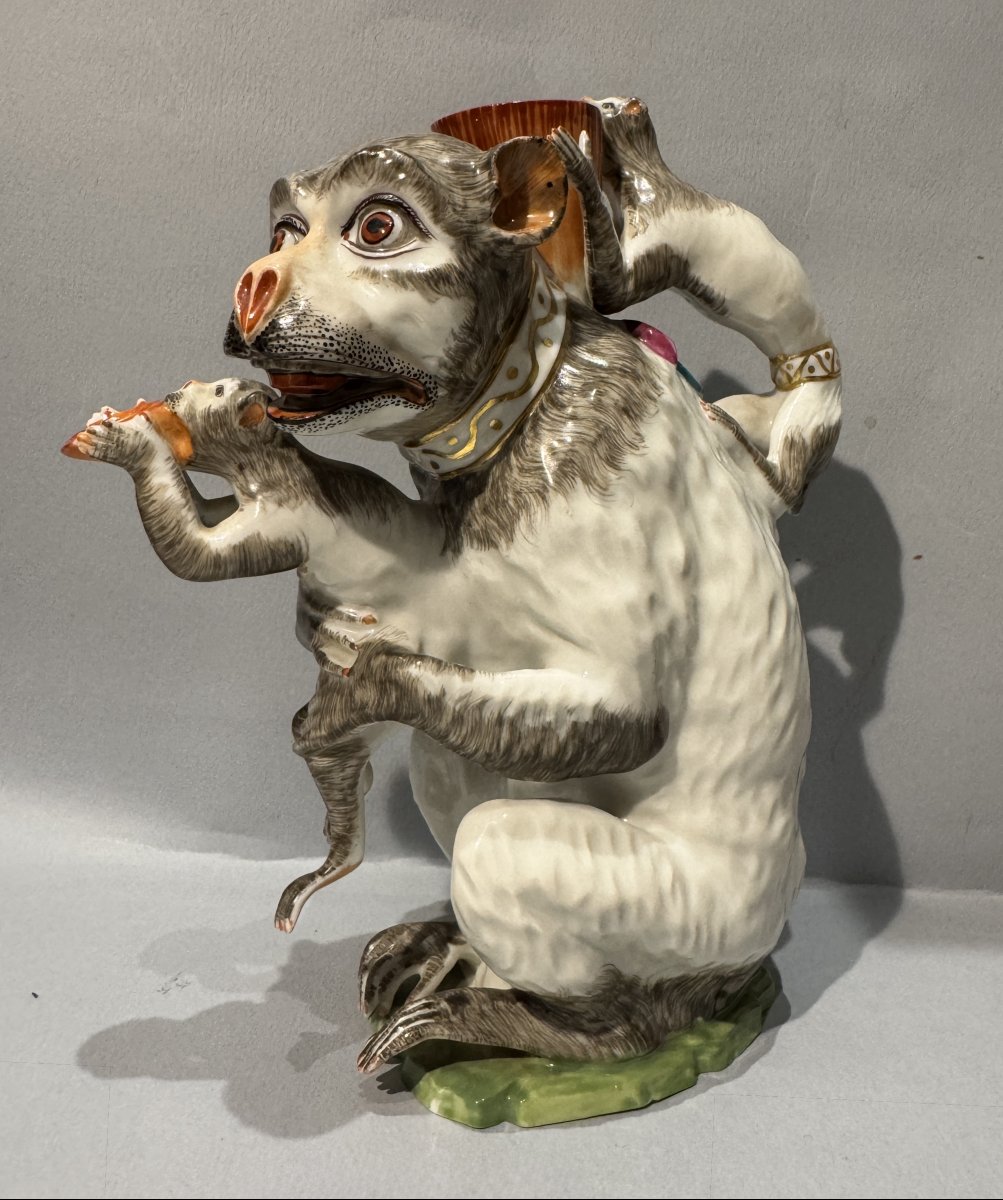
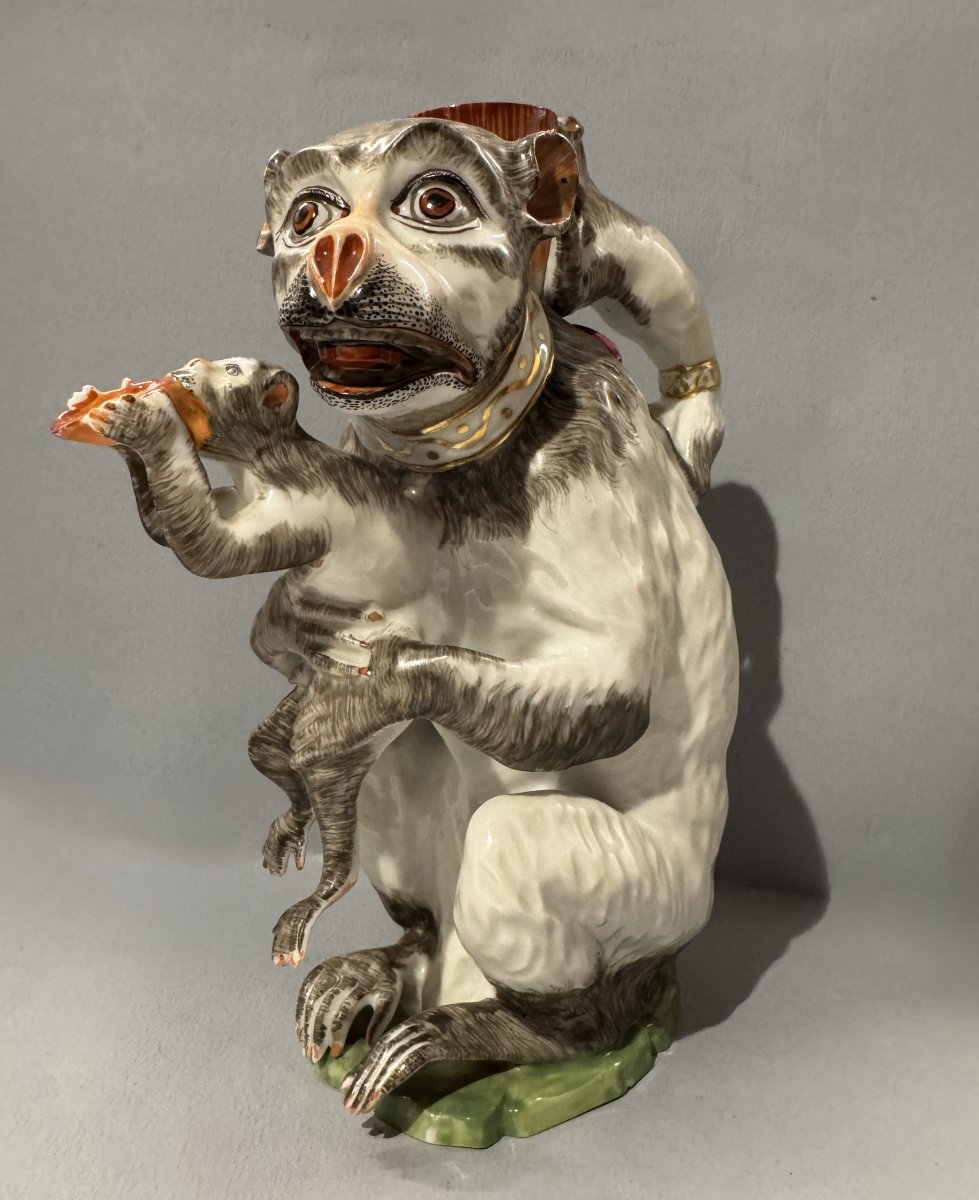
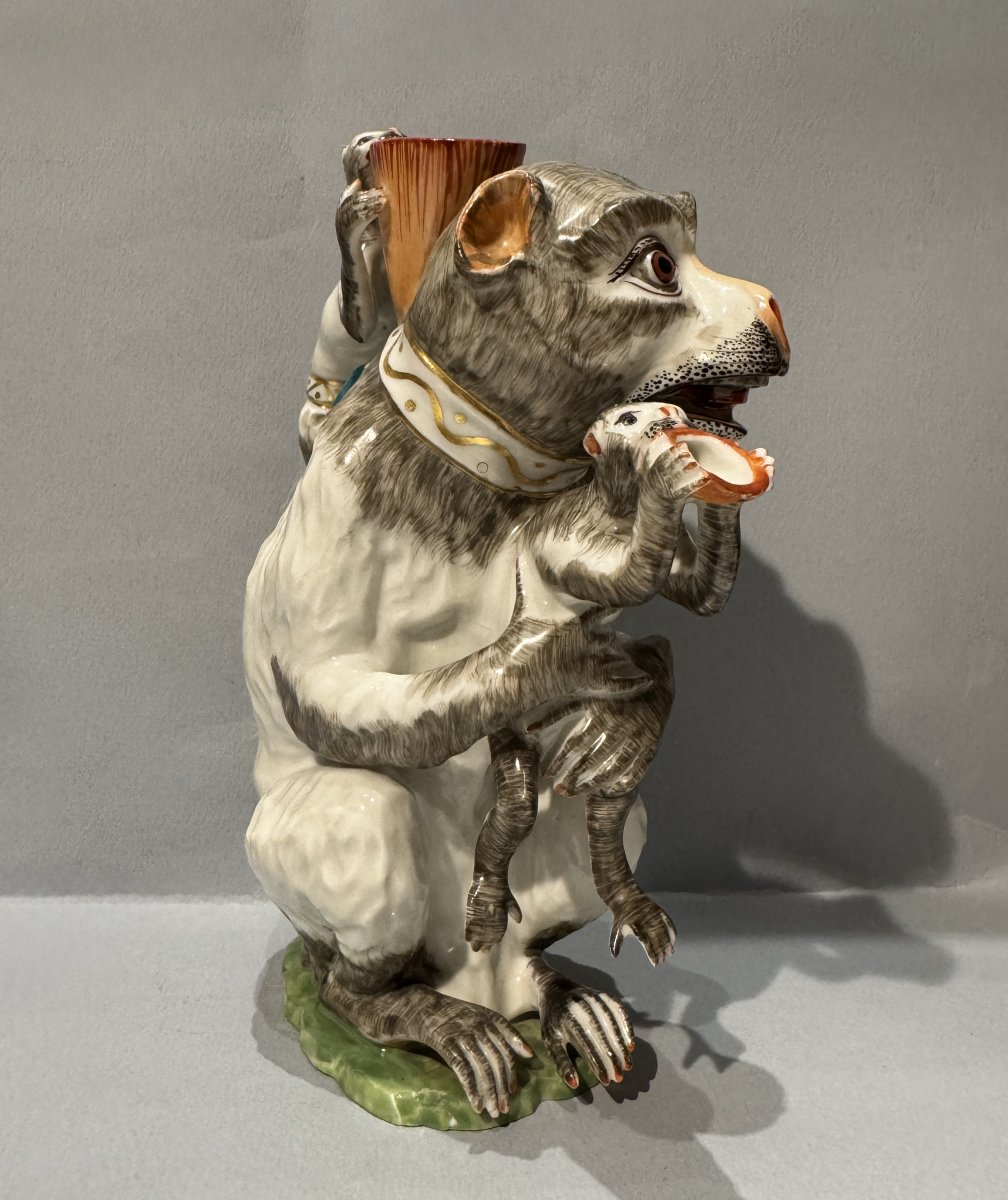
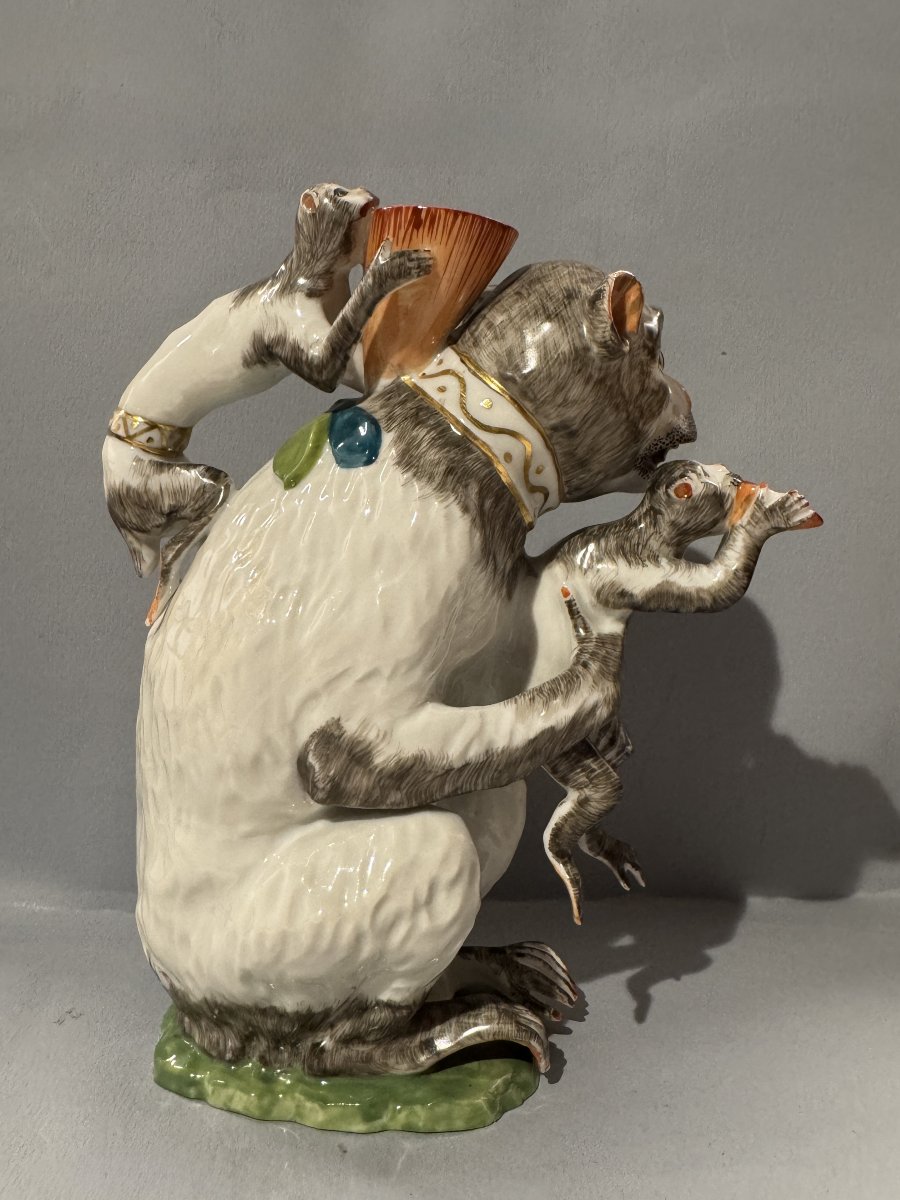
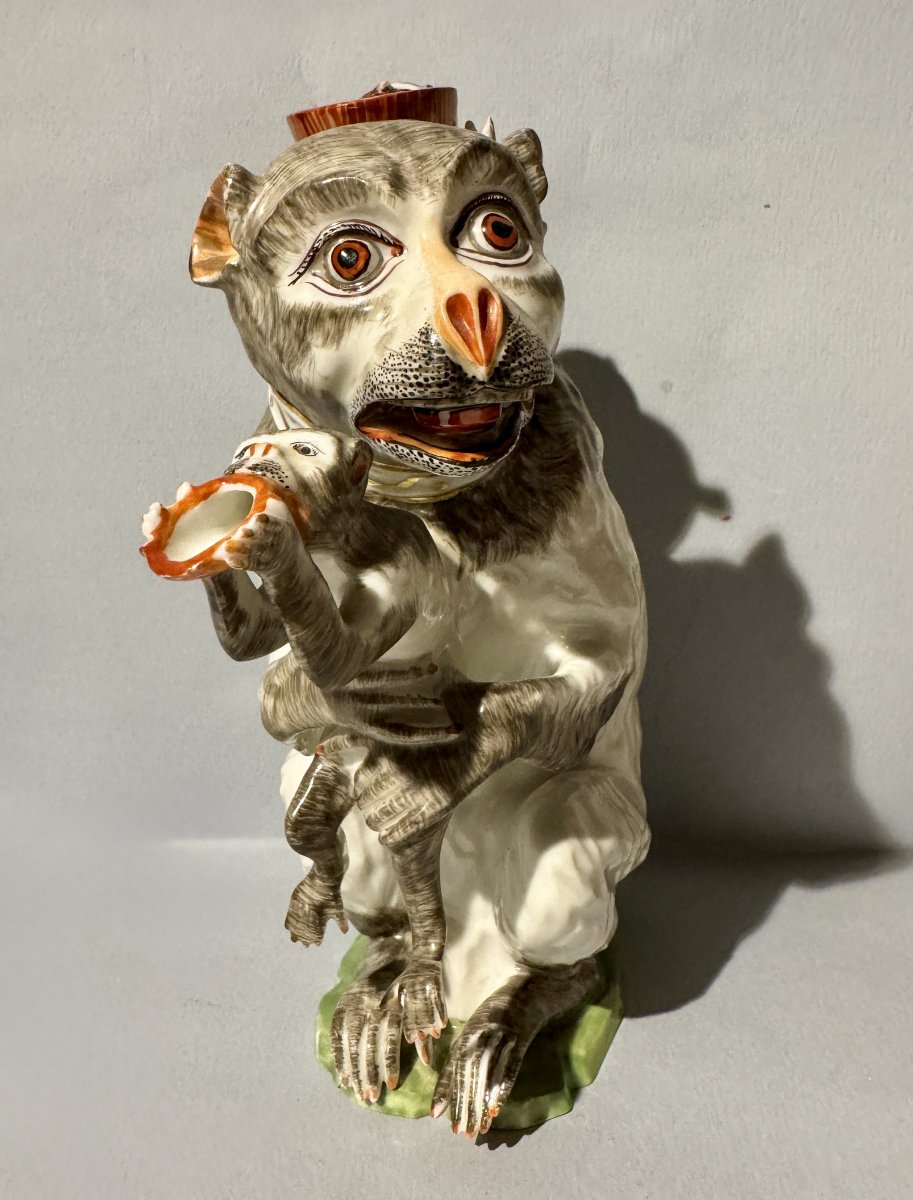
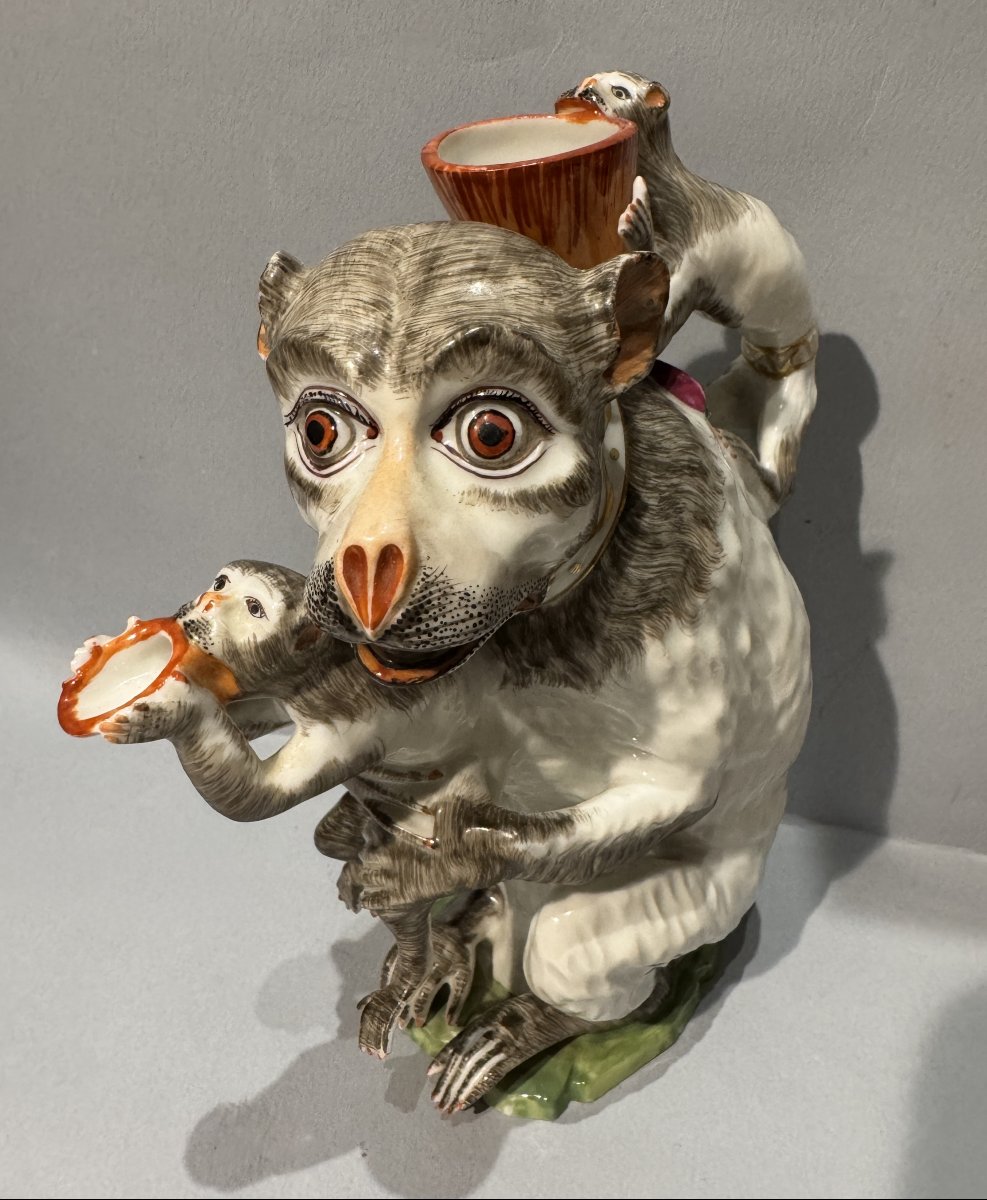
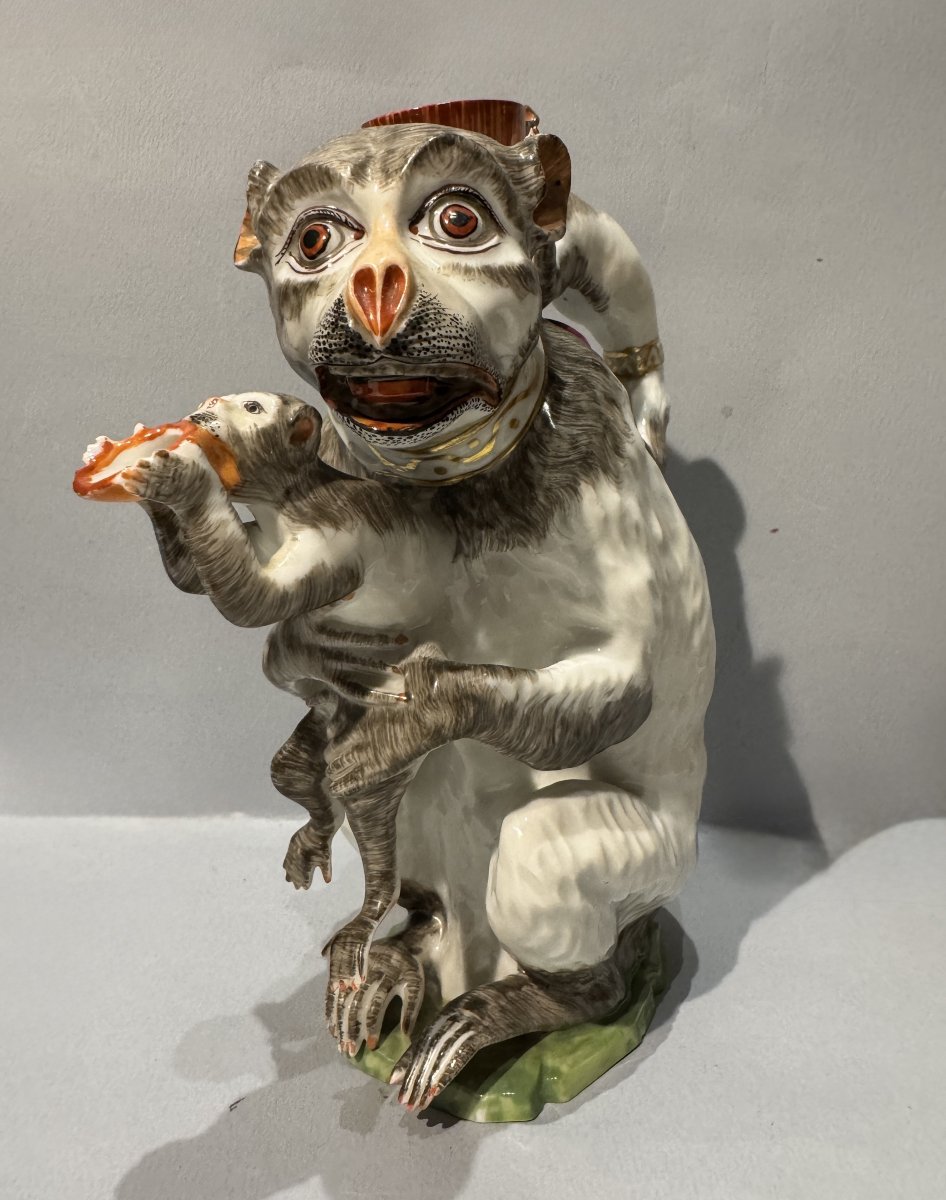
An enameled hard-paste enameled porcelain, with two baby monkeys clutching their mother.
Model by JohanJoachim Kändler circa 1735-1740.
Reviewed in Paris by Edmé Samson.
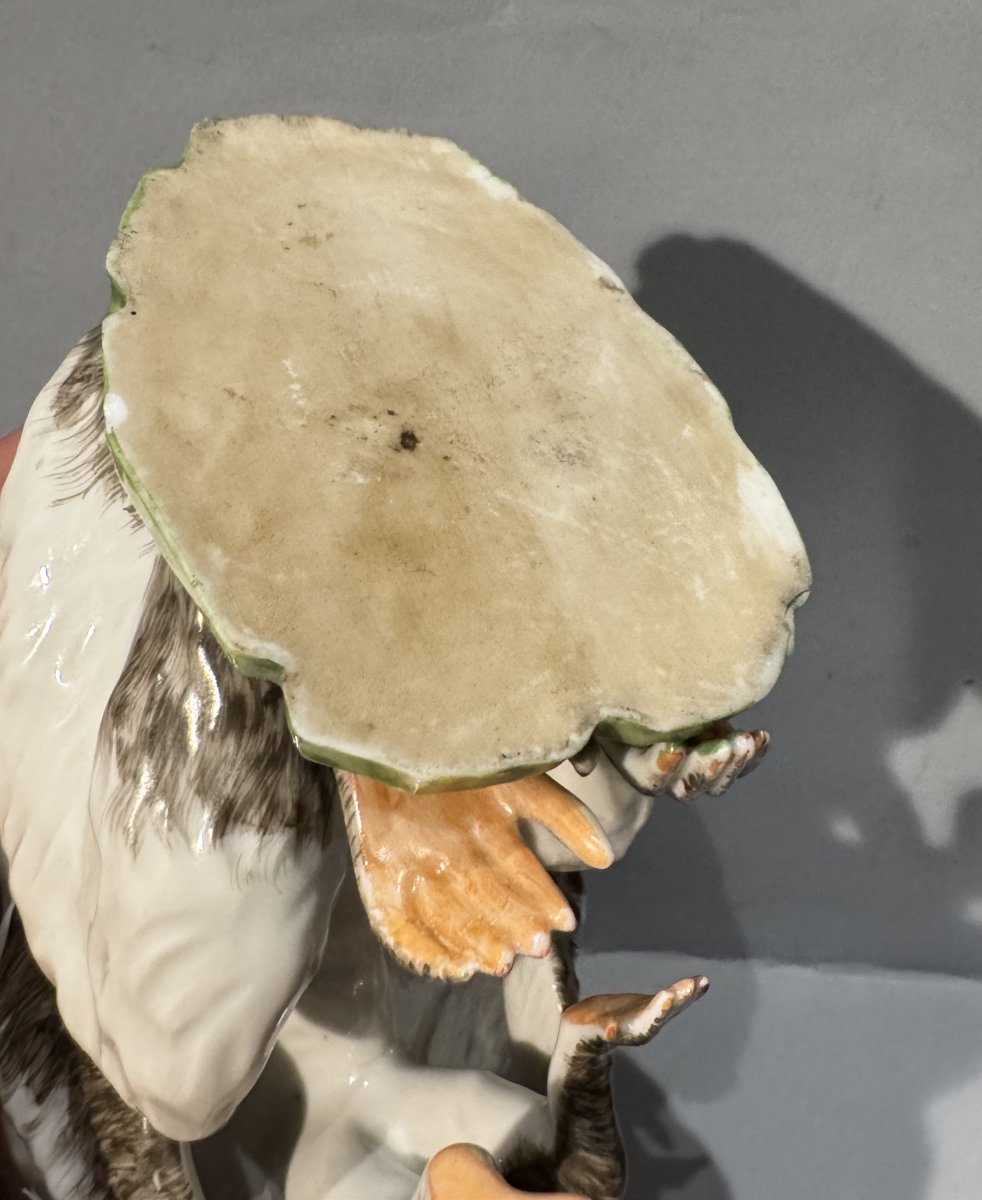
Excellent condition, unsigned.
Height 20 cm.
The object testifies to the omnipresencethe ubiquity of this exotic mammal in porcelain production of theof the period. Amusing and light-hearted, the motif mimics human foiblesthe curiosities and wonders of faraway Asia.
Johann-JoachimKändler (1706-1775).
Considered thegreatest German sculptor-modeller of the mid-18th century. Born near Arnsdorf, he completed his apprenticeship in Dresden with the sculptor Thomae. became Johann-Jacob Kirchner's assistant at the Meissen Manufactory, and finally, succeeded him as director of the Meissen design studio.workshop.
In 1731, Kändler was appointed "Court Sculptor" to Augustus the Strong.Fort and enjoyed a career of immense renown.
Edmé Samson (Paris 1810-1891).
The Samson manufacture, founded in 1845, prided itself on its ability to imitate the rarest ceramics.
Bibliography: Florence Slitine, Samson génie de l'imitation, Paris, 2002, ed. Massin.
An enameled hard-paste enameled porcelain, with two baby monkeys clutching their mother.
Model by JohanJoachim Kändler circa 1735-1740.
Reviewed in Paris by Edmé Samson.
Excellent condition, unsigned.
Height 20 cm.
The object testifies to the omnipresencethe ubiquity of this exotic mammal in porcelain production of theof the period. Amusing and light-hearted, the motif mimics human foiblesthe curiosities and wonders of faraway Asia.
Johann-JoachimKändler (1706-1775).
Considered thegreatest German sculptor-modeller of the mid-18th century. Born near Arnsdorf, he completed his apprenticeship in Dresden with the sculptor Thomae. became Johann-Jacob Kirchner's assistant at the Meissen Manufactory, and finally, succeeded him as director of the Meissen design studio.workshop.
In 1731, Kändler was appointed "Court Sculptor" to Augustus the Strong.Fort and enjoyed a career of immense renown.
Edmé Samson (Paris 1810-1891).
The Samson manufacture, founded in 1845, prided itself on its ability to imitate the rarest ceramics.
Bibliography: Florence Slitine, Samson génie de l'imitation, Paris, 2002, ed. Massin.
Explore similar pieces and discover your ideal find:
Porcelain Figurines, Biscuit Porcelain